

Best Free Farming Apps in India: What Is Actually Free
The word free is doing four different jobs in this market. Government apps are permanently free and almost nobody recommends them, because there is no commission on a free app.
From the field
Practical, India-specific guides on crops, soil, water, schemes, markets, and home gardens. Written by people who farm.

The word free is doing four different jobs in this market. Government apps are permanently free and almost nobody recommends them, because there is no commission on a free app.

Advice written for Punjab is close to useless in Marathwada. The monsoon is one system but it fails differently in each part of India, and the coping strategy has to match the failure.

A seasonal forecast and a three-hour warning are different products with different reliability. Knowing which to trust for which decision is most of the skill — and it is rarely explained.

The nakshatra system is a solar calendar, which is why it tracks the seasons well. It has also drifted about three weeks from the seasons it was calibrated against — and you can verify that yourself.

A thousand-year-old body of weather couplets that Gujarati farmers still use. Some of it is careful observation with a real mechanism. Some of it is not. Both deserve to be said out loud.

A wet fortnight at sowing followed by a month of nothing is the pattern that destroys most kharif crops. The reason is not just the drought — it is what the early rain did to your crop's roots.

The monsoon is not four months of rain. It is a sequence of heavy spells and dry breaks, and the pattern matters more to your crop than the total. Here is what causes it.

Farmers read the sky, the wind, the birds and the trees long before there were forecasts. Some of those signs have a real physical mechanism behind them. Some do not. Here is the honest separation.

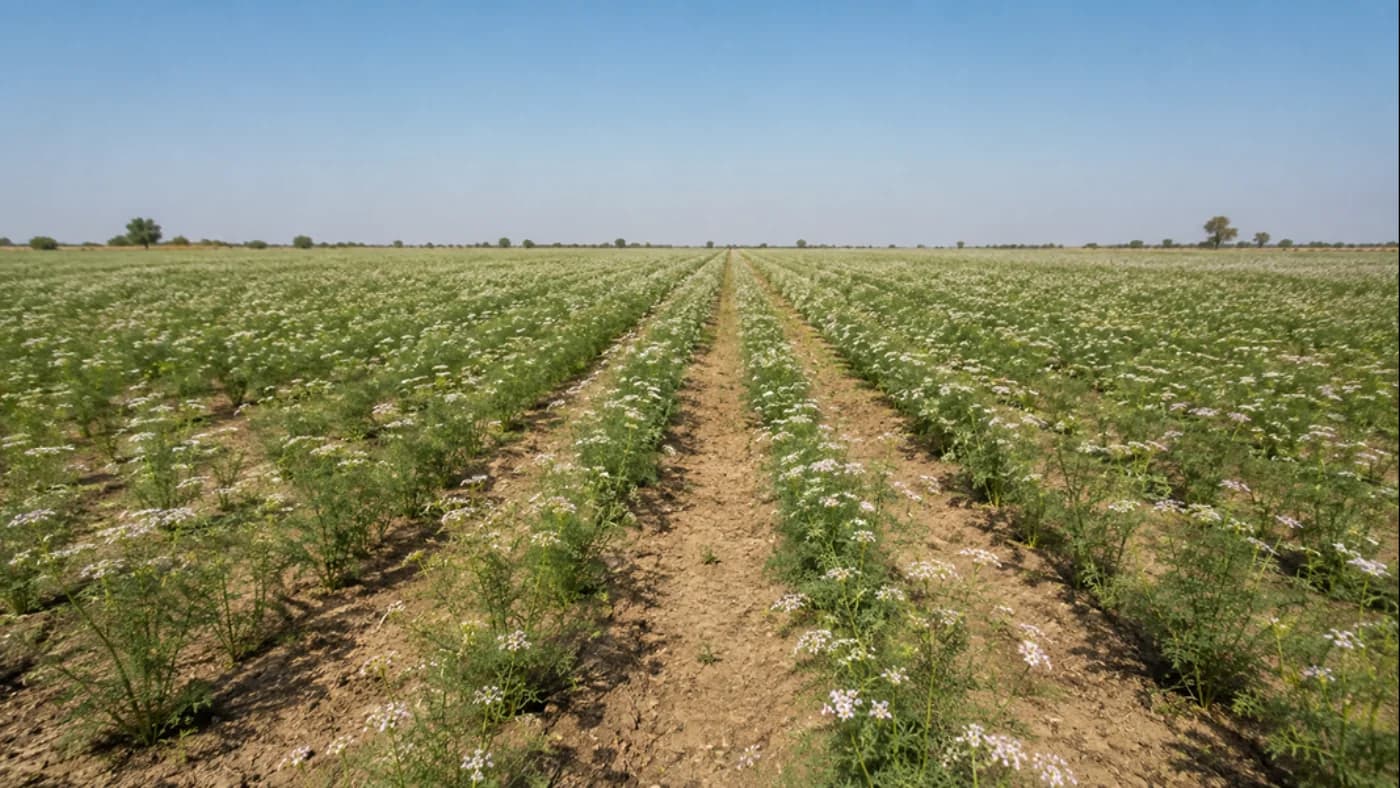
Cumin is among the highest-value crops a Gujarat farmer can grow and among the easiest to lose. Two cloudy weeks at flowering can take the whole field. Here is how to give it the best odds.

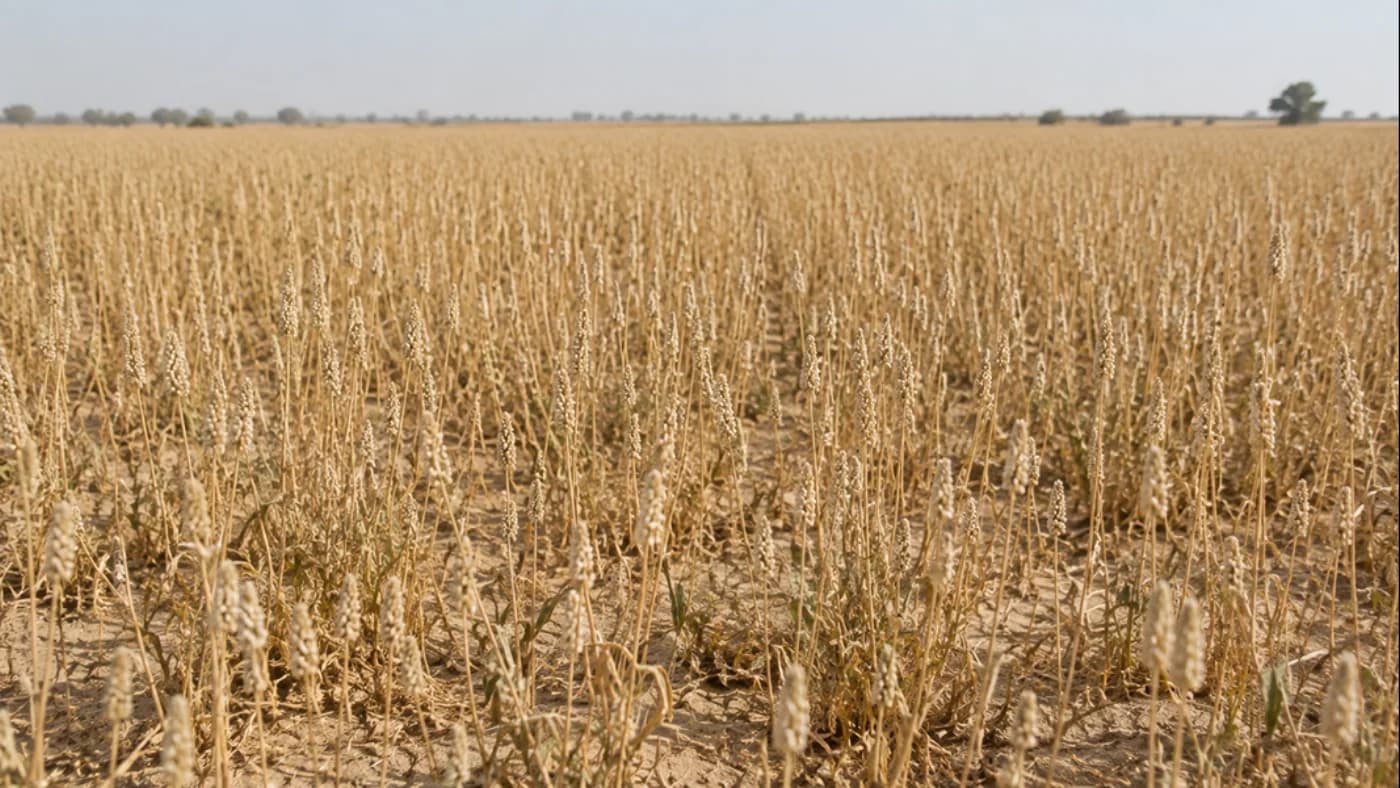
North Gujarat supplies much of the world's psyllium husk from light land and almost no water. The crop is easy until harvest — and at harvest one shower can take the value out of it.

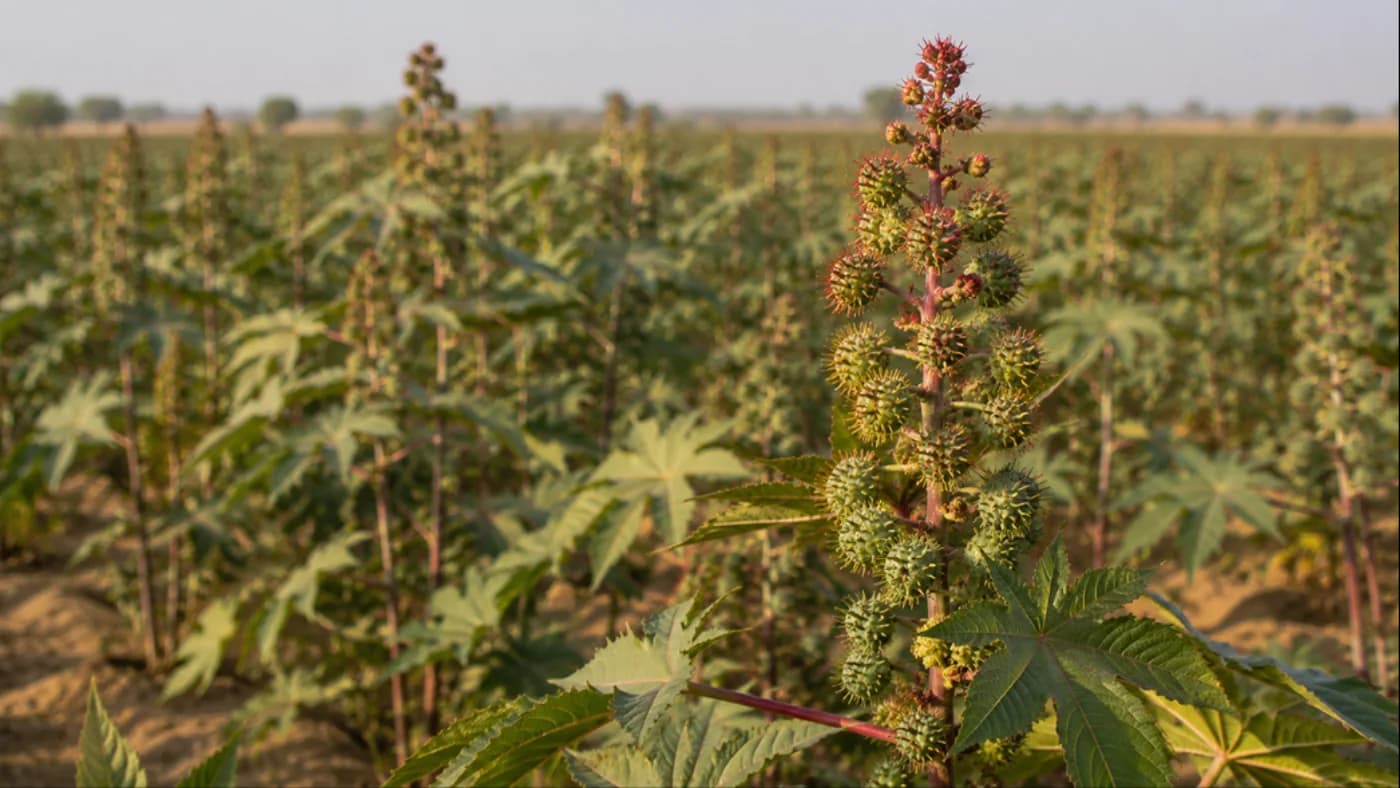
Gujarat grows most of India's castor, and India supplies most of the world's. A deep-rooted crop for light land that pays across several pickings — and one you must never treat as food or fodder.

Most of what blocks a woman farmer is not farming — it is a record. Schemes, credit and insurance are issued against land in your name, and that is the gap worth closing. Here is exactly how.

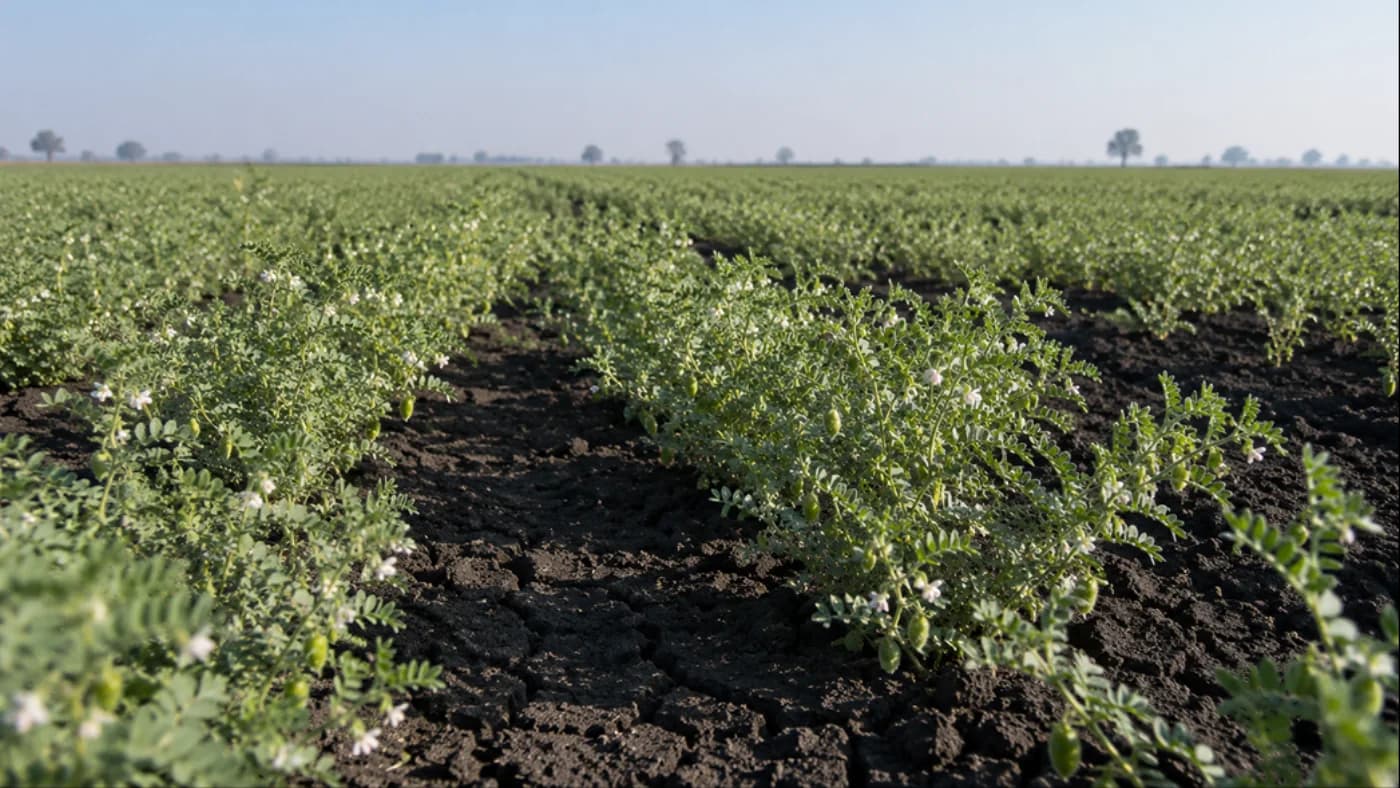
India's biggest pulse crop is also the one most often ruined by kindness — too much water, too much nitrogen. What chana actually needs, how to beat wilt and pod borer, and desi versus kabuli.

The cheapest pest control and the cheapest fertiliser on your farm are the same thing — deciding what follows what. The three rules, the crop families you must not repeat, and what your soil type allows.

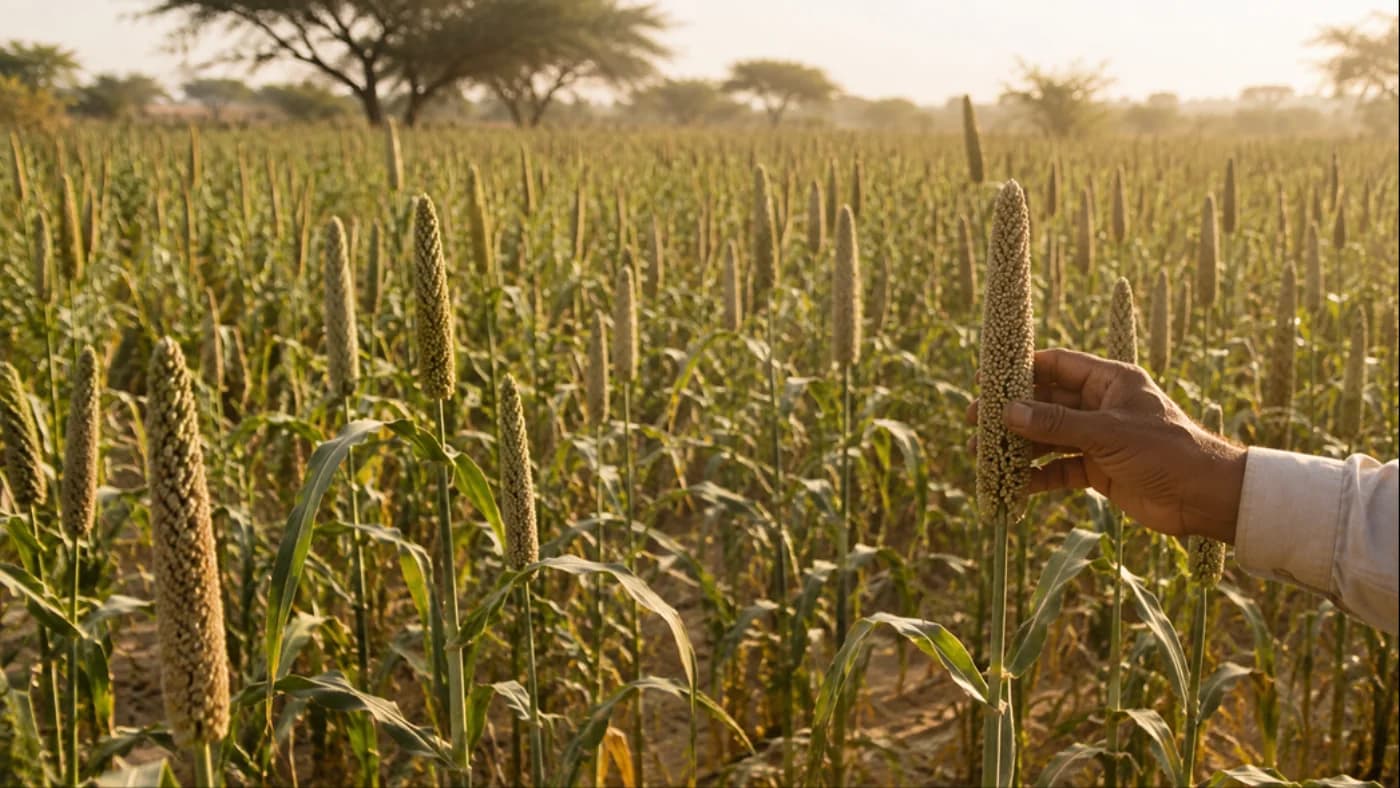
Millets survive where other cereals fail, and that is the whole argument for growing them. Which of the three suits your rainfall, your soil and your market — and where the money actually comes from.

Not predictions — four shifts that have already started and will decide how you farm in 2027: digital farm records, the fight over your data, a fertiliser policy turn, and sensing cheap enough for two acres.

The Farmer ID links your identity to your land and to whatever crop the survey says you sowed. That record — not what you tell an official — is what schemes will be assessed against. Here is how to register, and how to check it is right.

Your cropping history is worth money to somebody. Here is what farming apps actually collect, what you should refuse outright, and what India's data protection law lets you demand.

A phone can give you your field's area in minutes, in bigha, vigha or acre. It can also give you a confidently wrong number. Here is how GPS measurement actually works, when to trust it, and the one thing it must never be used for.

Official mandi prices are free and public, published daily from APMC markets across India. Most farmers either never look, or look at the wrong number. Here is where the data comes from, how to read min, max and modal price, and why the highest figure is usually a trap.

Precision agriculture was built for hundreds of acres. Some of it now reaches two. Here is which tools repay the effort on a smallholding, which are marginal, and which are simply not for you yet.

PM-KISAN puts direct income support into the bank accounts of landholding farmer families across India, three installments a year. Here's exactly who qualifies, how the money reaches you, and what to check if a payment doesn't arrive.

A milch animal is often the largest single purchase a small farm makes, and the easiest to be cheated on. Listings make discovery far easier — they do not make verification optional. Here is exactly what to check, in what order, and the red flags that should end a deal.

Ask most farmers what last season cost them per acre and you get an estimate, not a number. The money was real; the record was not. Here are the six categories that capture almost all of it, the costs farmers routinely leave out, and the one hidden interest charge that never appears as interest.

A tractor sits idle for most of the year while the loan instalment does not. Custom hiring turns it into income — but only if your rate covers what an hour actually costs you. Most owners quote from what the neighbour charges, and quietly subsidise every job.

Nano urea is promoted hard and criticised hard, and both sides quote studies. Here is what it actually is, why a bottle cannot replace a bag, and how to run a fair test on your own field instead of trusting either camp.

Artificial intelligence has quietly moved from the news into the field. Here is exactly how an ordinary Indian farmer with an ordinary Android phone can use AI for crop planning, disease diagnosis, irrigation timing and selling — step by step, in 2026.

Mustard is one of the most reliable rabi oilseed crops a farmer can grow, but two things quietly decide whether you get an average harvest or a genuinely good one: whether irrigation lands at the two moments the crop can't do without it, and whether aphids get caught early or late.

Gujarat's iKhedut portal carries subsidies for tractors, drip irrigation, godowns, tar fencing and well over a hundred other schemes. Most rejections are avoidable paperwork mistakes. Here is the full 2026 process, the documents that actually matter, and how to check your status.

Heat waves, sudden downpours, dry spells and cold snaps are all hitting harder and less predictably across India. Here are the real, low-cost jugaad techniques farmers already use to protect a standing crop in each of these four situations — not theory, the actual same-day and same-season actions.

PM-KISAN has been extended to 2030-31 with a ₹3.15 lakh crore outlay. But every cycle, lakhs of farmers find the money has not arrived. Almost always it is one of four fixable problems. Here is how to check your status and fix each one.

Tur is one of the most forgiving crops a farmer can grow — and one of the best for soil health — but pod borer and wilt can still take a serious bite out of yield if you're not watching for them. Here's how to grow it well from sowing to harvest.

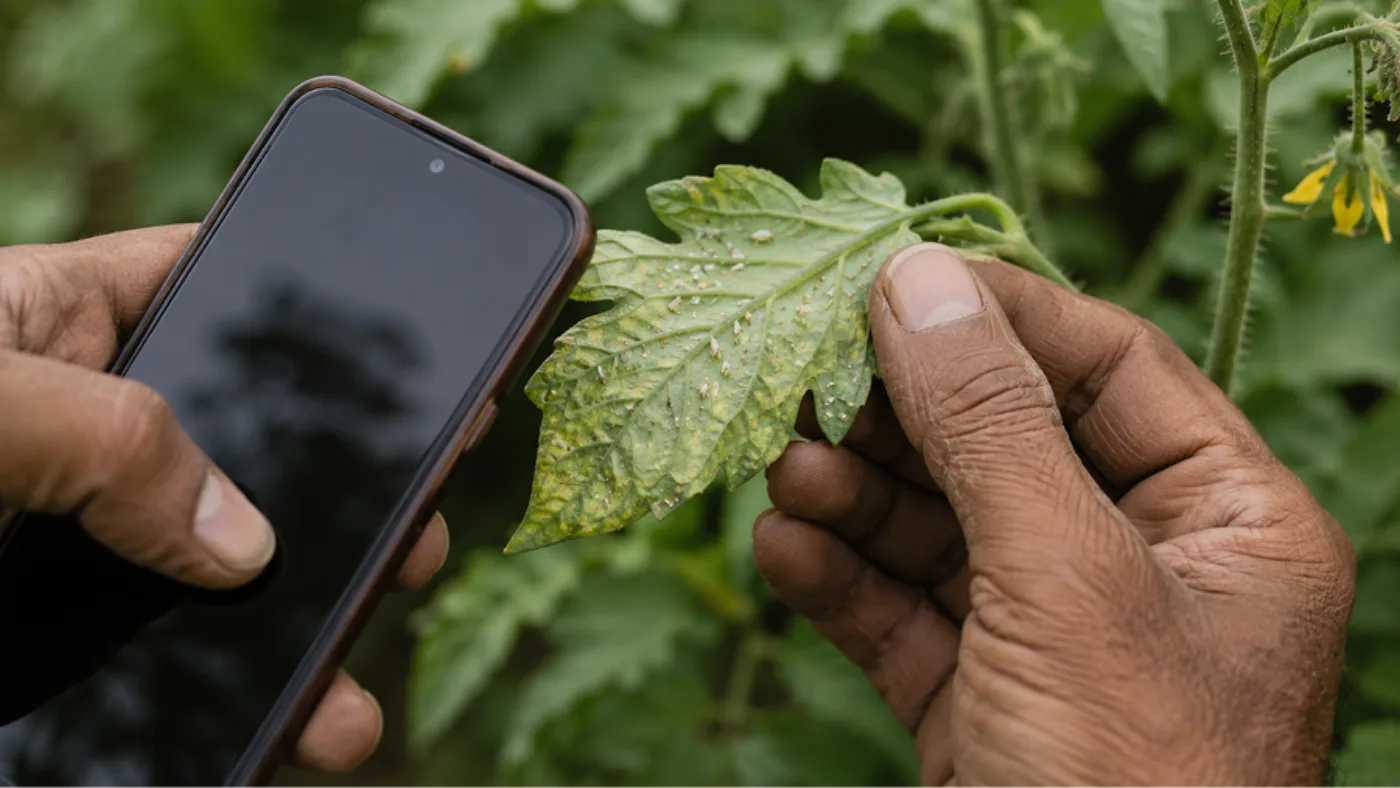
A plant disease app can identify a problem in seconds — or confidently give you the wrong answer and cost you a spray. The difference is almost entirely in how you photograph the plant and how you read the result.

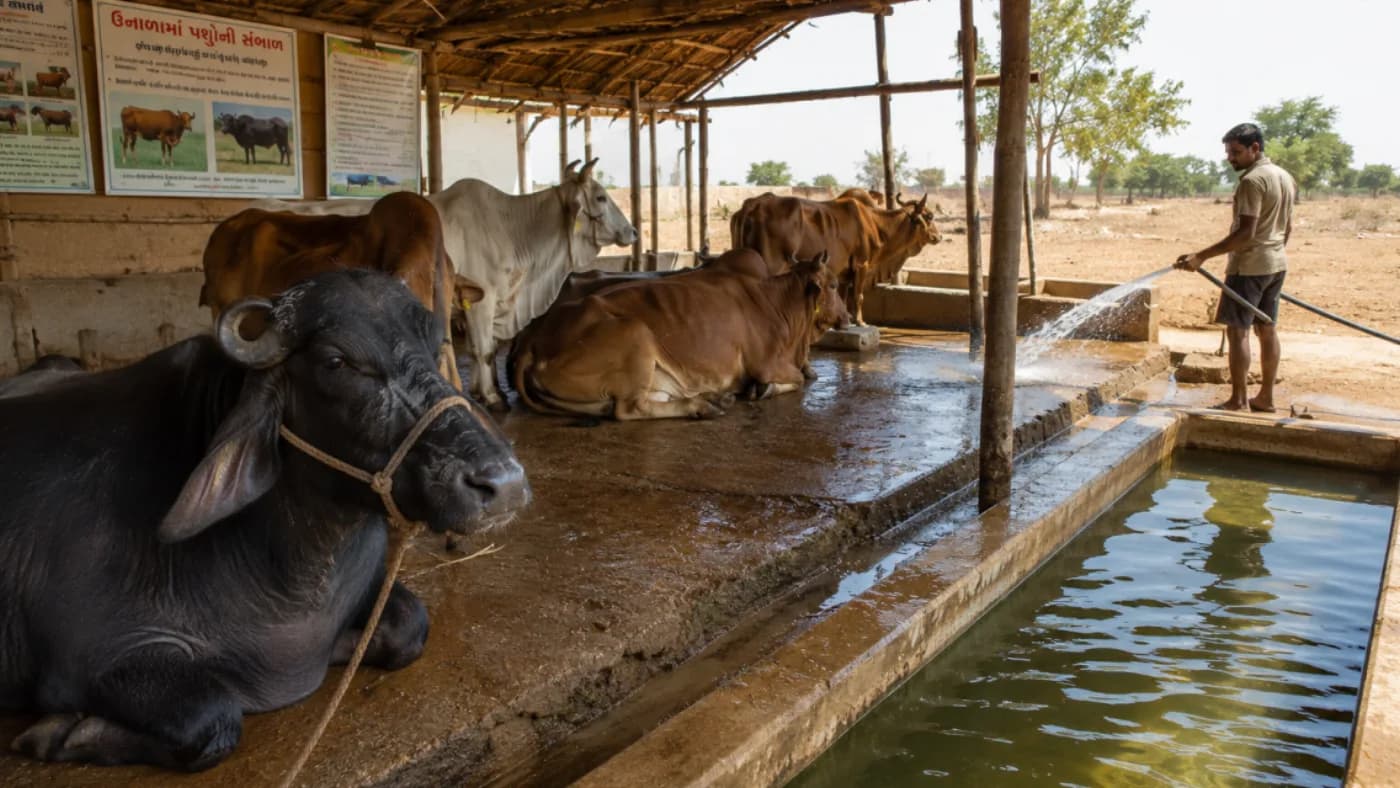
Summer heat and monsoon damp punish a dairy animal in completely different ways, which is why one set of shed arrangements never covers both. Here is how to read heat stress early, why buffaloes suffer most, and how to keep the monsoon from costing you feet, udders and fodder.

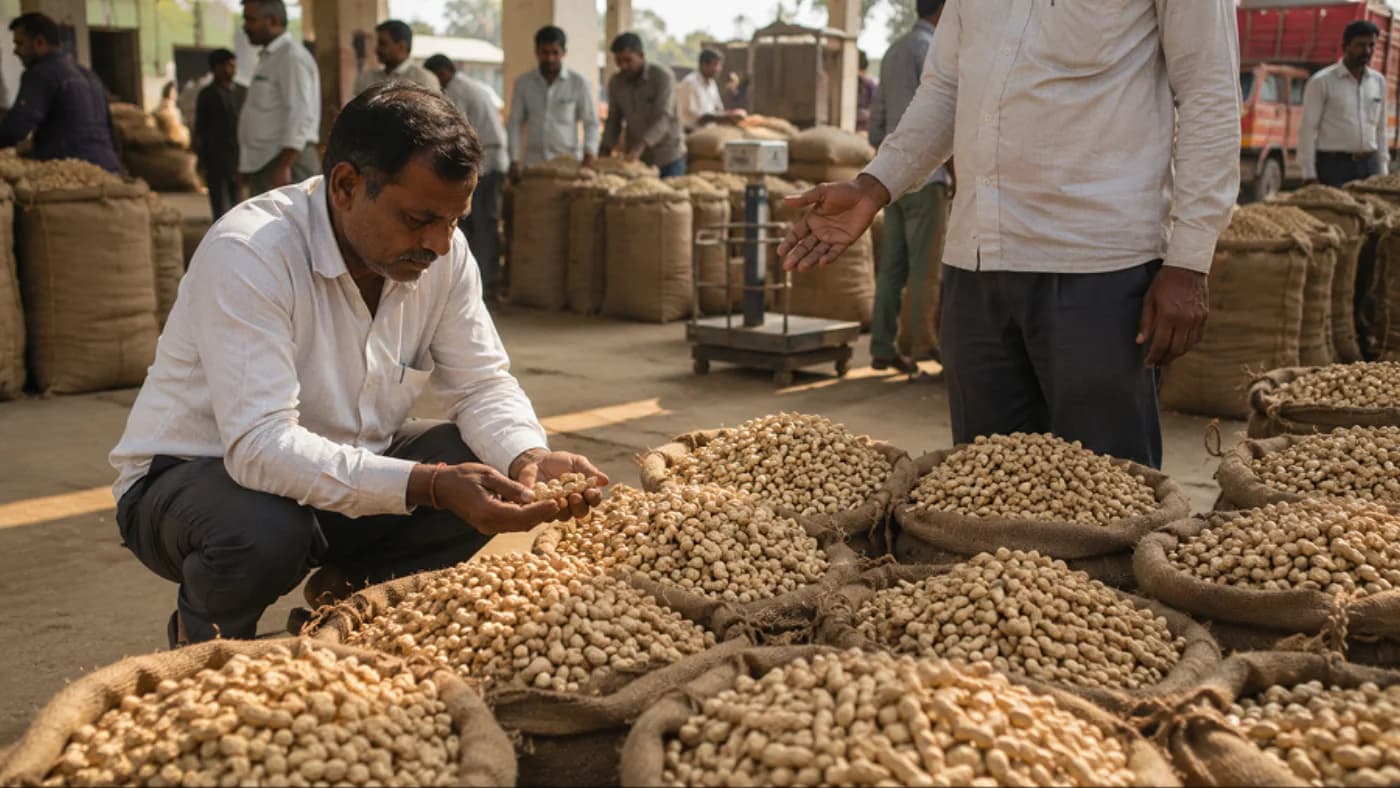
Groundnut MSP for 2026-27 is ₹7,517 a quintal and long-staple cotton ₹8,667. Very few farmers actually receive those numbers. This guide explains the gap between the announced MSP and your gate price — and the four levers that close it.

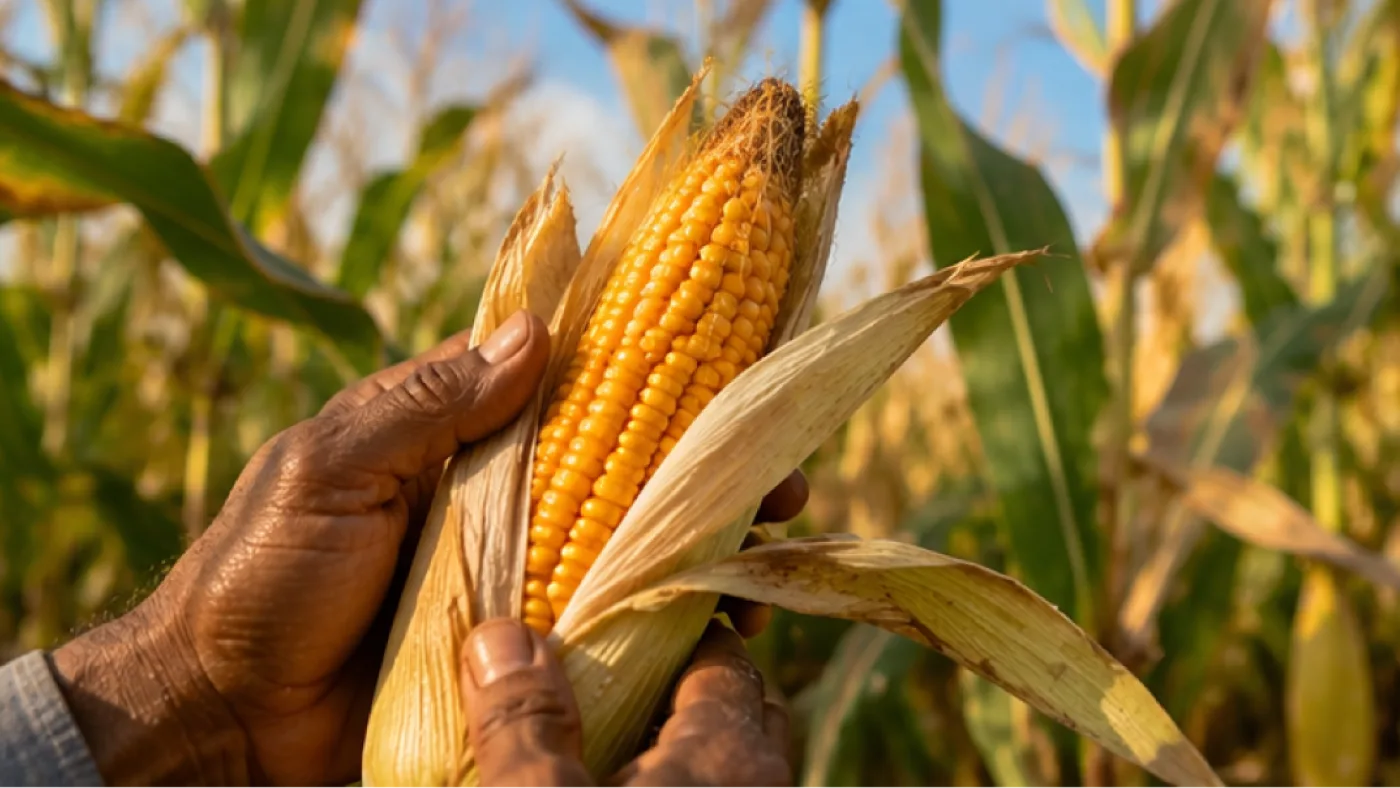
Maize is grown almost year-round in India, as both a kharif rainfed crop and a rabi irrigated one — and the two seasons ask for genuinely different decisions. Here's a practical guide to both, plus what to watch for now that fall armyworm has become a serious threat.

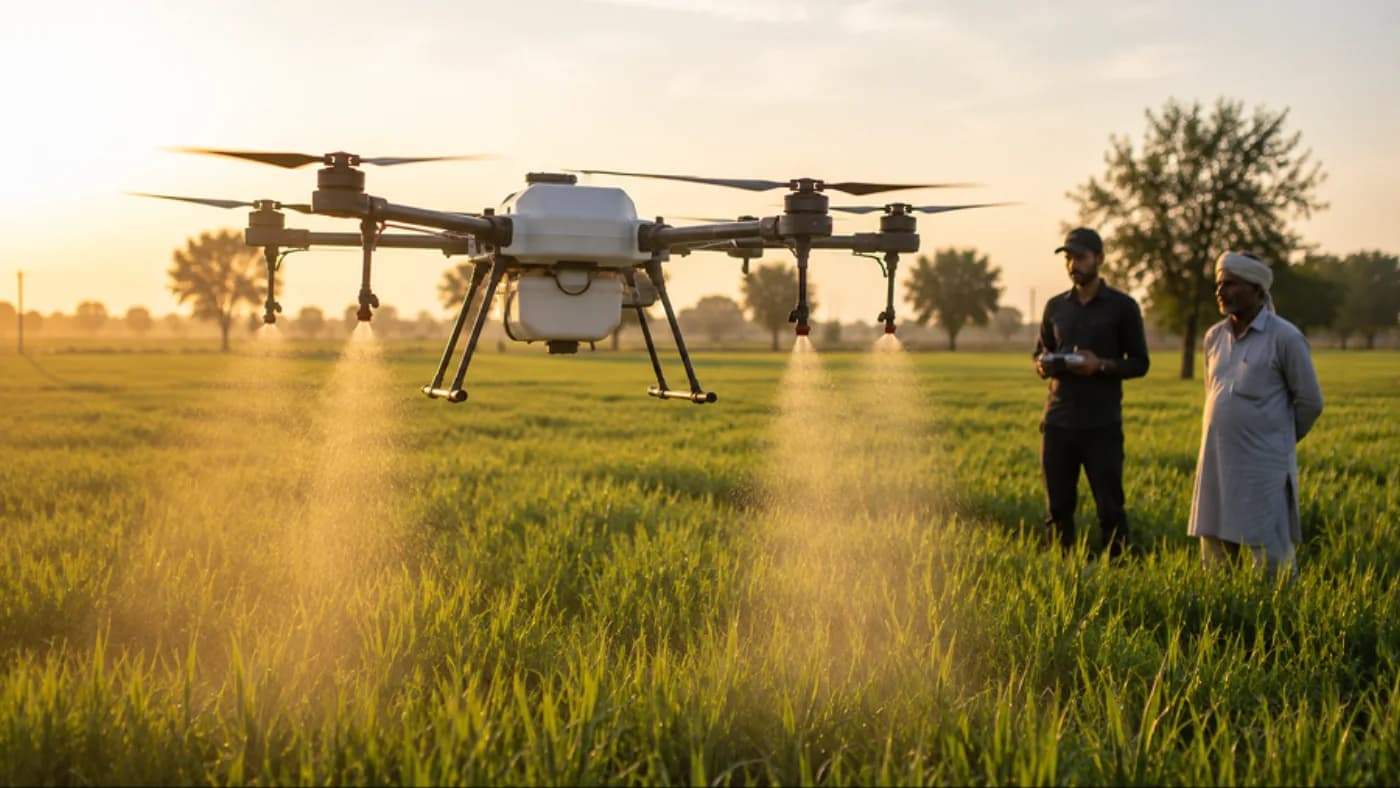
Agricultural drones cut spraying from hours to minutes per acre, and subsidies go as high as 80 per cent for women's self-help groups. But buying one is rarely the right move for an individual farmer. Here is the honest arithmetic.

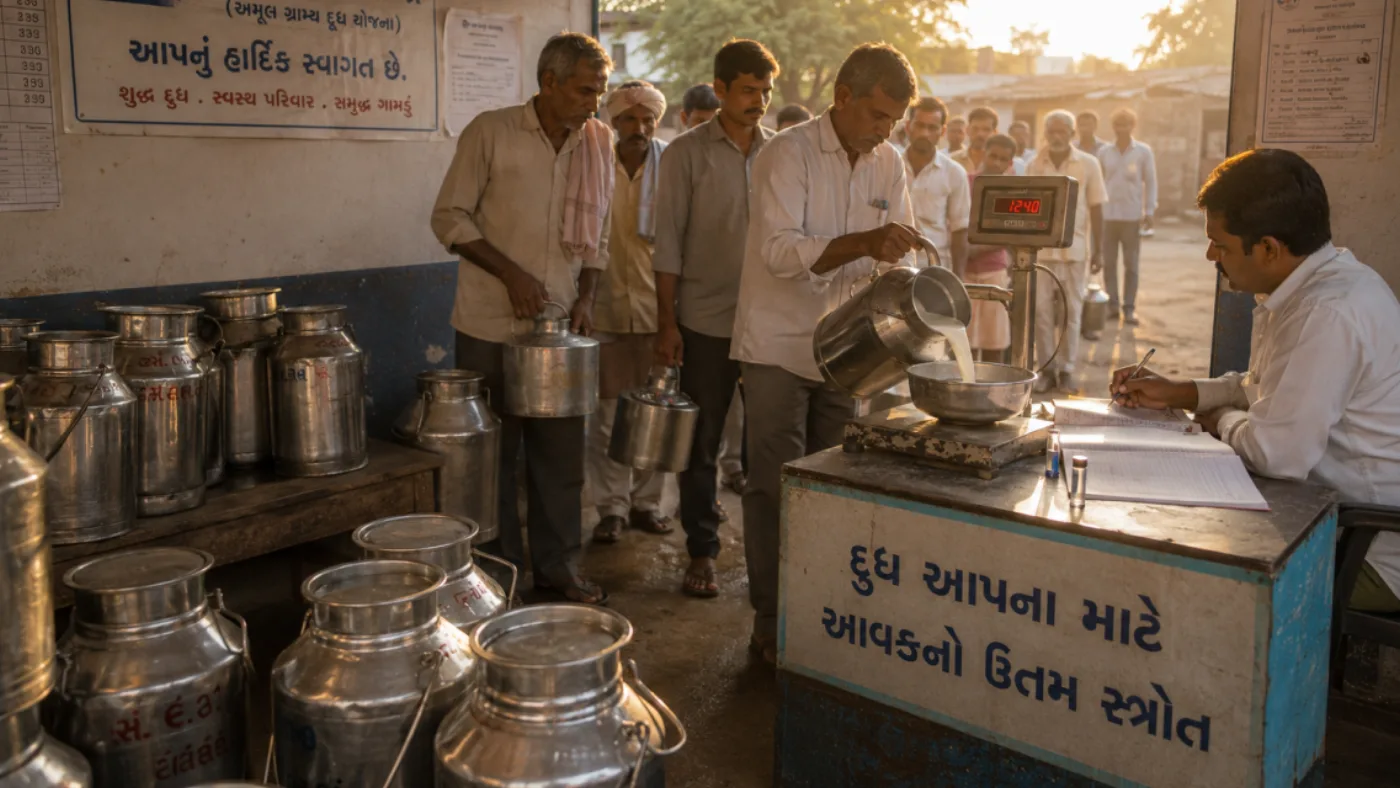
A cooperative dairy measures what your milk actually contains and pays you on that — and because the farmers own the society and the societies own the union, the value added downstream comes back to the village instead of stopping with a trader. Here is how the whole chain is put together, and how a farmer joins one.

The two terms are used interchangeably and they are not the same thing. One is a certification system that lets you sell at a premium; the other is a low-input philosophy that cuts your cost to near zero. Choosing wrong costs you either money or a market.

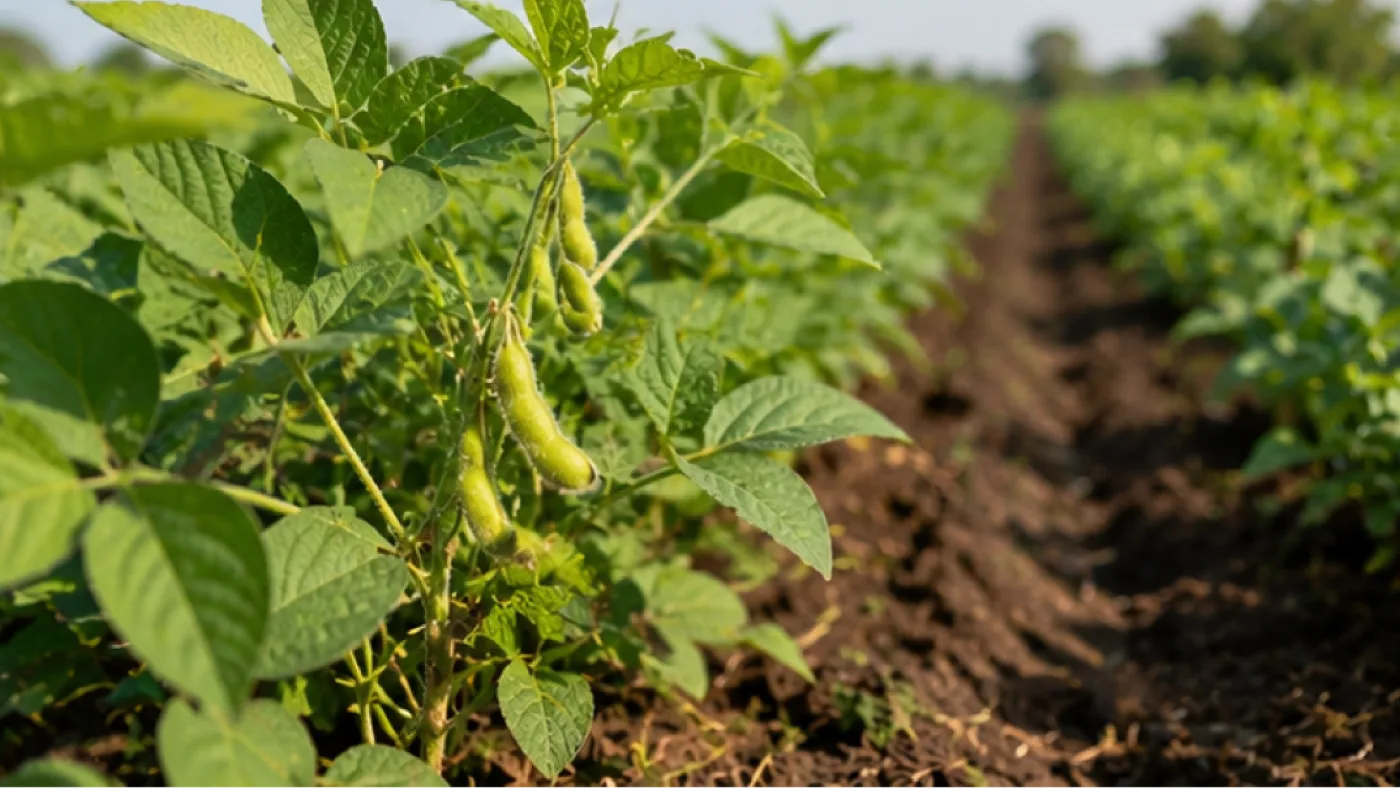
Soybean rewards good basics more than almost any other kharif crop — the right seed treatment, sowing window, and spacing routinely make a bigger difference than anything sprayed on afterward. Here's what actually moves the yield needle.

Most farmers receive a soil health card, glance at it, and file it away. It is the cheapest agronomic advice you will ever get — twelve numbers that tell you exactly what your land is short of and what you are wasting money on. Here is how to read every one.

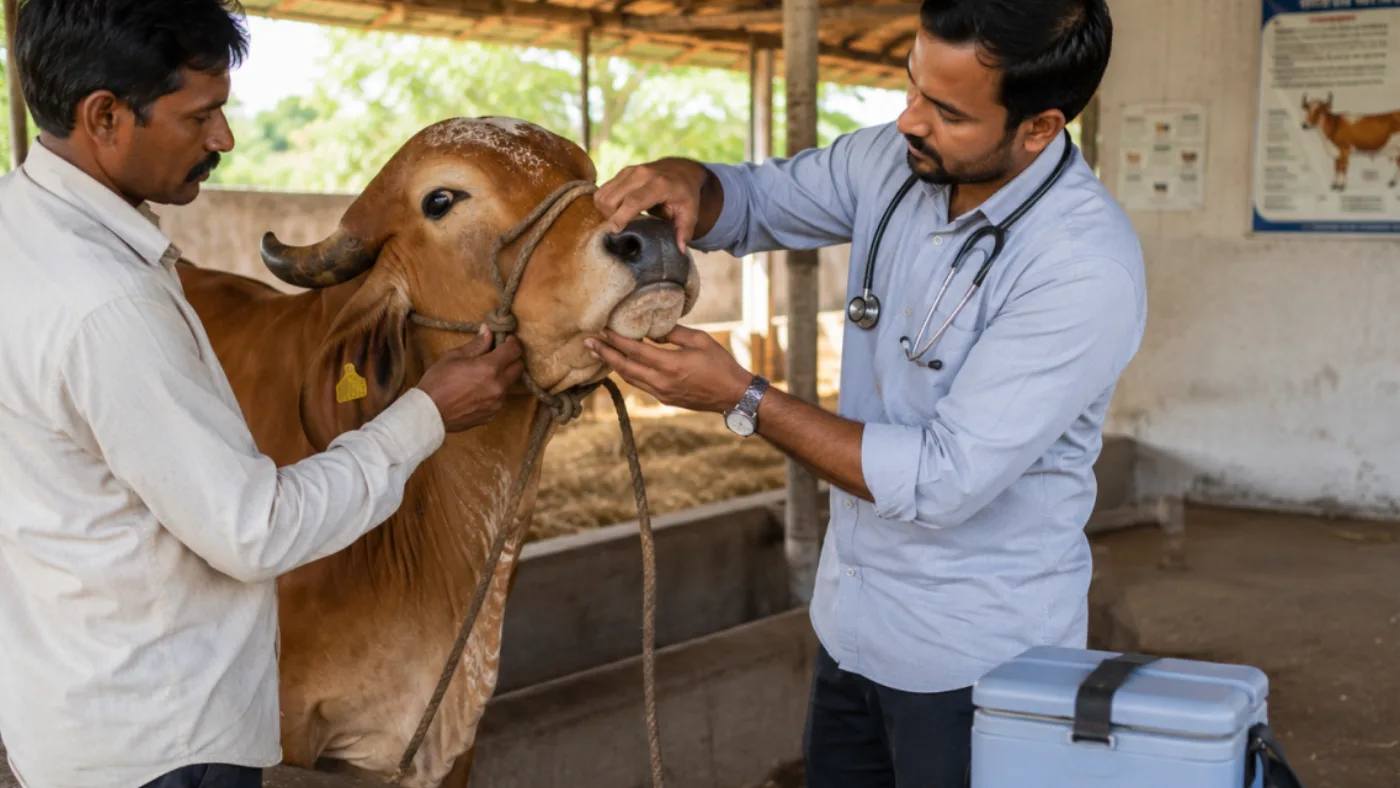
Most of what destroys a smallholder dairy announces itself a day early, as an animal that went off her feed. Here is how to recognise FMD, mastitis and bloat, what to do in the first hour, and why your vaccination schedule has to come from your own veterinary department rather than from the internet.

India has over 50 active carbon farming projects and, with the world's largest cropland area, is positioned to become a leading market. Before you sign a multi-year agreement, understand exactly what you are selling, what it pays, and what you are agreeing not to do.

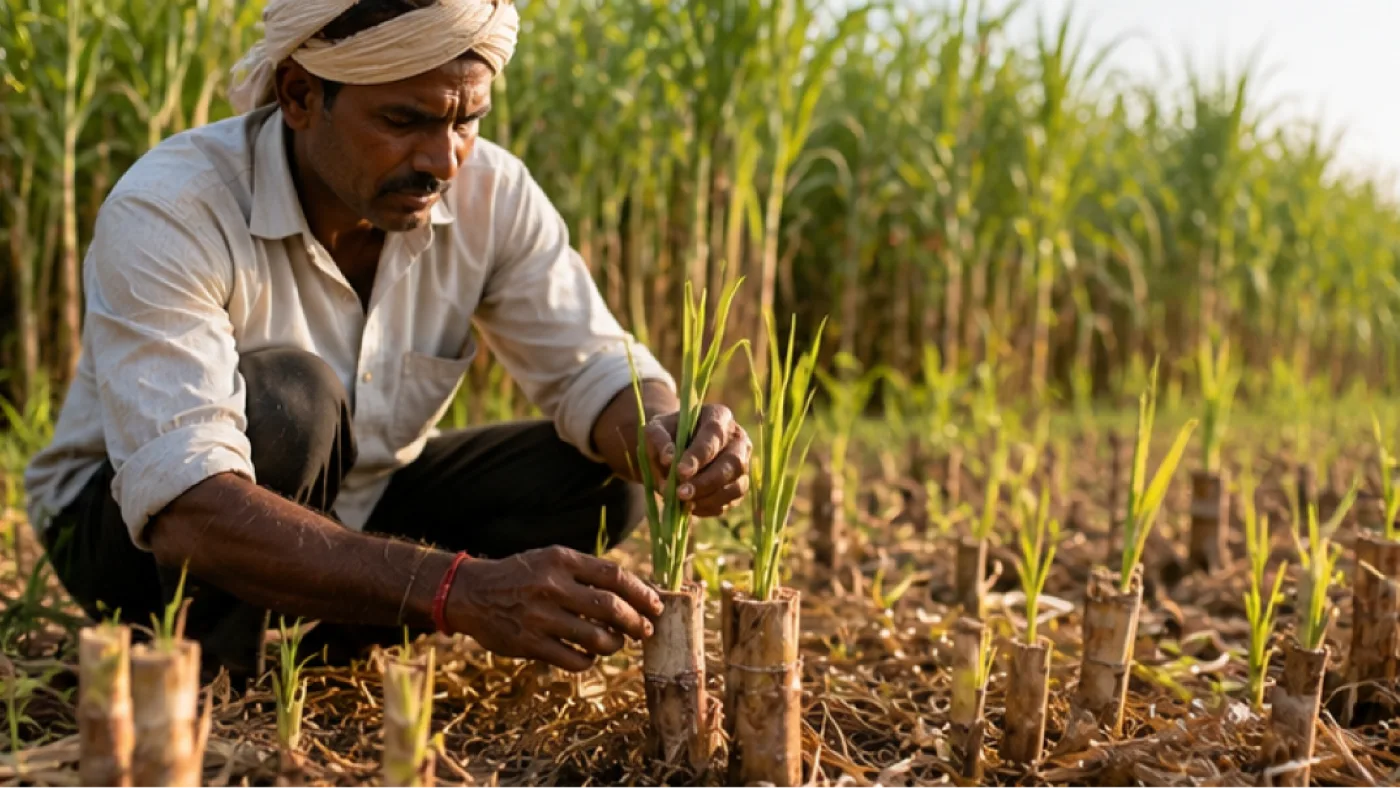
Ratooning — letting the old cane stubble regrow instead of replanting — can save a season's worth of planting cost. Here's how to manage a ratoon crop properly, and how to know when it's time to stop ratooning and replant.

The monsoon has not become weaker; it has become less predictable. Fewer rainy days, heavier bursts, longer dry spells inside the season and heat spikes at flowering. Resilience is no longer a research topic — it is a set of concrete decisions for the next sowing.

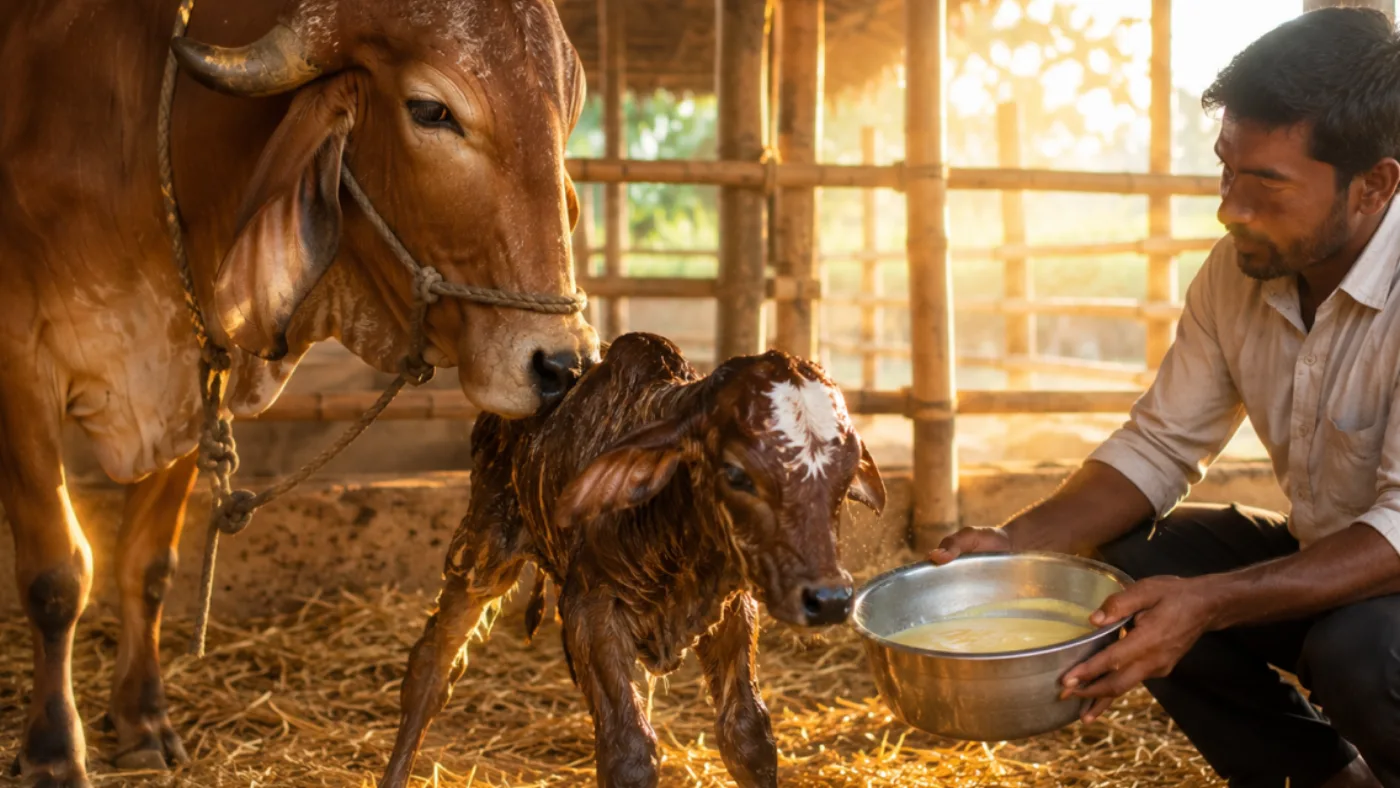
The first few hours after a calf is born, and the heat that has to be caught while the dam is still in milk, decide more about a dairy animal's lifetime value than anything you feed her later. Here is how to raise a calf properly, why artificial insemination replaced the village bull, and how the calving interval quietly decides whether an animal pays.

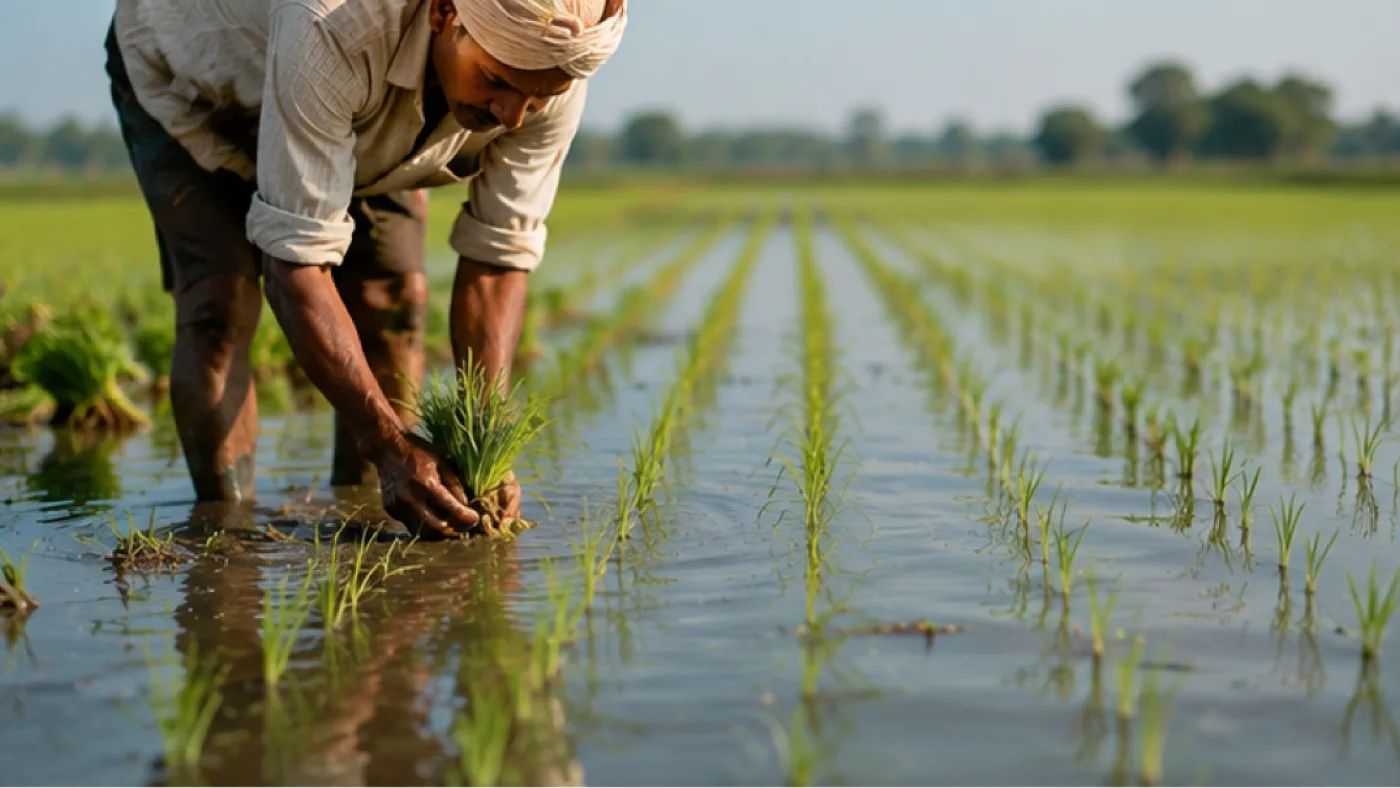
From raising a healthy nursery to knowing exactly when to drain the field before harvest, this is a full season-by-season guide to growing paddy well — with the water-saving trick that can cut your irrigation bill without cutting your yield.

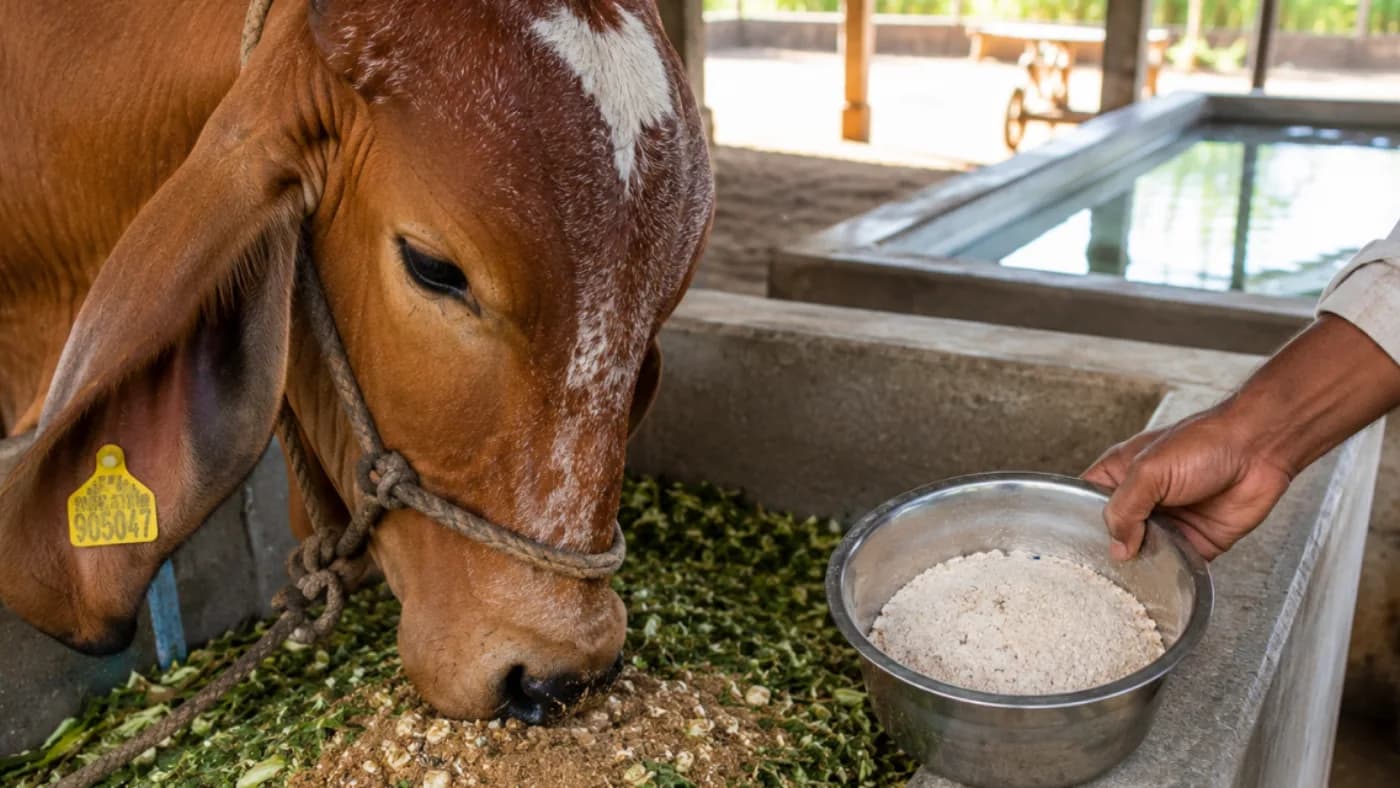
Milk yield is decided at the manger and the water trough long before it shows up in the pail. This guide explains how a dairy ration is really built, the quiet feeding mistakes that cost milk every single day without anyone noticing, and why water is the most underrated input on the whole farm.

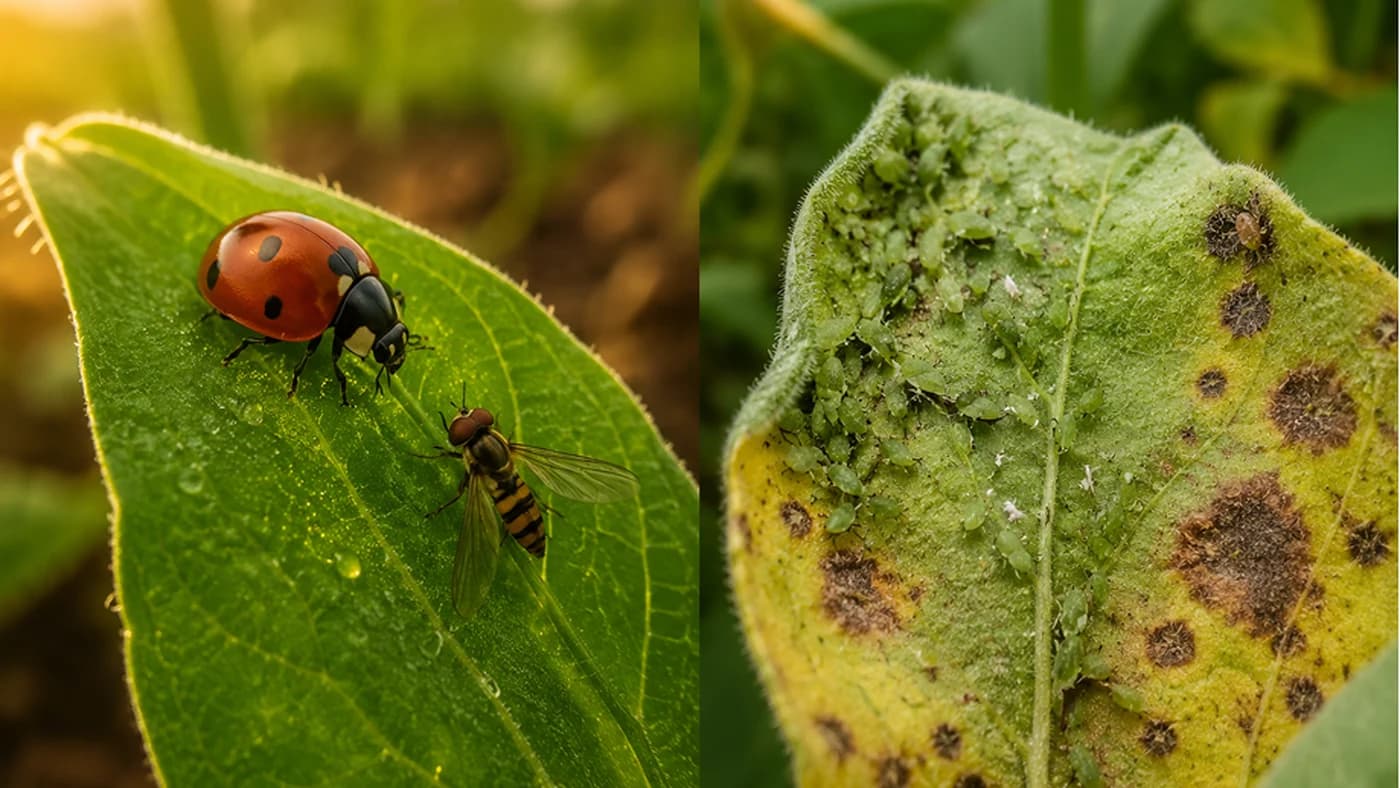
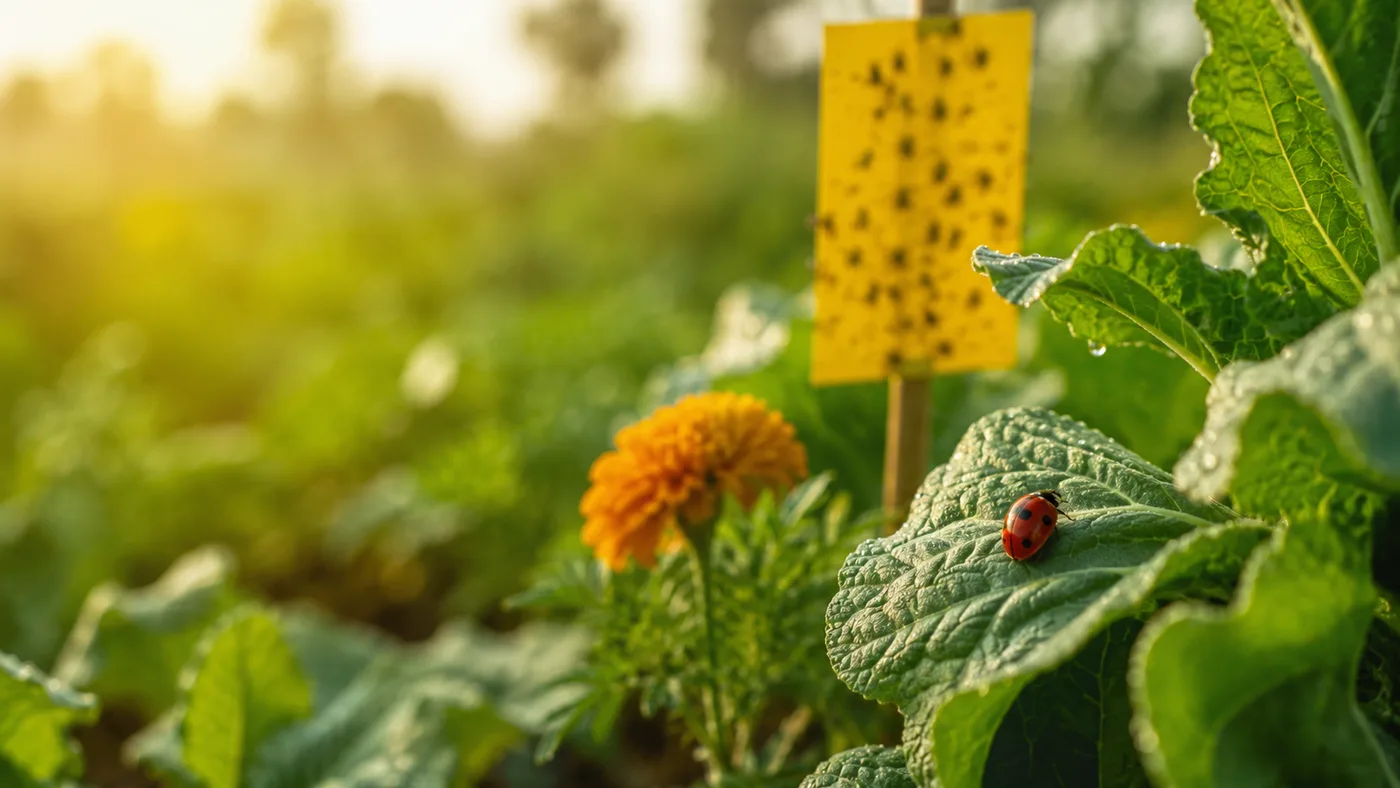
Not every insect in your field is an enemy — most are neutral, and some are your best free workers. A full visual guide to the beneficial insects worth protecting, the pest insects worth acting on, and the diseases behind common crop symptoms.

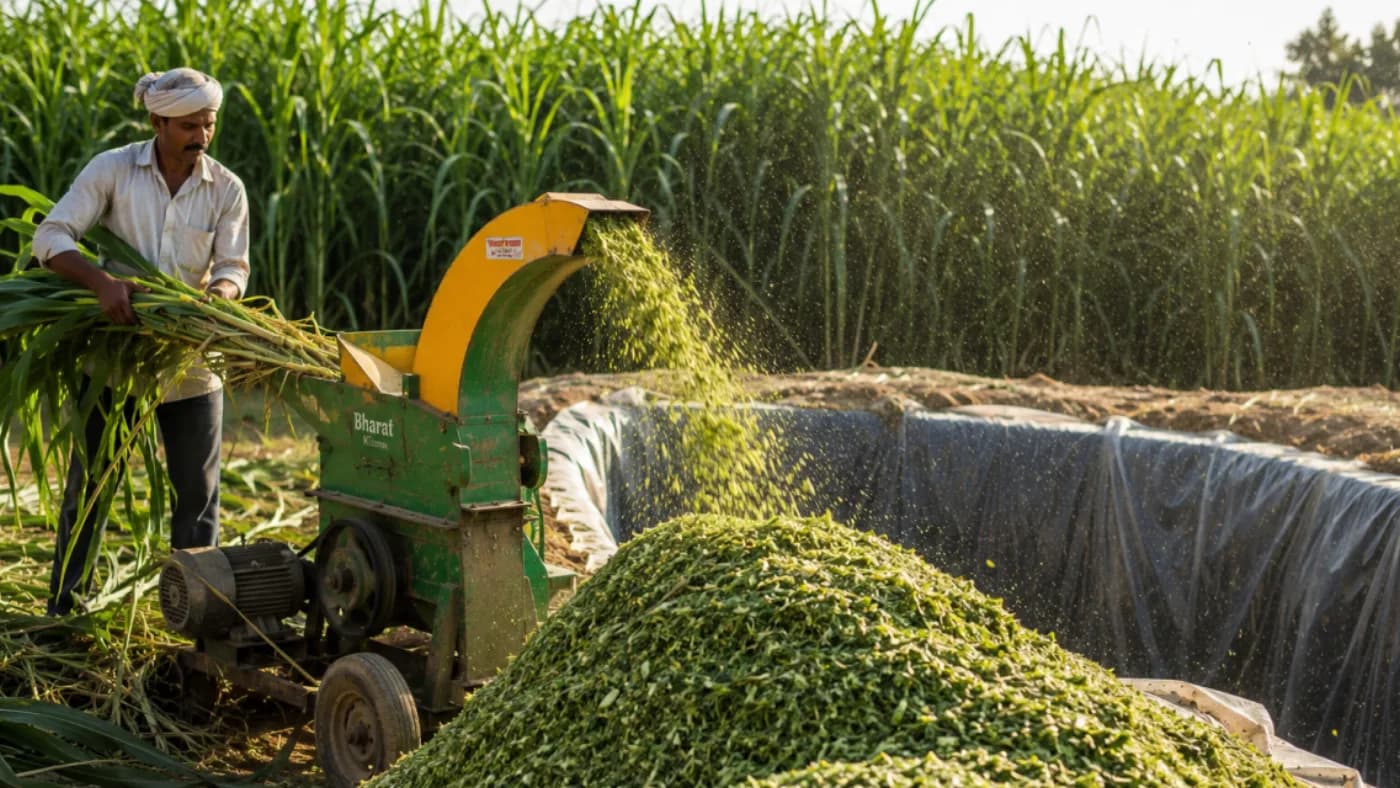
A dairy animal needs green fodder all 365 days, but every fodder crop in India is seasonal. This is a practical guide to staggering your fodder sowings, making silage in a pit or a bag, and closing the summer gap without buying fodder at peak price.

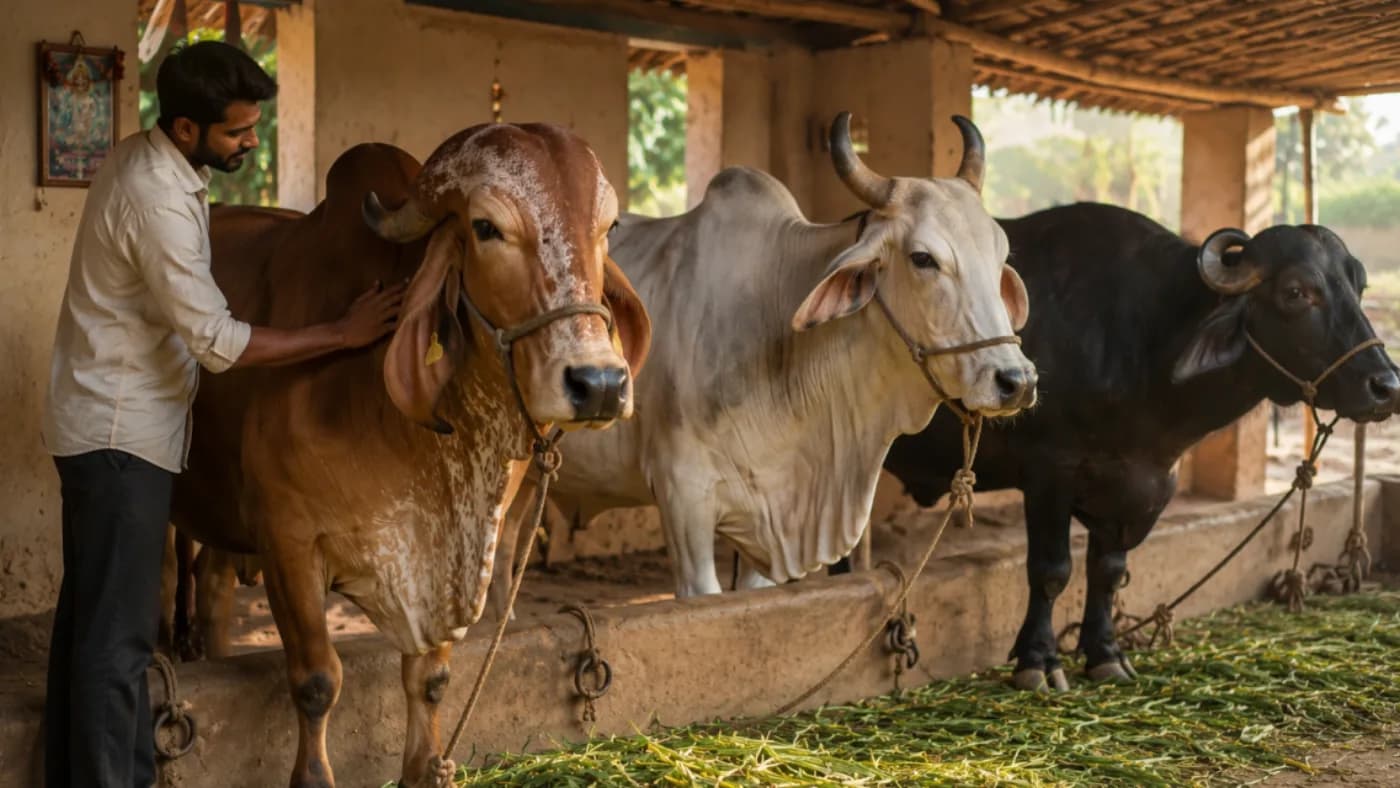
Indigenous, crossbred and buffalo dairy breeds each solve a different problem. This guide explains what Gir, Sahiwal, Tharparkar, HF and Jersey crosses, Murrah and Mehsana actually offer — and gives you a practical framework for deciding which one fits your district, your fodder and your management.

From photo-based disease diagnosis to AI chatbots and agri bazar marketplaces, farming apps have come a long way. We compare Khetiyaar, Plantix, AgroStar, DeHaat, Kisan Suvidha and BharatAgri — honestly, feature by feature.

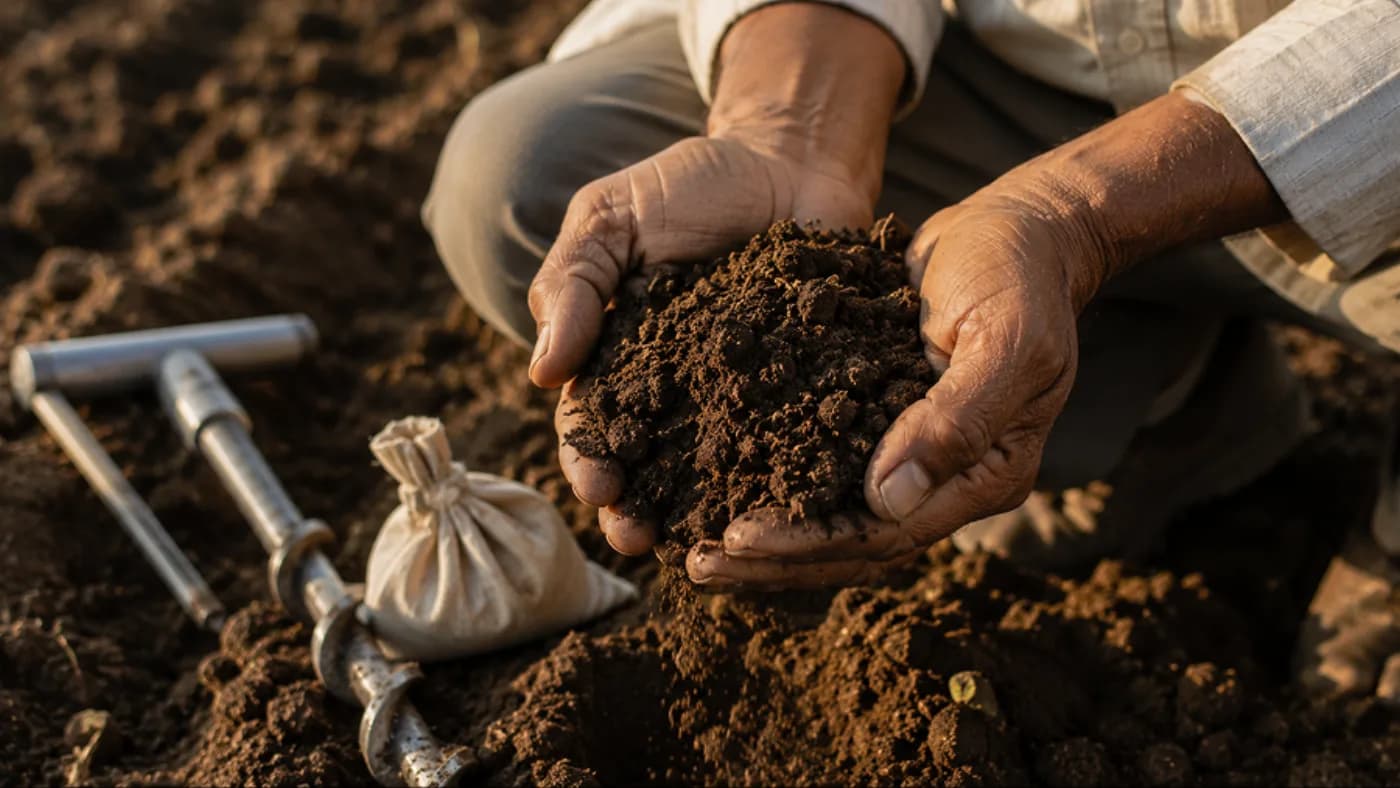
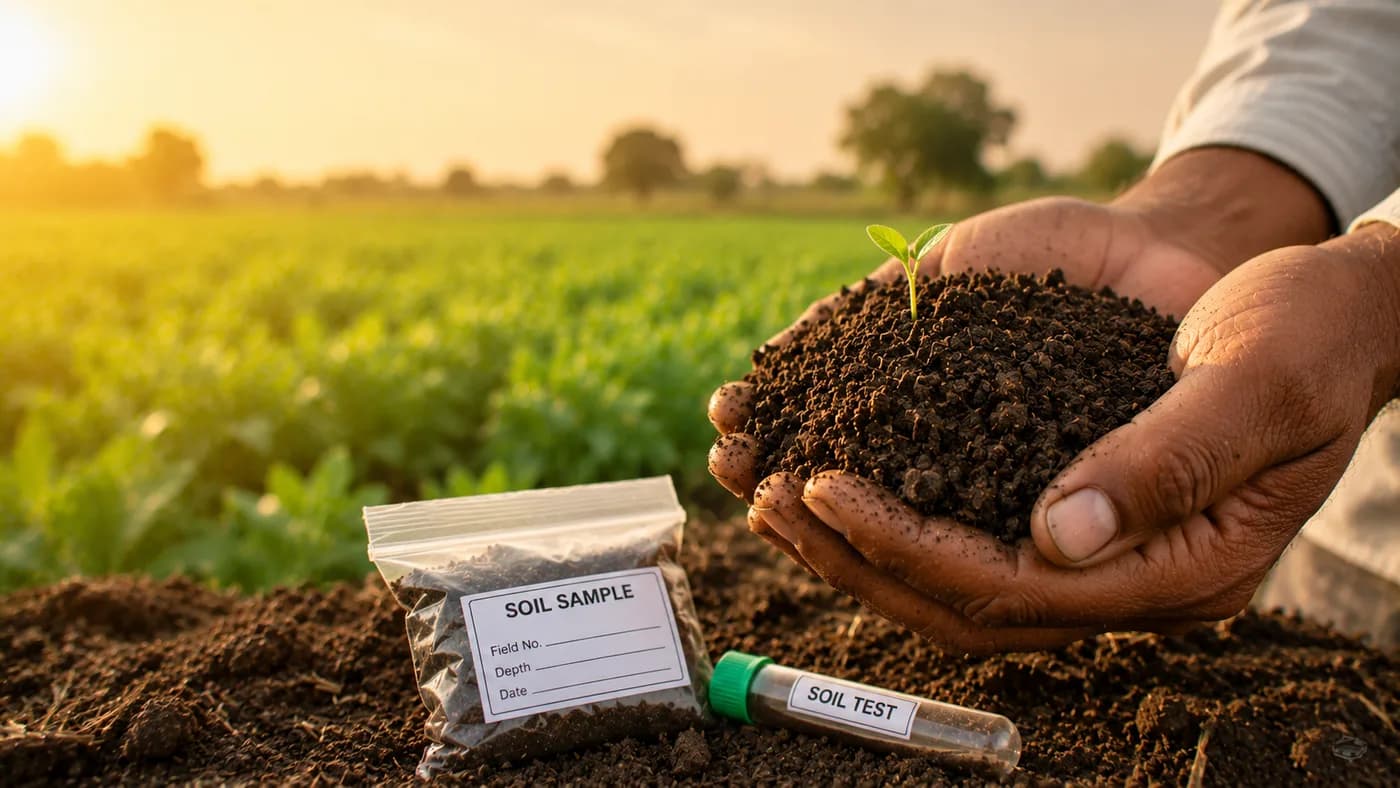
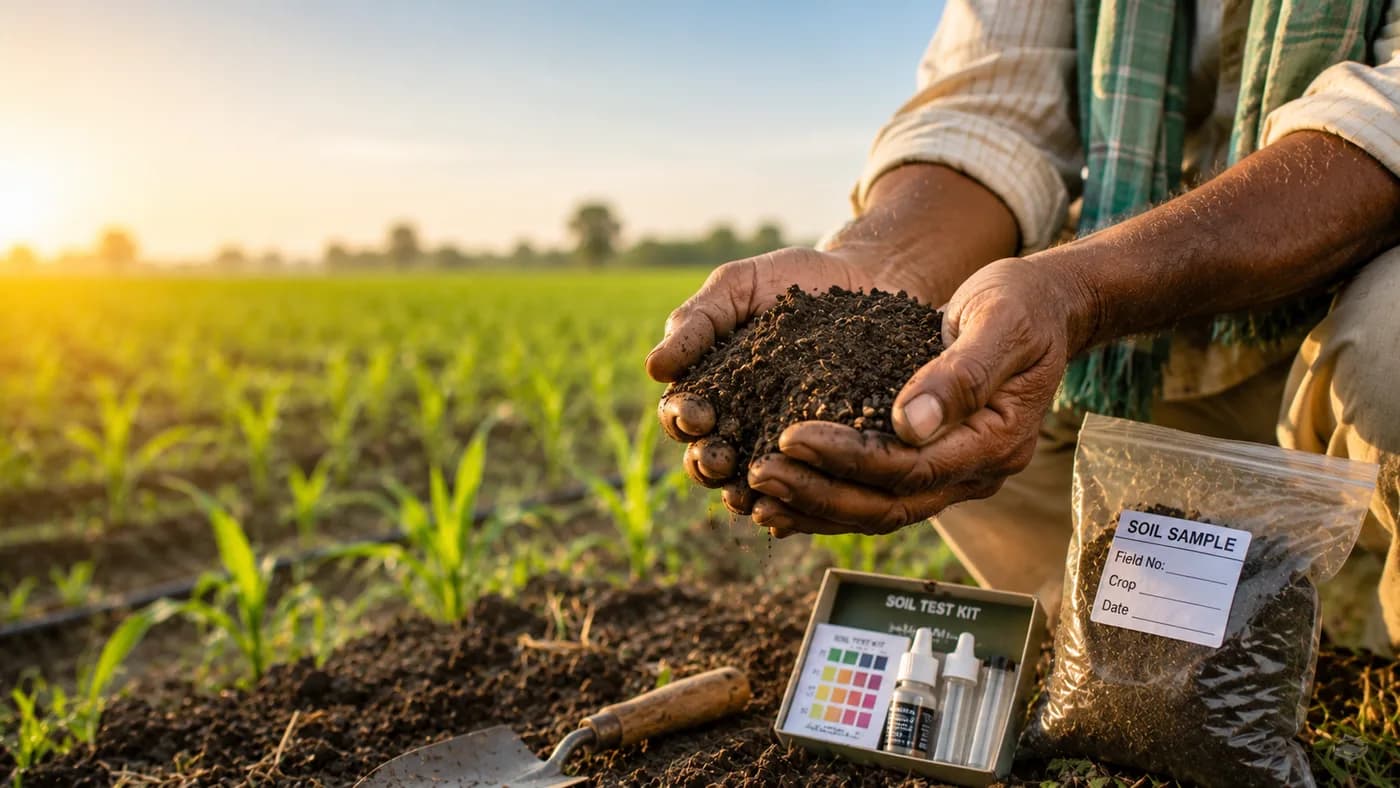
Soil quietly sets the ceiling on your yield every season. Testing it is one of the cheapest decisions on the farm — and one of the highest-returning.

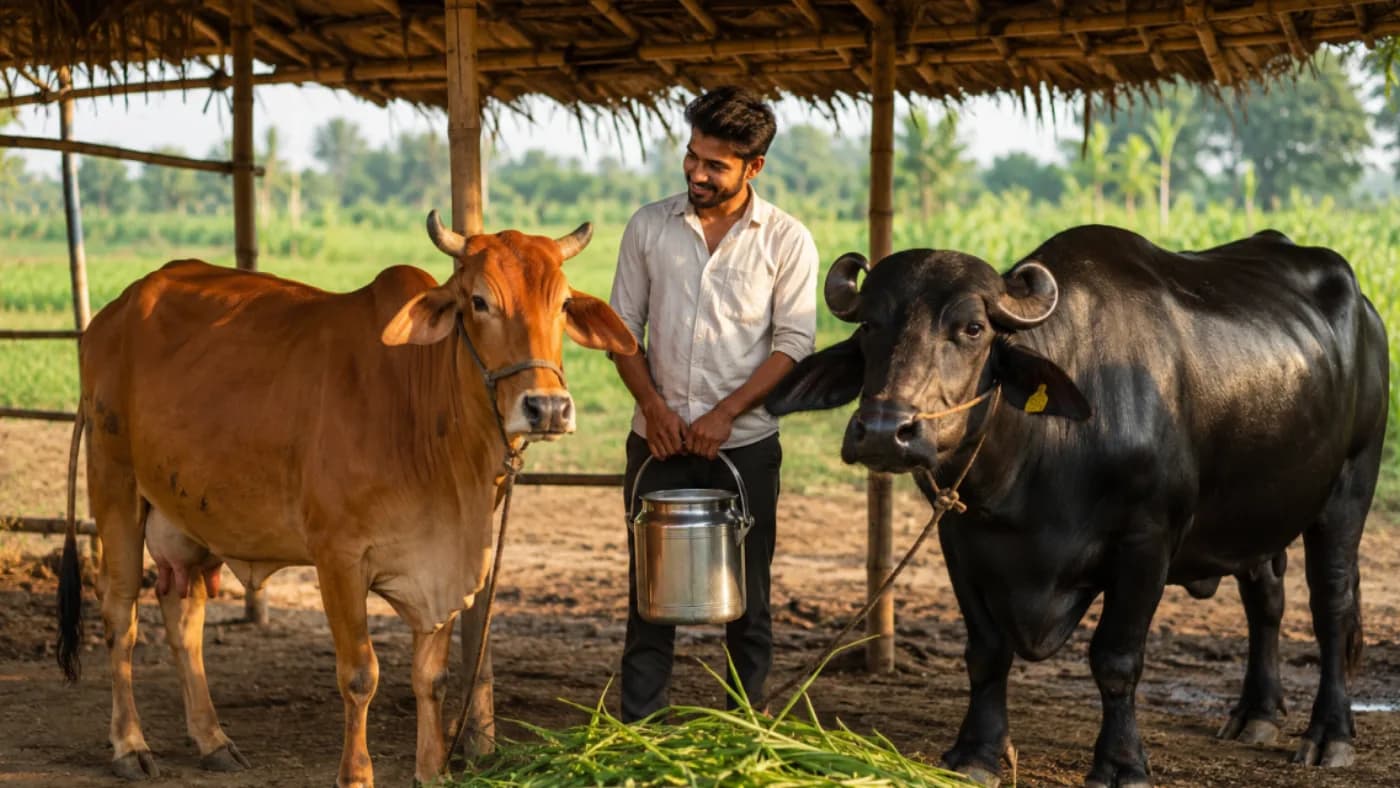
Buffalo milk earns a better rate per litre at the collection centre — but the animal that earns it also eats more bulk, needs water to wallow in, and suffers far more in the sun. Here is how the two compare on the things that actually decide whether your dairy pays.

Yields differ hugely between fields in the same village — and it's rarely luck. Good seed, correct spacing, timely water and weekly scouting lift cotton yield without a fortune in inputs.

One kills fast and takes your beneficial insects with it. The other works slowly but keeps working season after season. Here is an honest comparison of natural vs chemical pesticide — and the framework for deciding which belongs in your sprayer this week.

A hybrid's vigour lasts exactly one generation; desi seed can be saved every season. But the real question isn't which is better — it's which one fits your water, your budget and your buyer.

Wheat rewards timing more than anything else — sow in the right window, never skip the crown-root irrigation, and control weeds in the first month.

Every farmer already irrigates somehow. The real question is whether the method you inherited is the one your crop, your soil and your water source actually call for — and what you gain or give up by switching.

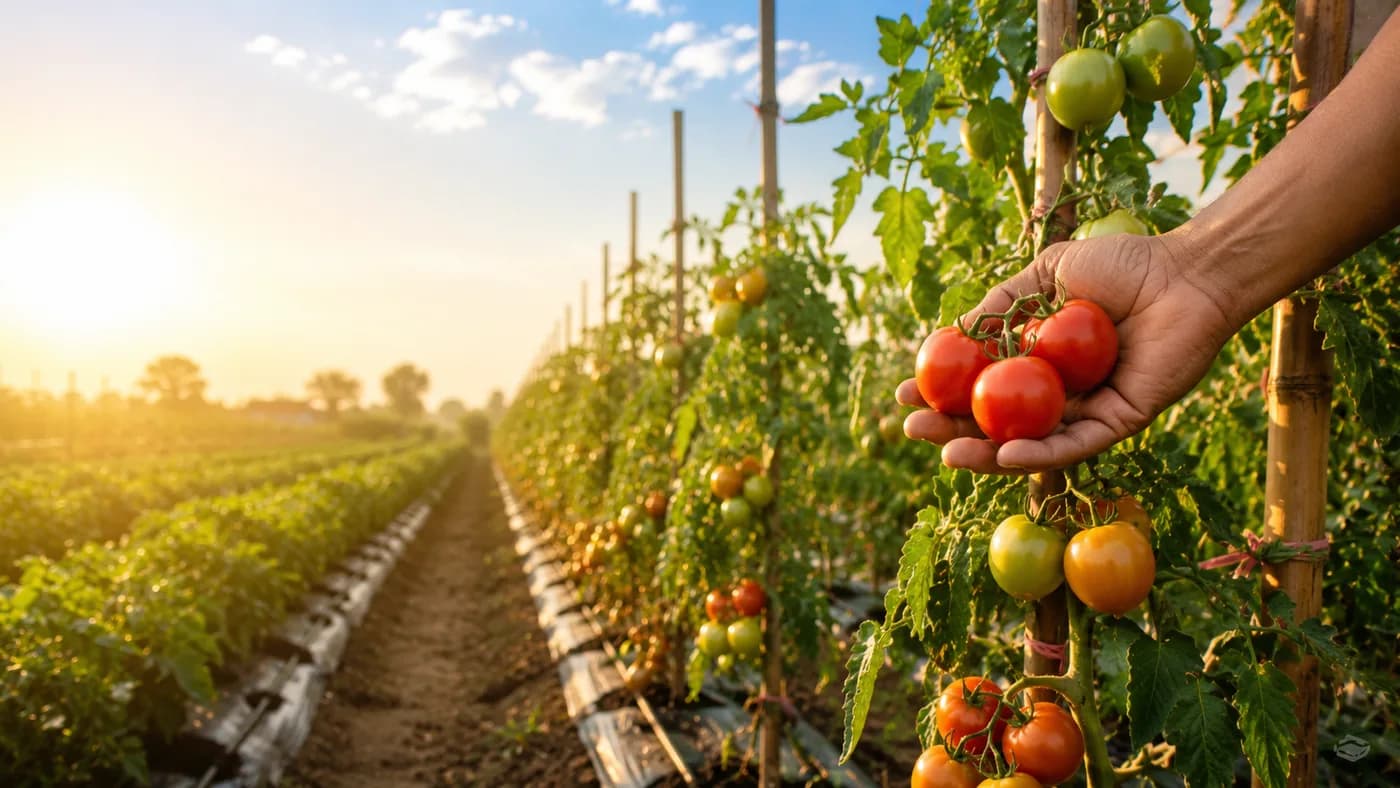
Tomato is high-value but demanding. Strong seedlings, steady water, staking and early disease action separate the farmers who earn well from those who lose the crop.

Three bags sit against the wall of every fertiliser shop, and most farmers buy on habit rather than on what their soil is actually short of. Here is what urea, DAP and NPK complex each really supply — and how to let your soil test, not the shop counter, make the call.

The right rabi sowing window isn't the same in Punjab as it is in Gujarat or Madhya Pradesh — sow too early or too late in your specific region and germination, flowering and grain fill all suffer. Here's how the timing actually varies by state.

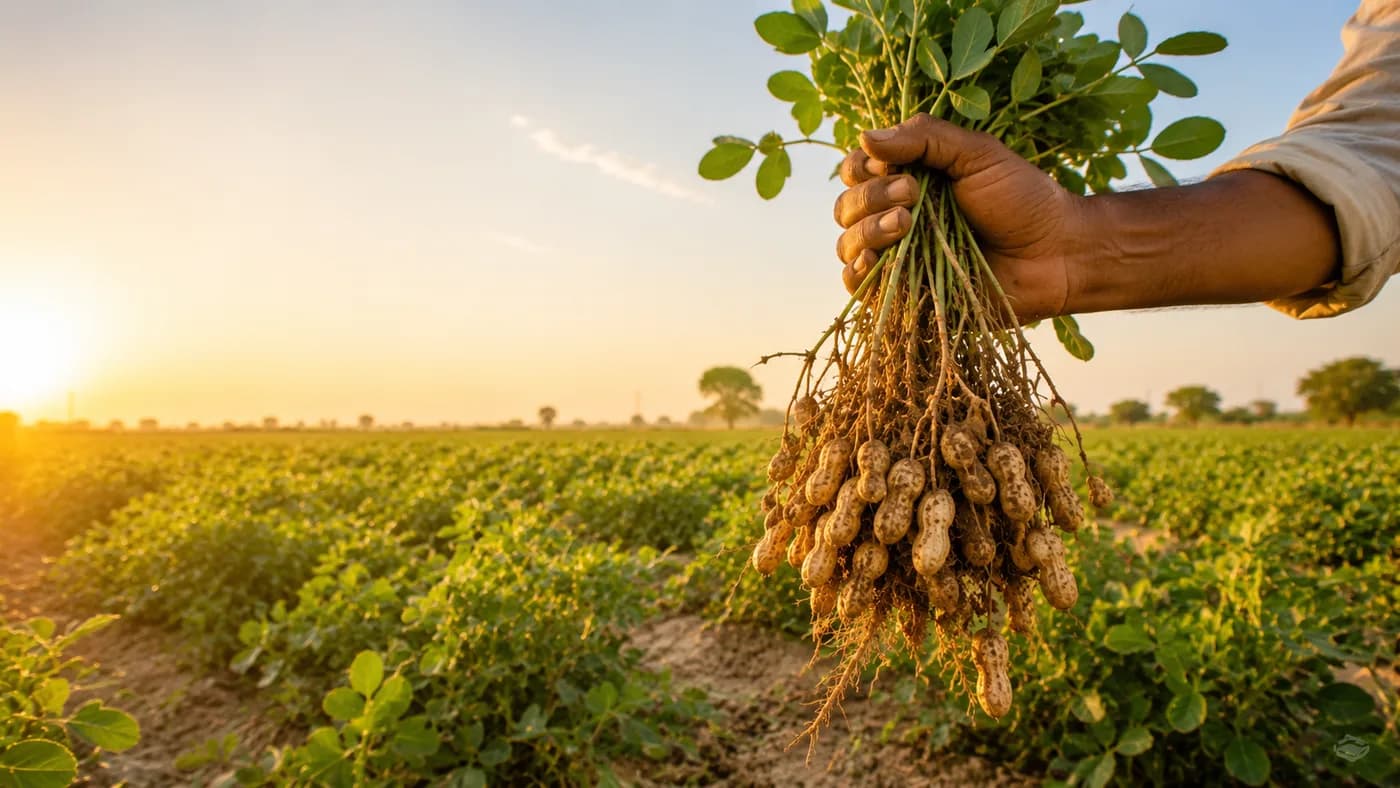
Groundnut pods form below the surface — which is why light soil, calcium at pegging and steady moisture decide your pod count and returns.

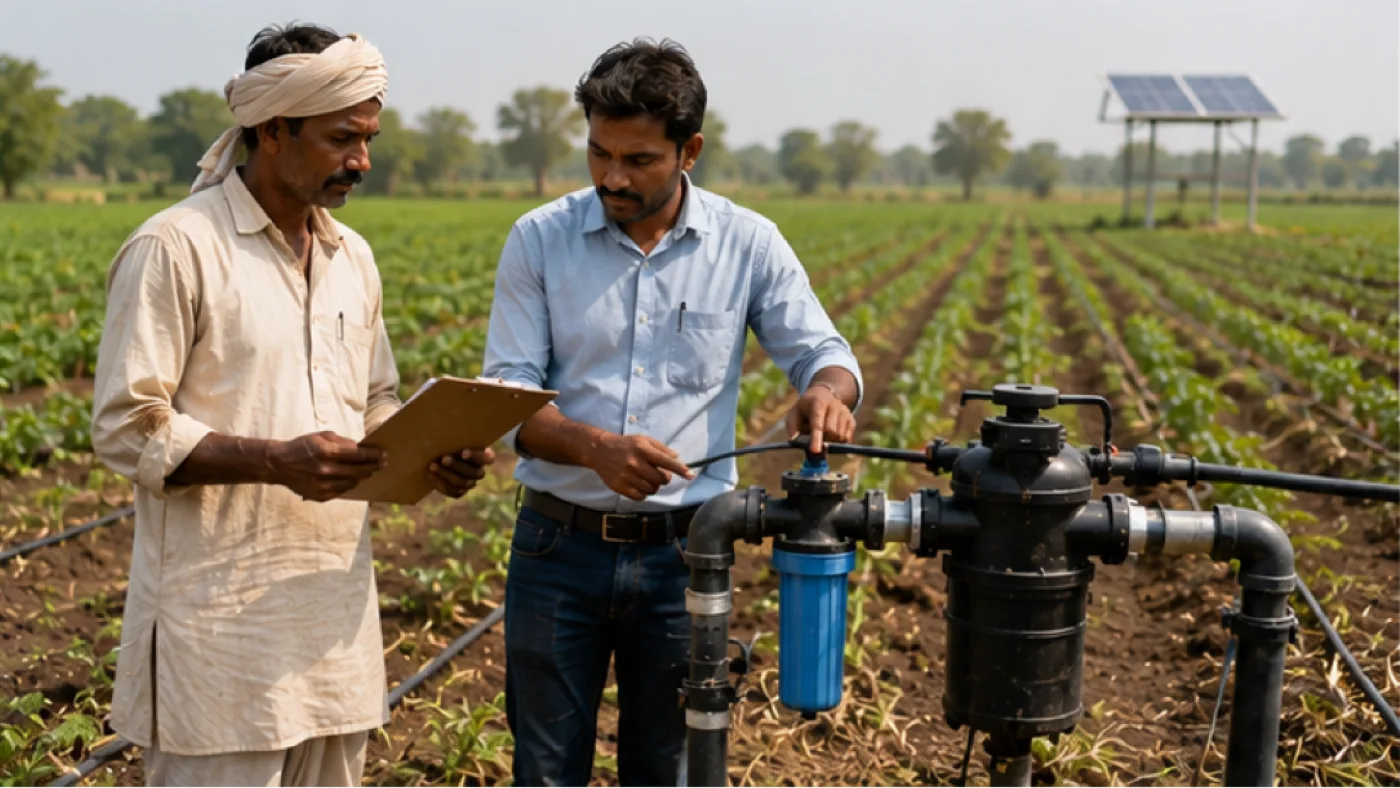
Drip irrigation pays for itself over time, but the upfront cost of pipes, emitters and a filtration unit stops many smallholders before they start. This guide focuses on the subsidy and application side — the part that decides whether you can actually afford to install it.

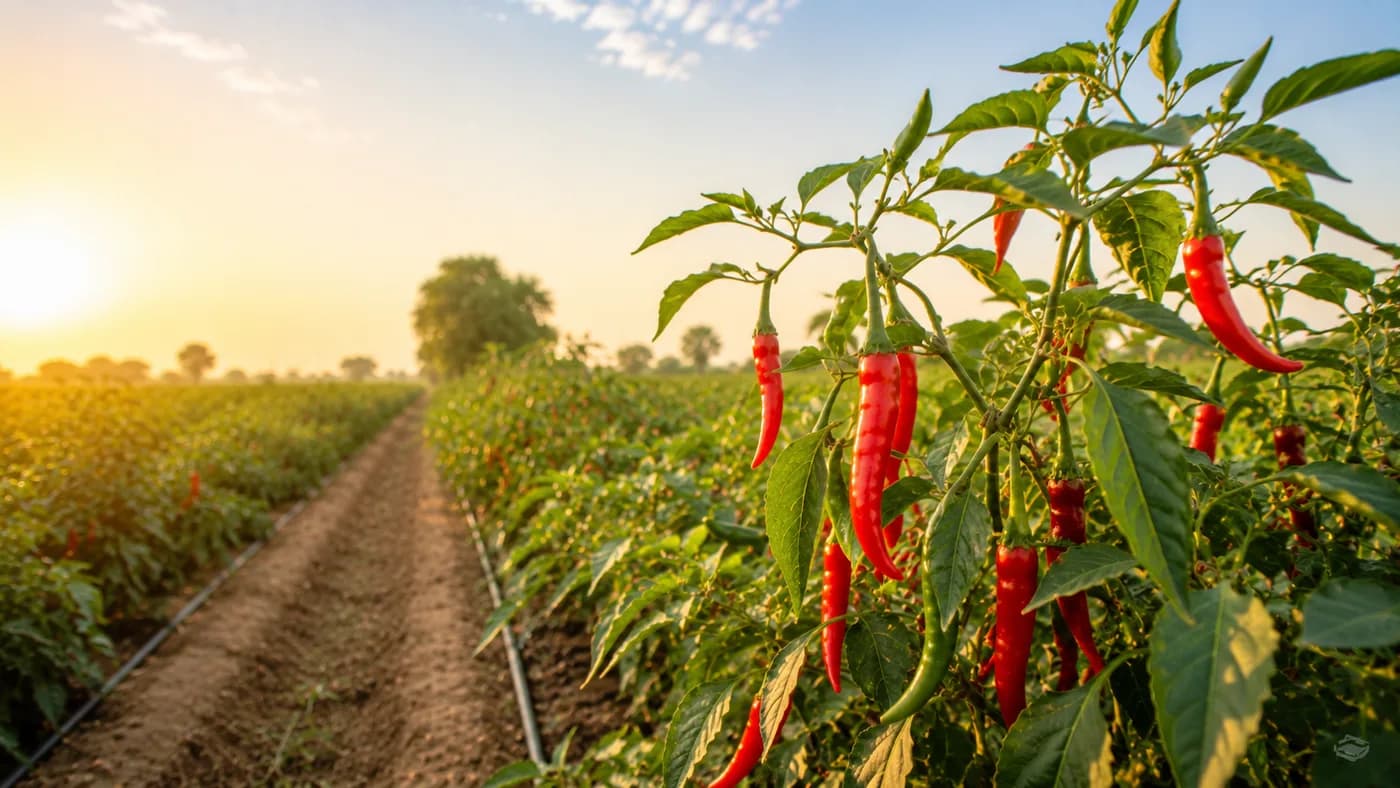
Chilli is profitable but disease-prone. Winning the daily battle against thrips, leaf curl and fruit rot is the theme of good chilli farming.

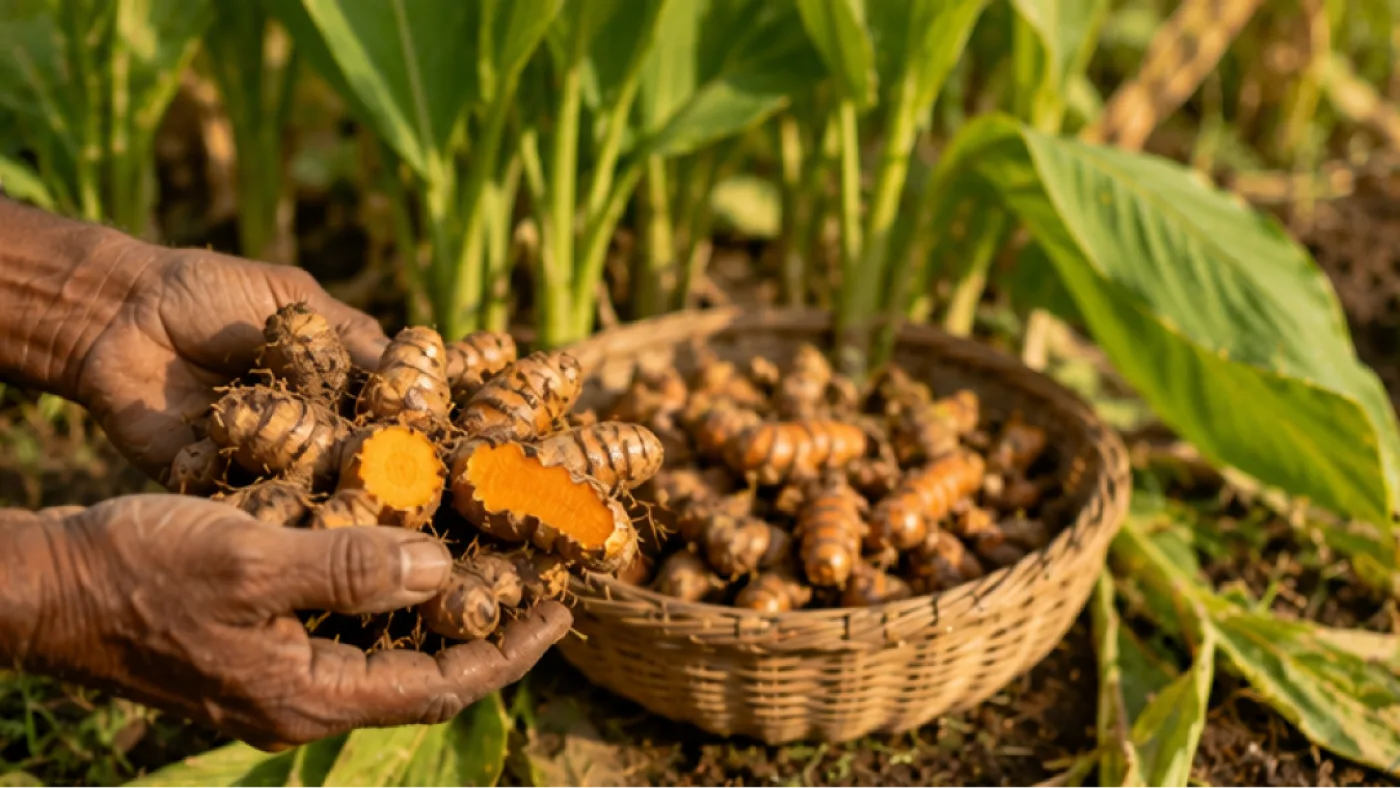
Turmeric is a long-duration, high-value crop that rewards careful rhizome selection, steady water and correct post-harvest processing more than almost any other spice crop. A full field-to-processing guide for Indian growers.

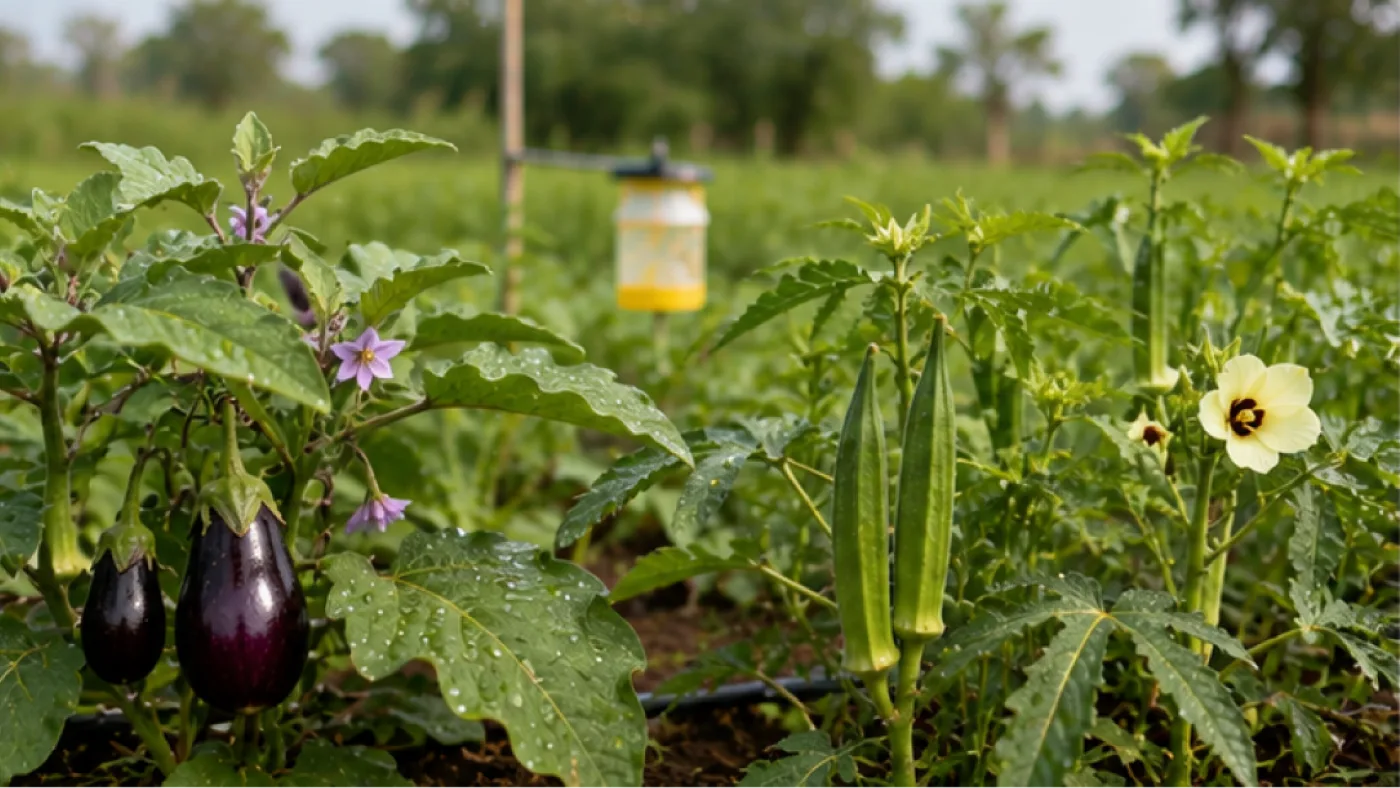
Brinjal and okra are two of India's most widely grown vegetables — and two of the most heavily sprayed, often for the wrong reasons. A practical identification and IPM guide to the pests and diseases that actually matter.

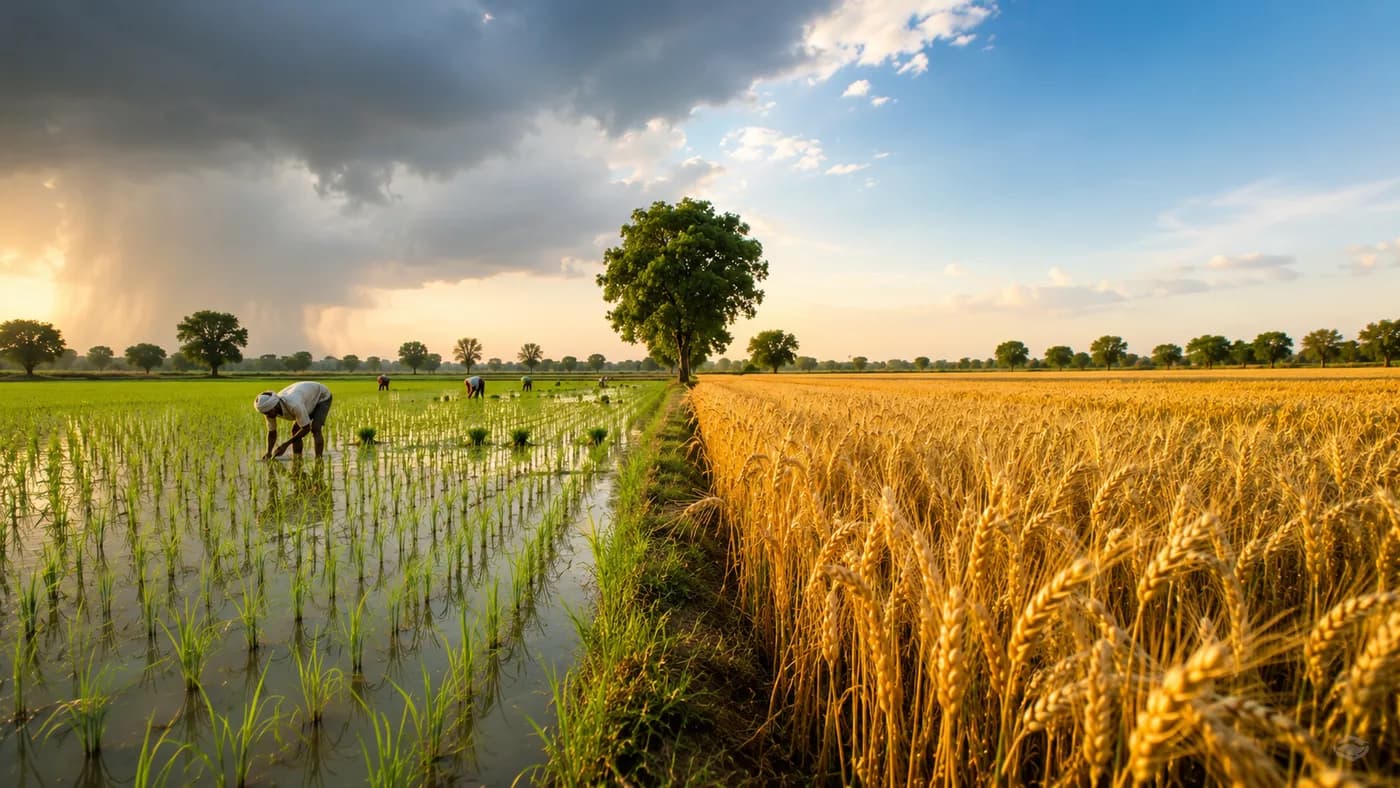
India's cropping calendar is built around Kharif, Rabi and Zaid. Match your crop to your season and water, and the year starts right before you even sow.

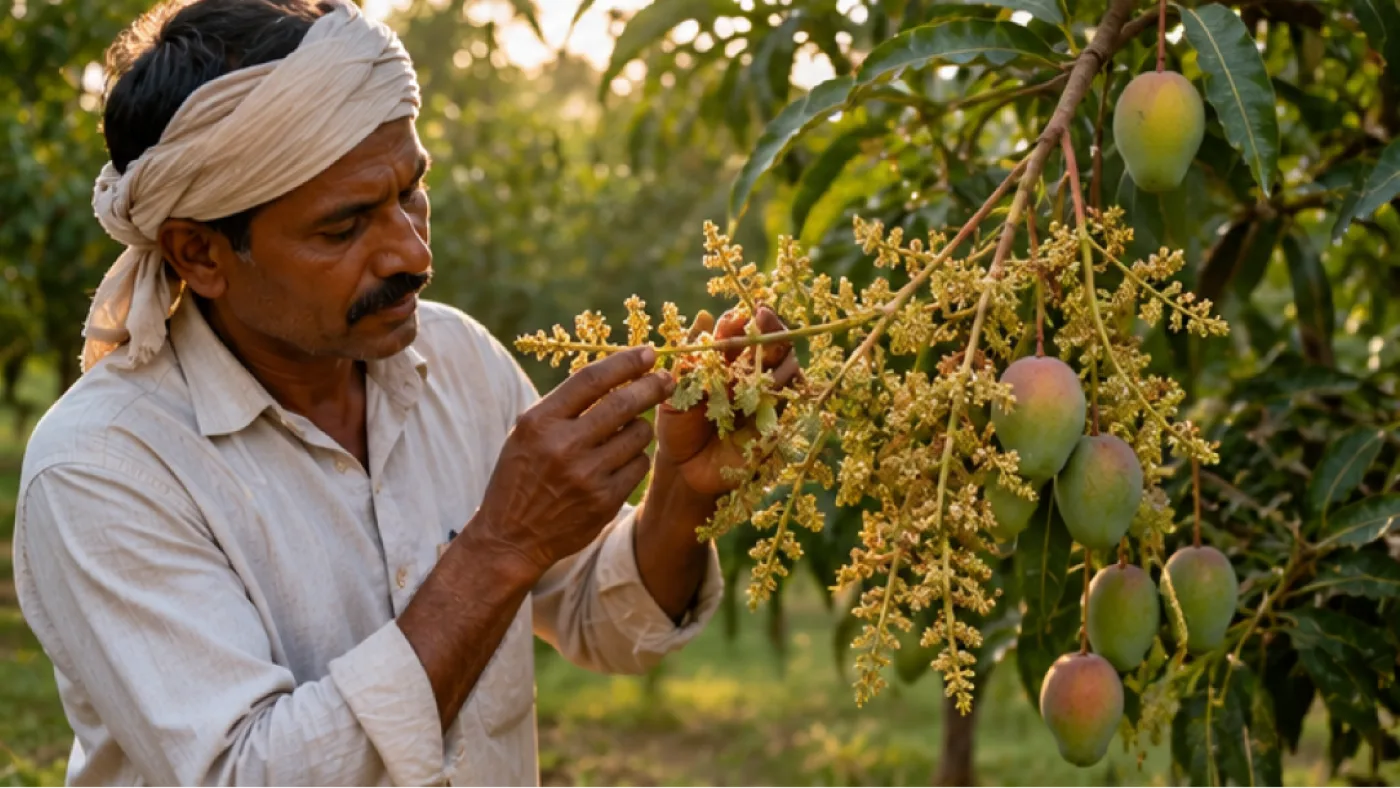
Mango rewards patience and timing more than almost any other fruit crop — a season-by-season calendar for pruning, flowering, pest watch and post-harvest handling.

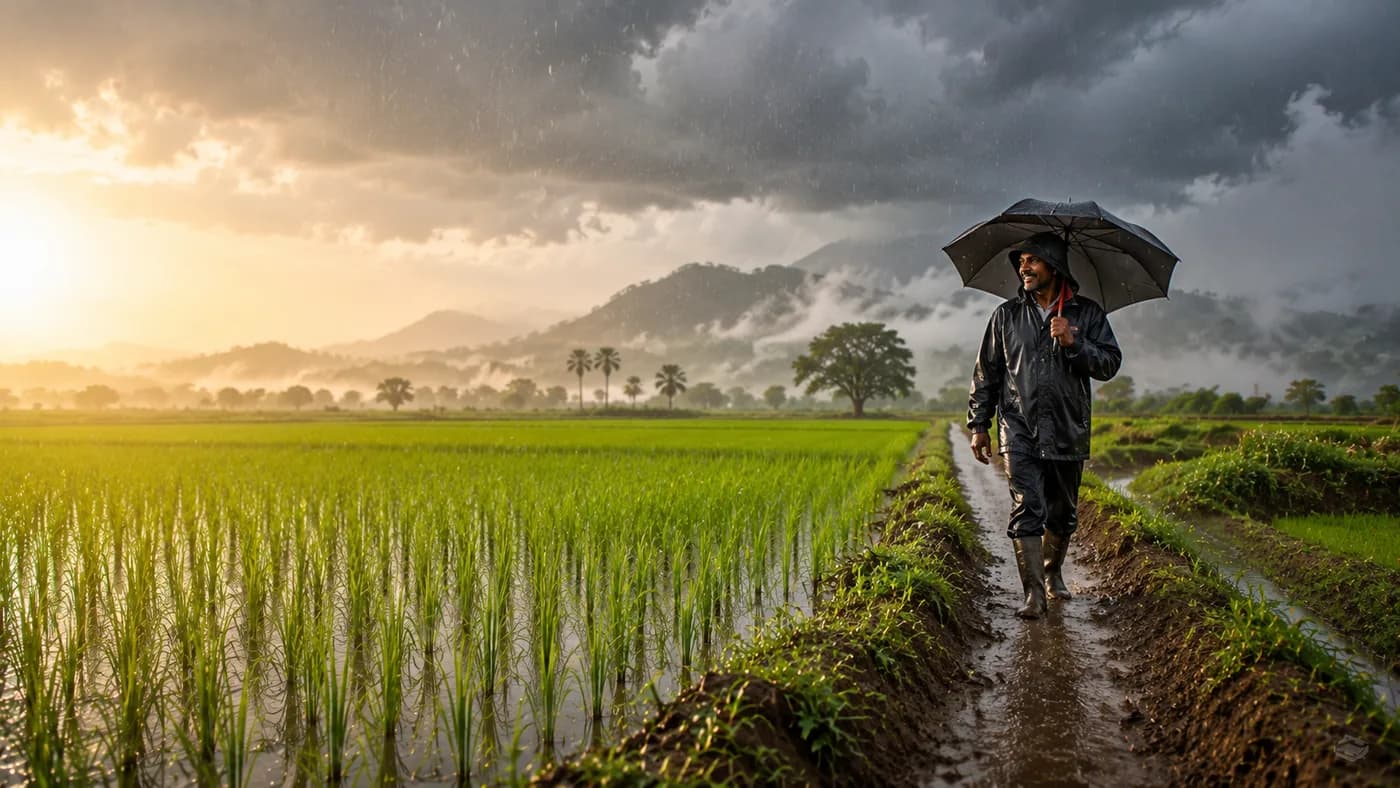
The same rain that grows the Kharif crop also brings waterlogging, disease and losses. A little preparation protects your season and your income.

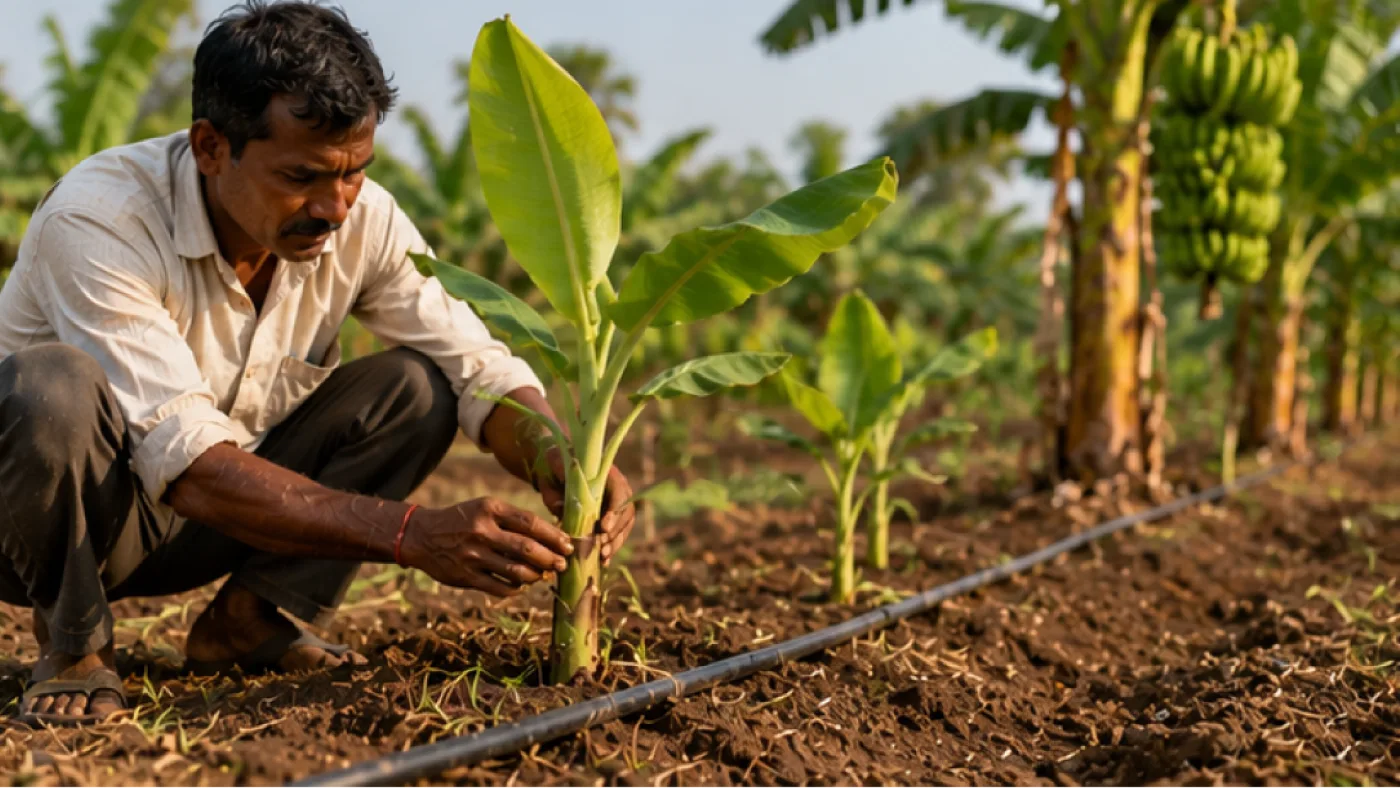
Tissue-culture banana plants cost more upfront than suckers — but disease-free starts, uniform bunches and a real yield jump usually make the difference back many times over.

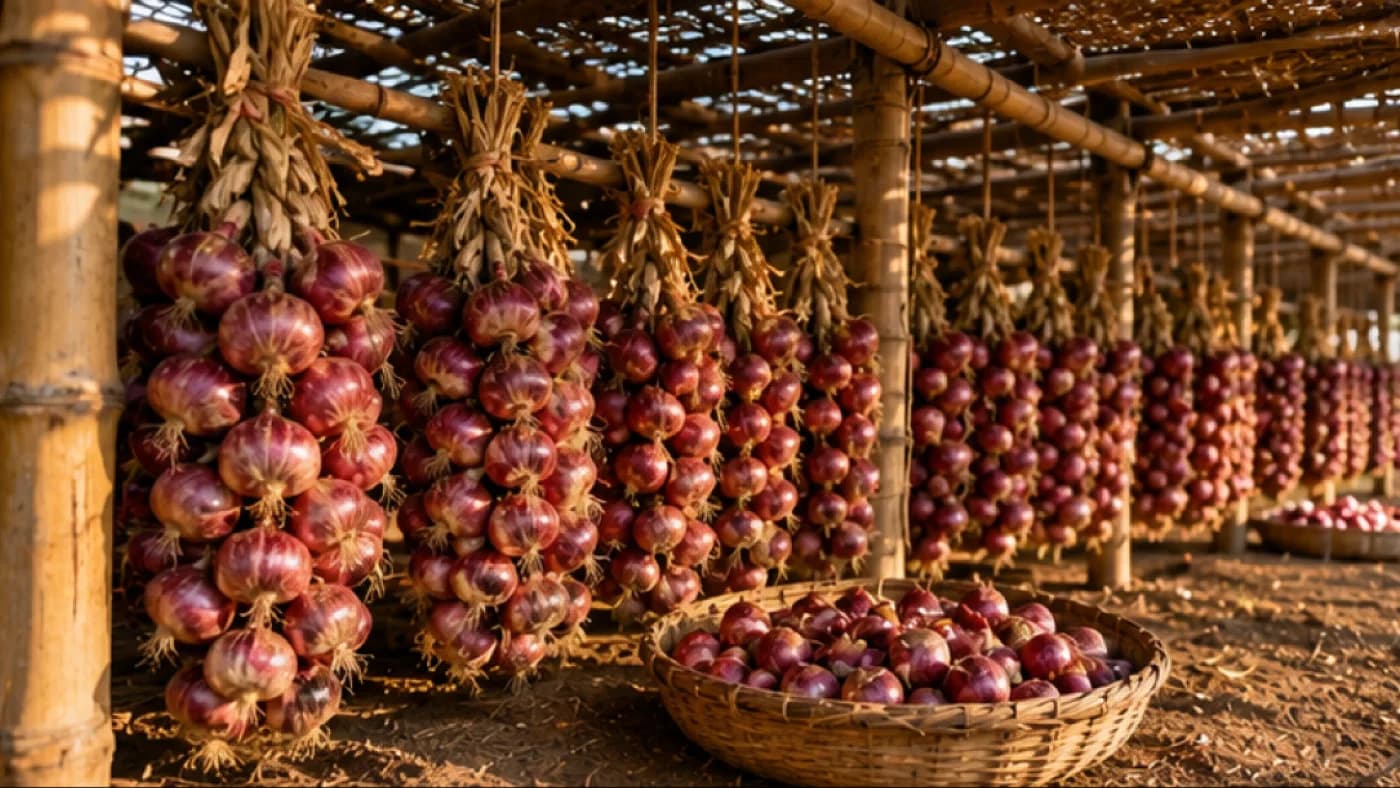
Onion prices swing harder than almost any other crop in Indian markets — good curing and storage is often worth more to your final income than the harvest itself.

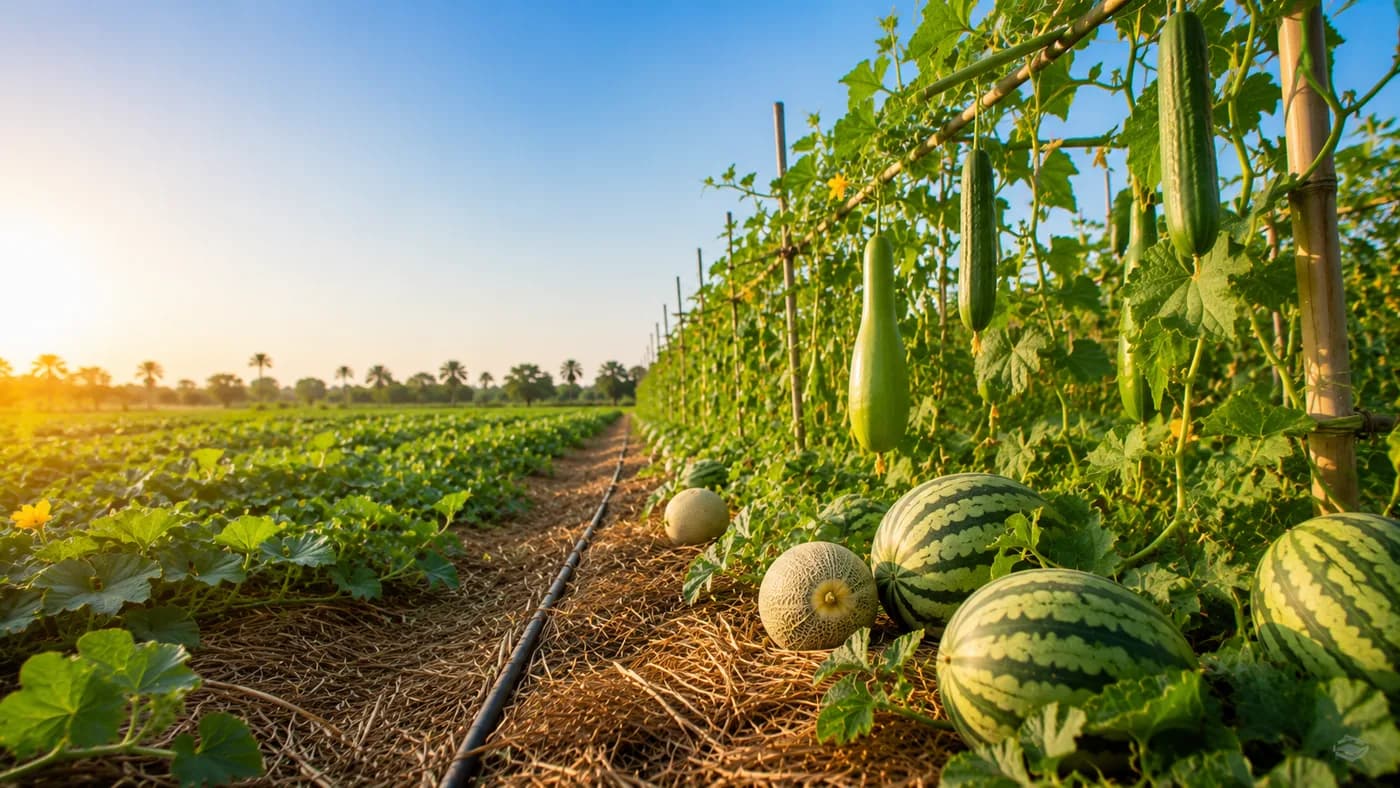
With the right crops and smart water use, the hot months between Rabi harvest and the monsoon can be genuinely profitable rather than a season to sit out.

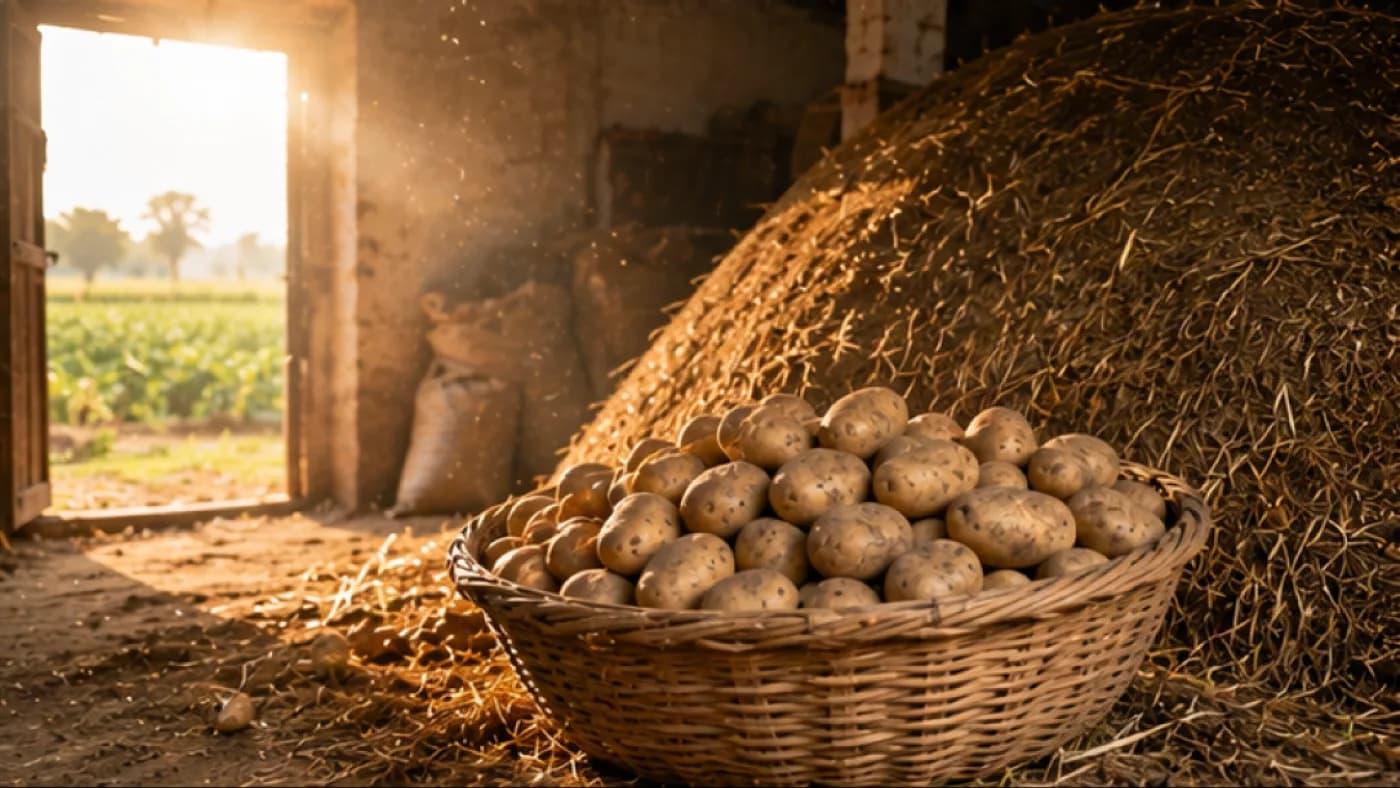
Potatoes rot, sprout, and lose weight fast after harvest — but the right curing, temperature and simple storage choices can keep them sound for months, cold store or not.

Guessing fertiliser doses wastes a large part of one of your biggest costs. A soil test tells you exactly what your land has and what it lacks.

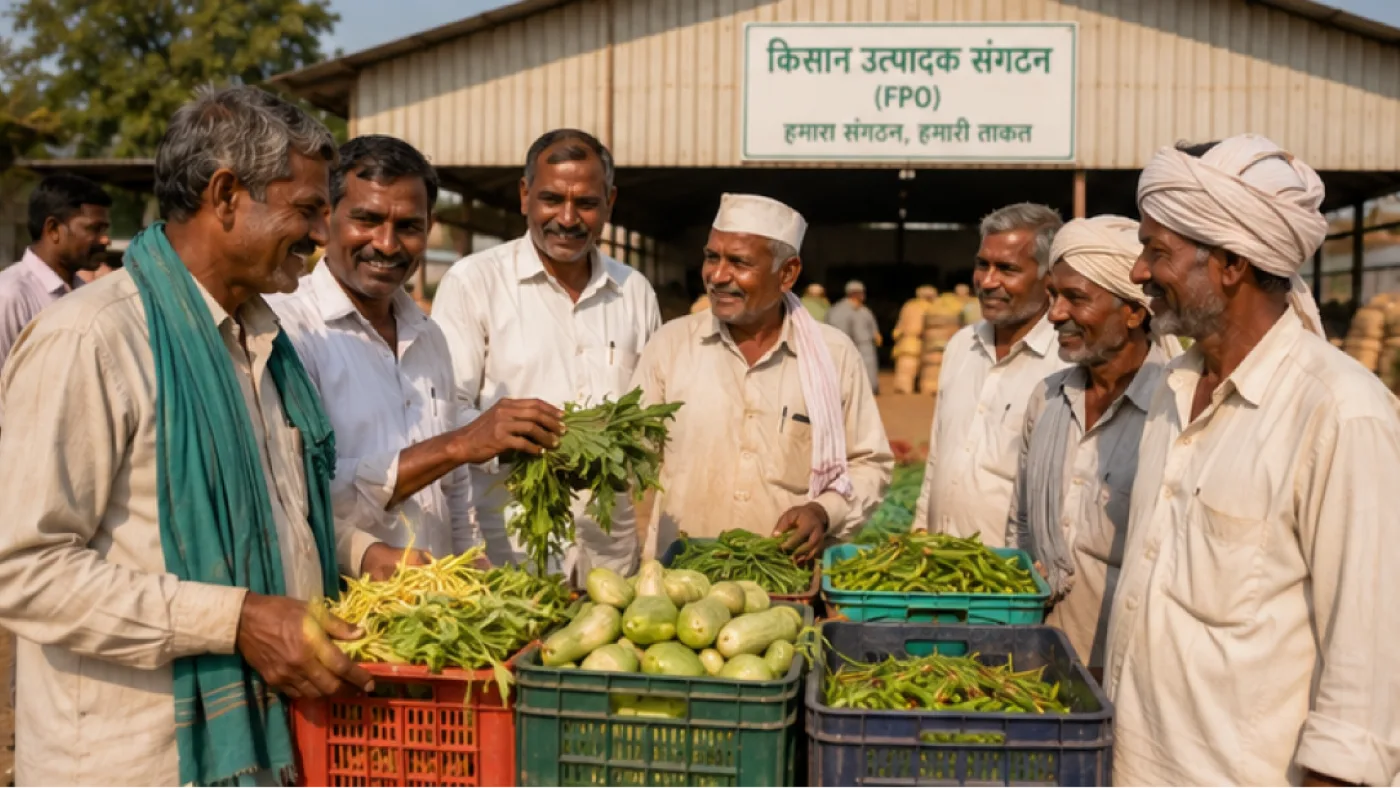
One small farmer negotiating alone rarely gets a good price. A group of farmers registered as an FPO can buy inputs in bulk, share machinery, and sell with real bargaining power. Here's what an FPO actually is and how one gets formed.

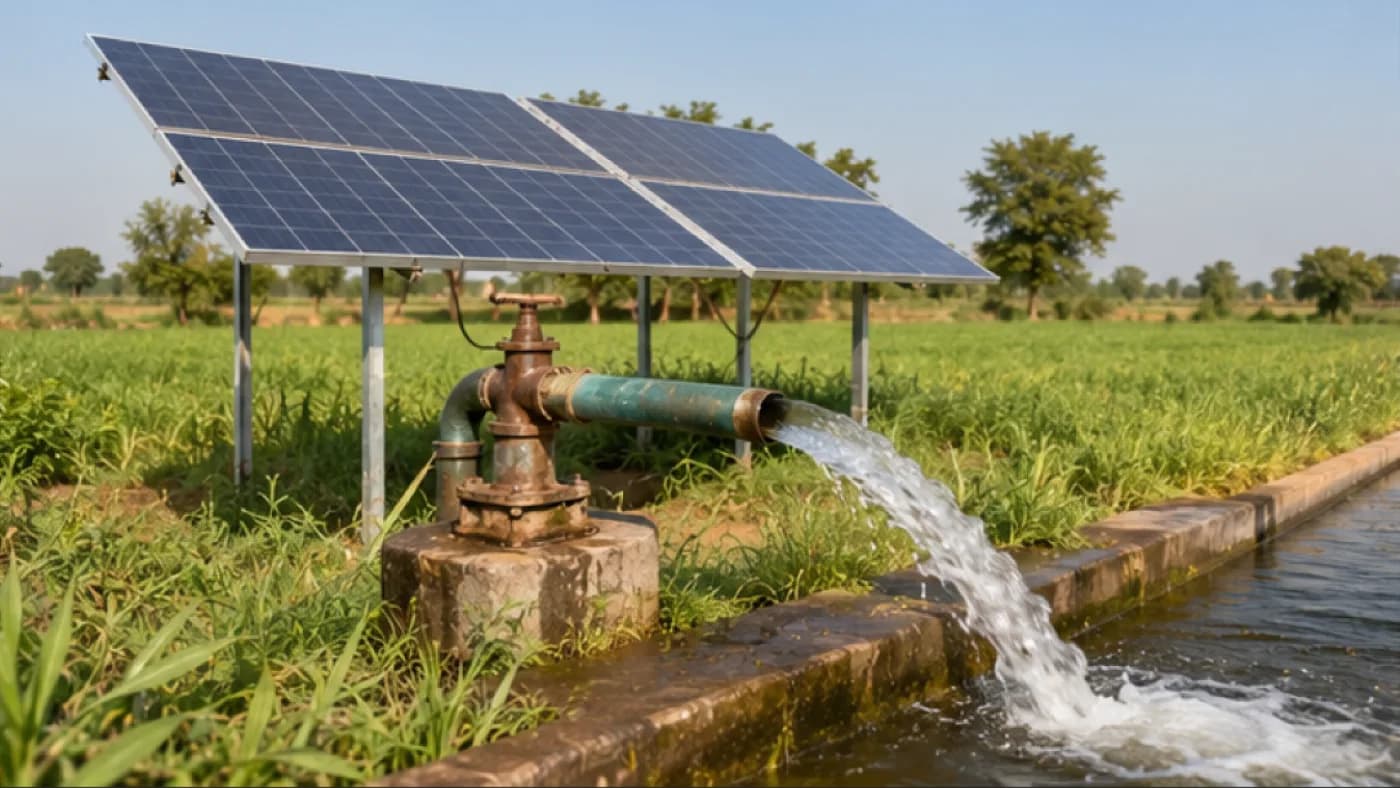
Diesel pumps are expensive to run and getting more expensive every season. PM-KUSUM subsidizes solar irrigation in three different ways depending on your situation — here's which component applies to you and how to apply.

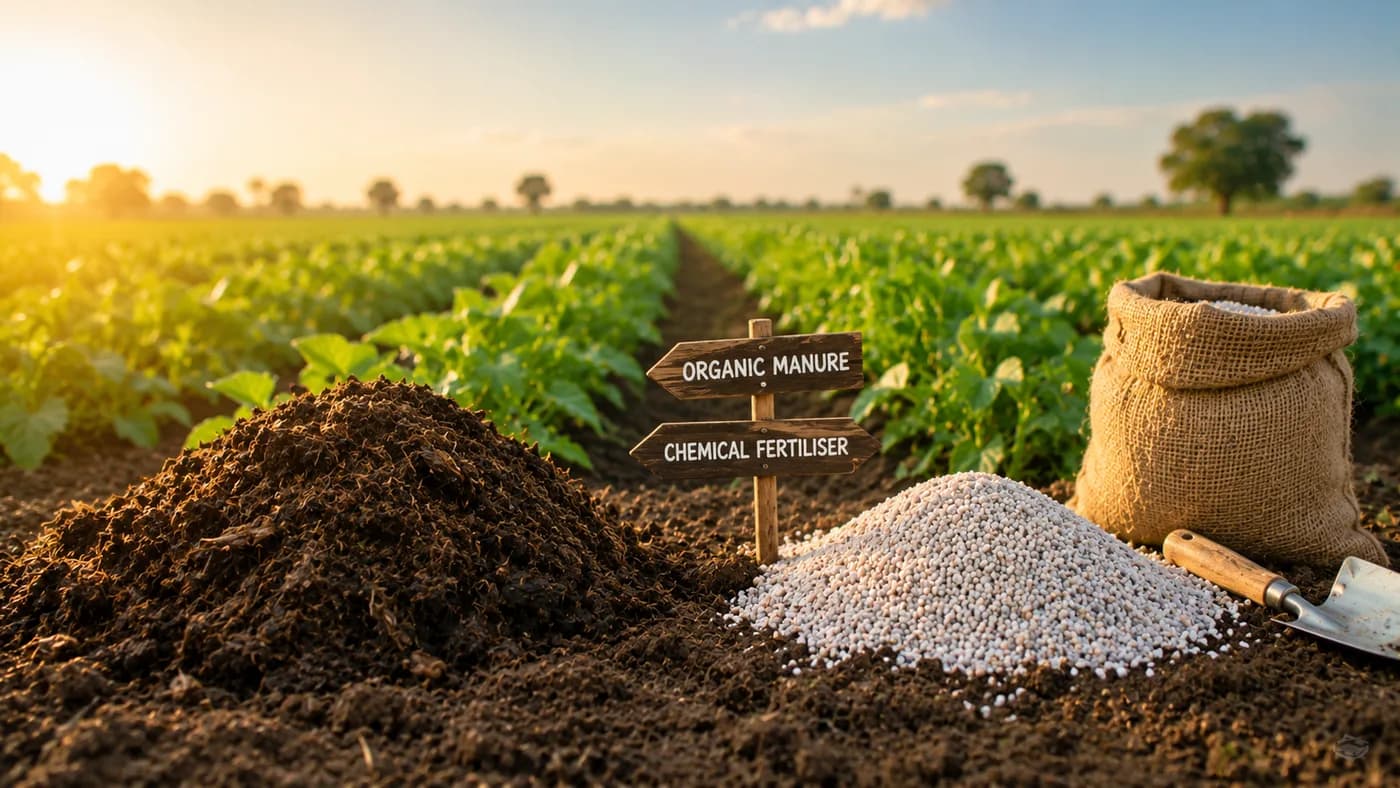
It's not a choice between the two — the smartest farmers use both wisely. Organic matter builds the soil; chemical fertiliser tops up precisely.

Selling only to the nearest mandi means selling to whoever shows up that day. e-NAM opens your produce up to buyers across a much wider network — here's what it actually is, how to use it, and where it still falls short.

Healthy soil makes every crop after it easier, cheaper and more productive — and you can rebuild it naturally with resources already on the farm.

A Kisan Credit Card gives you a ready line of credit for the season instead of scrambling for cash at sowing time. Here's who qualifies, what documents you actually need, and how the interest subsidy for on-time repayment works.

A hailstorm, a failed monsoon, or a pest outbreak can wipe out a season's income overnight. PMFBY exists to cushion exactly that risk — here's what it actually covers, how enrollment works, and the exact steps to file a claim after damage.

Drip delivers water directly to the roots, drop by drop — saving a large share of your water while lifting yield and cutting weeds.

No farmer controls the rain, but every farmer controls how much of the available water actually reaches the crop. Low-cost habits make the difference.

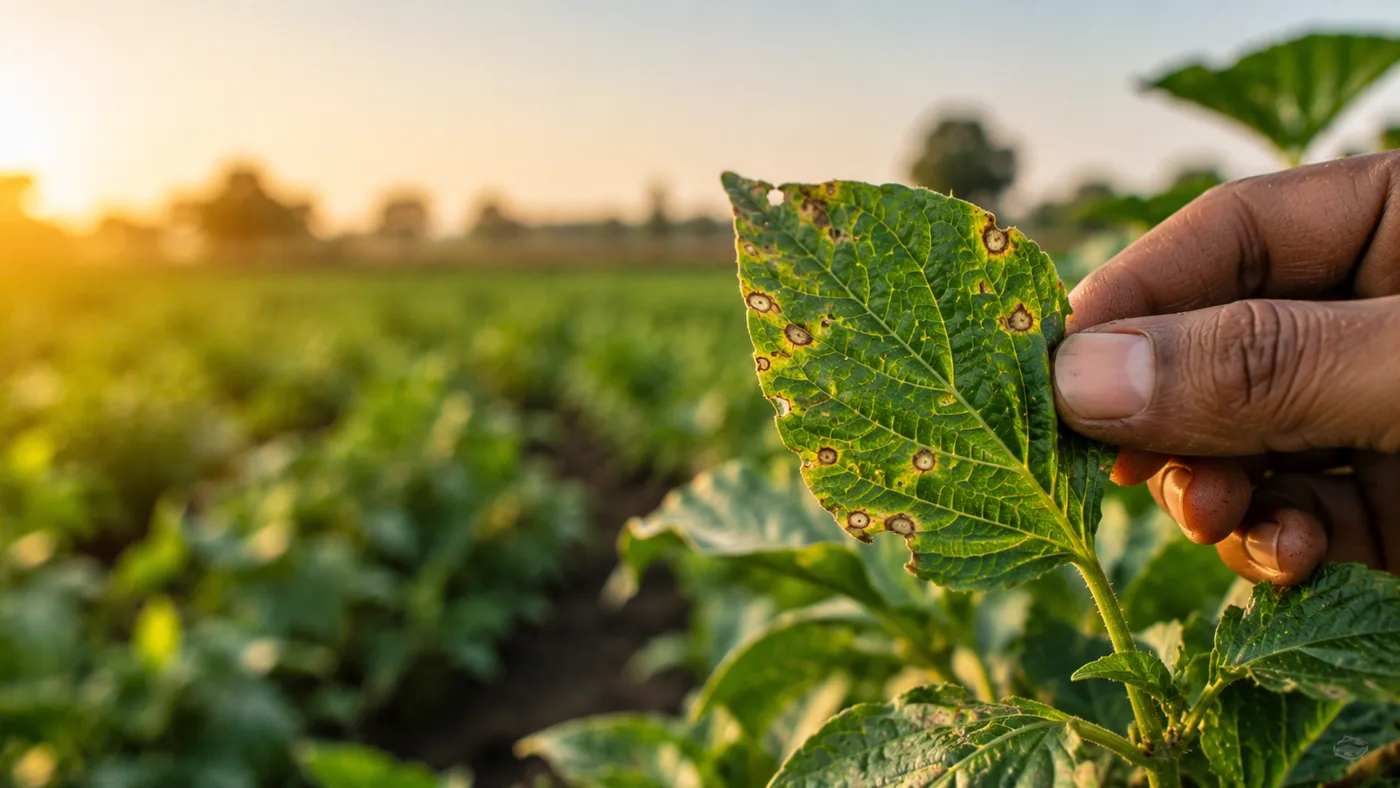
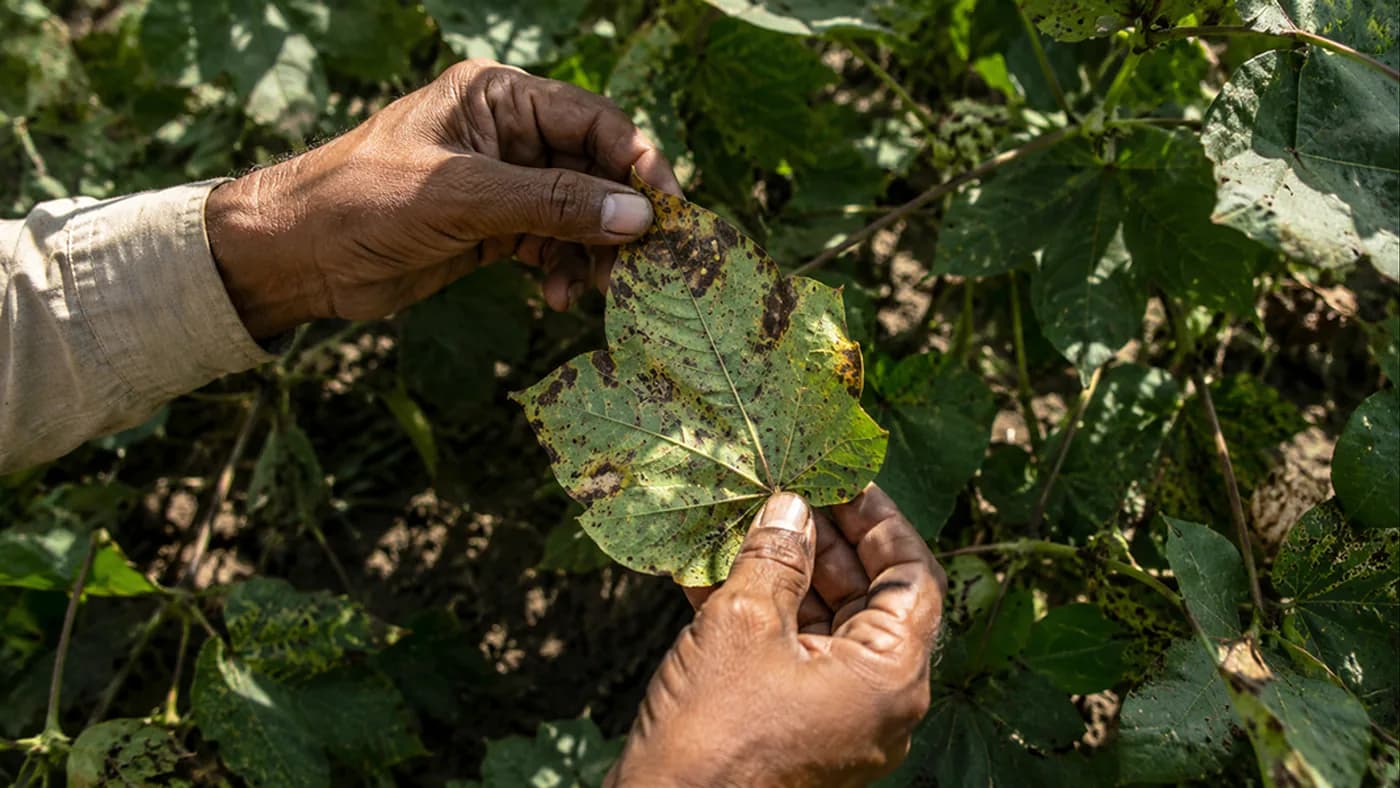
A problem spotted on day one is cheap to control; a week later it can take the whole field. Learn the tell-tale signs of blights, rusts, wilts and viruses.

For food you and your customers will eat, natural pest control protects your health, your soil and your wallet while keeping pests in check.

IPM doesn't mean 'no chemicals' — it means 'chemicals last'. Done well, it cuts spraying costs and stops pests becoming resistant to your sprays.

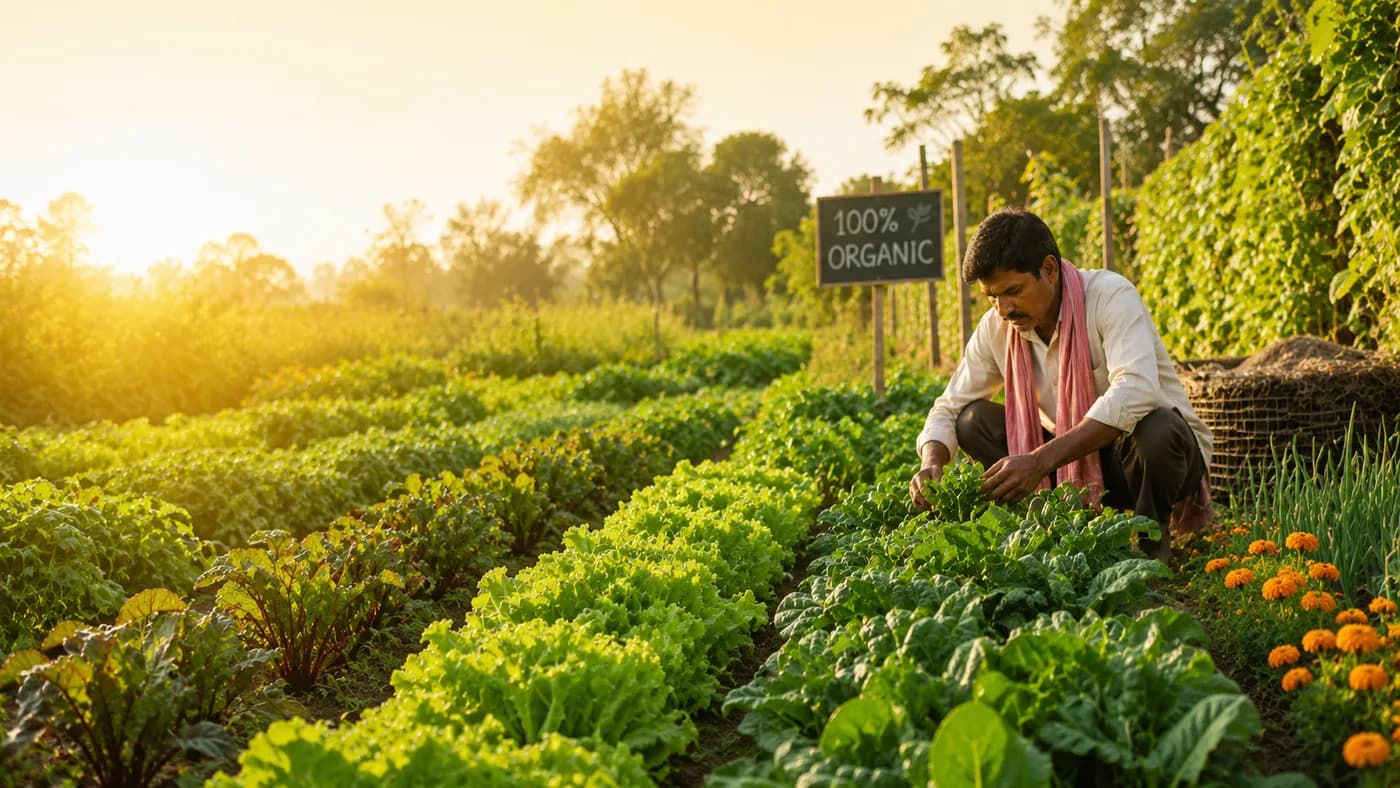
Organic can lower input costs, rebuild soil and earn premium prices — but only with a planned transition, not an overnight switch.

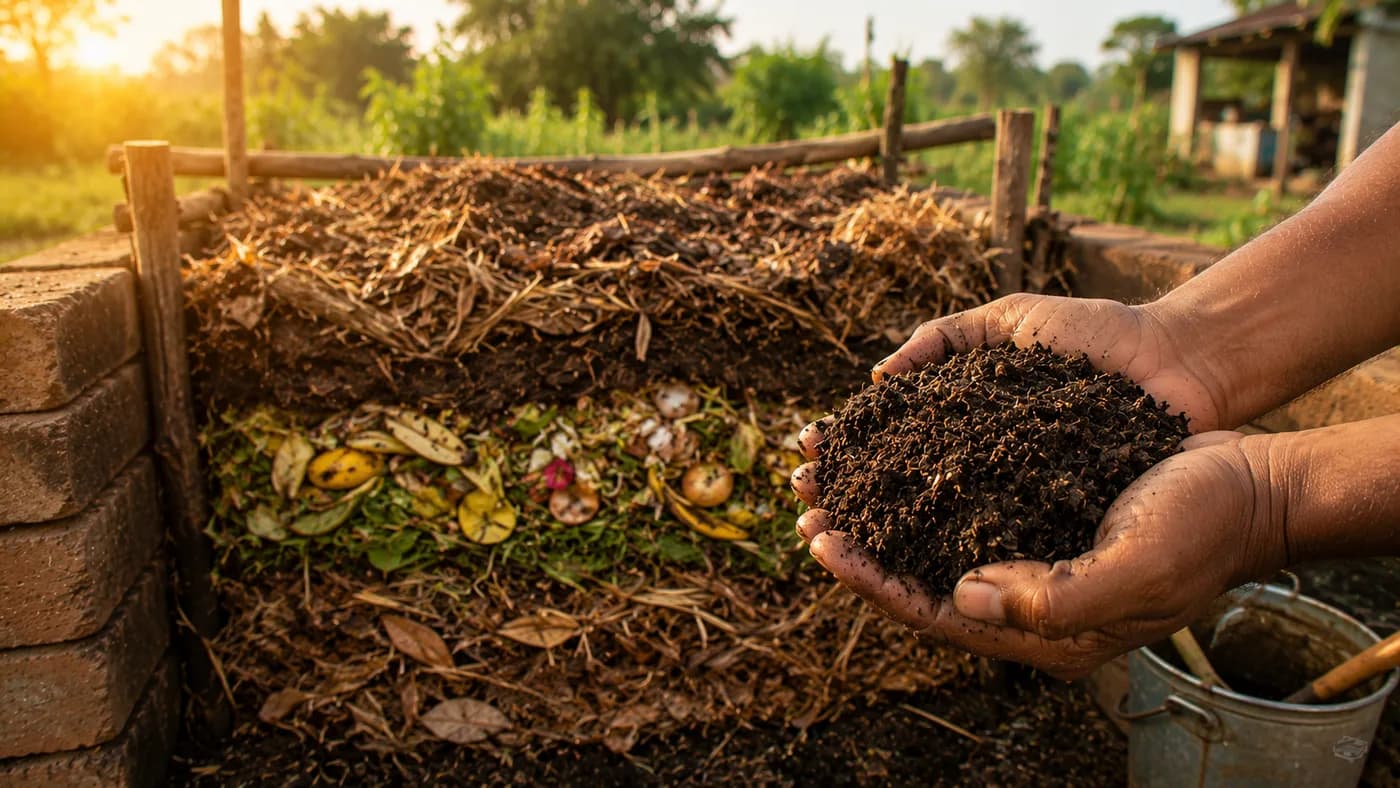
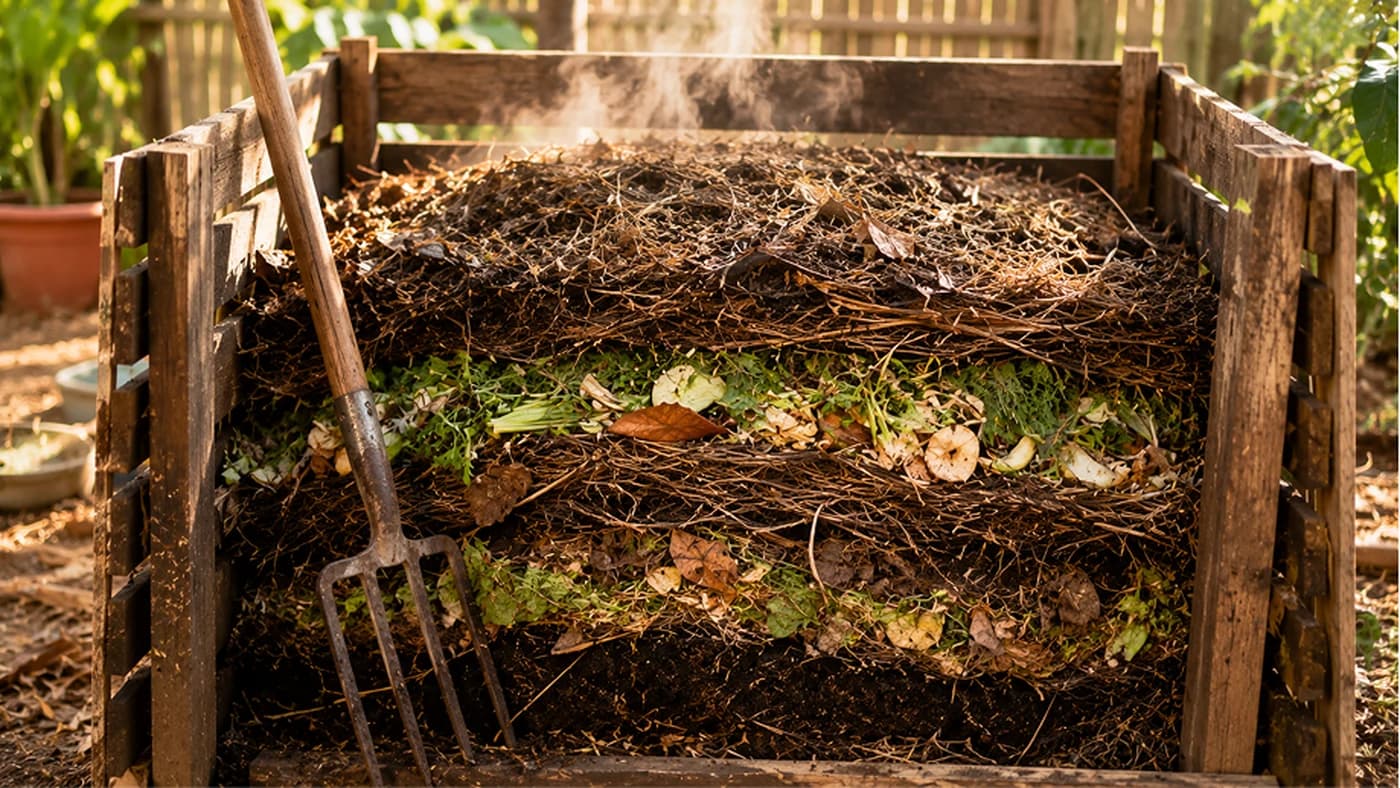
The best fertiliser is often free, made from waste you already have. Layer browns and greens, keep the pile moist, and in months you have rich compost.

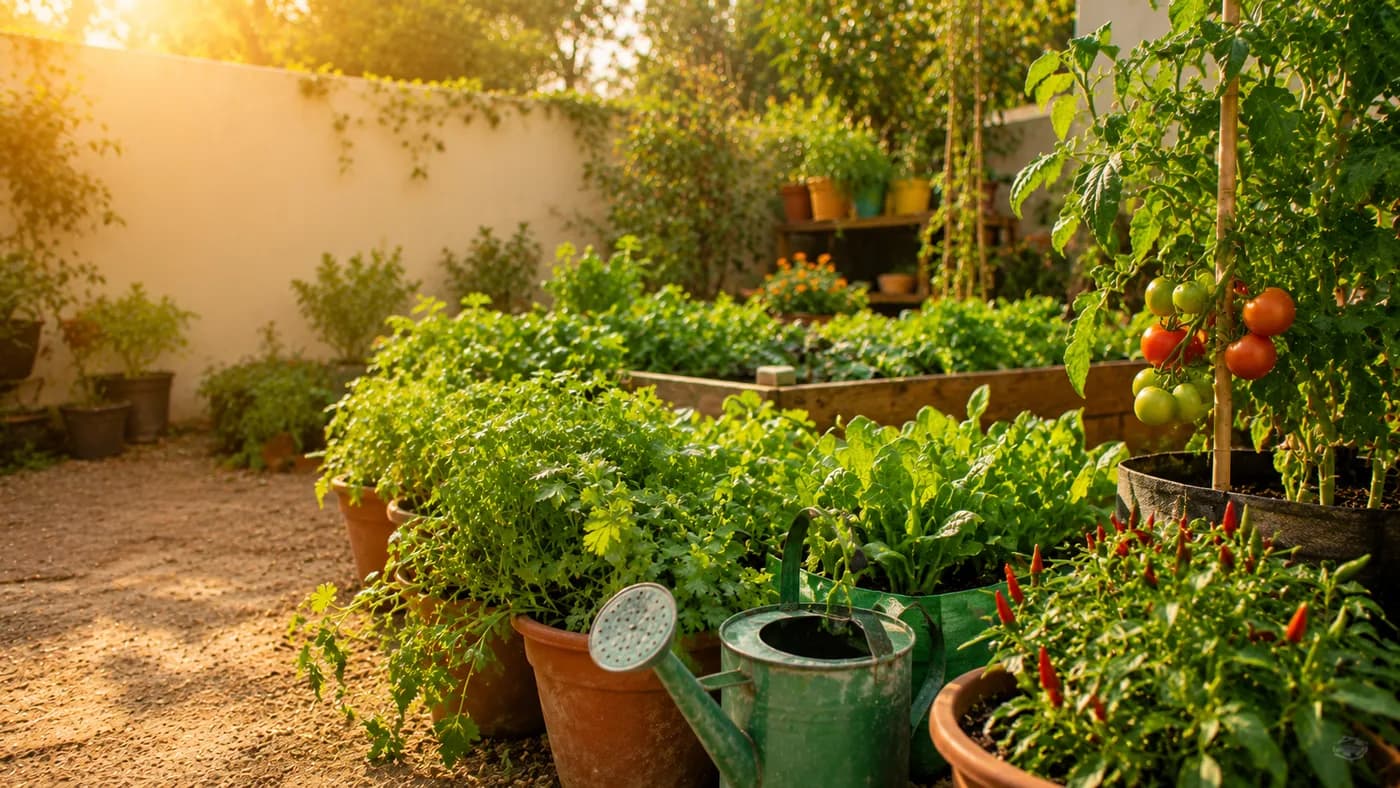
Fresh, safe, chemical-free vegetables at your doorstep — easier to start than most people imagine, whether you have a backyard, balcony or windowsill.

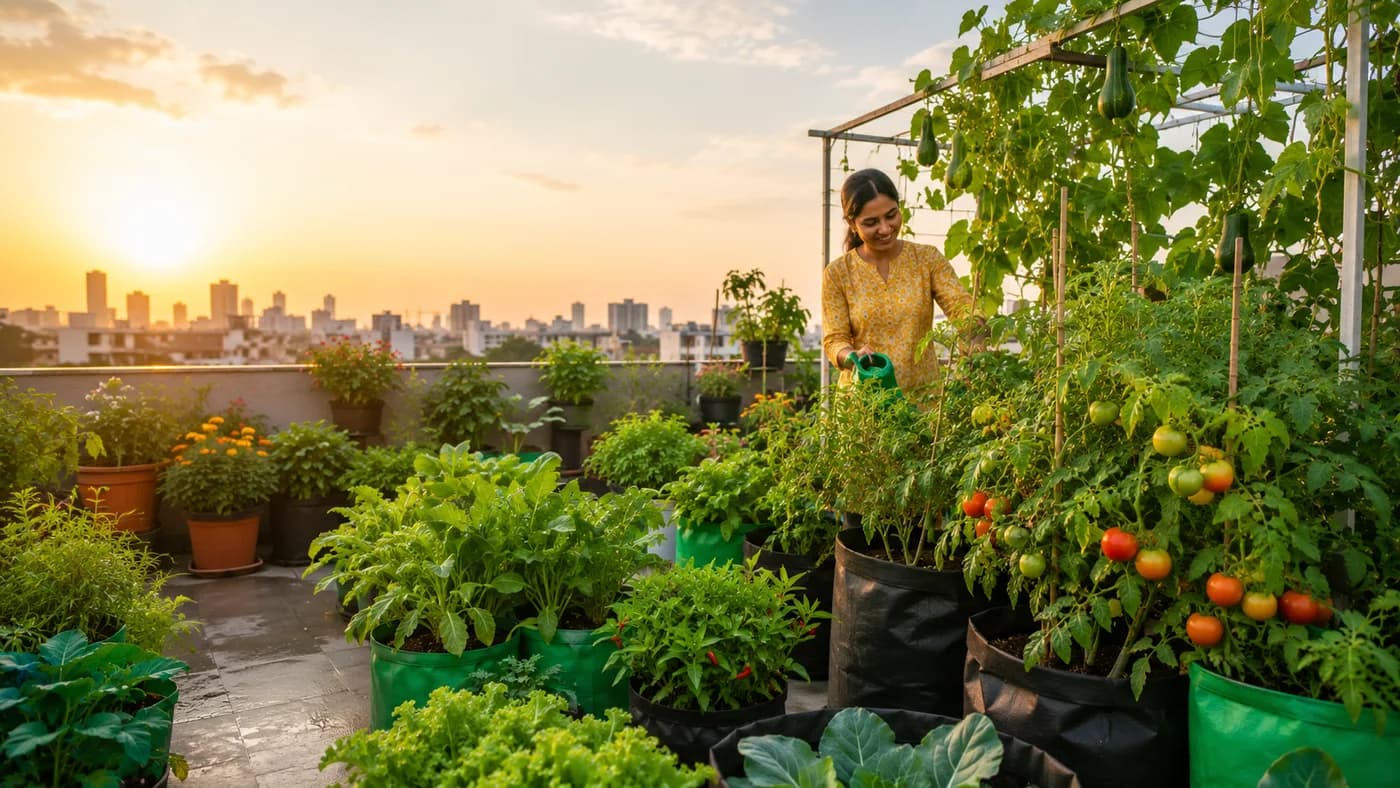
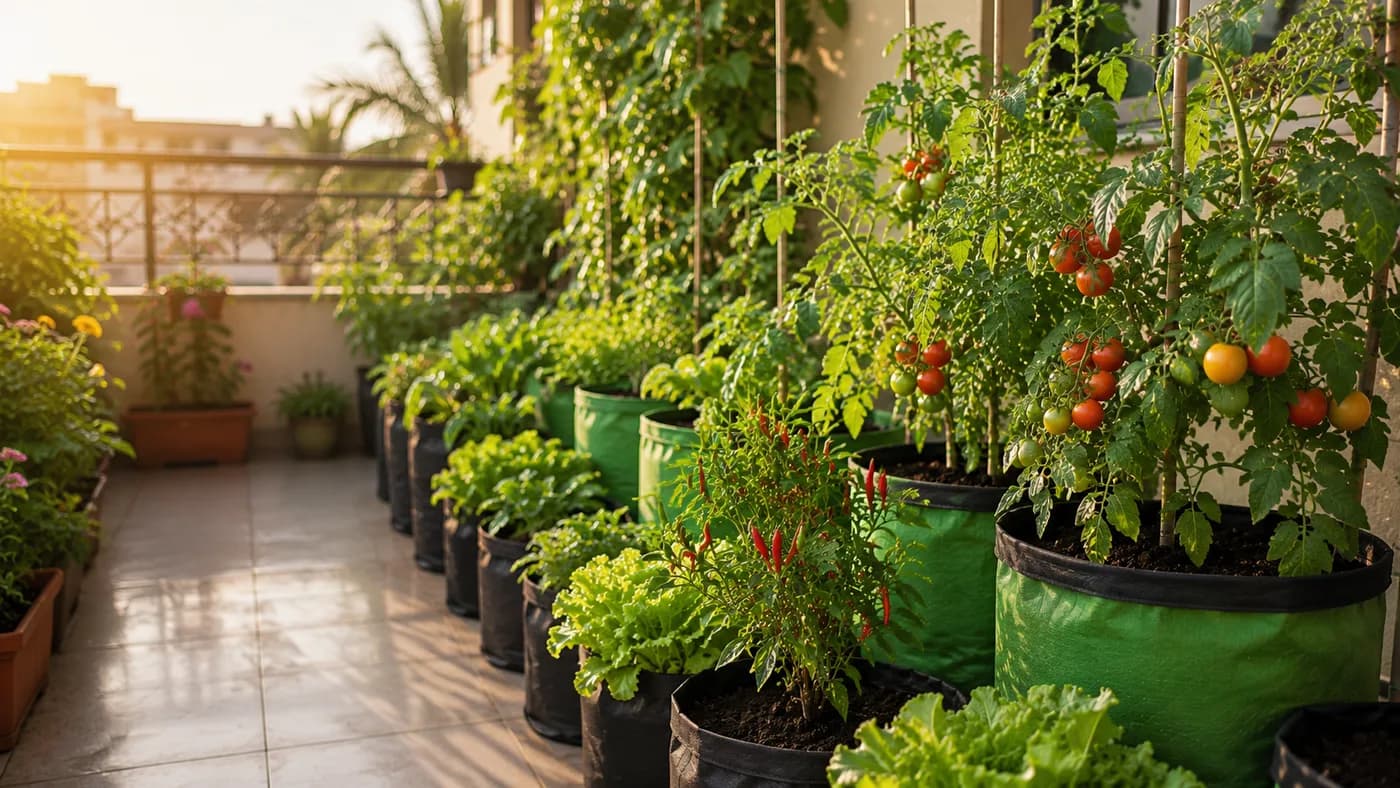
No farmland? Your rooftop can produce a surprising quantity of fresh vegetables — if you protect the roof, choose light containers and plan for sun and wind.

The secret to staying motivated is starting with vegetables that are hard to fail with — forgiving, fast crops that reward even a beginner's care.

Grow bags make vegetable gardening possible almost anywhere. Match the bag size to the crop, use a light rich mix, and water daily in summer.

Income support, cheap credit, crop insurance, free soil testing and irrigation subsidies — real value that often goes unused simply for lack of awareness.

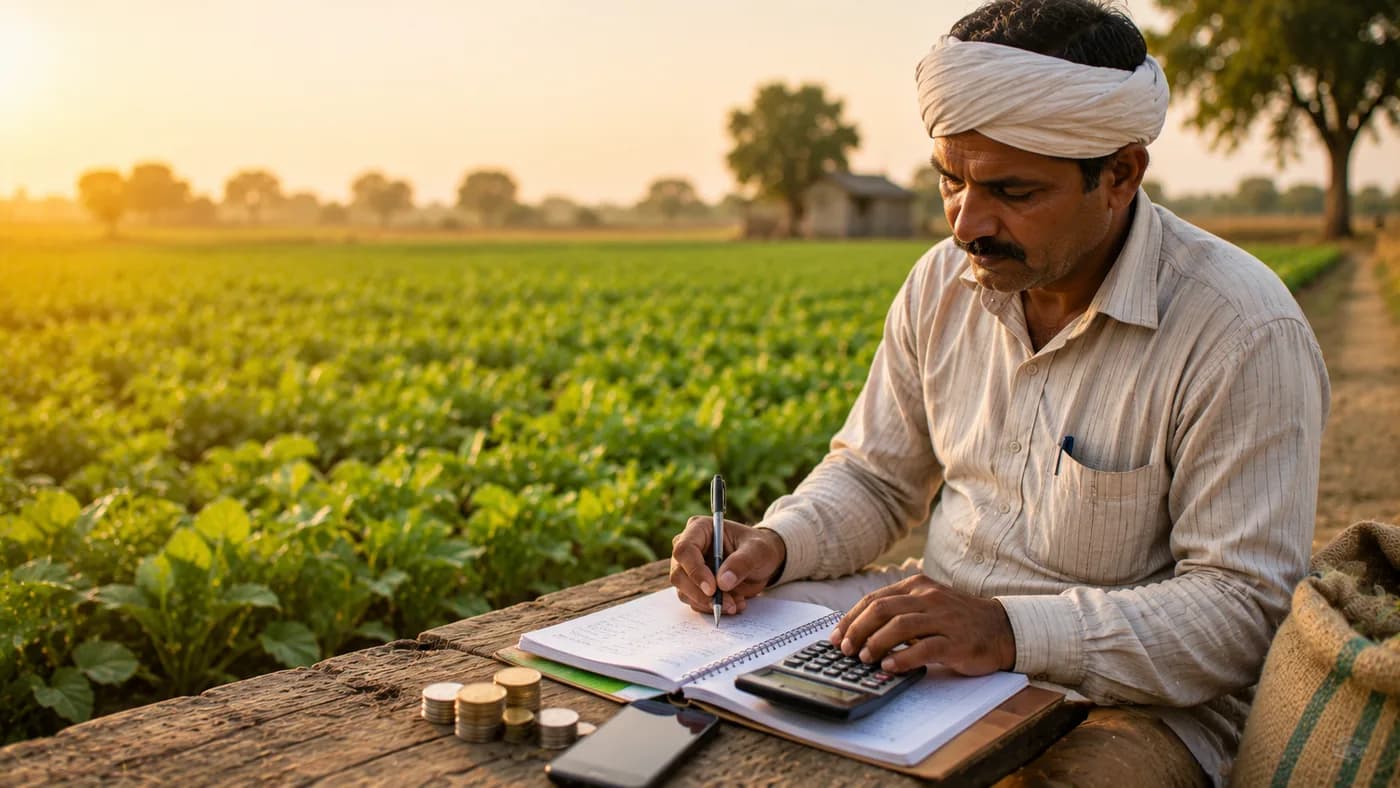
Many farmers know their yield but not their profit — a costly blind spot. Track costs, find your break-even price, and farming becomes a business.

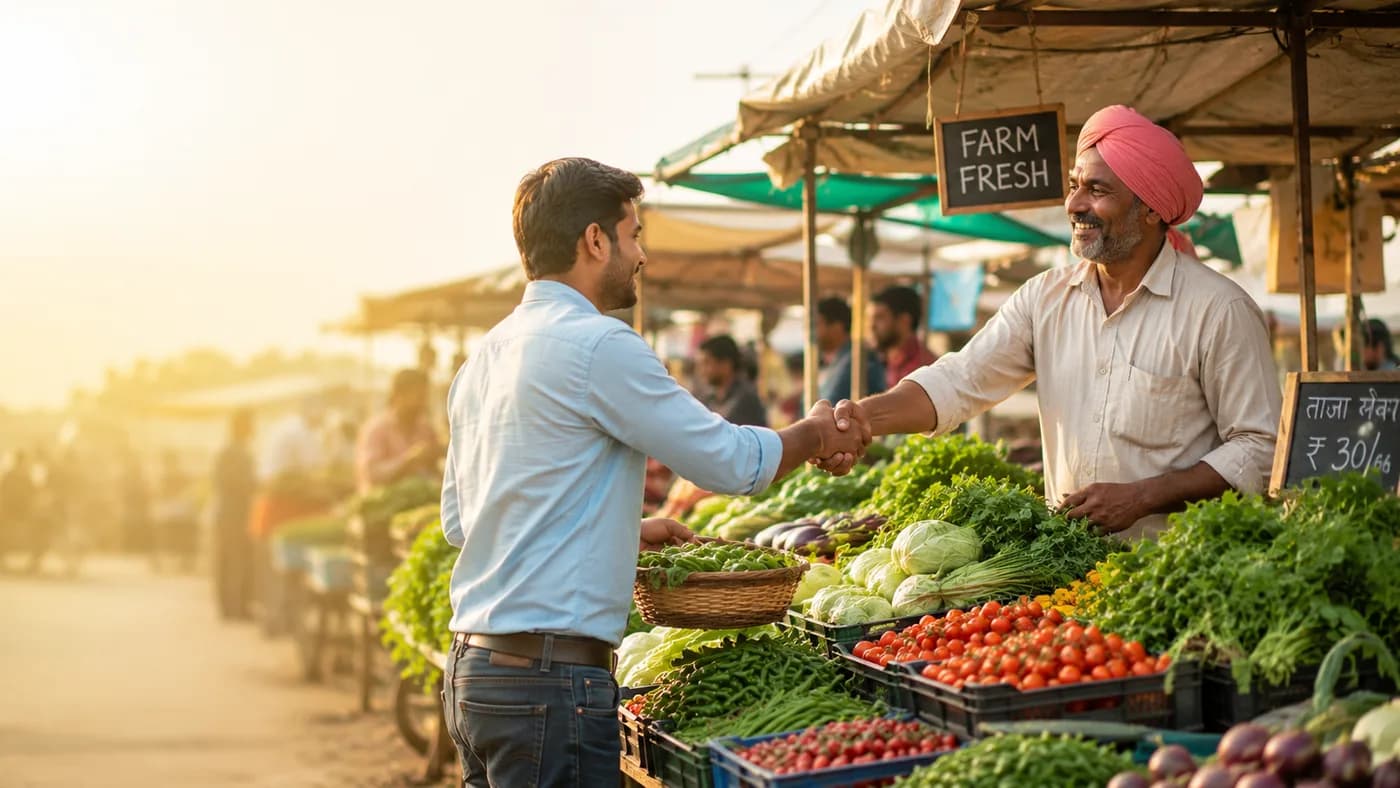
The difference between a good year and a poor one is often not how much you grow, but the price you get. Selling smarter adds more than any input.

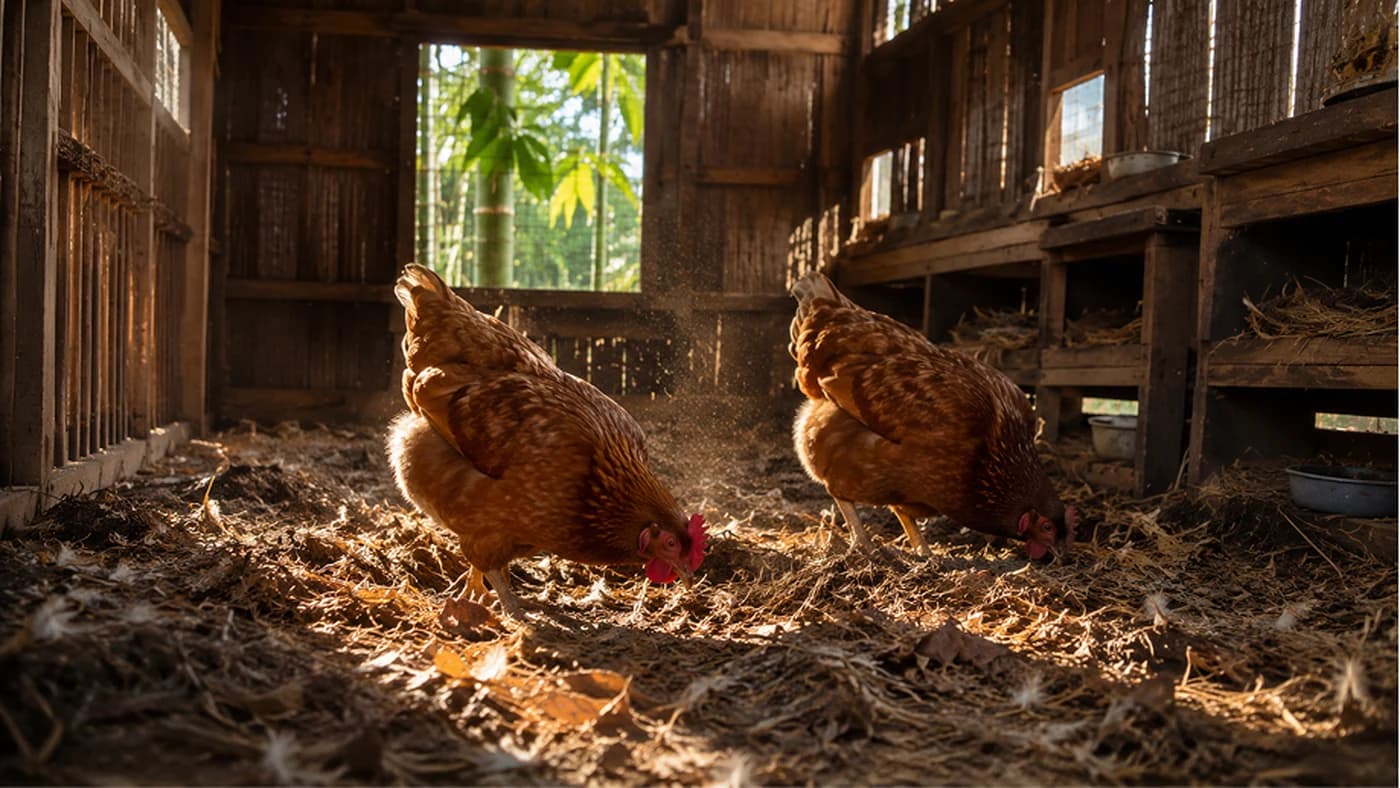
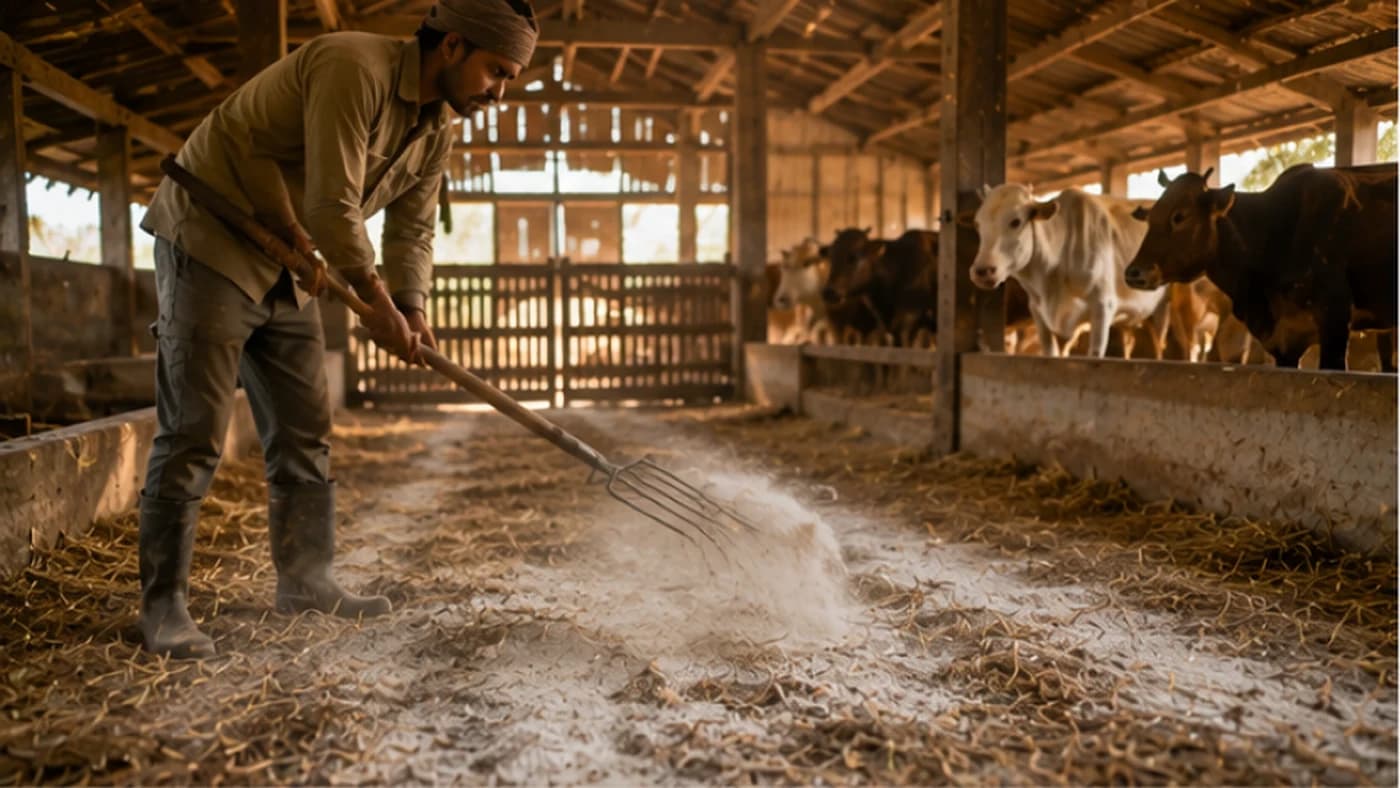
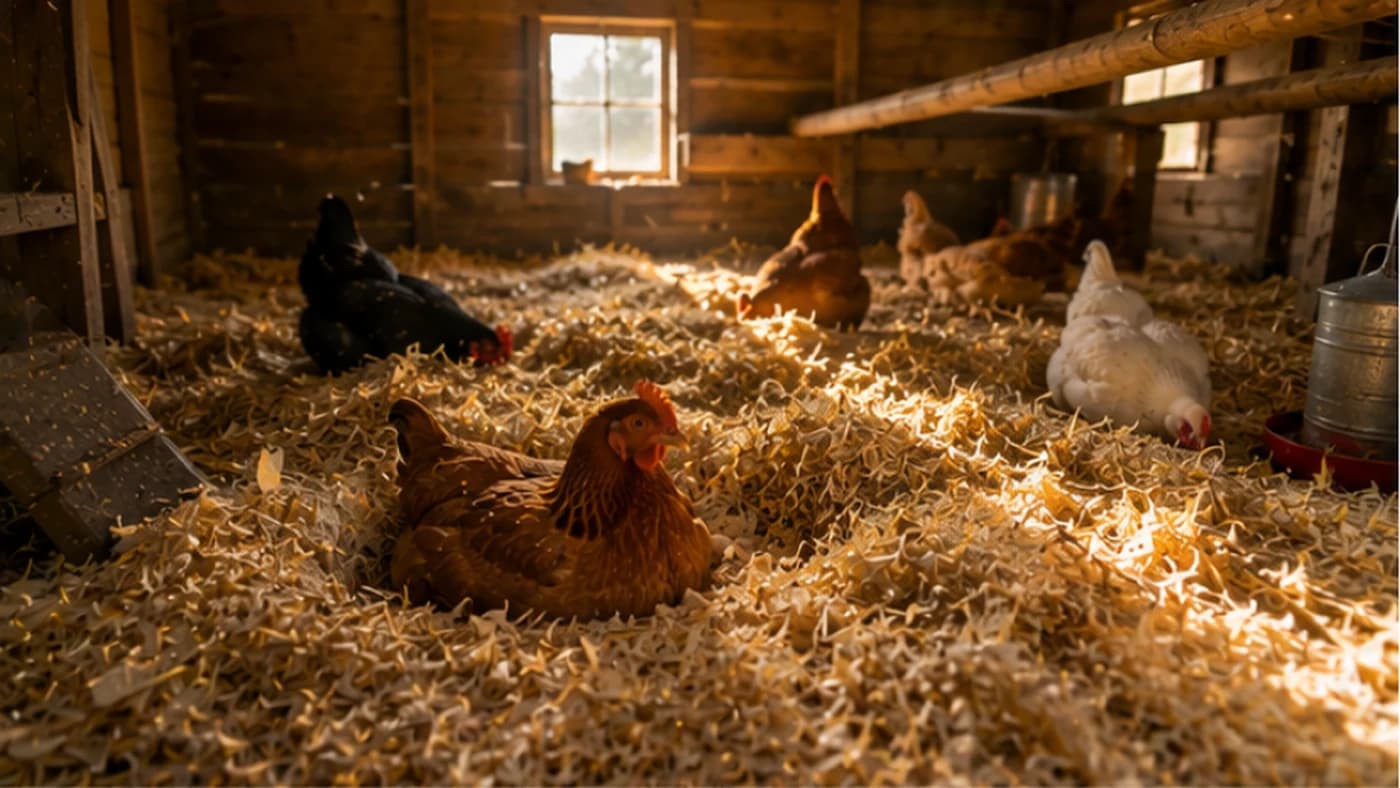
A scrubbed, bare coop floor is a wasted opportunity. Let a thick carbon bed and billions of microbes do the composting for you — less labour, healthier birds, and free fertiliser for the field.

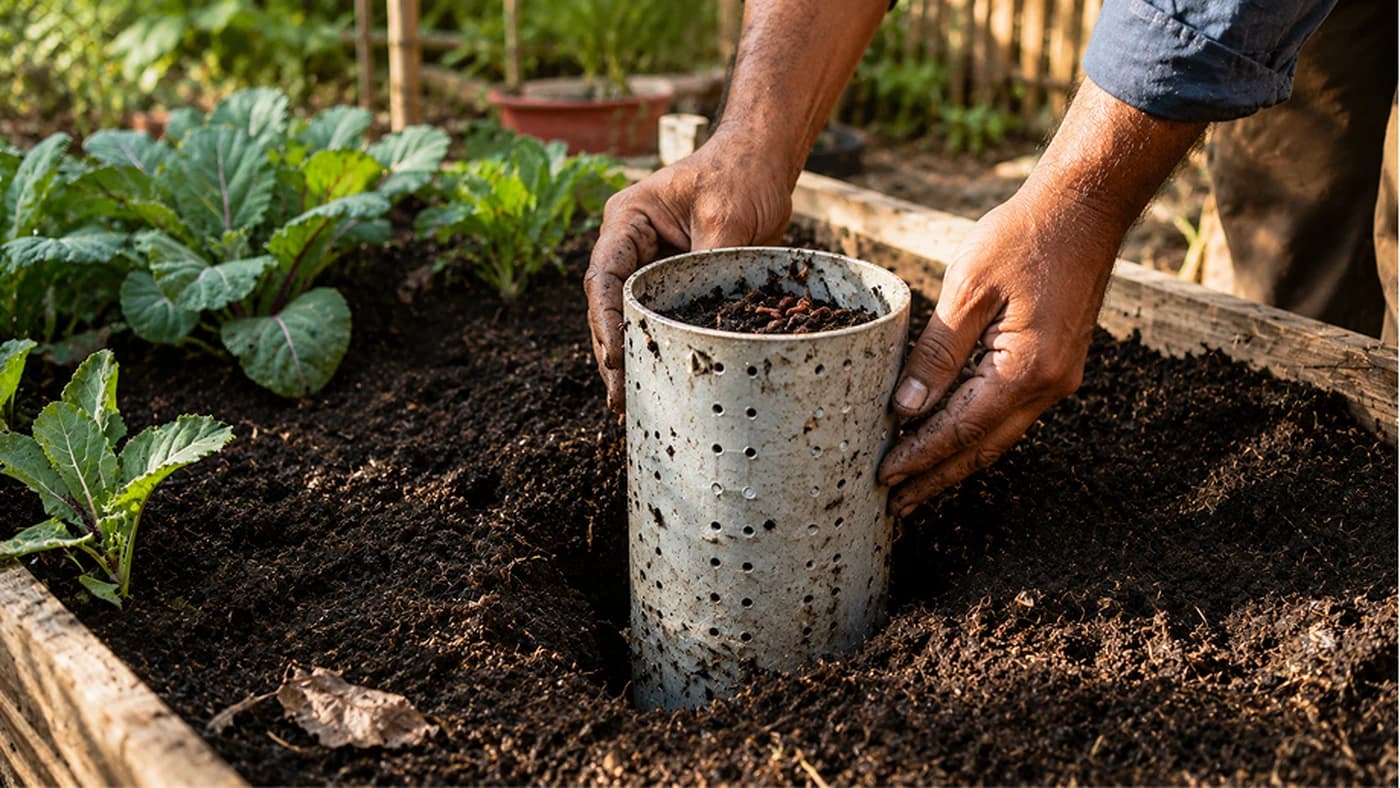
Stop hauling kitchen scraps to a distant bin and hauling compost back months later. A buried worm tower lets worms process waste right where your plants are growing.

A smelly, slow compost heap almost always comes down to one thing: the wrong balance of browns and greens. Get the ratio right and microbes do the rest.

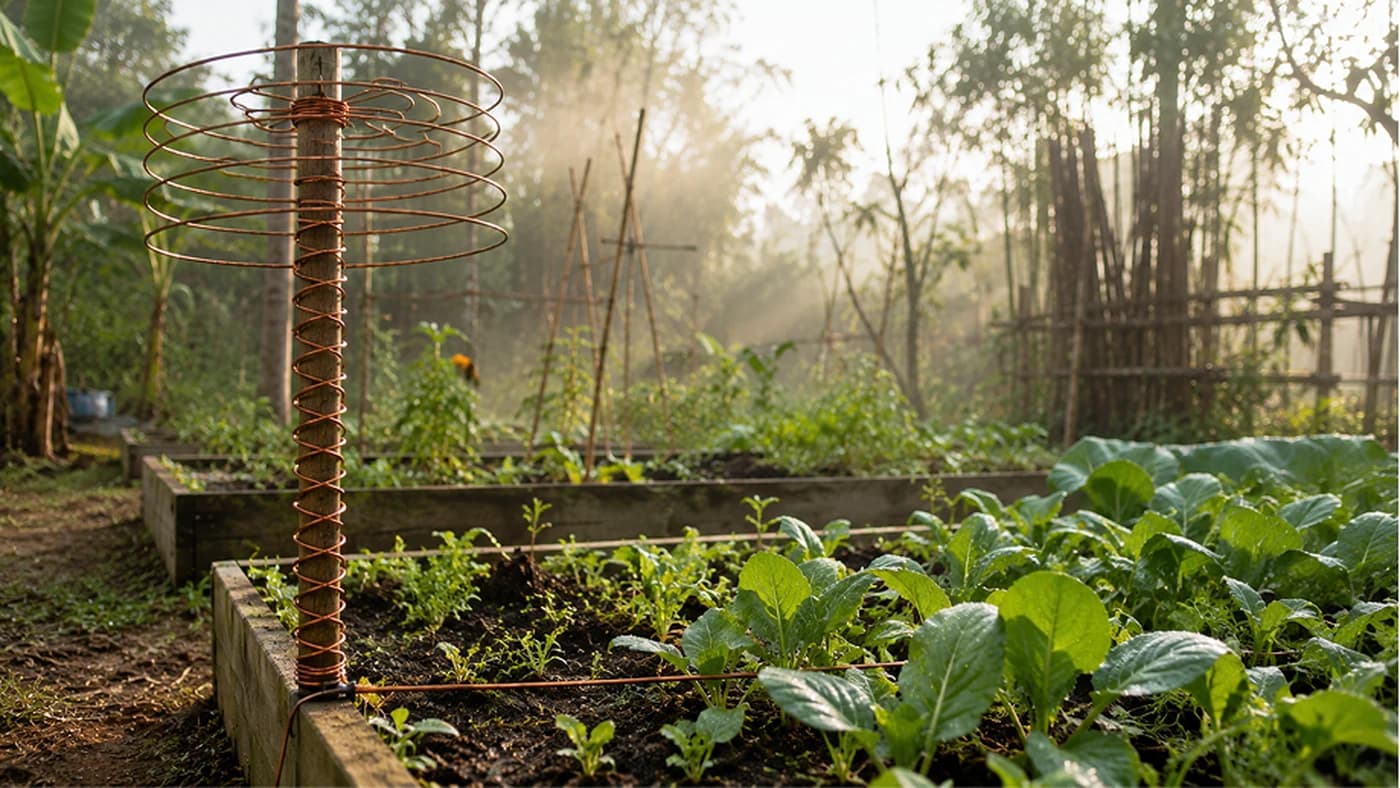
Copper antenna gardening promises faster growth and lower water use for almost no cost. It's a genuinely old folk technique — but the claims run well ahead of the science. Here's what it involves and how to think about it honestly.

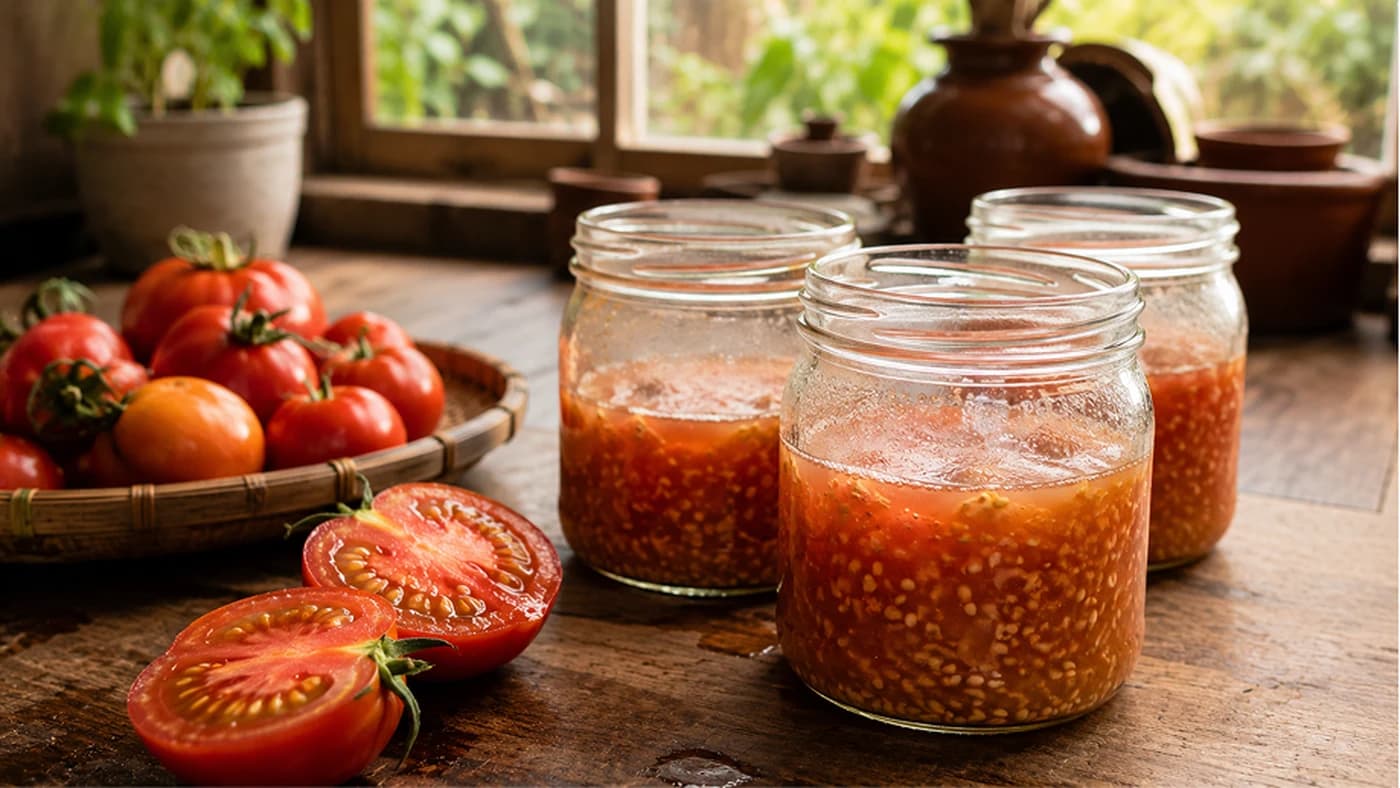
Scrubbing tomato seeds by hand still leaves the germination-blocking gel behind. A simple 2-3 day ferment does what scrubbing can't — cleaner seeds, fewer diseases, and far higher germination.

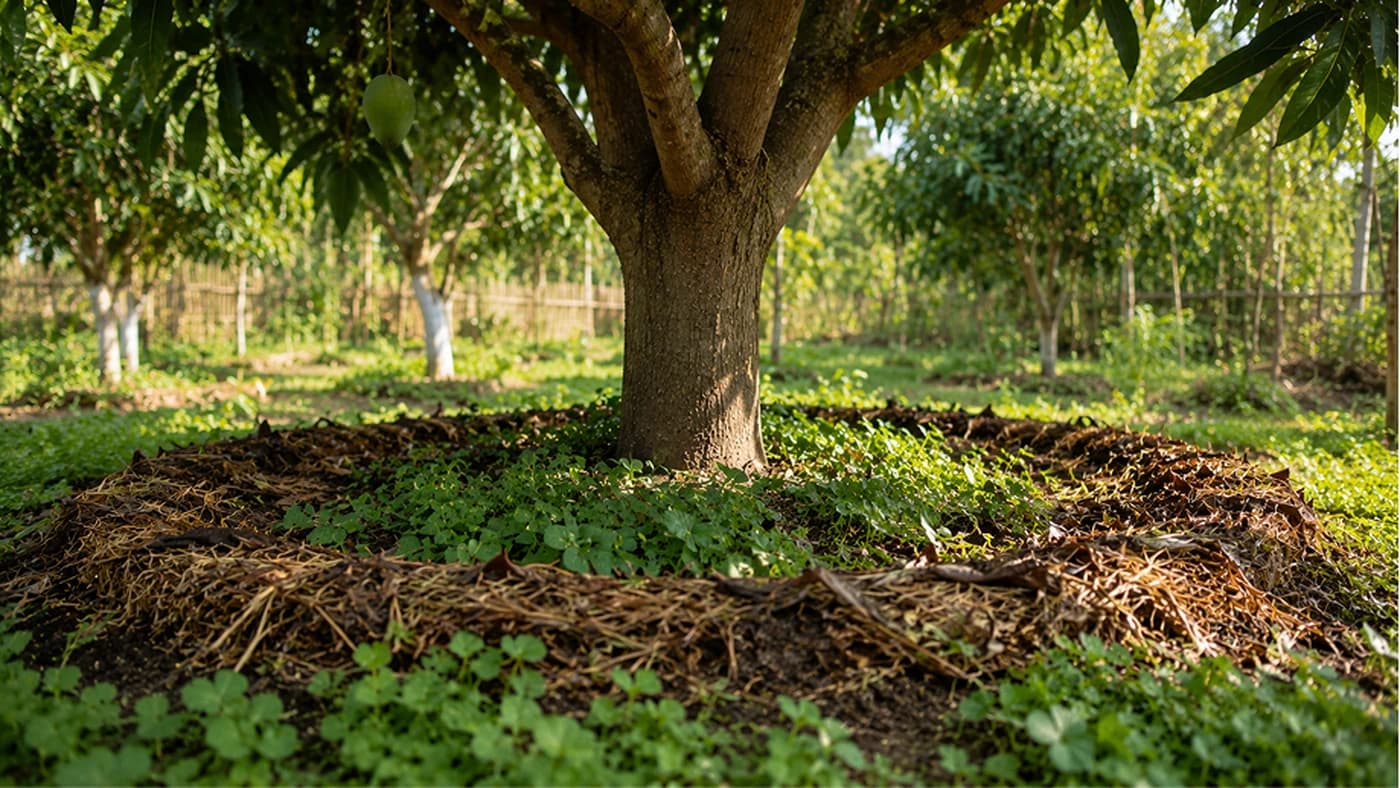
A mowed, bare-earth ring under a fruit tree is a missed opportunity, not tidy farming. Mulch and a few companion plants turn that space into a pest-fighting, moisture-holding, self-feeding system.

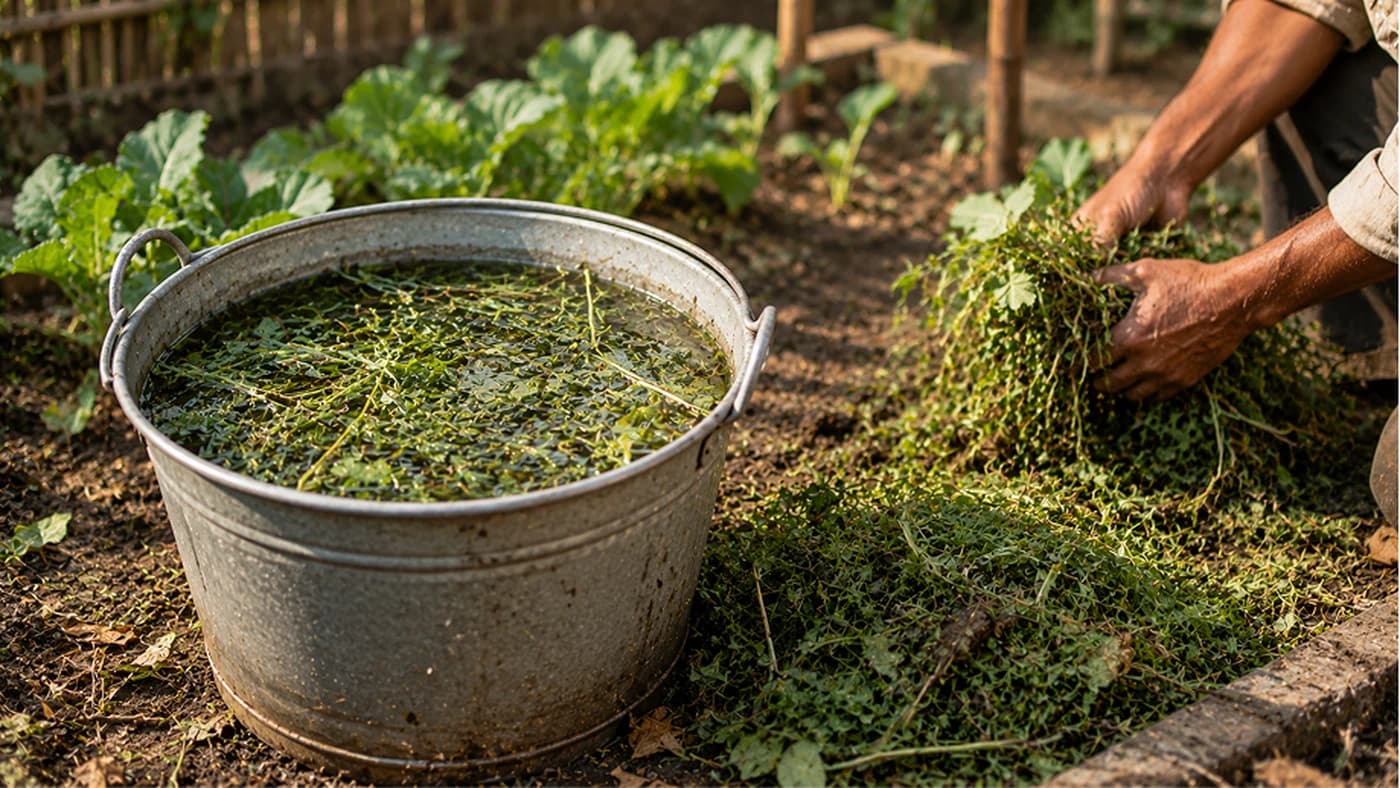
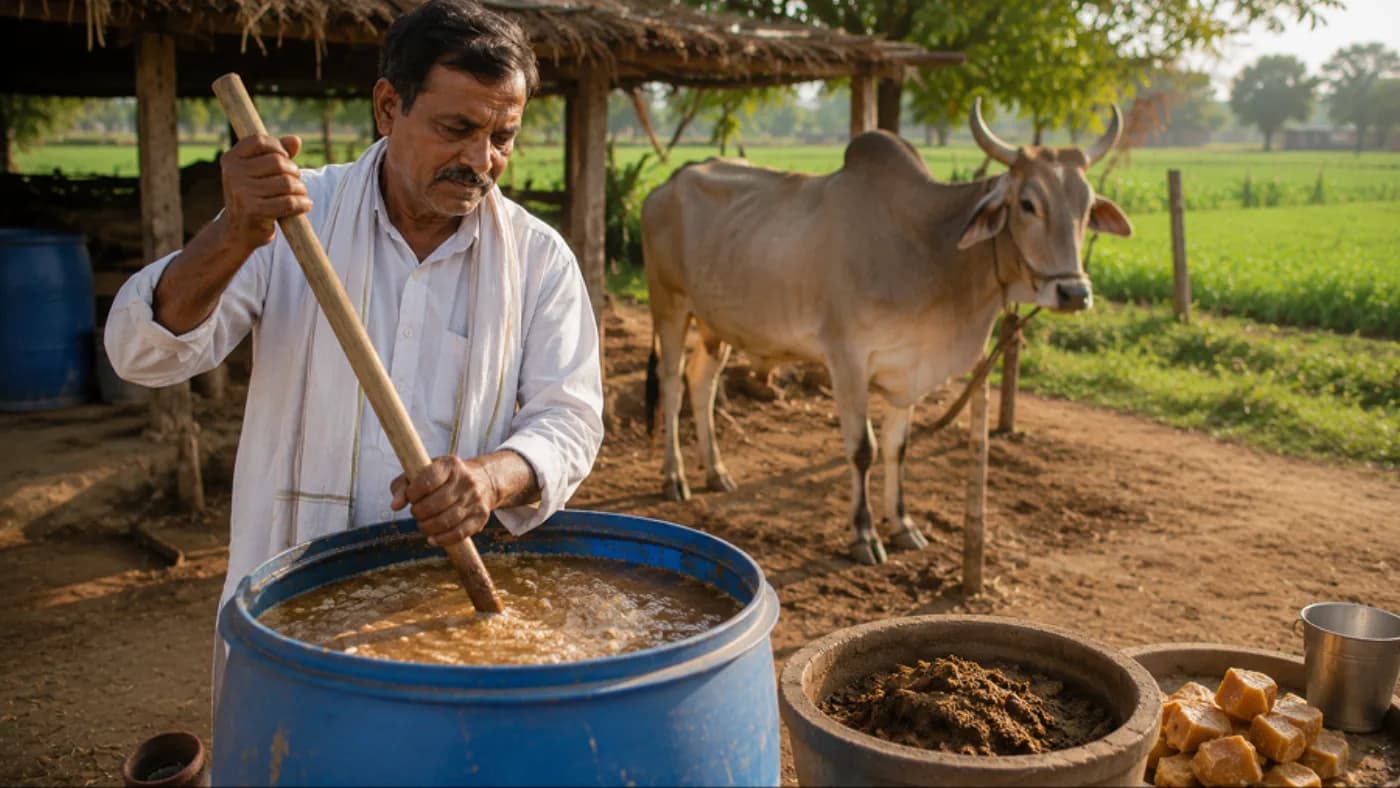
The weeds growing wild along your bund or driveway are nutrient pumps. Korean Natural Farming's Fermented Plant Juice (FPJ) turns them — plus a handful of jaggery — into a potent, nearly free plant tonic.

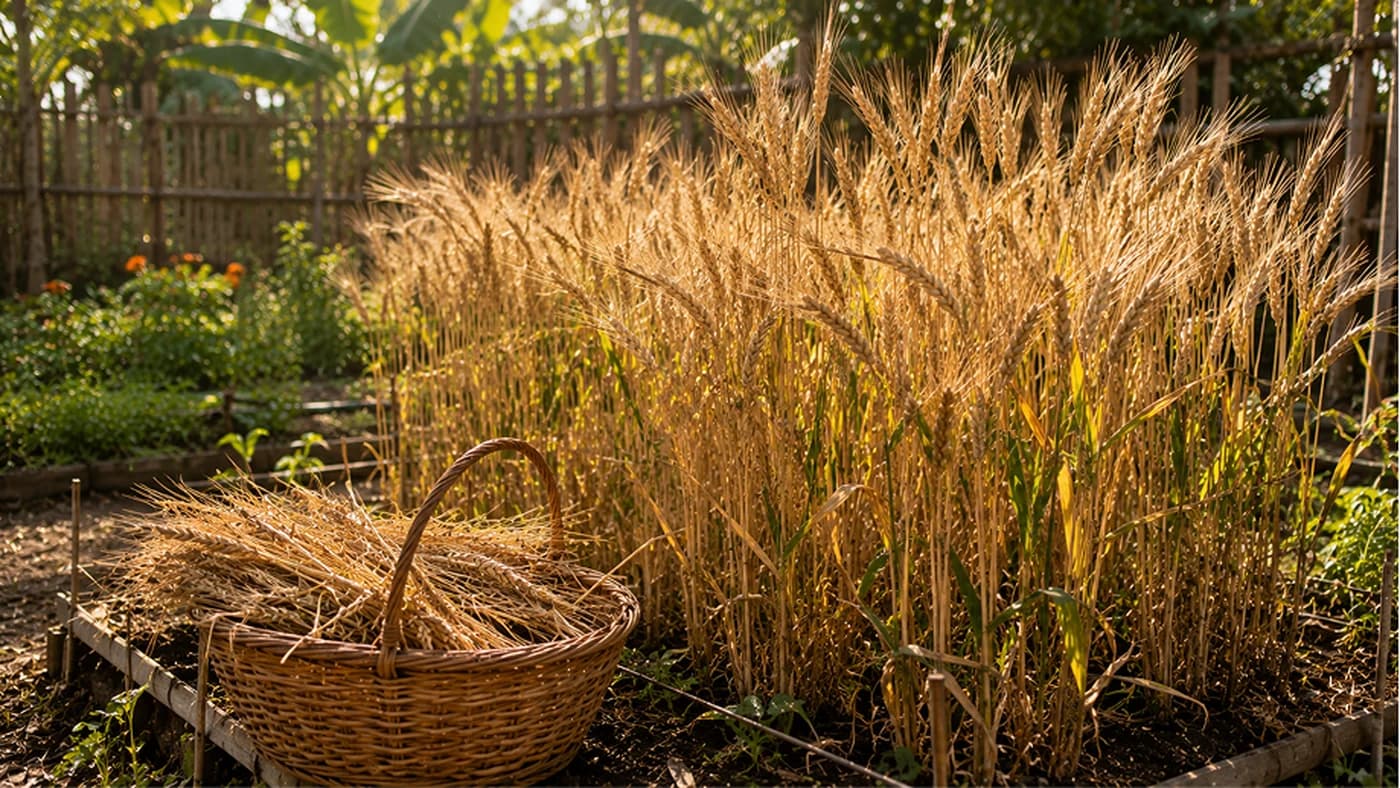
Imagine a grain crop you plant once and harvest for years, with roots deep enough to shrug off drought. Perennial grains are still an emerging frontier — but the soil-building principles behind them are usable on any Indian farm today.

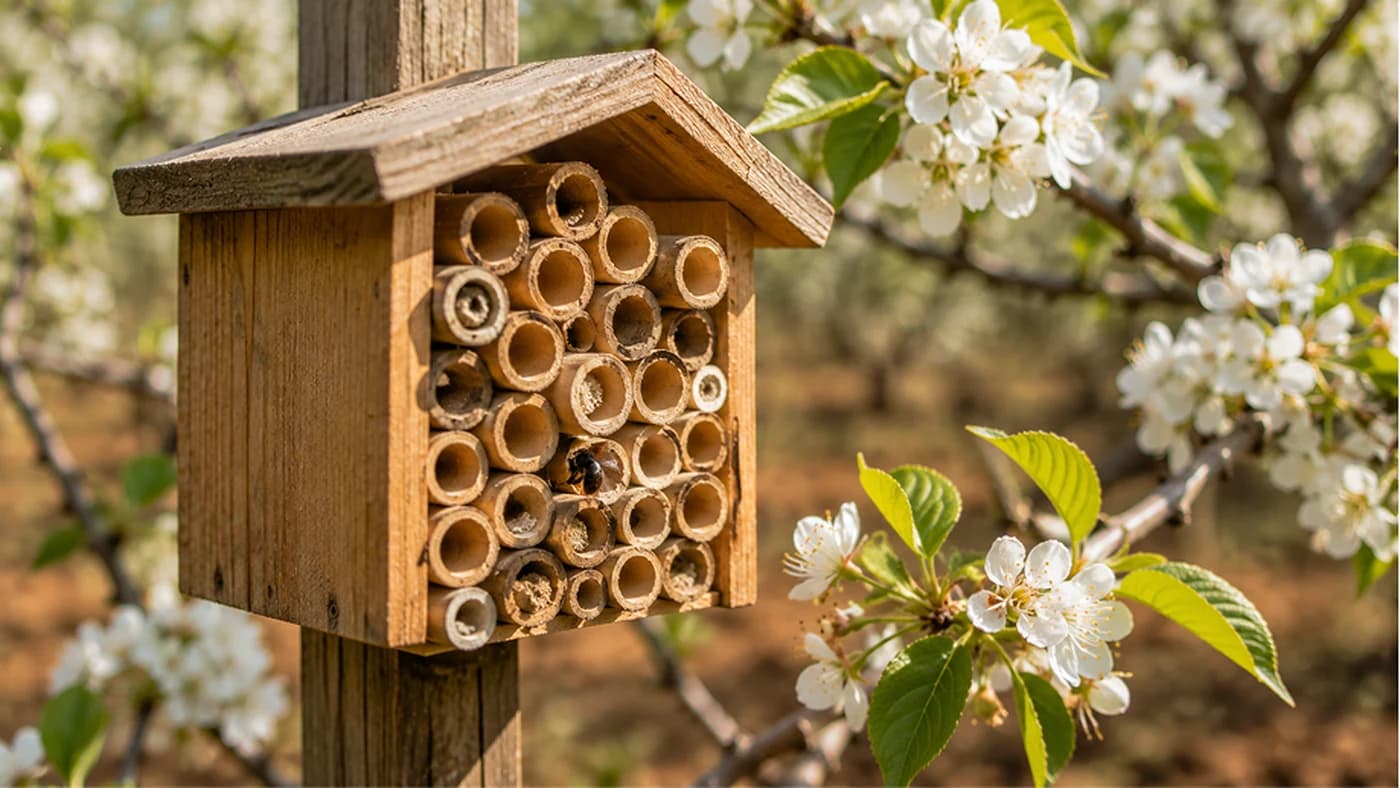
Honeybees stay home on cold, overcast mornings — exactly when many fruit trees bloom. Native solitary bees fly in weather honeybees won't, and a simple mud-and-nest-box setup can bring them to your orchard for free.

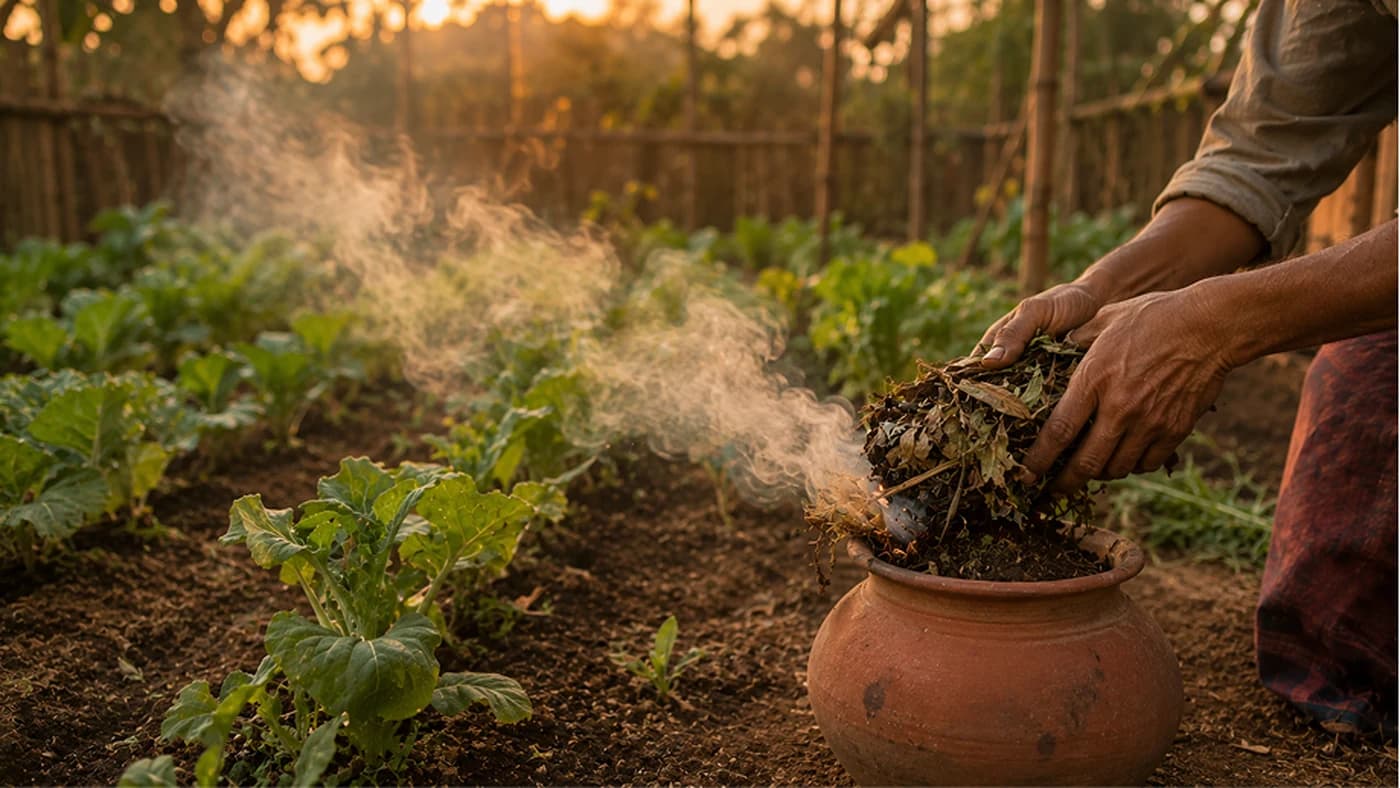
Long before chemical sprays, farmers used smoke from aromatic wood and herbs to drive pests off prize plants. The science behind it is genuine — the pest-control claims are more traditional practice than proven fact. Here's how to use it honestly and safely.

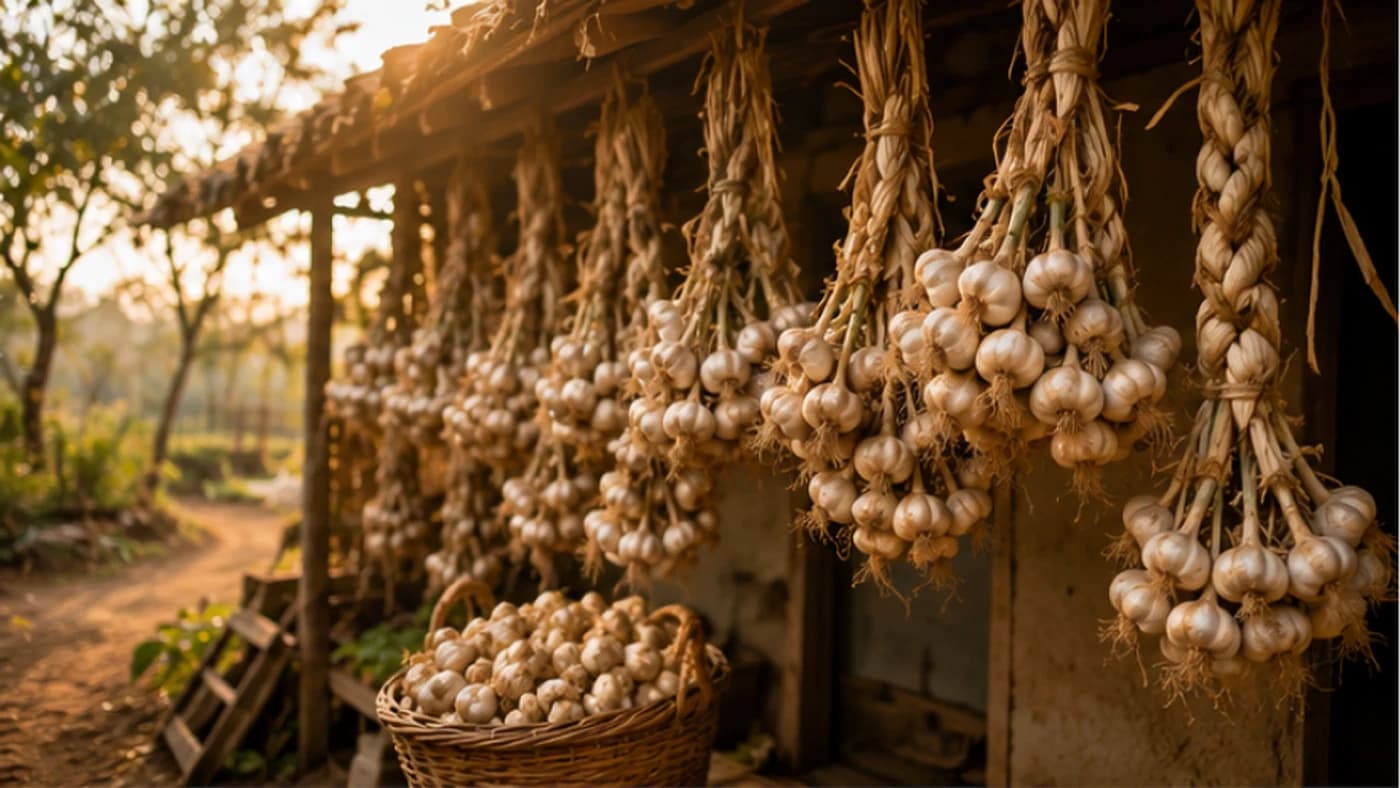
Braided and hung garlic looks great for photos, but it's one of the worst ways to cure it — trapped moisture in a tight bundle is exactly what causes rot. A single layer on an open rack, with real airflow, is what actually gets you a year of storage.

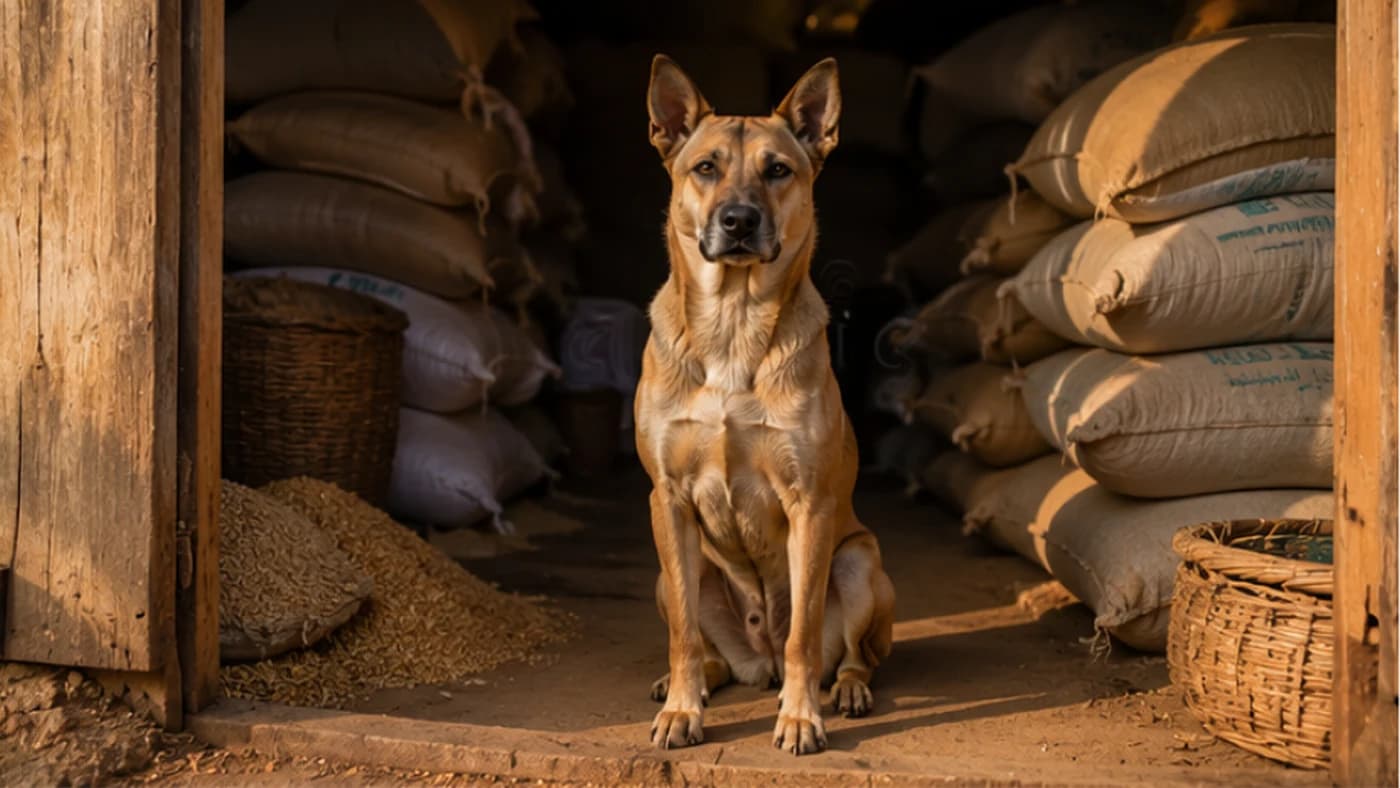
Rat poison doesn't just kill rats — it kills the owls, hawks and cats that eat them too, and leaves a toxic carcass to rot in a wall. A trained working dog, even a sharp local pariah dog, is a chemical-free alternative that's been used on farms for centuries.

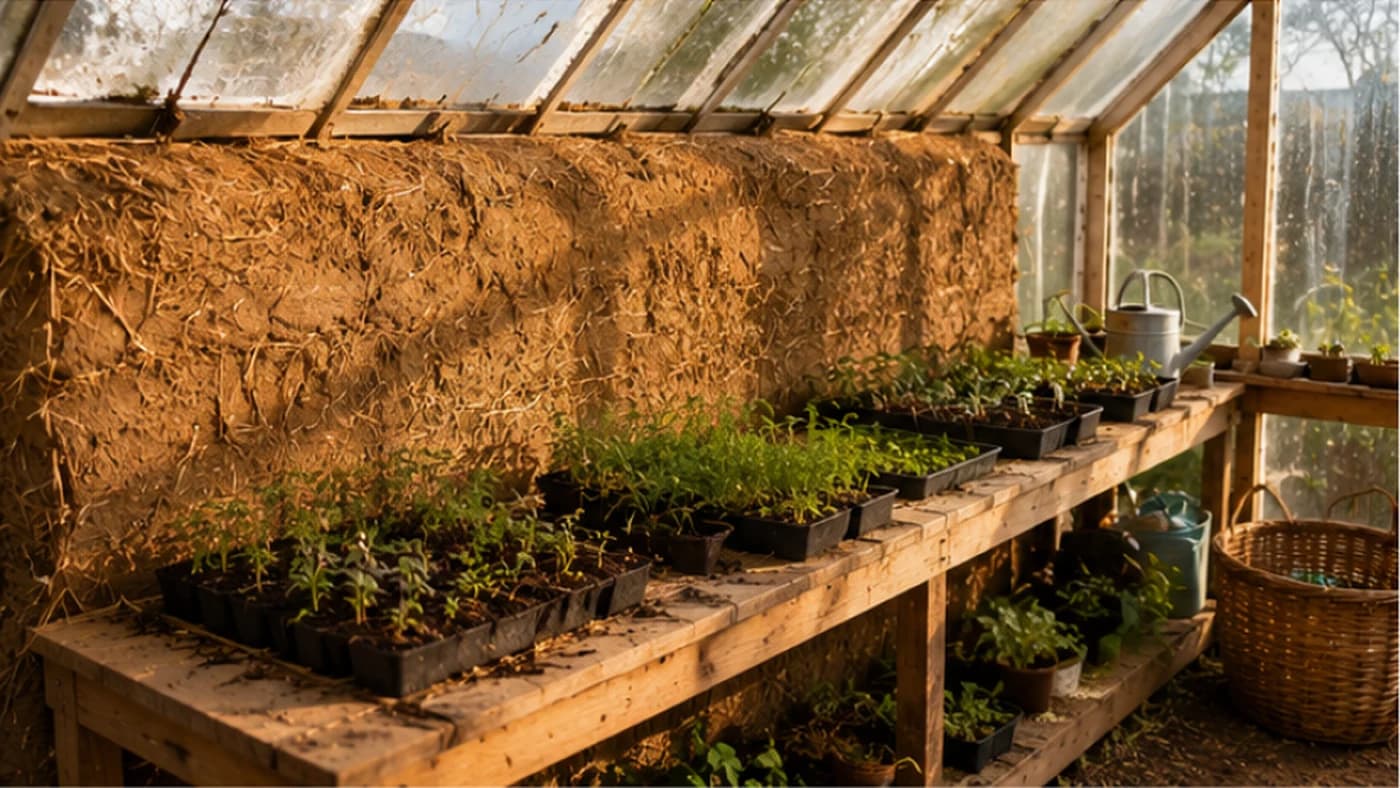
No electricity, no diesel heater, no gas cylinder — just clay, sand, straw and the sun. A thermal mass bench keeps a polyhouse or low tunnel warm through winter nights for free.

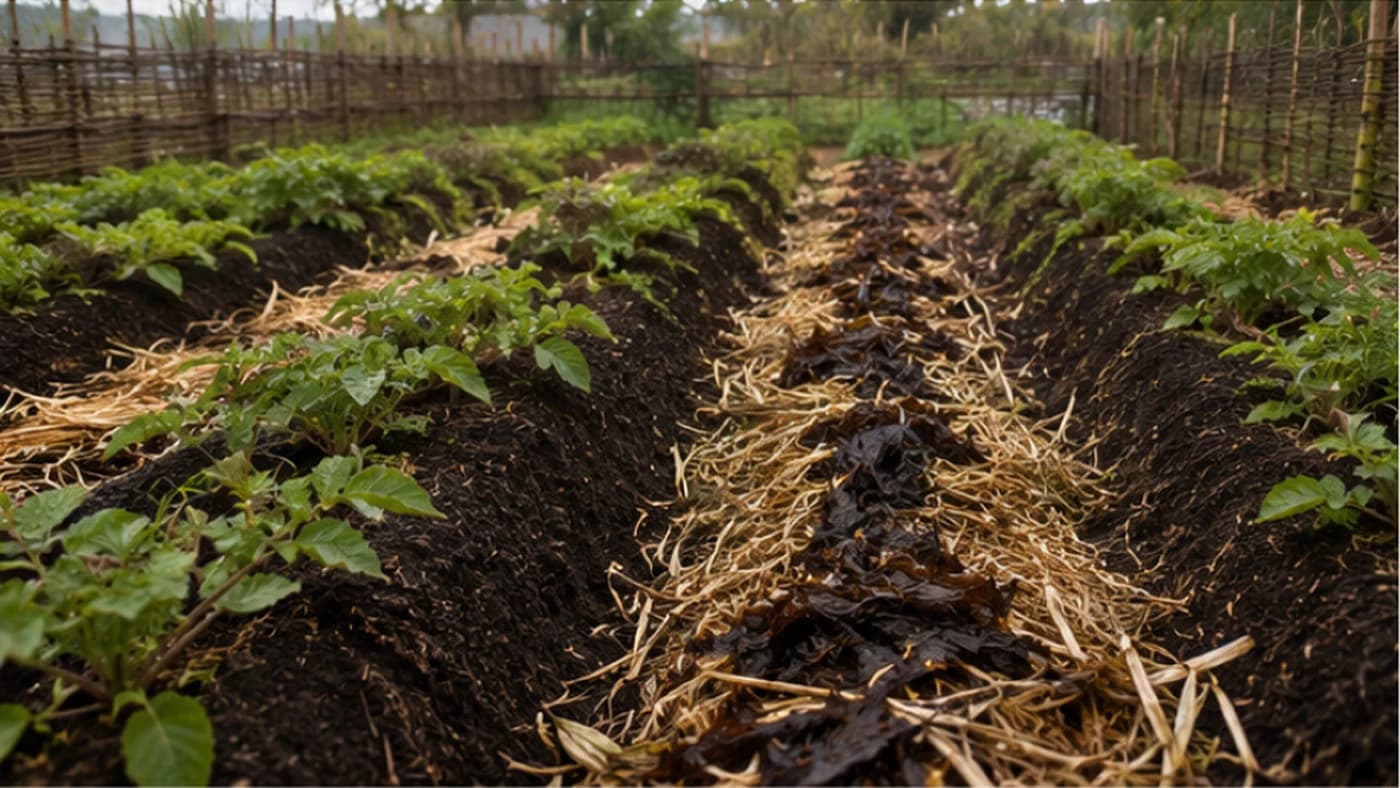
Centuries before raised beds became fashionable, farmers on Europe's wettest, rockiest land built self-draining ridges from flipped turf alone. It still solves clay and waterlogging problems today — no tools but a spade.

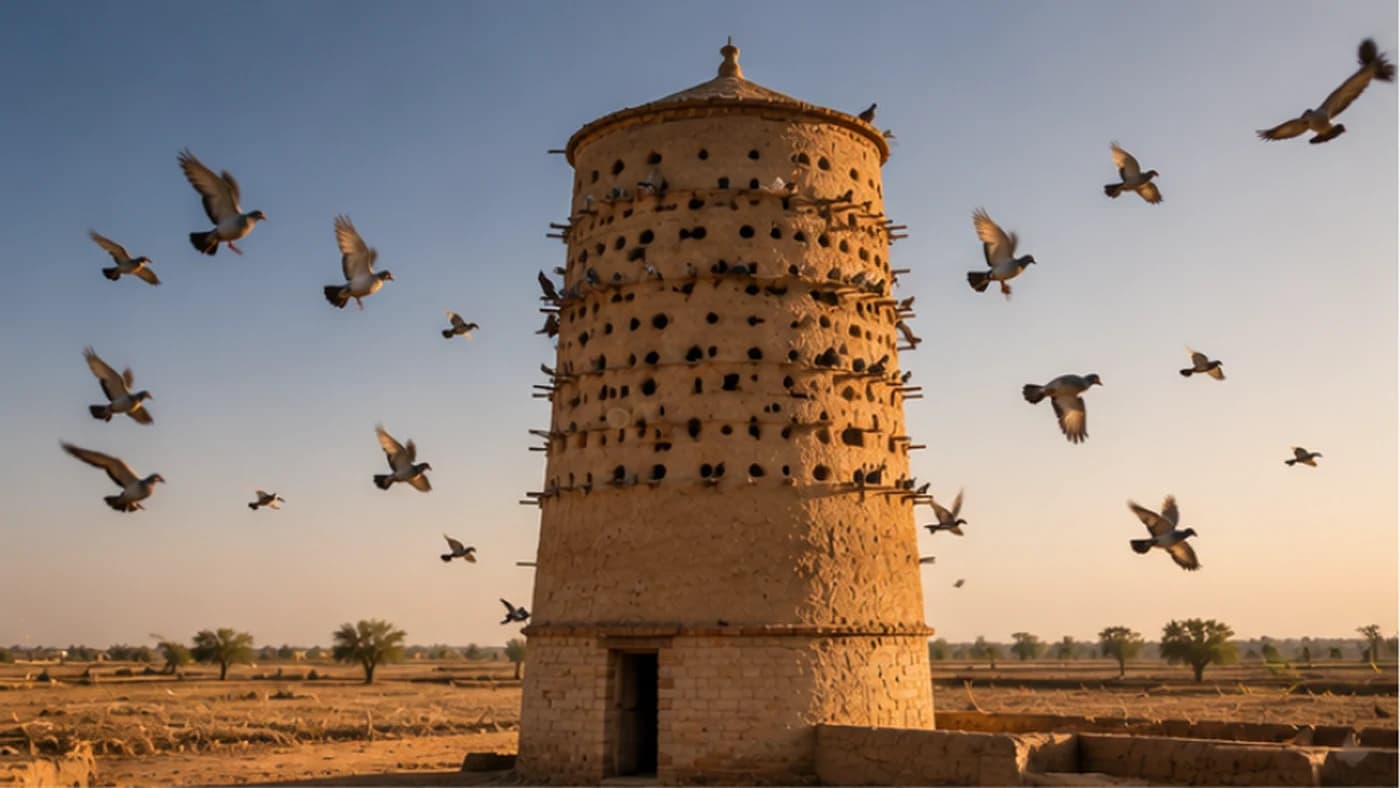
Old Persian and Indian havelis alike built towers just to house pigeons — not for meat, but for one of the most potent organic fertilisers known. Here's how the system works, and how to build a small version safely.

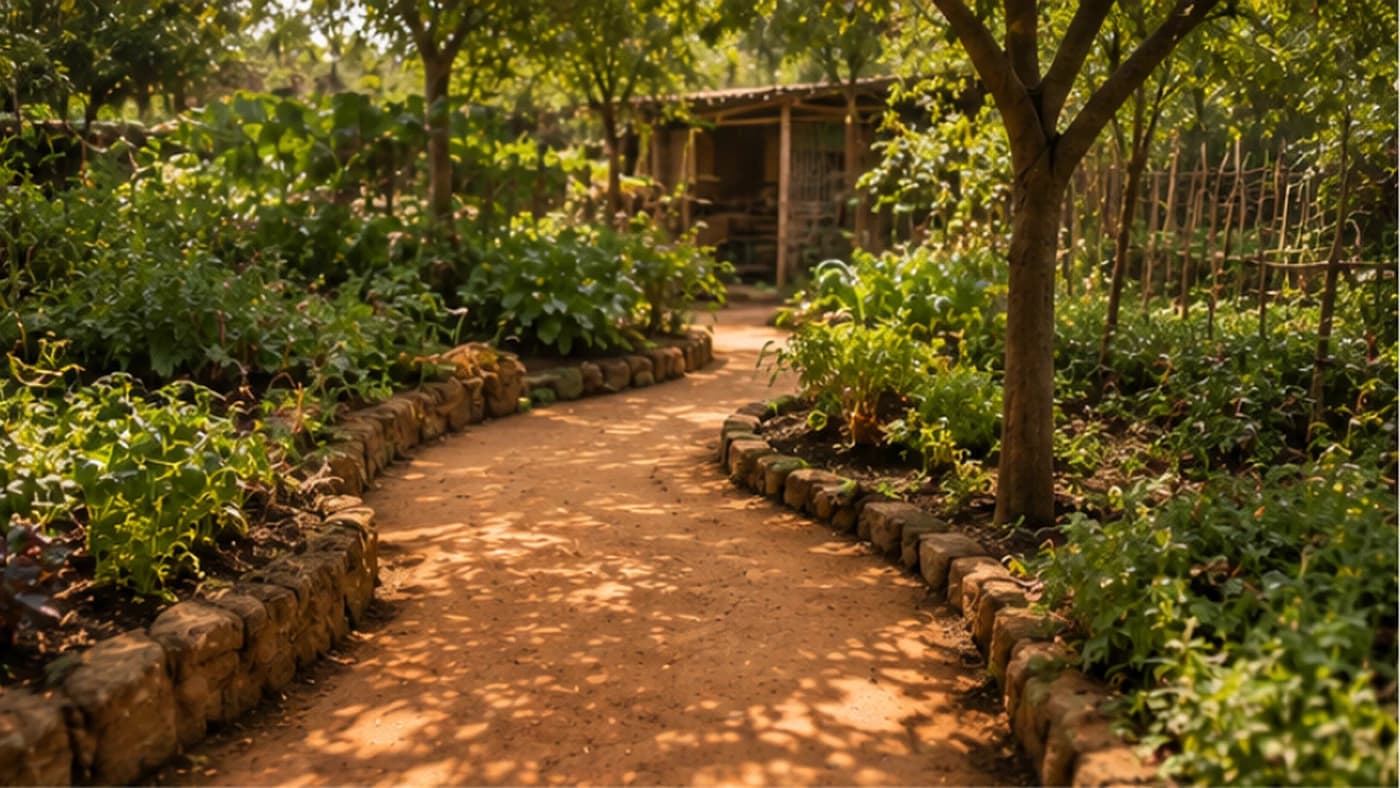
Concrete costs money and a huge carbon footprint. Cob — clay-rich subsoil, sand and straw — builds a durable, walkable garden path for almost nothing, using the very soil you dug out for a pond or pit.

A cob oven doesn't just bake — its thick earthen walls store heat for up to 24 hours, doubling as a night-time heat source for nearby seedlings during a cold snap.

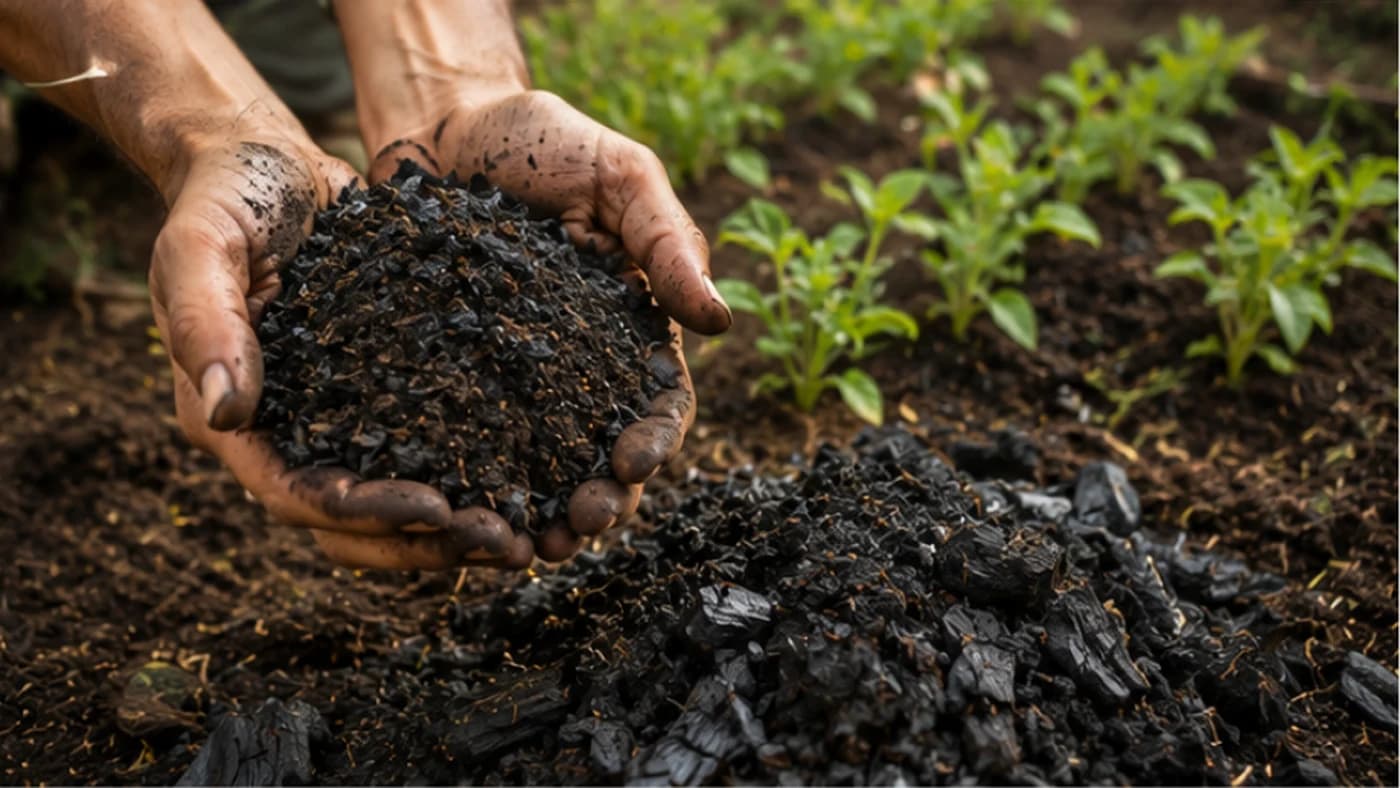
Ancient Amazonian farmers built soil that is still 10x more fertile than the surrounding land 2,000 years later — using biochar, organic waste and minerals. Here's how to build a modern version in your own field.

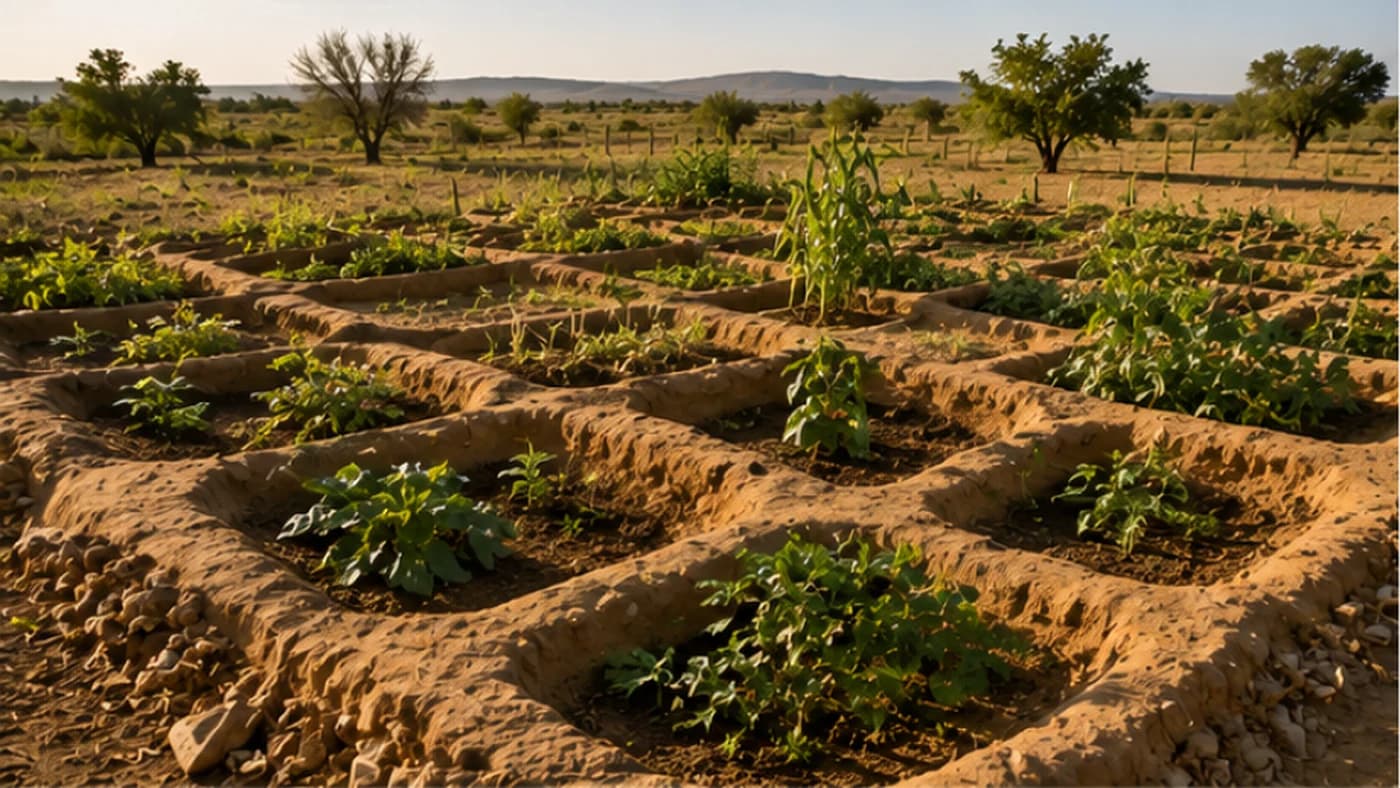
Ordinary sprinklers lose much of their water to wind and evaporation. This centuries-old sunken-bed technique from the American Southwest desert traps every drop close to the roots — and it adapts easily to India's driest tracts.

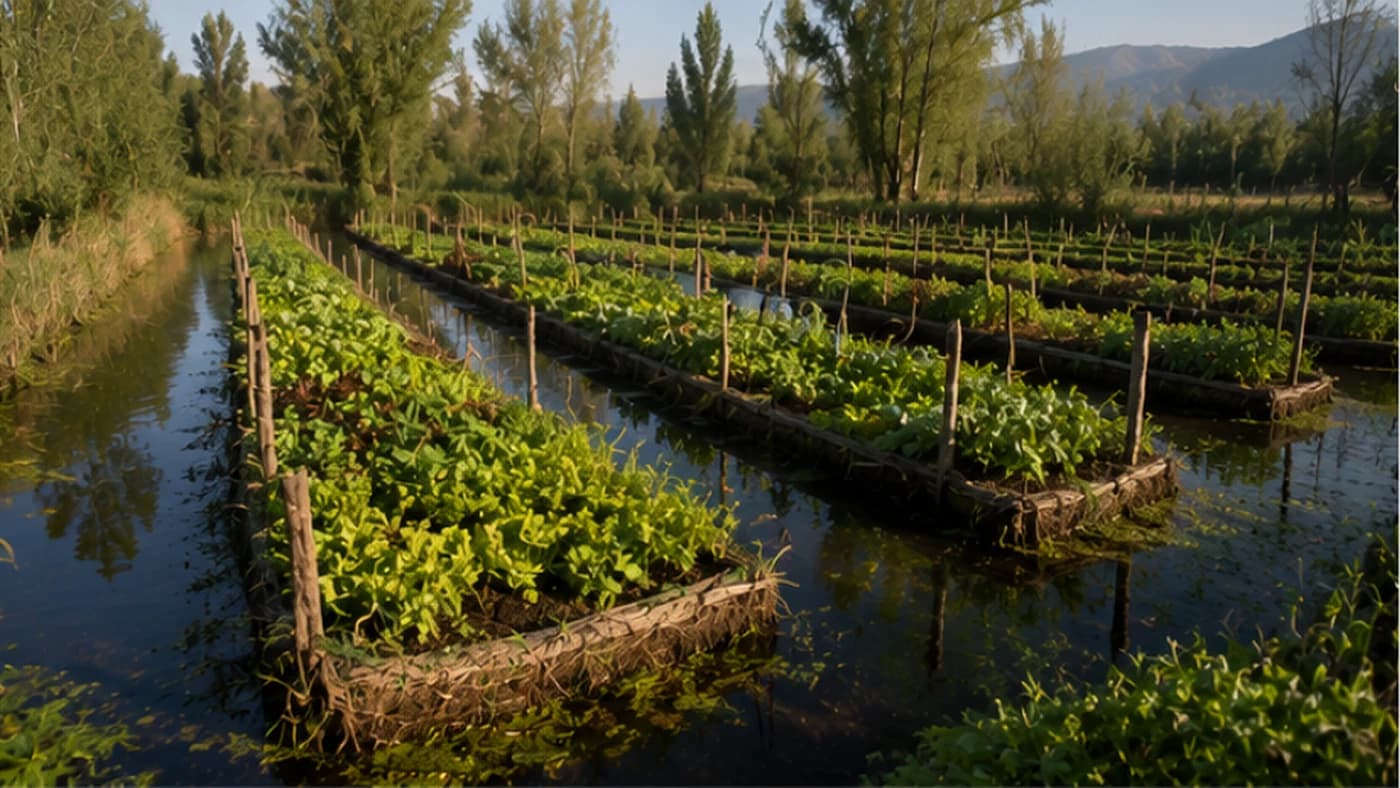
The Aztecs grew up to seven harvests a year from raised beds built inside a lake, feeding themselves without synthetic fertiliser or piped irrigation. The same closed-loop principle can be scaled down to a pond edge or a wicking bed on an Indian farm.

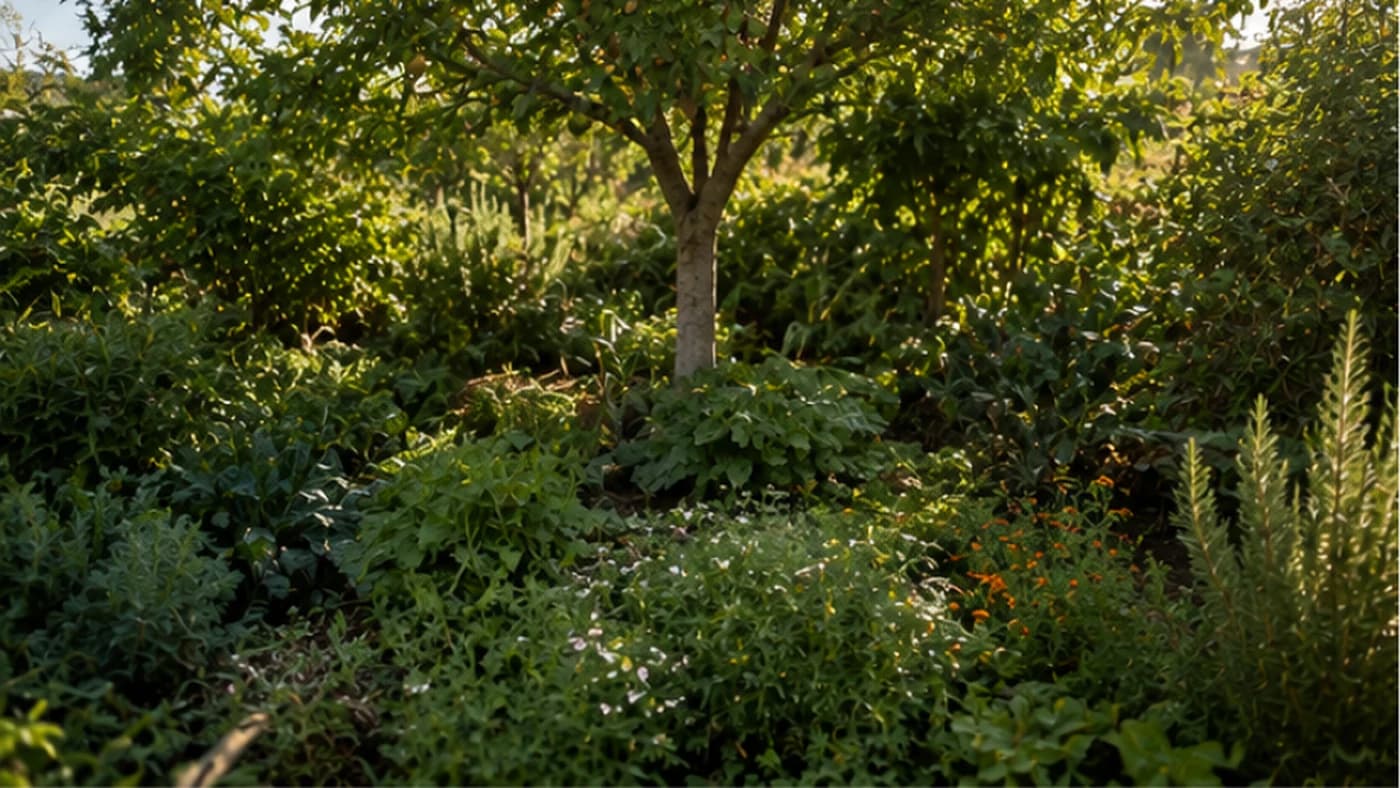
A natural forest needs no fertiliser or hose, because every layer of it — from tall trees to root crops — fills a different niche. Stacking those same layers in your backyard or farm boundary can multiply what one plot of land produces.

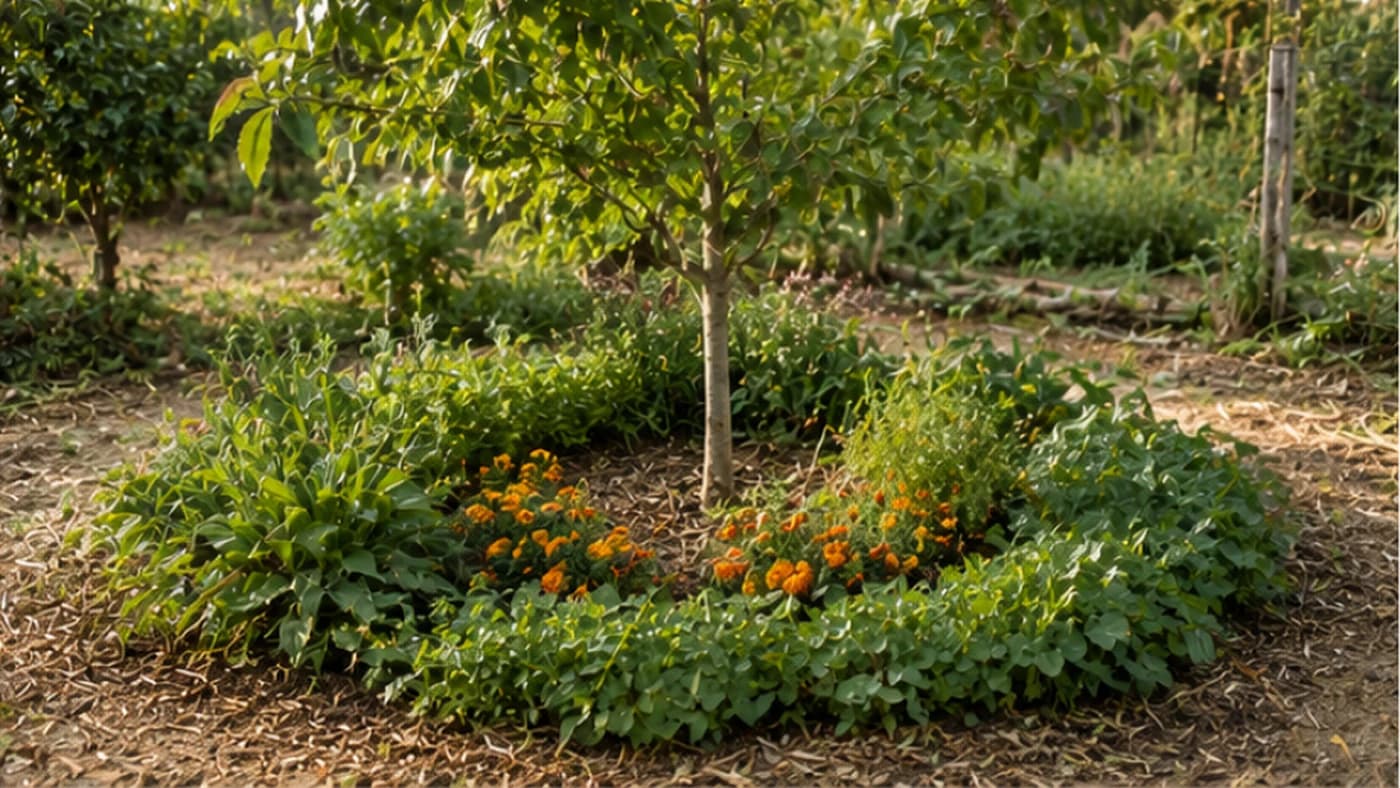
A lone fruit tree surrounded by bare soil or lawn spends its whole life fighting for water and nutrients. Surround it instead with a small team of companion plants — each with its own job — and the tree largely takes care of itself.

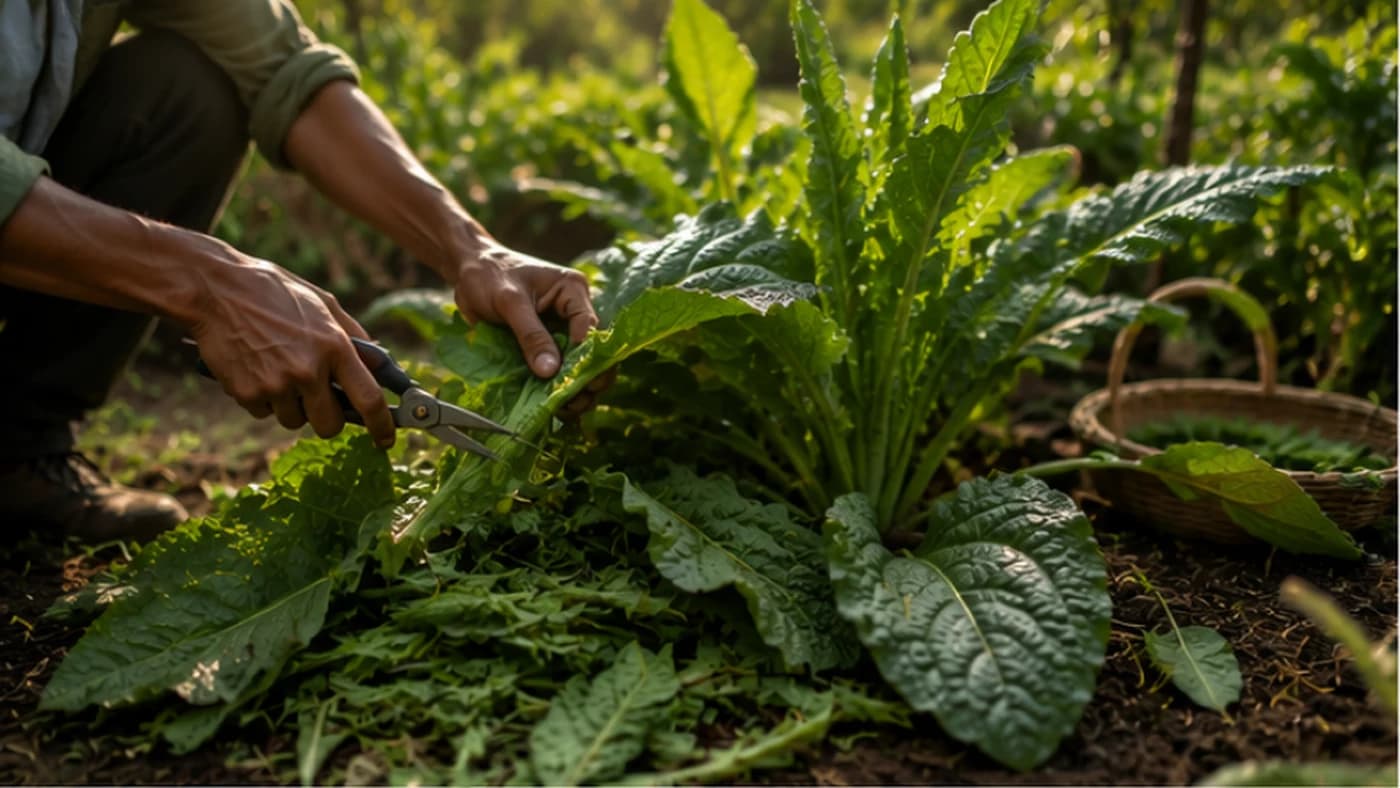
Most crop roots barely reach 30–45 cm down, while a store of potassium, calcium and other minerals often sits much deeper, out of reach. Deep-rooted 'accumulator' plants act as a biological elevator that brings those minerals up for free.

Nature never draws a straight line. Turning a straight bed edge into a gently curved one can triple the usable planting length in the same footprint, while drawing in far more beneficial insects — with zero extra land.

A U-shaped wall of stone, brick or hedge can make a patch of ground 5-10°C warmer than the open field beside it — enough to grow chillies, tomatoes and marigolds weeks earlier in the hills, or push a crop safely past an unseasonal cold spell.

Plant in a staggered triangle pattern instead of straight rows and the leaves close into a canopy that shades out weeds on its own — 10-15% more plants per bed, far less watering, and far less hoeing.

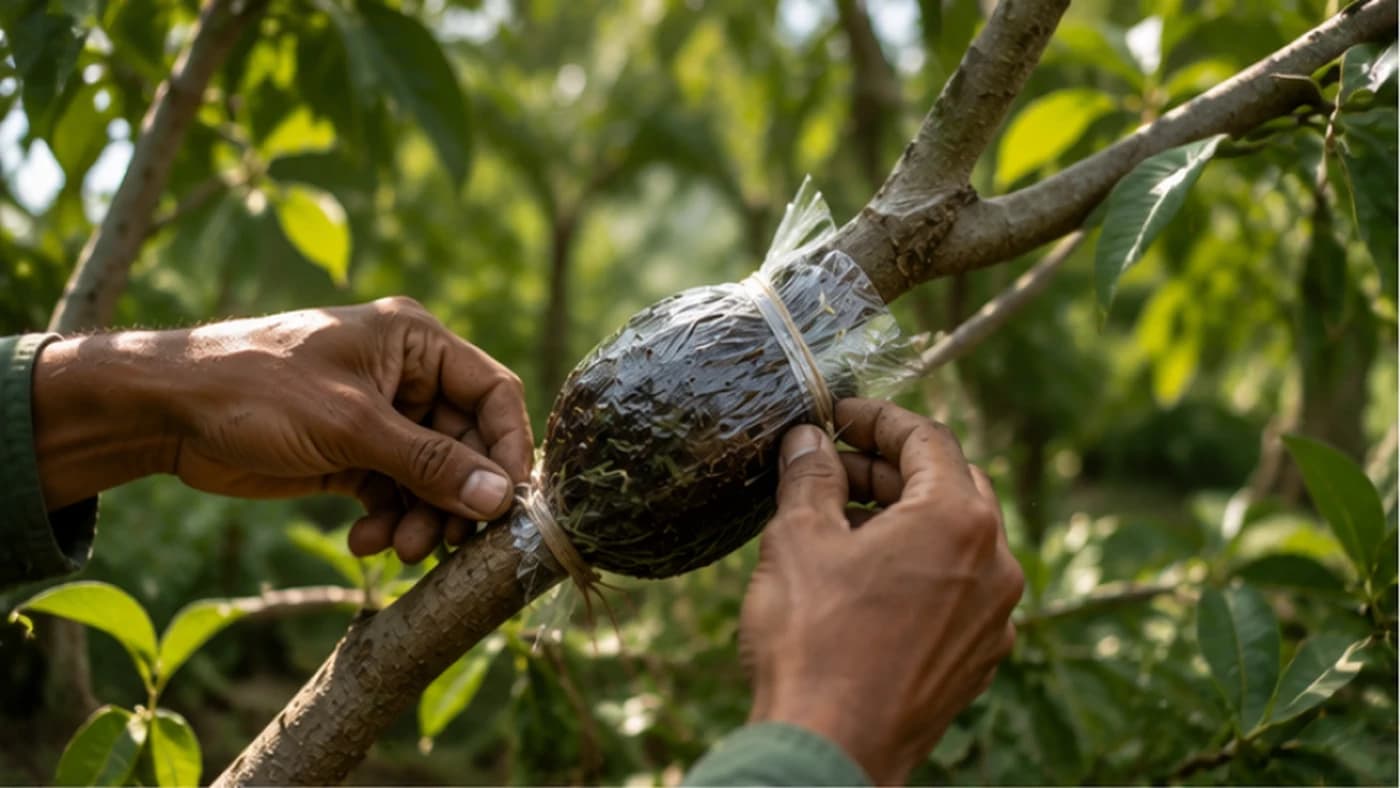
One healthy branch and a bit of soil is often all it takes to turn a single fig, pomegranate or guava tree into an entire orchard — no nursery bill required. Here's how cuttings, air-layering (gootee) and grafting actually work.

A city plot doesn't have to choose between looking nice and feeding you. Layered fruit trees, herbs and vegetables can turn a small terrace, balcony or front yard into a steady, low-maintenance source of food.

Waterlogging quietly ruins more fields than most farmers realise — in canal command areas of Punjab and Haryana alone it affects lakhs of hectares. Trees that pump water out through their leaves can do the job of an expensive drainage system, for a fraction of the cost.

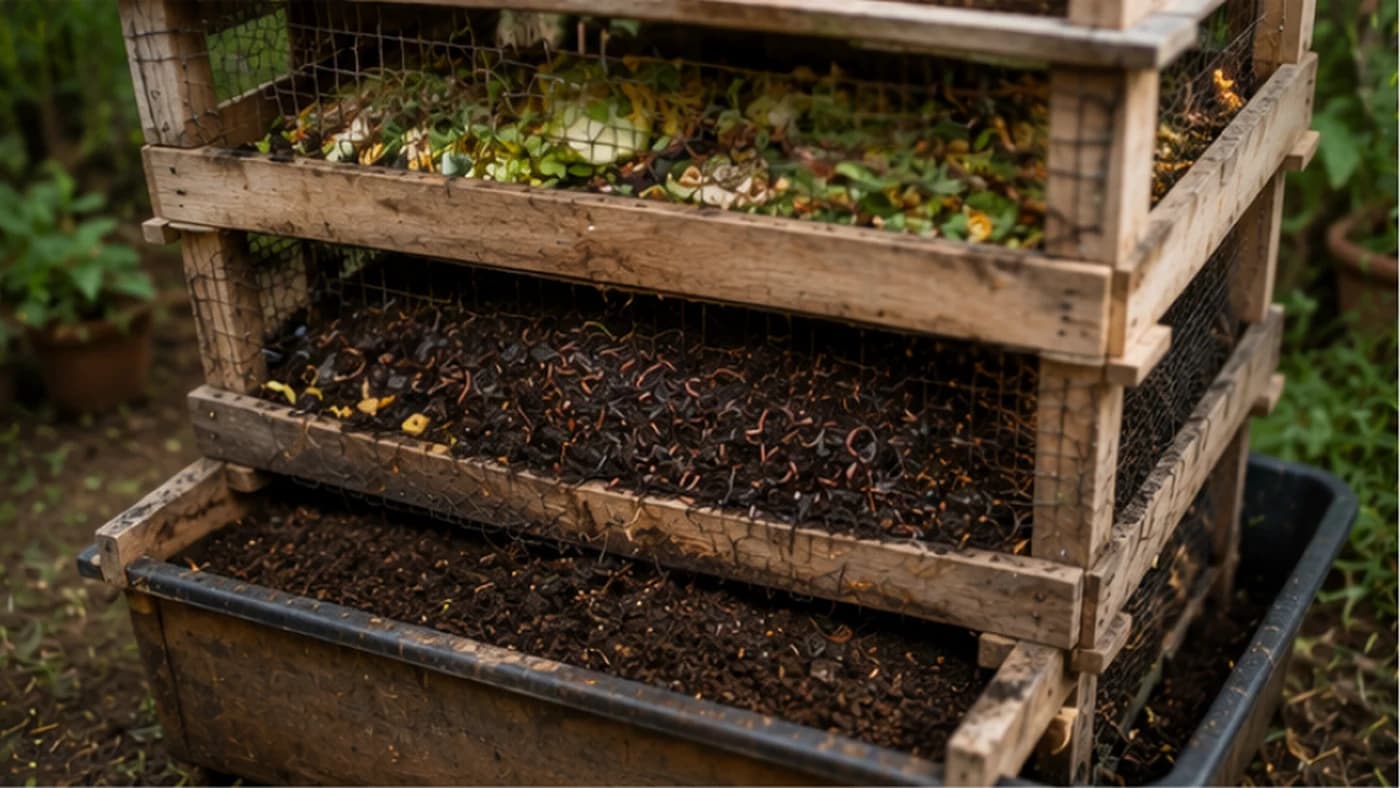
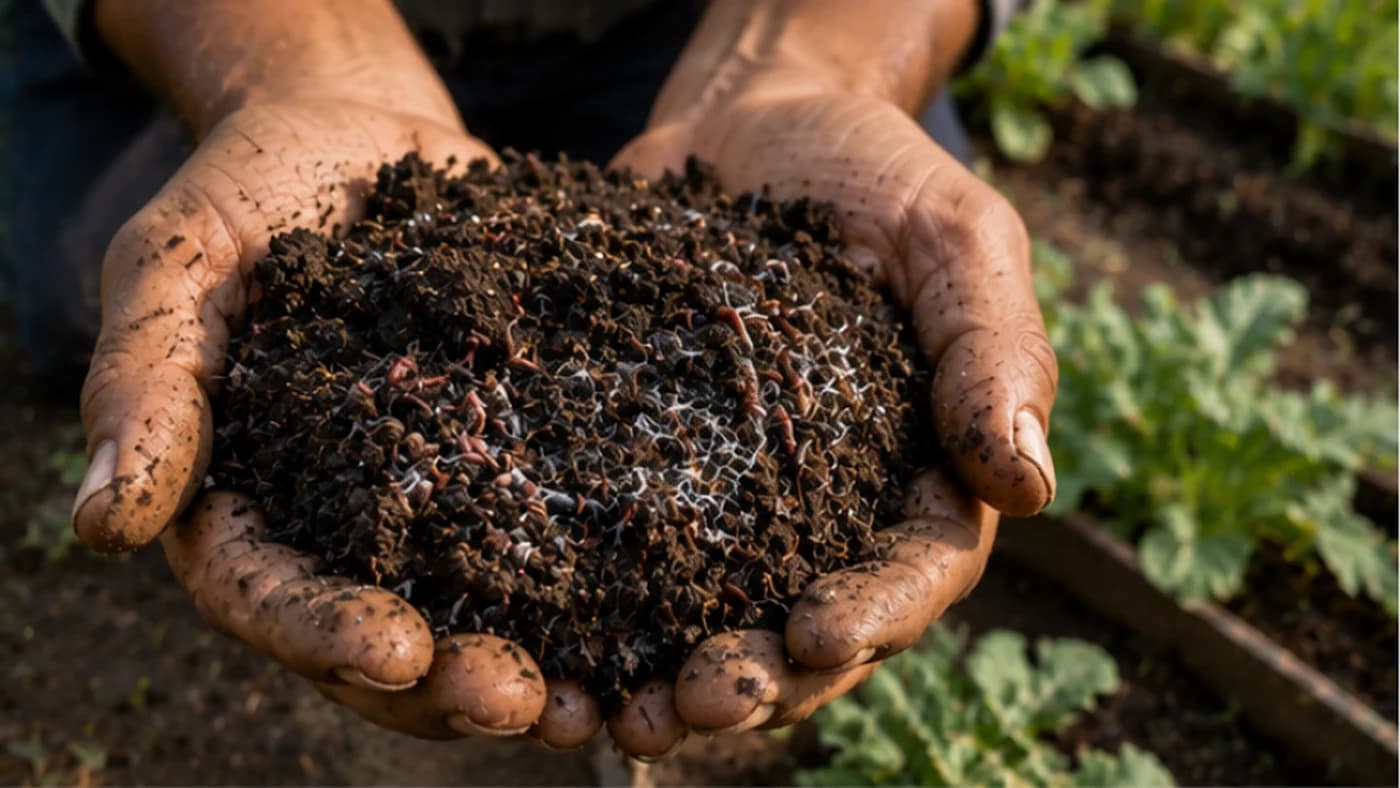
A standard worm bin means digging through half-finished waste to separate worms from compost. A continuous flow-through bin does that job with gravity instead — feed from the top, rake finished vermicompost off the bottom, and the worms are never disturbed.

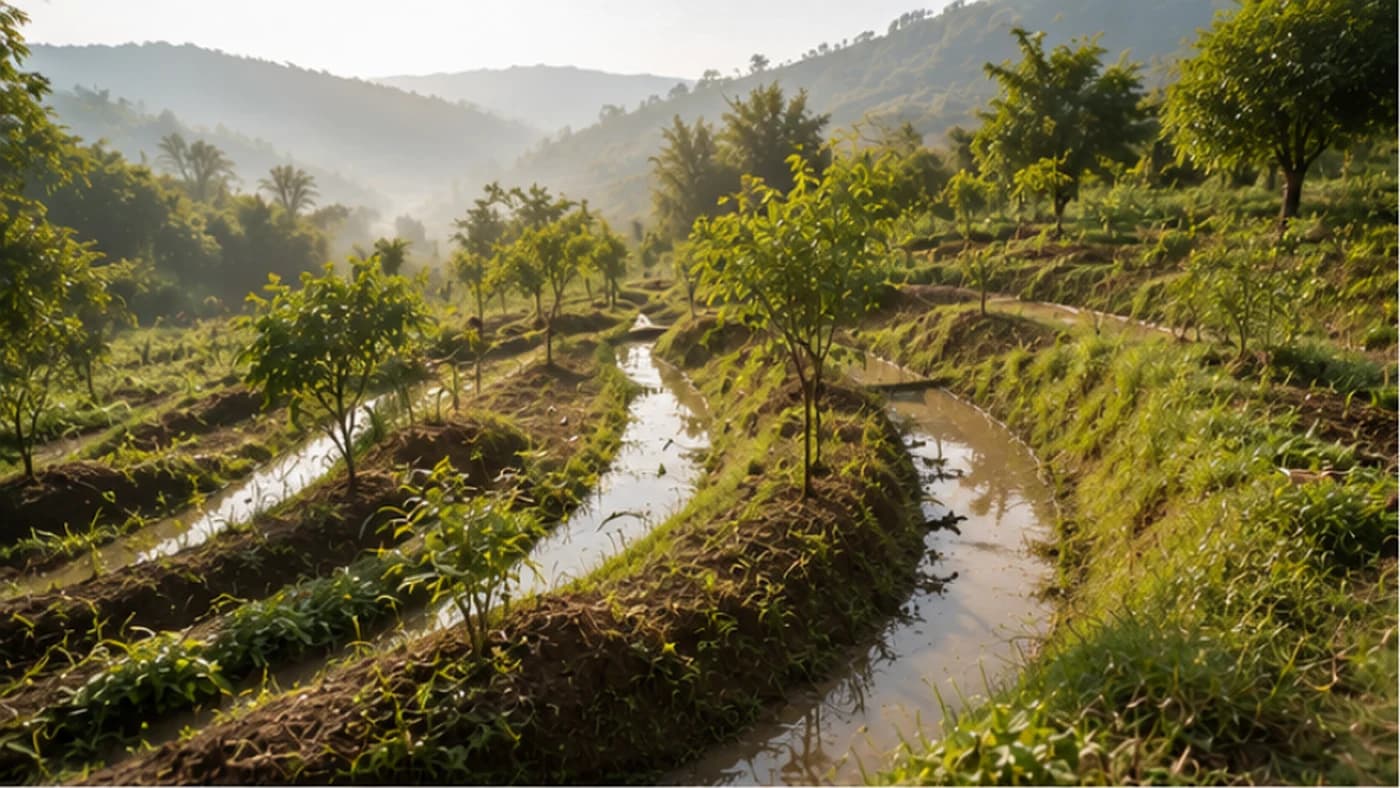
Most farms are built to throw rainwater away as fast as possible. A swale — a level, on-contour trench with a planted mound beside it — banks that water in the soil instead, so your land stays green long after the rain stops.

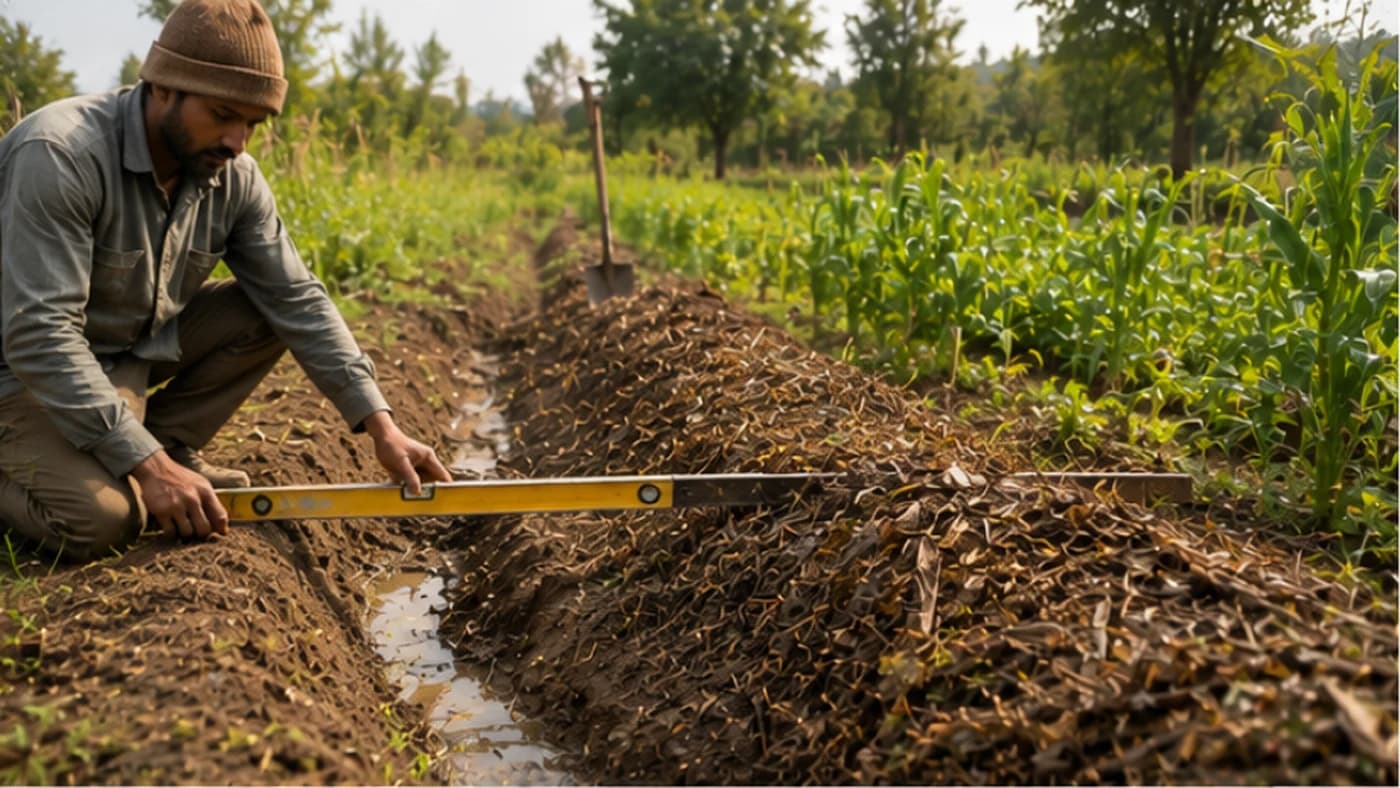
You don't need machinery or an engineering degree to build your first swale — just an A-frame level, a shovel, and patience. Here is the beginner's hands-on guide to laying out, digging and planting one correctly.

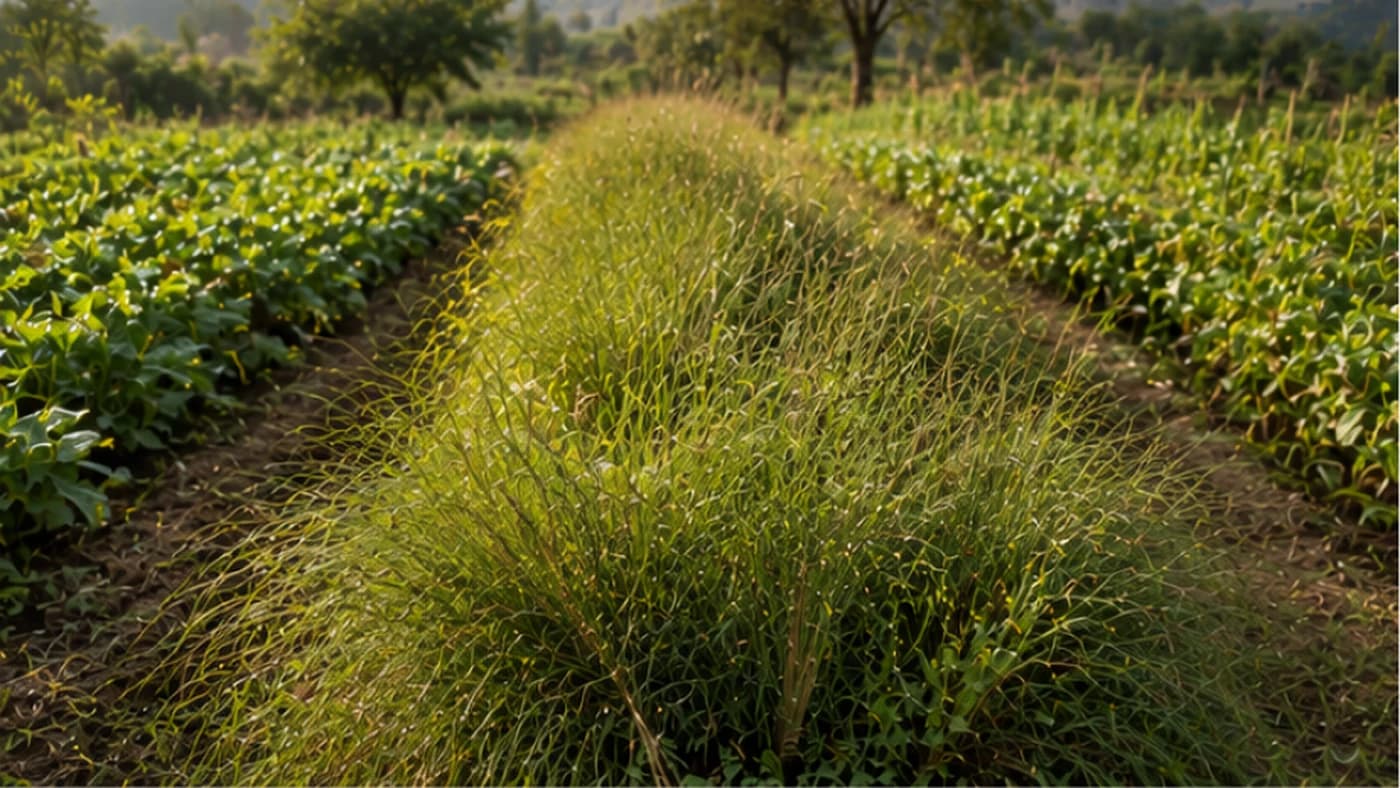
A clean, closely-mown field edge looks tidy but offers no shelter for the predatory insects that eat aphids and slugs for you. A beetle bank — a raised, permanently unmown grass ridge — gives them a place to survive winter and hunt your pests all season.

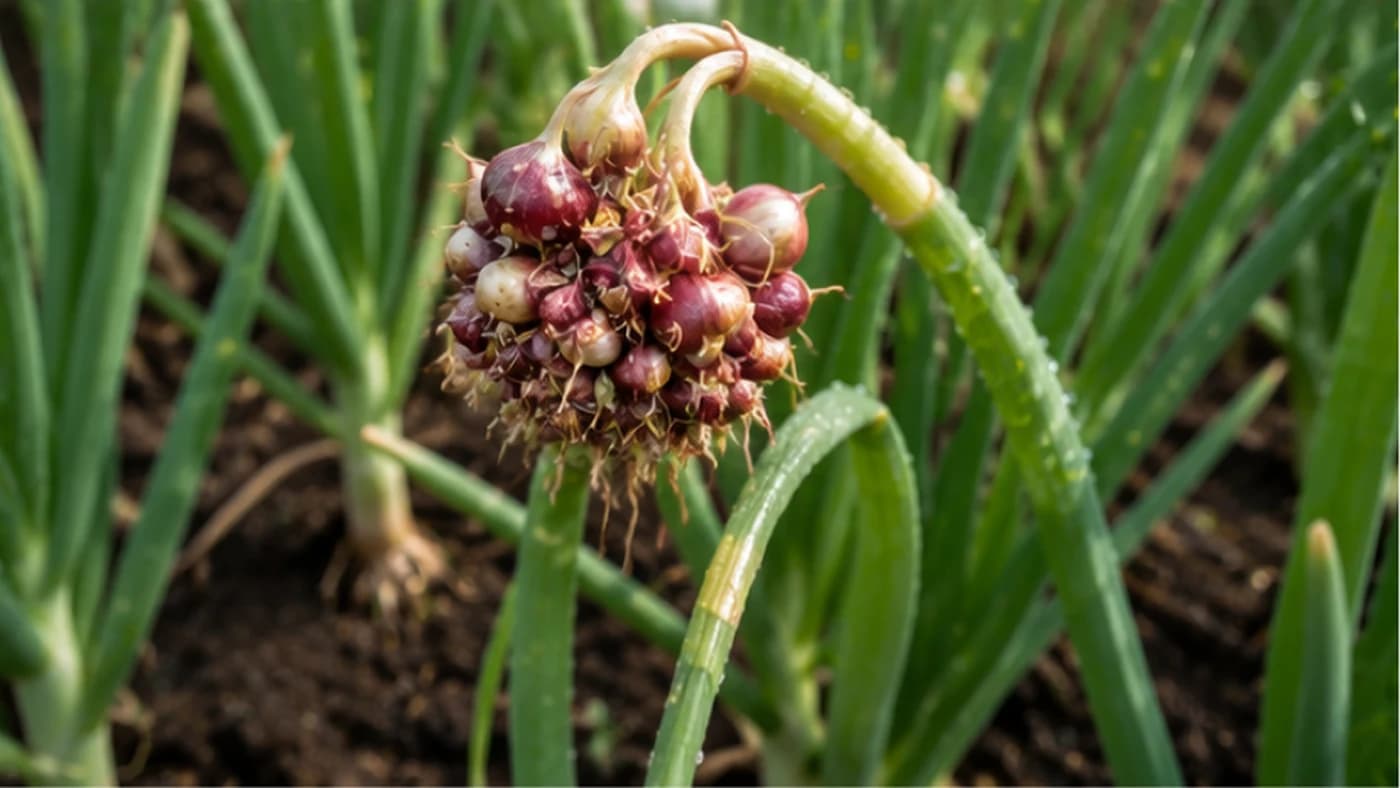
Interestingly, researchers believe this unusual perennial onion likely originated in India or Pakistan before travelling the world. Plant it once in a cooler part of your garden and it keeps producing greens, pickling bulbs and storage onions for years — planting its own next generation for you.

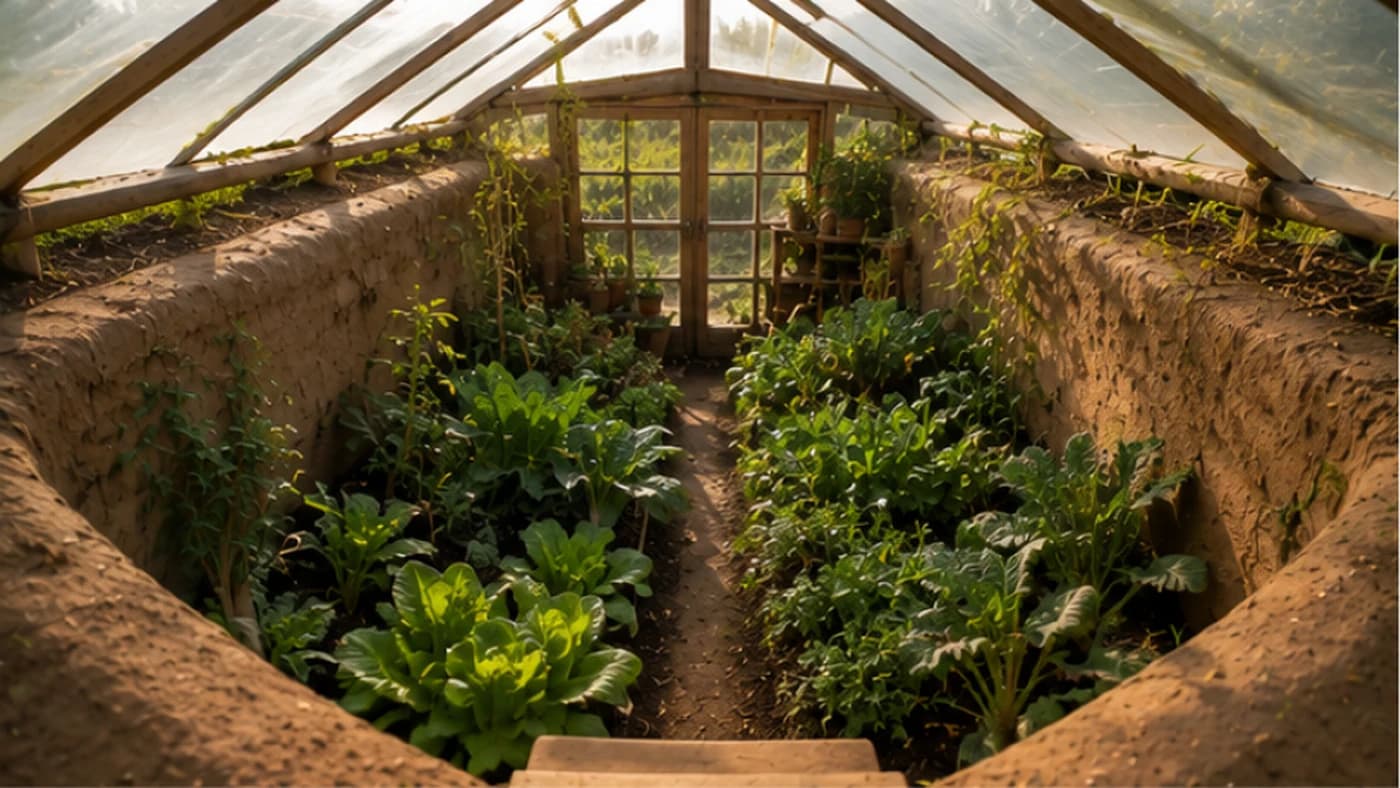
In Bolivia's freezing high plains, farmers dig a few feet down to tap the earth's steady warmth and grow food through winter without fuel. The same principle already works in Ladakh and other cold, high-altitude parts of India — here's how it works and who it's actually for.

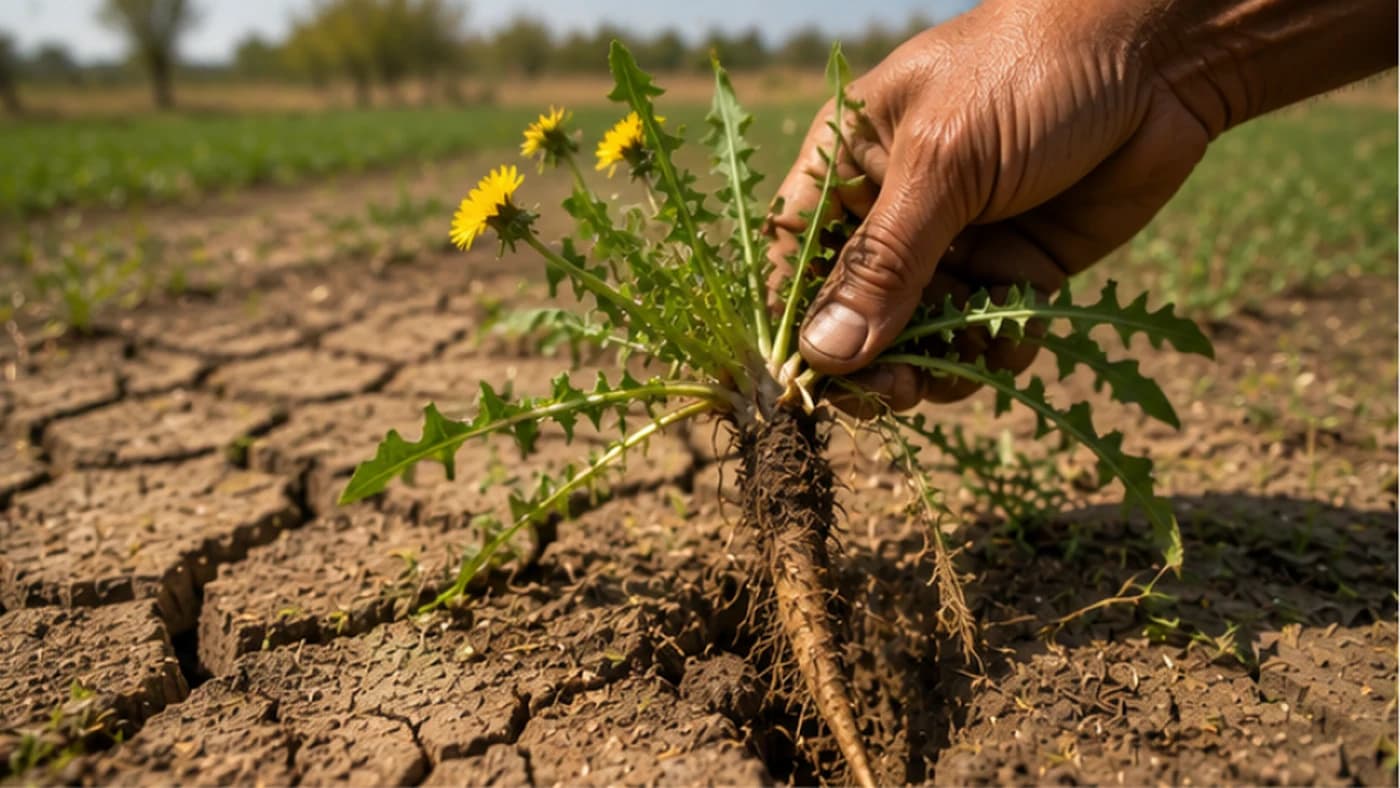
A weed with a long taproot pushing through hardpan isn't a sign your land has failed — it's the soil trying to repair itself. Here's how deep-rooted plants act as free biological drills, and which ones actually make sense on Indian farms.

Bare soil between your beds is an open invitation to weeds — you can spend 40 hours a year pulling them, or 30 minutes seeding a living mulch that builds soil and feeds pollinators while you watch from the porch.

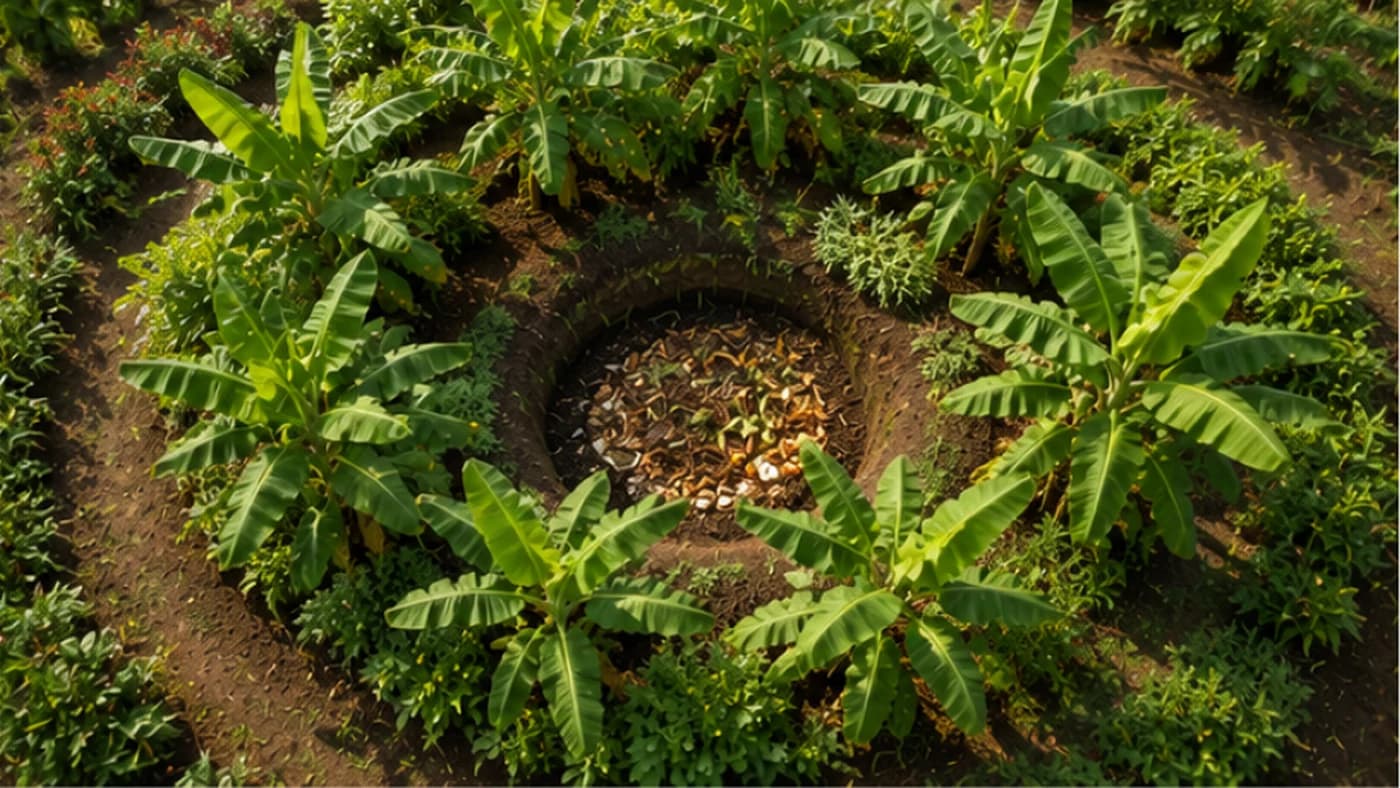
A banana circle captures your kitchen and bathroom greywater, composts organic waste, and grows a steady harvest of bananas — all in one self-managing pit-and-mound system that suits most of India's climate.
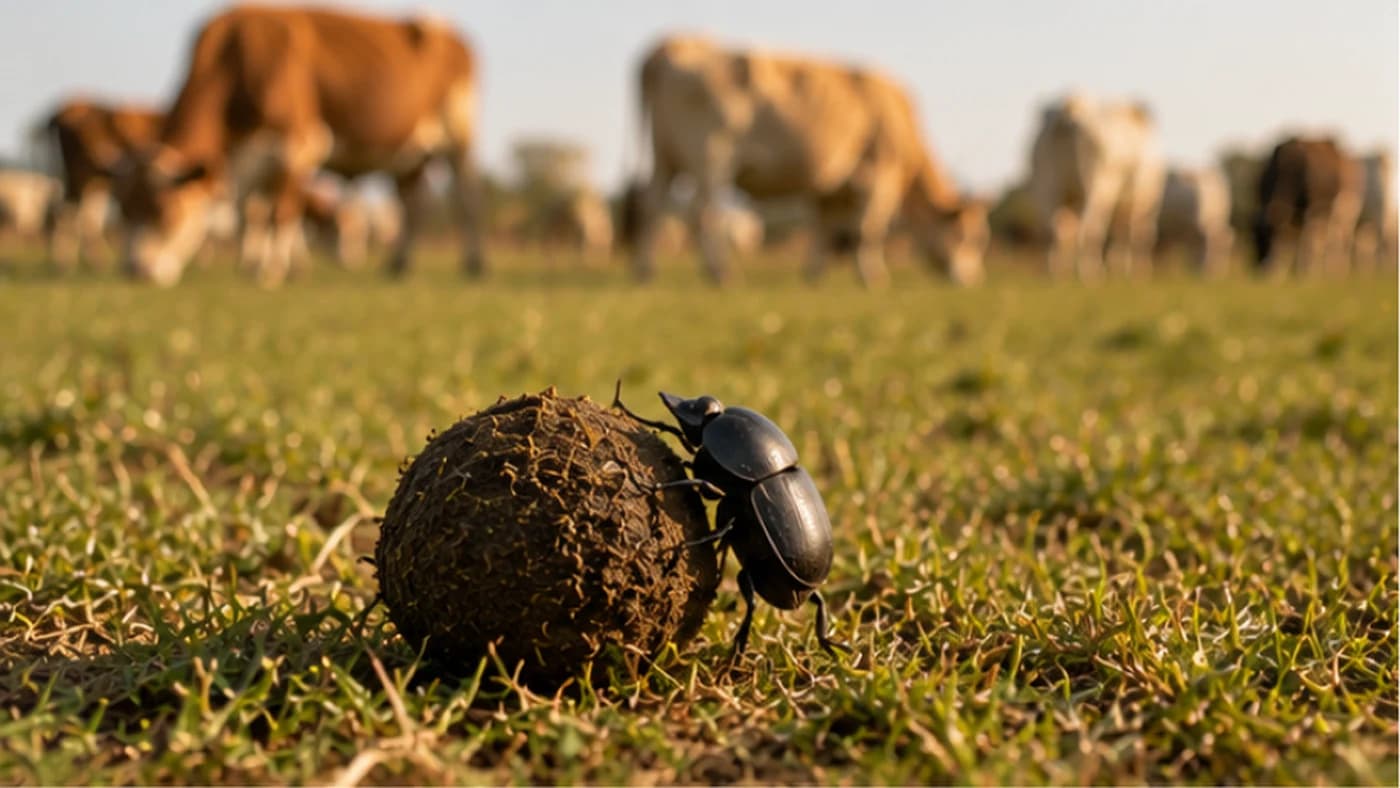
Most farmers see a manure pat as a chore. The smart ones see a biological engine — dung beetles that bury parasites, aerate the soil, and cut fly populations, for free, if you stop poisoning them with routine deworming.

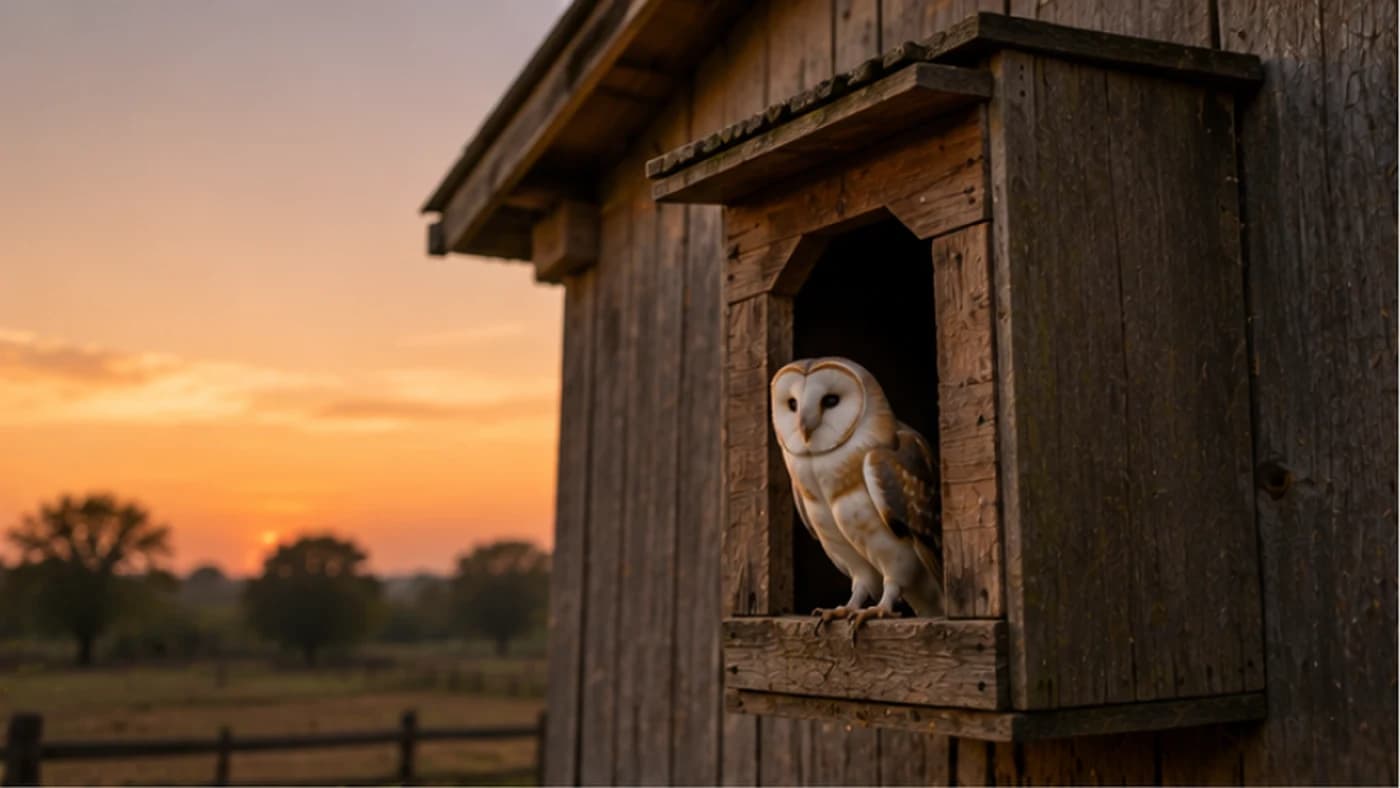
One pair of barn owls can hunt over a thousand rodents in a single season — but only if you give them a properly designed, dark, predator-proof box. Barn owls (Tyto alba) already live across most of India; here's how to bring them onto your farm.
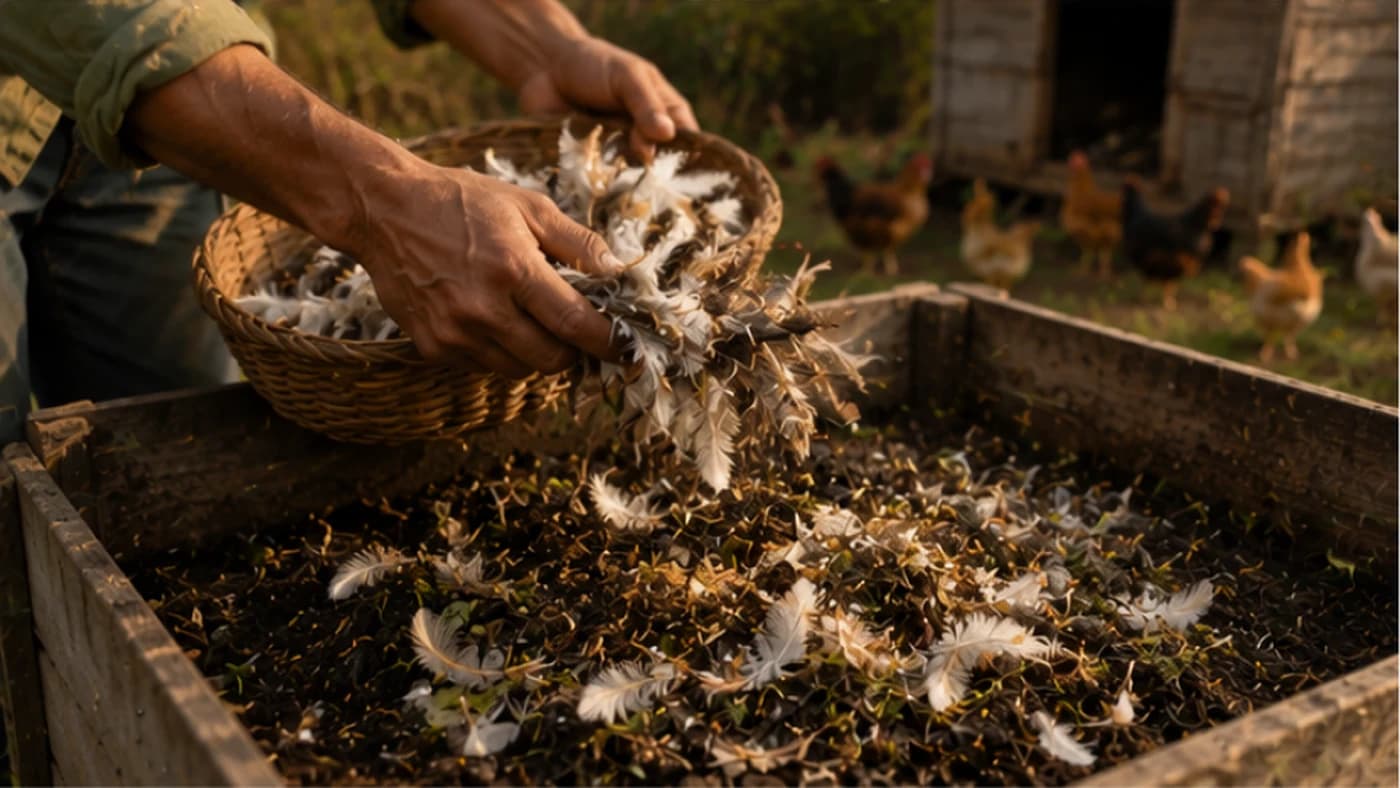
Feathers are nearly pure nitrogen, but they take years to break down in a normal compost heap. Ferment them instead, and in a matter of weeks you get a high-nitrogen liquid fertiliser stronger than most store-bought organic feeds.

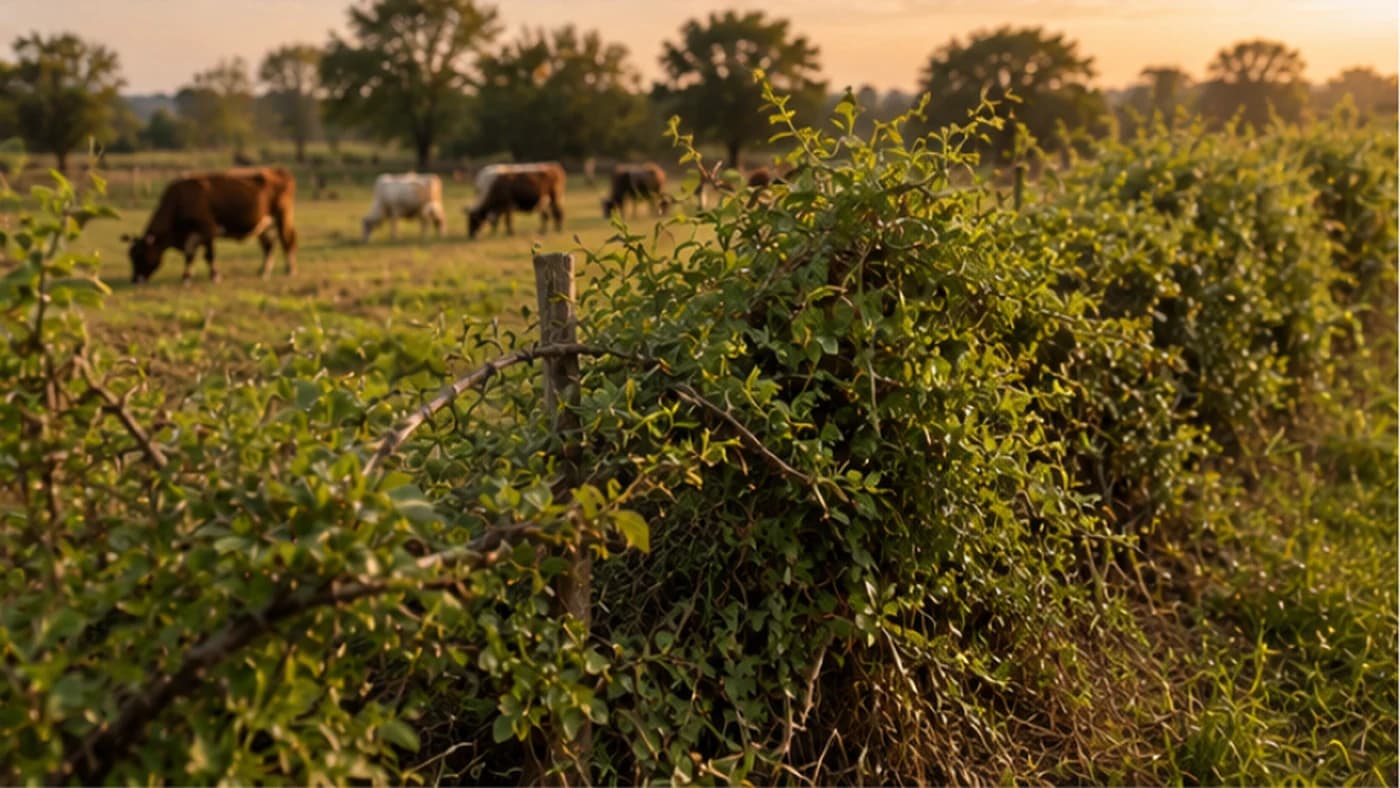
A wire fence rusts and sags within 20–30 years. A well-managed living fence of thorny trees and shrubs gets stronger every winter, blocks wind, feeds your animals, and can outlast the farm itself.

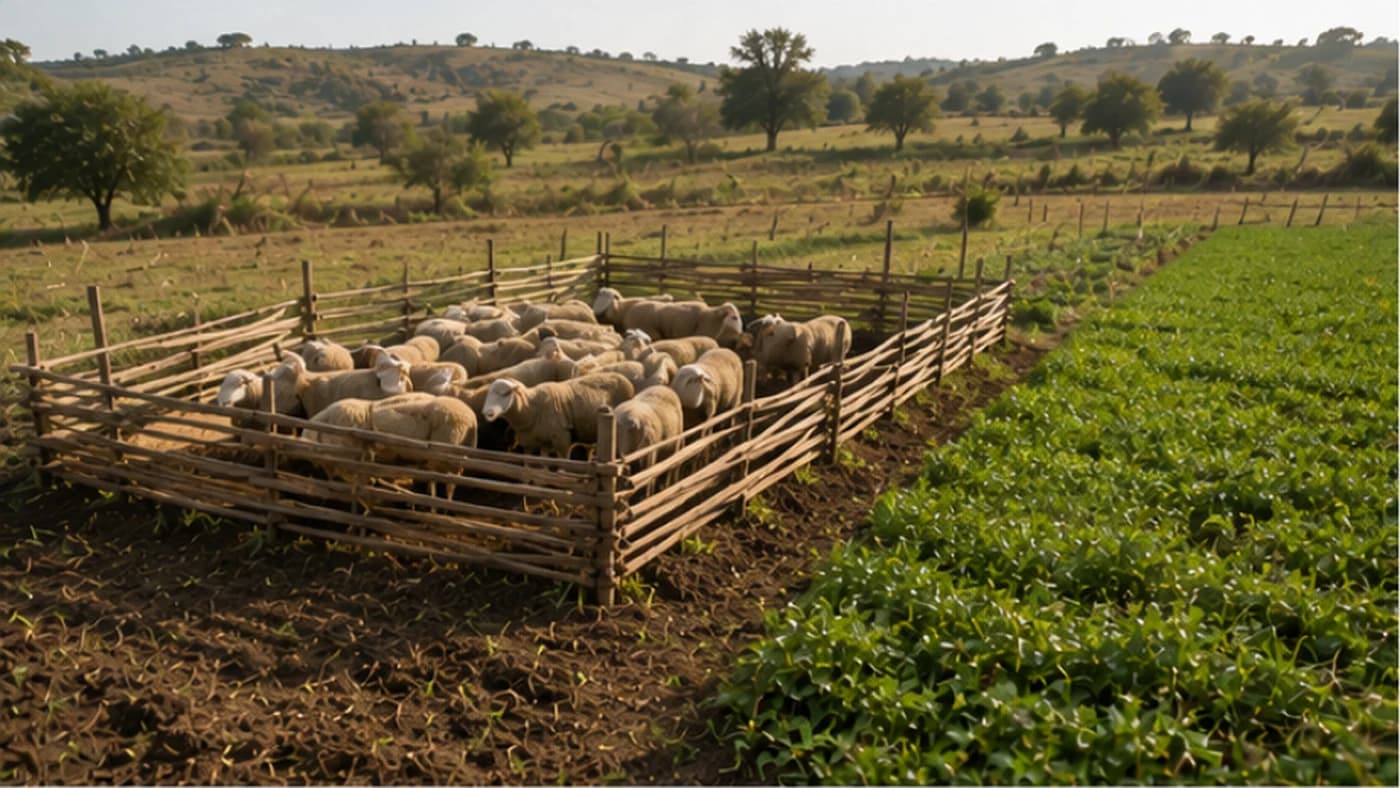
One night of penned sheep on a patch of land delivers more usable nitrogen than months of hauled, stored manure. Here's how the old European folding system works — and why Indian farmers already know a version of it.
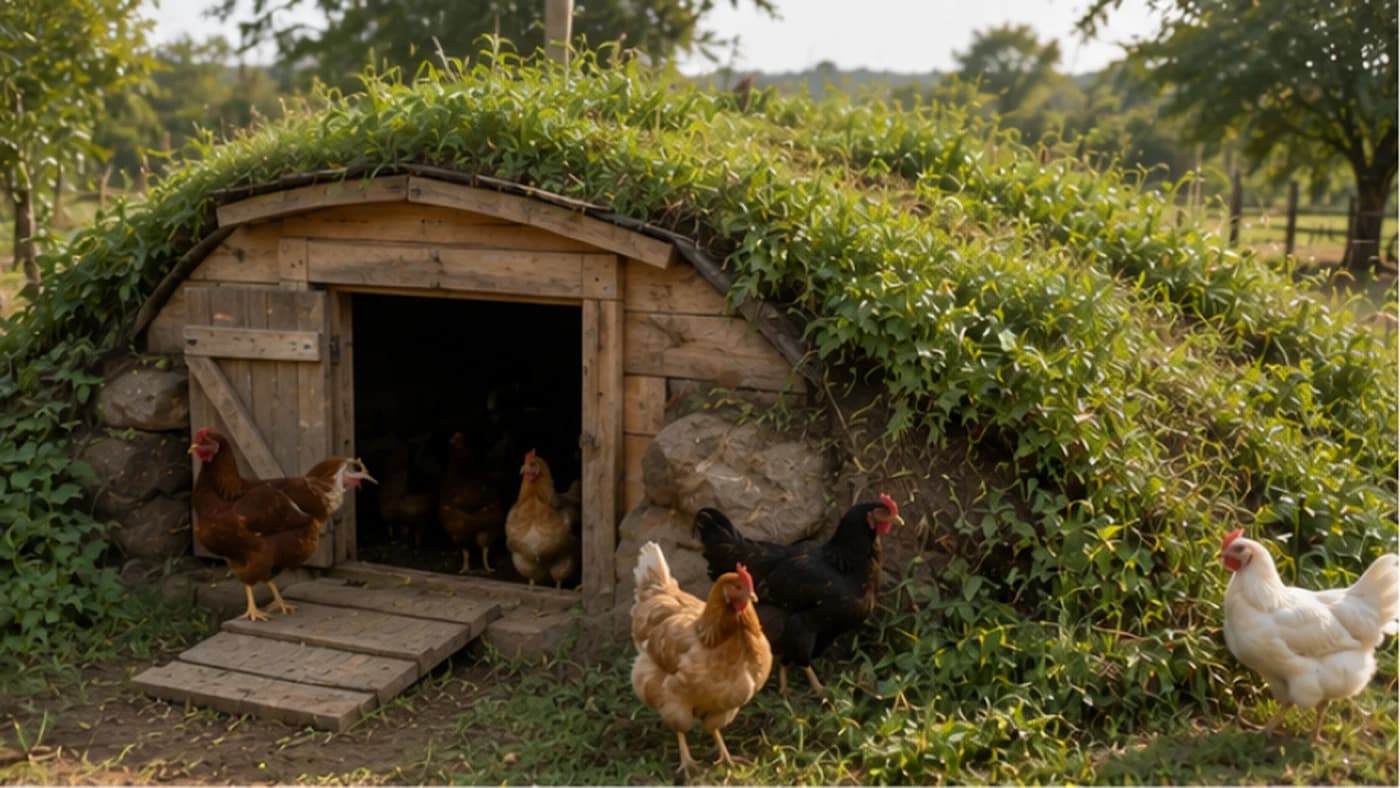
A coop built partly into the ground barely changes temperature between a 45°C afternoon and a cold winter night. Here's how earth-sheltering works and how to build one for your flock.

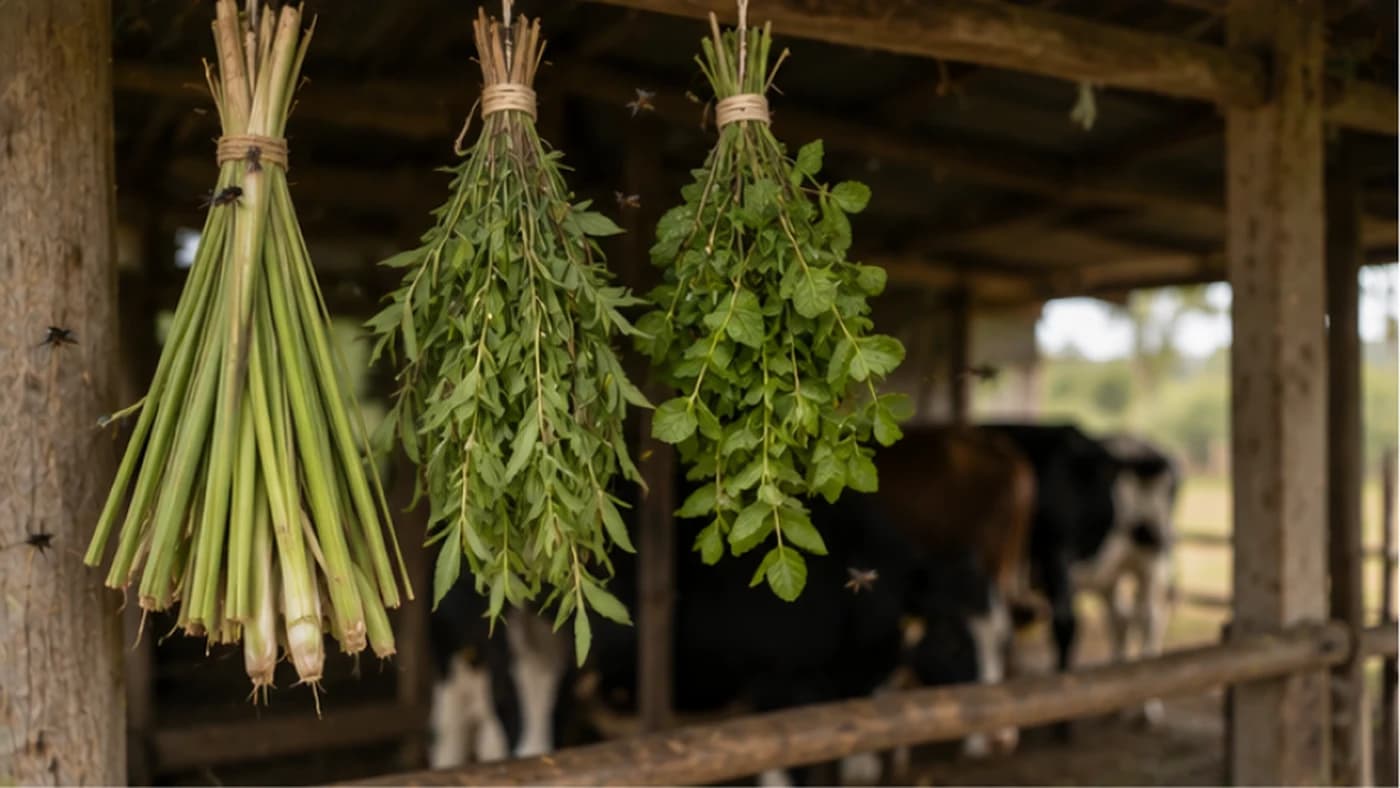
Flies can cut cattle weight gain by 10-25% and spread over 65 diseases. Instead of a fresh can of spray every week, a planted barrier of repellent trees and shrubs can keep them out permanently — here's how, using plants that actually grow in India.

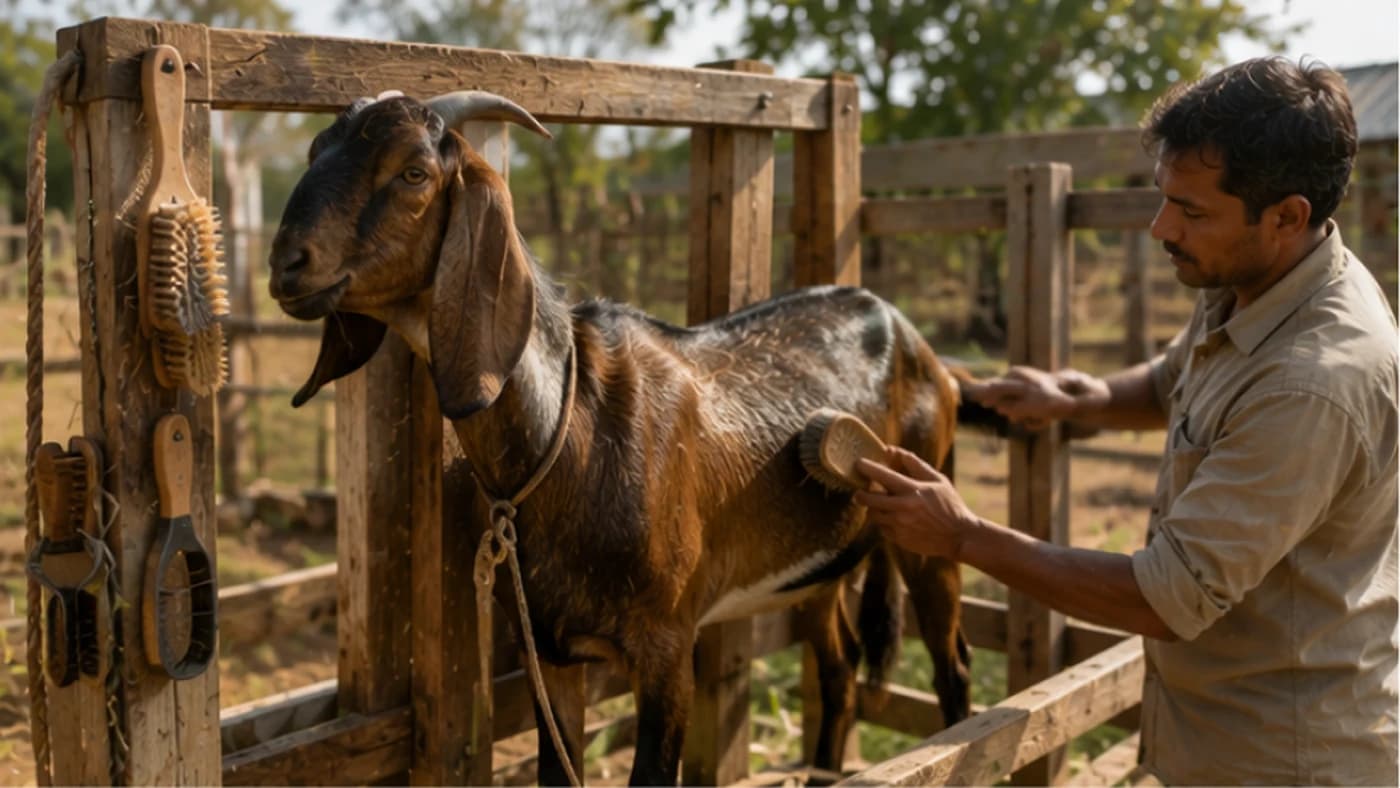
Cattle, goats and buffaloes will find something to scratch against — usually your fence or shed wall. Give them a sturdy, purpose-built scratching post instead, and you save your infrastructure while improving their skin health and even milk yield.

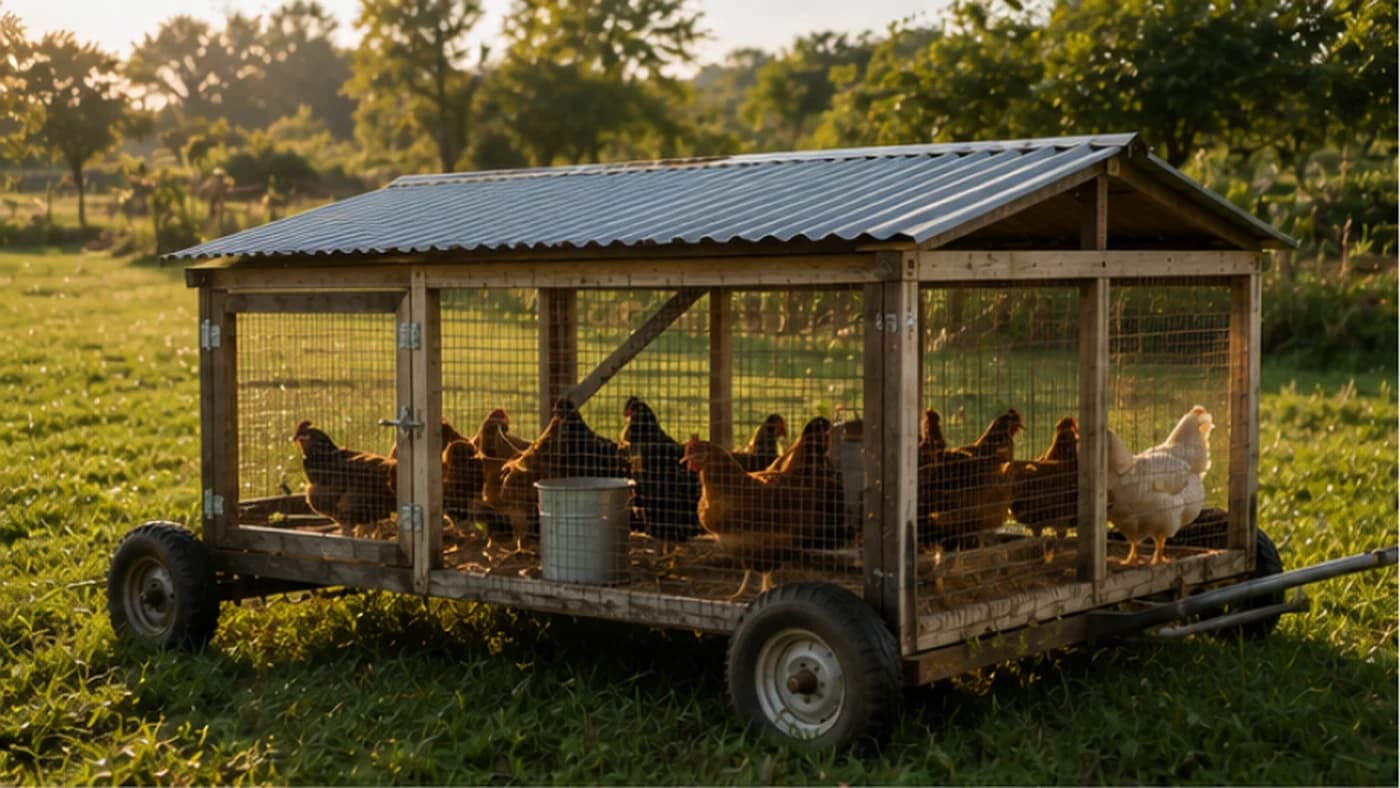
A fixed shed turns the ground around it into a barren, muddy patch within a season. A mobile arch shelter — moved every few days — protects your animals, spreads their manure evenly, and even helps clear overgrown land.

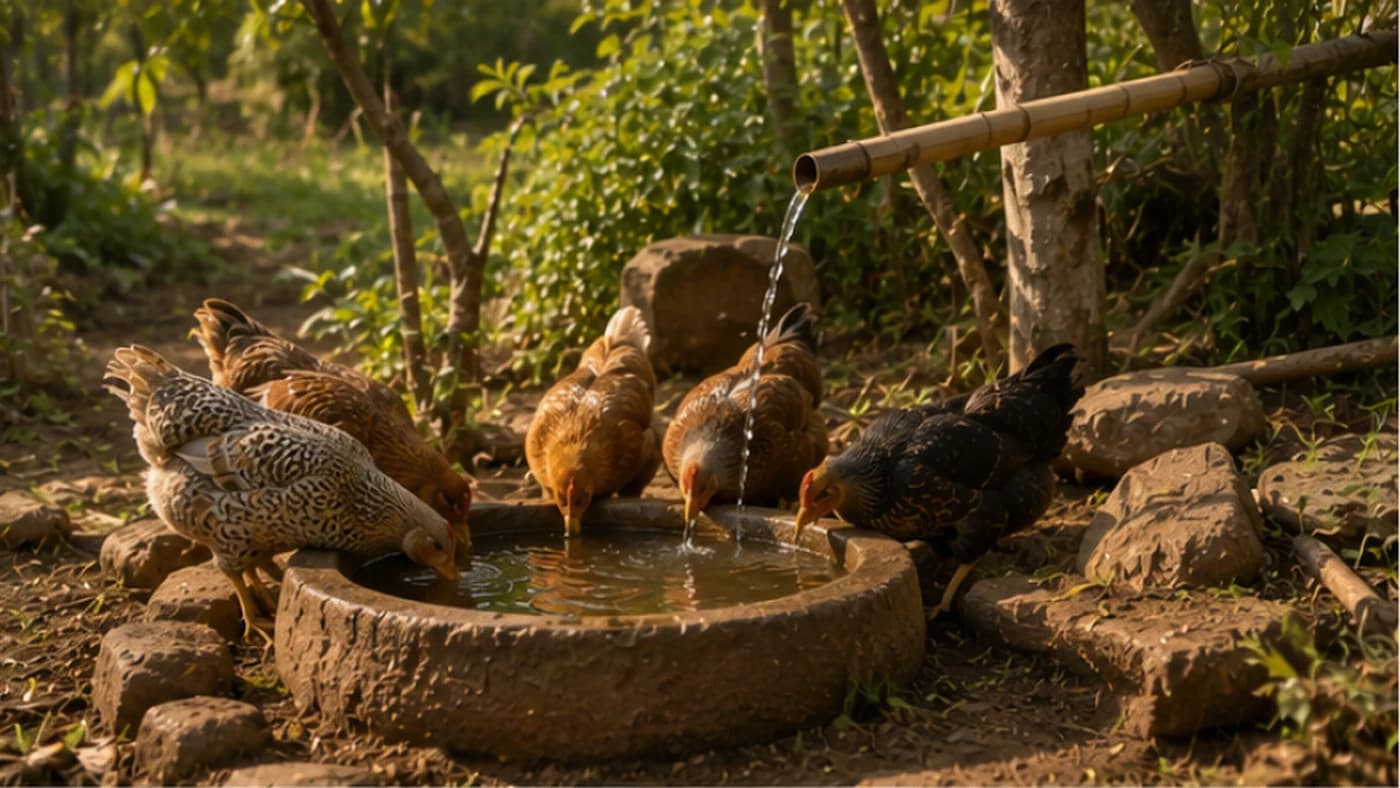
Plastic waterers crack under summer sun and can leach chemicals into drinking water. A carved stone trough — the same idea behind the village "naand" many Indian farmers already know — keeps water cooler, cleaner and lasts for generations.

Slugs, snails and beetles are richer in protein than soyabean meal. Learn how duck keepers turn garden pests into free, high-quality feed — and where this trick runs into its limits.

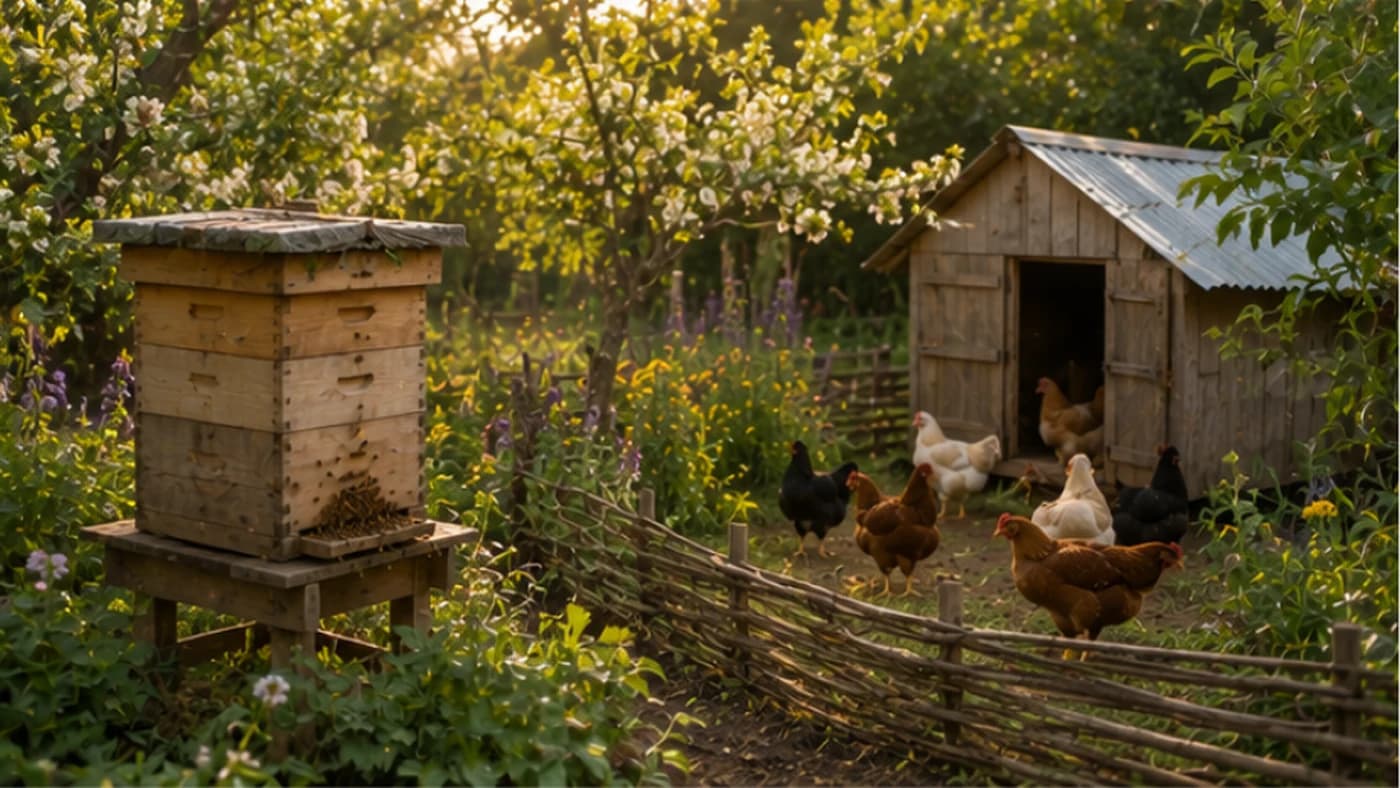
Small hive beetle and wax moth larvae drop into the soil to pupate — right into the path of a hungry hen. Keeping hives inside a chicken run turns hive pests into eggs and keeps bees healthier.

A barn that smells like bleach has killed the good bacteria that actually keep disease away. Effective Microorganisms (EM) digest ammonia at the source instead of masking it — here's how to use them safely.

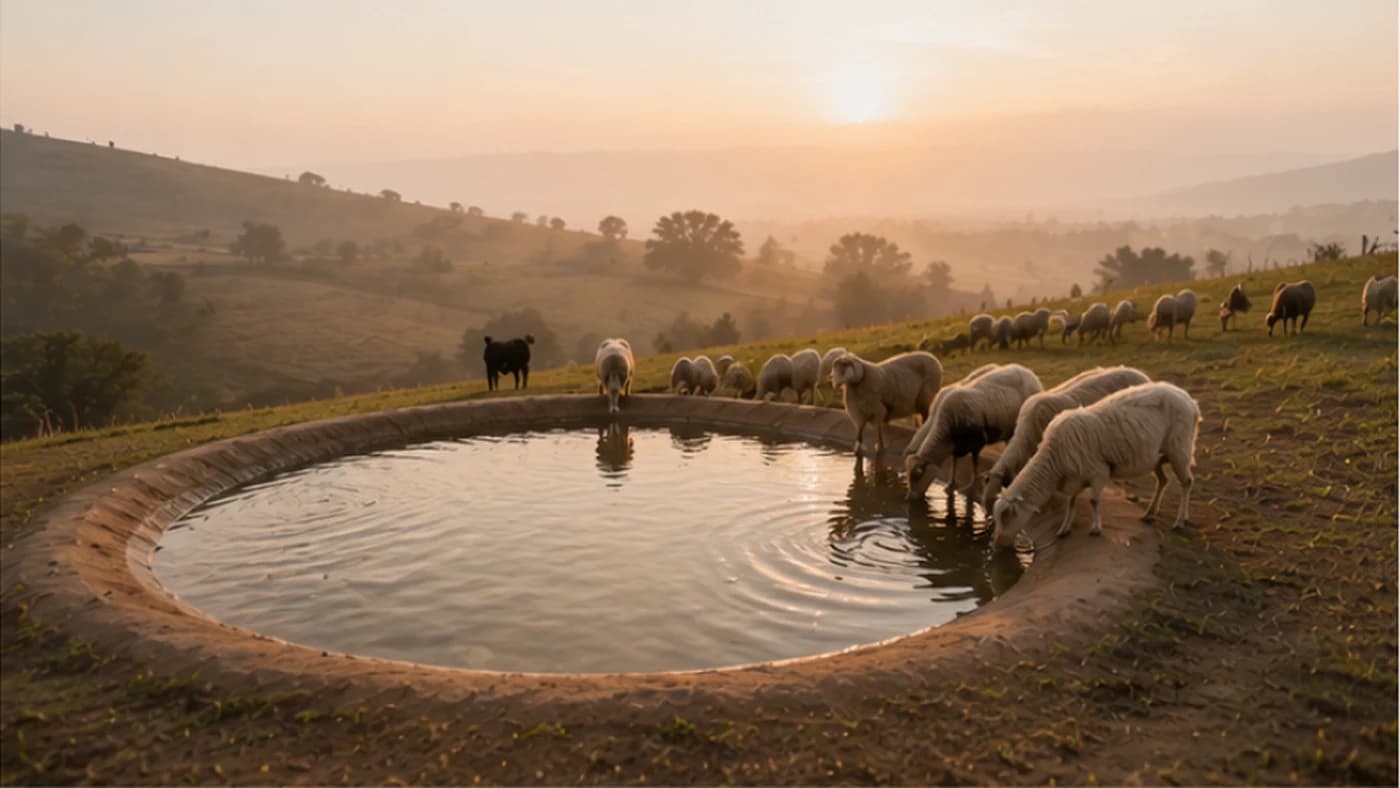
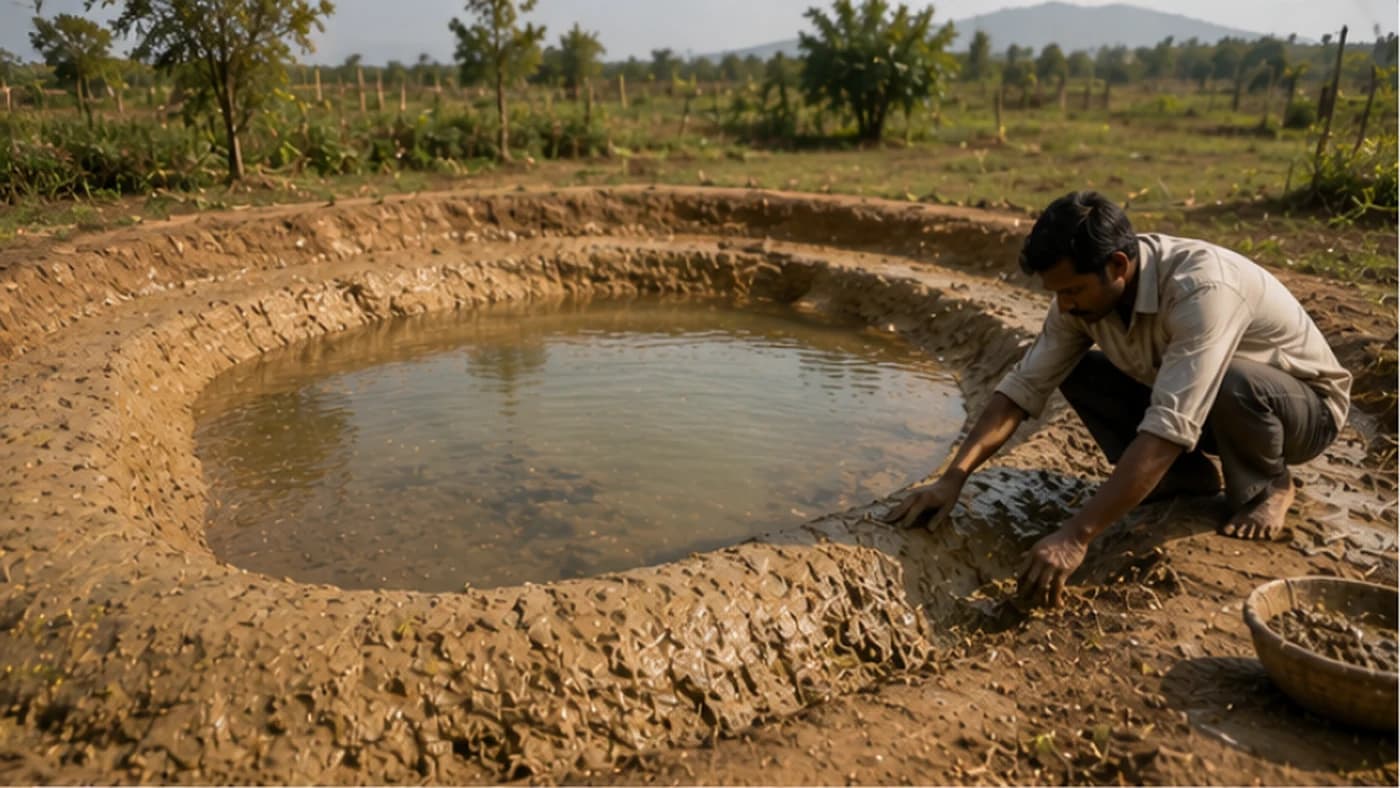
Before electric pumps, farmers on dry, high ground built dew ponds — shallow clay basins that pull moisture straight from the night air. Here's the traditional method, step by step.

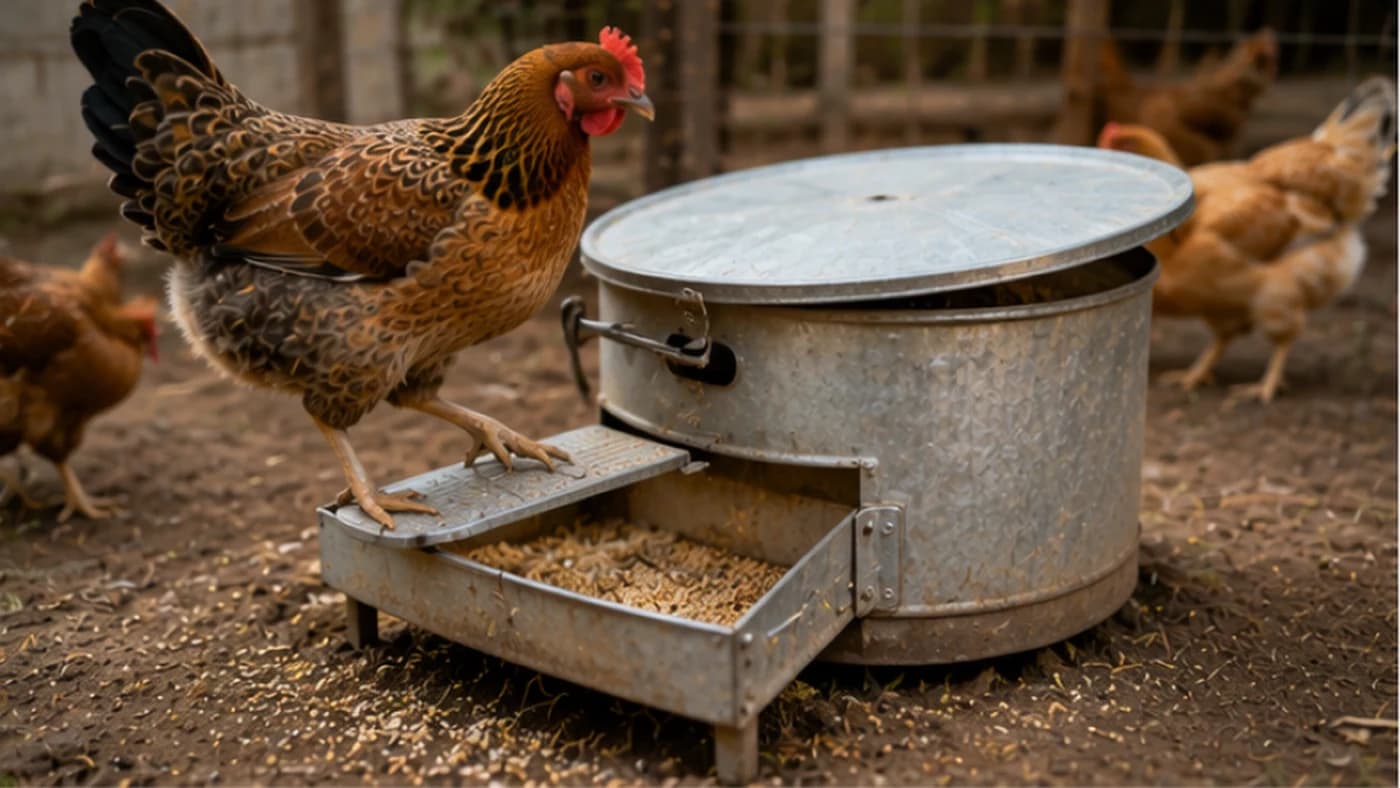
An open feeder loses feed to billing-out, rats and rain. A treadle feeder that only opens under a bird's weight can cut waste by 20-40% — here's how to set one up without starving your flock during training.

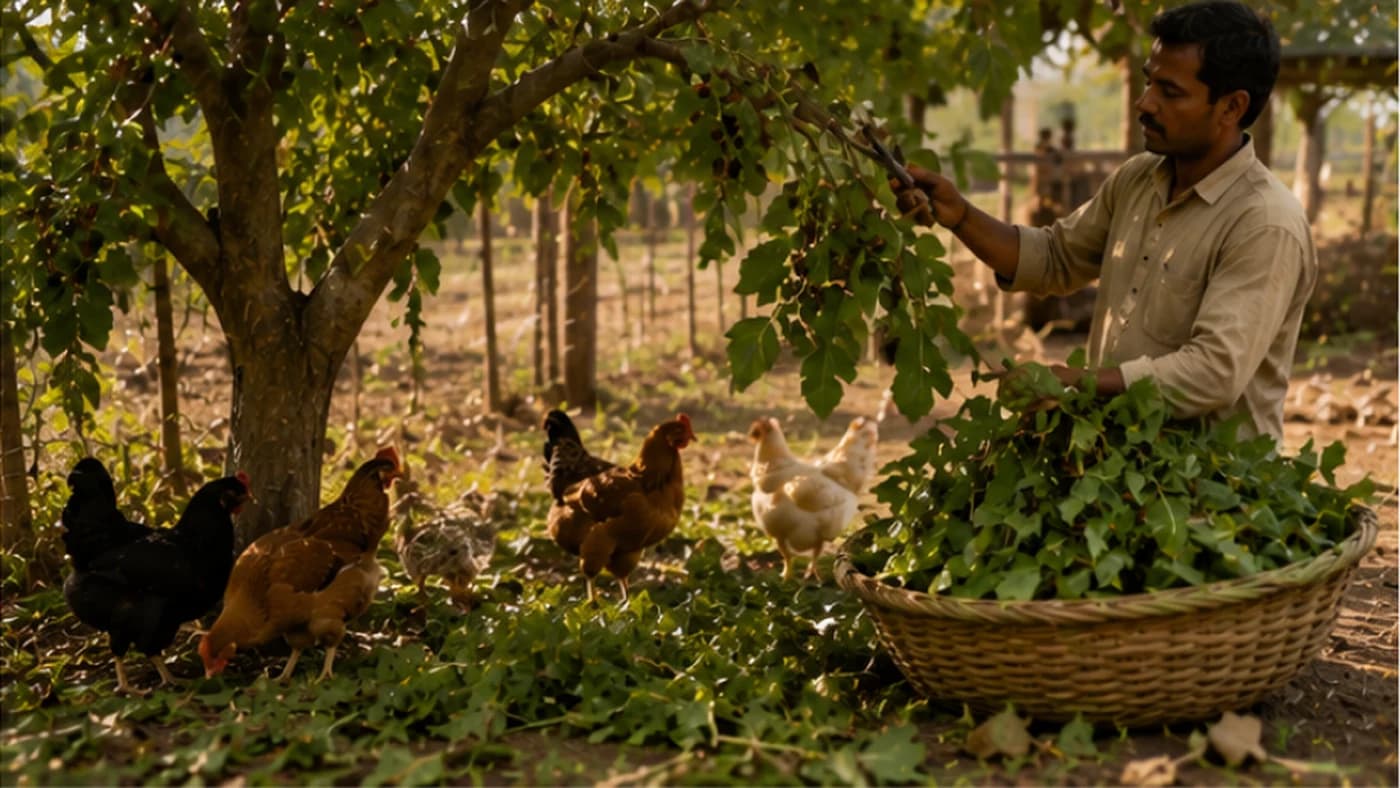
Mulberry leaves are as protein-rich as alfalfa, but the real value shows up once silkworms process them — a trick Indian sericulture regions have used for generations, and one any backyard flock keeper can borrow.

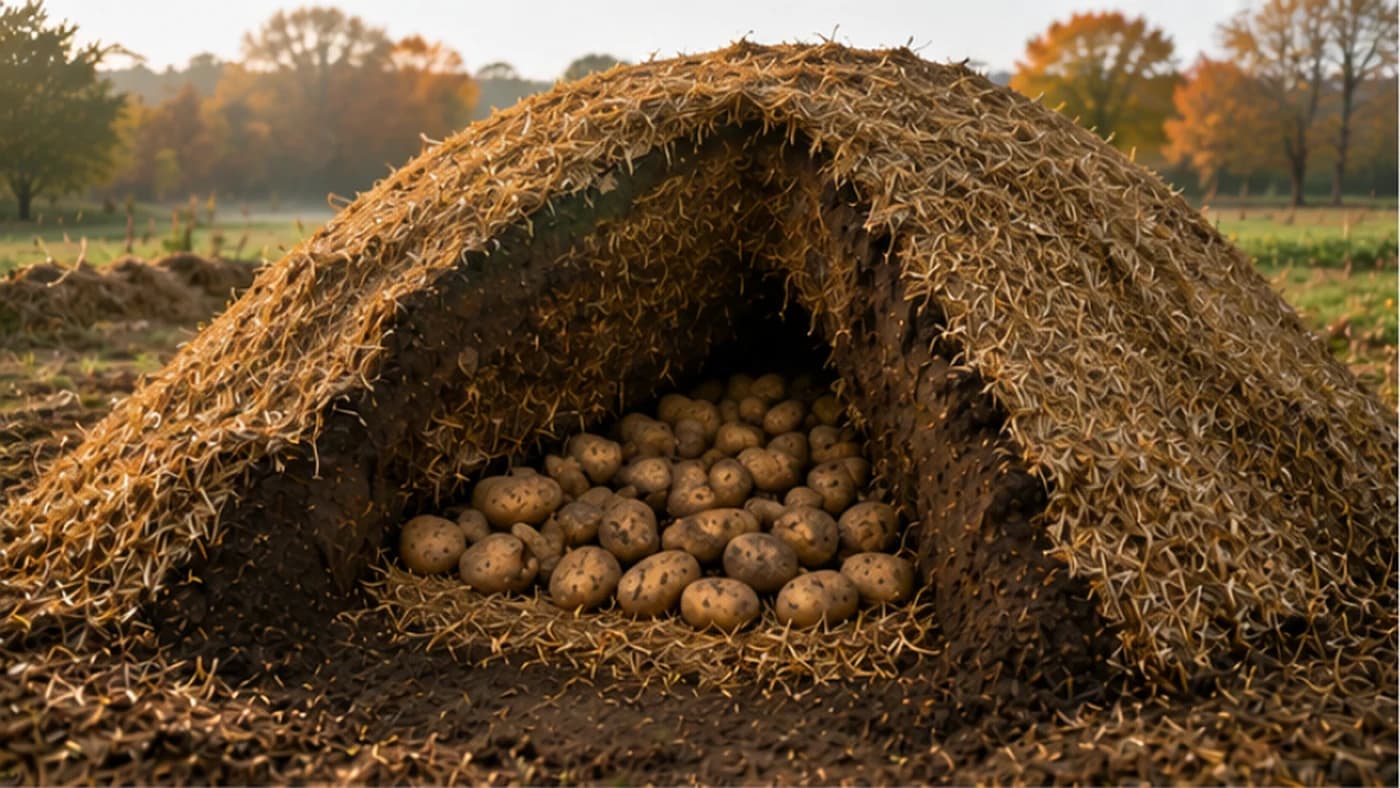
You don't need a cold store to keep a potato surplus through the season. A simple mound of straw and earth — the same principle behind the pit storage many potato belts in India already use — keeps tubers fresh for months at zero running cost.

If your farm or hill homestead has any real slope, gravity can deliver pressurised water to your home, livestock trough, or field — with no electricity bill, no pump to fail, and no water stoppage the moment the power goes out.

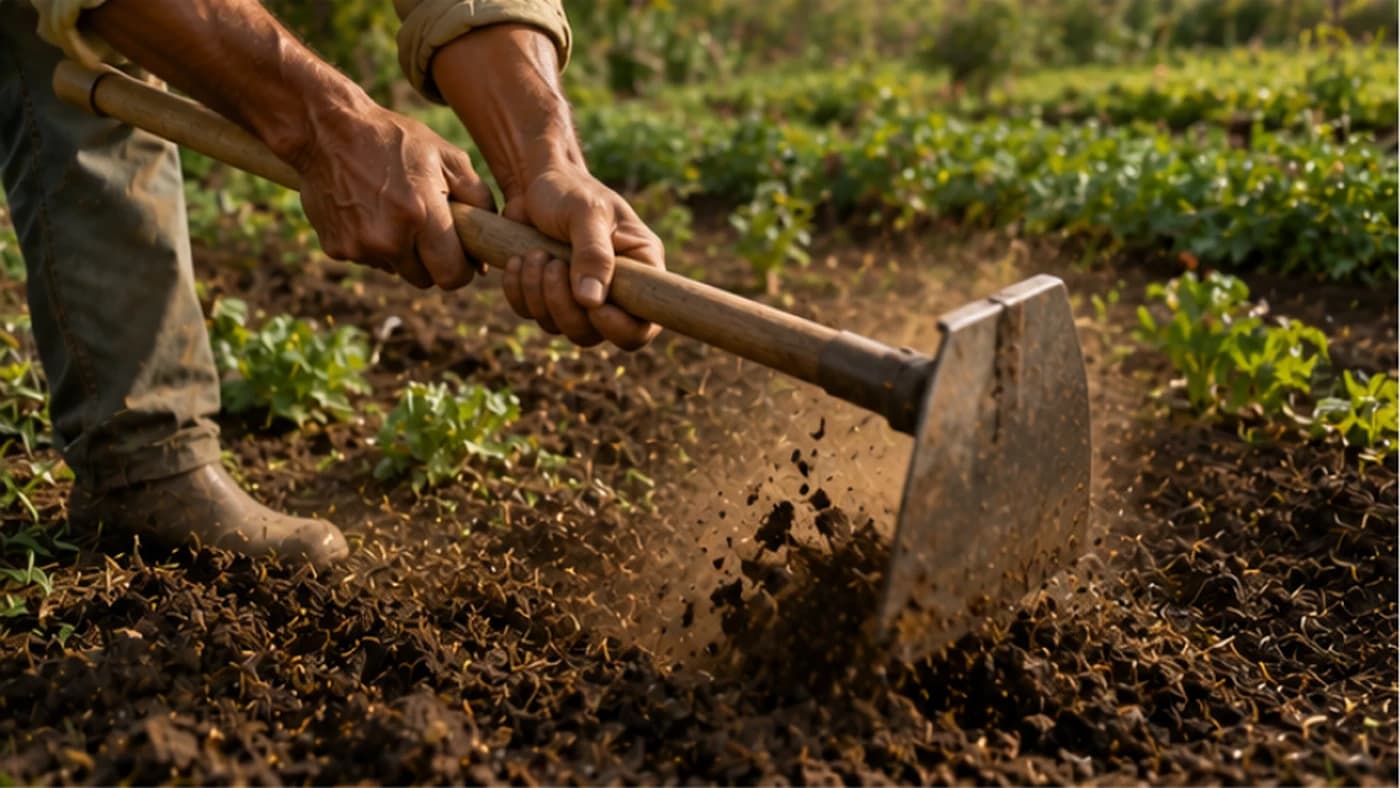
Long before garden centres sold a different plastic tool for every task, farmers across Asia, Africa, and Southern Europe relied on one heavy, forged hoe to dig, weed, chop, and level. In India it's the phawra or kudal — and used correctly, it saves your back as much as it saves your money.

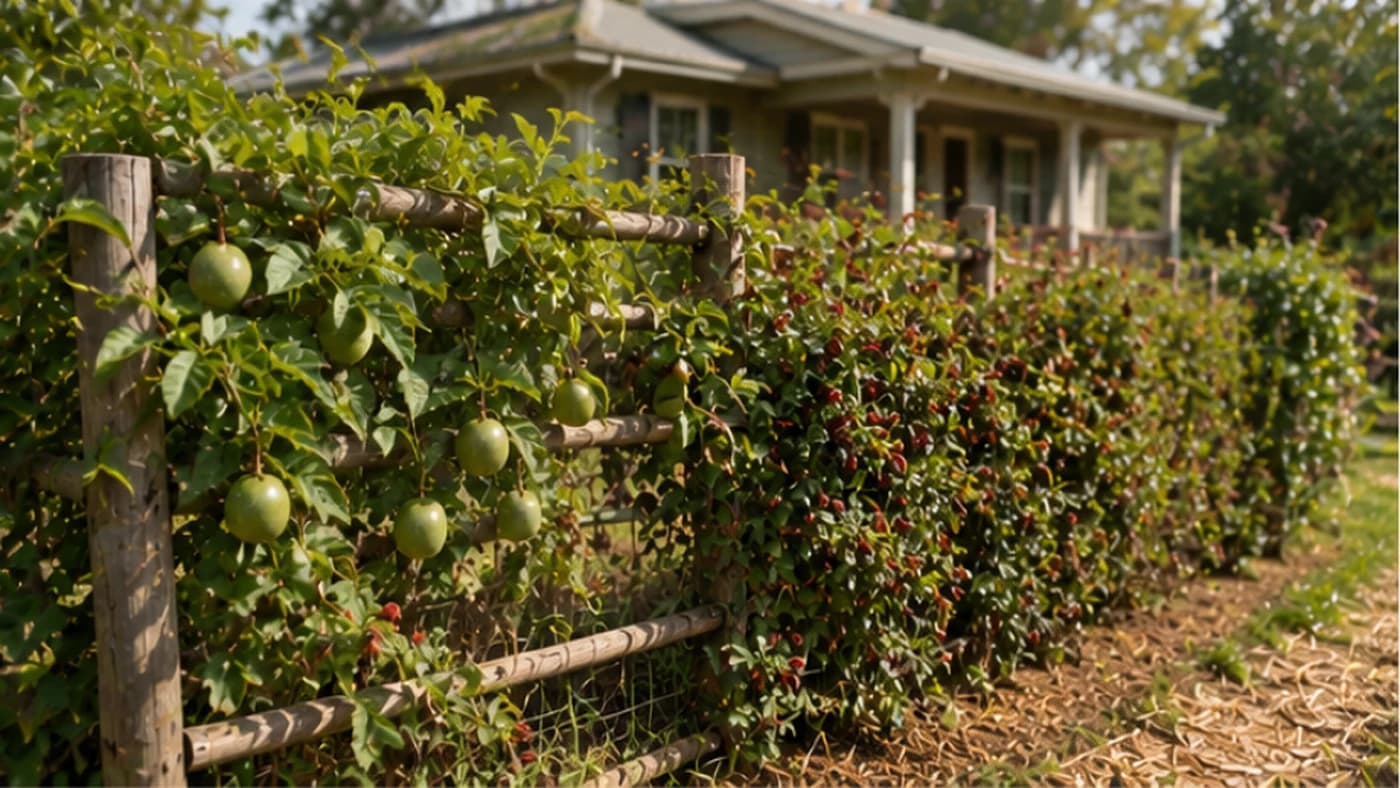
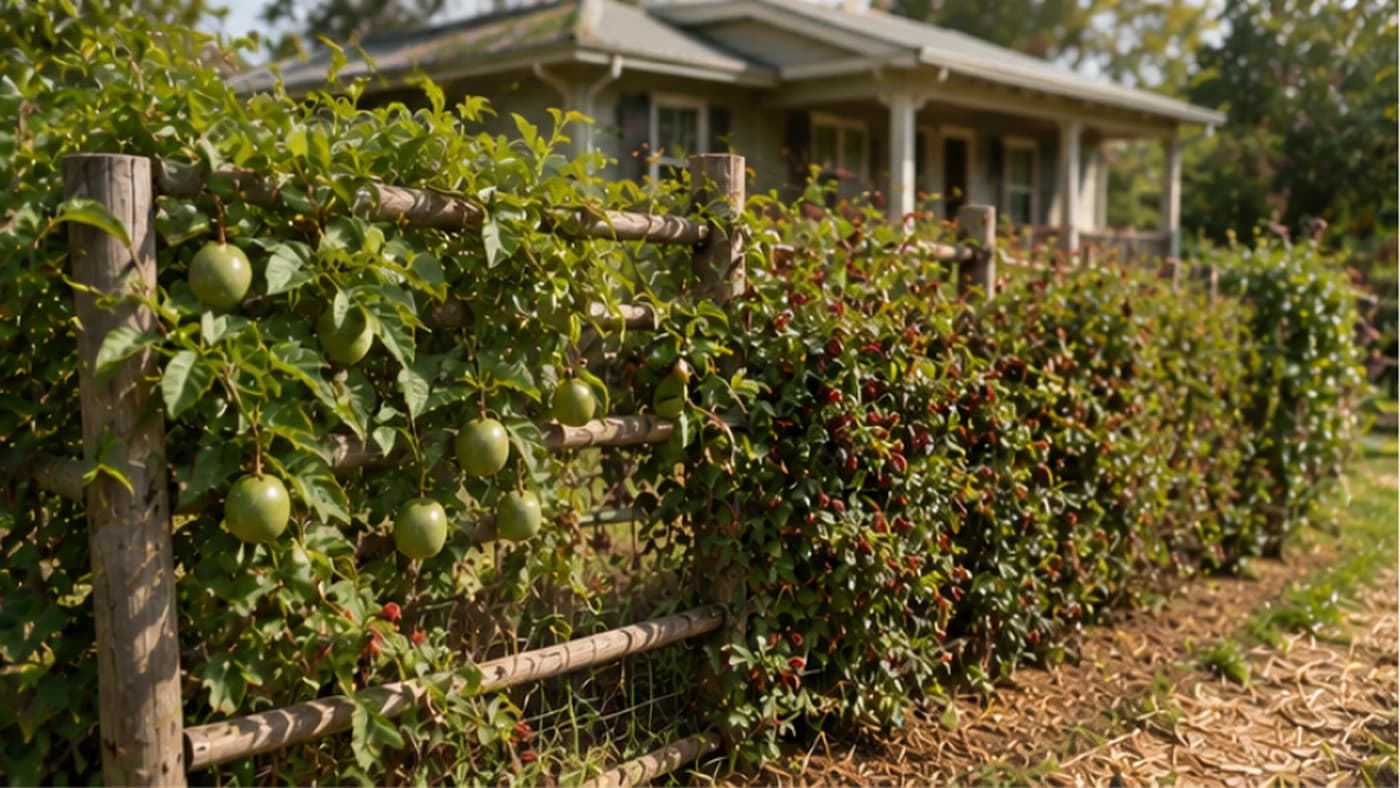
A plain fence gives you nothing back but upkeep. A living, edible boundary — karonda, moringa, pomegranate, or a classic gliricidia fence — gives you privacy, windbreak, pollinator habitat, and a real harvest, all from the same strip of land you already have.

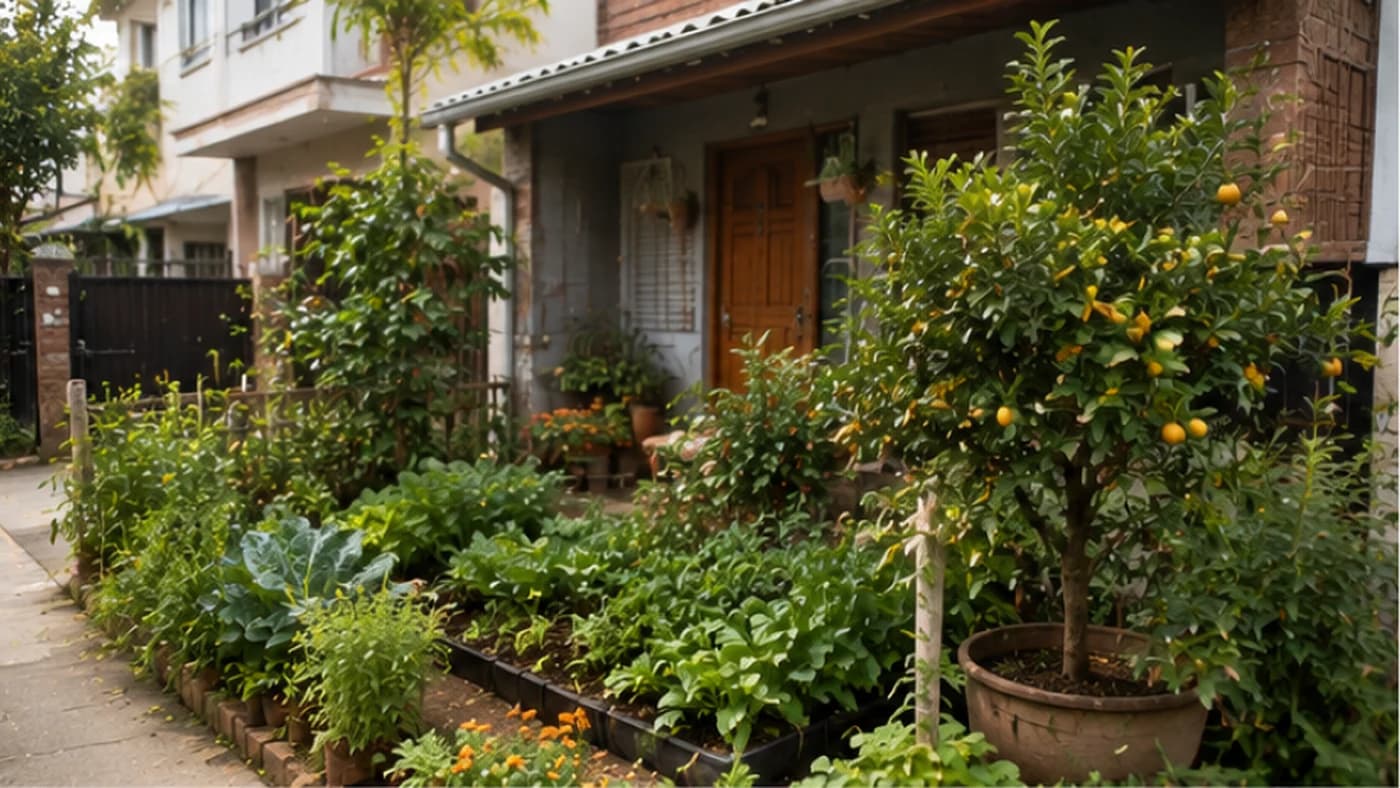
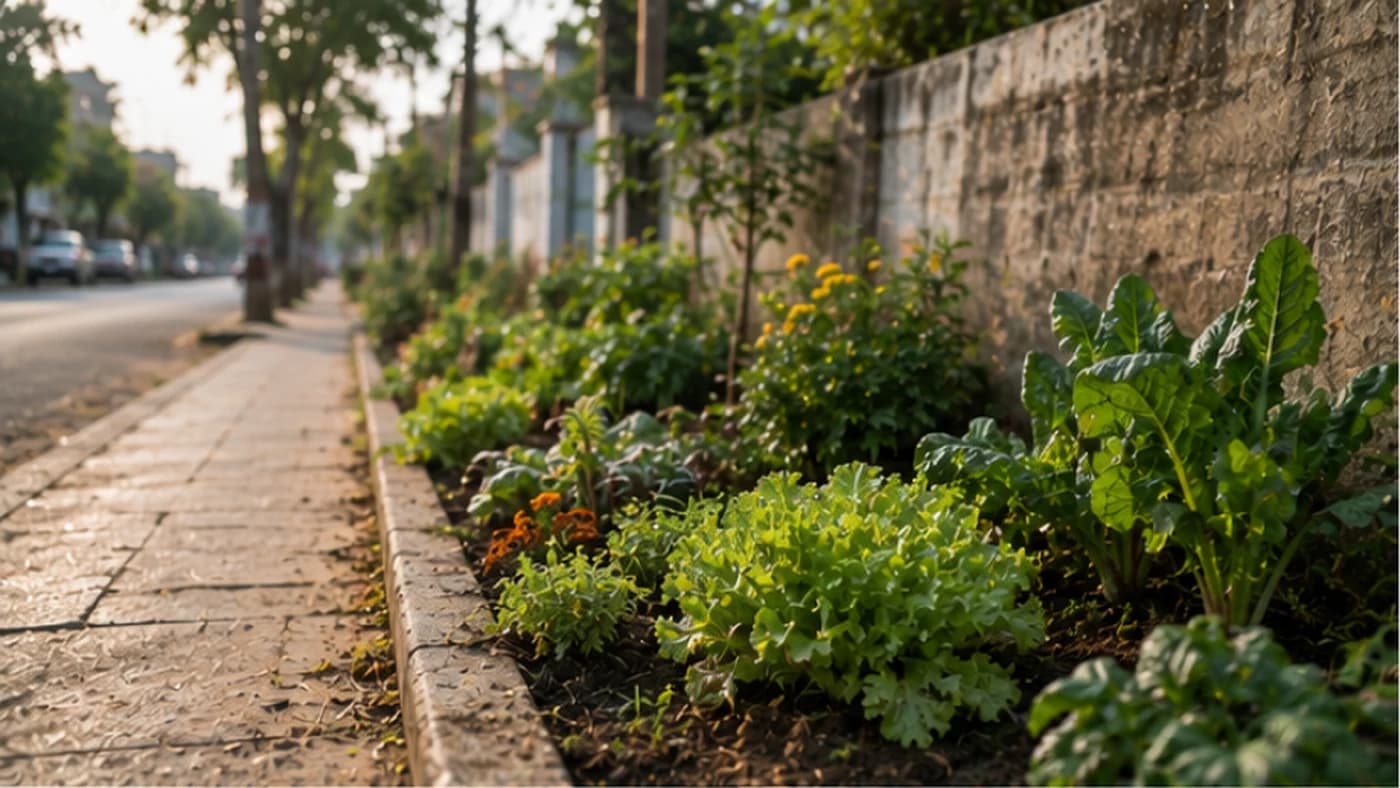
The narrow verge between your compound wall or gate and the road is usually just mowed, swept, or ignored. With a little soil prep, it can grow tulsi, curry leaf, chillies, and marigold — food, herbs, and pollinator habitat from ground you're already maintaining anyway.

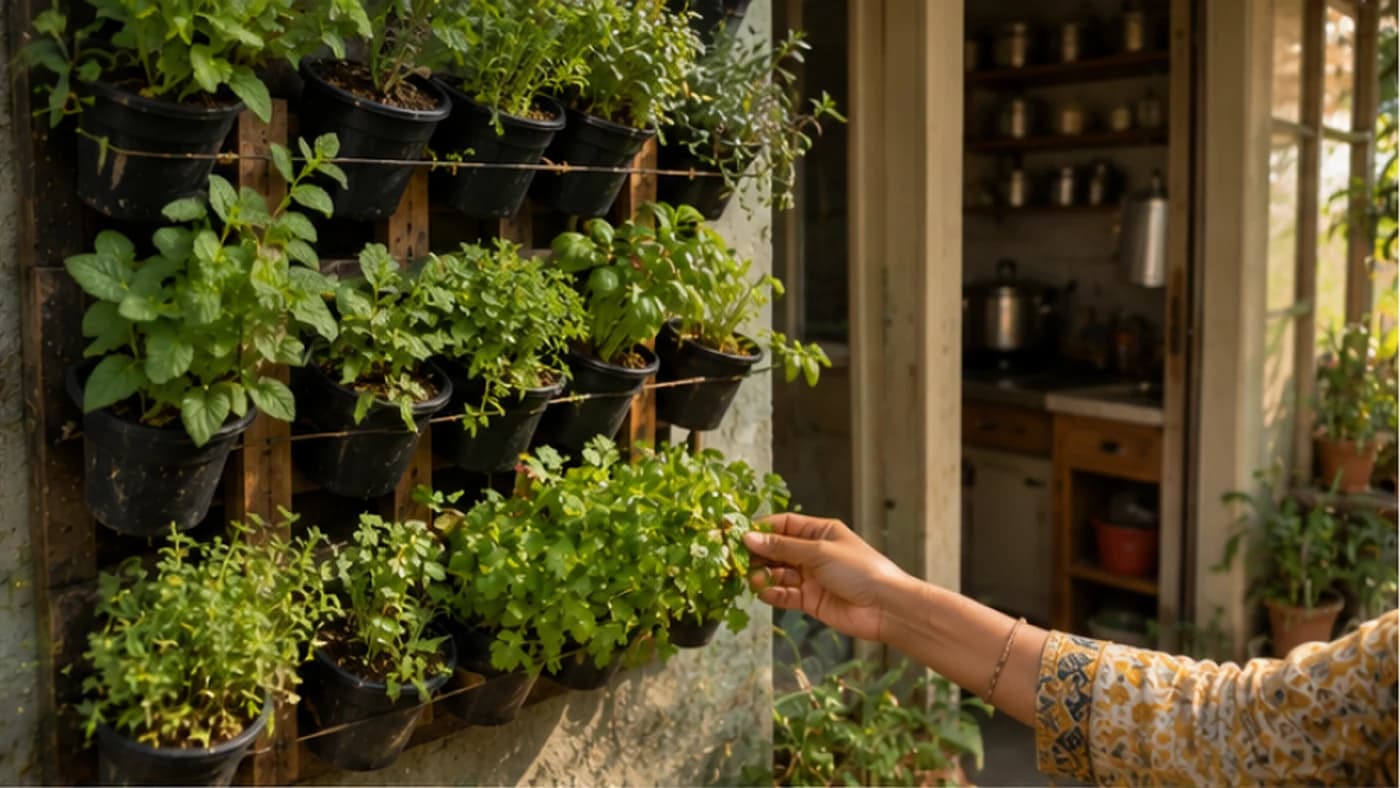
A row of herbs in separate plastic pots on a windowsill usually struggles and dies within weeks. A connected vertical herb wall — sharing humidity, water, and light — keeps coriander, mint, tulsi, and curry leaf thriving in far less space, with far less daily effort.

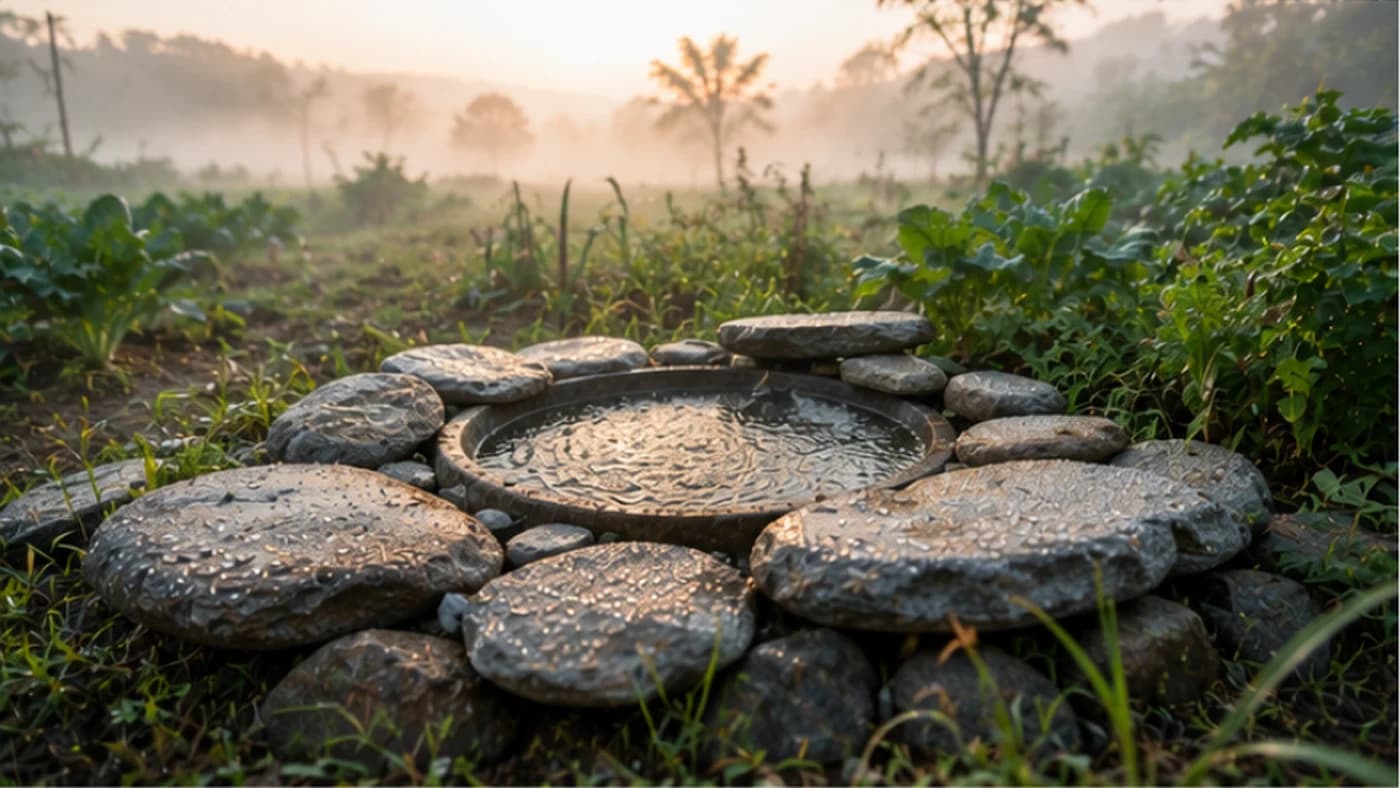
An air well is a stack of loose stones that pulls drinking water for your plants straight out of the night air — no electricity, no pump, no monthly bill. Here's how the physics works and how to build one.

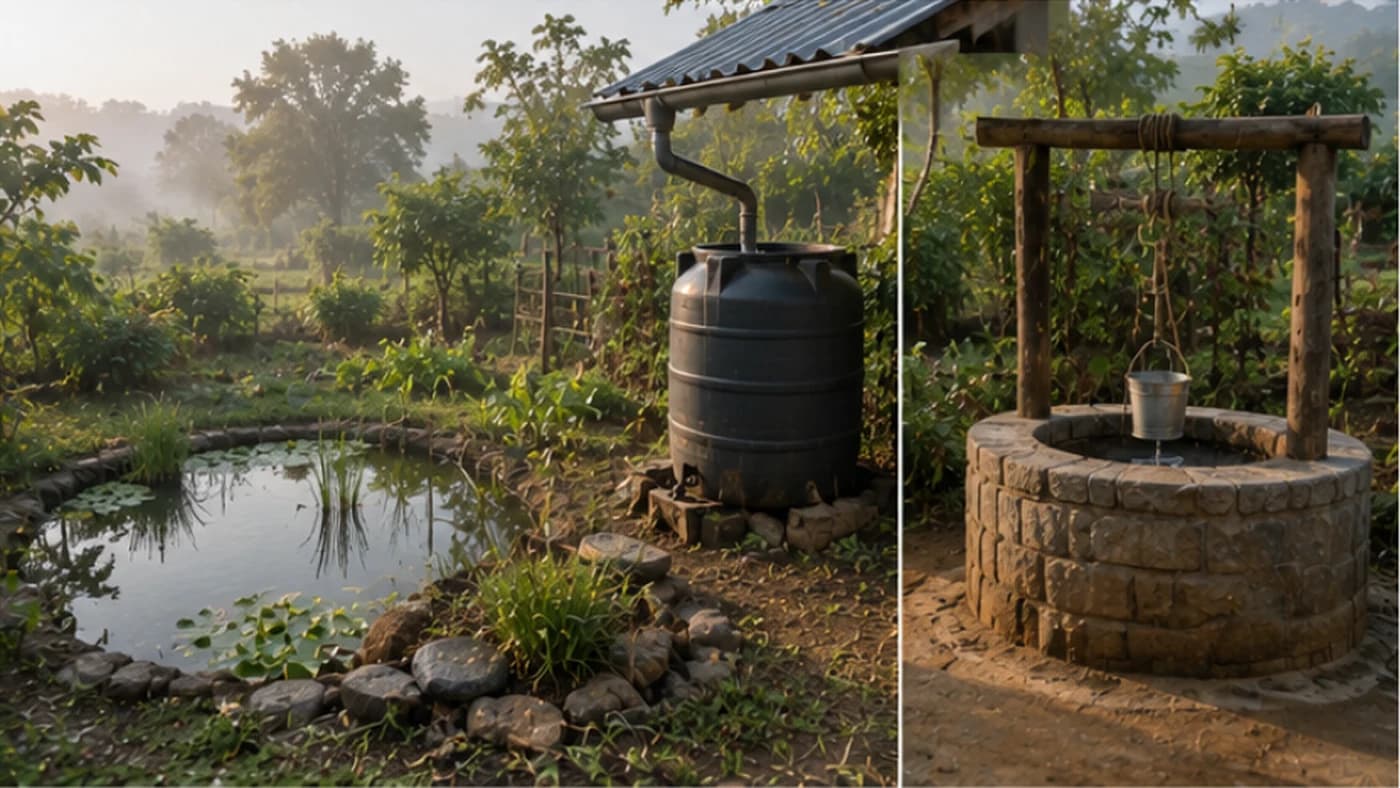
Borewell and tap water is treated to be sterile — safe for people, but nearly dead for soil biology. Rainwater, pond water and treated greywater carry warmth, nutrients and microbes your soil actually wants.

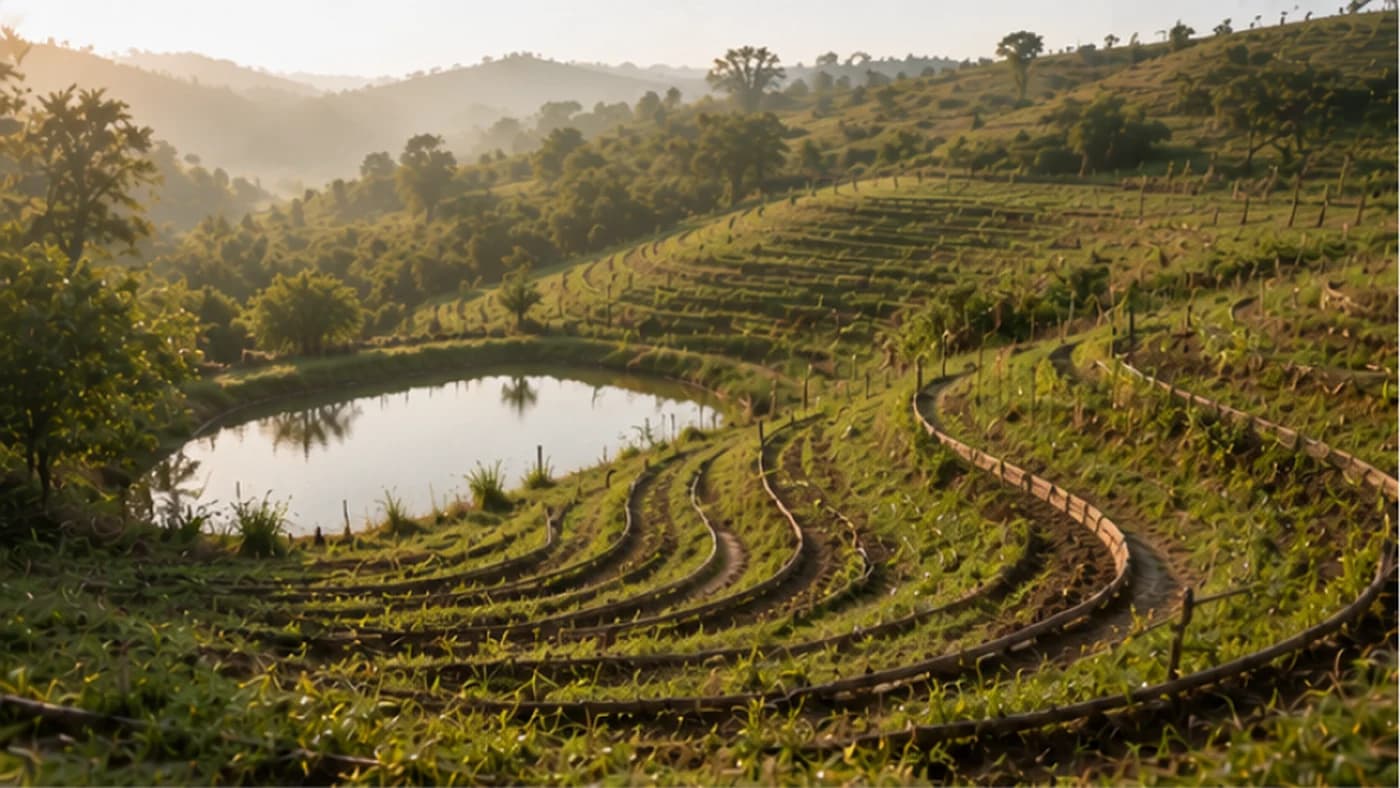
Keyline design reshapes how water moves across sloped land — pulling it out of waterlogged valleys and spreading it onto thirsty ridges. It builds topsoil, drought-proofs pasture, and softens flash floods.

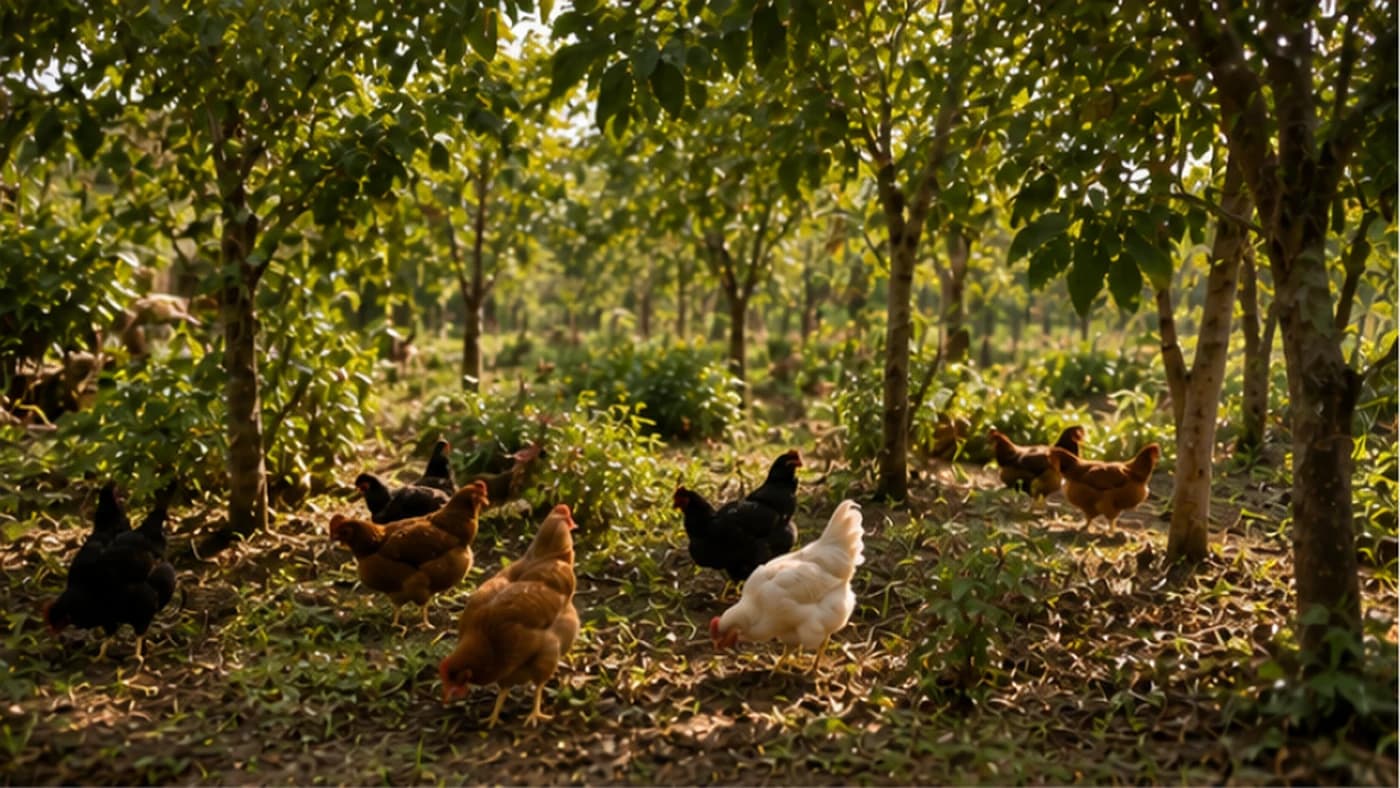
A bare chicken run is a nutrient waste site you pay to feed. A layered food forest built around your flock turns droppings into fertiliser and fallen leaves into free protein — cutting grain costs by 30-50%.

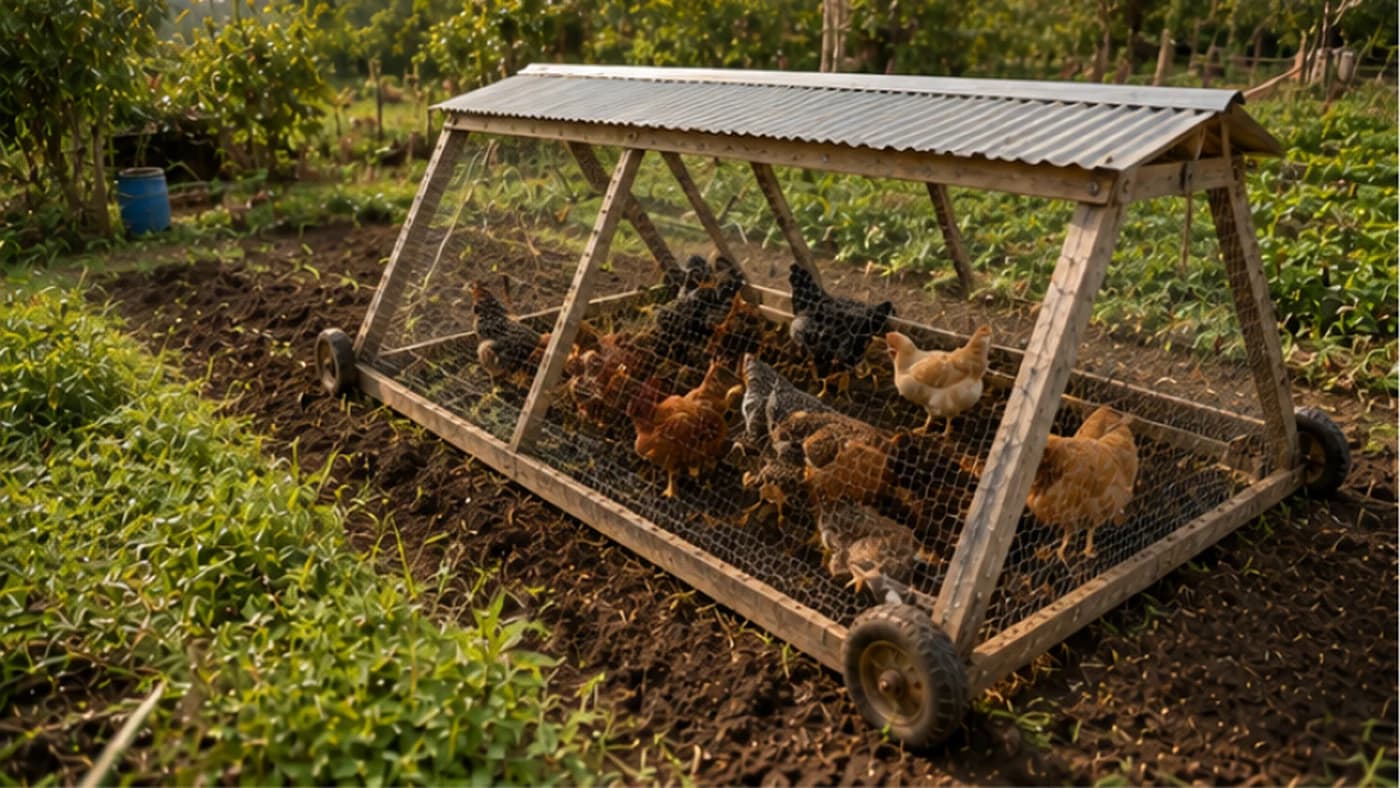
A rototiller shreds soil structure and kills fungal networks; a chicken's scratch clears weeds, eats overwintering pests, and leaves fertiliser exactly where it's needed. Here's how to put your flock to work.

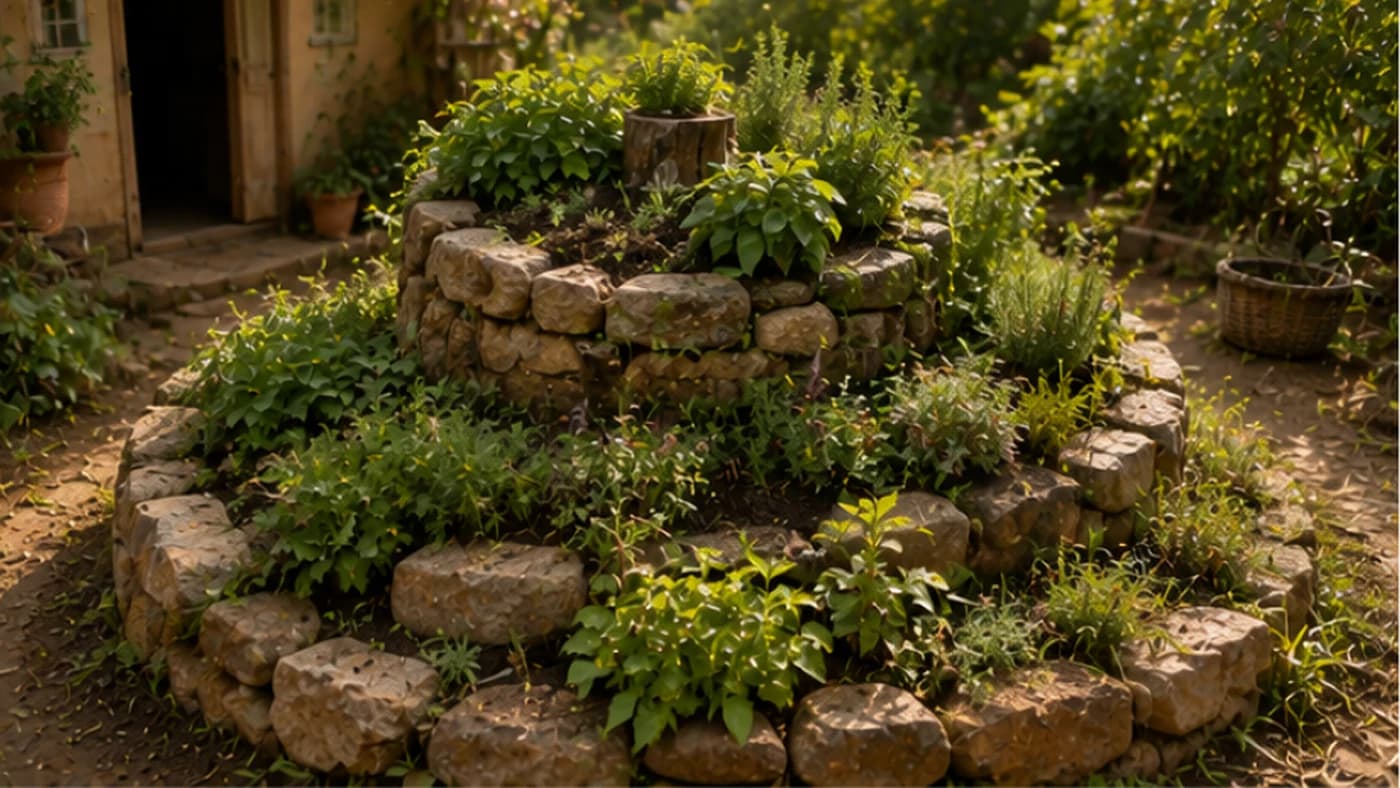
A stone spiral packs sun-loving and shade-loving, wet and dry herbs into one small footprint by stacking microclimates vertically — so you stop buying dried spice jars and start harvesting fresh, year after year.

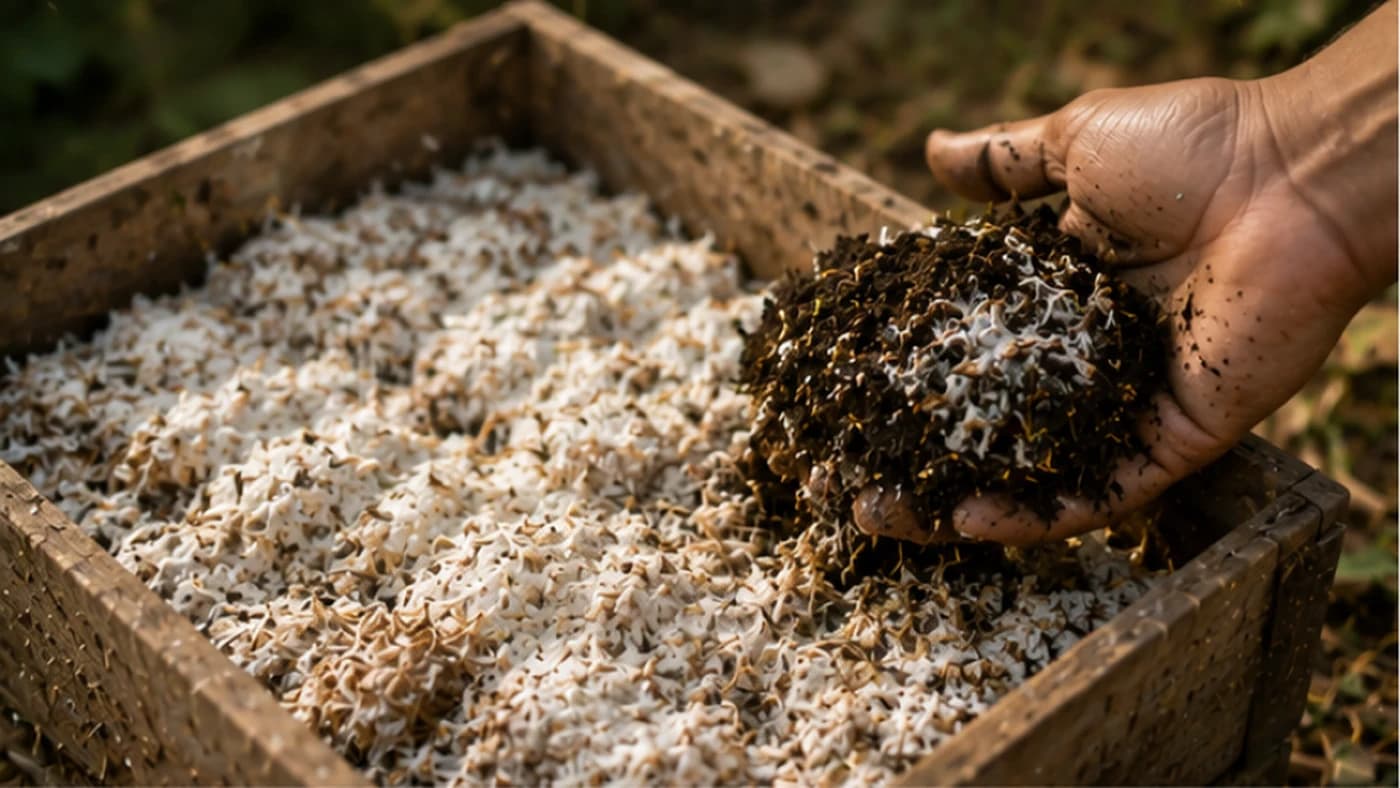
A healthy forest has never seen a bag of fertiliser, yet it out-produces most farms. Learn how to capture wild, local microbes from a nearby forest and turn them into a near-free biological fertiliser for your field or garden.

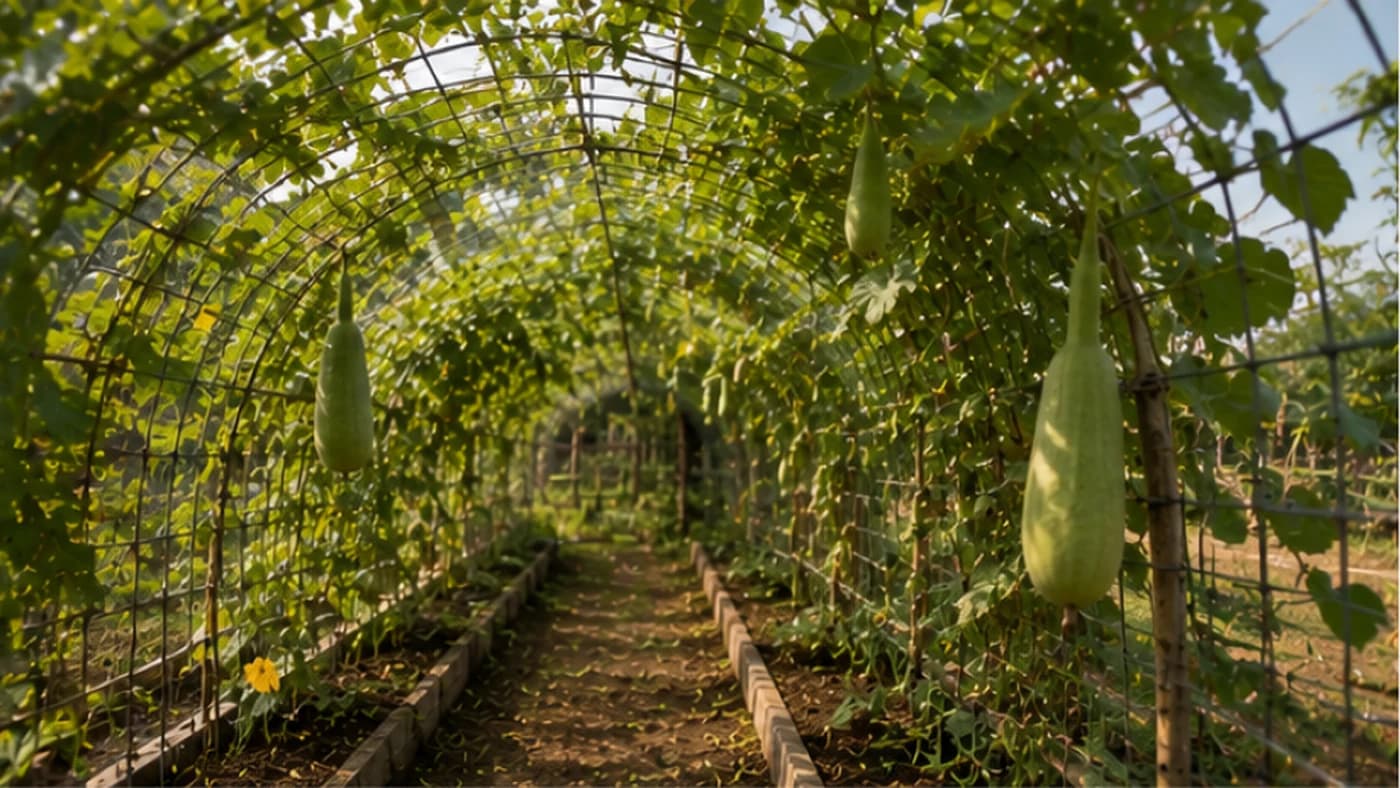
Sprawling cucumber and gourd vines eat up your walking paths, trap humidity, and rot fruit against wet soil. A simple welded-mesh panel arch fixes all three problems and can nearly double the usable growing space in a small plot.

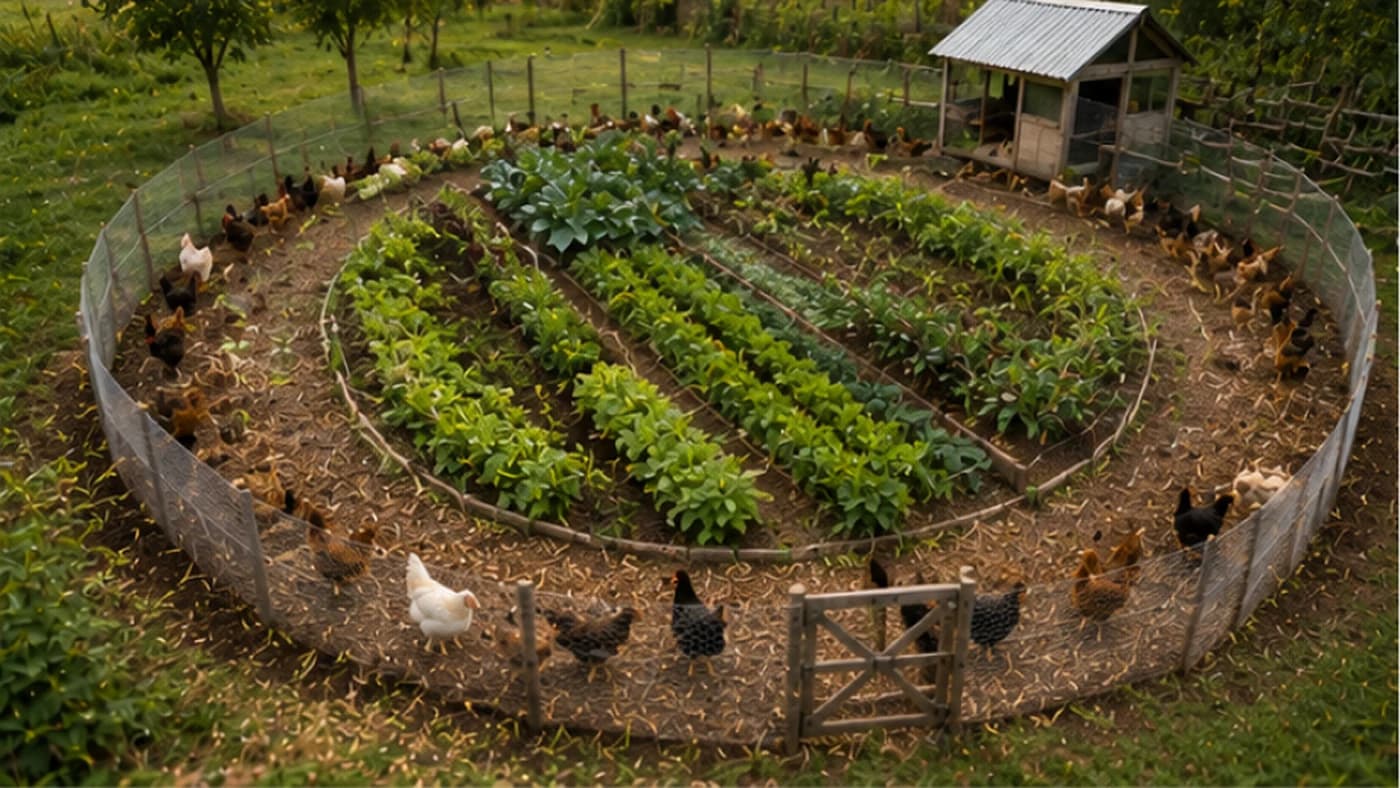
A normal fence just stands there while insects walk straight through. A chicken moat — a double-fenced ring around your garden — turns your birds into round-the-clock pest patrol, fertiliser spreaders and weed control, all at once.

A mowed, chemical-fed lawn is close to a biological desert for a chicken. Rotate a small flock across it instead, and that same patch of grass becomes a source of free protein, richer eggs, and a healthier, greener yard.

Scooping and hauling manure out of a coop every week is exhausting and throws away free fertiliser. The deep litter method lets bedding and droppings build up and compost in place — less labour, better bird health, and a bucket of garden gold every season.

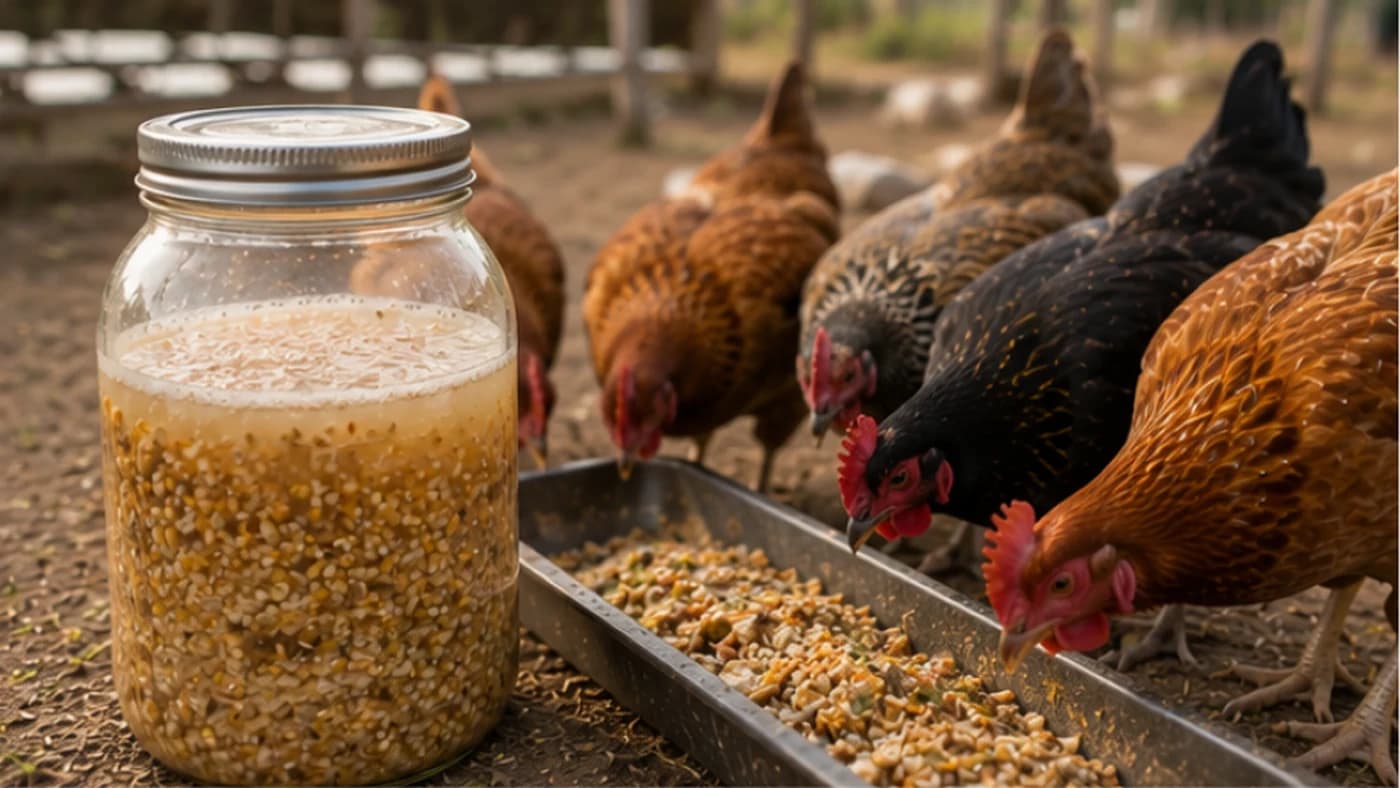
Dry pellets are convenient, but a lot of their nutrition passes straight through a bird undigested. Soaking and fermenting the same feed for a few days unlocks far more of it — better shells, richer yolks, and often less feed used overall.

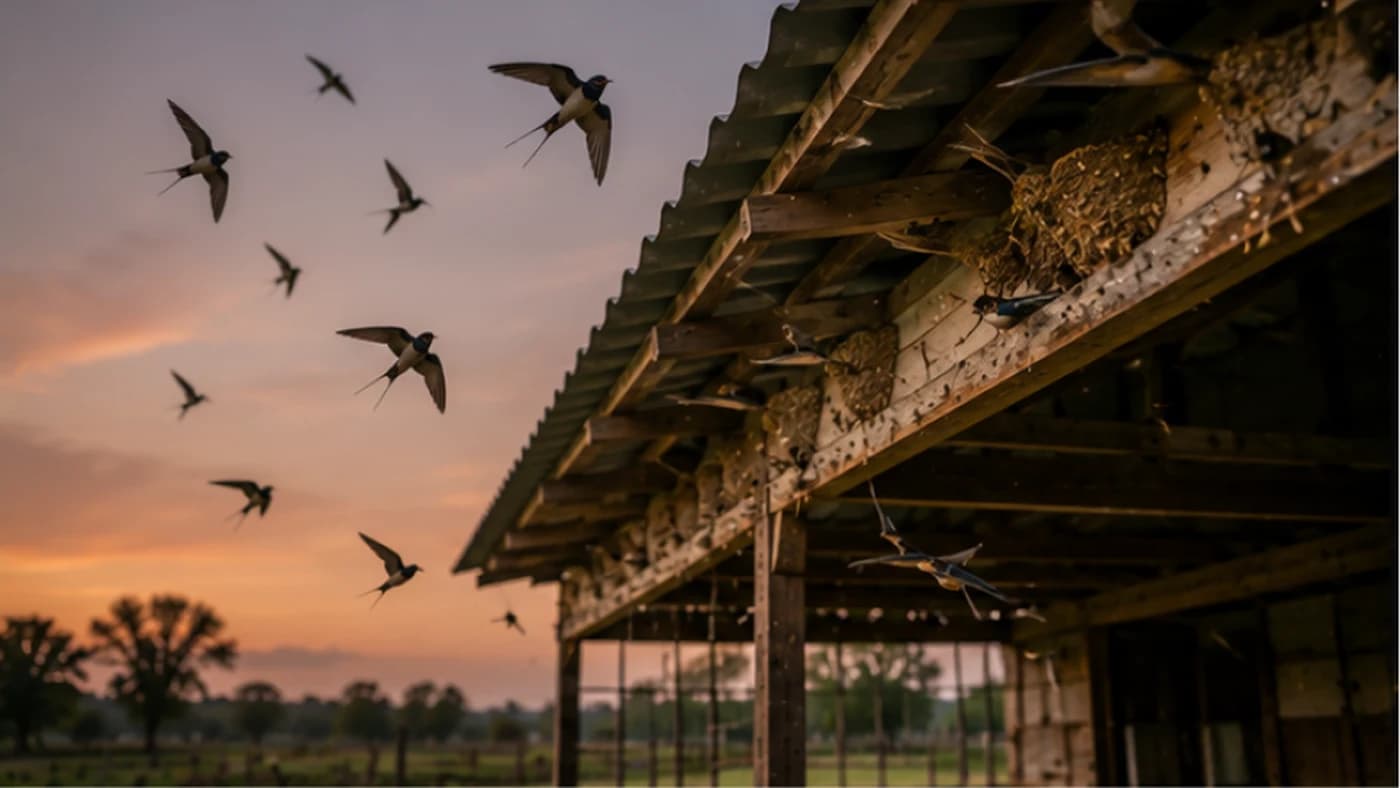
A single pair of swallows can eat close to a thousand flies and mosquitoes a day. A few rough wooden ledges under your shed roof can turn your barn into a self-running pest-control unit that never needs refilling.

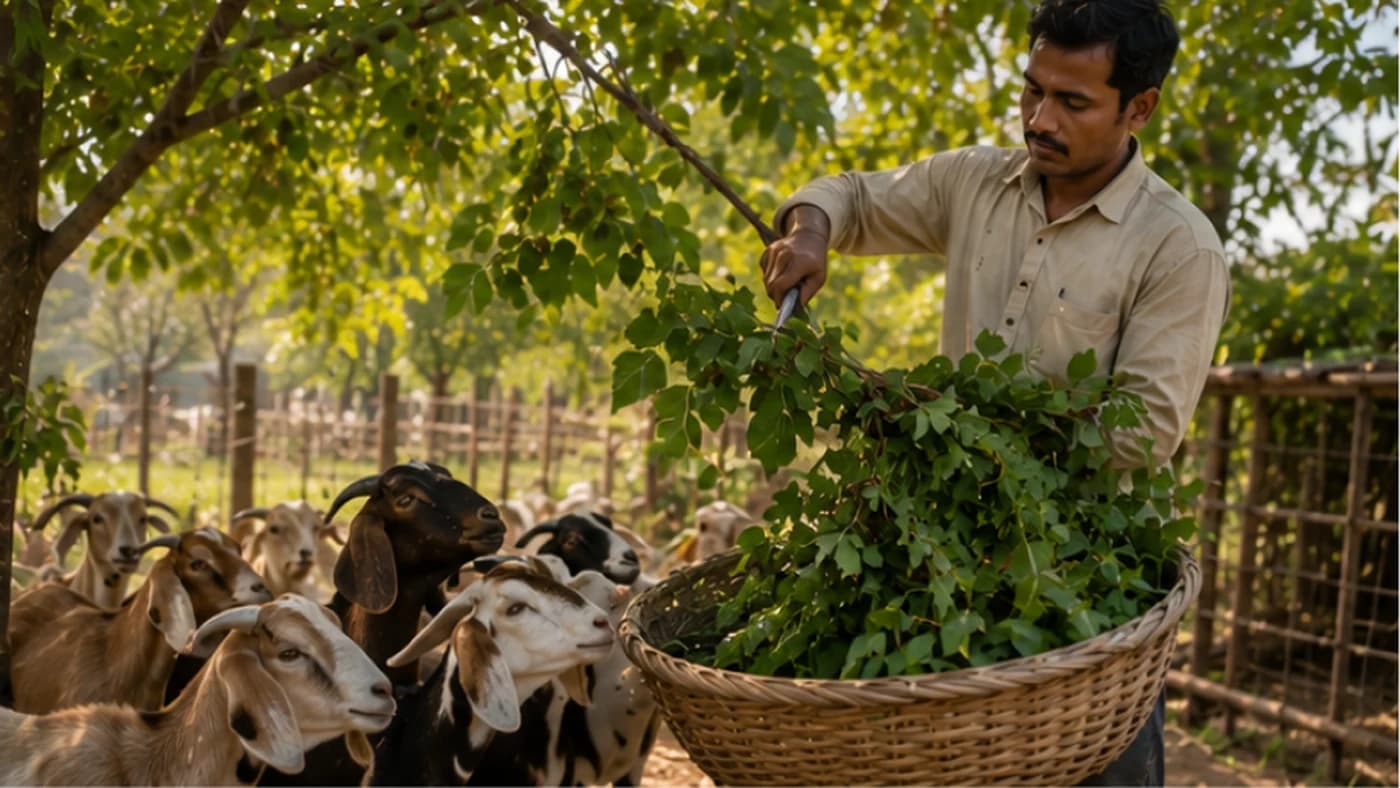
Neem, mulberry, subabul and banyan leaves aren't just shade trees — they're a protein- and mineral-rich feed that costs nothing but a pair of loppers. Here's how to harvest, dry and use tree fodder to feed goats and cattle through lean months.

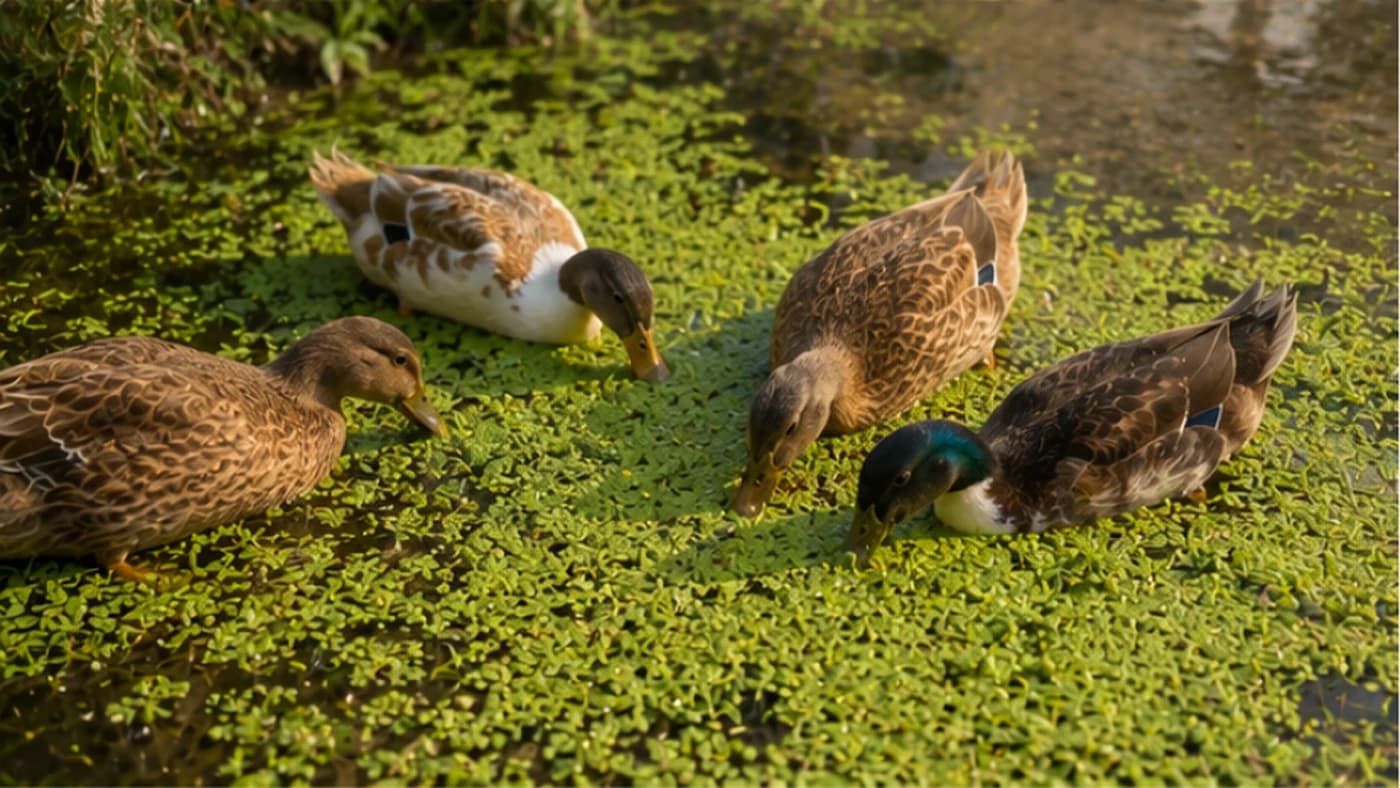
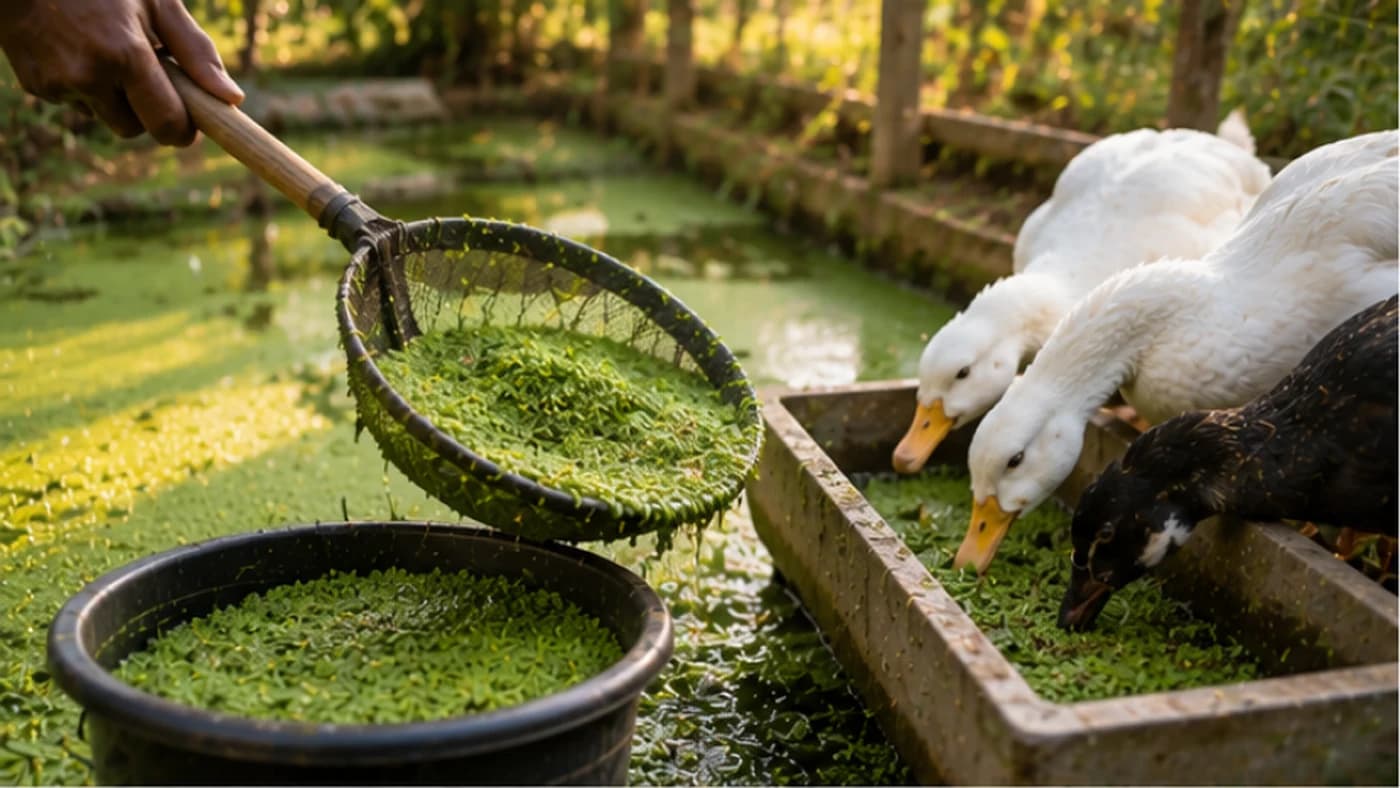
The green mat covering your farm pond isn't a nuisance — it's up to 40% protein, doubles its own weight in a couple of days, and can replace a real share of your soybean or feed bill for ducks, chickens, fish and even goats.

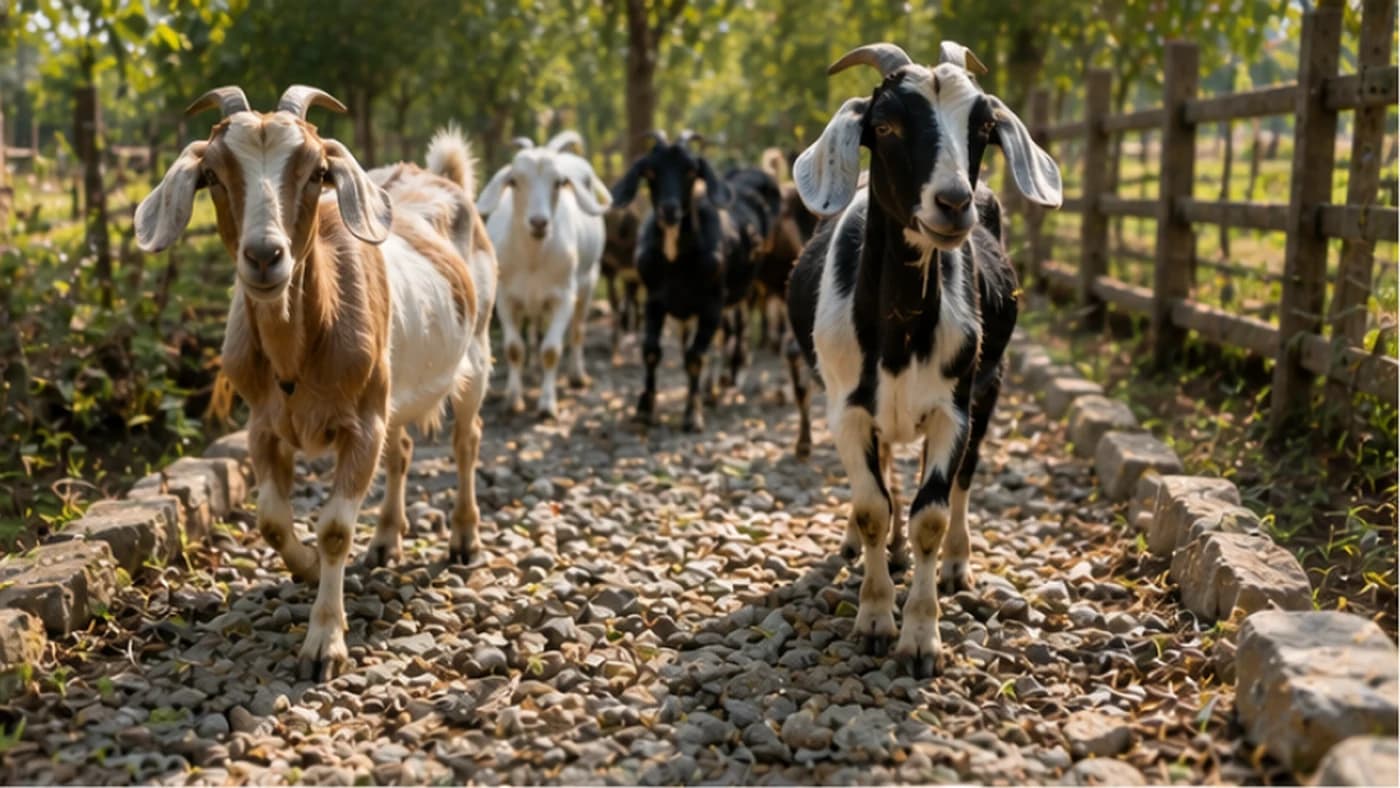
Stop wrestling your goats onto a stand every six weeks. A stone path between the shed, feeder and water trough files their hooves for you, every single day, for free.

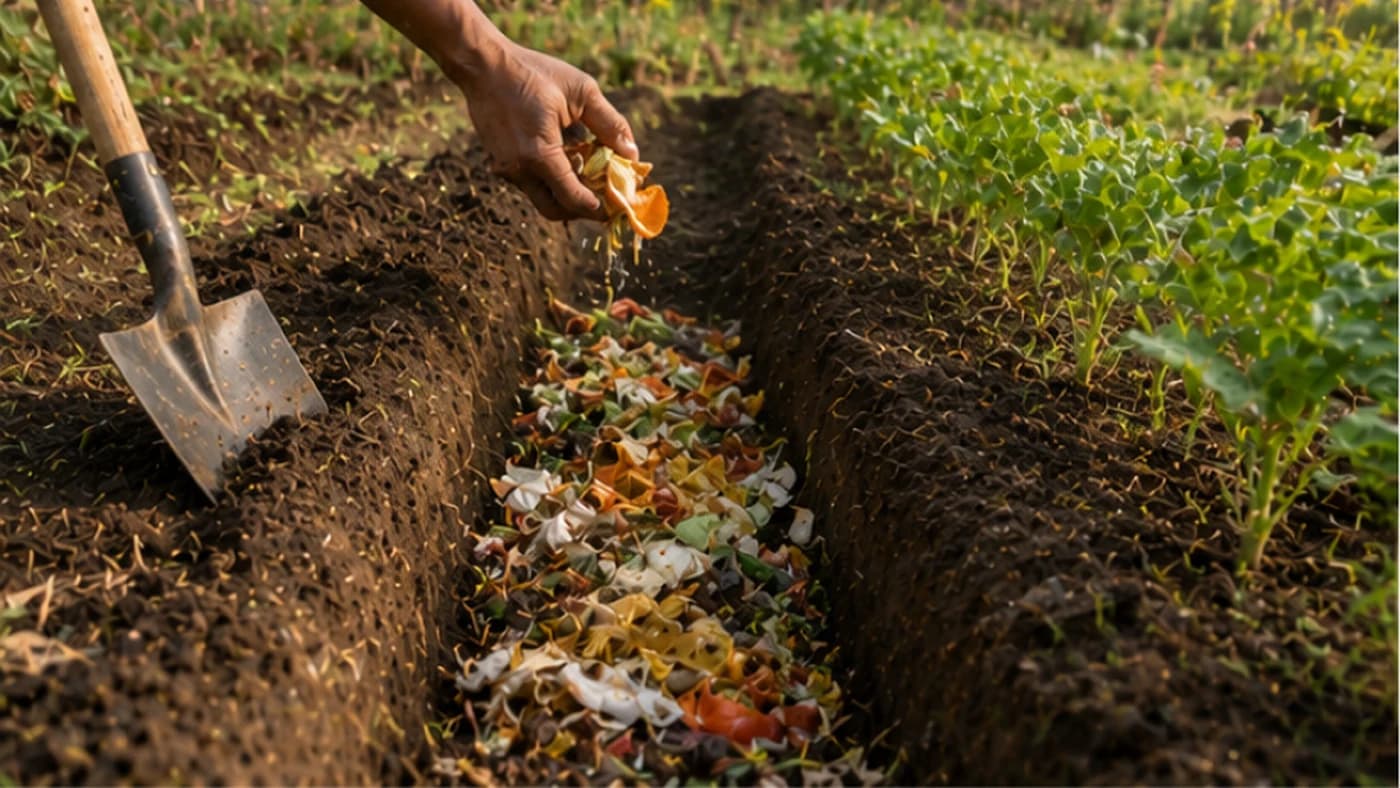
Skip the compost pile and the turning altogether. Bury your kitchen scraps directly where your next crop will grow, and let the soil itself do the composting — no smell, no pests, no extra corner of the yard needed.

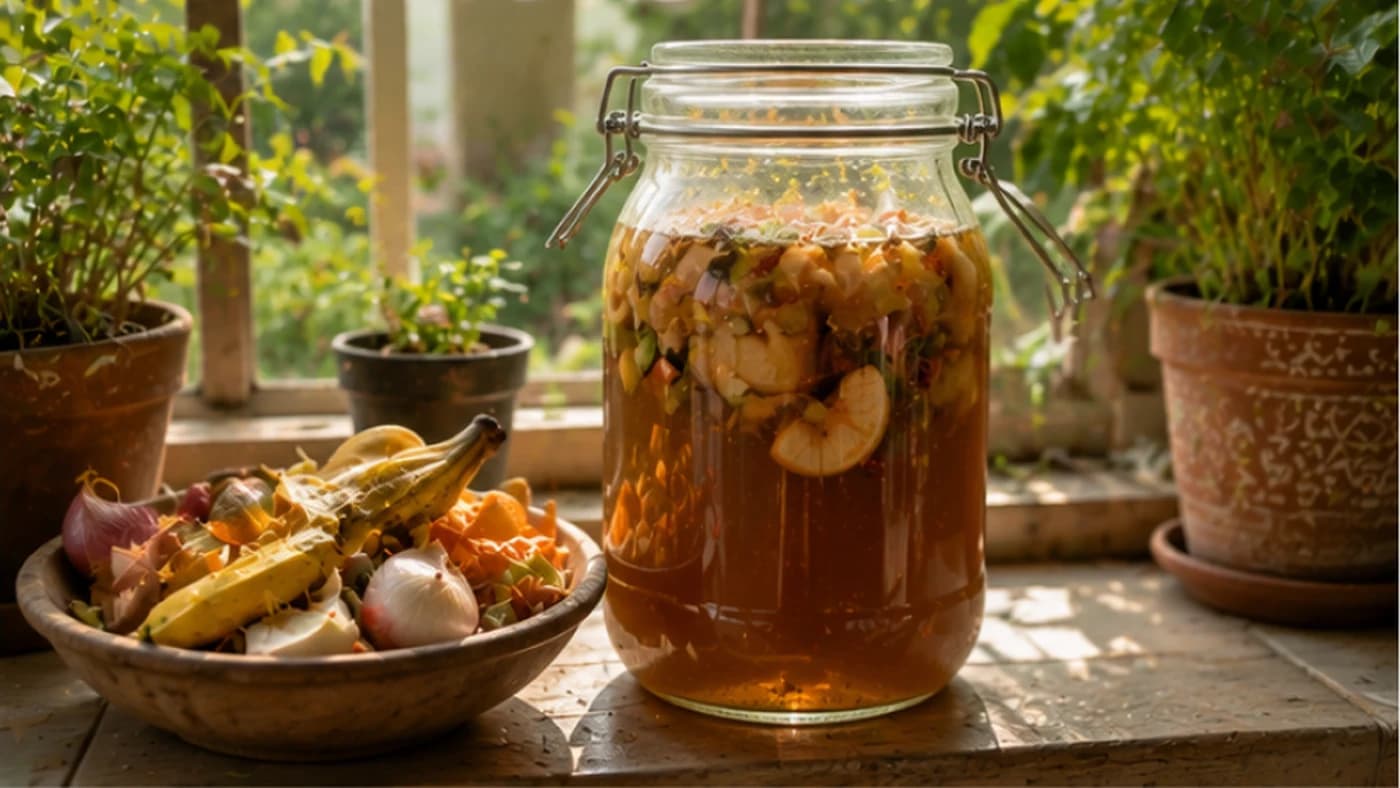
Banana peels, eggshells, tea leaves and vegetable trimmings are a free source of nitrogen, phosphorus and potassium. Here are three simple, low-cost ways to turn kitchen waste into fertiliser for your garden or fields.

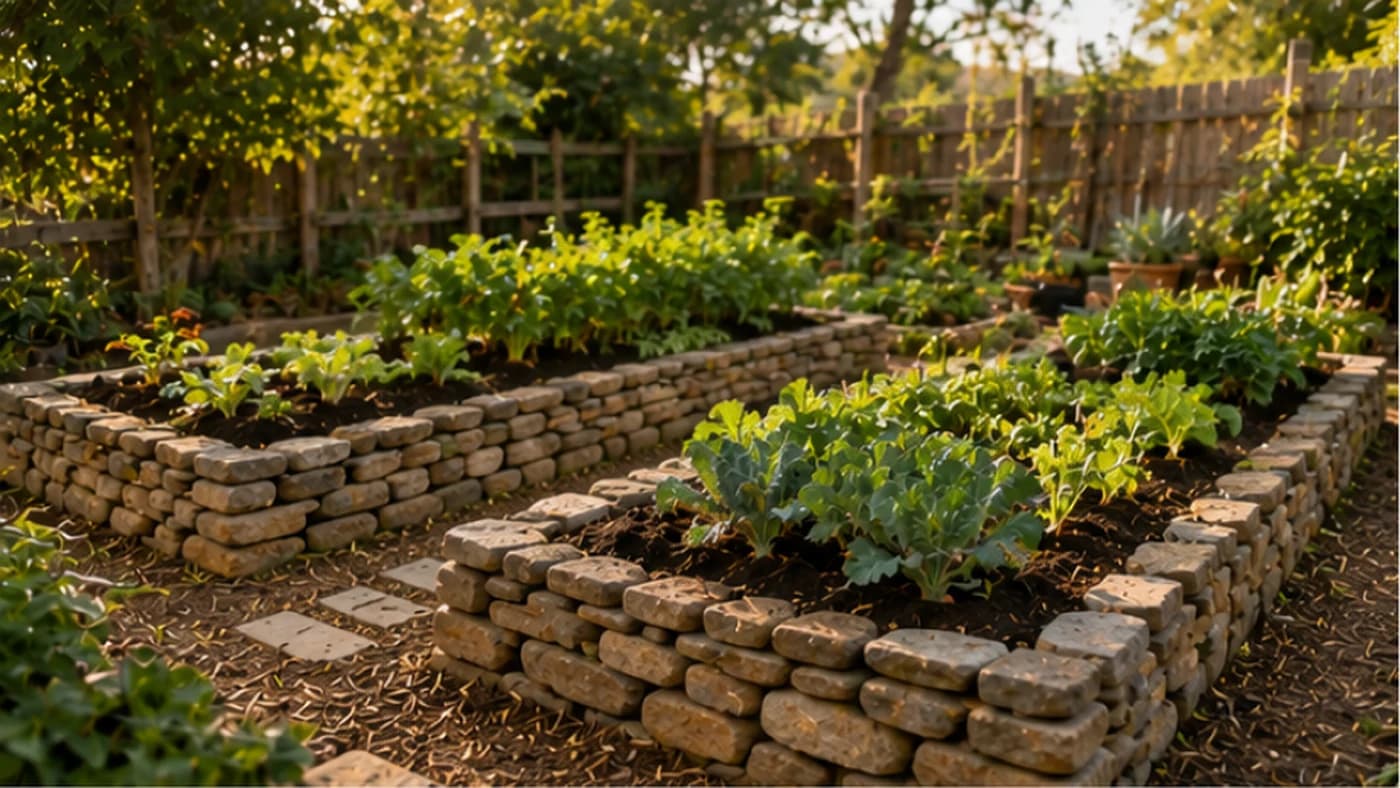
Plastic and wood garden borders crack, rot and end up as landfill within a few years. A dry-stacked stone bed, built once with local rubble, can last a lifetime — and it warms your soil for free.

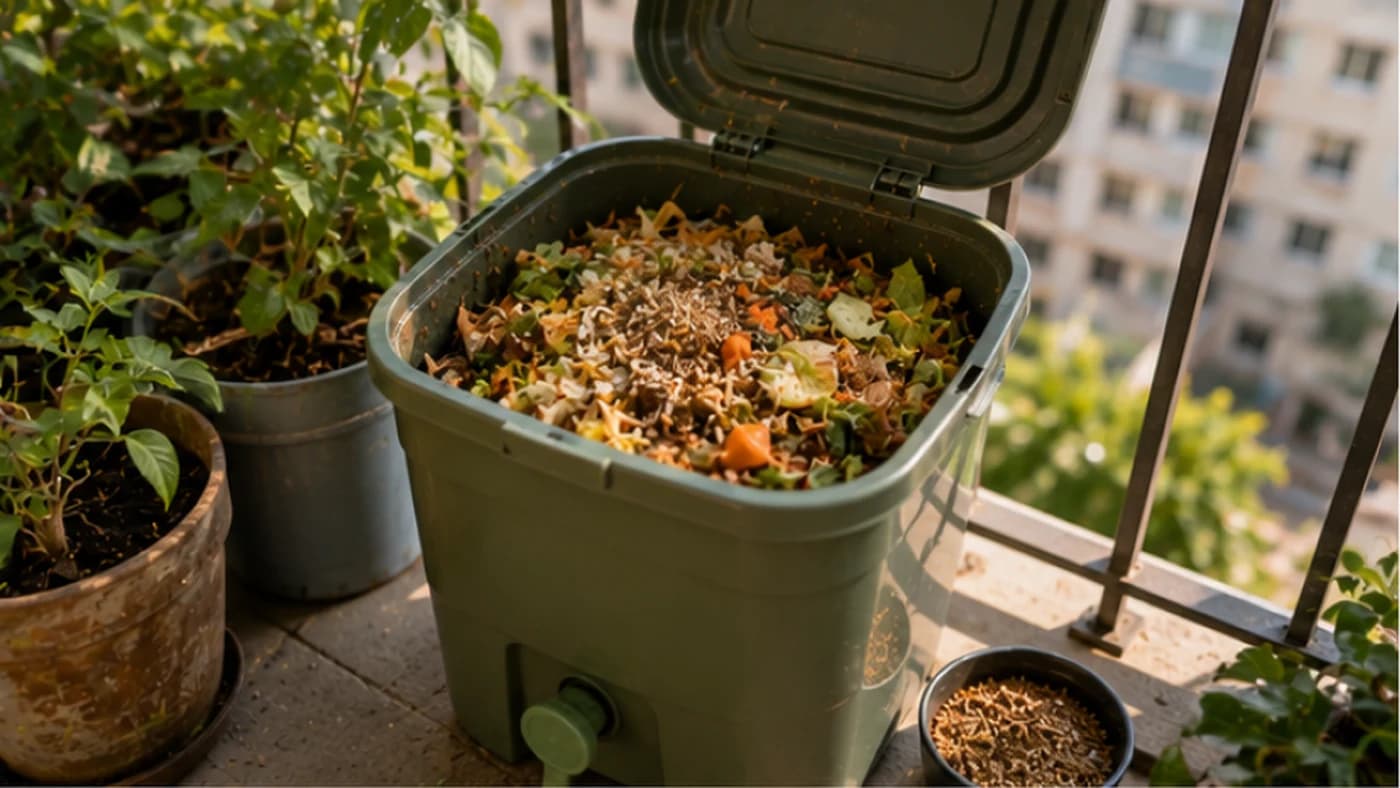
No yard, no compost pile, no problem. Bokashi ferments kitchen scraps — including cooked food, meat and dairy — in a sealed bucket, working in an apartment, a terrace corner, or under a sink.

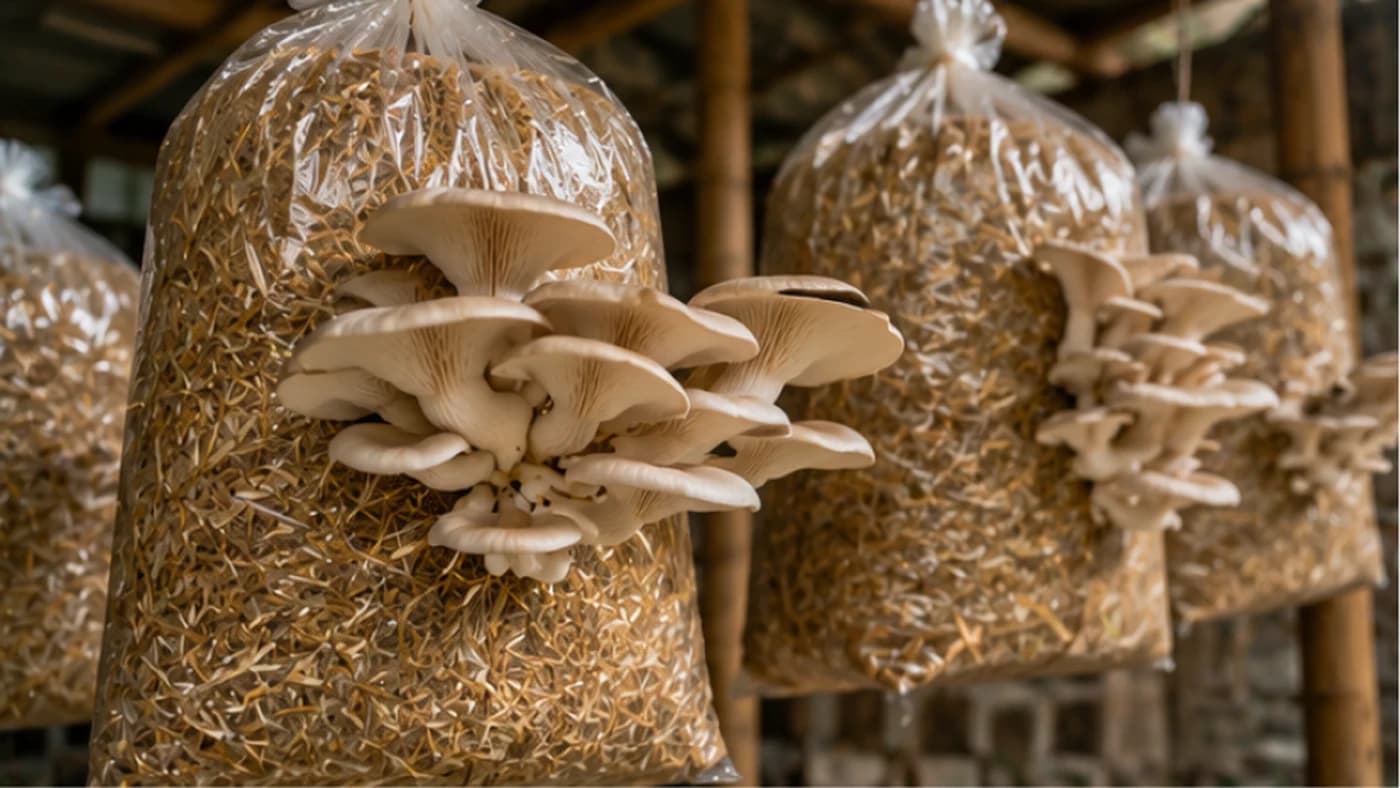
A single bundle of wheat or paddy straw can turn into 10-25 kg of fresh oyster mushrooms across a few harvests — using a bucket, a bag of spawn, and space no bigger than a porch corner.

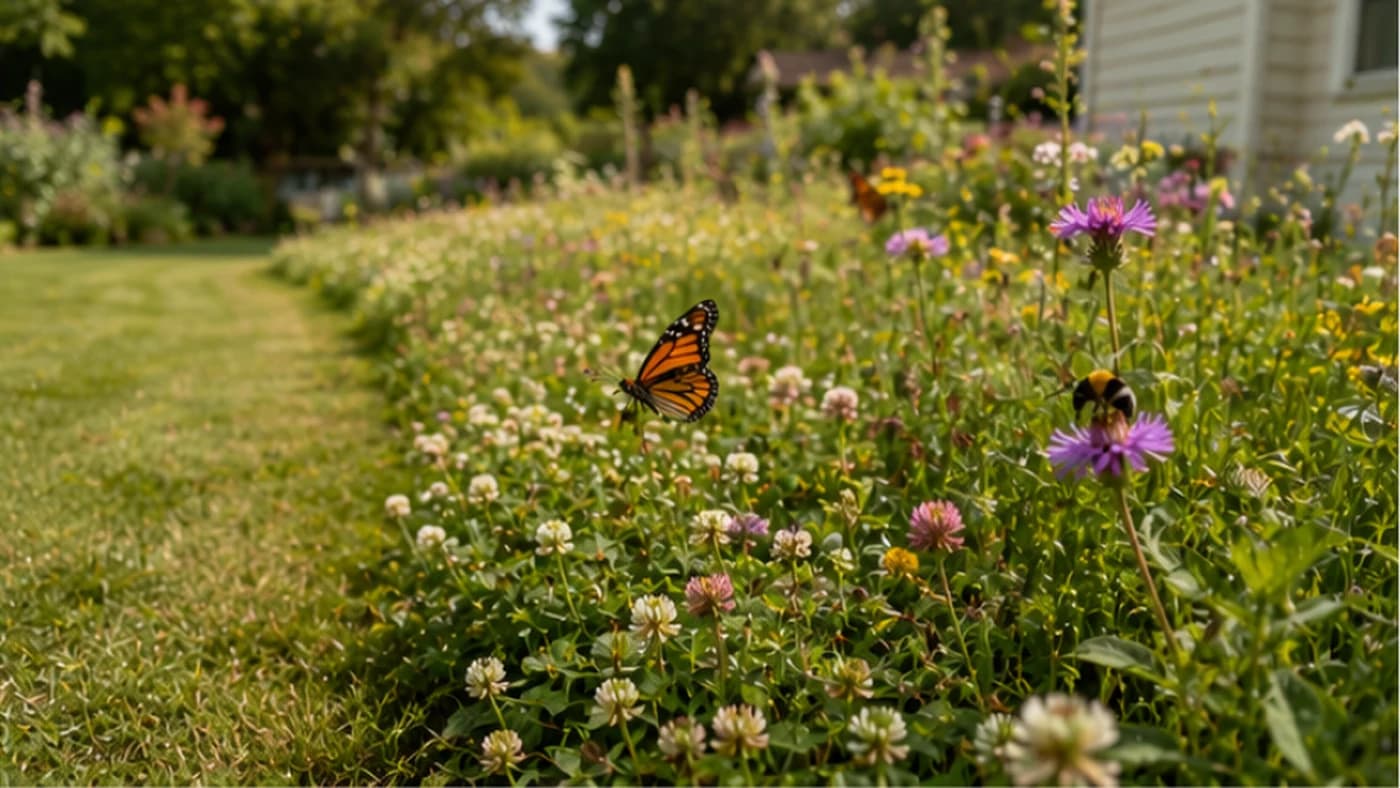
A patch of mowed, sterile grass gives nothing back — no food for bees, no roots deep enough to hold soil or water. Converting it to flowering legumes and native plants turns dead space into a working part of the farm.

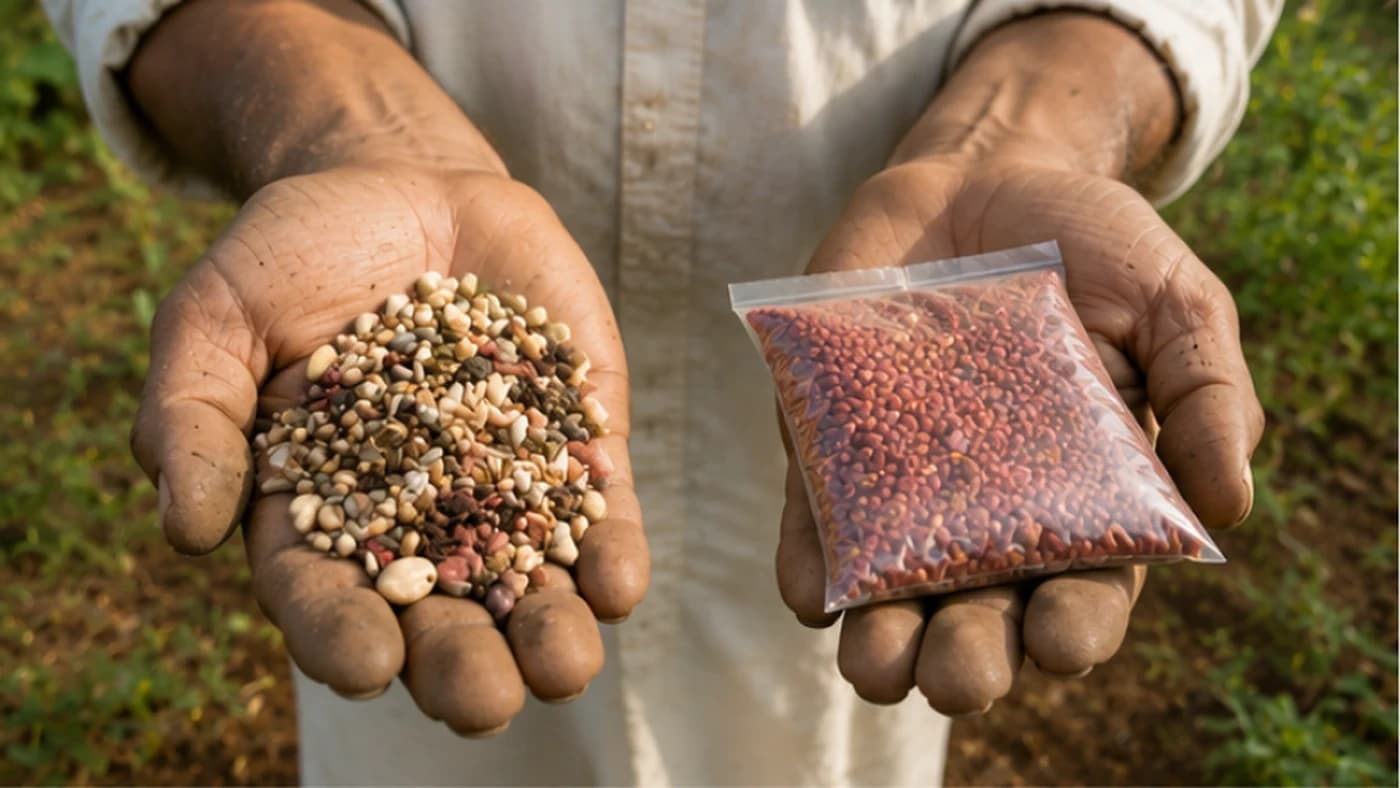
Patented hybrid and GM seed built the Green Revolution's yield gains — but it also changed what a farmer can legally do with their own harvest. Here's what Indian law actually protects, and how to keep seed-saving alive alongside modern seed.

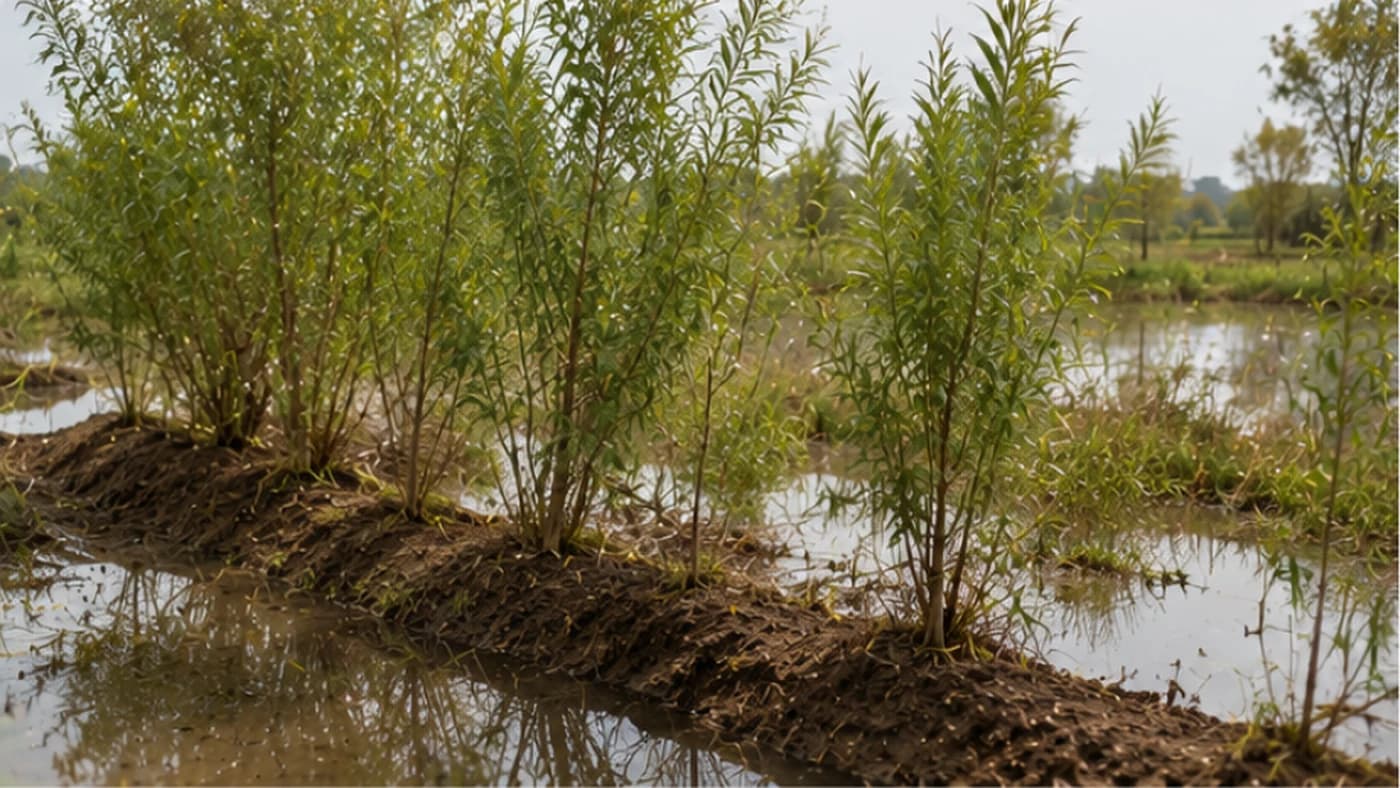
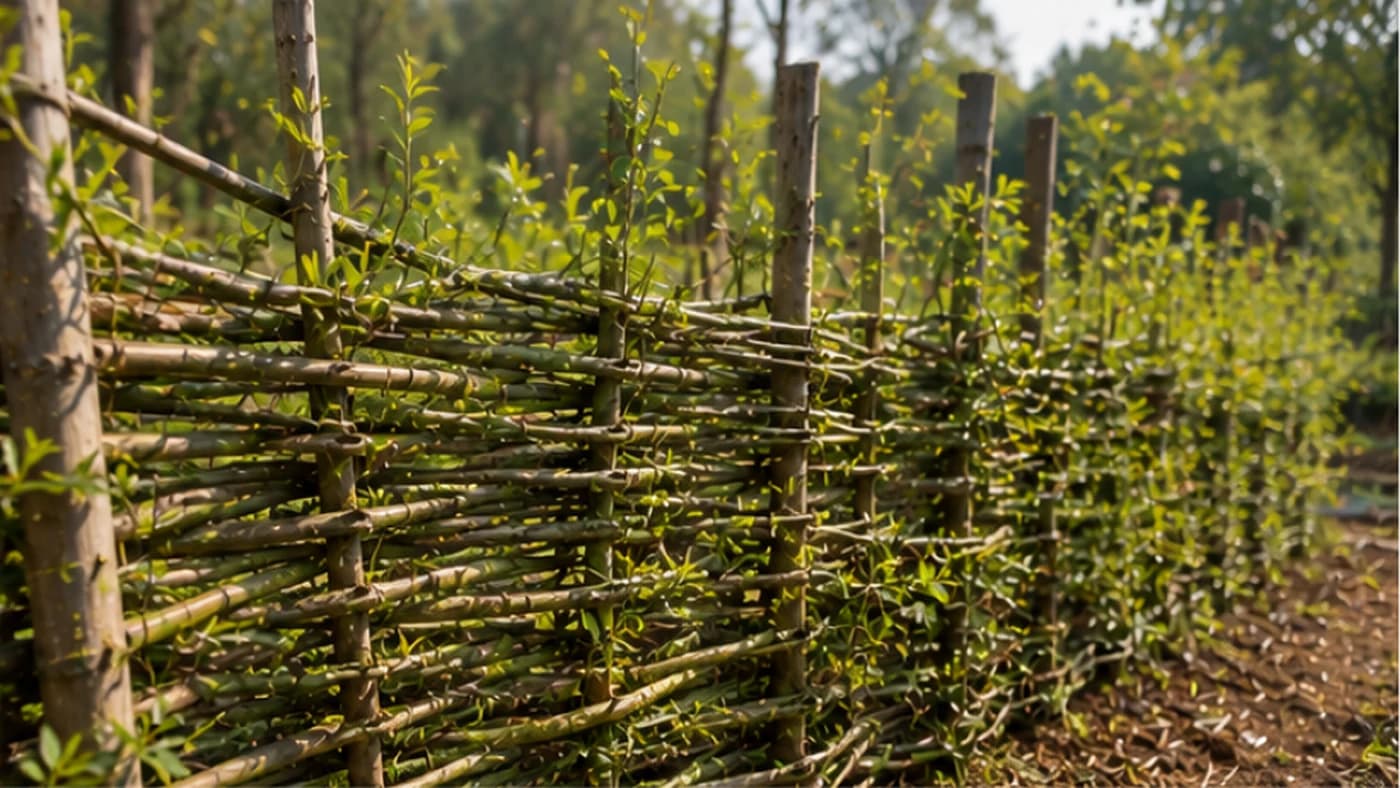
Plant a fence instead of buying one. Willow rods pushed into moist soil and woven into a diamond lattice root, thicken, and graft into a living windbreak that gets stronger with age instead of rotting away.

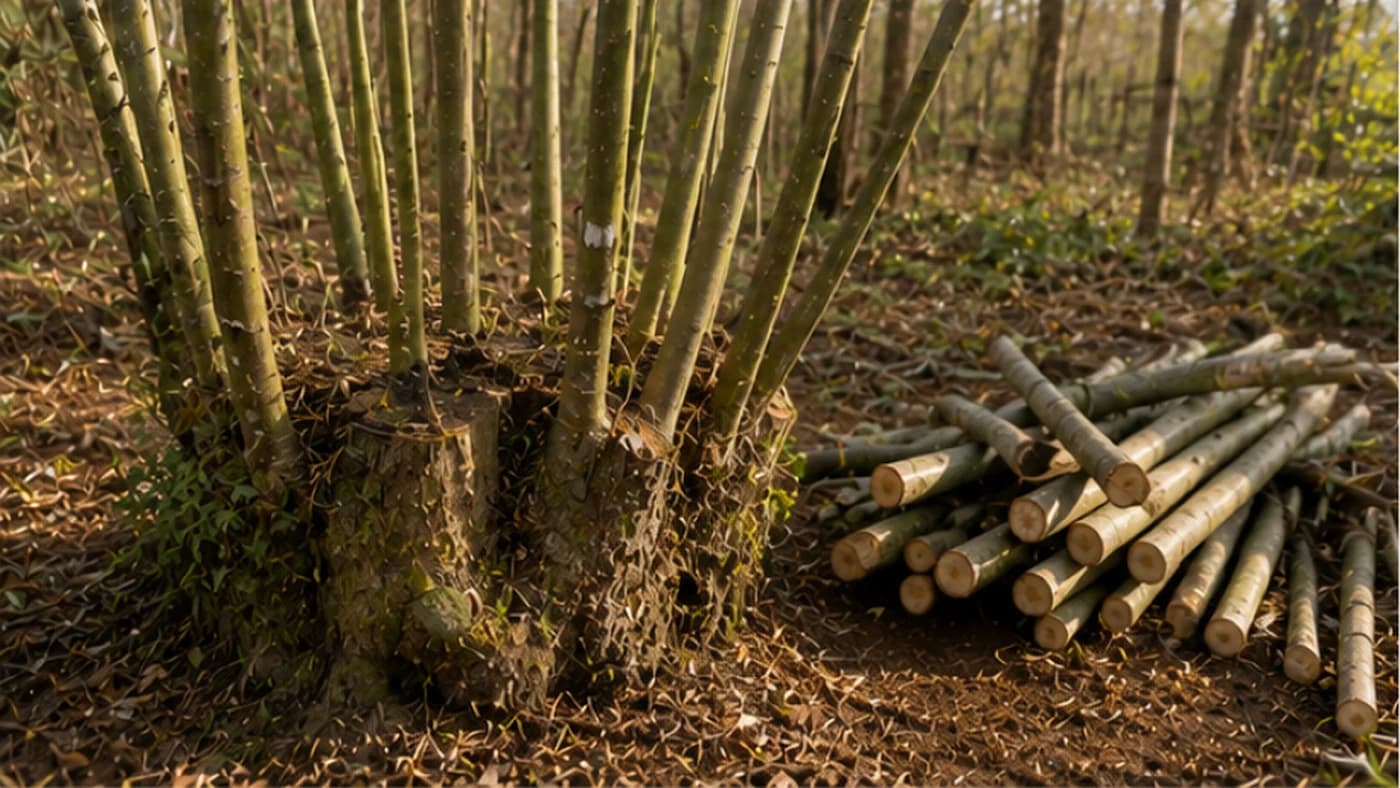
Instead of buying bamboo poles or timber every year, a well-managed coppice stool gives you free, strong building material for generations — without ever killing the tree.

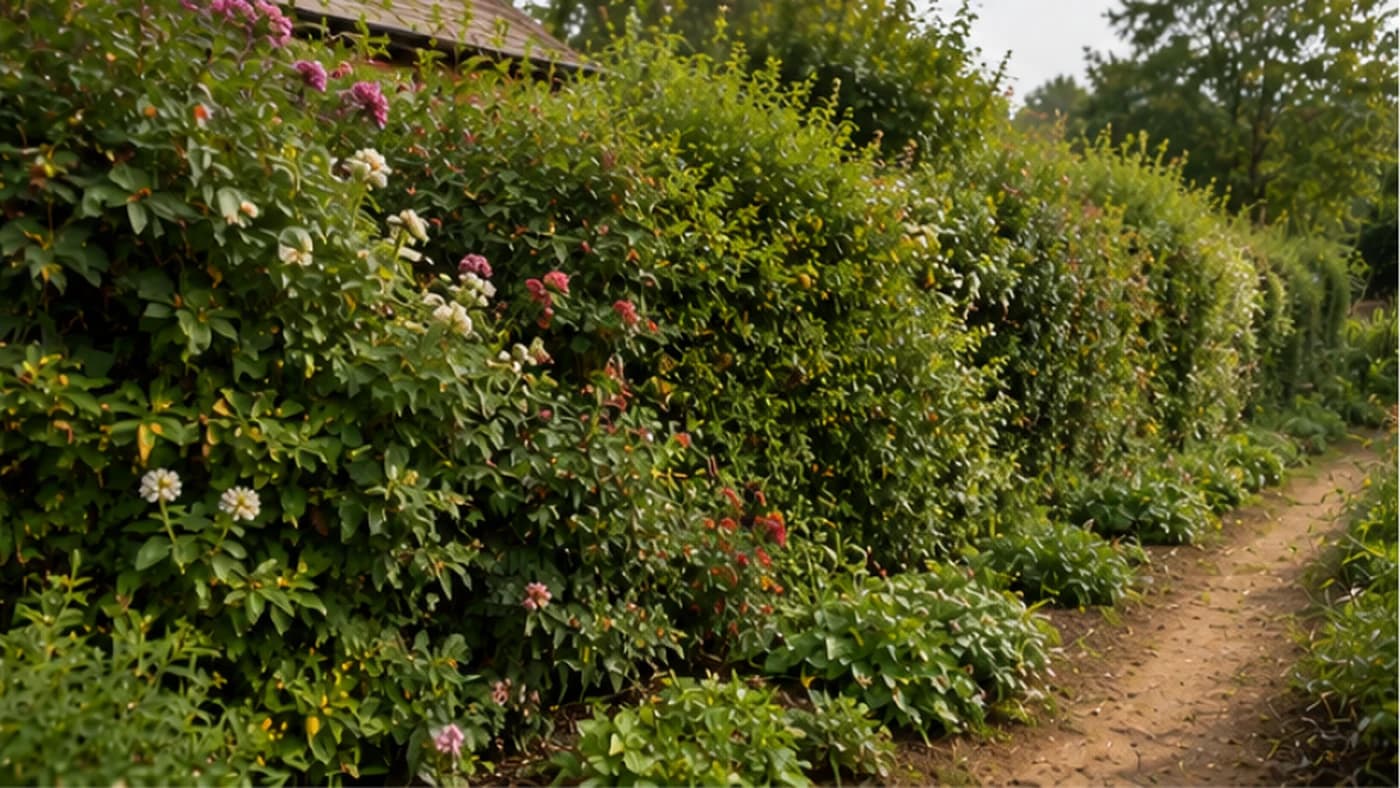
A living fence of thorny, fruiting shrubs gives you privacy, wind protection and a harvest — all from a boundary you'd otherwise spend money maintaining forever.

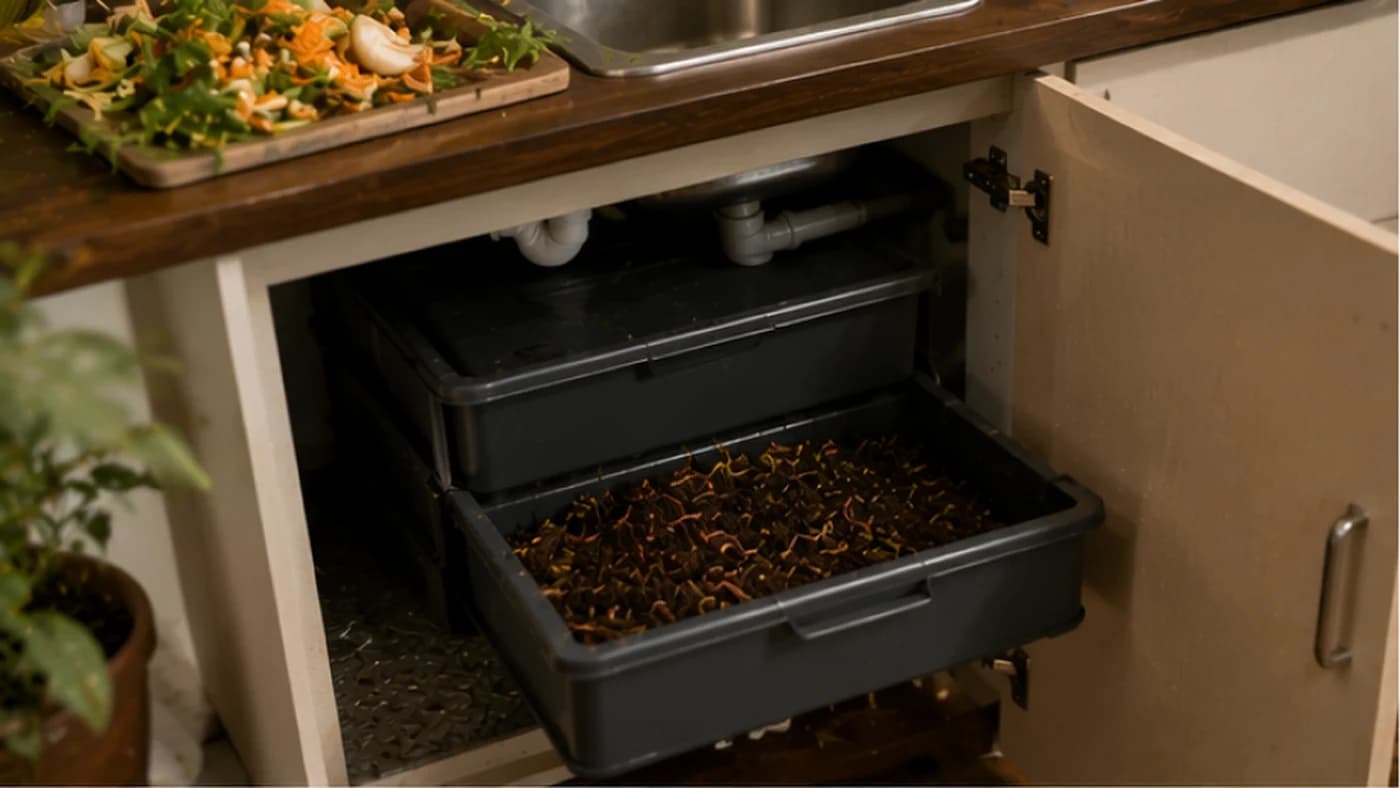
Instead of sending fats, food particles and nutrients straight to the drain, an under-sink worm filter turns your daily dishwater into a steady drip of liquid fertiliser for the garden.

Plastic pond liners crack, leach and land in the bin within a couple of decades. A pond sealed with bentonite clay — mined right here in Gujarat and Rajasthan — heals its own cracks and lasts for generations.

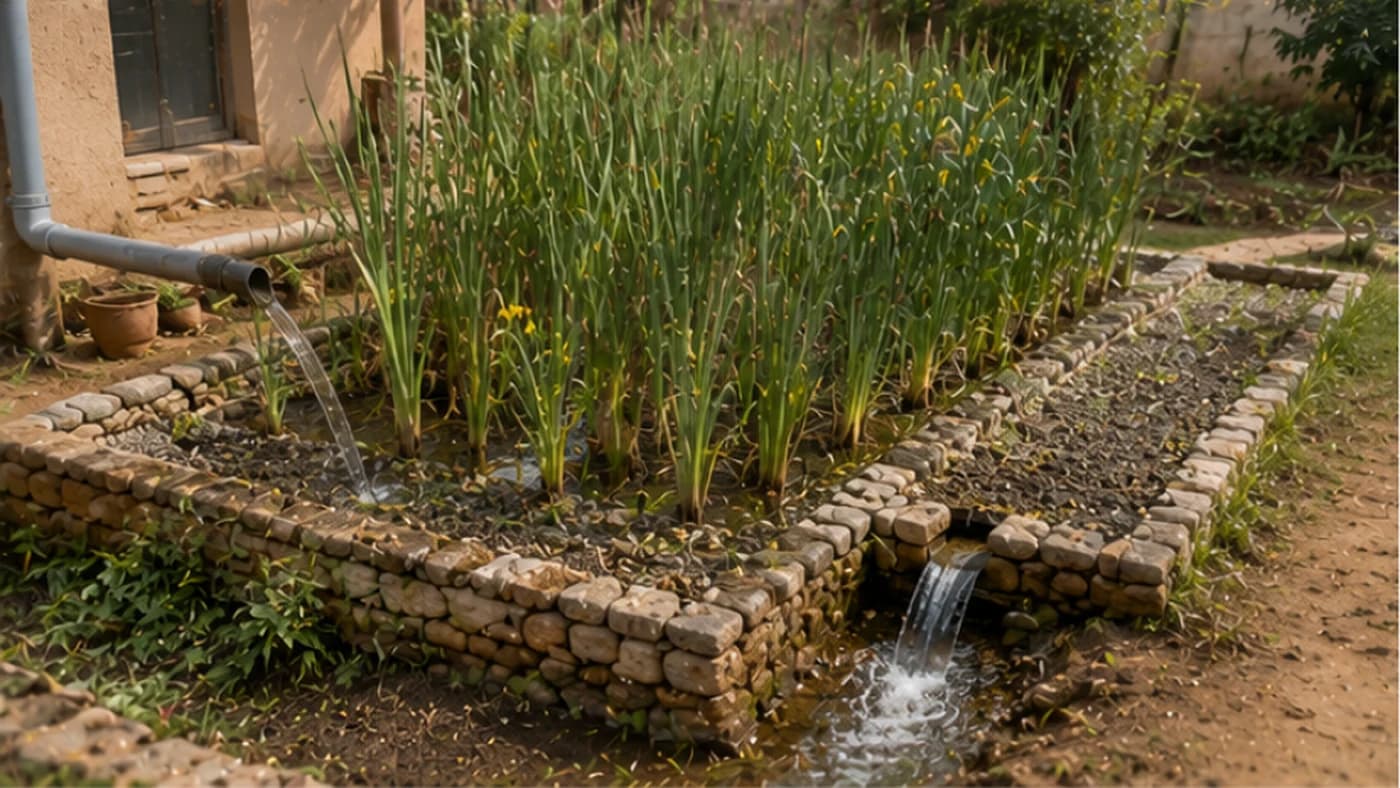
Instead of letting shower and sink water disappear into a drain, a simple mulch basin or reed bed can filter it naturally and keep your trees green through the dry months.

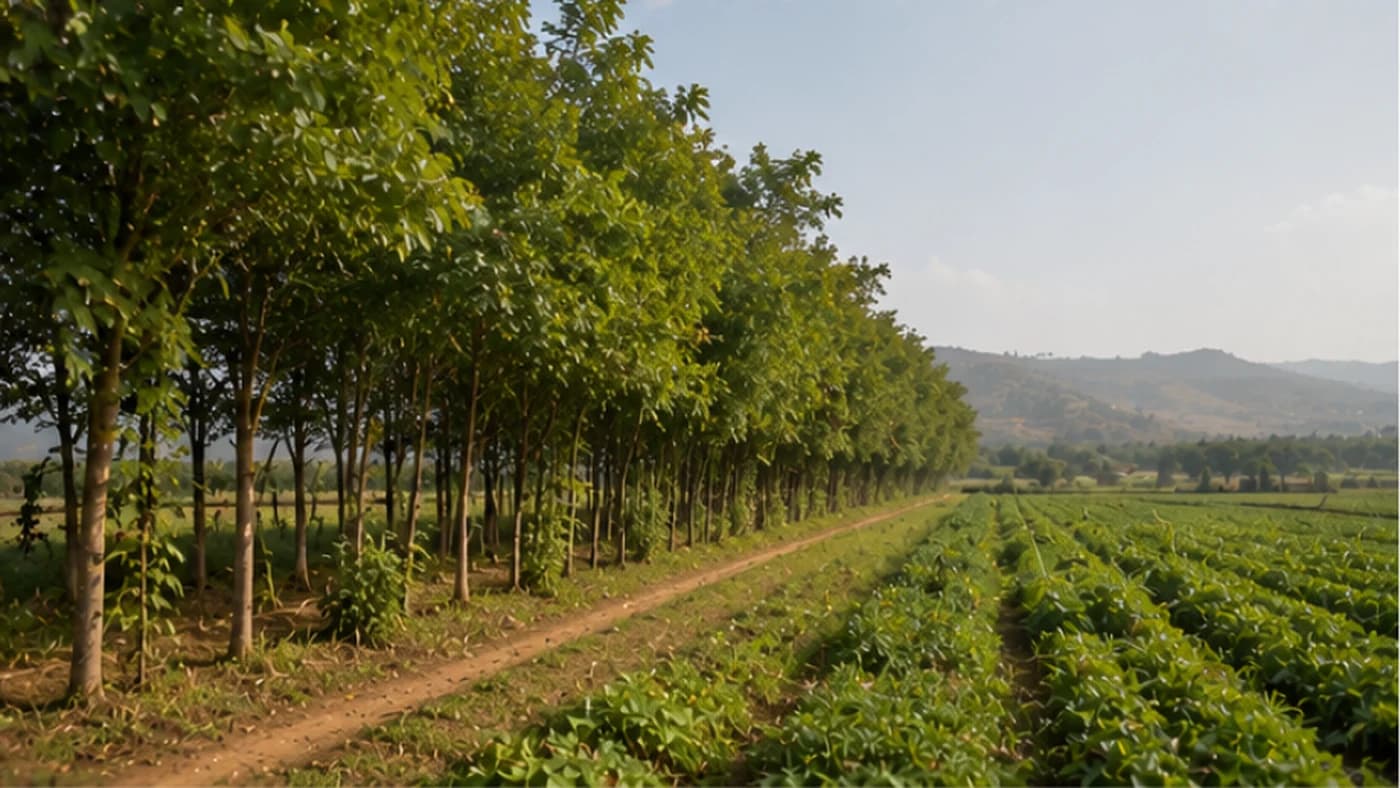
A strong, dry wind can strip a huge share of your soil's moisture in a single afternoon. A well-designed row of trees along your field boundary slows that wind and measurably lifts yield.

A single teaspoon of healthy soil holds more living organisms than there are people on Earth. Learn how that hidden workforce feeds your plants, fights disease, and can cut your fertiliser bill for good.

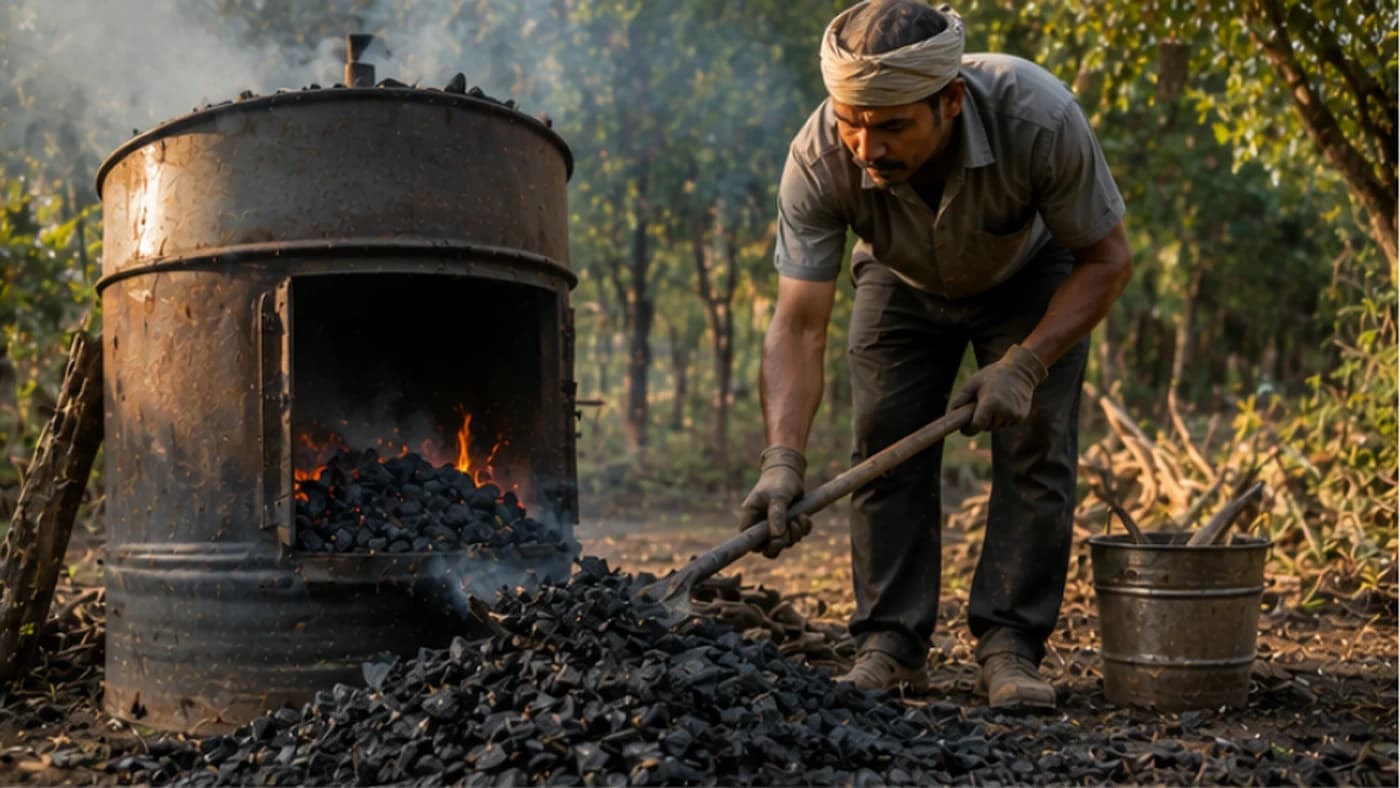
Burning crop waste releases its carbon into the air. Turning it into biochar locks that carbon into your soil instead — building fertility that can last for centuries, not seasons.

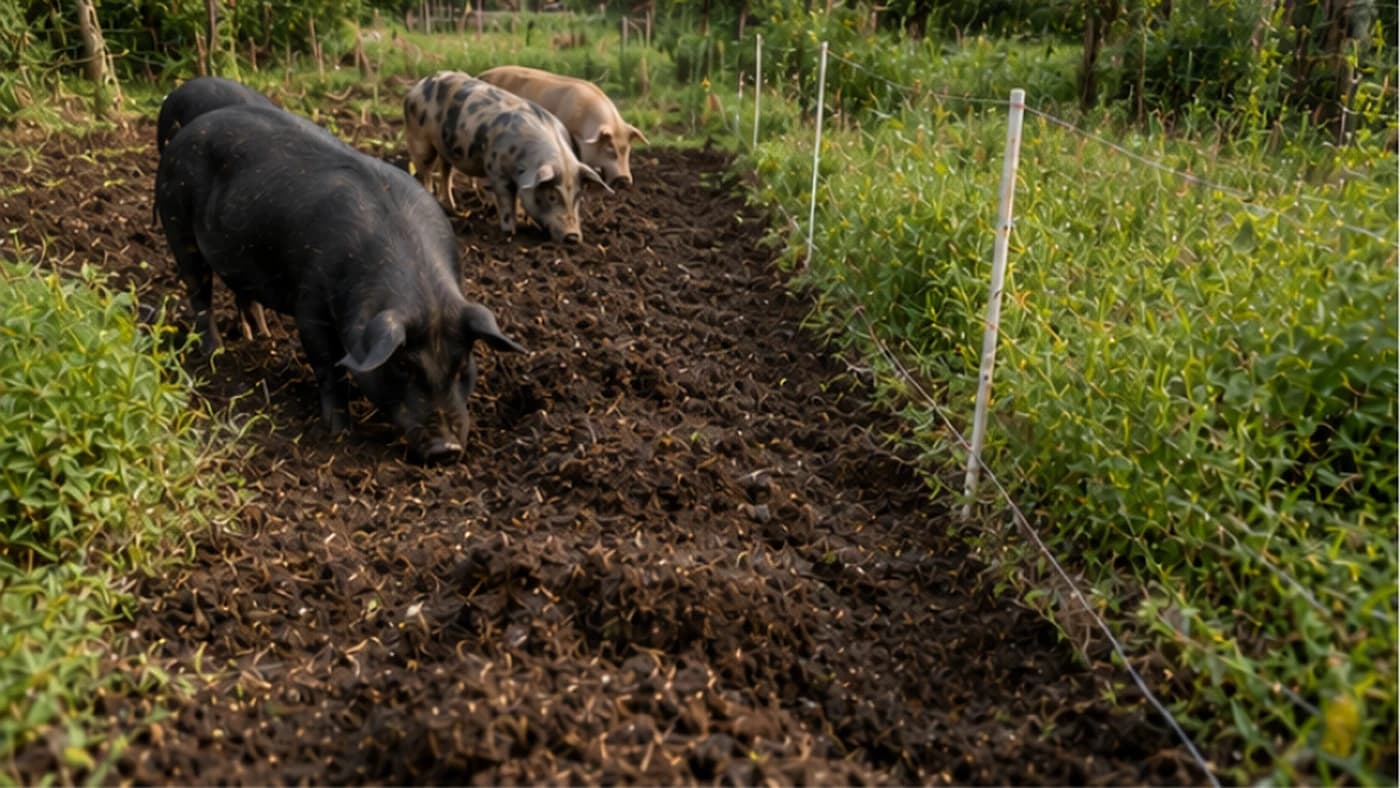
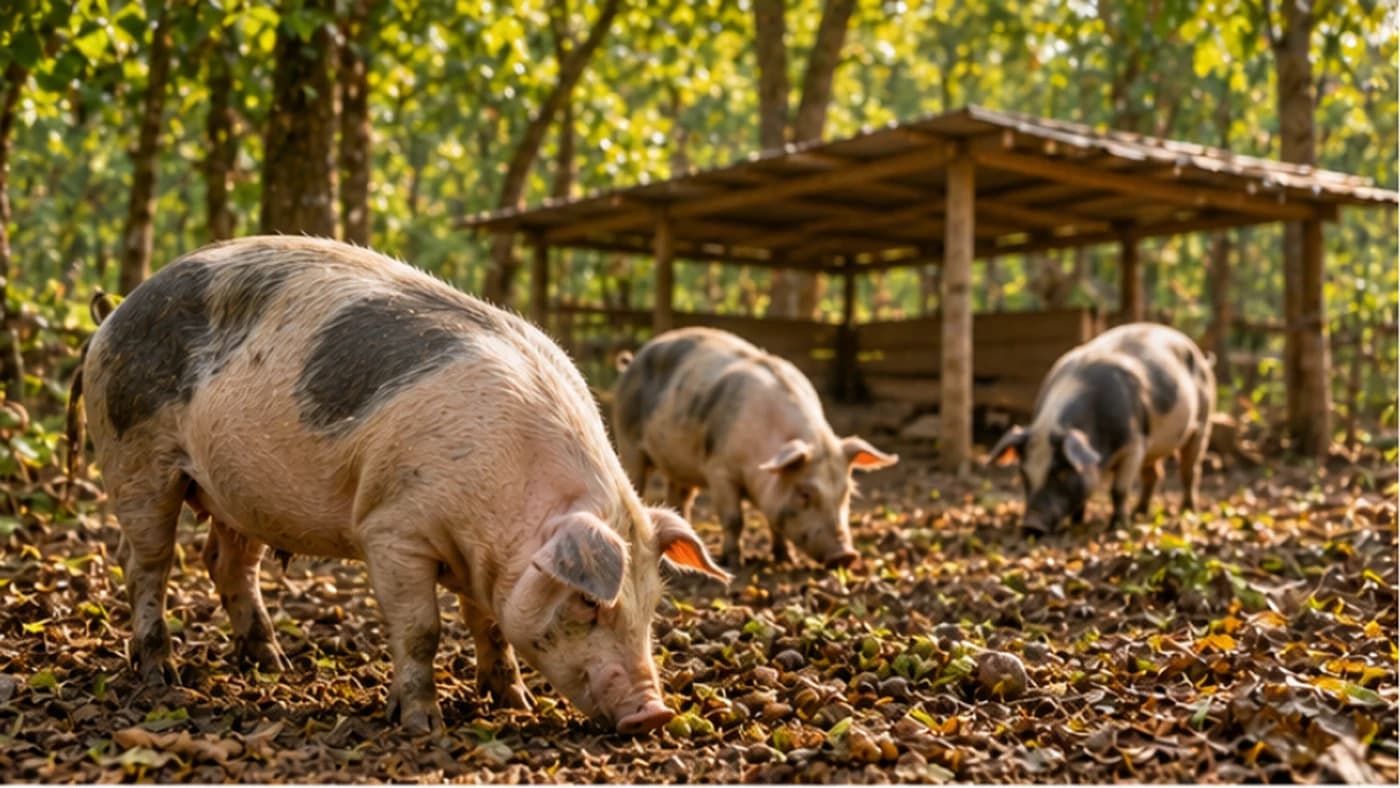
A pig's instinct to root and dig looks destructive — until you point it at the right patch of ground. Move the fence to your next vegetable plot and let your pigs clear weeds, break up hardpan, and fertilise for you.

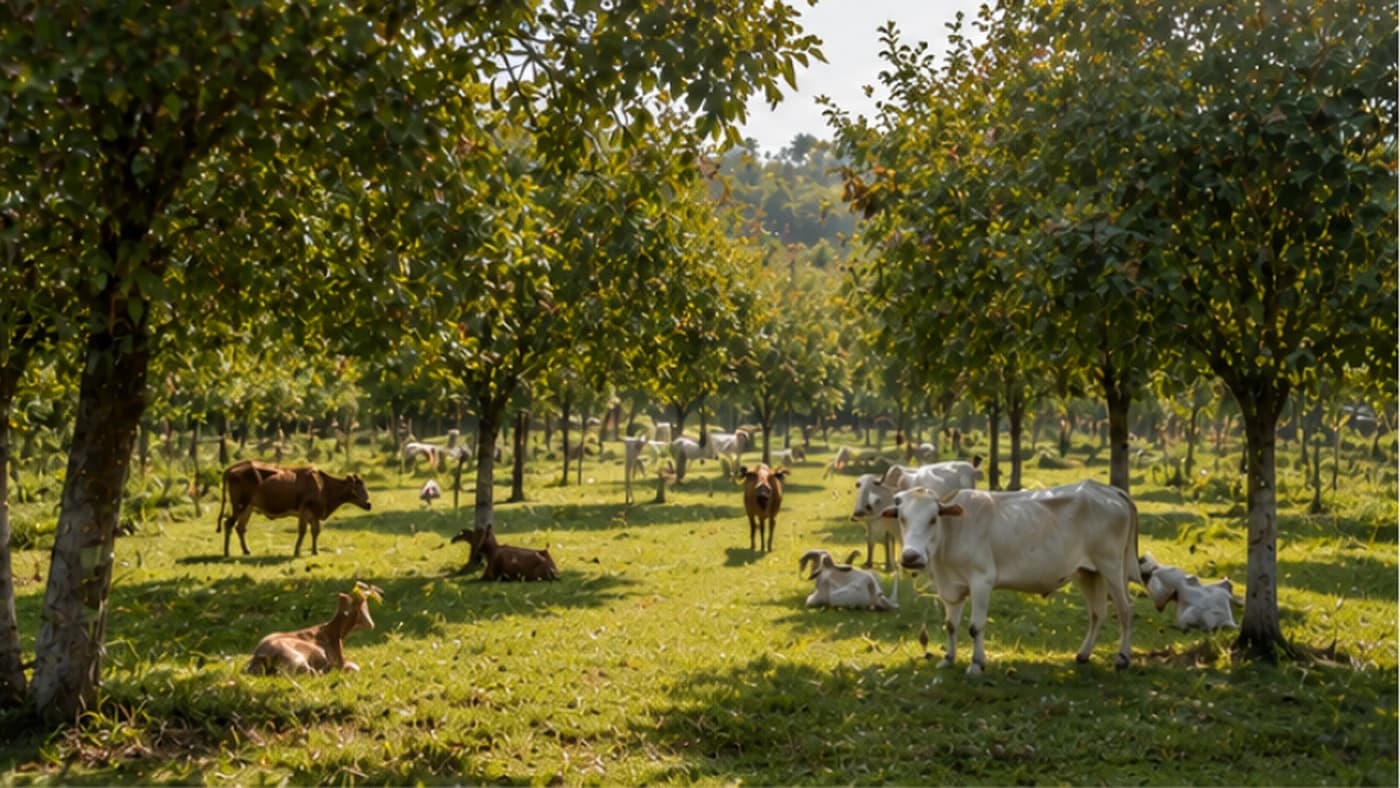
Why manage a pasture and an orchard as two separate jobs when they can shade, feed and protect each other in one system? Silvopasture combines trees, forage and animals on the same land for more income per acre, not less.

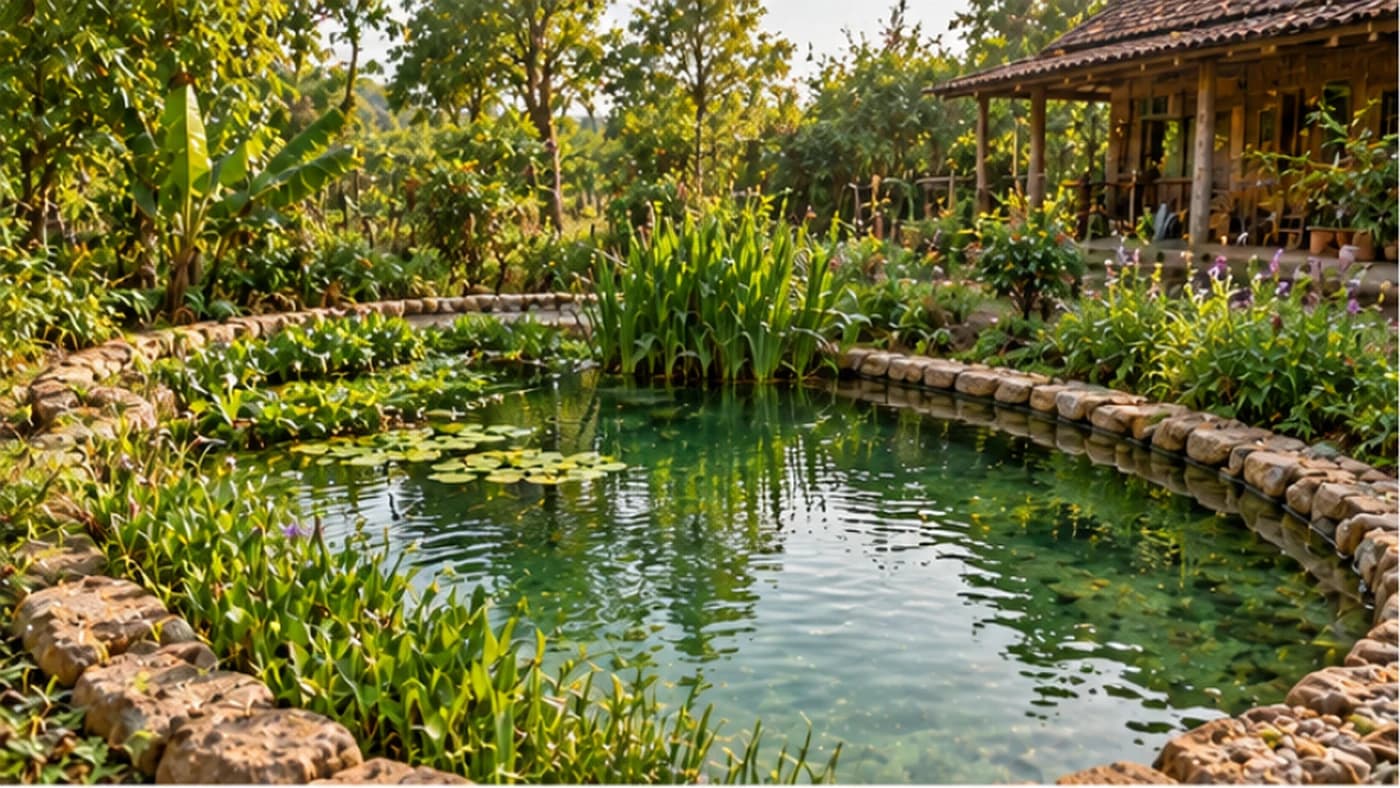
A chemical-dependent pool is a drain on your wallet. A natural swimming pond uses plants and beneficial bacteria to filter itself — and doubles as a serious emergency water reserve for your farm.

The single biggest cost in raising pigs is the feed bill. Timing your pigs' final growth to your land's natural mast and fruit season can finish them on almost no bought feed at all — and produce noticeably better pork.

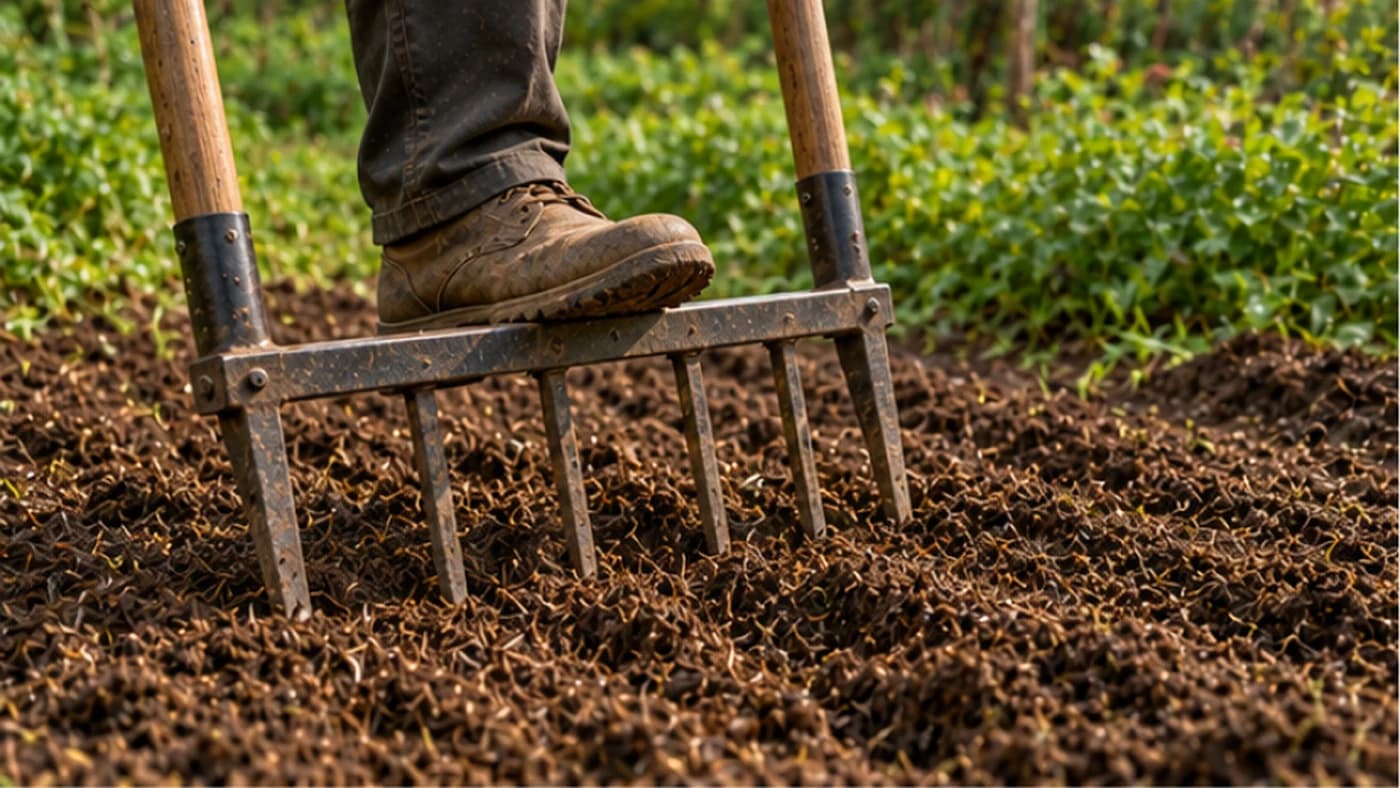
A power tiller looks fast and clean, but it can quietly wreck the soil life underneath. A broadfork — a simple, no-fuel hand tool — often does a better job for a kitchen garden or a small organic plot.

Human urine is roughly 95% water and 5% urea, nitrogen, phosphorus and potassium — a fast-acting, completely free liquid fertiliser most people pour down the drain every day. Diluted and used correctly, it can match synthetic NPK feed at zero cost.

Plastic sheeting and bare, hoed soil both fight weeds by starving the ground of life. A living mulch — a low groundcover planted on purpose — suppresses weeds while feeding the soil, cooling it, and bringing in pollinators.

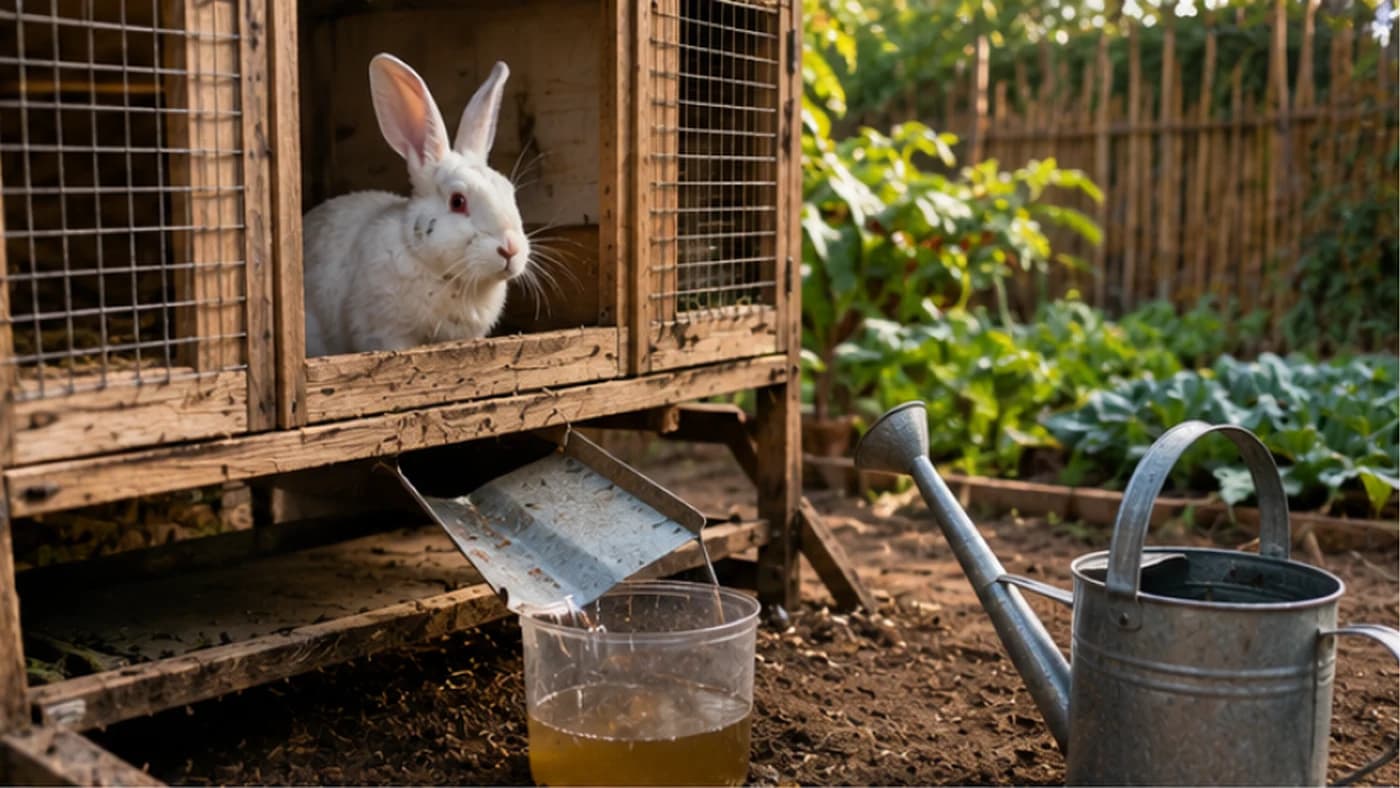
Rabbit keepers usually save the manure and let the urine drain away — but the urine carries the fast-acting, water-soluble nitrogen your vegetables need most during their peak growth. Diluted correctly, it works like a free liquid feed.

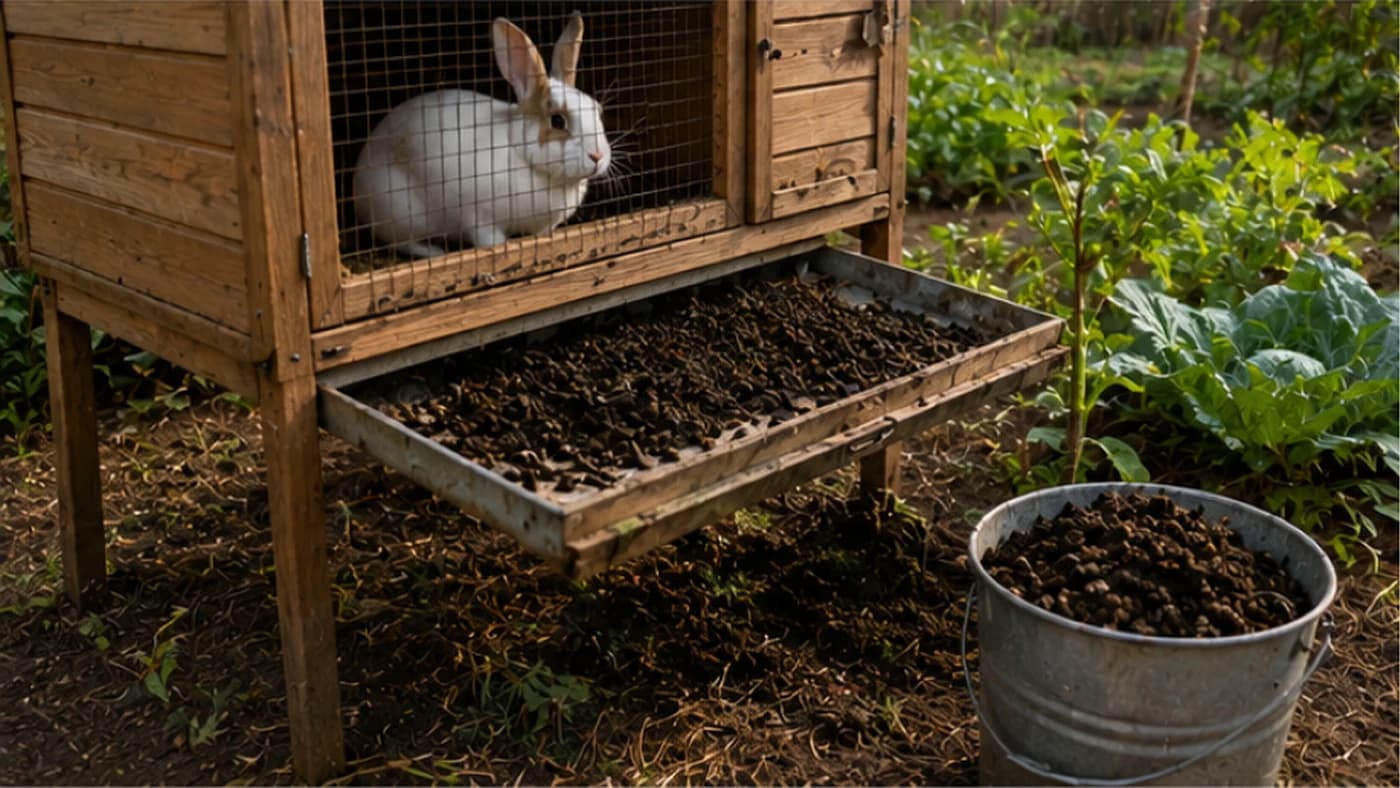
Rabbit droppings are already one of the few manures safe to use fresh. Add a worm bed underneath the hutch, and you turn a daily cleaning chore into a steady supply of premium vermicompost — with far less smell and far fewer flies.

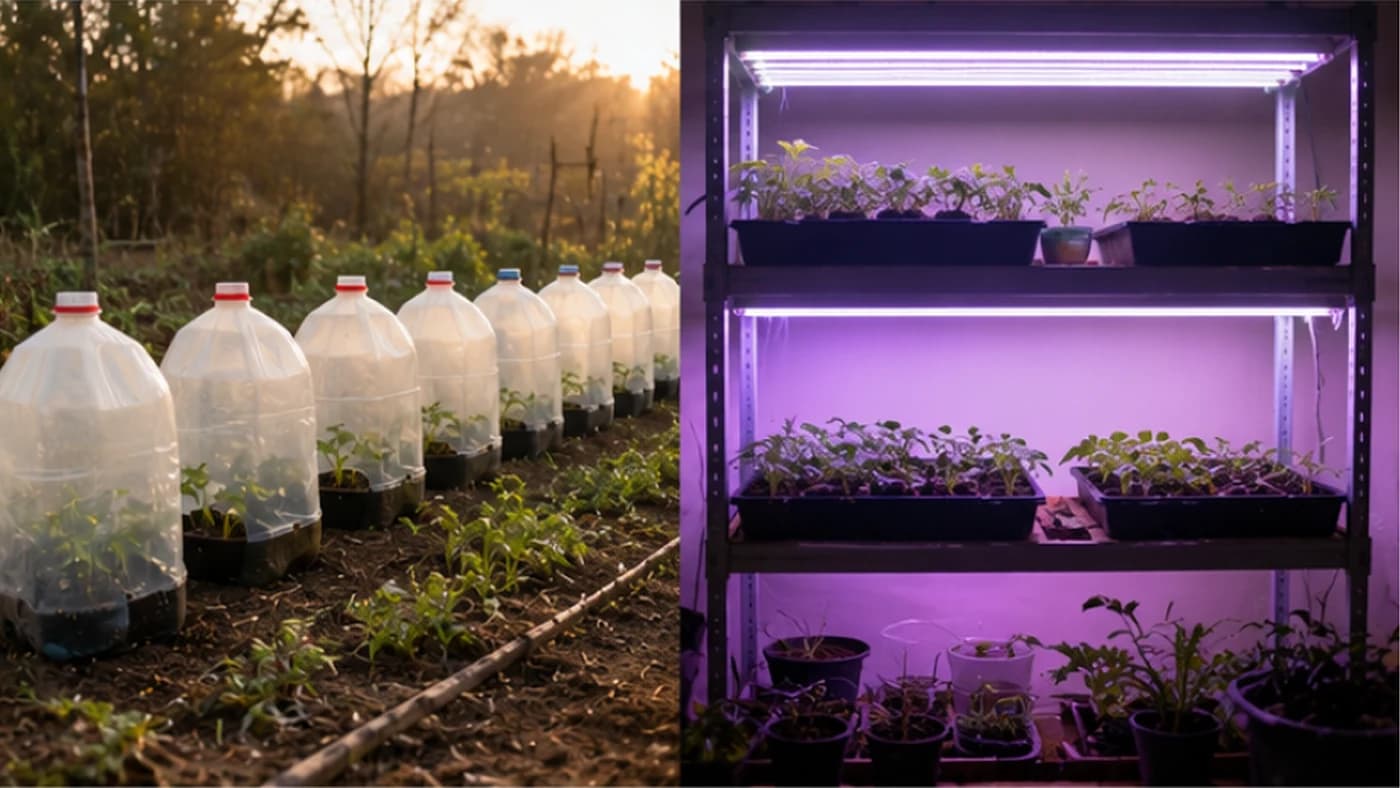
Indoor grow lights run for 14-16 hours a day and add up on the electricity bill — and the seedlings they raise are often leggy and need careful hardening-off. Winter sowing in recycled containers outdoors costs almost nothing and produces tougher plants.

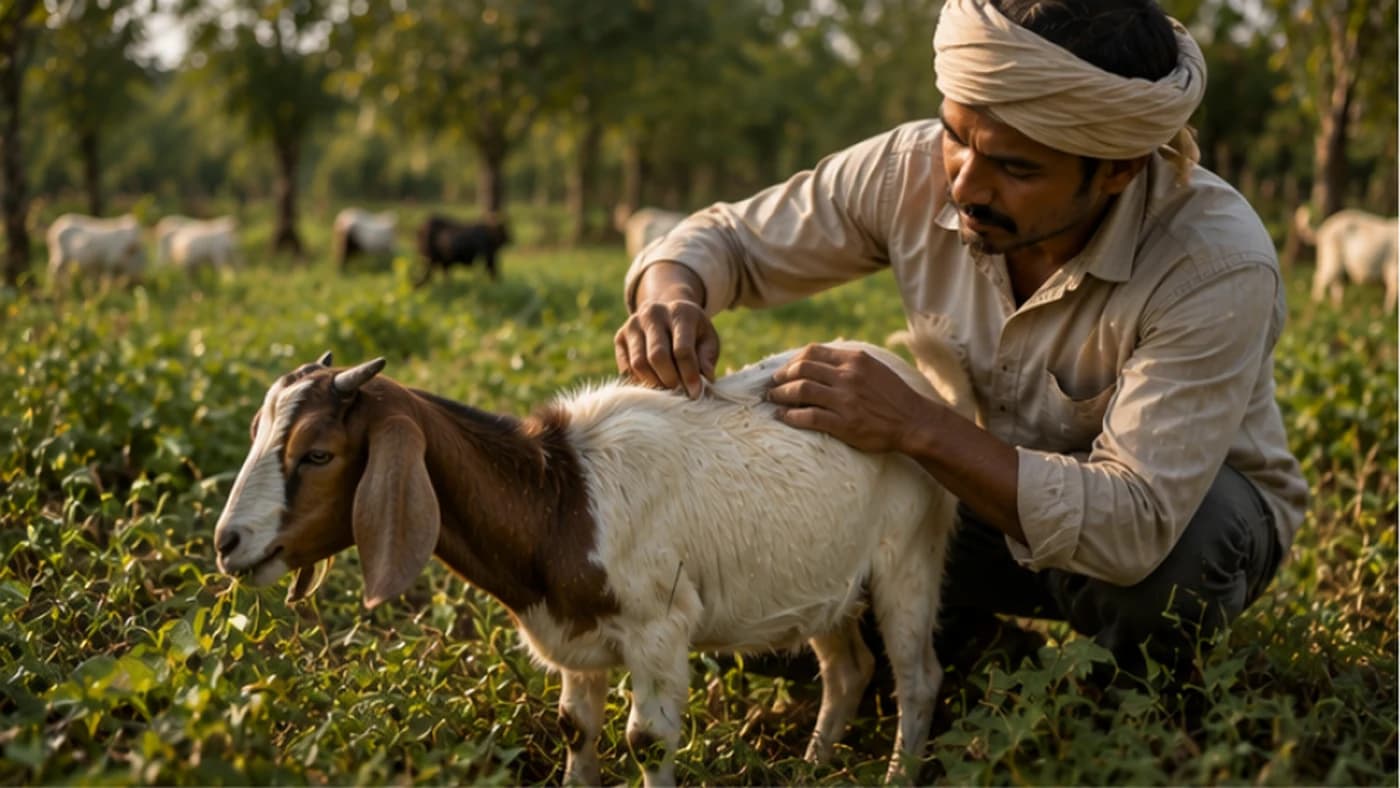
Common dewormers are now failing in the gut of the very worms they're meant to kill — on many farms efficacy has dropped to 21-34% for some species. Rotational grazing and tannin-rich fodder can do what the bottle no longer can.

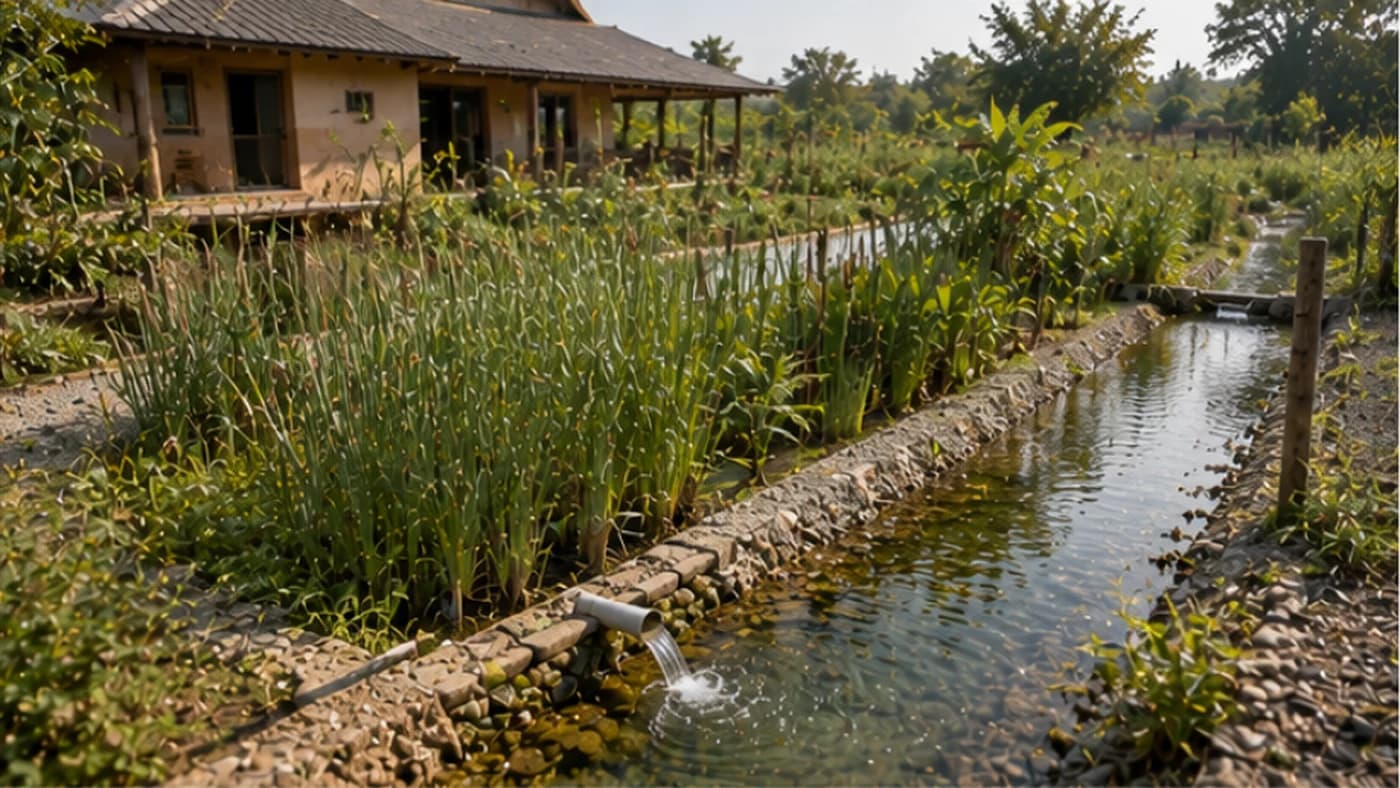
A constructed reed bed cleans sink, shower and laundry water using nothing but gravel, plant roots and bacteria — and gets more effective every year instead of needing a new filter cartridge.

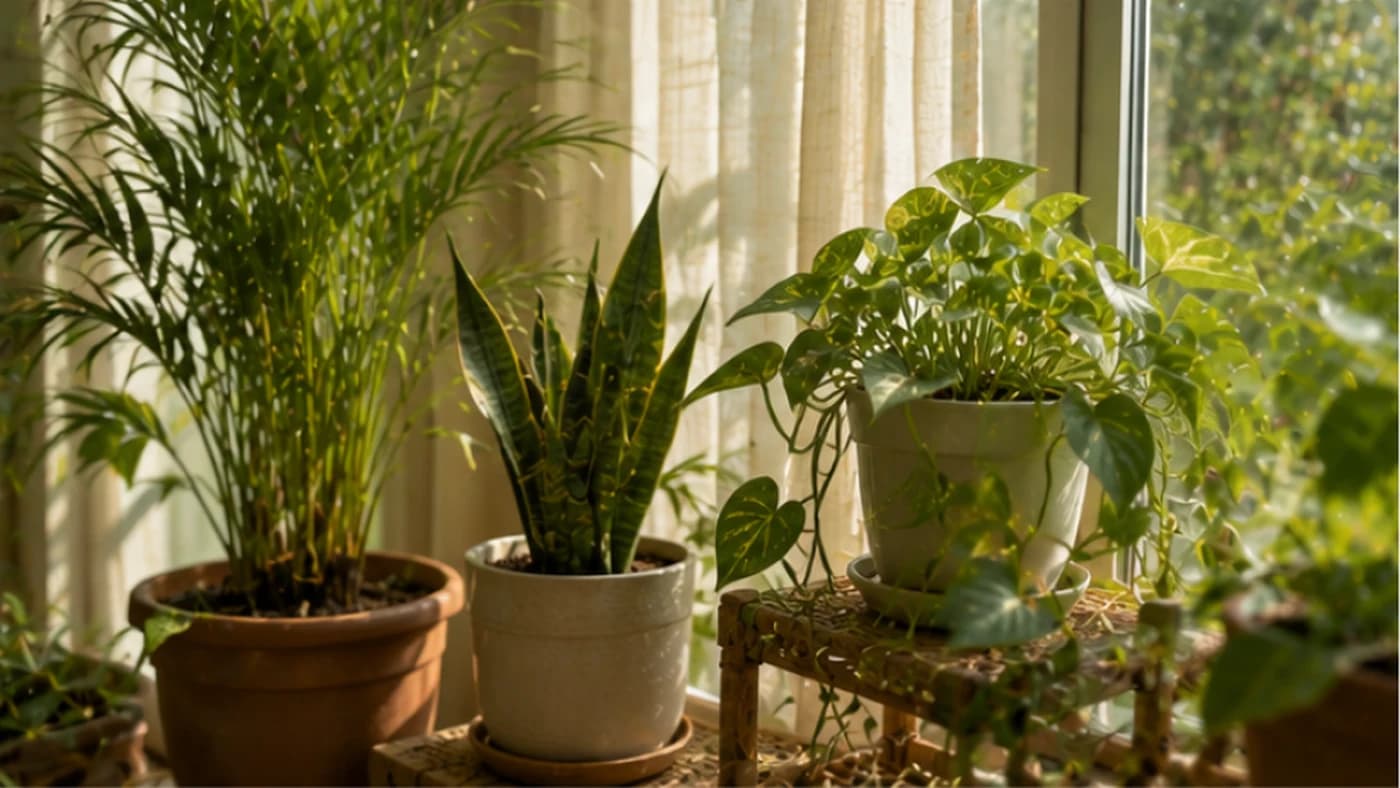
Sealed apartments trap formaldehyde from furniture and plywood, benzene from cleaners, and the CO2 we exhale. A handful of easy houseplants can quietly scrub the air for free — no electricity, no filter to replace.

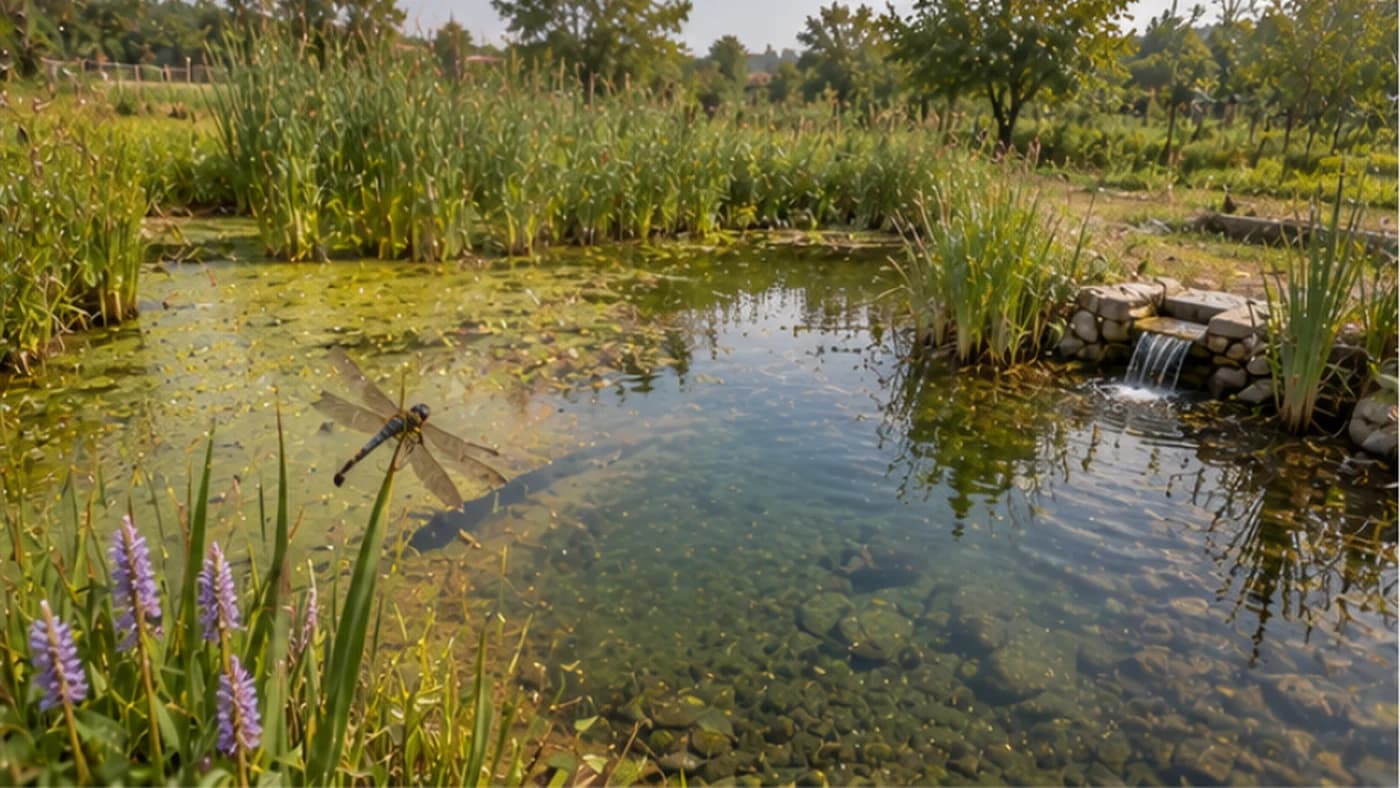
Almost every farm has one: a low, waterlogged patch where nothing seems to grow well. Instead of fighting it, a wetland corner can filter your water, feed your food forest, and pull in the pollinators and pest-eaters your farm relies on.

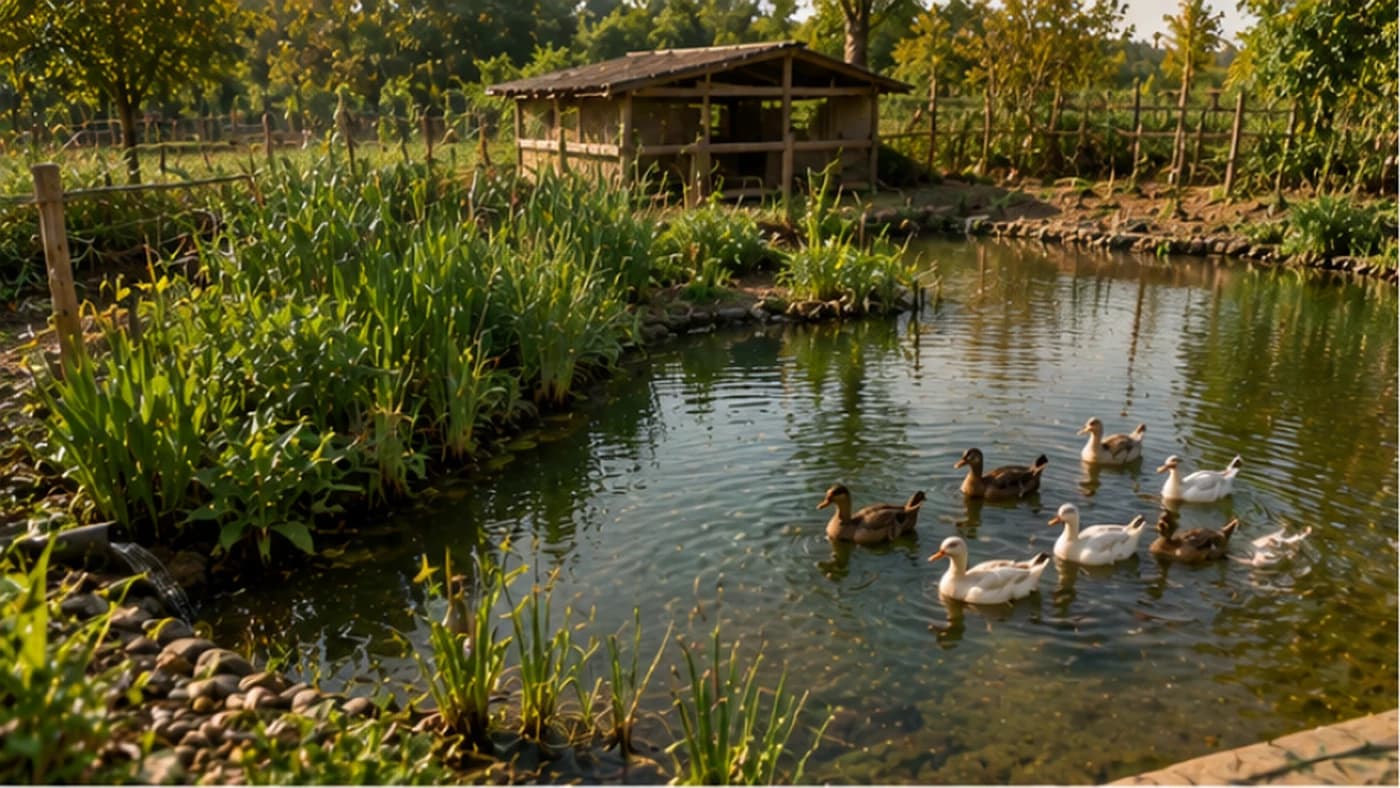
Ducks are messy by nature, but scrubbing a slimy tub every morning shouldn't be the price of keeping them. A gravel-and-plant biofilter turns duck waste into fertiliser and keeps the water clear on its own.

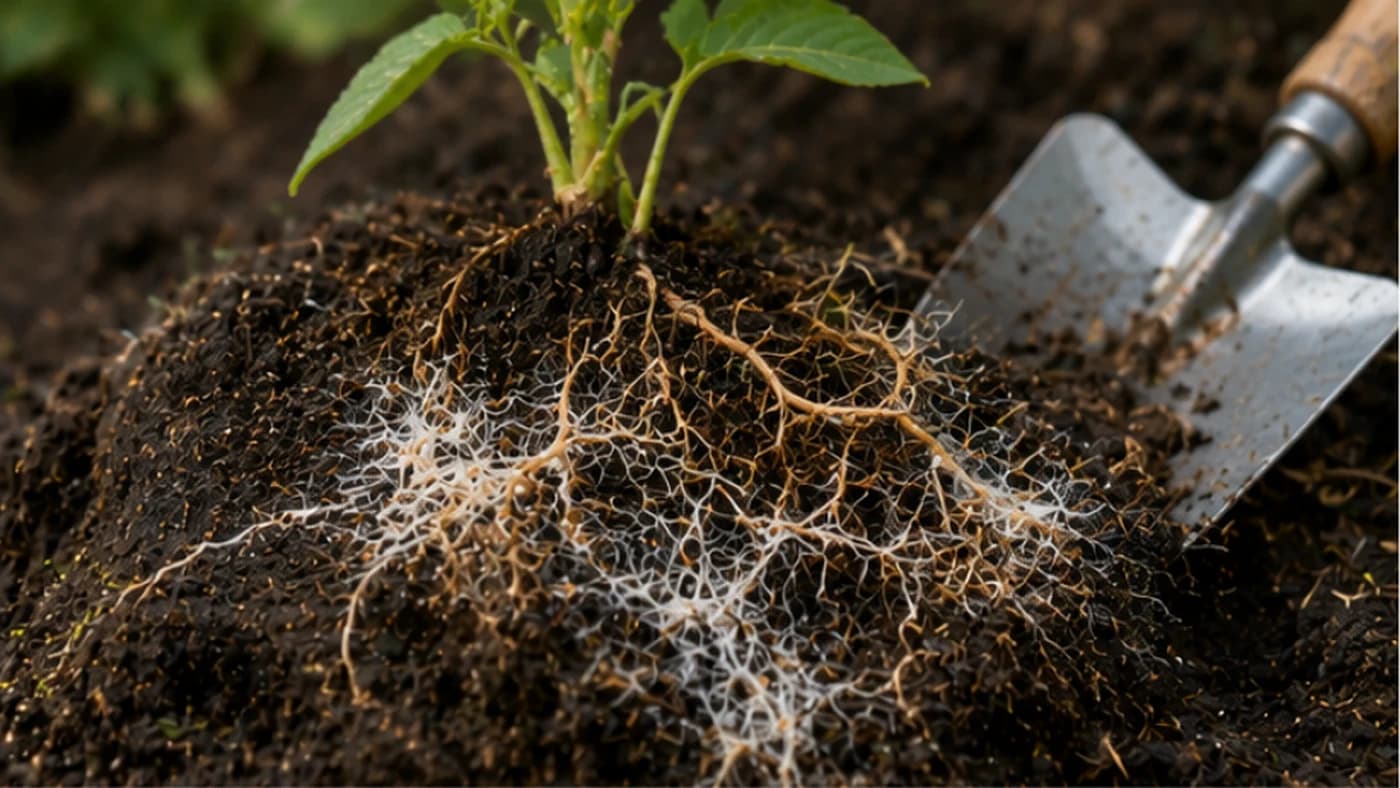
Soil isn't meant to be a solid block — it's meant to be a living sponge. Reintroducing the underground fungal network that most plants depend on can turn heat-baked, compacted land into something that holds water and stops your crop from wilting.

Store-bought soil is often biologically dead and needs constant chemical feeding. Indigenous Microorganisms — the same idea behind Korean Natural Farming and India's own Zero Budget Natural Farming — let you capture your local forest's microbes and turn any field or garden bed into a self-sustaining biological engine.

Running sheep and cattle on the same pasture isn't a compromise — it's a biological upgrade. Cattle mop up the parasite larvae that sheep can't shake, sheep clean up the weeds cattle won't touch, and together they can lift how much your land actually produces.

Broadcasting fertiliser feeds every weed seed in the field along with your crop. Precision liquid feeding — through the roots or the leaf — delivers nutrition exactly where the plant can use it, cutting weeding, waste and runoff while giving faster results than granules.

Industrial food takes roughly 10 units of fossil-fuel energy to produce a single unit of food energy — a debt tied directly to oil and gas prices. Here's how to grow food that runs on sunlight, compost and manual tools instead, and why it's really just natural farming with a sharper name.

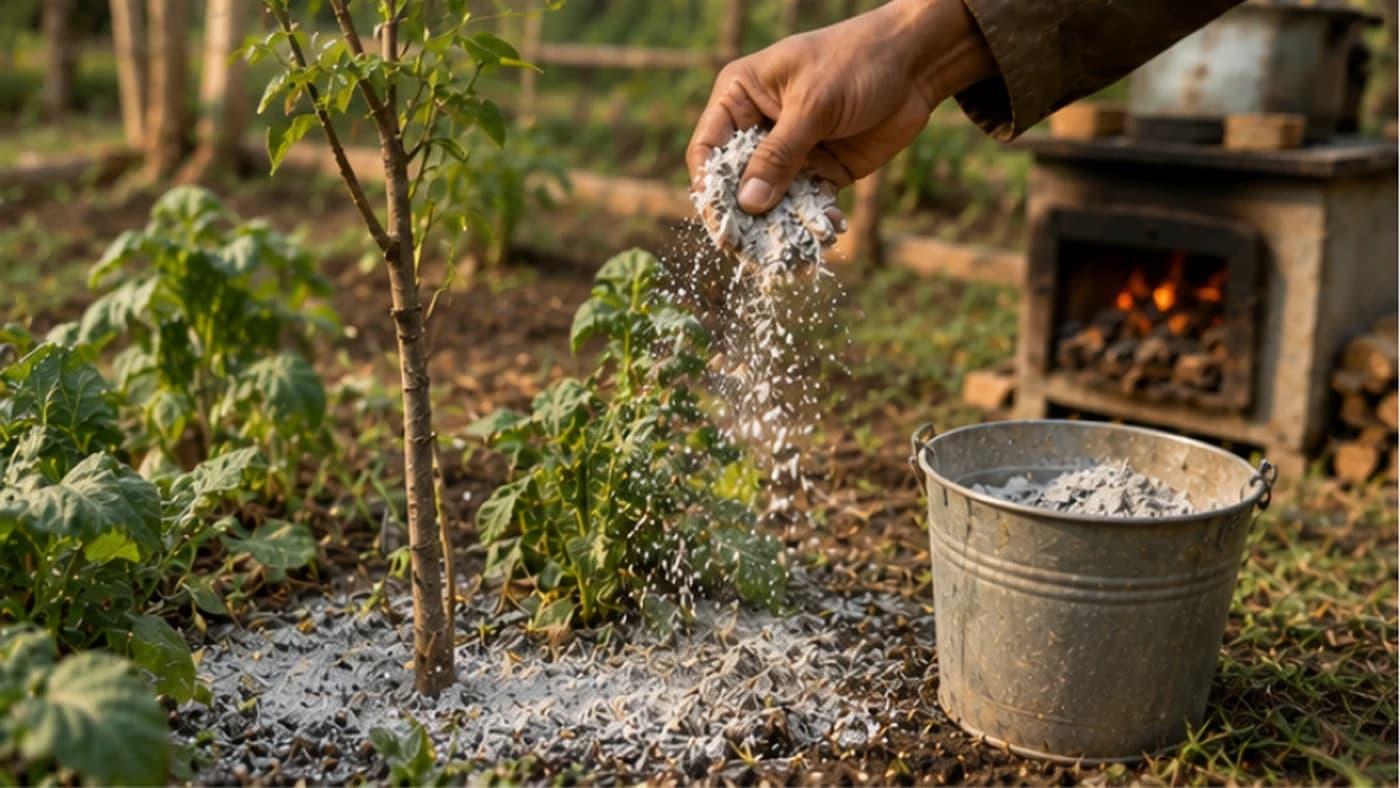
Every farm and home with a wood-fired chulha or stove produces a mineral-rich waste product for free. Wood ash raises soil pH like garden lime, feeds potassium-hungry crops, deters slugs and mites, and even makes traditional soap — if you know its limits.

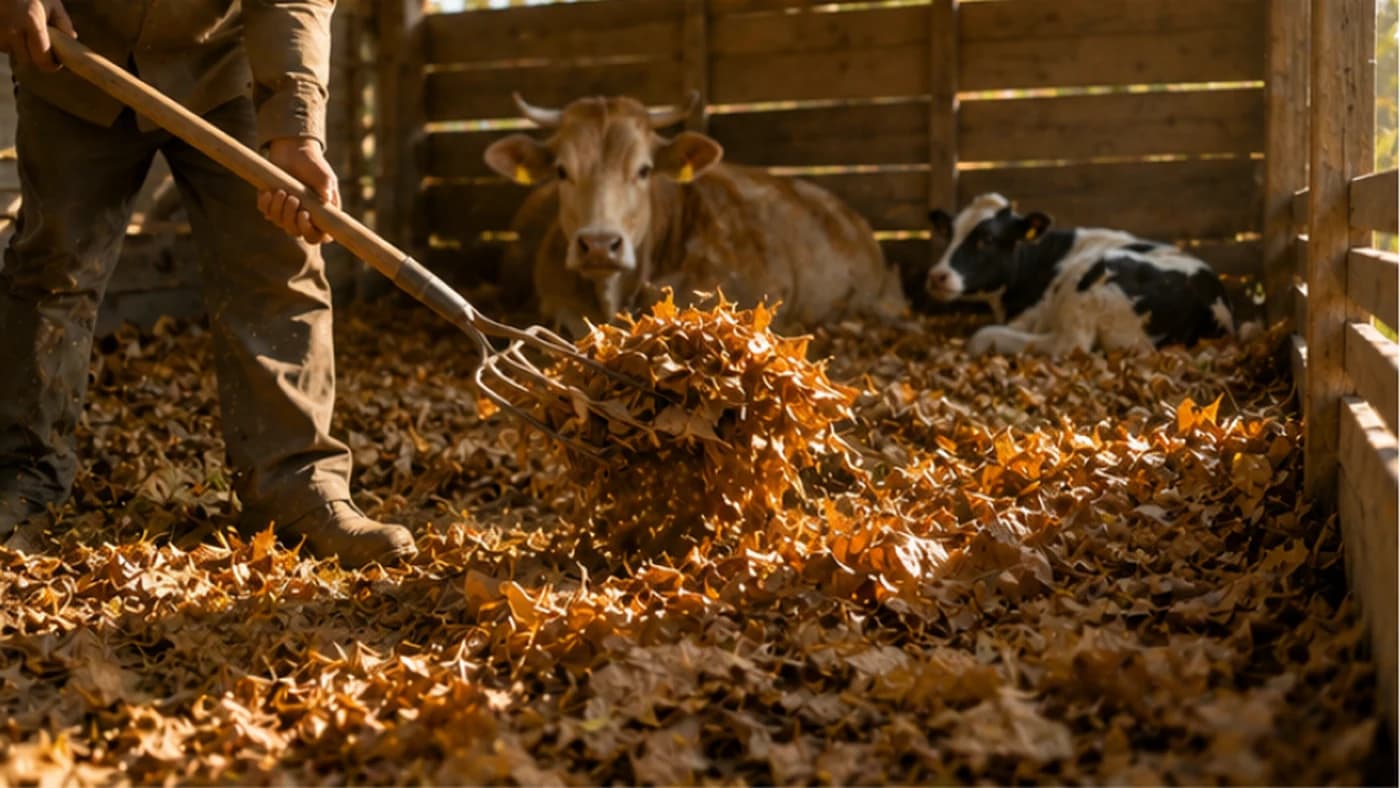
Every dry season, trees drop a free, carbon-rich bedding material while many farmers keep buying shavings, straw or sawdust. Here's how to harvest, store and use dry leaves safely in a coop, pigsty or goat shed.

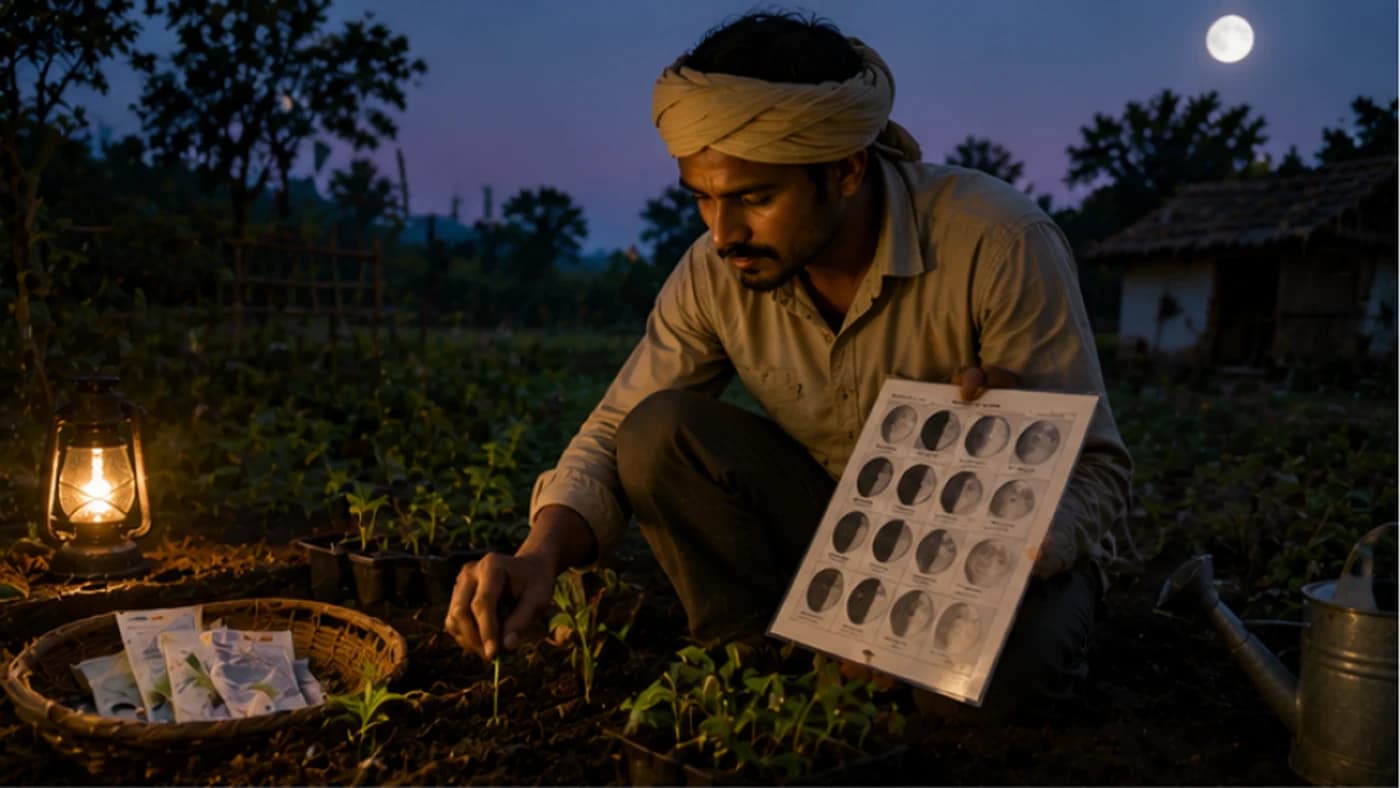
Long before soil-test kits, farmers across the world timed sowing to the moon. We explain the four lunar quarters, what farmers claim it does, and what the actual evidence says — so you can try it without confusing tradition for proven science.

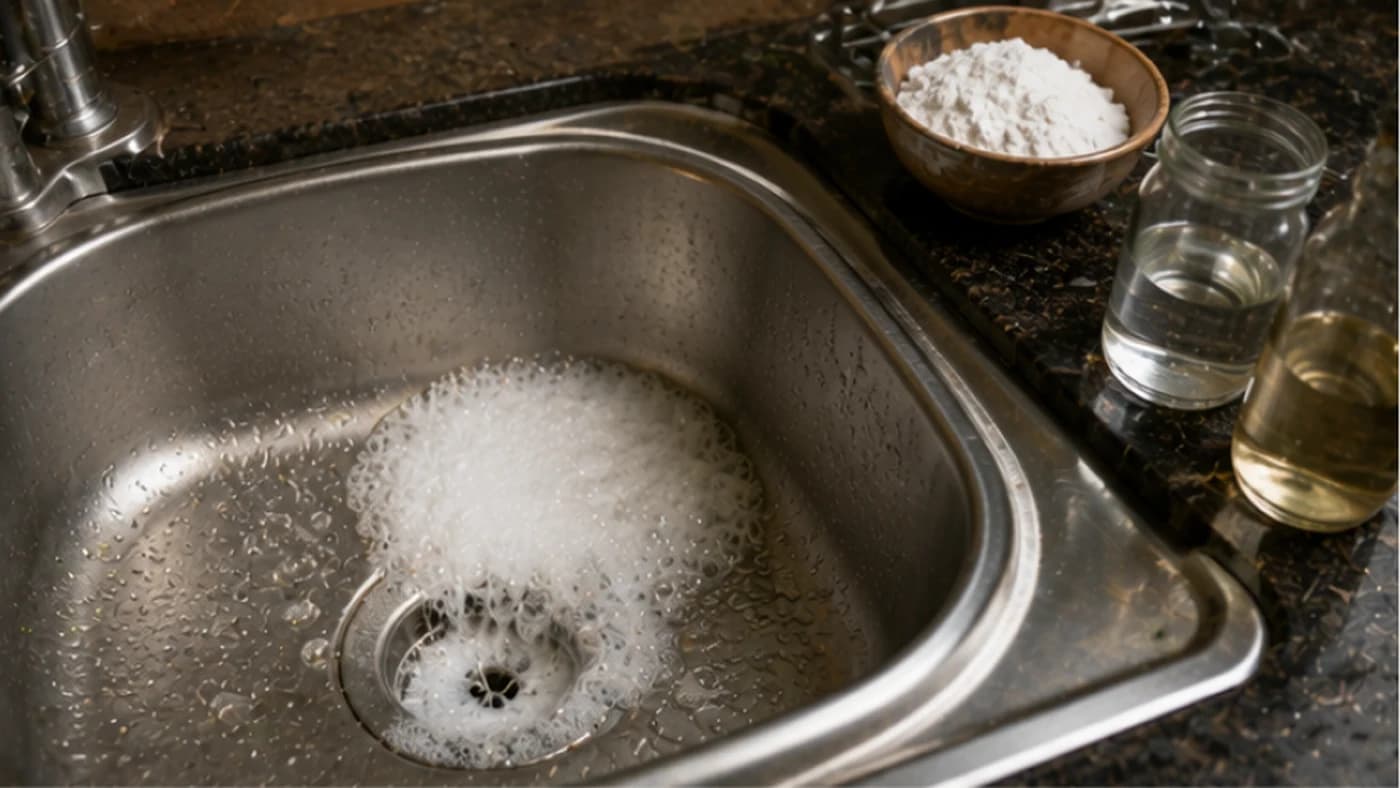
Skip the harsh acid-based drain cleaner. A simple ferment of citrus peels, jaggery and water — popularised in Thailand and now used across Indian homes — breaks down grease safely, freshens septic tanks, and costs almost nothing.

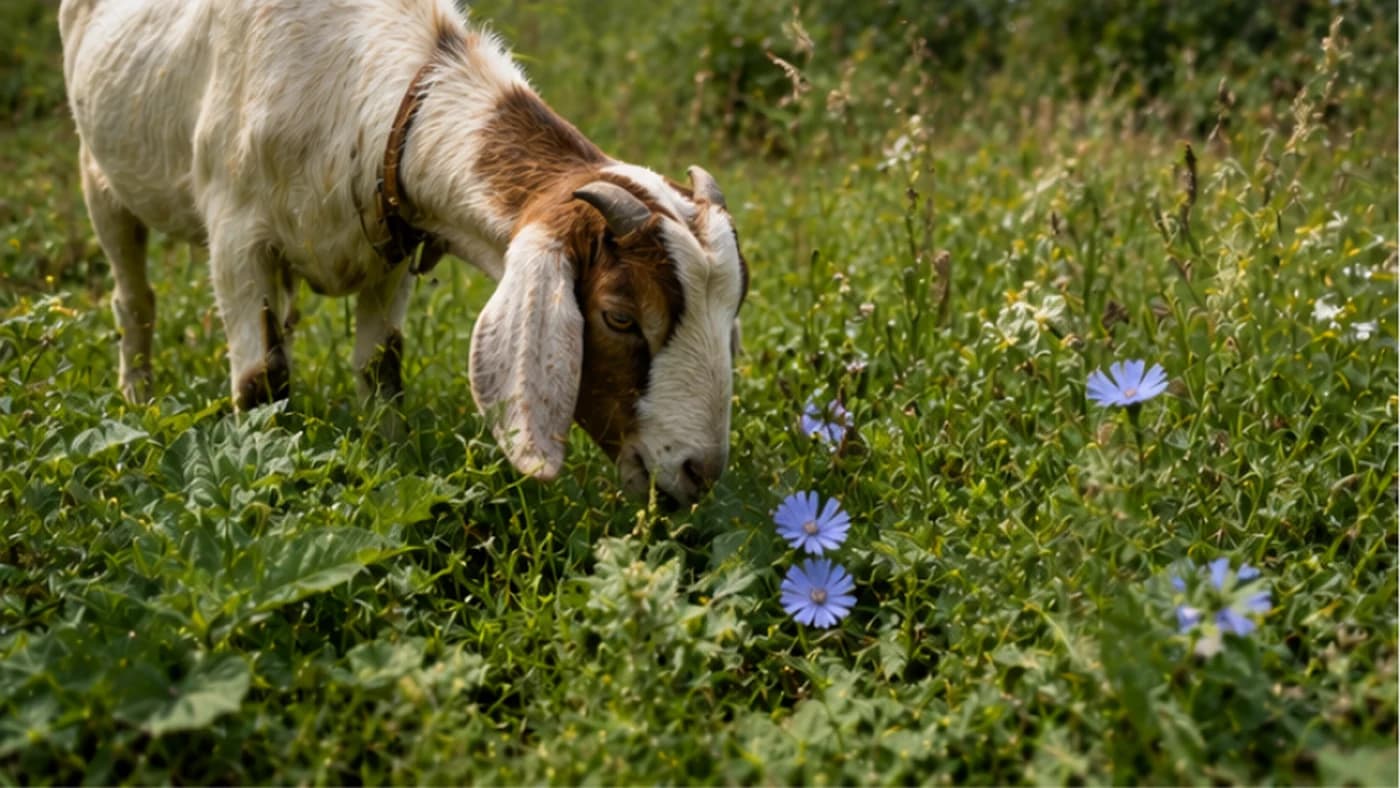
A pasture of grass alone is a 'green desert' — lush to look at, thin on the minerals and natural parasite-fighters your animals actually need. Diverse herbal leys with chicory, plantain and legumes let your herd self-medicate.

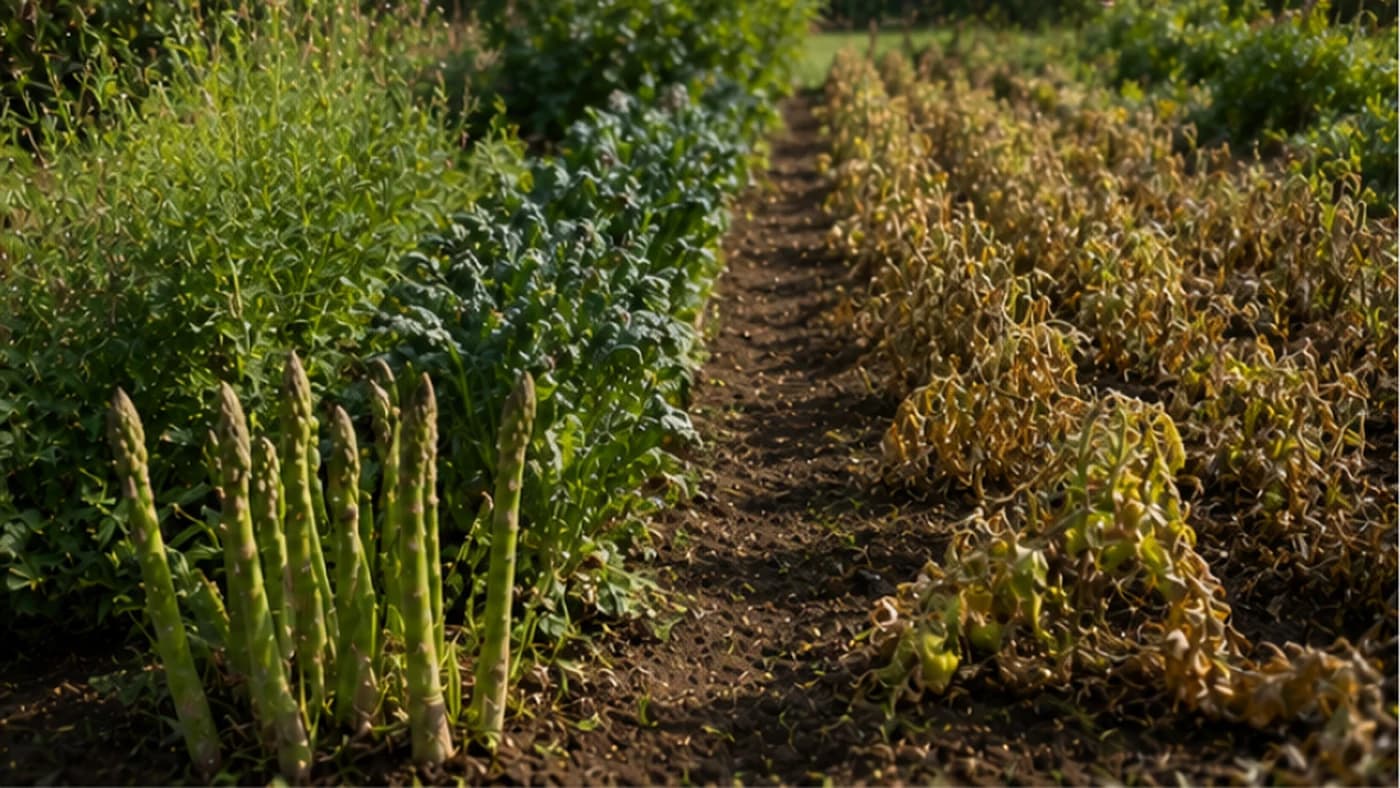
Modern hybrid vegetables often need a constant spray schedule just to survive one season. Perennial crops — from a 50-year-old moringa tree to a native mango grown from seed — build their own defences and get stronger every year.

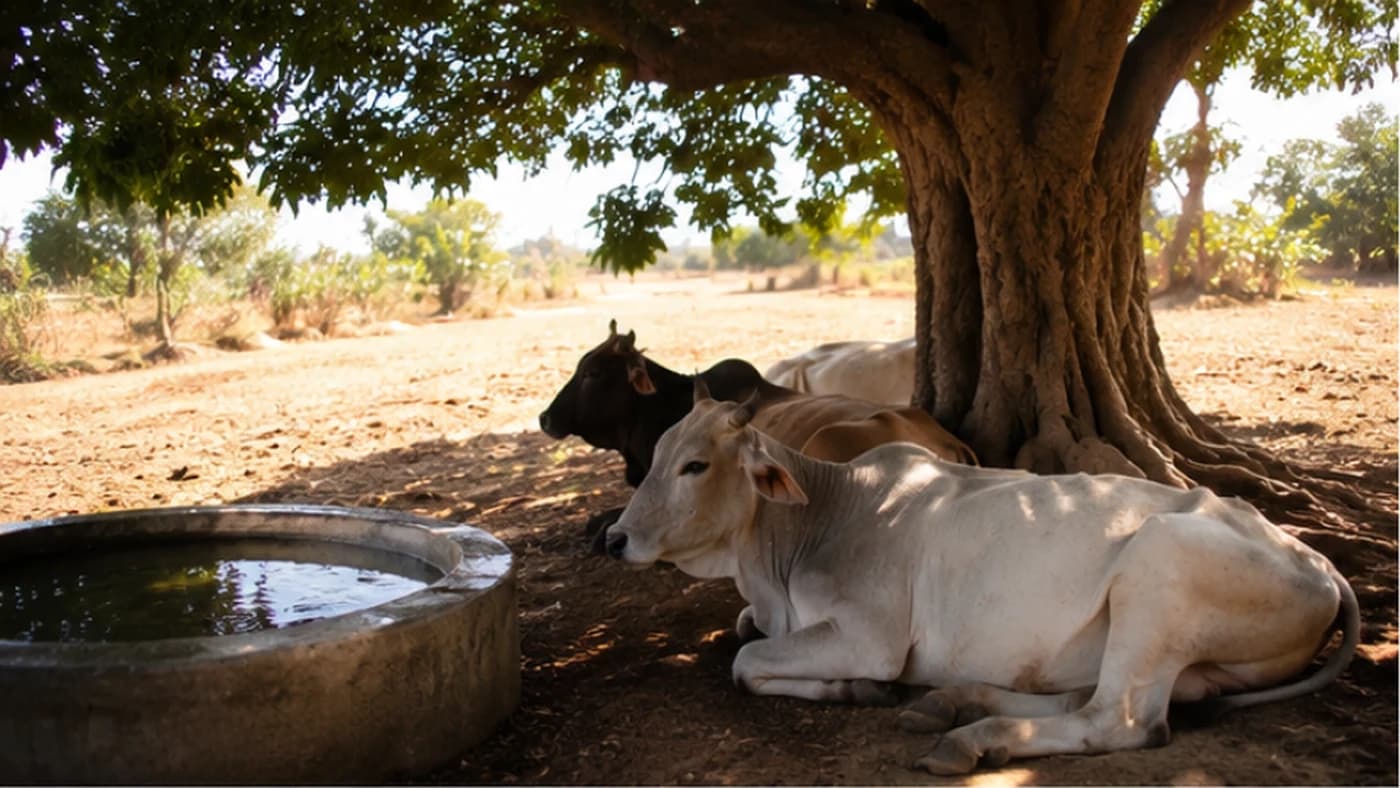
A tin shed in an Indian summer can be hotter than the open field — metal absorbs heat and radiates it straight back onto your animals. A living shade belt of fast-growing trees cools the air for real, and costs almost nothing to run.

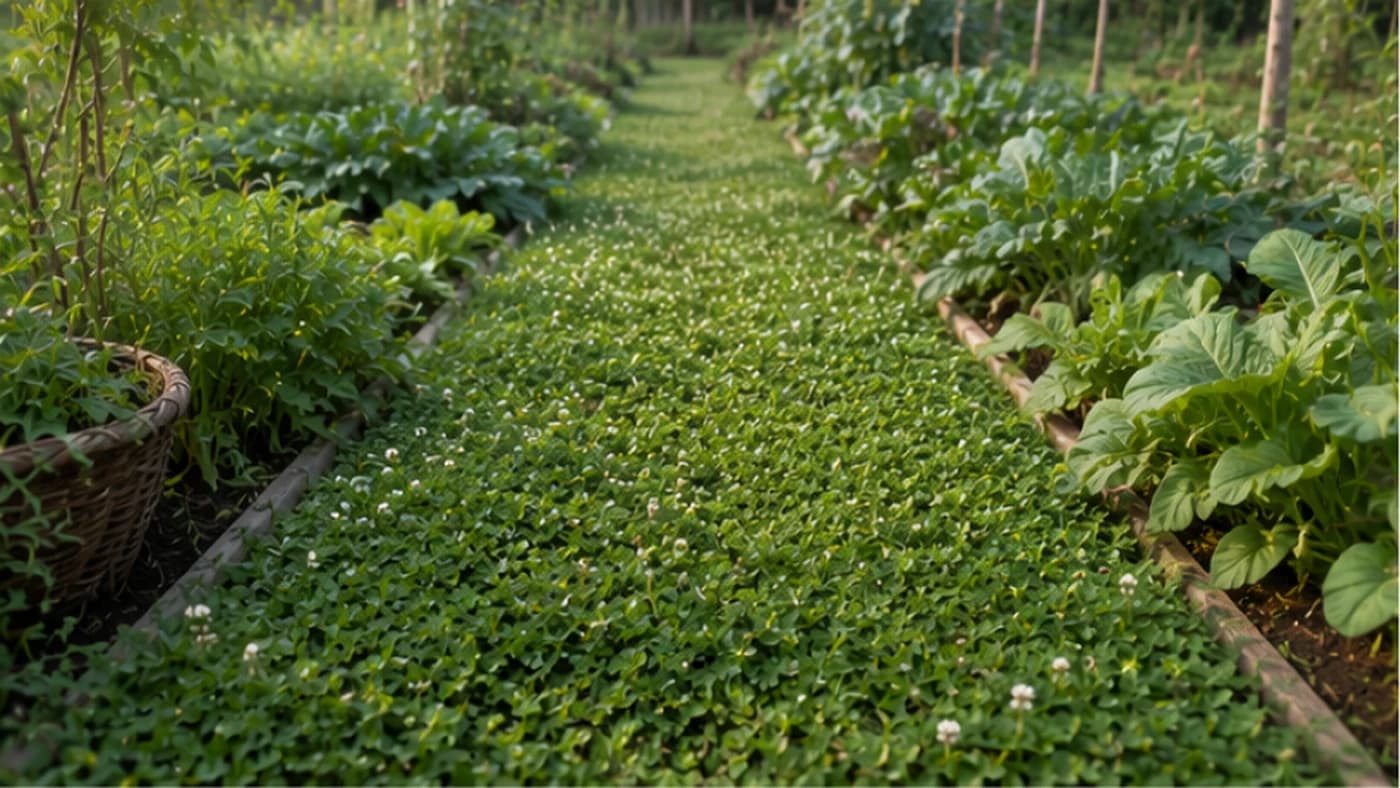
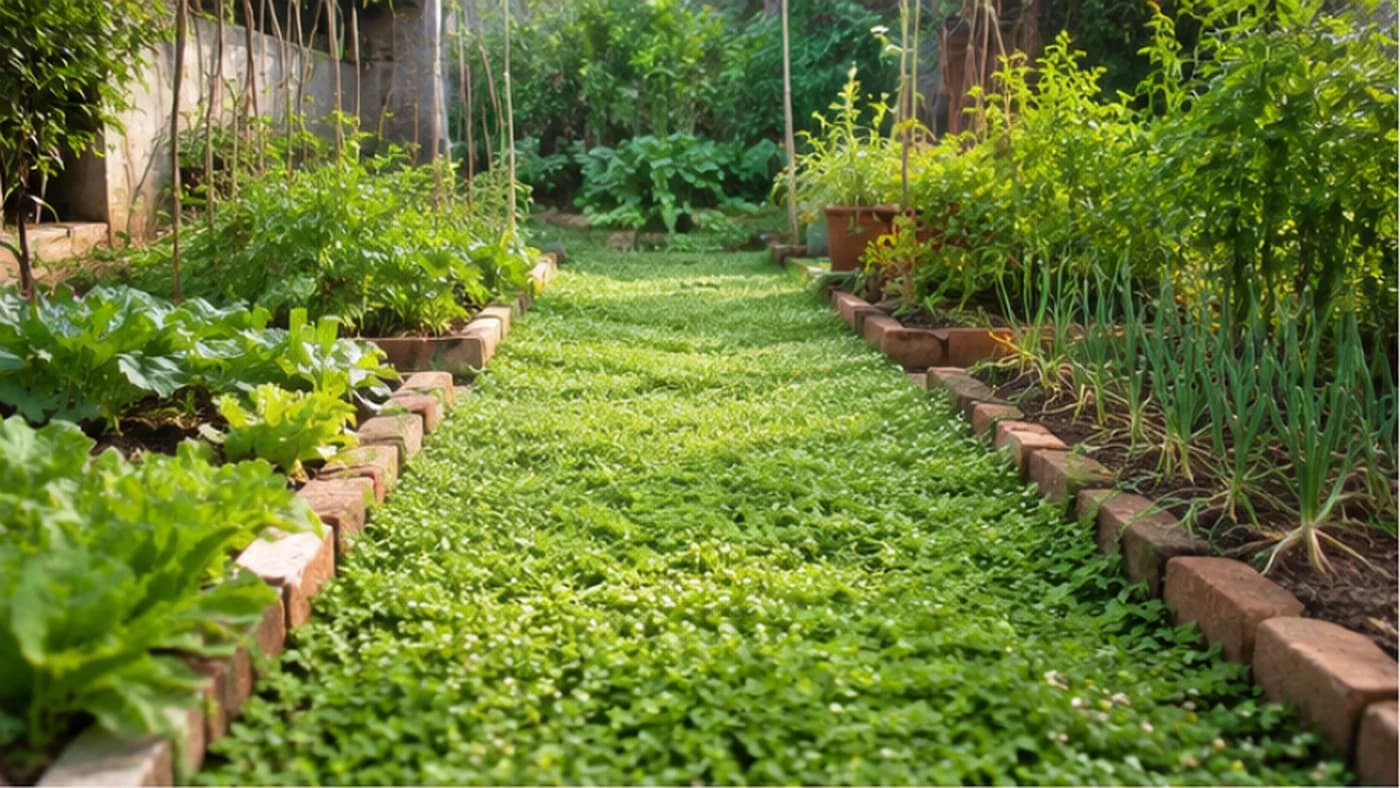
Bare dirt or concrete paths turn into heat islands that bake nearby roots. A living groundcover path — clover, dwarf peanut, or creeping herbs — stays far cooler, feeds the soil with nitrogen, and heals itself when you walk on it.

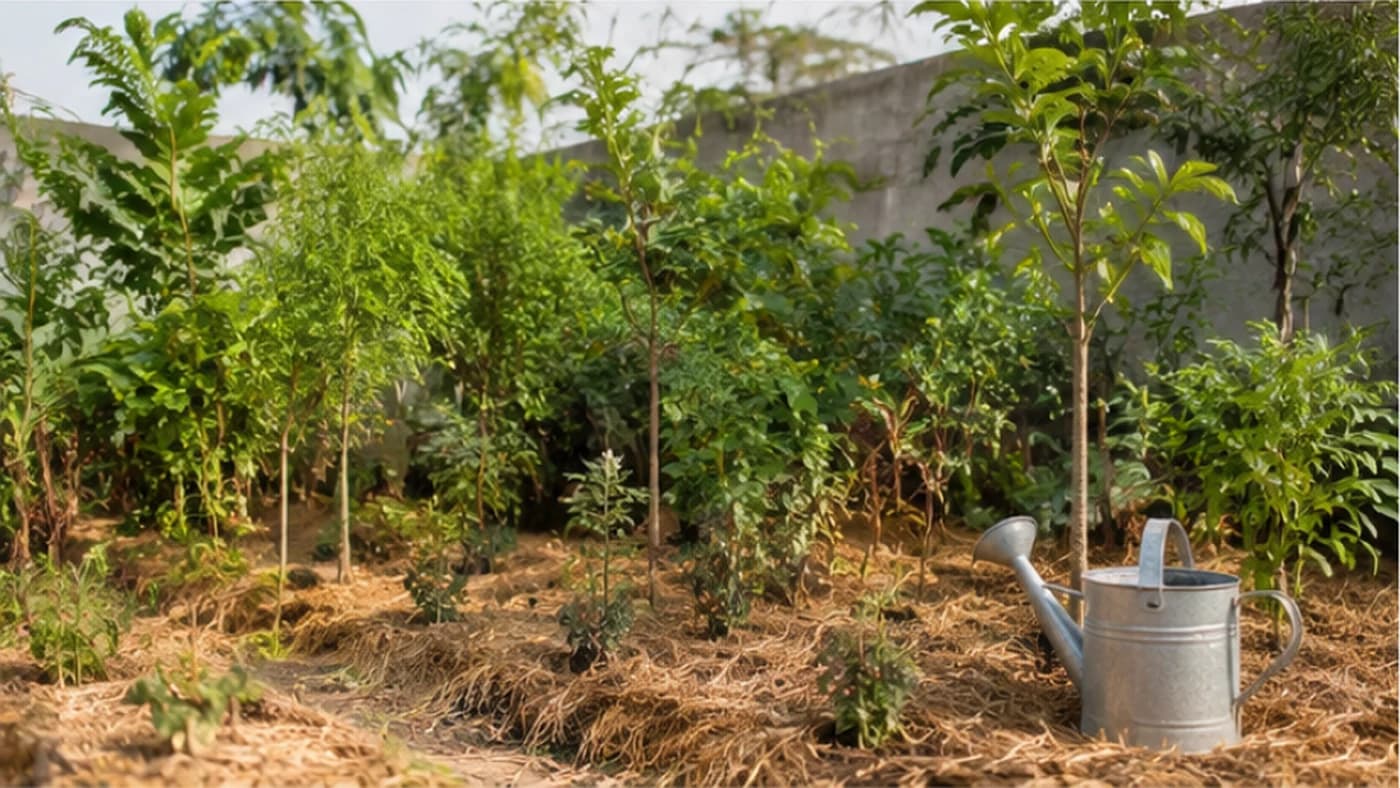
You don't need a hundred acres to grow a forest — just the right density. The Miyawaki method packs native saplings so tightly that they race each other into a mature, self-sustaining forest in three years instead of thirty.

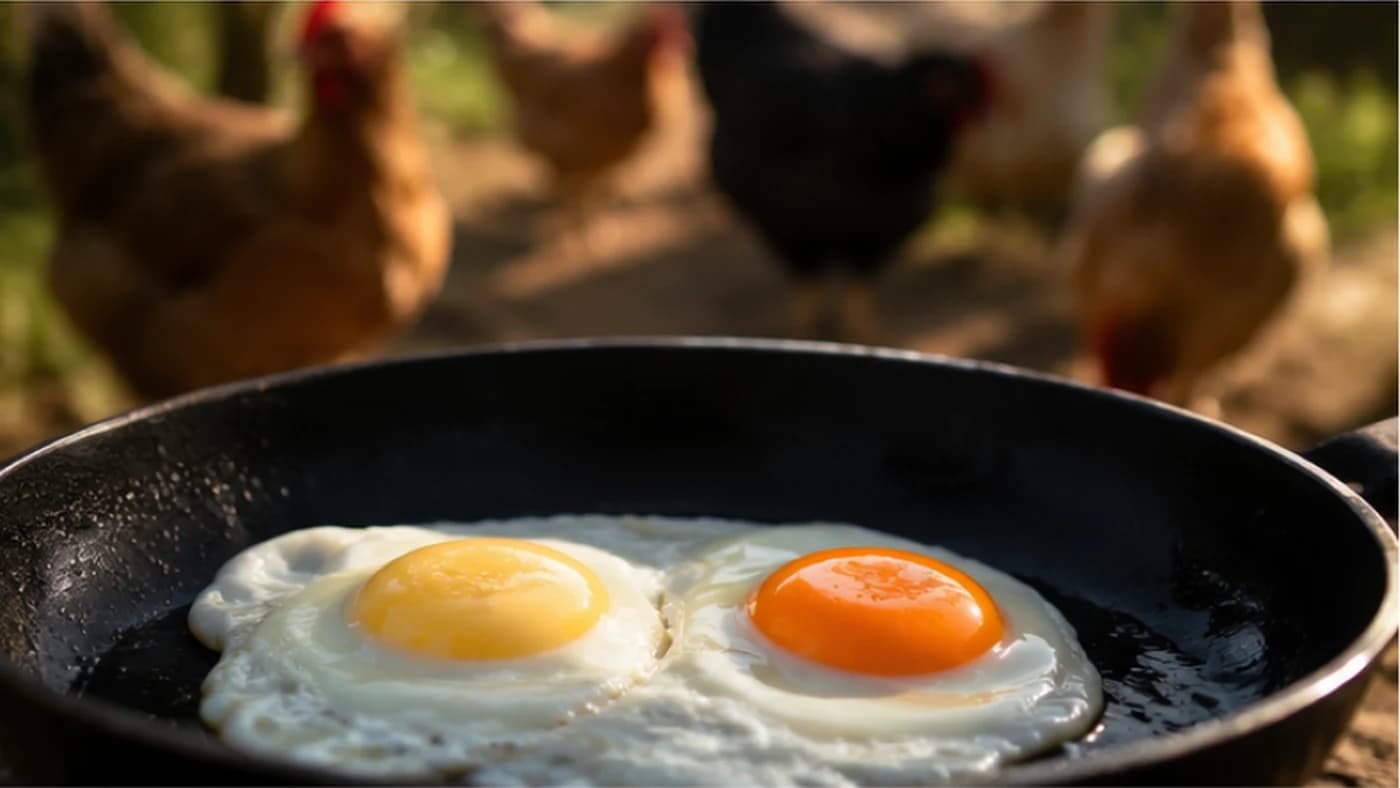
A pale yellow yolk and a deep orange yolk aren't just a colour difference — they're a report card on what the hen actually ate. Here's what the research says about free-range and desi eggs versus standard commercial ones, and where the marketing gets ahead of the science.