
How to Build a Garden Worm Tower for Free, In-Bed Composting
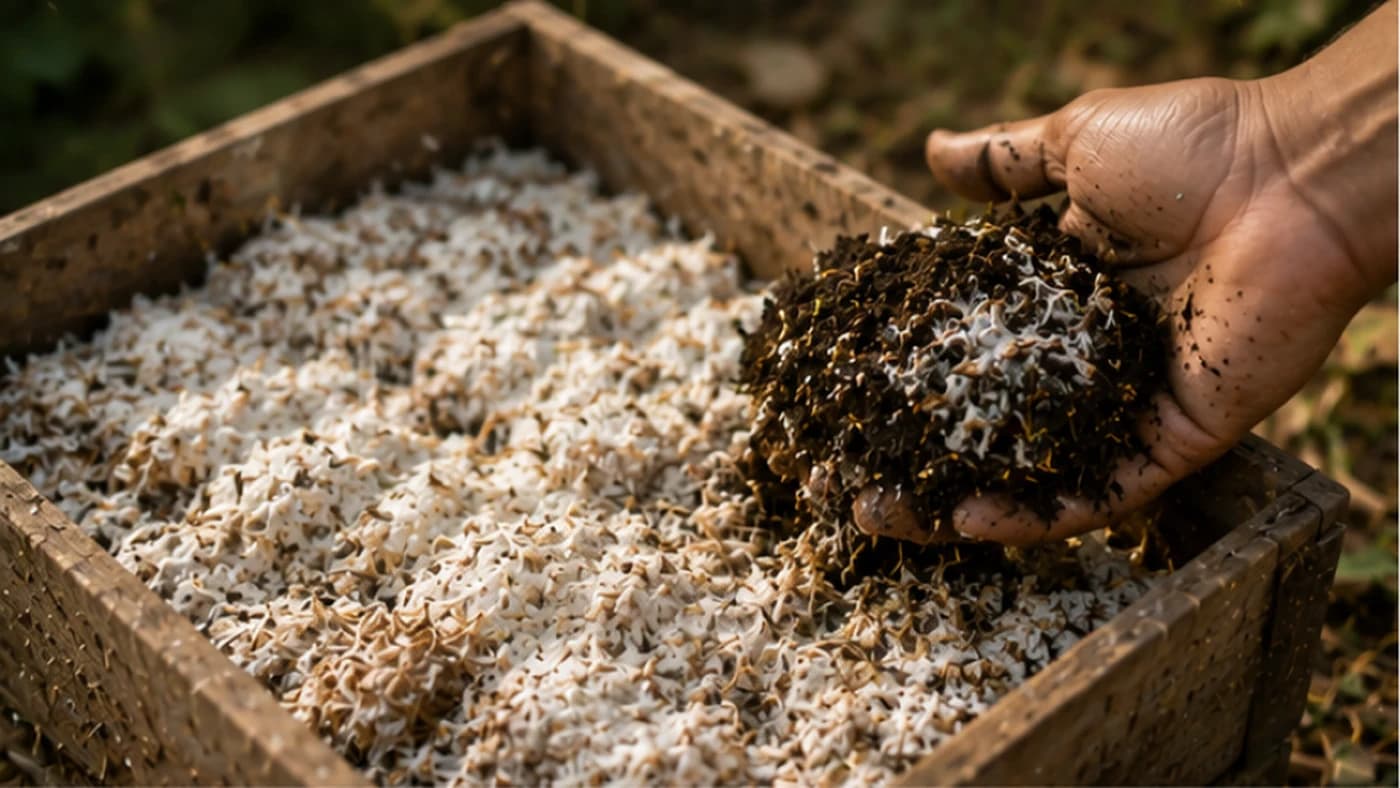
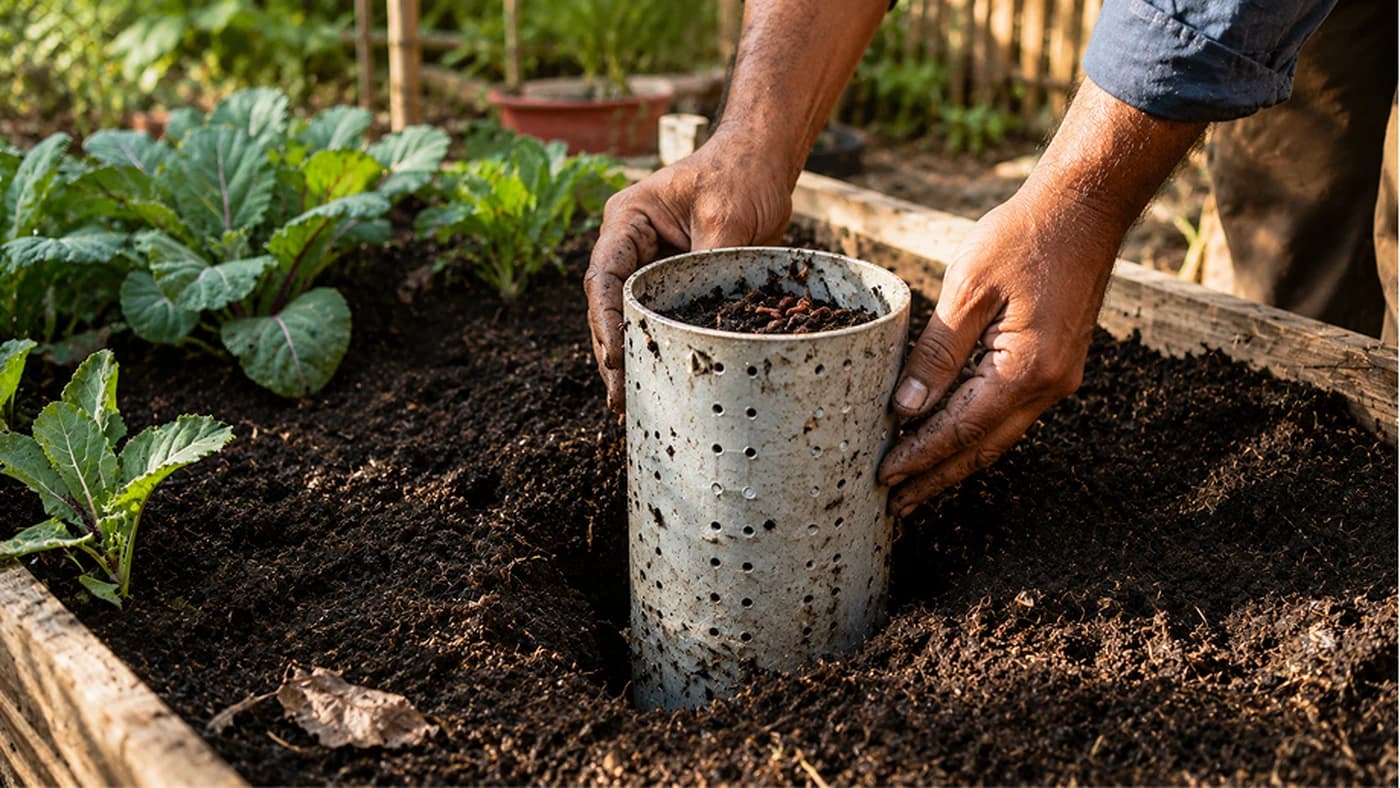
Stop hauling kitchen scraps to a distant bin and hauling compost back months later. A buried worm tower lets worms process waste right where your plants are growing.

Stop hauling kitchen scraps to a distant bin and hauling compost back months later. A buried worm tower lets worms process waste right where your plants are growing.

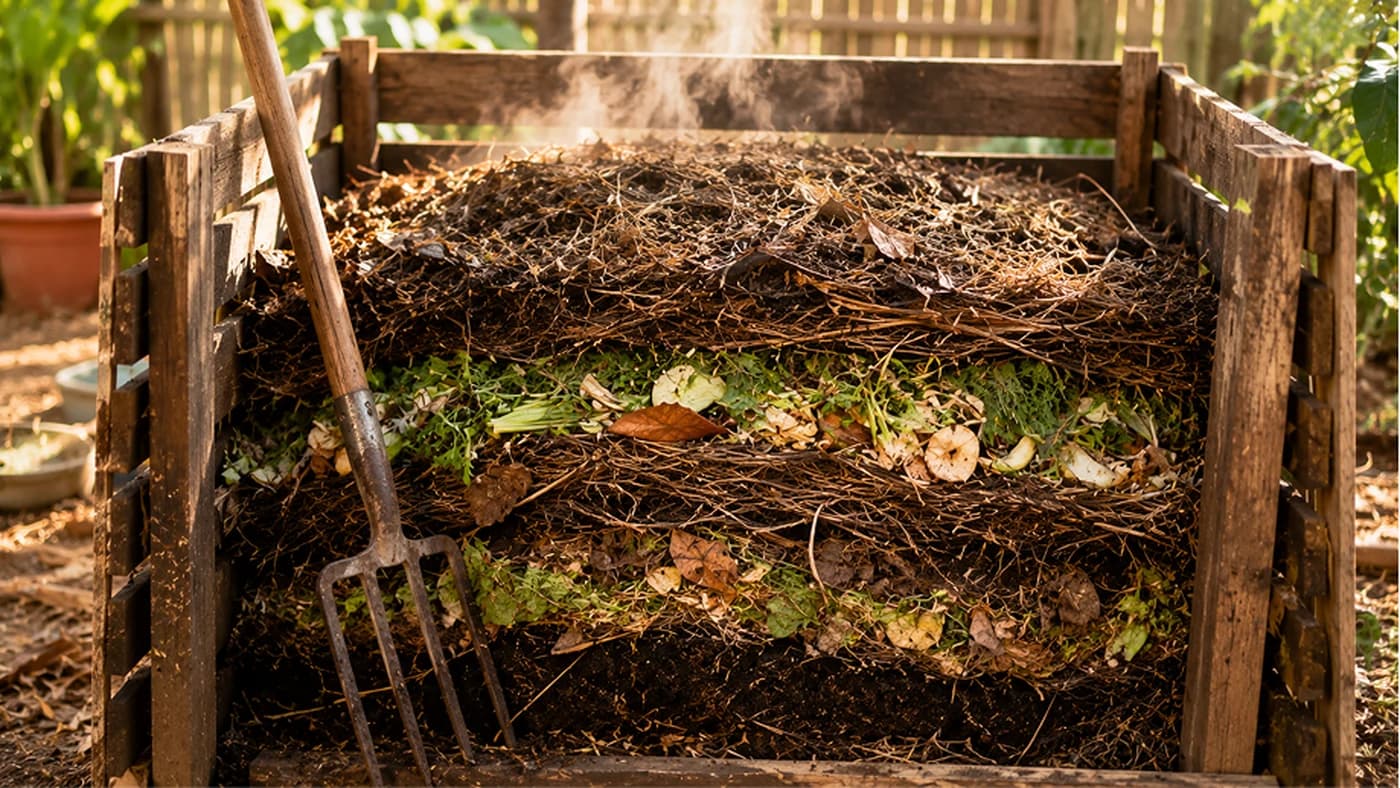
A smelly, slow compost heap almost always comes down to one thing: the wrong balance of browns and greens. Get the ratio right and microbes do the rest.

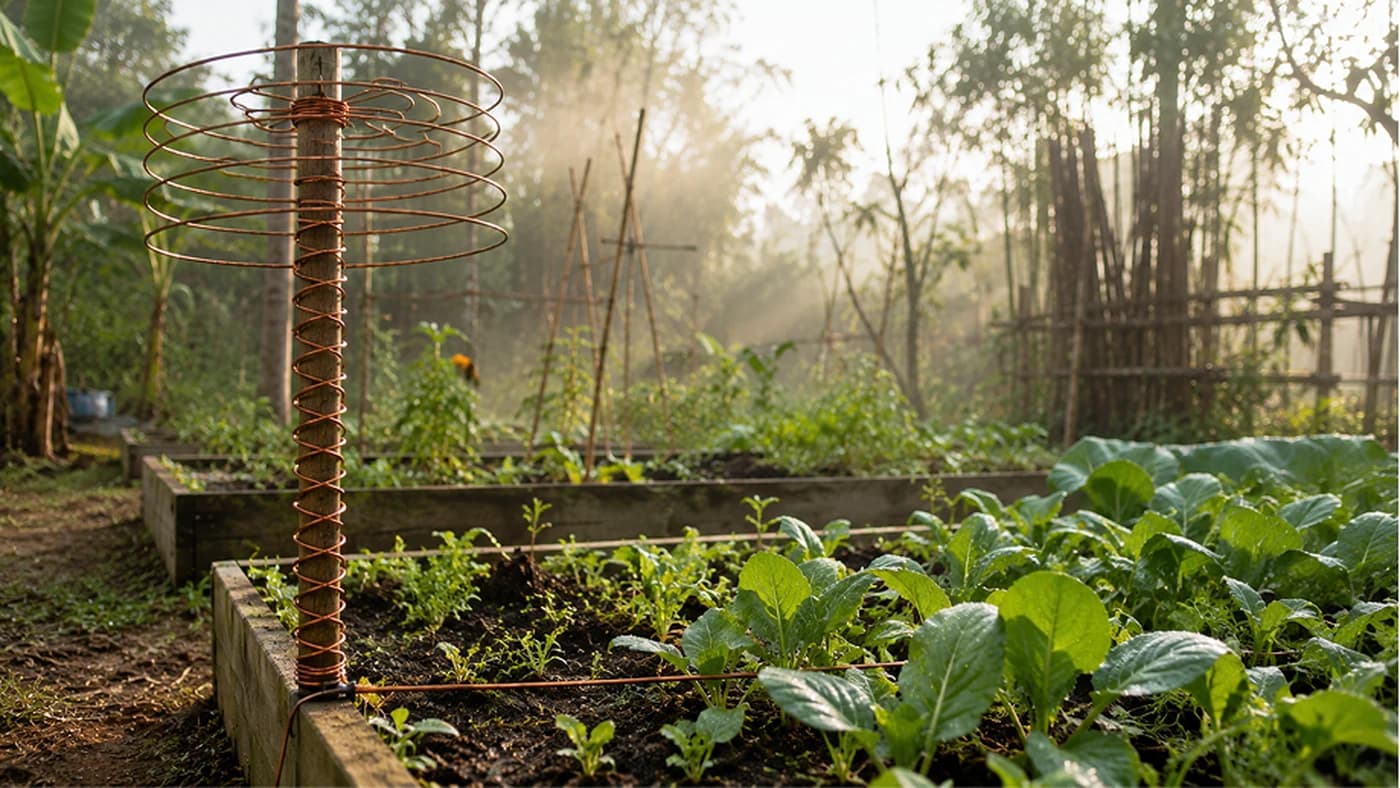
Copper antenna gardening promises faster growth and lower water use for almost no cost. It's a genuinely old folk technique — but the claims run well ahead of the science. Here's what it involves and how to think about it honestly.

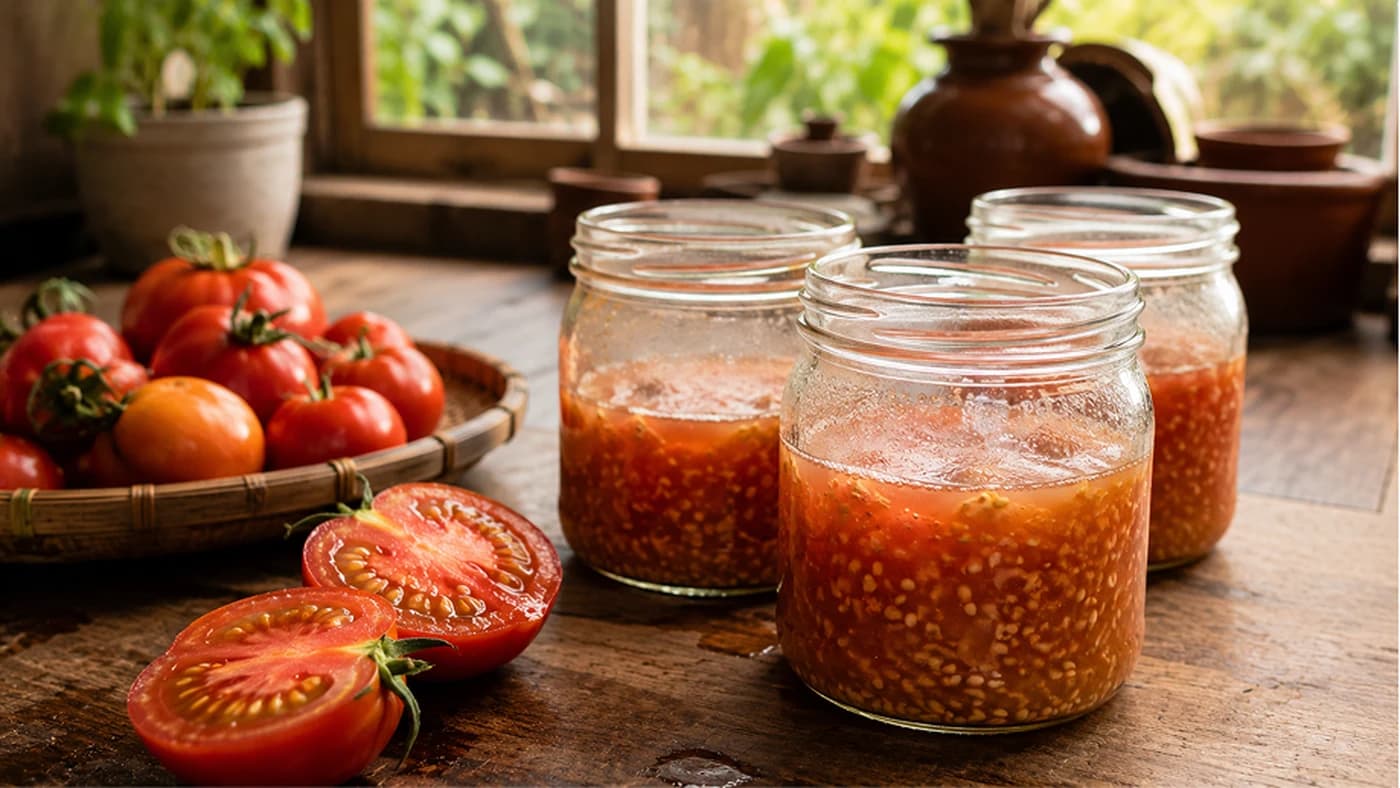
Scrubbing tomato seeds by hand still leaves the germination-blocking gel behind. A simple 2-3 day ferment does what scrubbing can't — cleaner seeds, fewer diseases, and far higher germination.
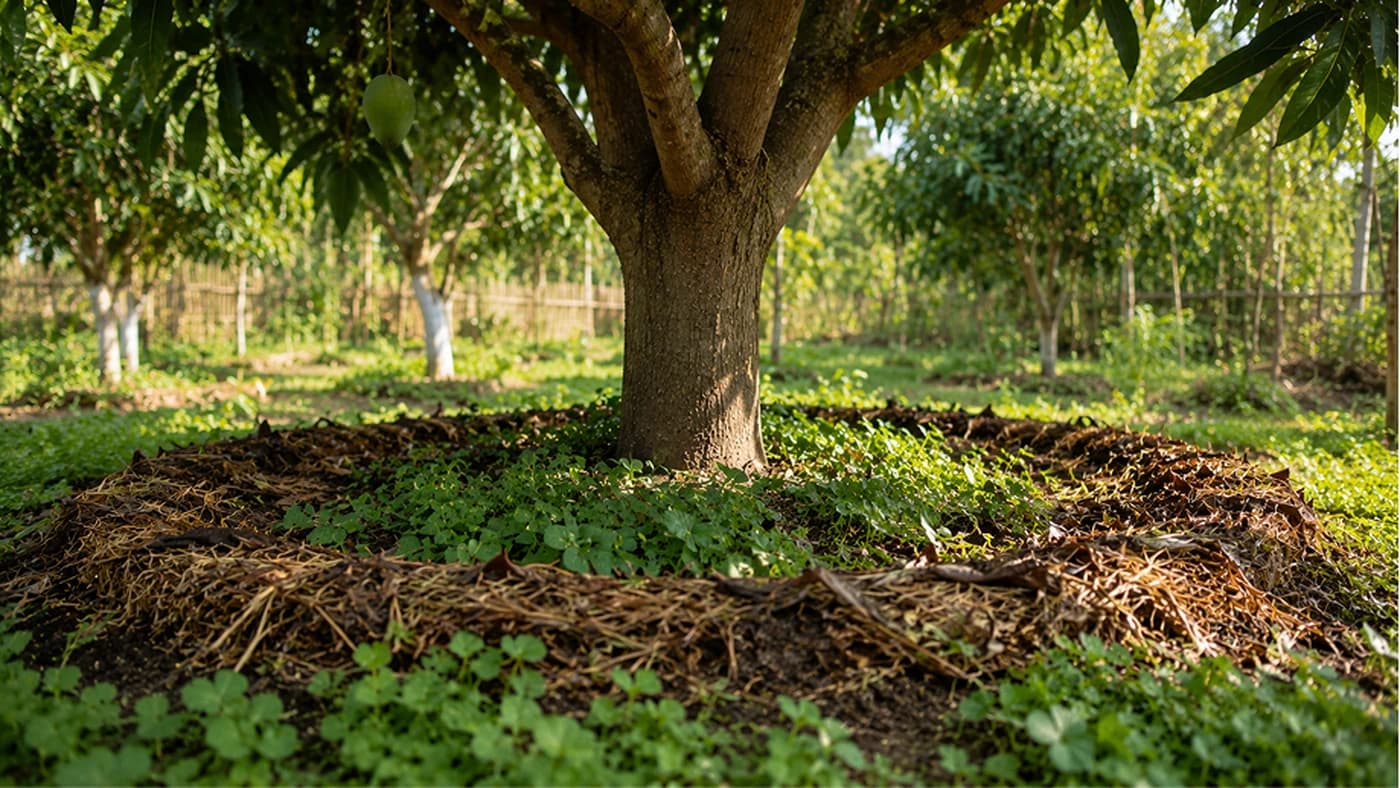
A mowed, bare-earth ring under a fruit tree is a missed opportunity, not tidy farming. Mulch and a few companion plants turn that space into a pest-fighting, moisture-holding, self-feeding system.
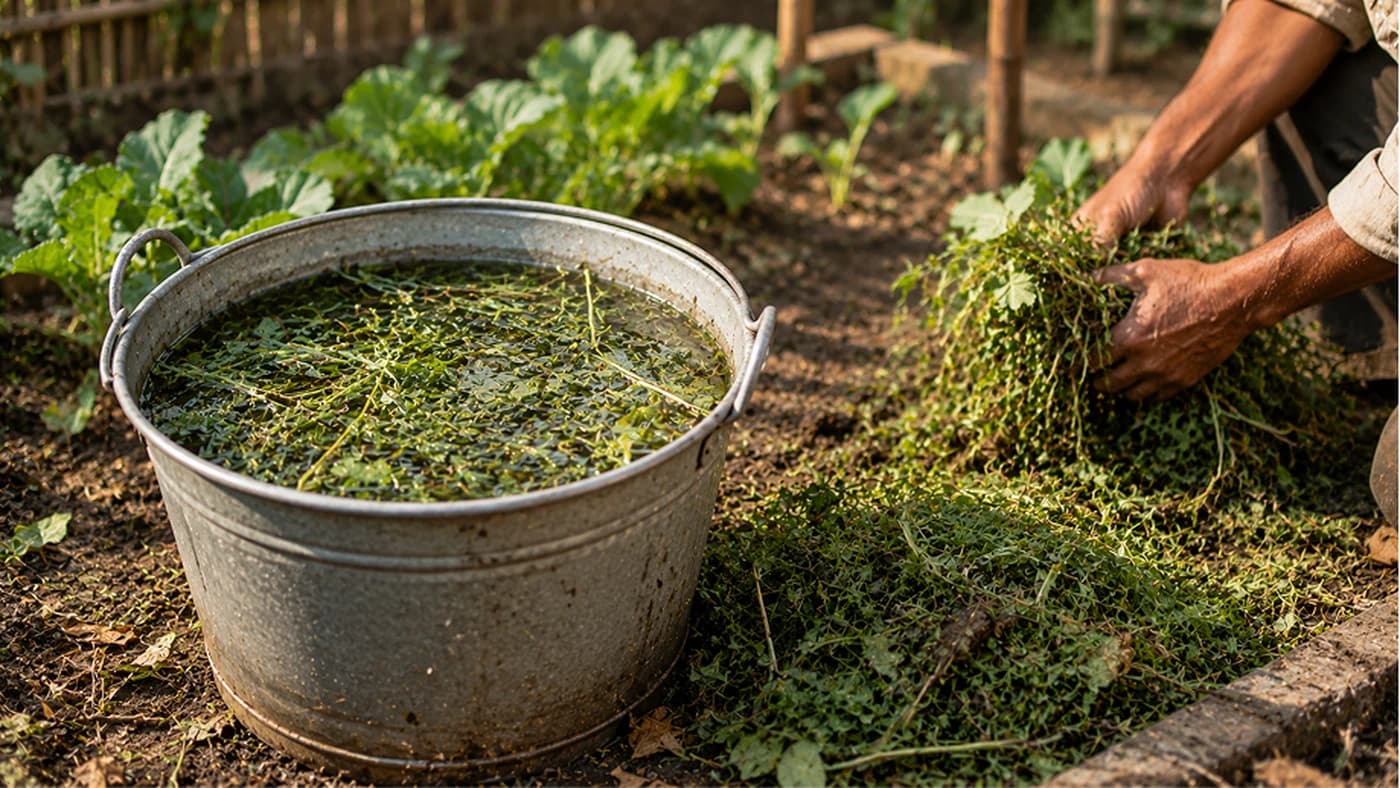
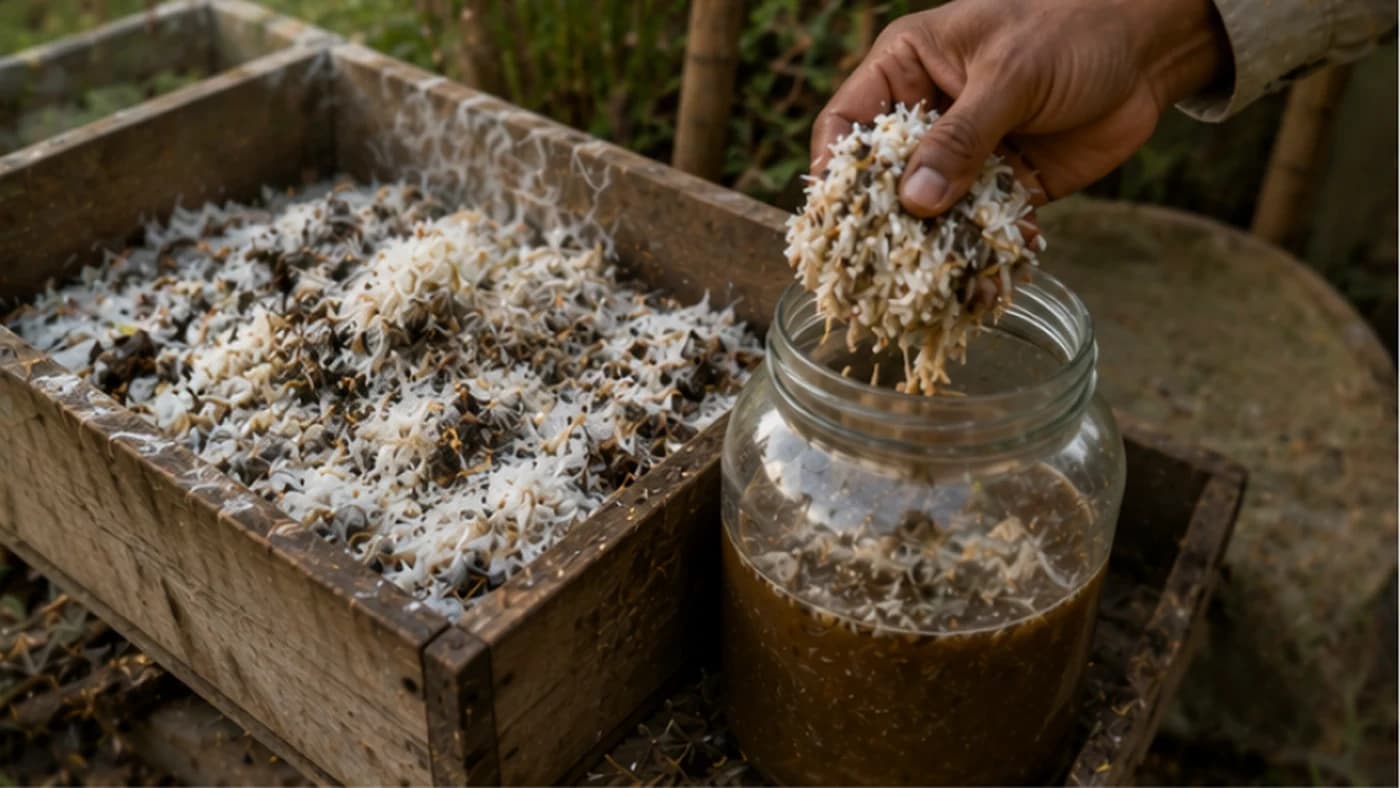
The weeds growing wild along your bund or driveway are nutrient pumps. Korean Natural Farming's Fermented Plant Juice (FPJ) turns them — plus a handful of jaggery — into a potent, nearly free plant tonic.

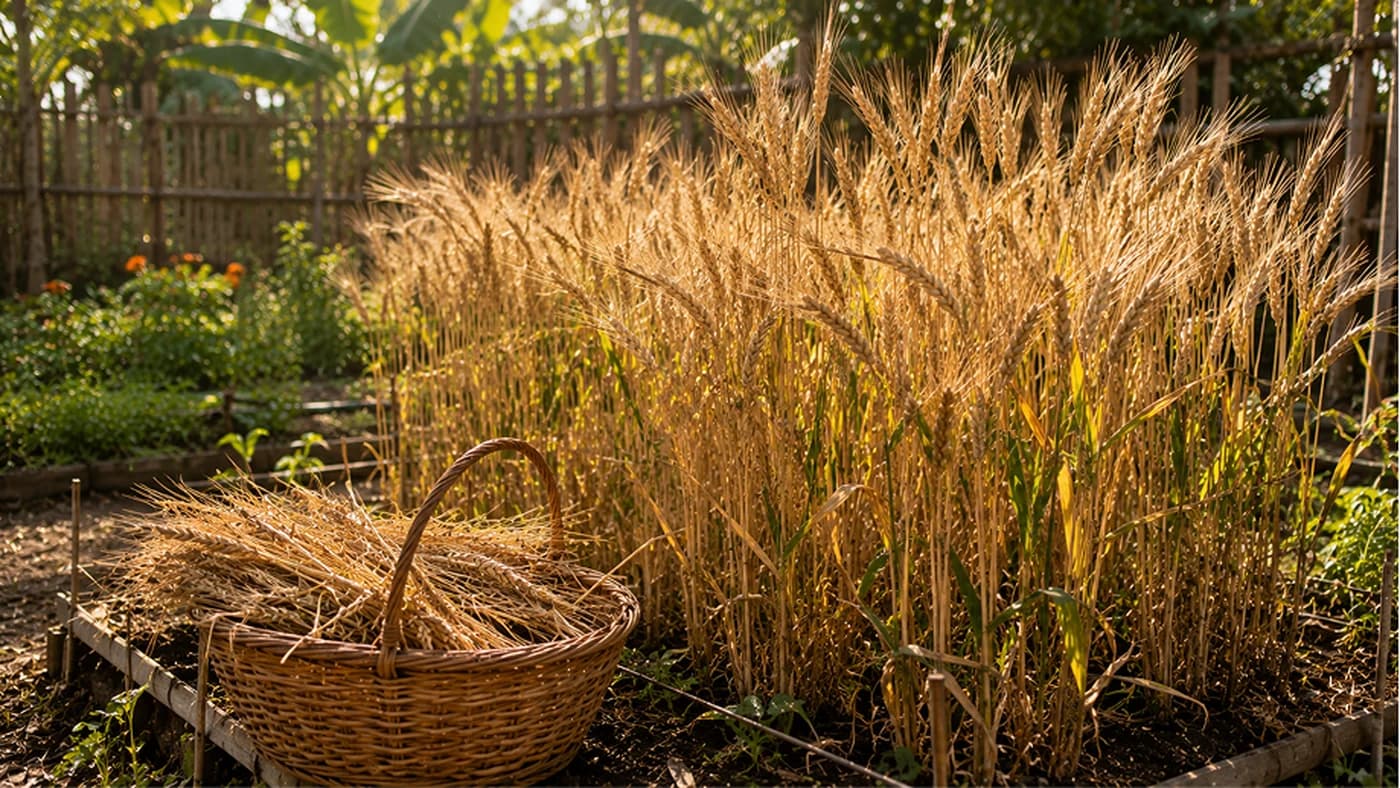
Imagine a grain crop you plant once and harvest for years, with roots deep enough to shrug off drought. Perennial grains are still an emerging frontier — but the soil-building principles behind them are usable on any Indian farm today.

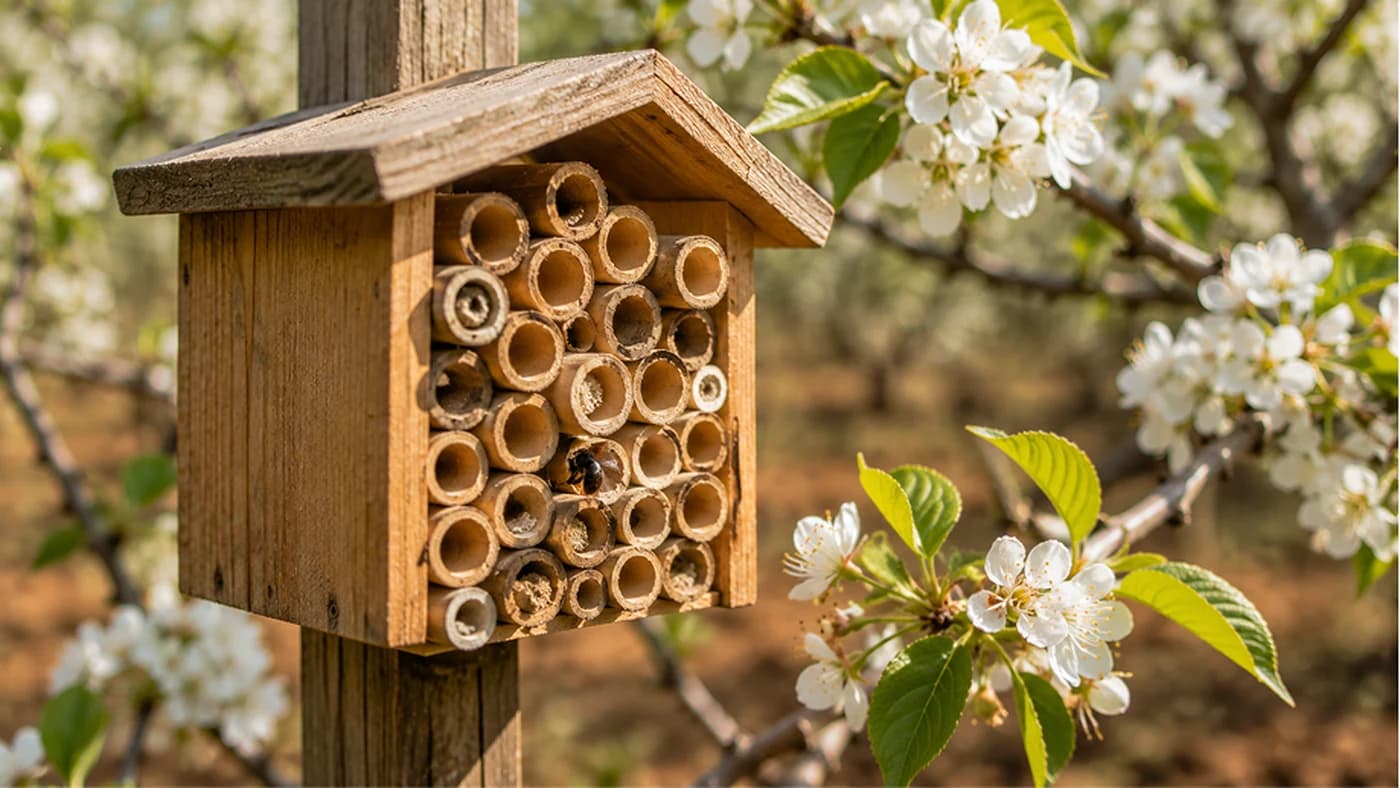
Honeybees stay home on cold, overcast mornings — exactly when many fruit trees bloom. Native solitary bees fly in weather honeybees won't, and a simple mud-and-nest-box setup can bring them to your orchard for free.

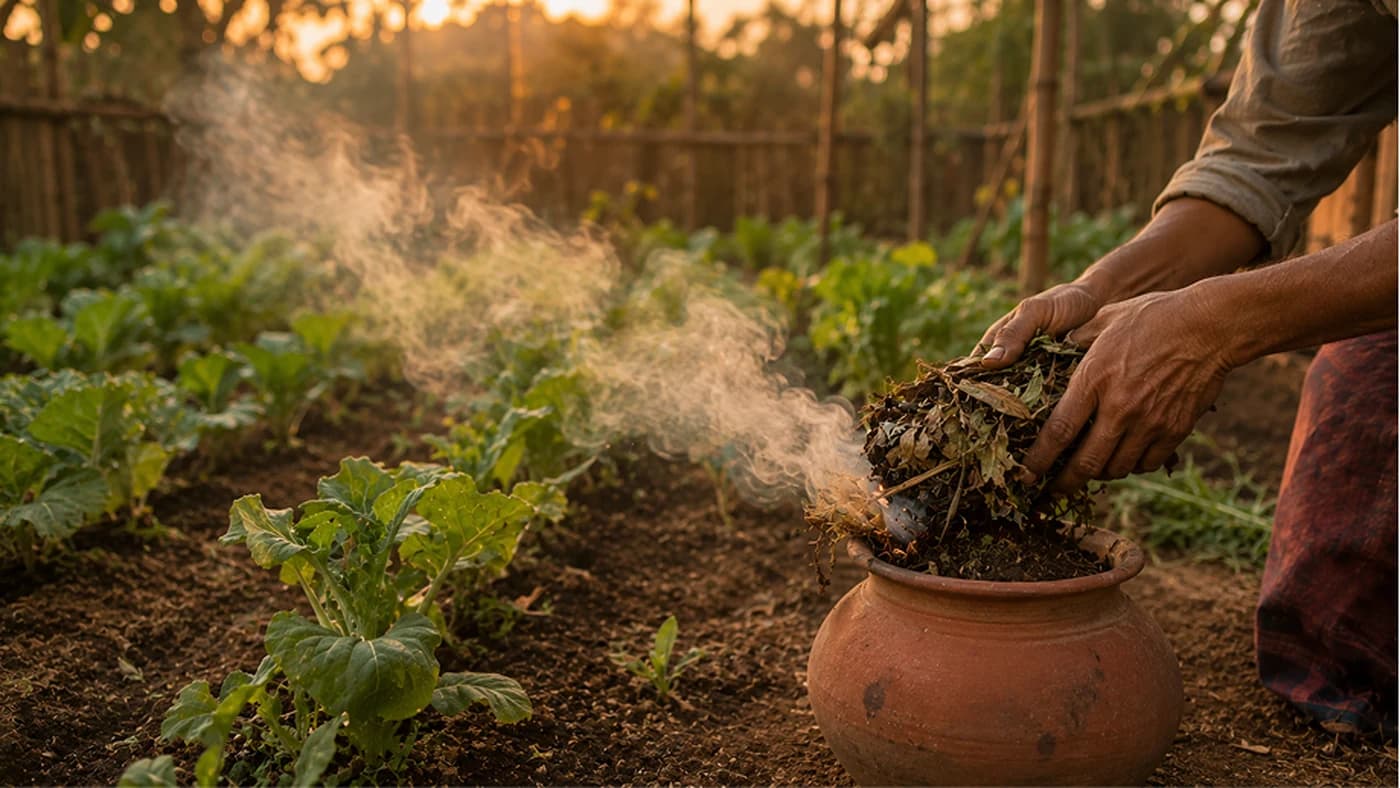
Long before chemical sprays, farmers used smoke from aromatic wood and herbs to drive pests off prize plants. The science behind it is genuine — the pest-control claims are more traditional practice than proven fact. Here's how to use it honestly and safely.

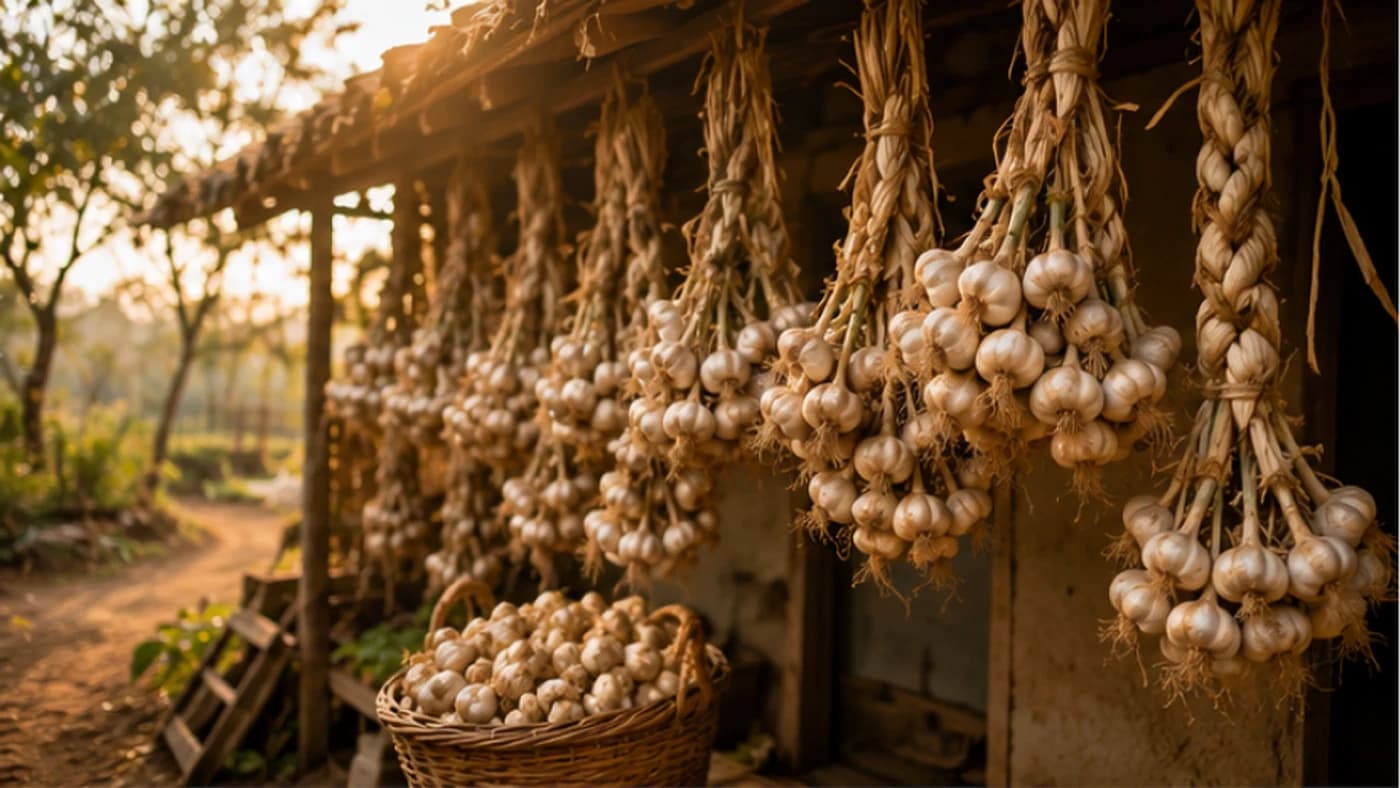
Braided and hung garlic looks great for photos, but it's one of the worst ways to cure it — trapped moisture in a tight bundle is exactly what causes rot. A single layer on an open rack, with real airflow, is what actually gets you a year of storage.

Rat poison doesn't just kill rats — it kills the owls, hawks and cats that eat them too, and leaves a toxic carcass to rot in a wall. A trained working dog, even a sharp local pariah dog, is a chemical-free alternative that's been used on farms for centuries.

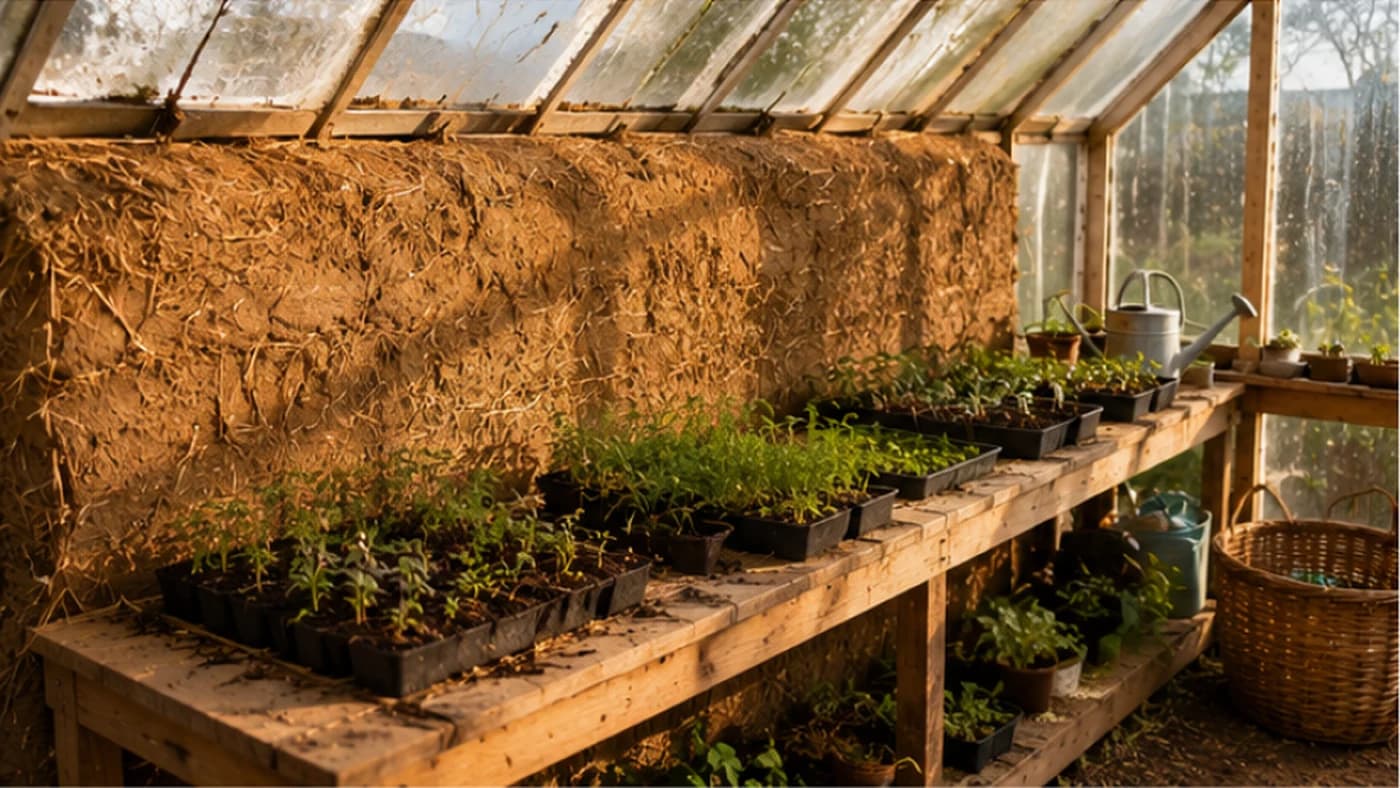
No electricity, no diesel heater, no gas cylinder — just clay, sand, straw and the sun. A thermal mass bench keeps a polyhouse or low tunnel warm through winter nights for free.

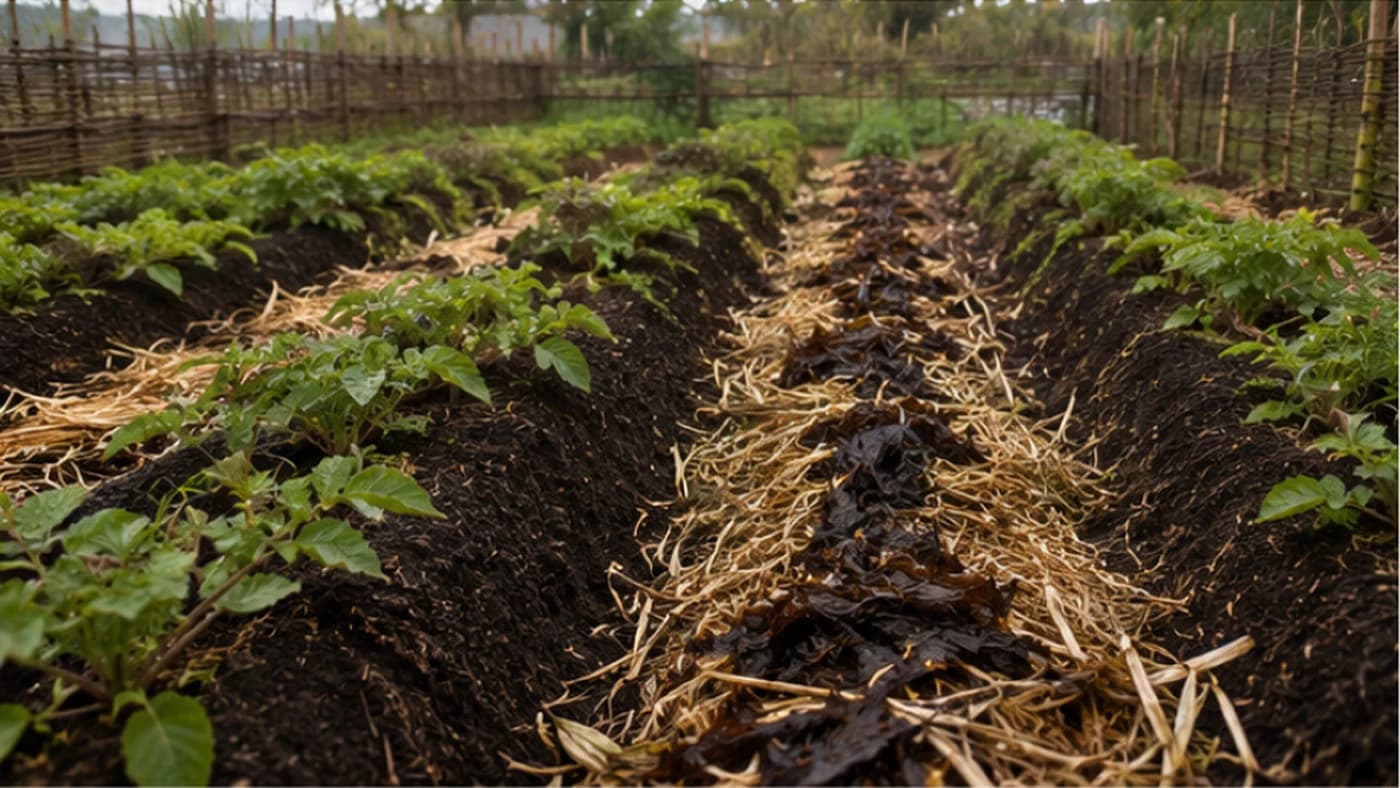
Centuries before raised beds became fashionable, farmers on Europe's wettest, rockiest land built self-draining ridges from flipped turf alone. It still solves clay and waterlogging problems today — no tools but a spade.

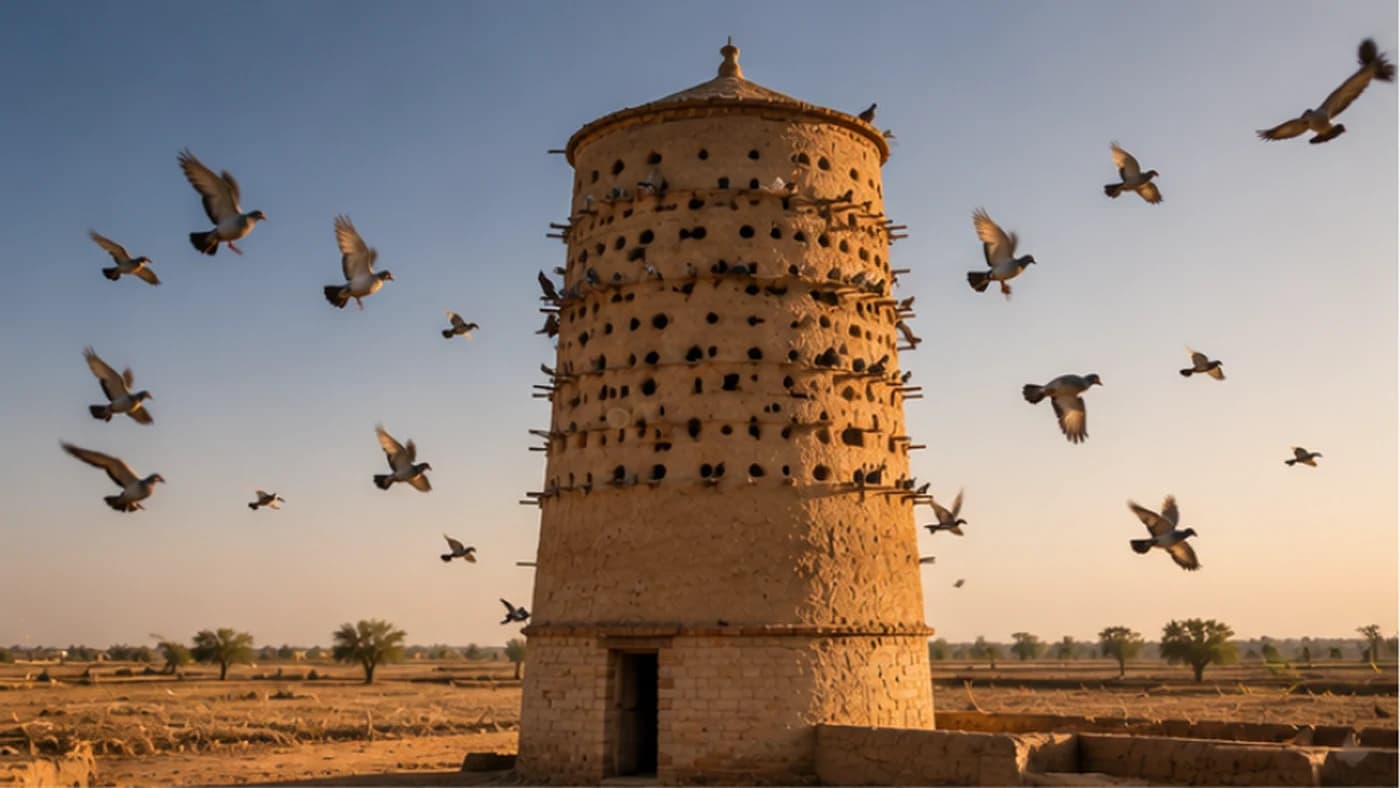
Old Persian and Indian havelis alike built towers just to house pigeons — not for meat, but for one of the most potent organic fertilisers known. Here's how the system works, and how to build a small version safely.

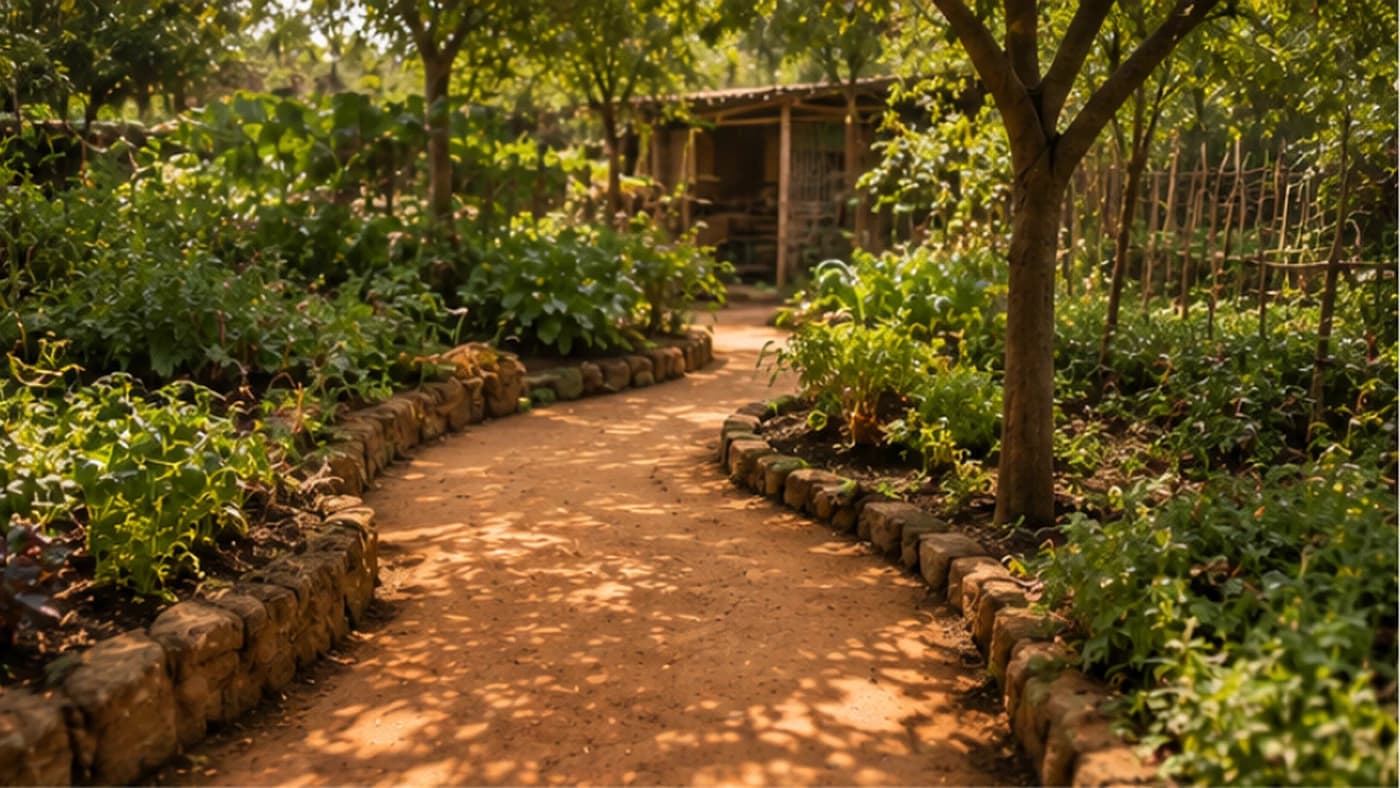
Concrete costs money and a huge carbon footprint. Cob — clay-rich subsoil, sand and straw — builds a durable, walkable garden path for almost nothing, using the very soil you dug out for a pond or pit.

A cob oven doesn't just bake — its thick earthen walls store heat for up to 24 hours, doubling as a night-time heat source for nearby seedlings during a cold snap.

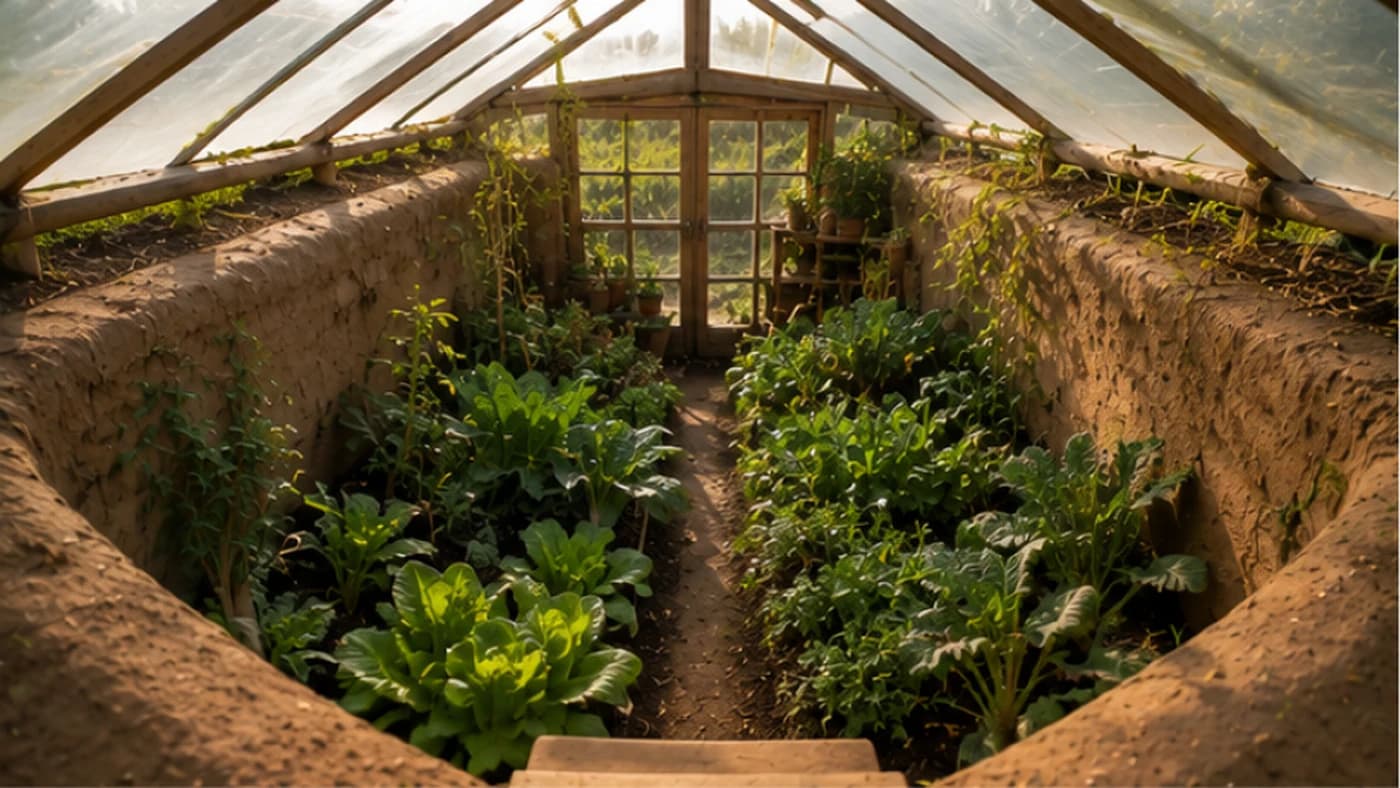
In Bolivia's freezing high plains, farmers dig a few feet down to tap the earth's steady warmth and grow food through winter without fuel. The same principle already works in Ladakh and other cold, high-altitude parts of India — here's how it works and who it's actually for.

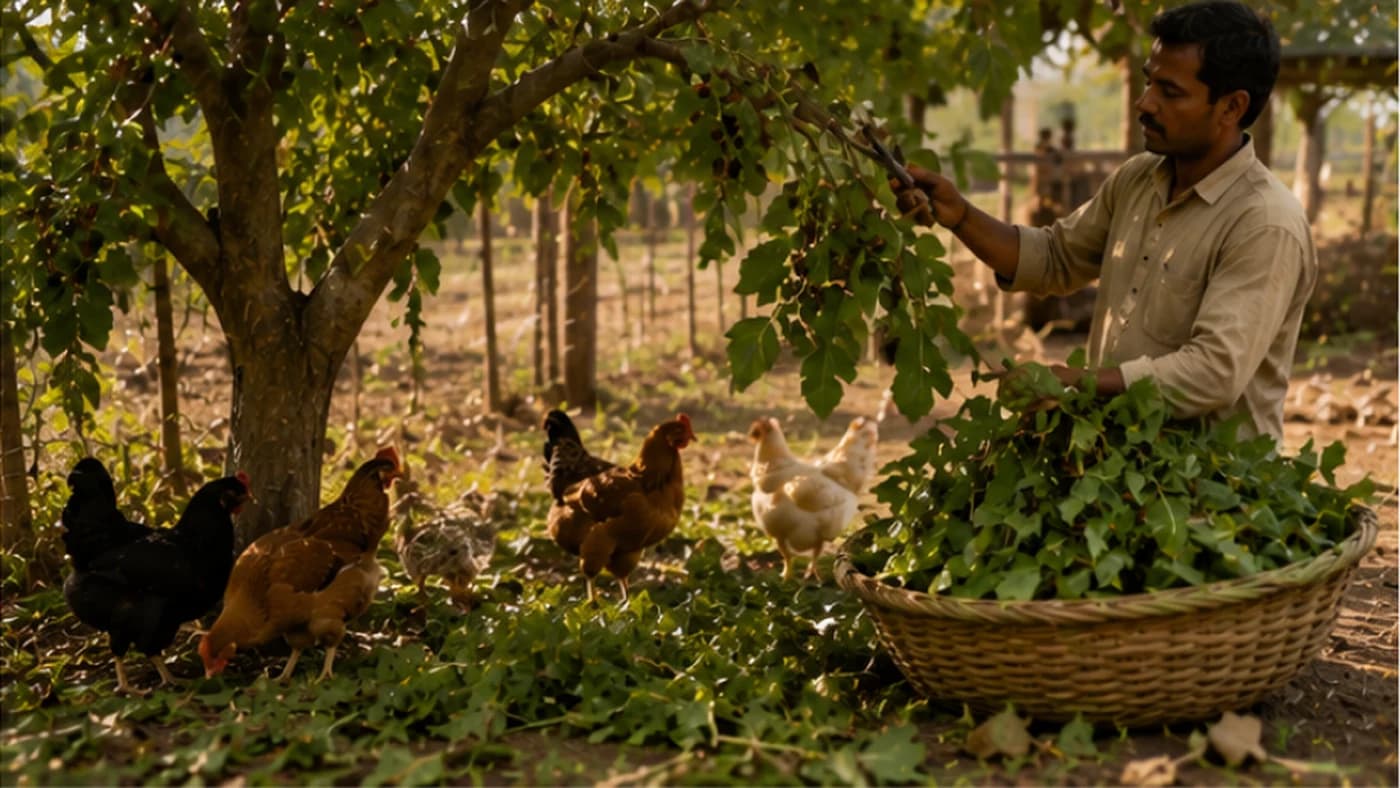
Mulberry leaves are as protein-rich as alfalfa, but the real value shows up once silkworms process them — a trick Indian sericulture regions have used for generations, and one any backyard flock keeper can borrow.

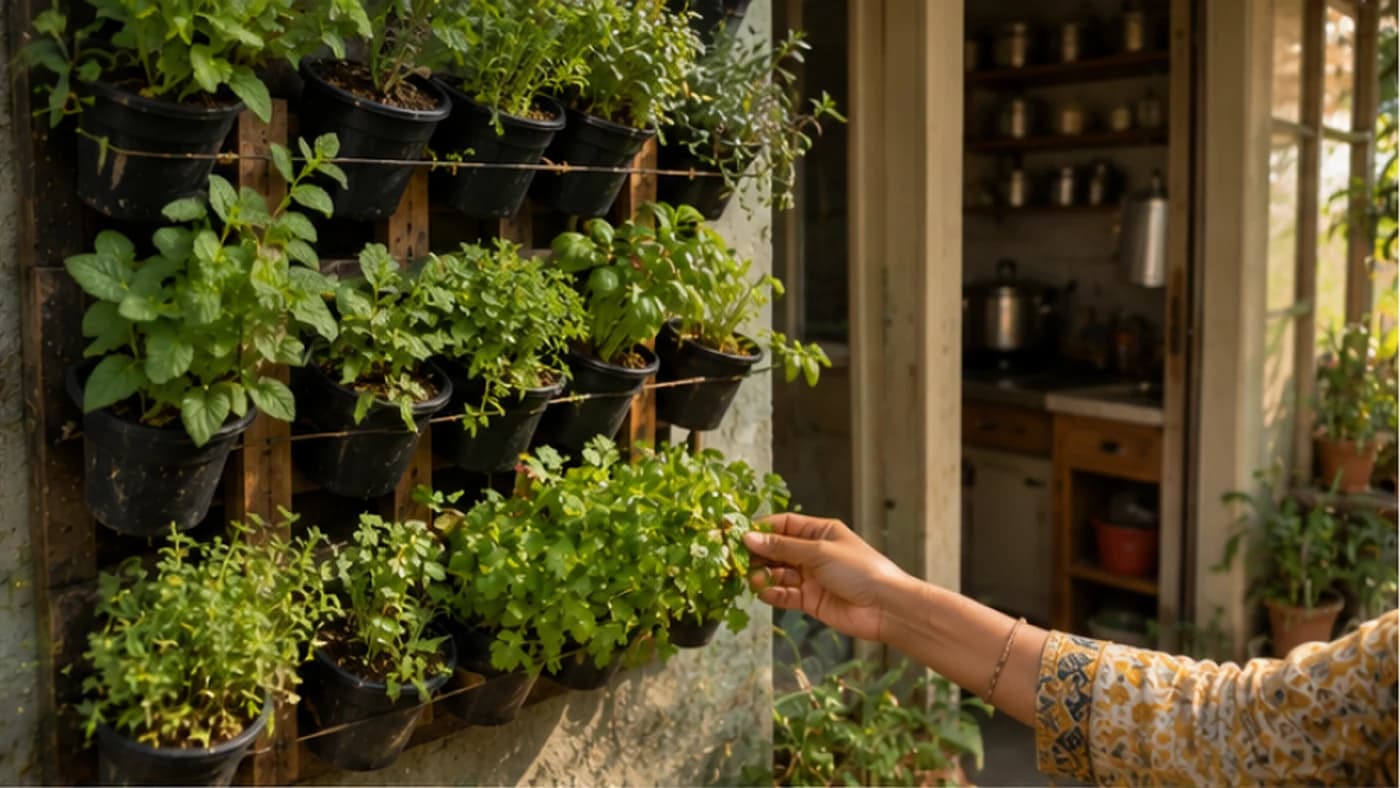
A row of herbs in separate plastic pots on a windowsill usually struggles and dies within weeks. A connected vertical herb wall — sharing humidity, water, and light — keeps coriander, mint, tulsi, and curry leaf thriving in far less space, with far less daily effort.

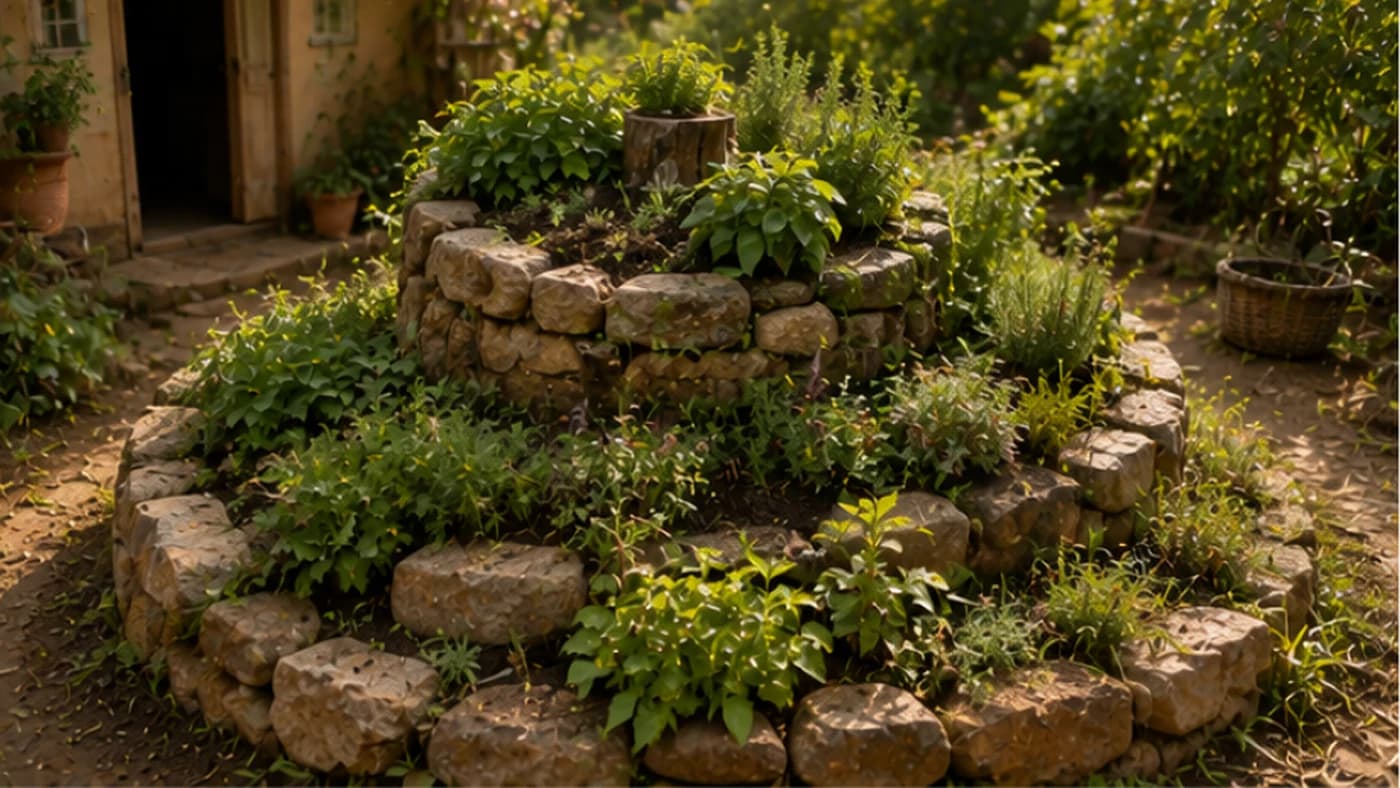
A stone spiral packs sun-loving and shade-loving, wet and dry herbs into one small footprint by stacking microclimates vertically — so you stop buying dried spice jars and start harvesting fresh, year after year.

A healthy forest has never seen a bag of fertiliser, yet it out-produces most farms. Learn how to capture wild, local microbes from a nearby forest and turn them into a near-free biological fertiliser for your field or garden.

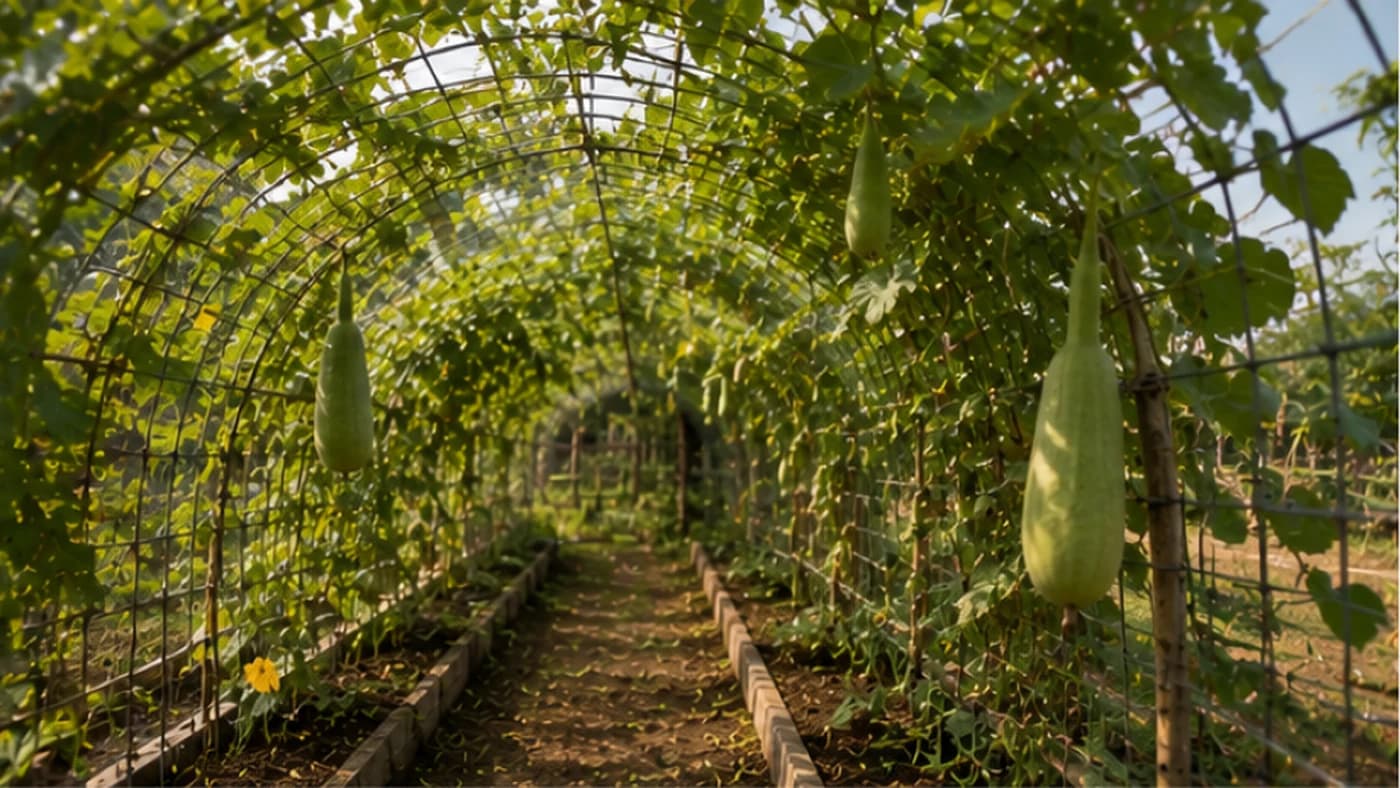
Sprawling cucumber and gourd vines eat up your walking paths, trap humidity, and rot fruit against wet soil. A simple welded-mesh panel arch fixes all three problems and can nearly double the usable growing space in a small plot.

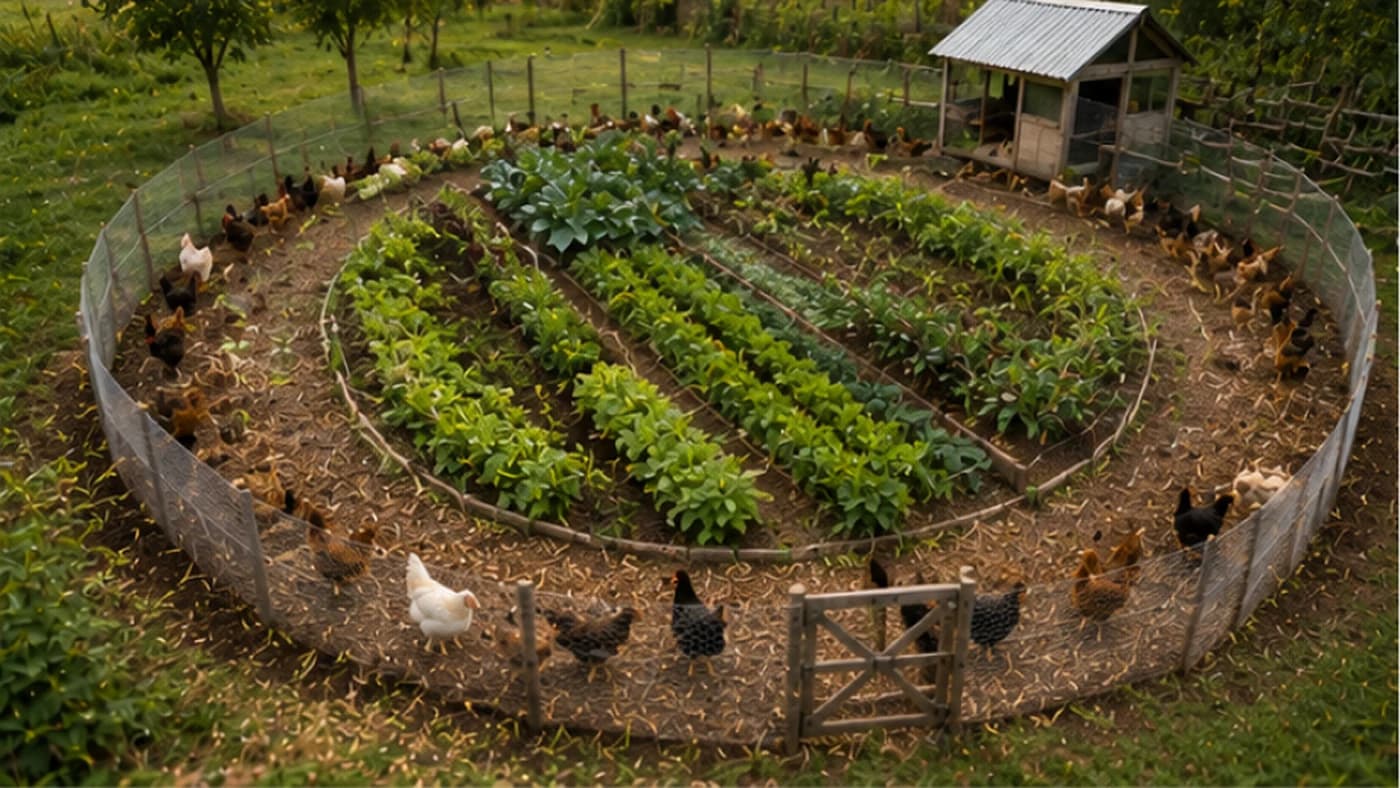
A normal fence just stands there while insects walk straight through. A chicken moat — a double-fenced ring around your garden — turns your birds into round-the-clock pest patrol, fertiliser spreaders and weed control, all at once.

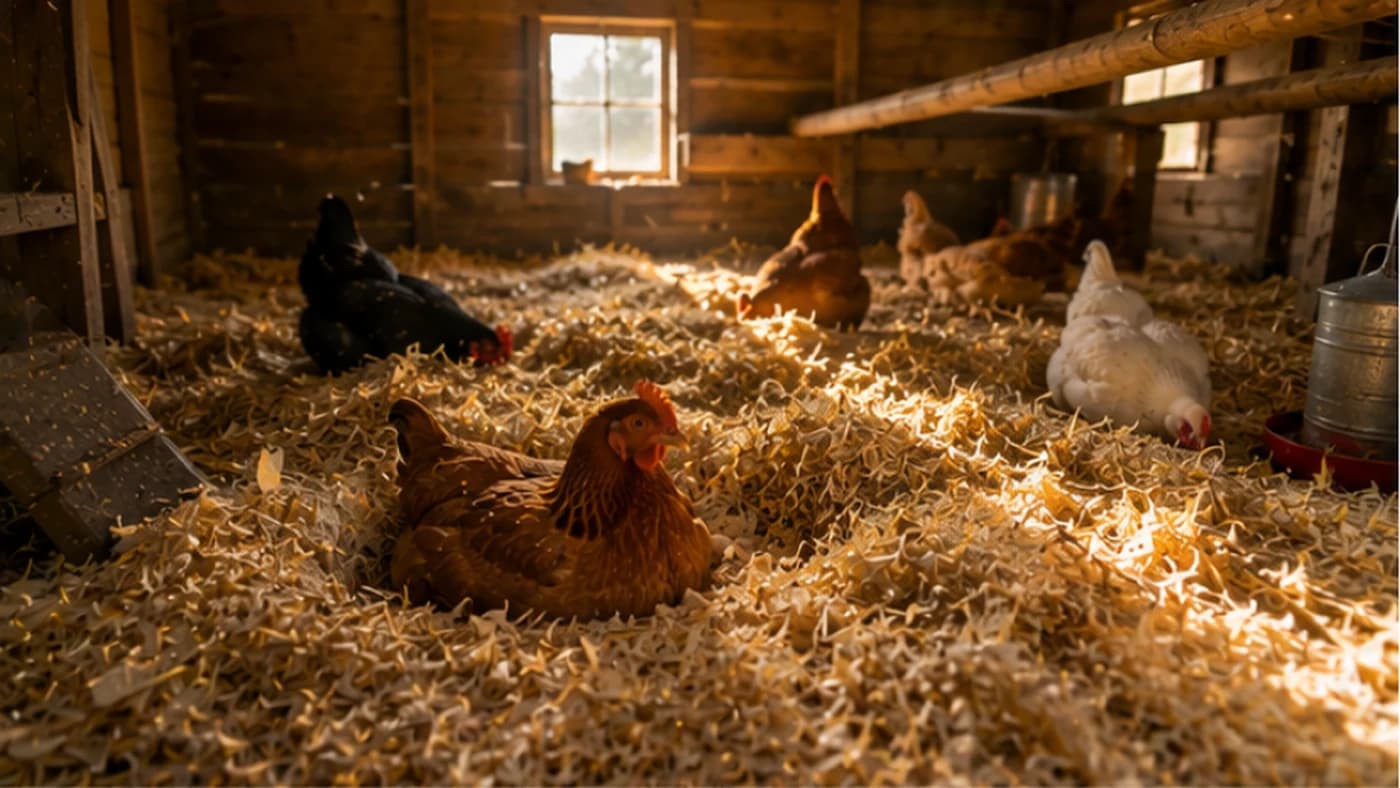
Scooping and hauling manure out of a coop every week is exhausting and throws away free fertiliser. The deep litter method lets bedding and droppings build up and compost in place — less labour, better bird health, and a bucket of garden gold every season.

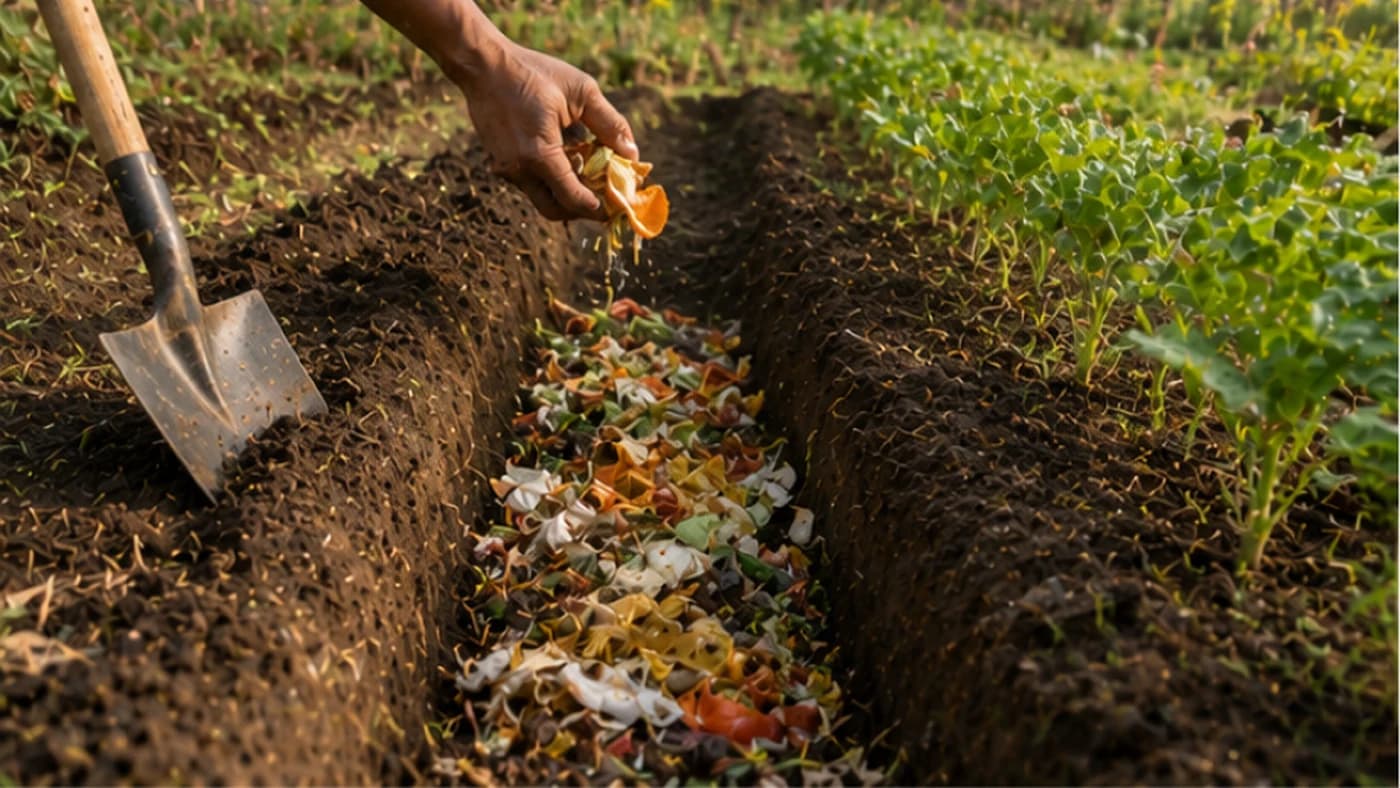
Skip the compost pile and the turning altogether. Bury your kitchen scraps directly where your next crop will grow, and let the soil itself do the composting — no smell, no pests, no extra corner of the yard needed.

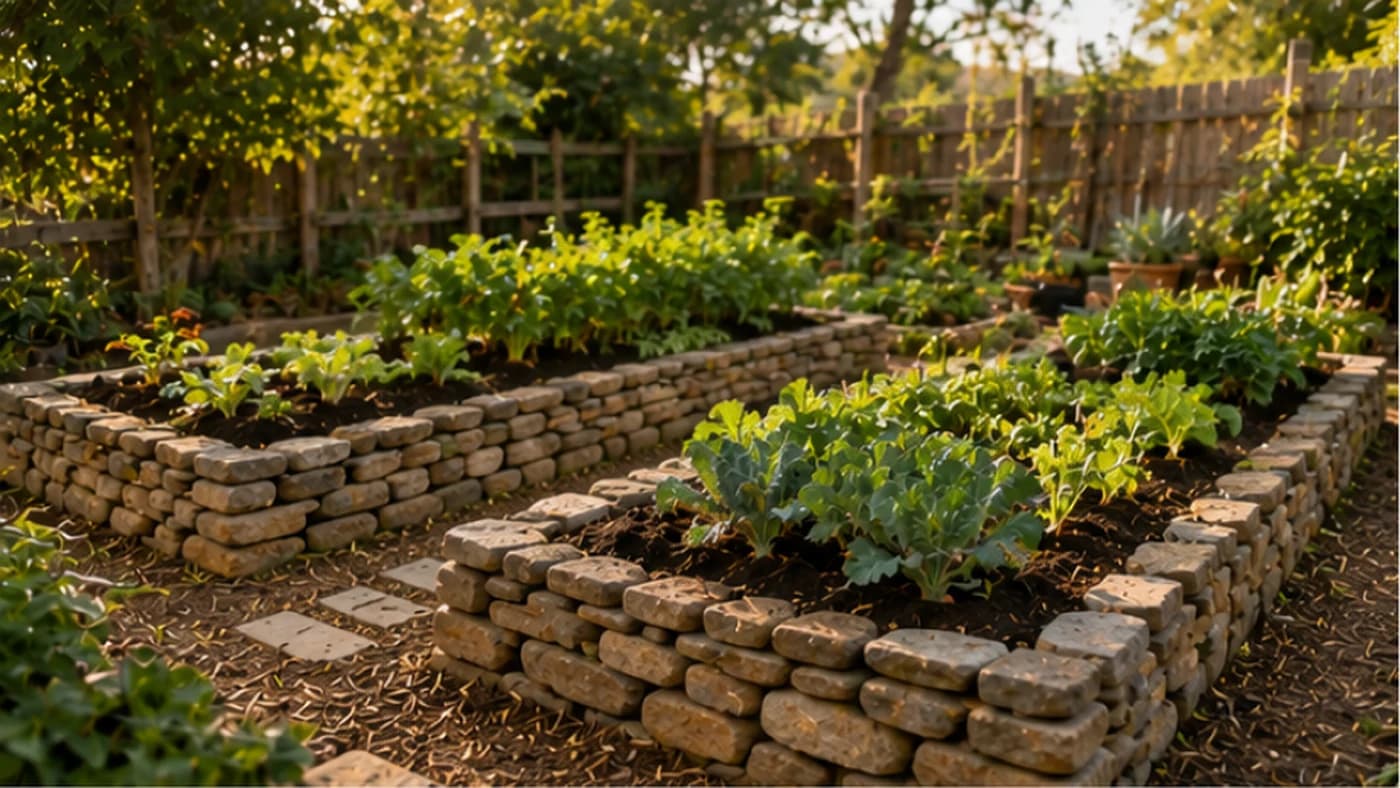
Plastic and wood garden borders crack, rot and end up as landfill within a few years. A dry-stacked stone bed, built once with local rubble, can last a lifetime — and it warms your soil for free.

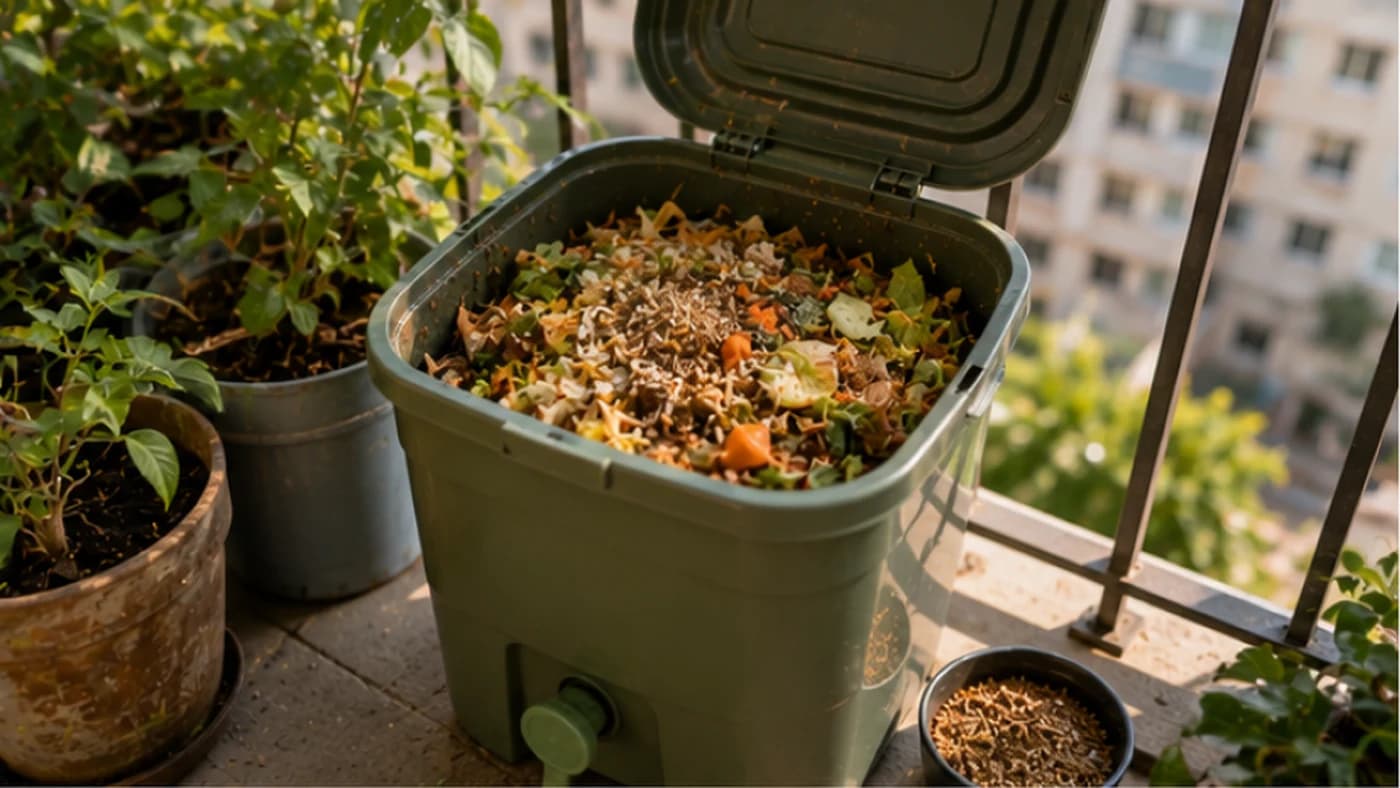
No yard, no compost pile, no problem. Bokashi ferments kitchen scraps — including cooked food, meat and dairy — in a sealed bucket, working in an apartment, a terrace corner, or under a sink.

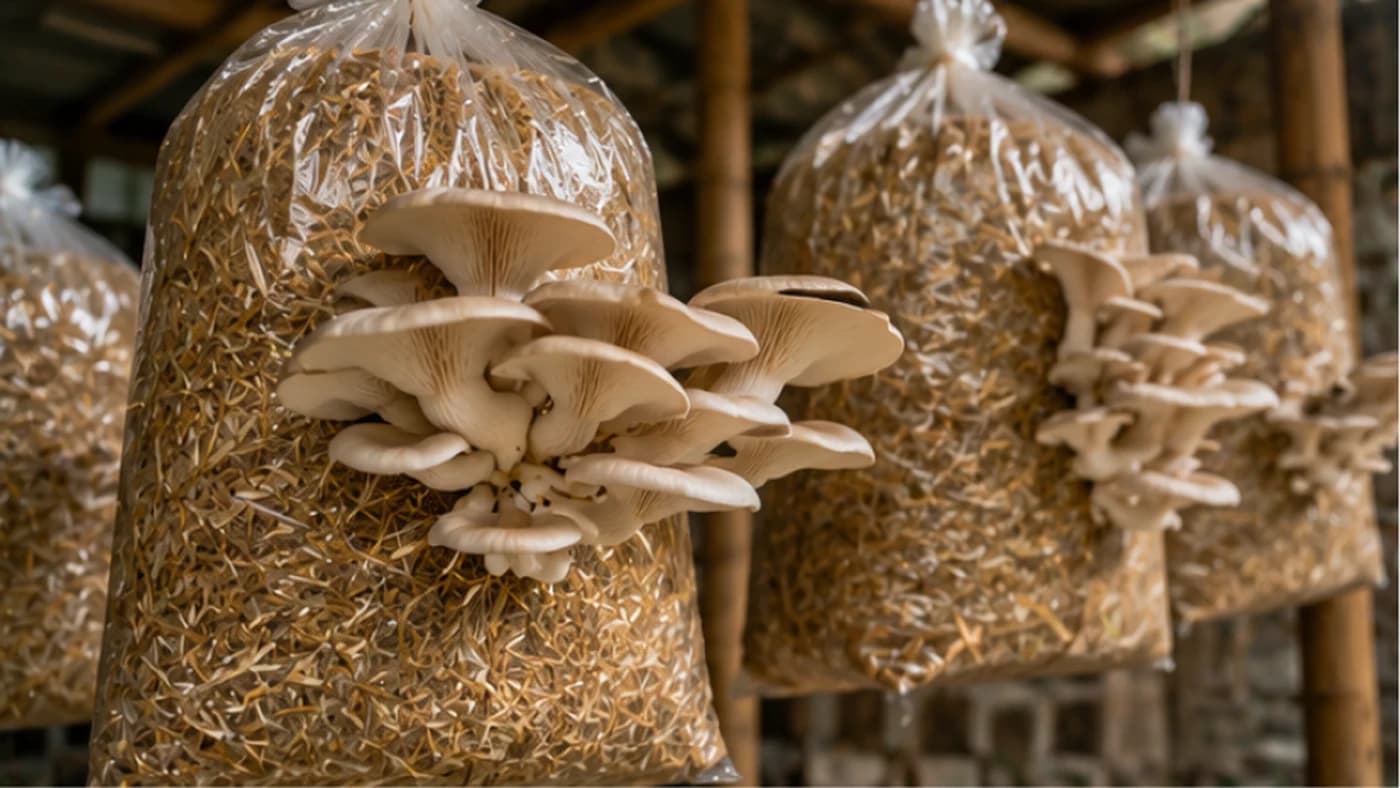
A single bundle of wheat or paddy straw can turn into 10-25 kg of fresh oyster mushrooms across a few harvests — using a bucket, a bag of spawn, and space no bigger than a porch corner.

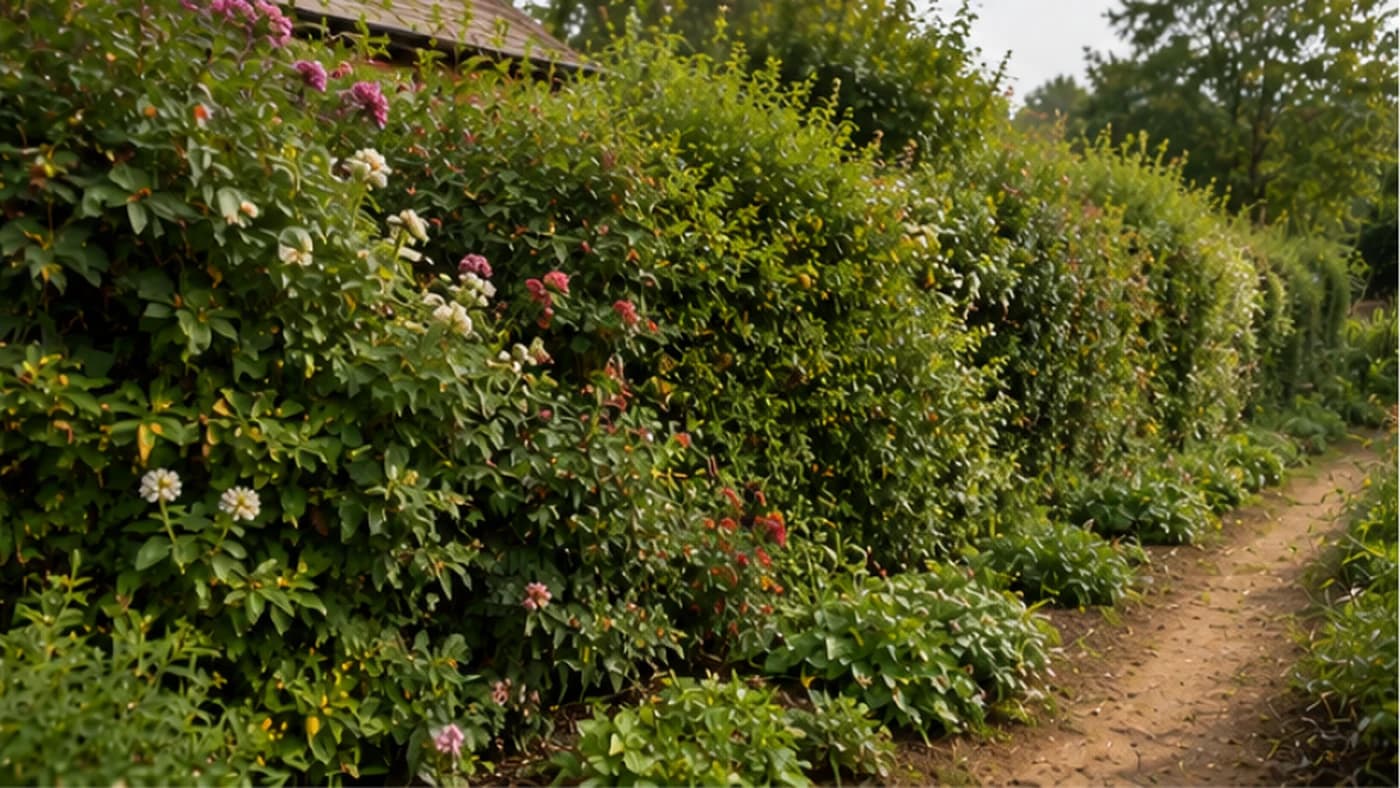
A living fence of thorny, fruiting shrubs gives you privacy, wind protection and a harvest — all from a boundary you'd otherwise spend money maintaining forever.

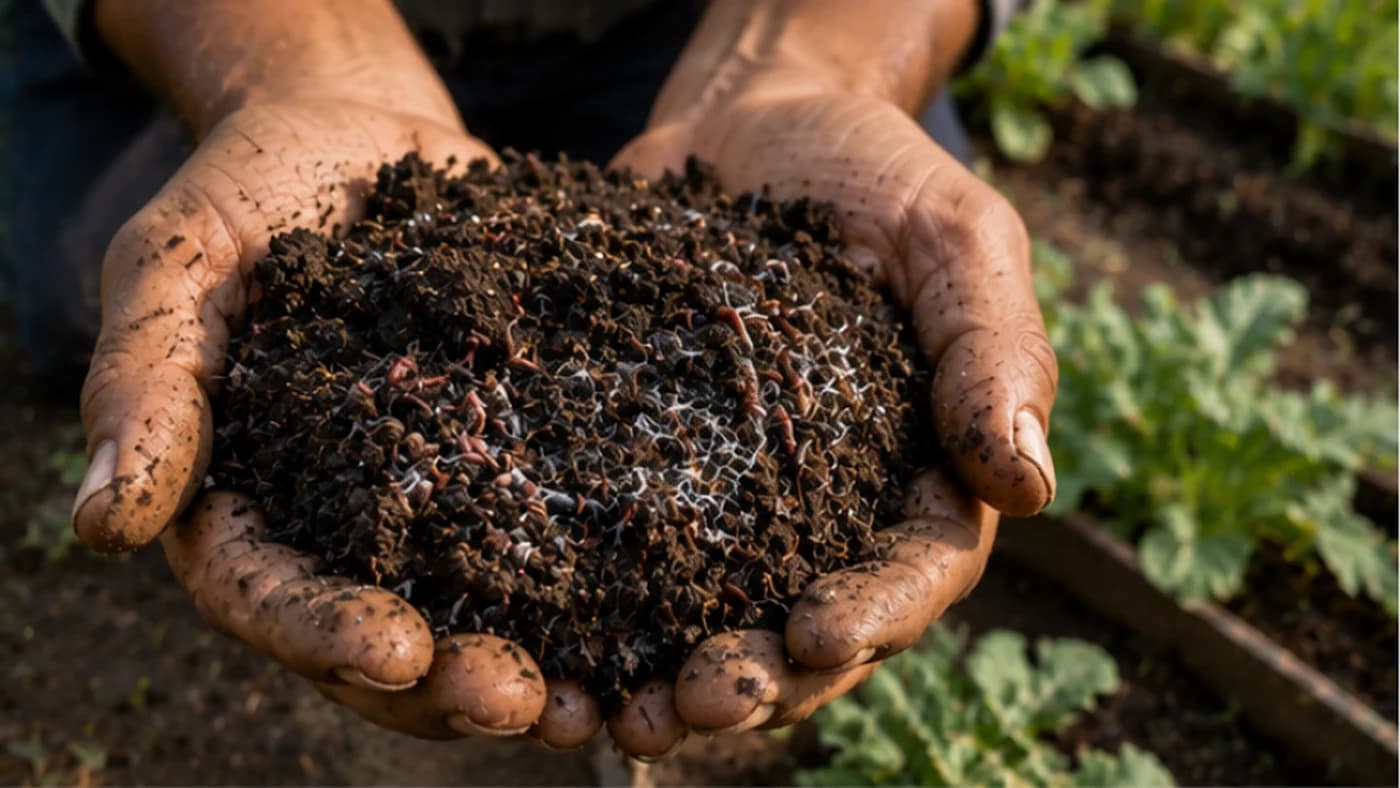
A single teaspoon of healthy soil holds more living organisms than there are people on Earth. Learn how that hidden workforce feeds your plants, fights disease, and can cut your fertiliser bill for good.

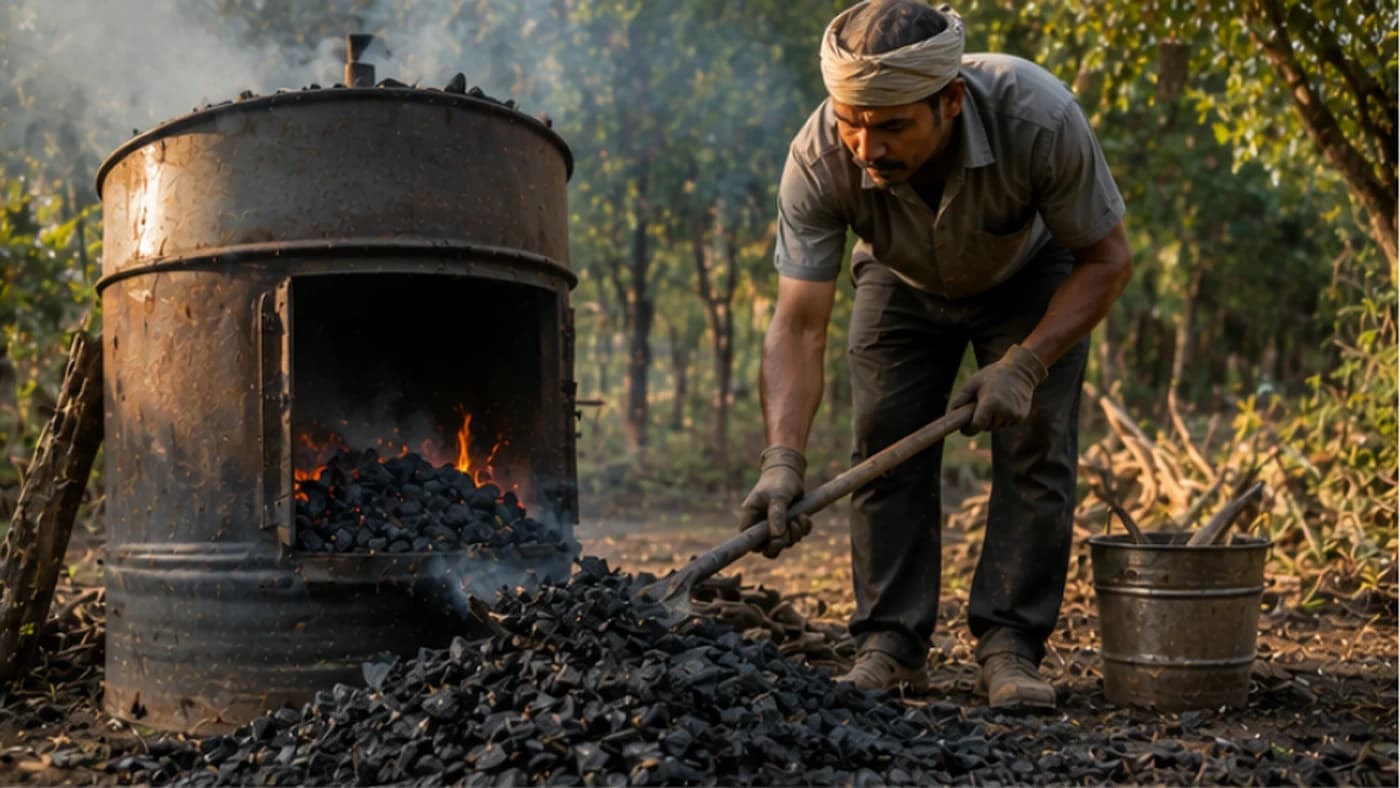
Burning crop waste releases its carbon into the air. Turning it into biochar locks that carbon into your soil instead — building fertility that can last for centuries, not seasons.

A chemical-dependent pool is a drain on your wallet. A natural swimming pond uses plants and beneficial bacteria to filter itself — and doubles as a serious emergency water reserve for your farm.

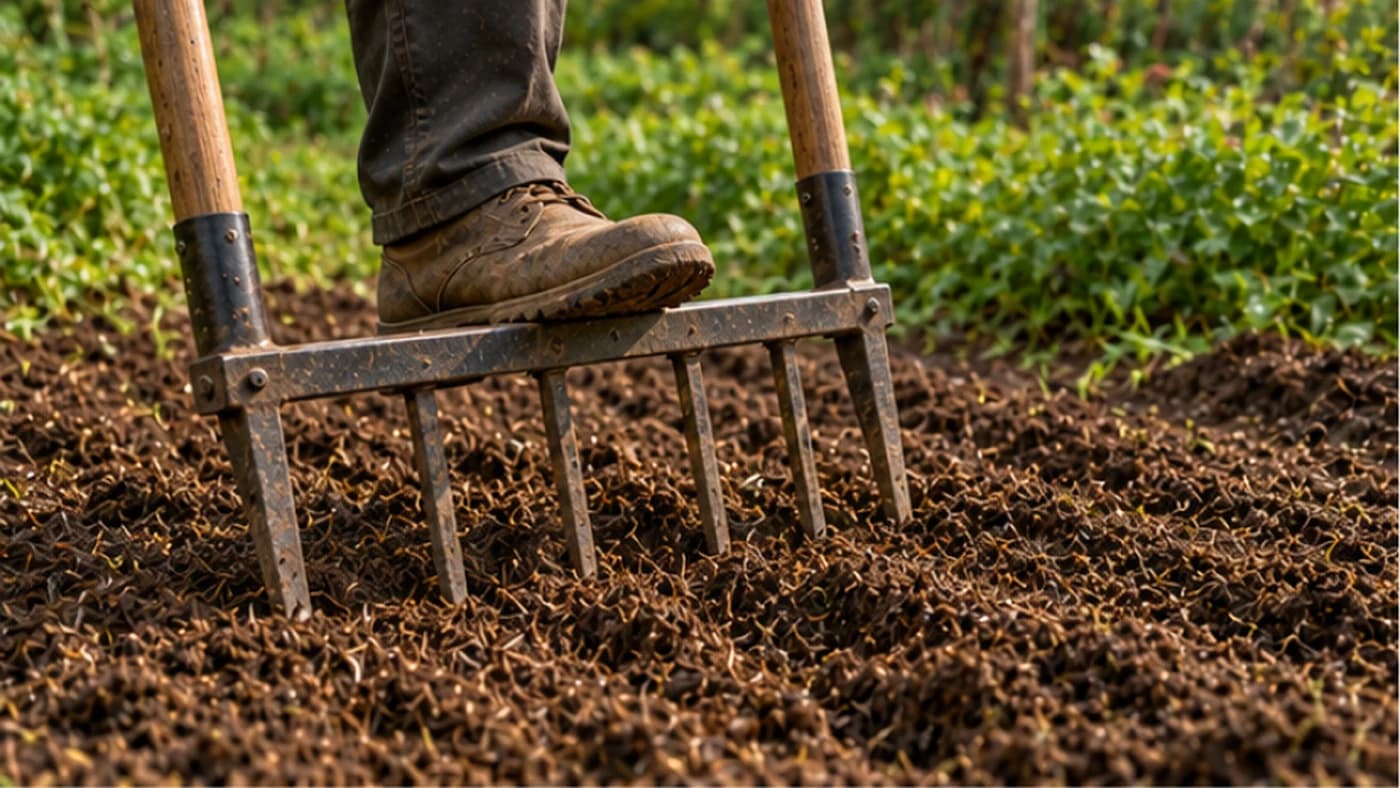
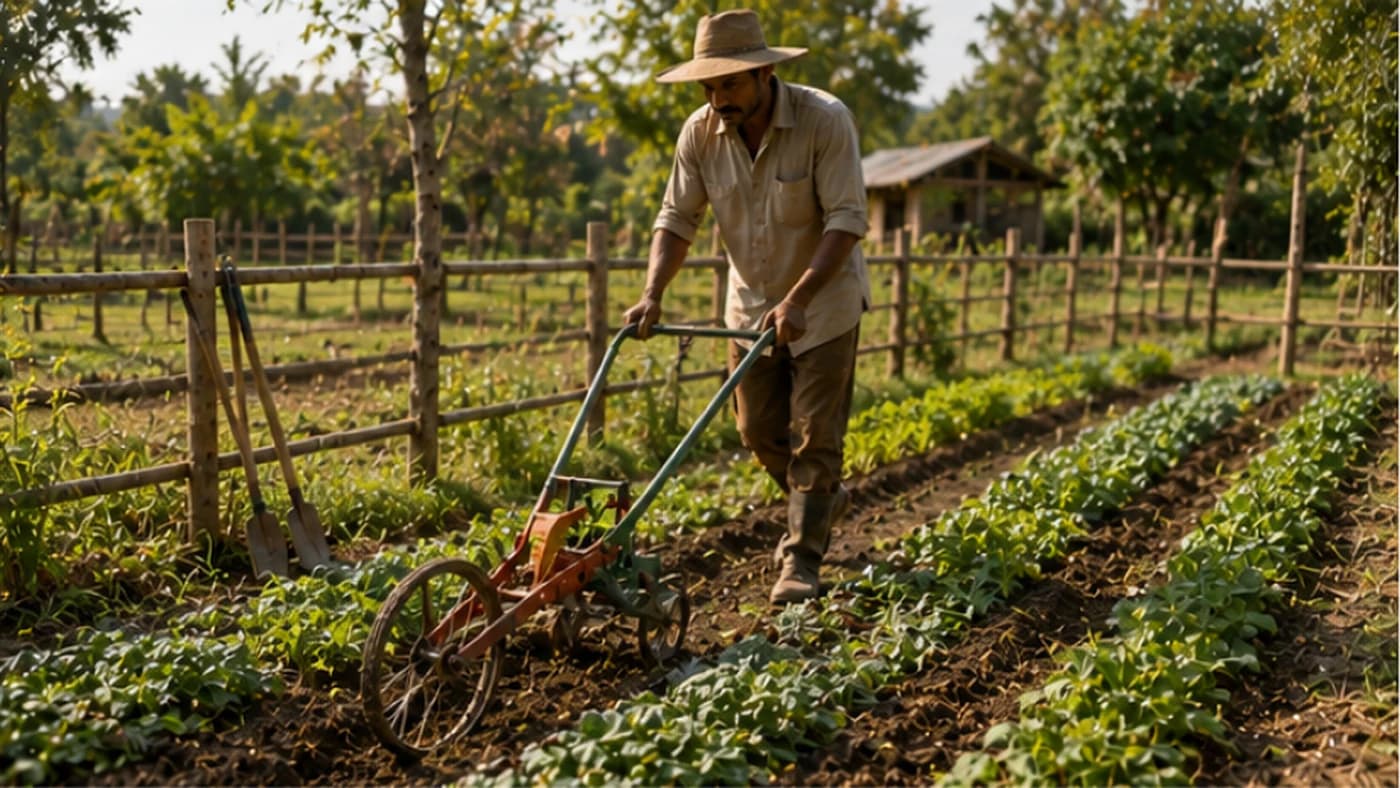
A power tiller looks fast and clean, but it can quietly wreck the soil life underneath. A broadfork — a simple, no-fuel hand tool — often does a better job for a kitchen garden or a small organic plot.

Human urine is roughly 95% water and 5% urea, nitrogen, phosphorus and potassium — a fast-acting, completely free liquid fertiliser most people pour down the drain every day. Diluted and used correctly, it can match synthetic NPK feed at zero cost.

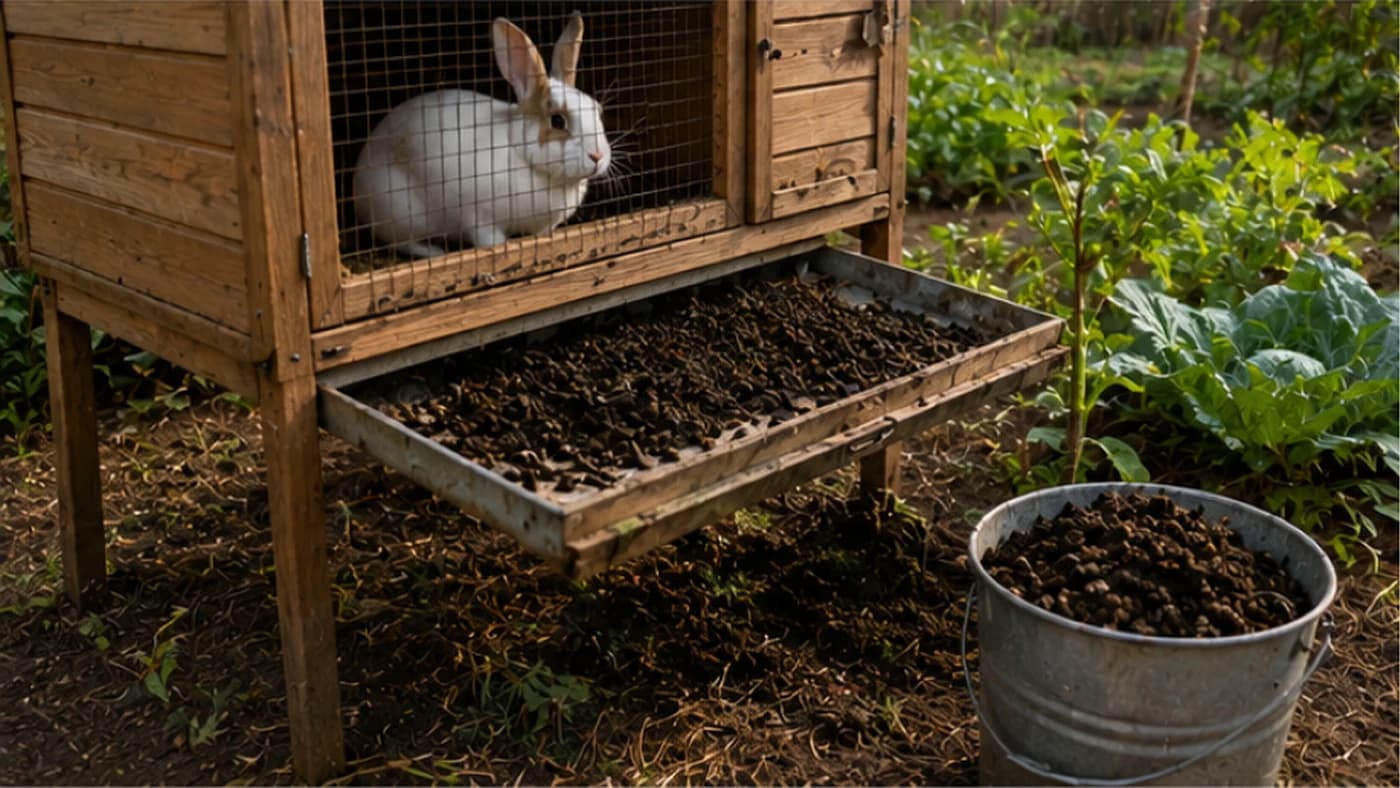
Rabbit droppings are already one of the few manures safe to use fresh. Add a worm bed underneath the hutch, and you turn a daily cleaning chore into a steady supply of premium vermicompost — with far less smell and far fewer flies.

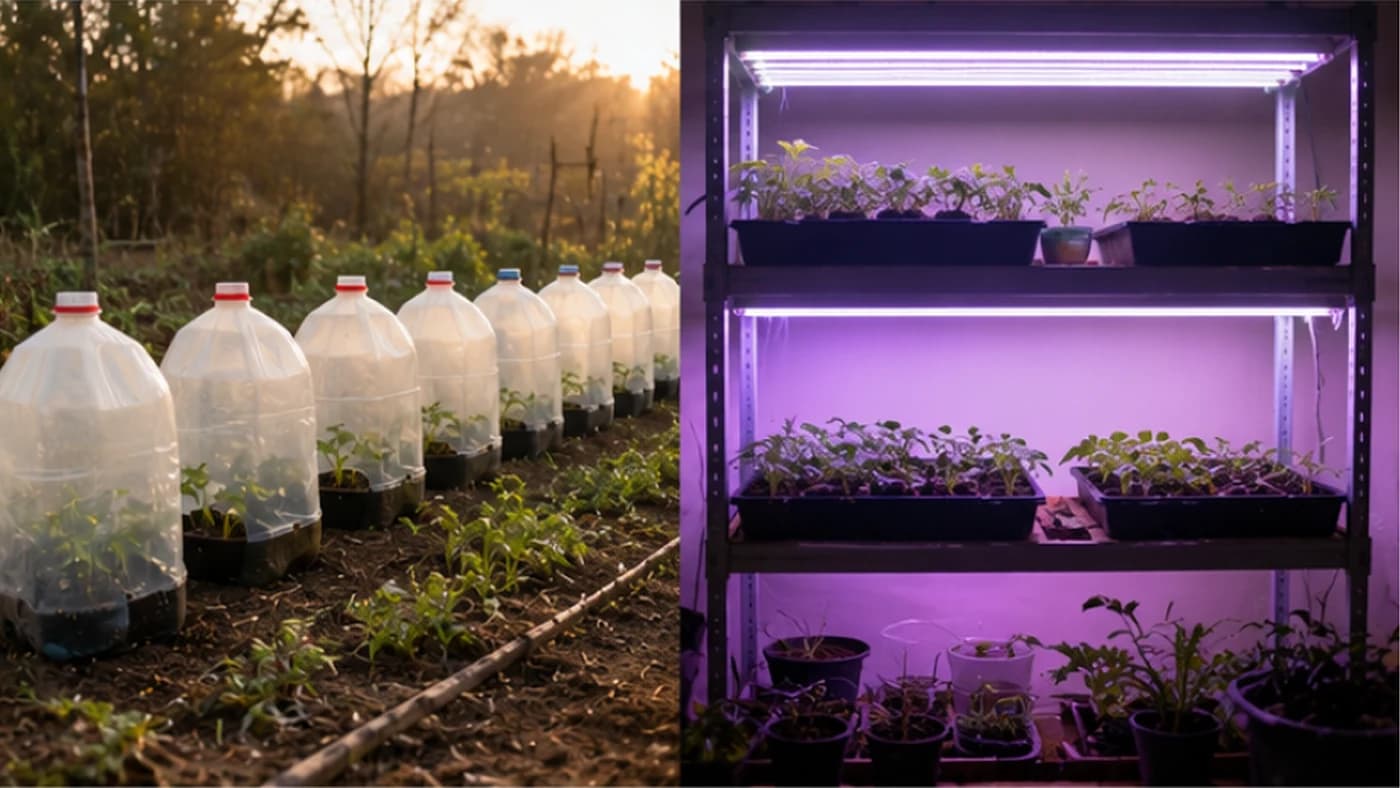
Indoor grow lights run for 14-16 hours a day and add up on the electricity bill — and the seedlings they raise are often leggy and need careful hardening-off. Winter sowing in recycled containers outdoors costs almost nothing and produces tougher plants.

Store-bought soil is often biologically dead and needs constant chemical feeding. Indigenous Microorganisms — the same idea behind Korean Natural Farming and India's own Zero Budget Natural Farming — let you capture your local forest's microbes and turn any field or garden bed into a self-sustaining biological engine.

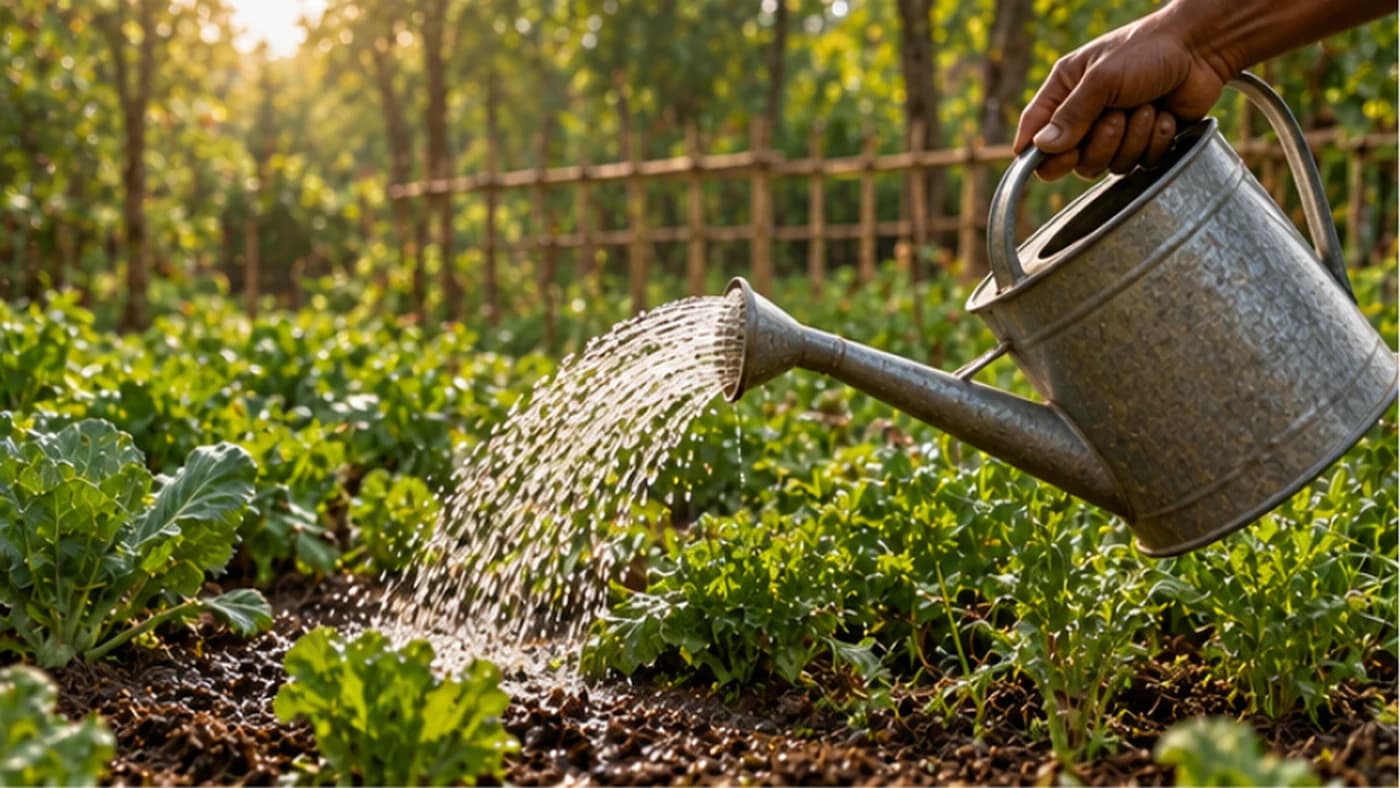
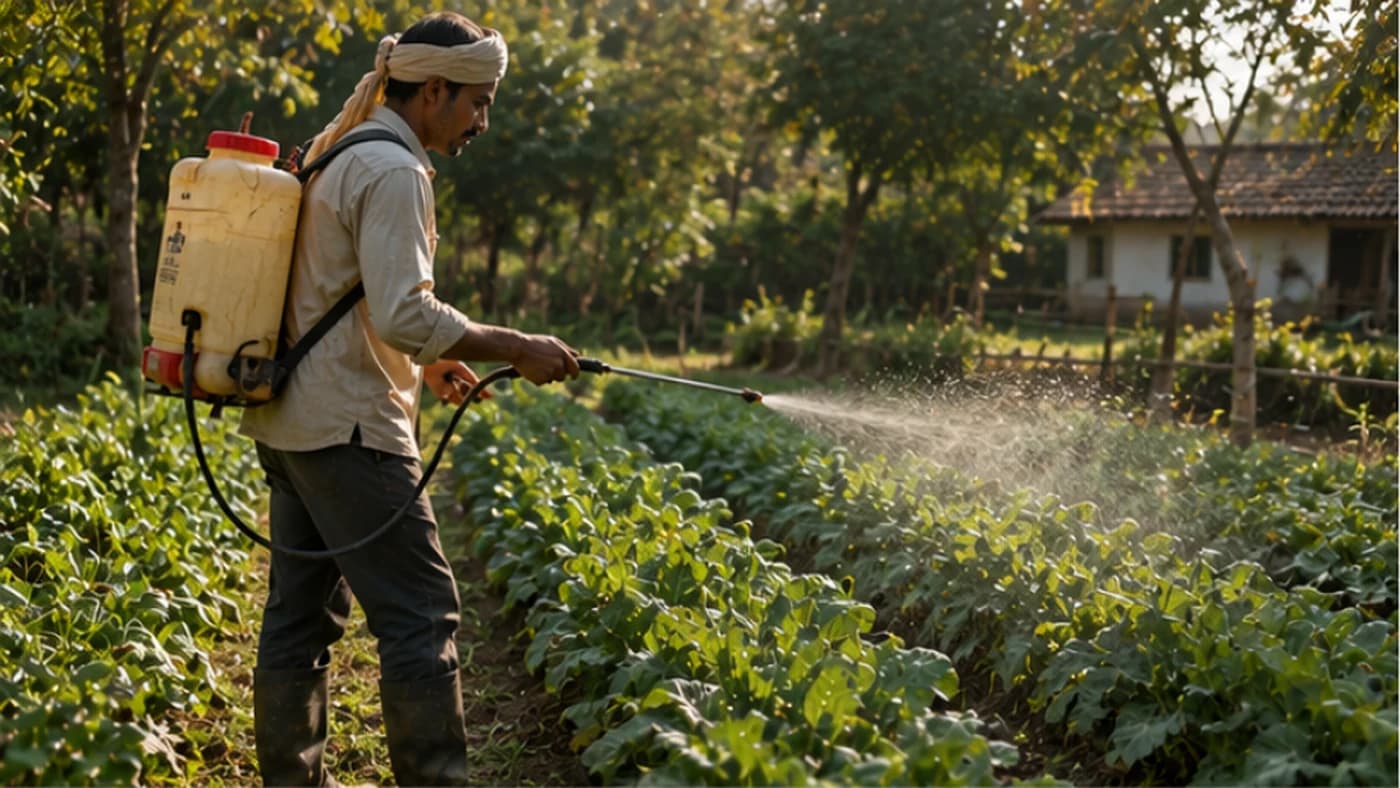
Broadcasting fertiliser feeds every weed seed in the field along with your crop. Precision liquid feeding — through the roots or the leaf — delivers nutrition exactly where the plant can use it, cutting weeding, waste and runoff while giving faster results than granules.

Industrial food takes roughly 10 units of fossil-fuel energy to produce a single unit of food energy — a debt tied directly to oil and gas prices. Here's how to grow food that runs on sunlight, compost and manual tools instead, and why it's really just natural farming with a sharper name.

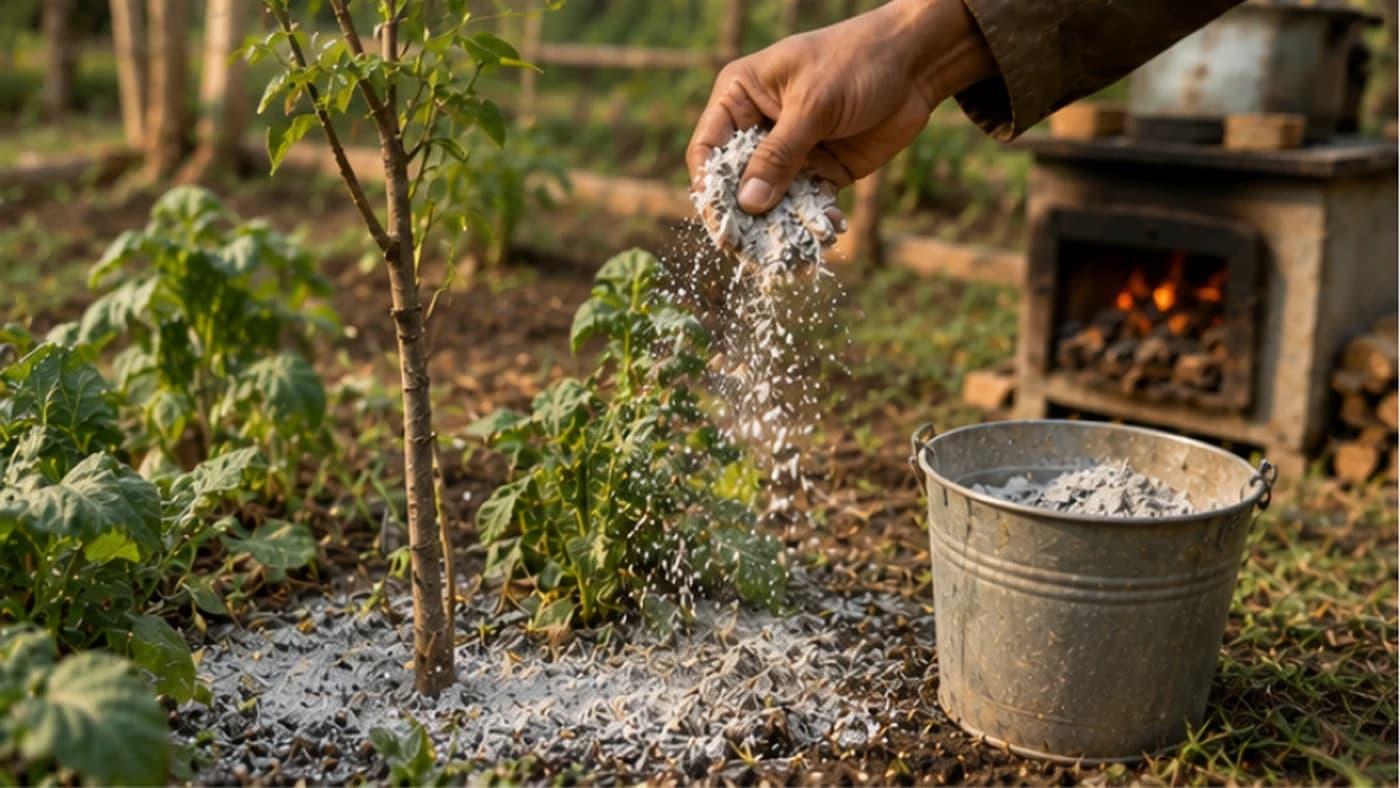
Every farm and home with a wood-fired chulha or stove produces a mineral-rich waste product for free. Wood ash raises soil pH like garden lime, feeds potassium-hungry crops, deters slugs and mites, and even makes traditional soap — if you know its limits.

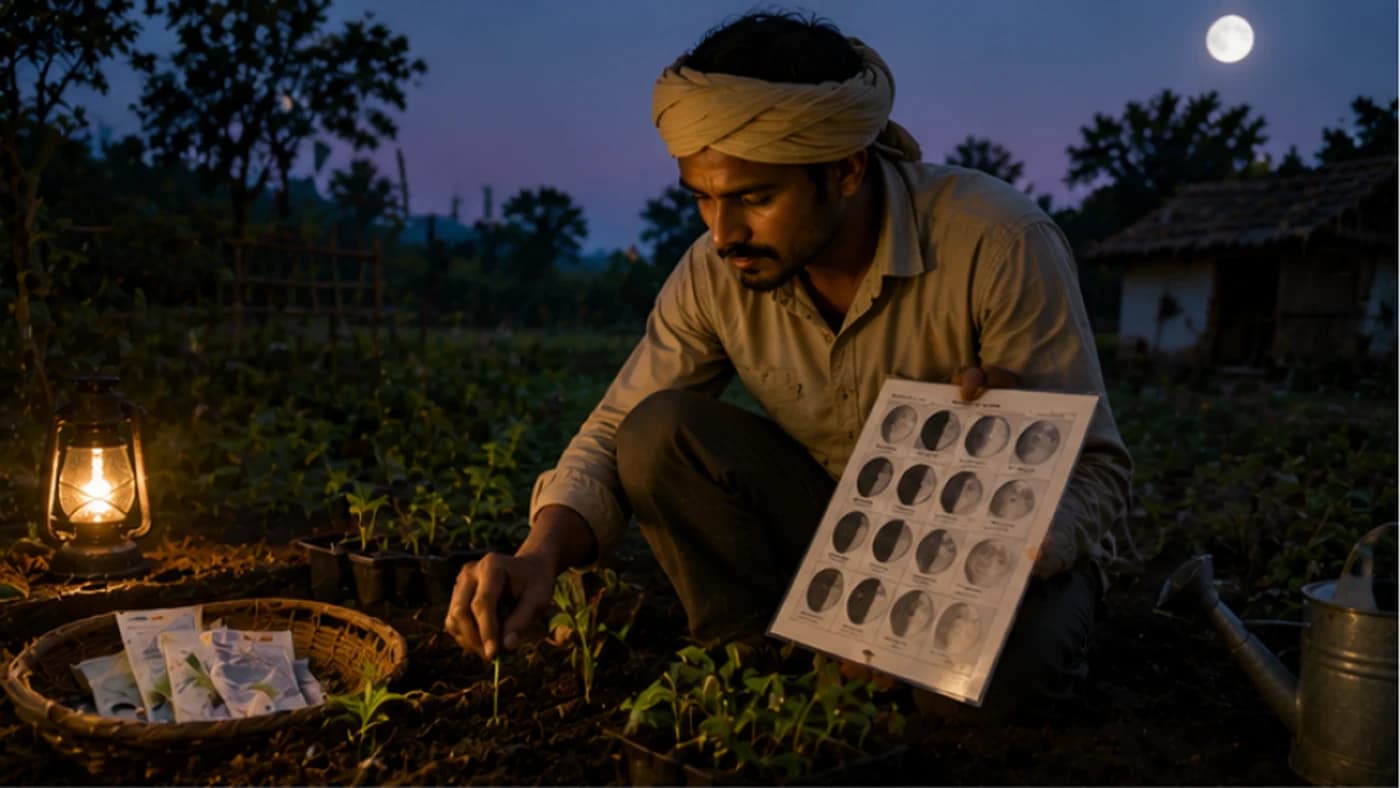
Long before soil-test kits, farmers across the world timed sowing to the moon. We explain the four lunar quarters, what farmers claim it does, and what the actual evidence says — so you can try it without confusing tradition for proven science.

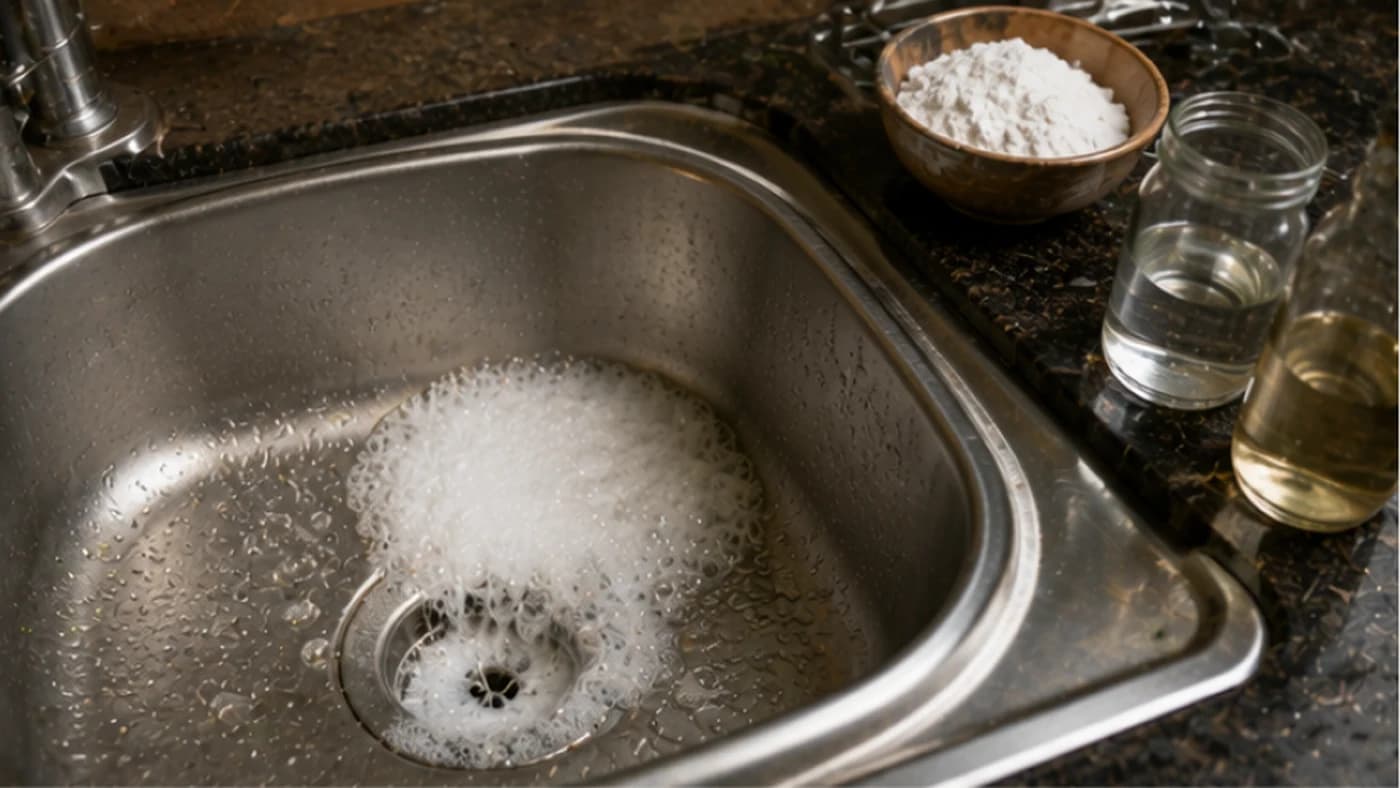
Skip the harsh acid-based drain cleaner. A simple ferment of citrus peels, jaggery and water — popularised in Thailand and now used across Indian homes — breaks down grease safely, freshens septic tanks, and costs almost nothing.

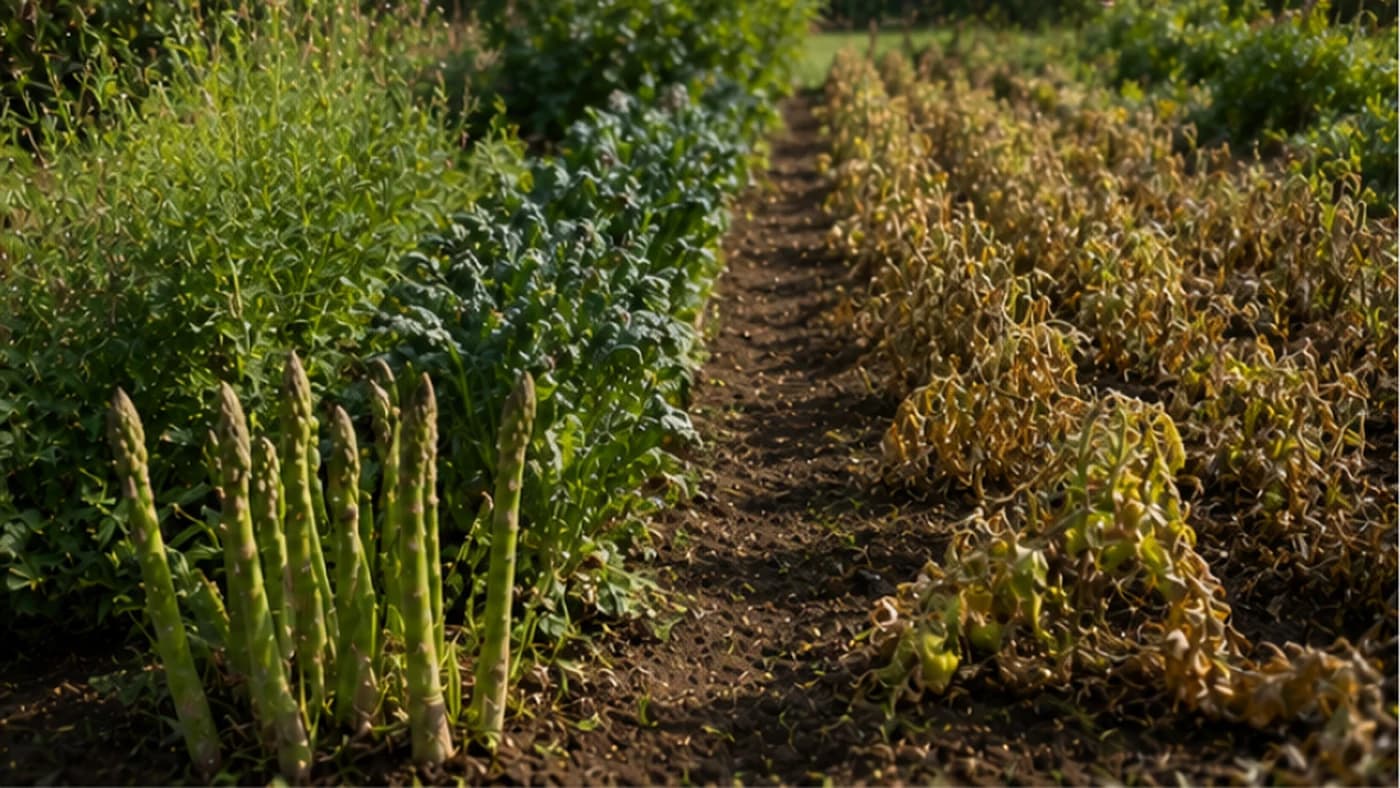
Modern hybrid vegetables often need a constant spray schedule just to survive one season. Perennial crops — from a 50-year-old moringa tree to a native mango grown from seed — build their own defences and get stronger every year.

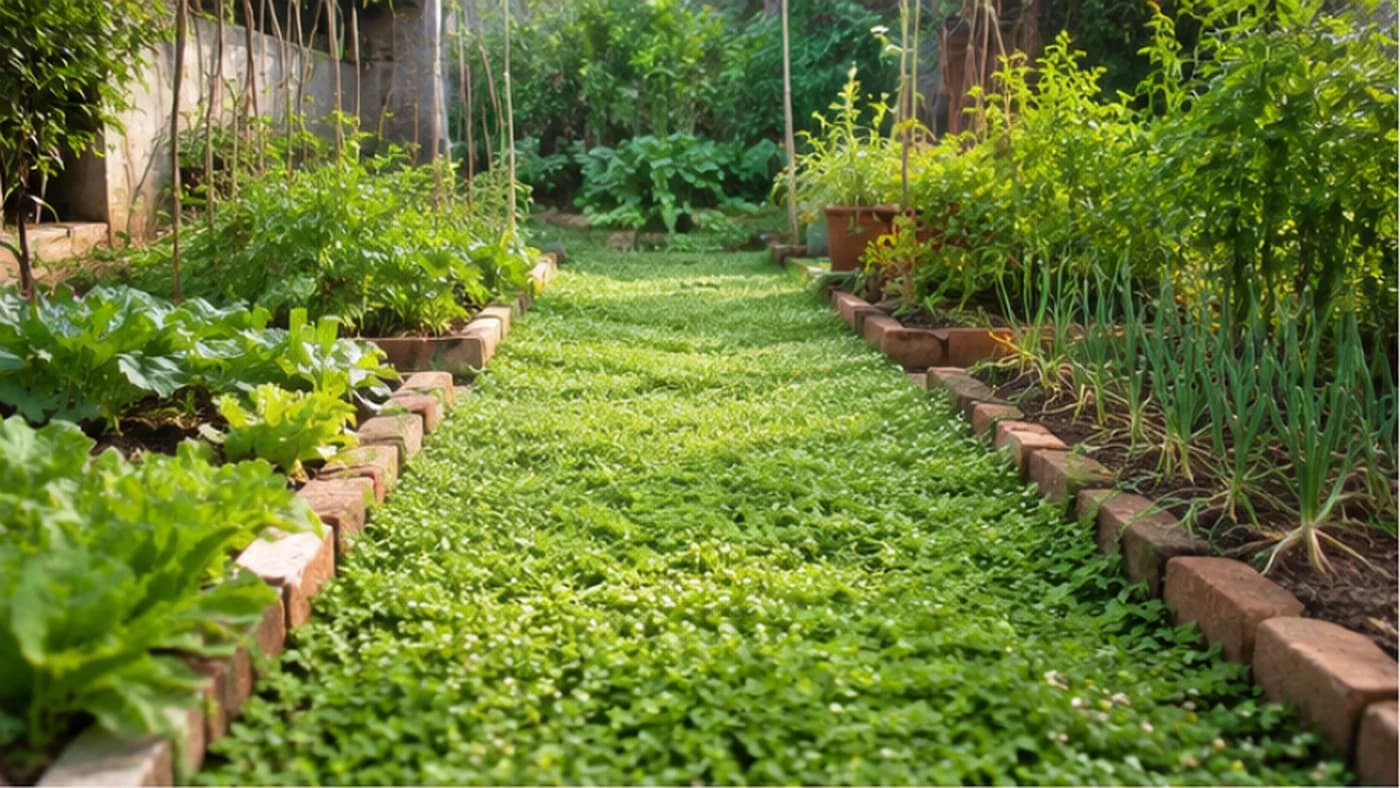
Bare dirt or concrete paths turn into heat islands that bake nearby roots. A living groundcover path — clover, dwarf peanut, or creeping herbs — stays far cooler, feeds the soil with nitrogen, and heals itself when you walk on it.