

DIY Kitchen Waste Fertiliser: Turn Peels and Scraps Into Plant Food
Banana peels, eggshells, tea leaves and vegetable trimmings are a free source of nitrogen, phosphorus and potassium. Here are three simple, low-cost ways to turn kitchen waste into fertiliser for your garden or fields.
Quick answer
Kitchen waste isn't rubbish — it's free nitrogen, phosphorus and potassium waiting to go back into your soil. Pick the method that suits your space: a quick liquid steep for pots and seedlings, a trench for garden beds and fields, or dried eggshell and peel powder for a targeted calcium and potassium boost. Combine a few scrap types for a rounder feed, keep wet and dry material balanced, and be patient — the results show up in your next harvest.
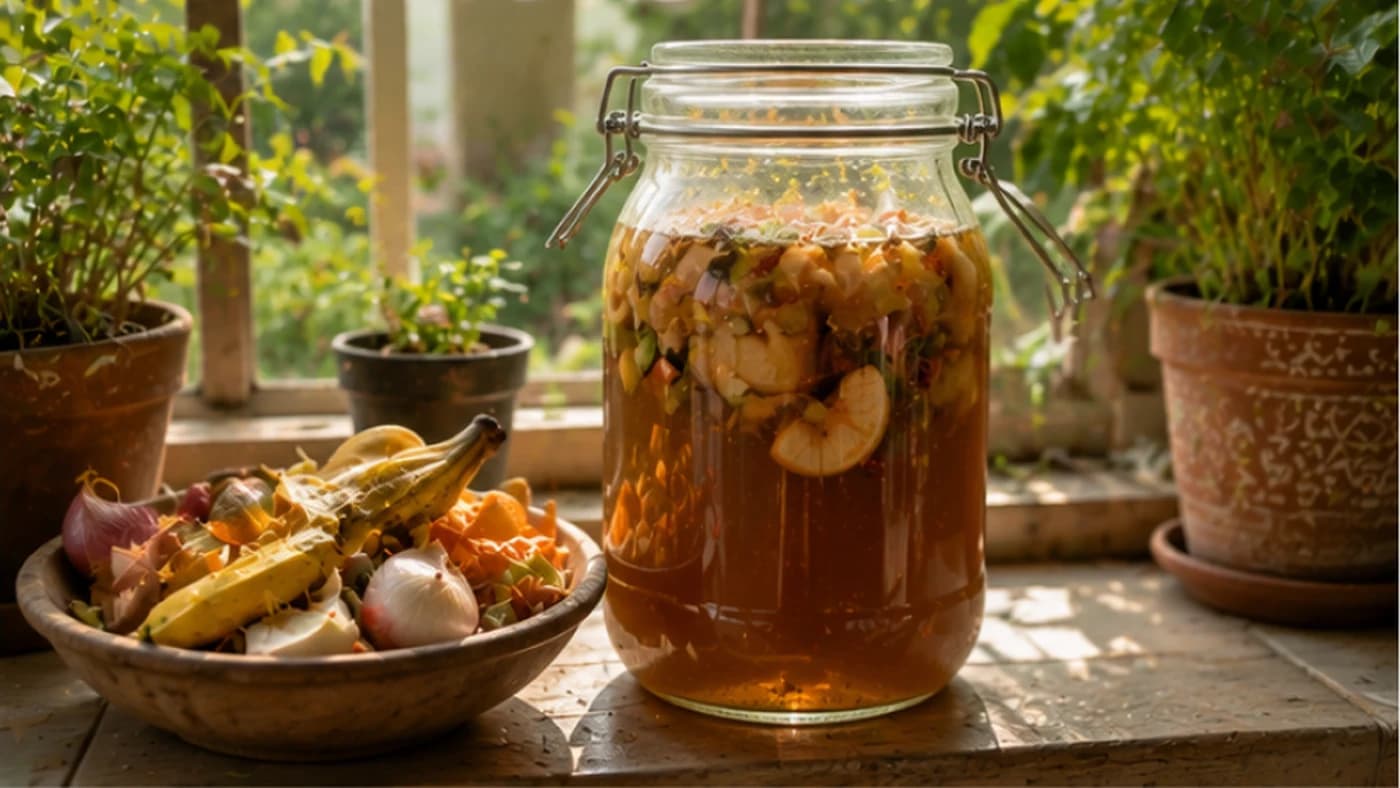
Every banana peel, vegetable trimming and handful of used tea leaves thrown in the bin is a missed dose of plant nutrition. Long before packaged fertiliser existed, farmers returned kitchen and crop waste straight back to the soil, because organic matter contains real, usable nitrogen, phosphorus and potassium — the same nutrients you'd otherwise be paying for in a bag. This guide covers three simple methods anyone can use, from an apartment balcony to a full field, to turn everyday waste into real plant food.
Why kitchen scraps are genuine plant food
Kitchen waste contains the primary nutrients every plant needs — nitrogen, phosphorus and potassium (NPK) — locked inside organic matter. Thrown into a landfill, this waste breaks down without oxygen and produces methane; put into your garden instead, the same nutrients become building blocks for your next crop. This isn't a new or unusual idea in India — returning organic waste to the soil has always been part of good farming and gardening practice — but doing it with a bit of method turns a vague good habit into a reliable, fast source of nutrition.
Method 1: The liquid steep (fastest, best for pots and seedlings)
Place nitrogen-rich scraps — vegetable peels, tea leaves, coffee grounds — into a bucket of water and let it sit for 3-5 days. The water pulls out the soluble nutrients, and once strained, this liquid can be poured directly at the base of plants as a fast-acting tonic. It's the lowest-effort, quickest method and works well for potted plants, seedlings and small kitchen gardens where space for burial or a full compost setup doesn't exist.
Method 2: Trench burial (best for garden beds and fields)
Dig a hole or trench at least 30cm deep in your garden bed, drop in kitchen scraps, and cover with soil. The depth hides the waste from pests and lets earthworms and soil microbes process the nutrients exactly where your next crop's roots will need them. This is the traditional, most direct method for anyone with real growing space and takes roughly 3-6 months to fully break down.
Method 3: Dry powder from eggshells and peels
Eggshells are roughly 95% calcium carbonate — a valuable source of calcium for crops like tomatoes that suffer from blossom-end rot due to calcium deficiency. Bake washed shells until brittle, then grind them into a fine powder; this makes the calcium available to your soil far faster than simply crushing shells by hand. Dried and ground banana peels work similarly for potassium. A couple of tablespoons of ground eggshell powder worked into the soil at the base of a plant is a simple, targeted fix for calcium deficiency symptoms.
Getting a balanced feed, not just one nutrient
No single scrap gives your soil everything it needs, so combine a few types for a rounder nutrient profile: used tea leaves contribute nitrogen, crushed eggshells offer calcium and phosphorus, and onion skins or banana peels add potassium. Mixing these together, rather than relying on just one, gives your plants something closer to a complete feed instead of a single vitamin.
Common mistakes
The most frequent beginner error is imbalance — too many wet, nitrogen-rich greens without enough dry, carbon-rich browns (dried leaves, shredded paper) turns the mix slimy and foul-smelling, so always add some dry material alongside wet scraps. Never include meat, dairy or oils in a standard kitchen fertiliser — these decompose differently, attract rodents and flies, and can carry pathogens you don't want near food crops. And avoid impatience: adding large amounts of fresh, uncomposted scraps directly at a plant's base can temporarily lock up soil nitrogen as microbes work through it, which can turn young plants yellow and stunted until decomposition finishes.
Realistic limits
In a small apartment, space for trenching or full composting may not exist, so liquid steeping or a small-scale bin system remains your best option — it simply won't produce enough volume for a large field. Cold weather also slows decomposition sharply, since it's a temperature-dependent process, so expect kitchen composting to slow down in winter in cooler regions. And no single scrap can fix a major, specific soil deficiency on its own — if a soil test shows a serious shortage of a particular nutrient, a concentrated organic amendment (like bone meal) may still be needed alongside your kitchen-waste routine.
Practical tips that make a real difference
If you're using tap water for a liquid steep, let it sit uncovered for 24 hours first so the chlorine (which is designed to kill bacteria, including the ones your compost needs) evaporates. Chop or shred your scraps before adding them anywhere — a whole banana peel can take weeks to break down, while a finely diced one disappears in days, simply because of the increased surface area for microbes to work on. If trenching, keep at least 30cm of soil on top to prevent pests digging it up and to trap odour underground during the breakdown.
Frequently asked
Which kitchen scraps make the best fertiliser?+
Vegetable peels and tea leaves for nitrogen, crushed eggshells for calcium and phosphorus, and banana peels or onion skins for potassium. Combining a few types gives a more complete feed than relying on just one.
How long does a liquid steep fertiliser take?+
About 3-5 days. Steep nitrogen-rich scraps in water, strain, and pour the liquid at the base of plants as a fast-acting tonic — ideal for pots, seedlings and small gardens.
Why did my compost turn slimy and smelly?+
This usually means too many wet, nitrogen-rich greens without enough dry, carbon-rich browns. Add shredded dry leaves or paper alongside wet scraps to rebalance it.
Can I add meat or dairy scraps to kitchen waste fertiliser?+
No. Meat, dairy and oils decompose differently than plant matter, attract rodents and flies, and can carry pathogens — keep them out of a standard kitchen fertiliser routine.
Why are my plants turning yellow after I fed them fresh scraps?+
Fresh, uncomposted material can temporarily tie up soil nitrogen while microbes break it down, starving the plant in the short term. Let scraps decompose for a few weeks, or plant away from a very fresh application, before expecting a nutrient boost.
Where to go next
Want this as daily tasks for your farm?
Khetiyaar turns guides like this into a day-by-day plan — in your language, free to start.

Related guides
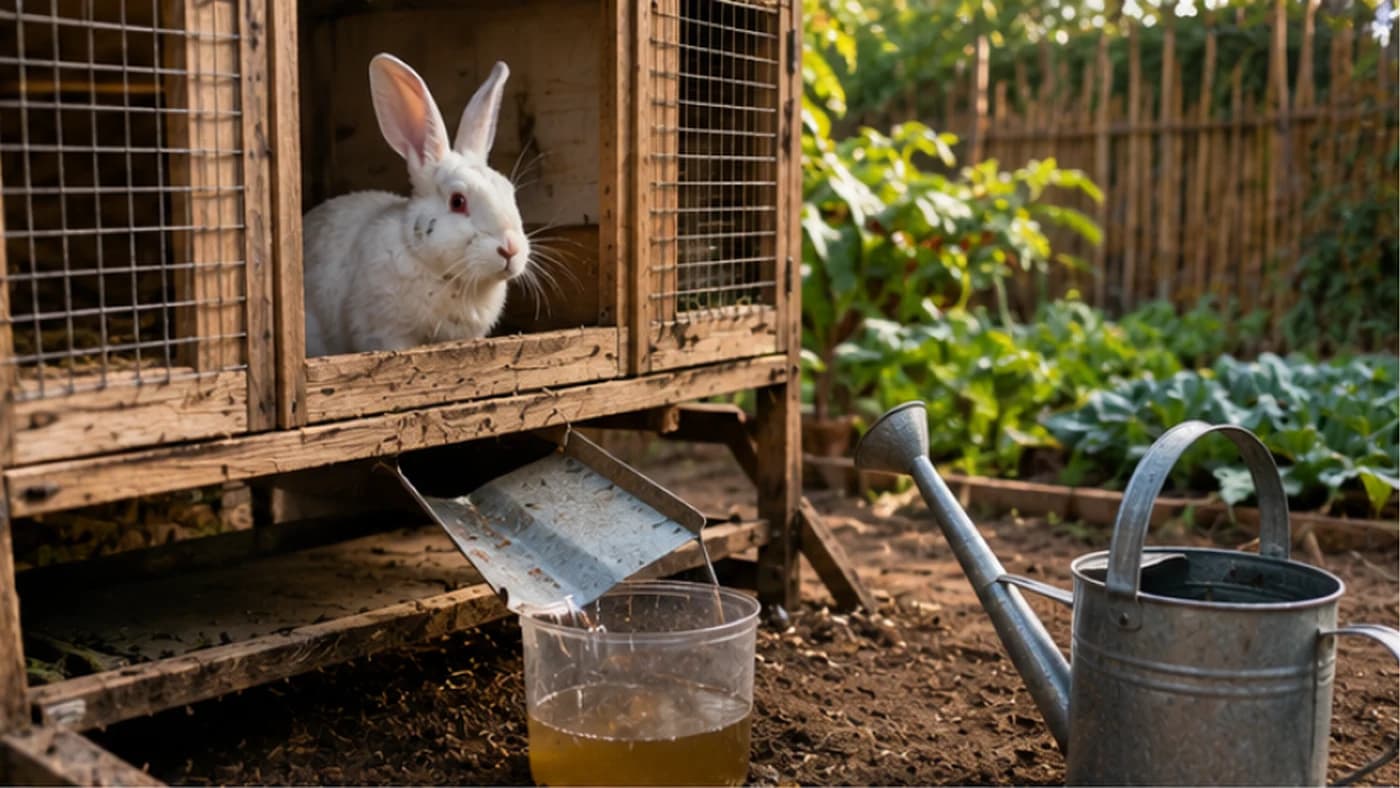
Rabbit Urine as Fertiliser: The Free Liquid Boost Most Rabbit Keepers Waste
Rabbit keepers usually save the manure and let the urine drain away — but the urine carries the fast-acting, water-soluble nitrogen your vegetables need most during their peak growth. Diluted correctly, it works like a free liquid feed.
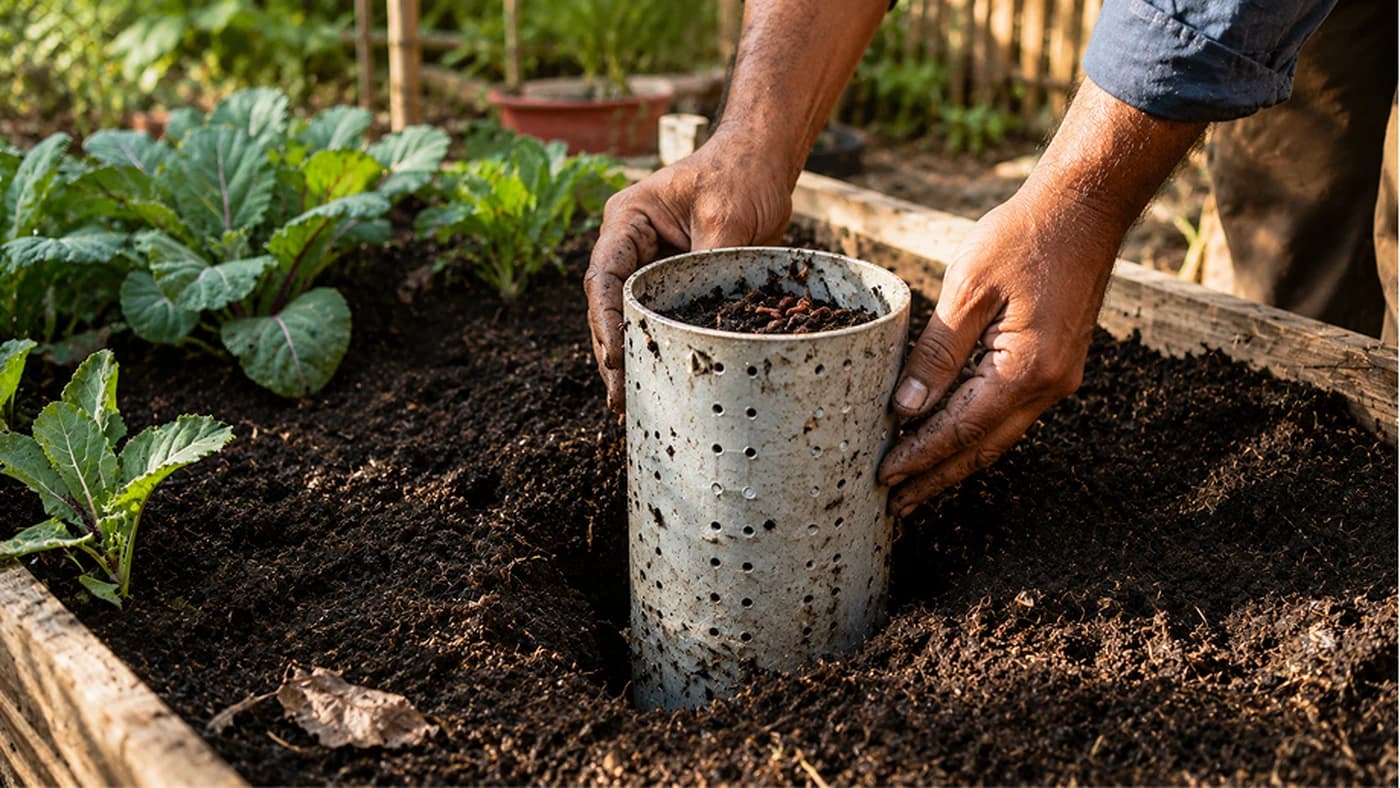
How to Build a Garden Worm Tower for Free, In-Bed Composting
Stop hauling kitchen scraps to a distant bin and hauling compost back months later. A buried worm tower lets worms process waste right where your plants are growing.
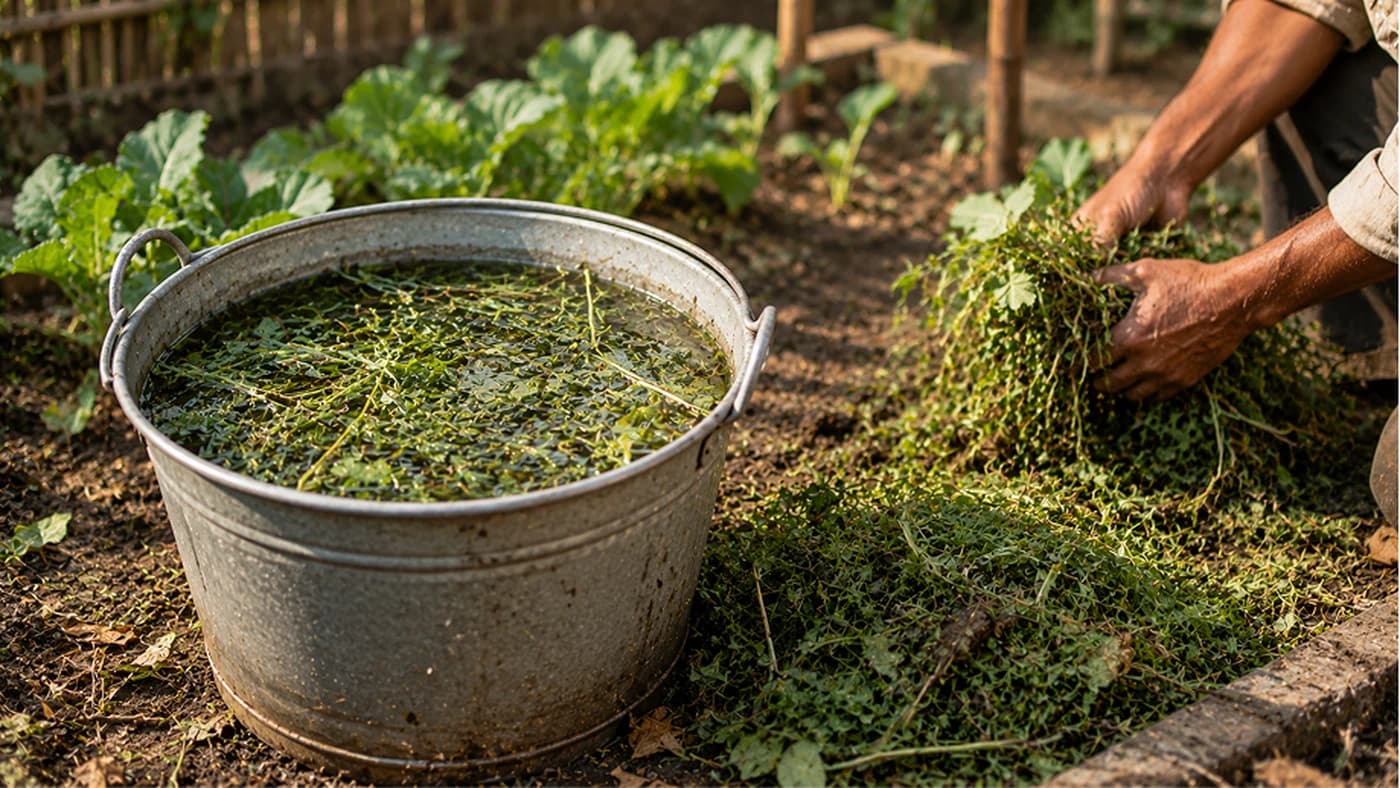
Free Garden Fertiliser From Backyard Weeds (Fermented Plant Juice)
The weeds growing wild along your bund or driveway are nutrient pumps. Korean Natural Farming's Fermented Plant Juice (FPJ) turns them — plus a handful of jaggery — into a potent, nearly free plant tonic.