

Terrace Gardening: Grow Vegetables on Your Rooftop
No farmland? Your rooftop can produce a surprising quantity of fresh vegetables — if you protect the roof, choose light containers and plan for sun and wind.
Quick answer
Set up a terrace garden by protecting the roof, using light containers and a rich but light soil mix, planning for intense sun and wind, choosing suitable crops, and watering and feeding regularly. Done well, your rooftop becomes a steady source of fresh vegetables and a cooler home.
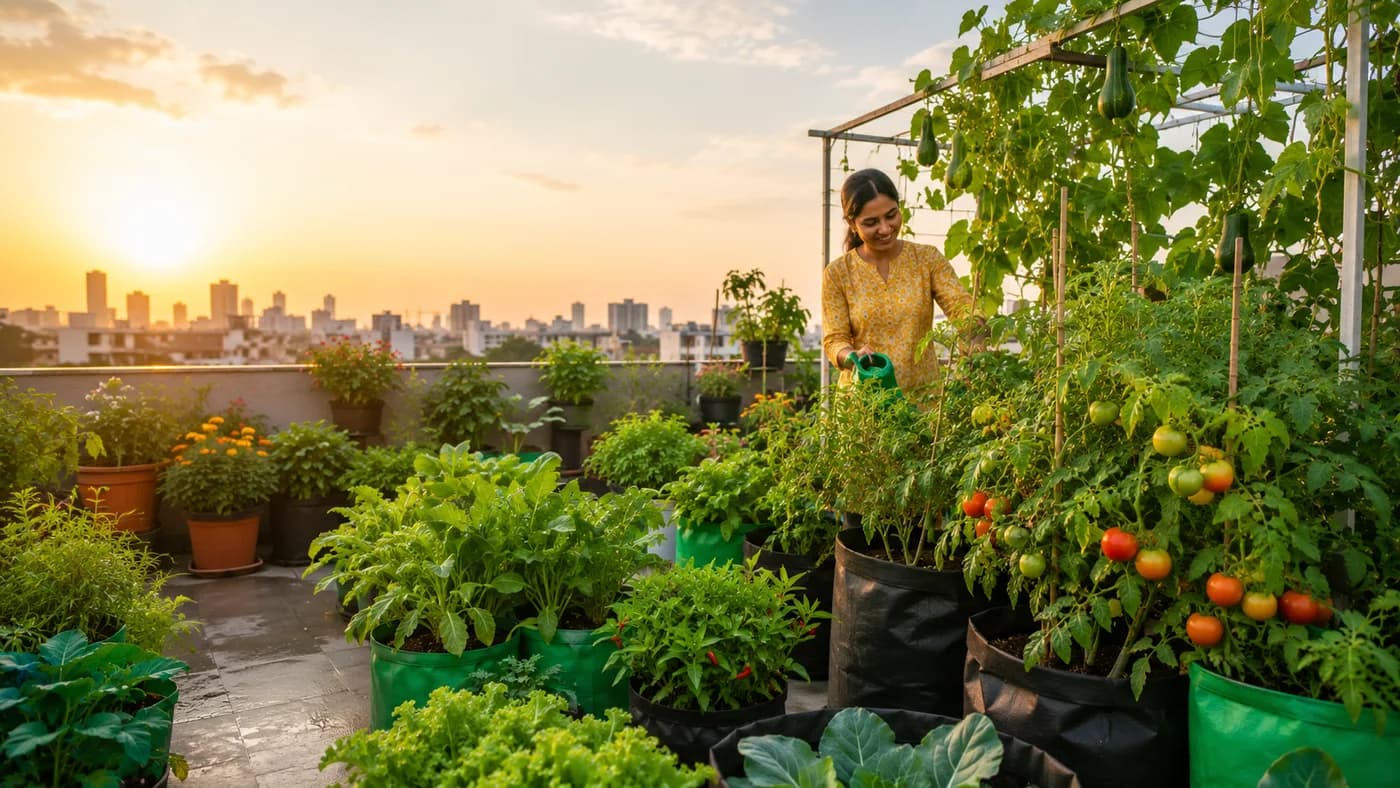
Having no farmland is no longer a barrier to growing your own food. A rooftop can produce a surprising quantity of fresh vegetables if you set it up properly. Terrace gardening turns unused space into a productive, green and cooling addition to your home.
Protect your roof first
Before anything else, protect the roof from water damage. Place containers on raised stands, bricks or trays so water drains freely and does not sit on the surface. Consider waterproofing the terrace to prevent seepage into the rooms below. A little care here saves major problems later.
Choose light containers
Weight matters on a rooftop, so choose light containers such as grow bags, plastic pots and wooden boxes rather than heavy cement pots. Every container must have drainage holes. Grow bags are especially popular because they are light, cheap and drain well.
Use a light, rich soil mix
A blend of soil, compost and cocopeat is light enough for a roof yet rich and moisture-retentive. Avoid filling containers with only heavy garden soil, which becomes compacted and waterlogged.
Plan for sun and wind
Rooftops receive intense sunlight and strong wind, which dry out plants quickly. Use shade nets during peak summer to protect sensitive crops, and arrange taller plants to shelter smaller ones. Position sun-loving crops where they get the most light.
Choose the right crops
Tomato, chilli, brinjal, okra, leafy greens, beans and herbs all do well on a terrace. Climbing gourds thrive on a trellis along the parapet wall, making good use of vertical space.
Water and feed regularly
Because containers exposed to sun and wind dry out fast, check them daily in summer and water as needed. Replenish nutrients with compost every few weeks, since frequent watering washes nutrients out of containers.
Terms explained in this guide
Frequently asked
Will a terrace garden damage my roof?+
Not if you raise containers off the surface for drainage and ensure good waterproofing; avoid letting water pool.
What vegetables grow best on a terrace?+
Tomato, chilli, brinjal, okra, leafy greens, beans and herbs, with gourds on a trellis.
Do rooftop plants need shade?+
In peak summer, shade nets help protect sensitive crops and nurseries from intense sun.
Where to go next
Want this as daily tasks for your farm?
Khetiyaar turns guides like this into a day-by-day plan — in your language, free to start.

Related guides
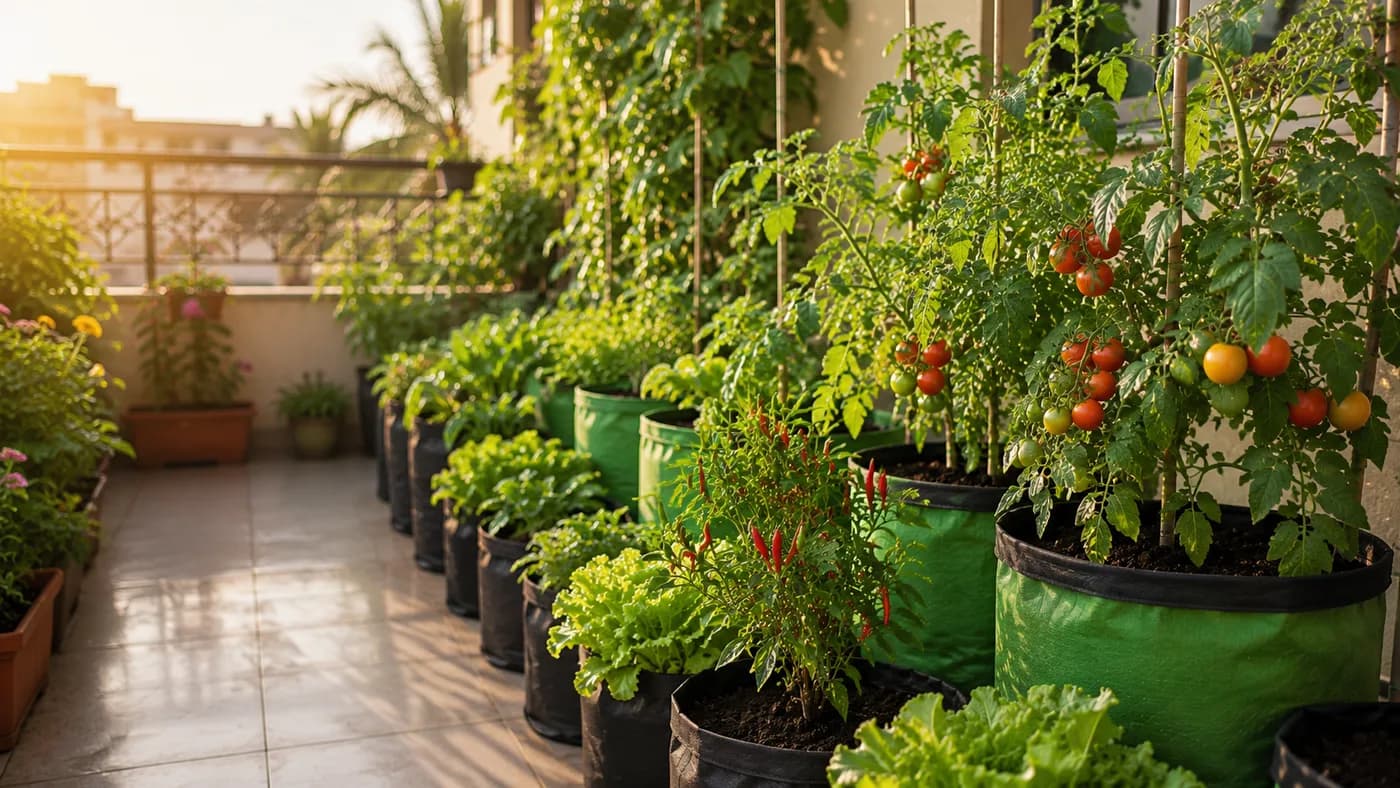
Growing Vegetables in Grow Bags and Pots
Grow bags make vegetable gardening possible almost anywhere. Match the bag size to the crop, use a light rich mix, and water daily in summer.
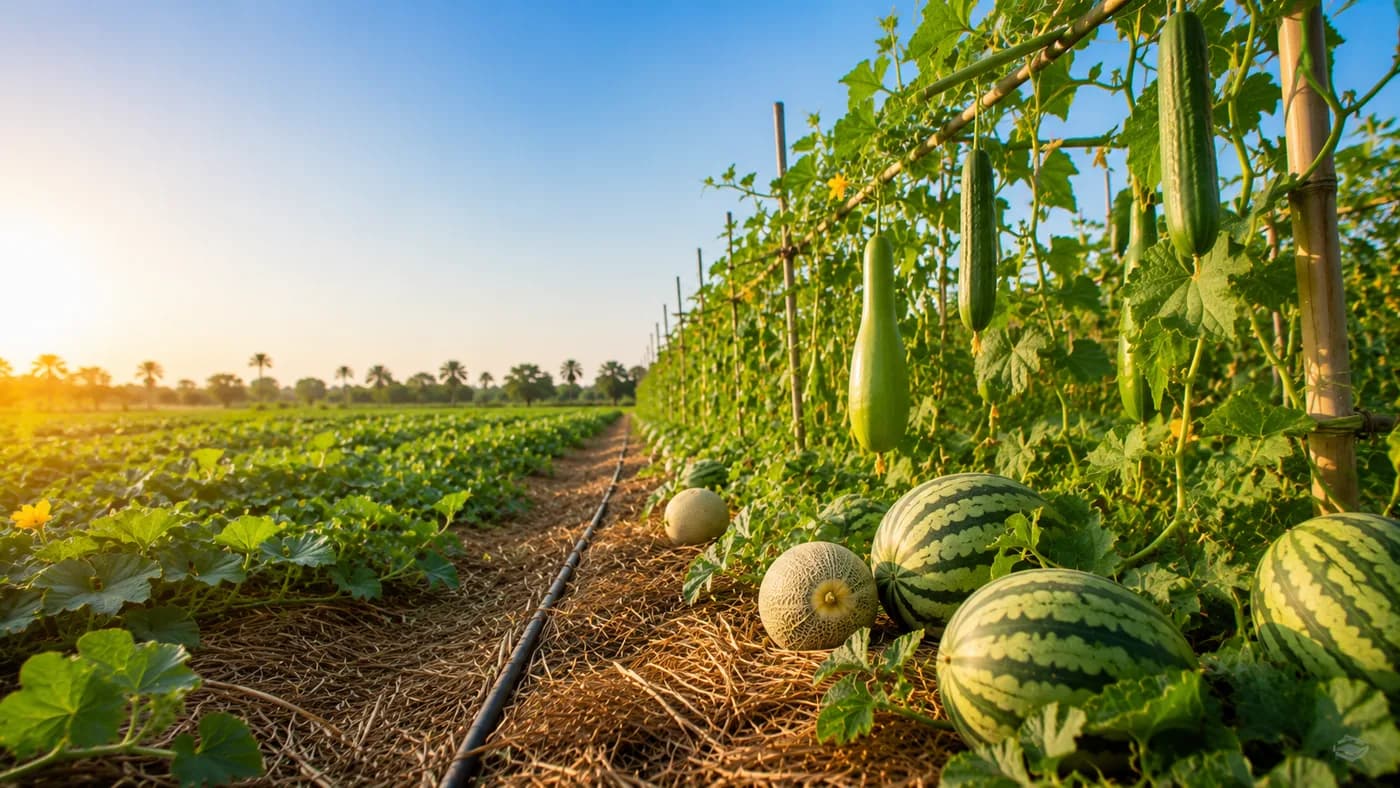
Summer Crop Planning: Best Vegetables to Grow in Summer
With the right crops and smart water use, the hot months between Rabi harvest and the monsoon can be genuinely profitable rather than a season to sit out.
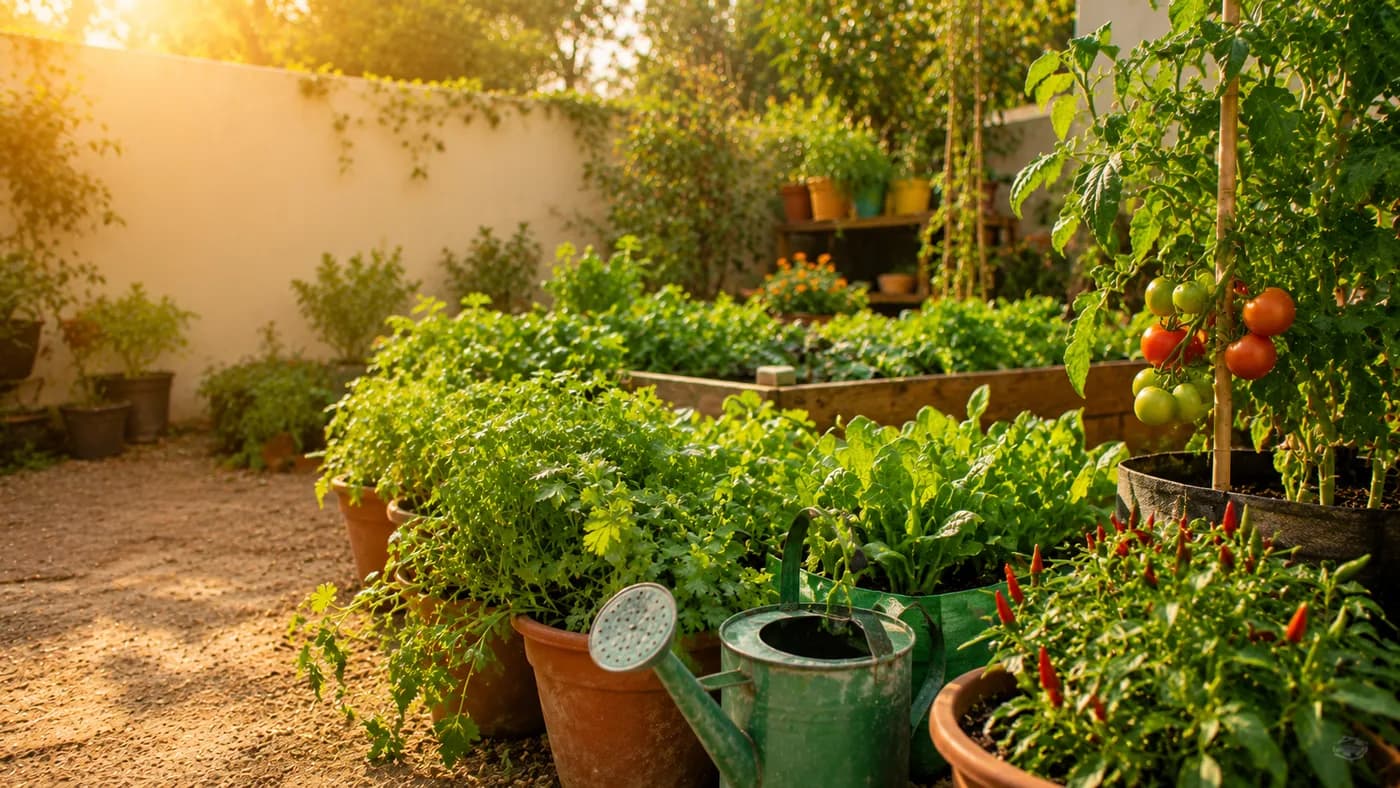
How to Start a Kitchen Garden at Home
Fresh, safe, chemical-free vegetables at your doorstep — easier to start than most people imagine, whether you have a backyard, balcony or windowsill.