

Training a Farm Dog for Rat Control (Without Poison)
Rat poison doesn't just kill rats — it kills the owls, hawks and cats that eat them too, and leaves a toxic carcass to rot in a wall. A trained working dog, even a sharp local pariah dog, is a chemical-free alternative that's been used on farms for centuries.
Quick answer
A well-trained farm dog — pedigree terrier or a sharp desi dog — removes rats without a single chemical, without poisoning the owls and cats that would otherwise help you, and without a toxic carcass rotting somewhere in a wall. Build the skill in layers: scent imprinting, a clear alert, tunnel and agility confidence, a careful introduction to live quarry, and rock-solid obedience throughout — and keep leptospirosis and rabies vaccination current, since that's the real safety cost of this otherwise free, chemical-free pest control system.
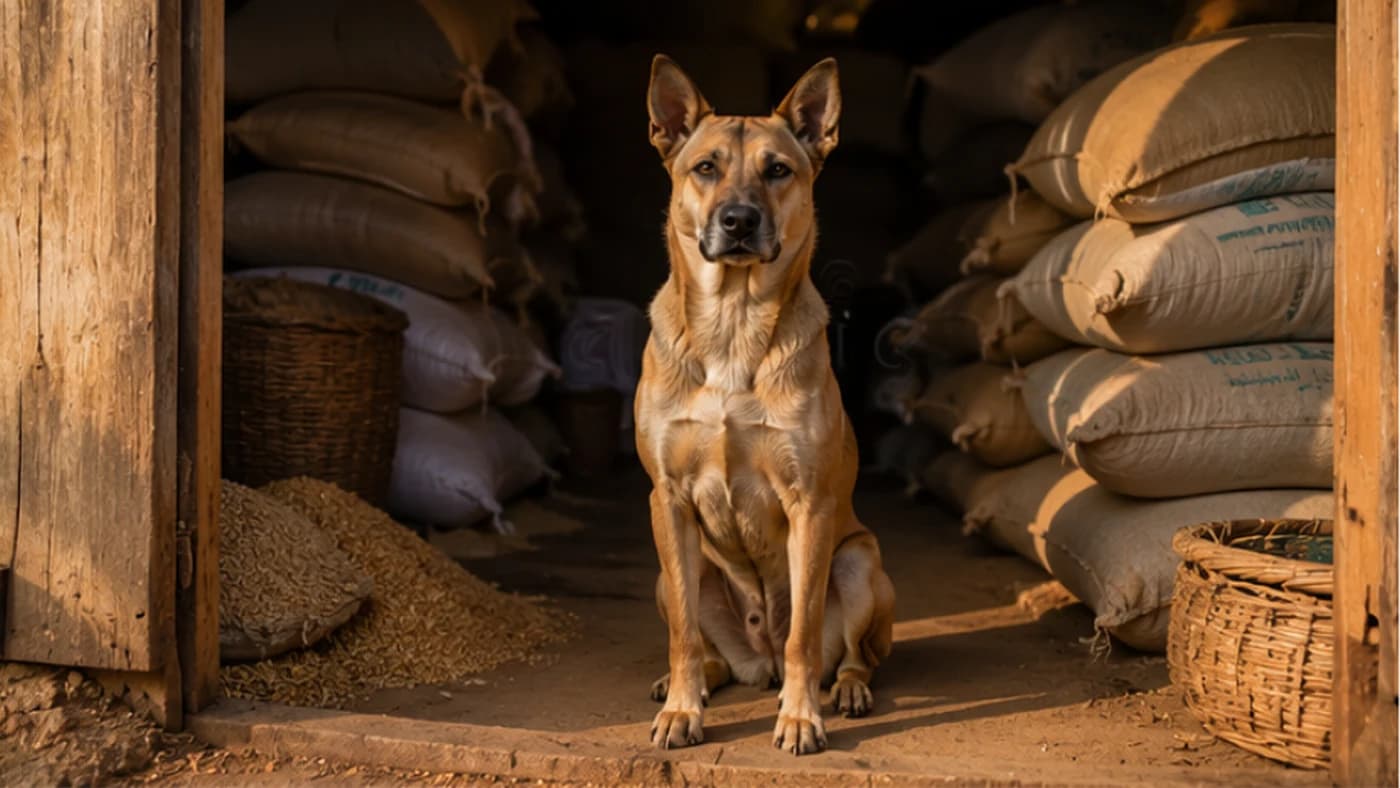
Rodenticides don't just remove rats from your farm — they poison the whole food chain around them, killing the owls, hawks and cats that would otherwise eat a weakened rat, and leaving a toxic carcass to rot inside a wall or grain store. A trained working dog offers a genuinely different approach: instant removal of the pest with zero chemical residue. This is a centuries-old farm practice, and it works just as well with a sharp, trainable Indian pariah (desi) dog — naturally alert, low-maintenance, and well suited to farm life — as it does with an imported terrier breed.
What you're actually training for
Many dogs have a natural kill instinct toward rodents, but a genuinely useful working farm dog needs three things layered on top of that instinct: scent imprinting (learning that a specific smell means a reward), a clear alert or mark (so you know exactly where it's found something), and solid obedience (so it works with you, ignores your chickens and other animals, and stops on command). Without obedience, you have a dog that's a danger to your own livestock; without scent training, a dog that can't find the nest; without instinct, a dog that has no drive for the work at all.
Phase 1 — scent imprinting
Start by teaching the dog that the smell of rats equals a big reward. Use scent from used rat bedding or a rat-scented cloth, placed inside a ventilated container the dog can smell but not reach. In a calm, low-distraction setting, mark and reward the moment the dog shows intense interest — a verbal 'yes' or a clicker followed immediately by a high-value treat. Repeat many times, then introduce a search command like 'find it.' Gradually hide the scent container under straw or behind an object so the dog learns to search with its nose, not its eyes — if it gets frustrated, make it easier again rather than pushing on.
Phase 2 — teaching a clear alert
Finding a rat is only half the job — you need to know exactly where. Most dogs naturally alert by scratching, digging, or barking at a scent source; reward this heavily and consistently. Never punish a false alert (the dog marking an empty spot) — simply move on calmly, since punishment during scent work can make a dog shut down or become hesitant. The alert needs to stay honest to be useful in the field.
Phase 3 — building agility for real farm conditions
Rats live in tight, three-dimensional spaces, so a working dog needs to be comfortable navigating narrow gaps, climbing over stacked bags or fodder, and squeezing under machinery. Build a simple practice tunnel from large-diameter PVC pipe or plywood — about 25 cm diameter and roughly 1.8 metres long for smaller dogs is a good start — and toss treats through to build confidence, adding turns once the dog is comfortable. A dog that's afraid to leave the ground or push into tight spaces will miss most of the rats in a typical barn or store room.
Phase 4 — safe introduction to live rats
This step needs care. Use a secure quarry tube — a sturdy pipe with ventilation holes and sealed ends holding a live rat — so the dog can see, smell and hear the rat safely without direct contact, which builds drive in a controlled way. Keep sessions to about ten minutes to avoid over-exciting or exhausting the dog. The goal is a focused, efficient response, not a frantic or reckless one.
Phase 5 — working as a team
Real ratting is teamwork: the handler moves heavy objects (sacks, machinery, stacked crates) to flush rats into the open, while the dog holds back on a solid 'stay' until released, then intercepts. Establish firm rules about livestock early — a dog that goes after chickens or goats is a real liability — and correct any interest in non-target animals immediately and consistently, redirecting the dog to its actual job.
Common training mistakes
Over-training is the most frequent error — long, repetitive sessions bore a working dog and reduce its enthusiasm; keep sessions short and high-reward instead. A dog that learns it can hunt without you becomes a dog that ignores commands and chases whatever it likes, including your own animals — you must remain the source of the hunt, always. And prioritising kill drive over basic obedience is a genuine safety risk: a highly driven dog with no recall is a danger to itself, your livestock, and anyone nearby.
Health and safety — non-negotiable
Rats carry real disease risk, and leptospirosis is the single biggest threat — a bacterial infection spread through rat urine that can cause serious, even fatal, liver and kidney damage in dogs (and is a genuine monsoon-season health risk for people too, particularly in flood-prone and coastal areas). Annual leptospirosis vaccination is essential for any dog working around rodents. After every hunt, check the dog's muzzle, ears and paws for bites or scratches, clean any wounds with an antiseptic, and see a vet if a wound looks infected or the dog seems unwell. Keep rabies vaccination current as well, and put the dog on a regular deworming and flea/tick prevention schedule, since rats carry parasites the dog can pick up during a hunt.
Frequently asked
Does my dog need to be a terrier breed for rat control?+
No — a sharp, trainable Indian pariah (desi) dog can be just as effective. What matters most is instinct, obedience training, and consistent scent-work practice, not the breed.
What's the biggest health risk for a farm ratting dog?+
Leptospirosis, a bacterial infection spread through rat urine that can cause serious liver and kidney damage. Annual vaccination is essential for any working dog around rodents.
How do I stop my dog from going after chickens instead of rats?+
Establish firm 'leave it' rules around livestock from the very start of training, and correct any interest in non-target animals immediately and consistently, redirecting the dog back to its actual job.
Is training a dog for rat control safer than using poison?+
Yes, in a key way — there's no risk of secondary poisoning to owls, hawks or cats that might eat a poisoned rat, and no toxic carcass left to rot in the farm.
Where to go next
Want this as daily tasks for your farm?
Khetiyaar turns guides like this into a day-by-day plan — in your language, free to start.

Related guides
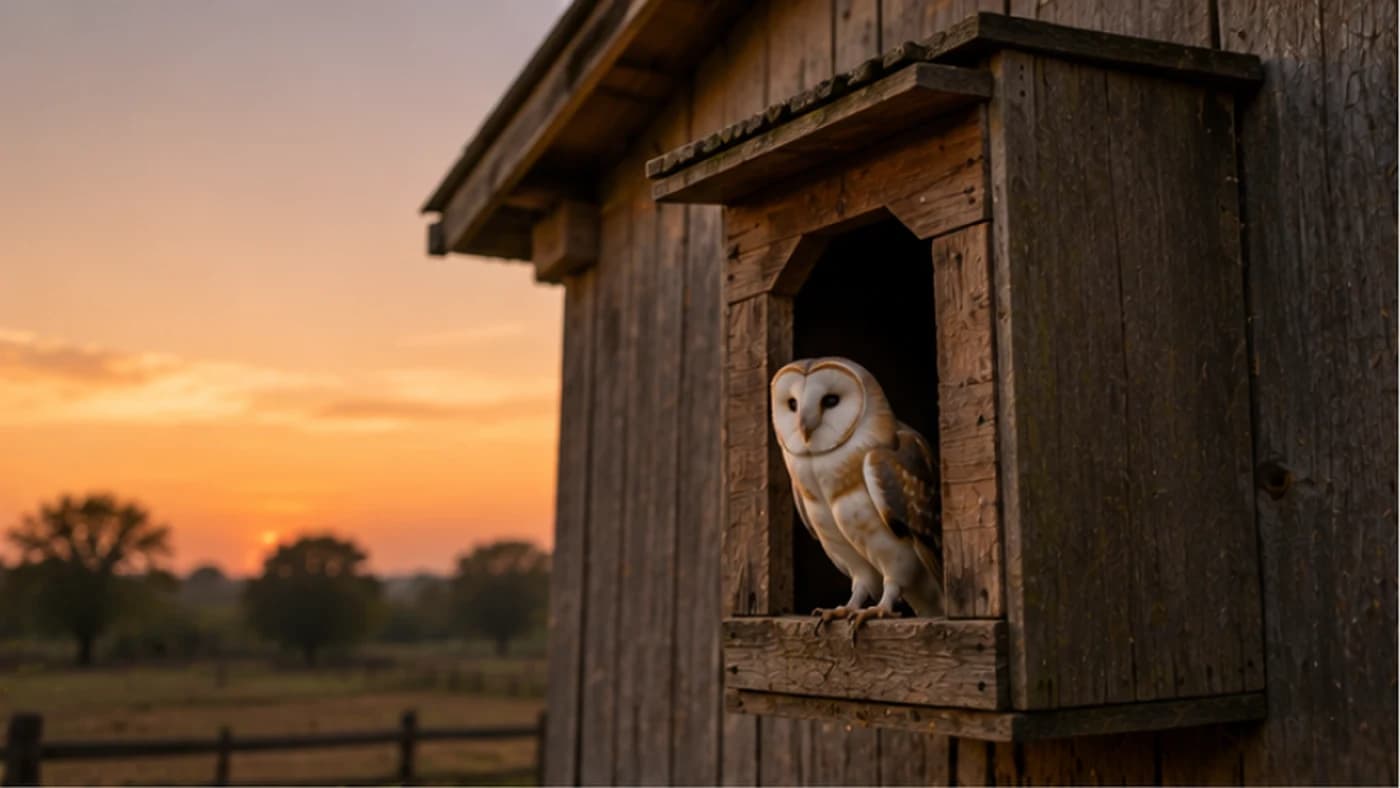
How to Attract Barn Owls to Your Farm for Free Rodent Control
One pair of barn owls can hunt over a thousand rodents in a single season — but only if you give them a properly designed, dark, predator-proof box. Barn owls (Tyto alba) already live across most of India; here's how to bring them onto your farm.
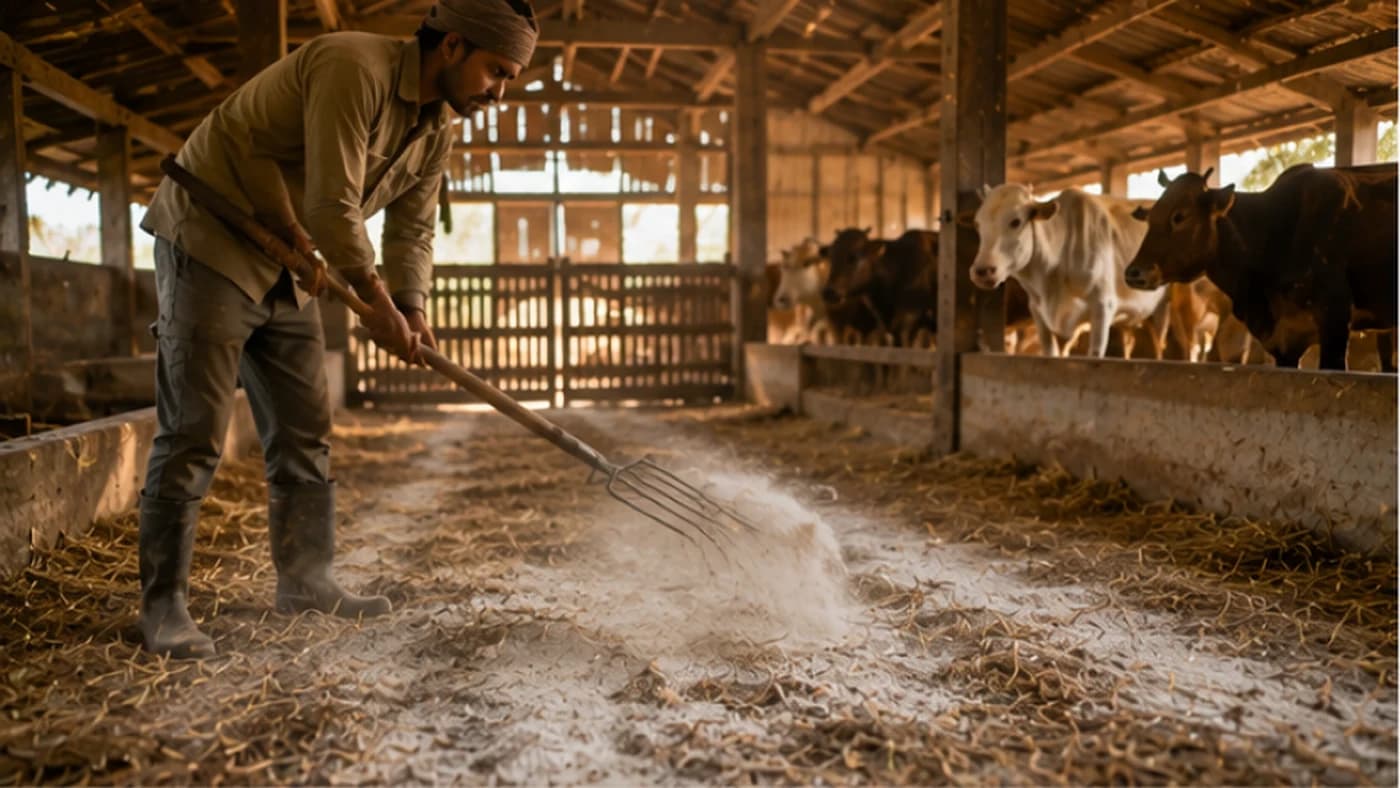
Natural Barn Sanitation and Odour Control With Effective Microorganisms
A barn that smells like bleach has killed the good bacteria that actually keep disease away. Effective Microorganisms (EM) digest ammonia at the source instead of masking it — here's how to use them safely.
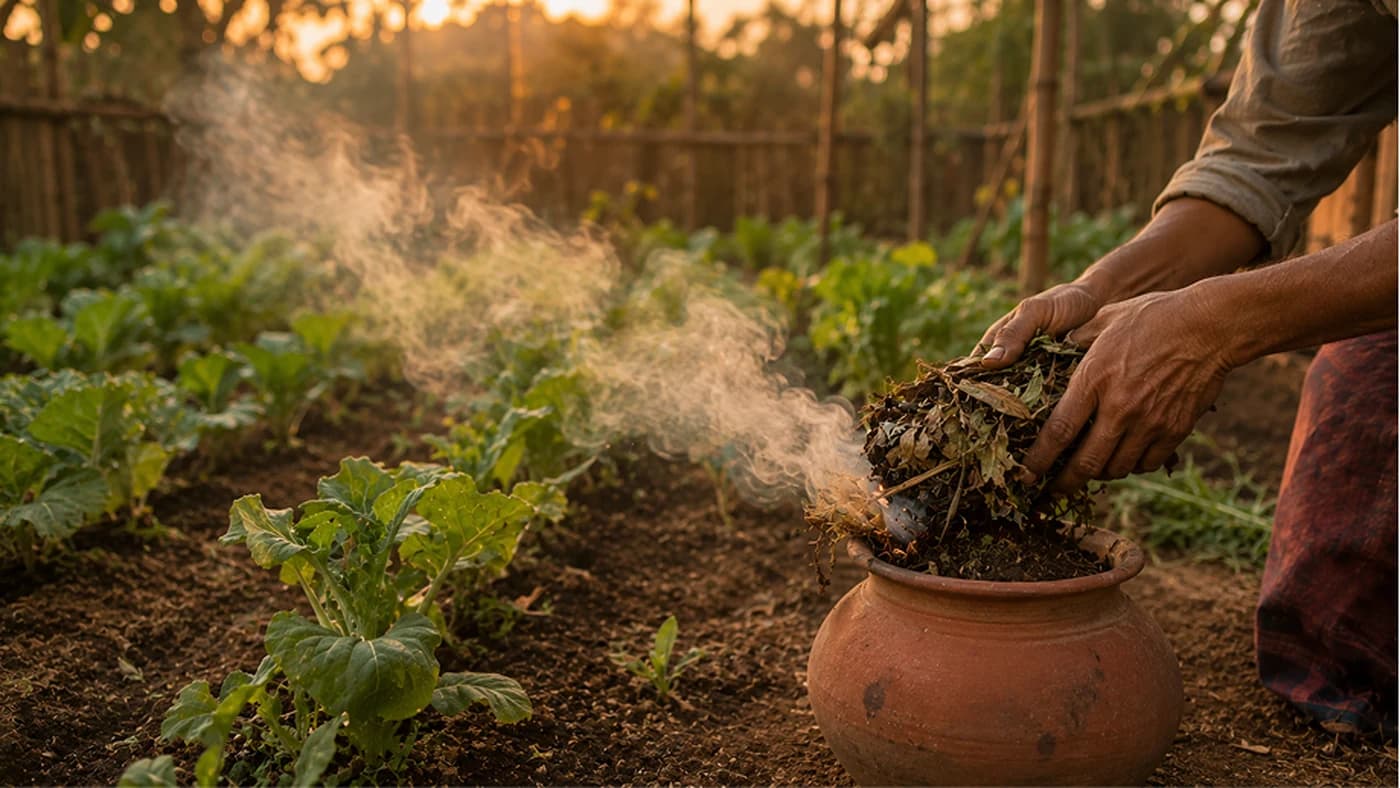
Ancestral Smoke Methods for Pest Control: What's Real and What's Folklore
Long before chemical sprays, farmers used smoke from aromatic wood and herbs to drive pests off prize plants. The science behind it is genuine — the pest-control claims are more traditional practice than proven fact. Here's how to use it honestly and safely.