

Wheat Farming Guide: Sowing to Harvest for Higher Yield
Wheat rewards timing more than anything else — sow in the right window, never skip the crown-root irrigation, and control weeds in the first month.
Quick answer
Wheat success is built on timing: sow on time, never skip the crown-root irrigation, control weeds in the first month, and watch for rust. Certified seed and line sowing tie it all together. These fundamentals lift yield more reliably than any single expensive input.
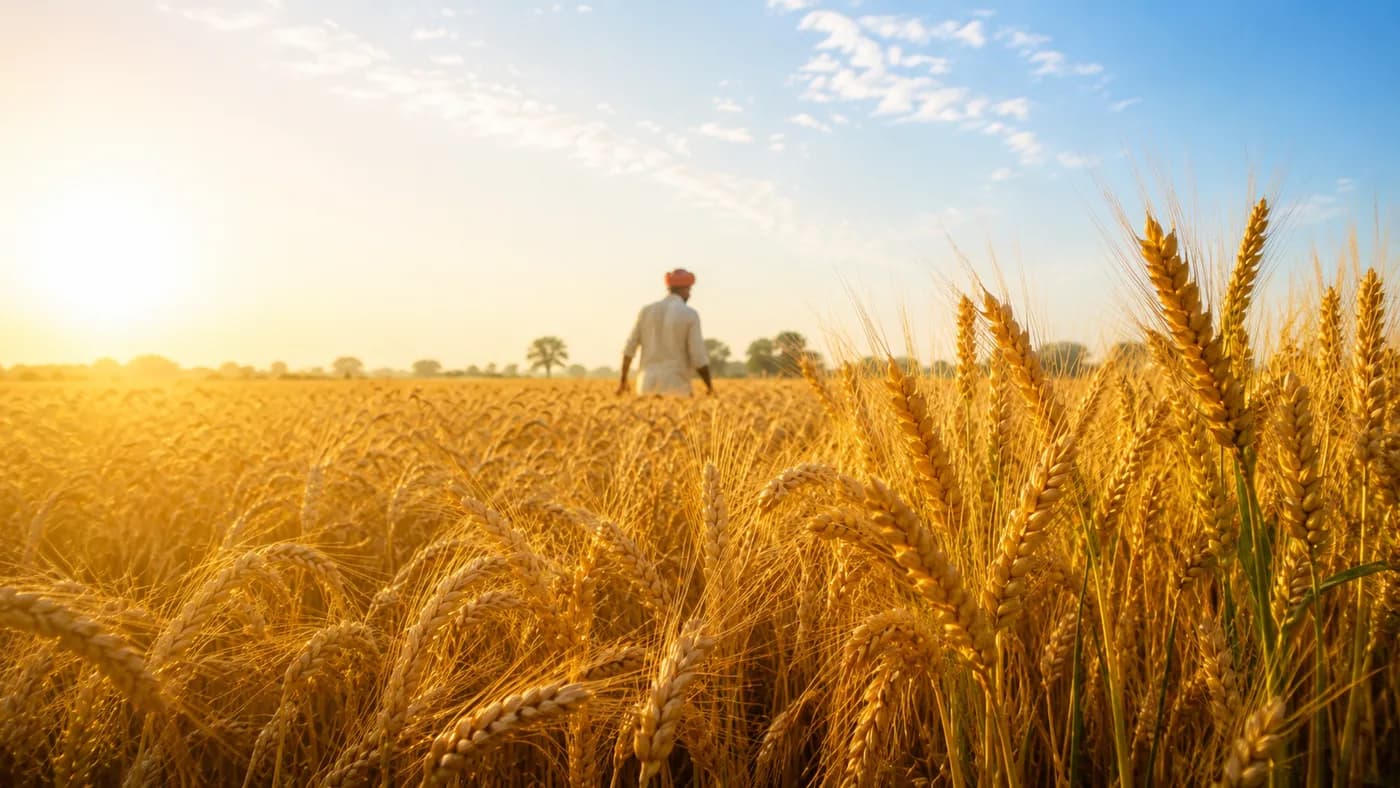
Wheat is a crop that rewards timing more than anything else. Sow it in the right window, keep the early irrigations on schedule, and control weeds in the first month — and the crop largely looks after itself. Get these wrong and no amount of fertiliser later will fully recover the loss.
Sow at the right time
Timely sowing is the biggest single factor in wheat yield. Wheat sown too late runs into heat during grain-filling, which shrivels the grain and cuts yield. Aim for your region's optimal Rabi window. If circumstances force a late sowing, choose heat-tolerant varieties and manage the crop more carefully.
Use good seed and the right method
Sow certified seed at the recommended rate for your variety and method. Treat the seed against seed-borne diseases and soil pests before sowing. Line sowing with a seed drill is far better than broadcasting — it gives an even stand, uses seed efficiently, and makes weeding and irrigation much easier.
Never miss the first irrigation
The most important irrigation of the entire wheat season is the first one, given at the crown root initiation stage — roughly three weeks after sowing. This is when the plant sets the roots that will feed it all season. Miss it, and yield drops sharply. After that, irrigate at tillering, jointing, flowering and grain-filling as your water allows; each stage matters, but the crown-root irrigation is non-negotiable.
Control weeds early
Weeds compete most fiercely in the first thirty to forty days. A clean field during this period protects a large share of your yield. Remove or control weeds early and rotate your weed-control methods over seasons to stop weeds from becoming resistant.
Watch for rust and other diseases
Cool, humid spells favour rusts, especially yellow rust, which can spread across a field quickly. Scout your leaves regularly. Early detection lets you act before the disease takes hold. Choosing resistant varieties is your cheapest long-term protection.
Harvest at the right moment
Harvest when the grain is hard and the moisture is right. Harvesting too early loses yield and quality; too late risks shattering and weather damage. Dry and store the grain properly to protect its value.
Terms explained in this guide
Frequently asked
When is the best time to sow wheat in India?+
In the Rabi season, within your region's optimal window; sowing on time is the biggest yield factor.
Which is the most important wheat irrigation?+
The first one at crown root initiation, about three weeks after sowing.
How can I get higher wheat yield?+
Combine timely sowing, certified seed, line sowing, the crown-root irrigation, early weed control and disease scouting.
Where to go next
Want this as daily tasks for your farm?
Khetiyaar turns guides like this into a day-by-day plan — in your language, free to start.

Related guides
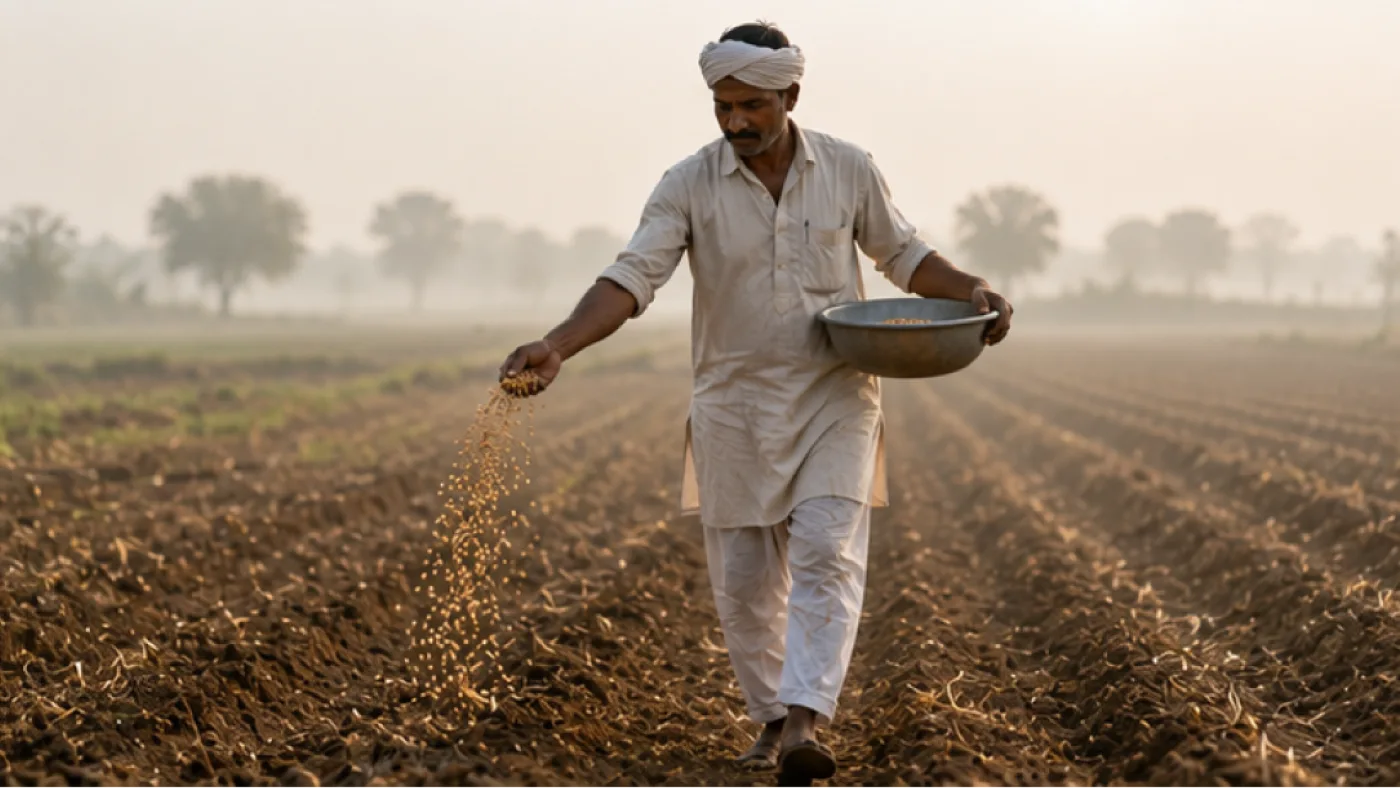
Rabi Season Sowing Calendar by State: When to Sow Wheat, Mustard, Gram and Peas
The right rabi sowing window isn't the same in Punjab as it is in Gujarat or Madhya Pradesh — sow too early or too late in your specific region and germination, flowering and grain fill all suffer. Here's how the timing actually varies by state.
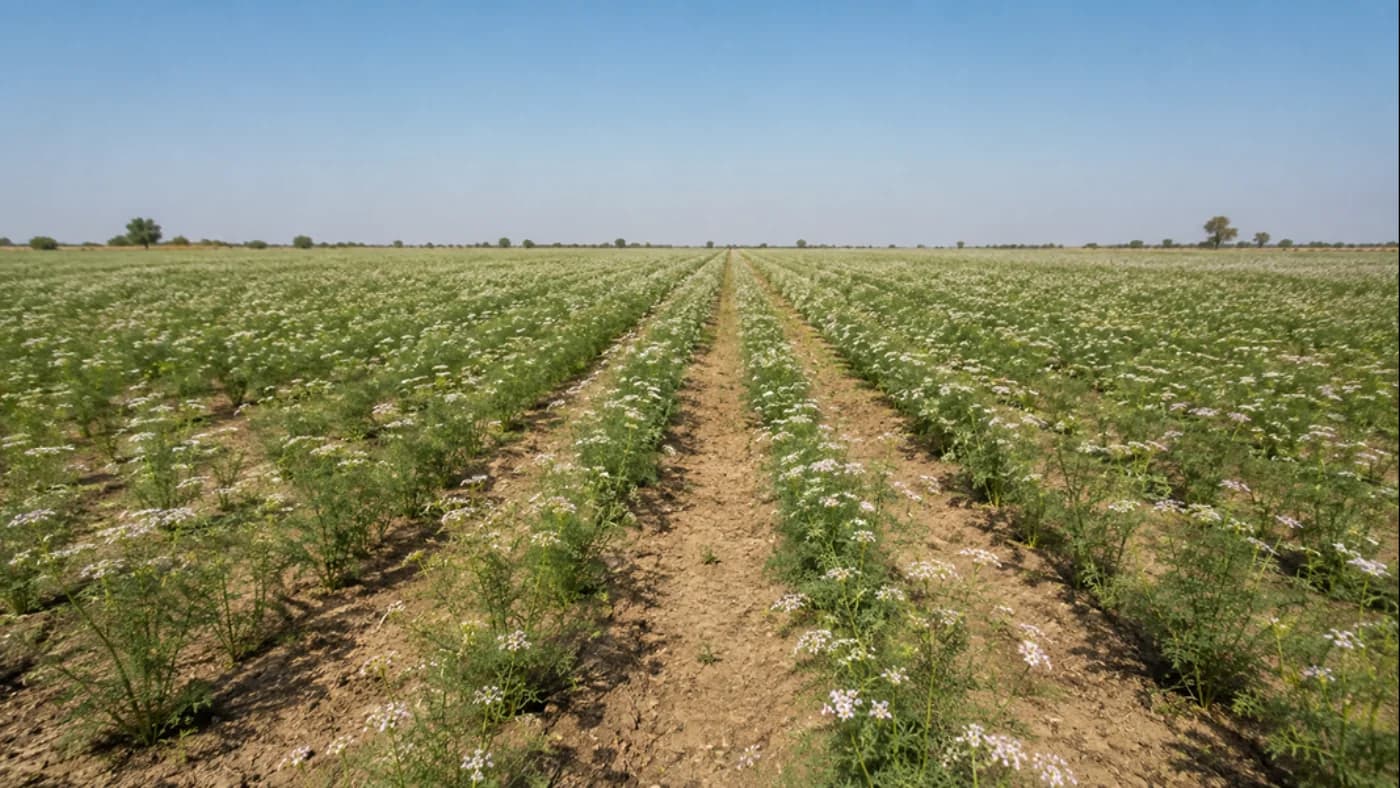
Cumin Farming: Growing Jeera When the Weather Decides Everything
Cumin is among the highest-value crops a Gujarat farmer can grow and among the easiest to lose. Two cloudy weeks at flowering can take the whole field. Here is how to give it the best odds.
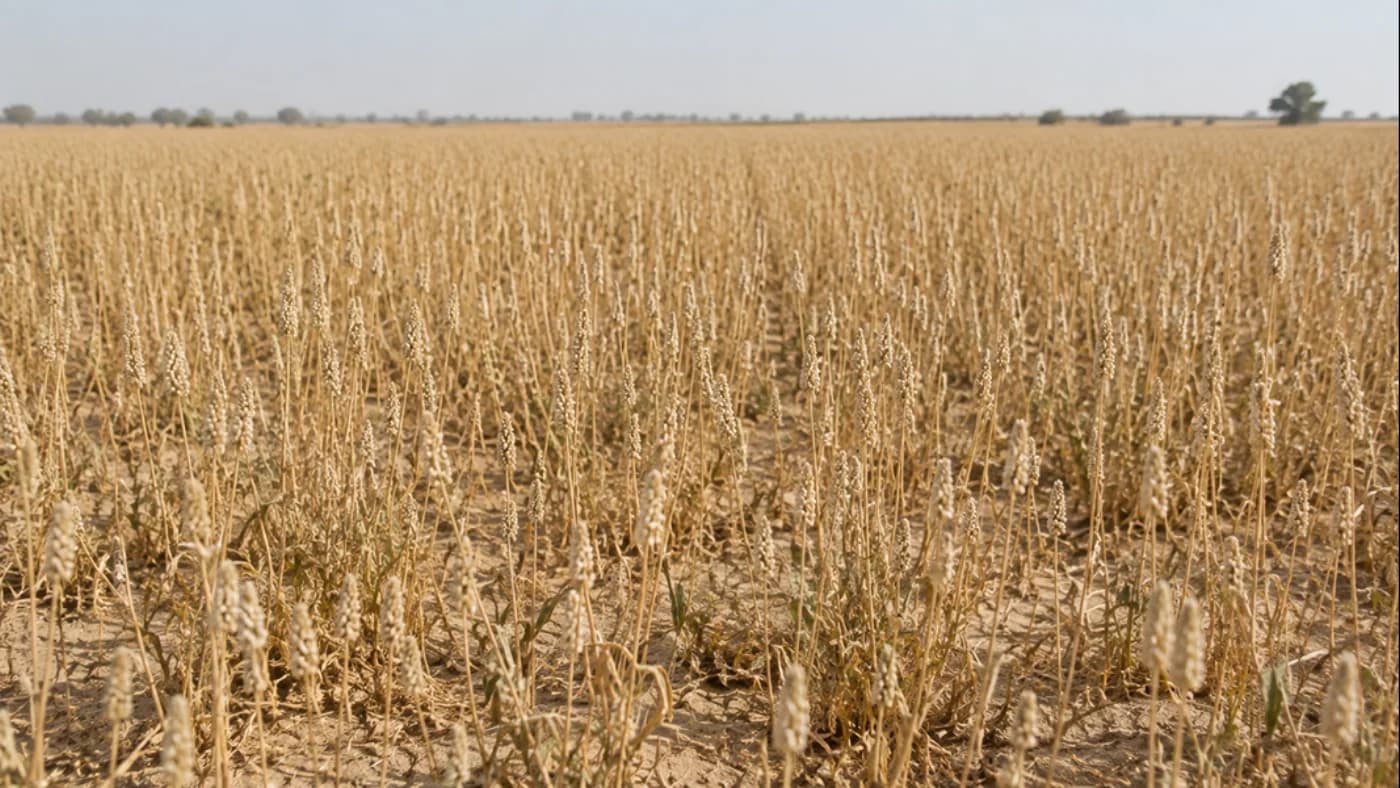
Isabgol Farming: Growing Psyllium for the Husk, Not the Seed
North Gujarat supplies much of the world's psyllium husk from light land and almost no water. The crop is easy until harvest — and at harvest one shower can take the value out of it.