

Medicinal Pasture Plants: Building a Living Pharmacy for Your Livestock
A pasture of grass alone is a 'green desert' — lush to look at, thin on the minerals and natural parasite-fighters your animals actually need. Diverse herbal leys with chicory, plantain and legumes let your herd self-medicate.
Quick answer
A pasture of grass alone leaves animals mineral-hungry and more exposed to parasites; a diverse herbal ley of grasses, legumes and forage herbs like chicory, plantain and sainfoin — or their Indian equivalents like lucerne, berseem, stylo and subabul — lets livestock draw minerals from deep soil and fight parasites through diet. It takes more grazing-management discipline than a plain grass field, but the payoff is animals that need fewer purchased inputs, handle drought better, and often gain weight faster.
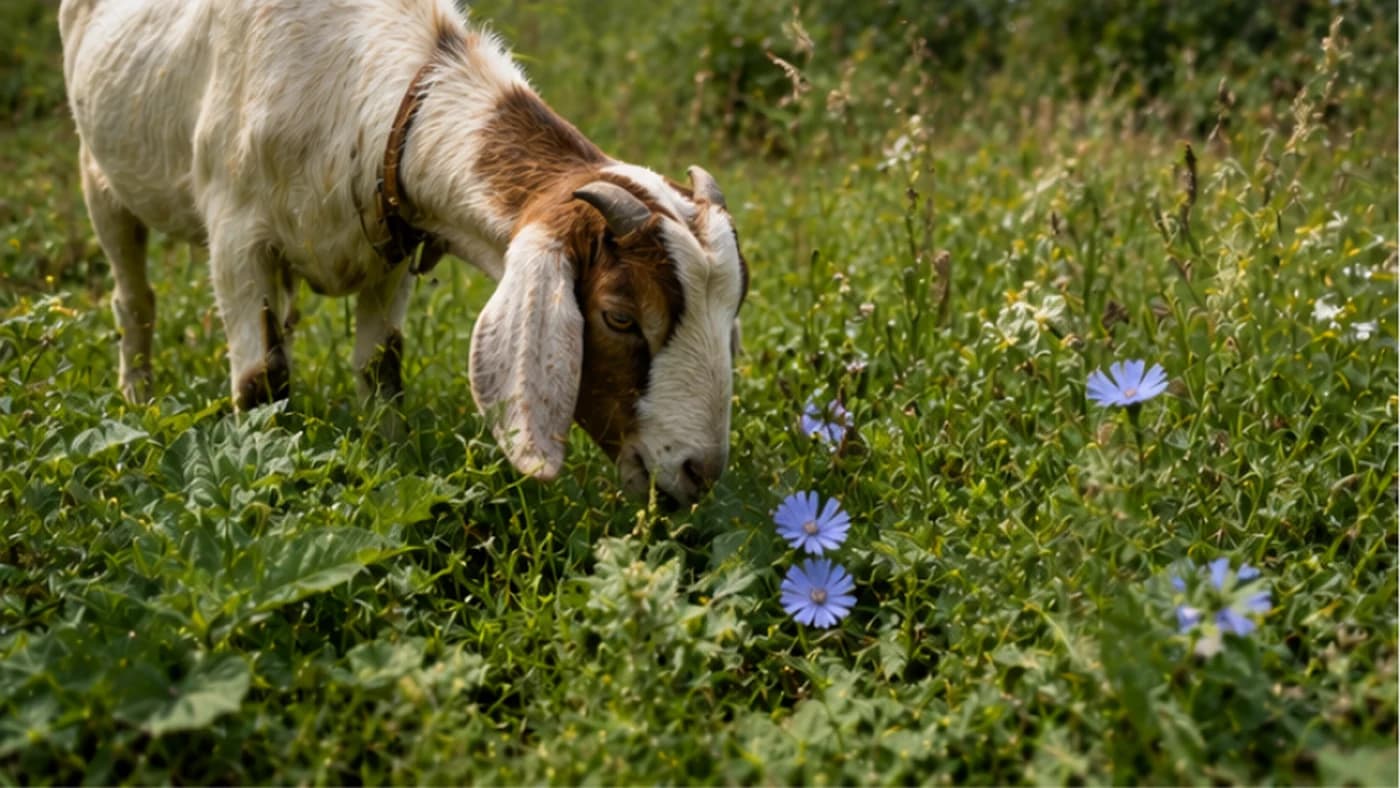
For decades, 'good pasture' has meant a clean, uniform field of grass. But a grass-only pasture is what graziers call a 'green desert' — it looks lush, yet offers a thin, one-note diet. Left to choose, sheep, goats and cattle will often bypass tender grass to nibble a bitter weed instead — not randomly, but because that plant carries minerals or compounds their body is short on. Reintroducing a diverse mix of forage herbs and legumes into pasture turns it back into what graziers call a living pharmacy, letting animals manage more of their own mineral needs and parasite load, naturally.
What a medicinal pasture (herbal ley) actually is
A herbal ley is a diverse sward of 15-30 plant species instead of the usual two — grasses plus a mix of legumes and forage herbs, each doing a different job: fixing nitrogen, mining minerals from deep in the subsoil, or producing compounds that help fight internal parasites.
Shallow-rooted grasses only reach the top 10-15 cm of soil, while deep-rooted herbs like chicory and plantain send taproots over a metre down, pulling up trace minerals such as zinc, copper, cobalt and selenium that grasses simply can't reach. Livestock grazing these mixed swards consistently show better coats, stronger hooves and higher resilience to heat and disease stress.
How these plants actually help — the science of secondary metabolites
The plants' natural defence compounds — tannins, saponins and other secondary metabolites — do real work in the animal's gut. Condensed tannins (found in chicory, sainfoin and birdsfoot trefoil) bind to protein, slowing its breakdown by rumen bacteria so more of it is absorbed further down the gut, and this same bypass-protein effect also reduces the foaming that causes bloat.
Chicory in particular contains compounds shown in research (notably from New Zealand) to measurably lower faecal egg counts in lambs grazing it, compared with lambs on plain grass — a real, documented anti-parasite effect, not folklore. Plantain adds antimicrobial and anti-inflammatory compounds, and animals have been observed deliberately seeking out specific plants when unwell — a documented behaviour called zoopharmacognosy, or self-medication through diet.
The key plants and what each one does
Chicory: deep taproot, over 20% crude protein at its leafy stage, rich in zinc, potassium and magnesium, and the strongest documented natural anti-parasite effect of the group.
Plantain (ribwort): often sprayed out as a weed, but exceptionally rich in calcium, sodium and cobalt, stays productive through dry spells when grass goes dormant, and its fibrous roots help break up compacted topsoil.
Sainfoin: a legume with naturally high tannins, which makes it completely non-bloating (unlike lucerne/alfalfa) — traditionally valued enough to be called 'holy hay'.
Dandelion: high in vitamins A and C, an early-spring plant that supplies minerals before other forage has started growing, with roots traditionally used as a liver tonic for grazing animals.
Yarrow: deep-rooted, drought-tolerant, contains numerous active compounds, and is traditionally credited with stimulating appetite and aiding digestion of coarse forage.
Stinging nettle: rarely eaten fresh, but once wilted or dried into hay it's rich in iron, nitrogen and protein — cattle will readily eat wilted nettle patches left in the field.
In India, chicory and plantain are being trialled by fodder research institutes in hill and temperate tracts, but the same living-pharmacy principle already exists in Indian fodder systems through lucerne (alfalfa), berseem, stylo (Stylosanthes) and subabul (Leucaena) — legumes many Indian dairy and goat farmers already grow, which fix nitrogen and add protein the way sainfoin and clover do in a herbal ley.
Real benefits: performance, drought resilience, soil health
Reduced input dependence: nitrogen-fixing legumes and self-mineralising herbs cut the need for synthetic fertiliser and bought mineral supplements. Drought resilience: while a grass-only pasture browns off within weeks of dry weather, deep-rooted chicory, lucerne and plantain keep reaching moisture well below the surface.
Animal performance: research shows lambs on herbal leys can gain an extra 150-250 g per day compared with plain grass, largely because less energy is lost fighting parasites. Soil health improves too — the range of root depths breaks up compaction, improves water infiltration and reduces runoff, protecting topsoil.
How to establish a herbal ley
Sow when soil temperature is 7-10°C with steady moisture (typically late spring or early autumn in temperate zones — for Indian conditions, aim for the start of monsoon or immediately post-monsoon when soil moisture is reliable). Graze or mow the existing pasture very short first, and harrow to expose 50-70% bare ground for good seed-to-soil contact.
These seeds are tiny — sow no deeper than 1 cm; broadcasting followed by rolling works better than drilling, since the roller presses seed firmly into the soil for moisture uptake. Keep livestock off the new ley until plants have at least six leaves and are well rooted, and avoid synthetic nitrogen entirely, since it lets grass outgrow and smother the herbs and legumes — let the legumes fix nitrogen naturally instead.
Common mistakes and real limitations
The biggest hurdle is often just appearance — a diverse ley looks weedy and untidy next to a manicured grass field, but untidy usually means productive. Selective overgrazing is the more serious risk: animals eat the palatable herbs first and, left too long in one paddock, will graze the chicory and plantain to death while ignoring the grass — rotational grazing is not optional here.
Chicory and plantain typically persist only 3-5 years under heavy grazing, so plan to over-sow every few years. These leys also need reasonably free-draining soil (sainfoin in particular struggles below pH 6 or in waterlogged ground), and diversity brings a real risk worth knowing: toxic look-alikes such as hemlock, ragwort or certain nightshades can creep into a diverse sward, so learn to identify and remove them. Dairy producers should also note that strong-flavoured herbs fed in large amounts right before milking can occasionally taint milk flavour — manage grazing timing around milking accordingly.
Practical tips for getting started
Start with one small 'sick-bay' paddock near the shed rather than converting the whole farm at once. Move animals into the ley once forage reaches about 25-30 cm and move them out again once it's grazed down to 7-10 cm — a simple, memorable rotation rule. Let part of the pasture flower at least once a year to recharge root reserves and feed pollinators.
Watch what your animals choose to eat: heavy grazing on yarrow can signal inflammation, while animals seeking out chicory are often managing a parasite load. As a starting seed mix, aim for roughly 50% grasses, 30% legumes and 20% herbs — enough fibre for healthy rumen function, plus the mineral and anti-parasite benefits of the herbs.
Frequently asked
What is a medicinal pasture or herbal ley?+
A diverse mix of 15-30 grass, legume and herb species (like chicory, plantain and sainfoin) instead of a plain grass field, each contributing minerals, nitrogen, or natural parasite-fighting compounds.
Do herbal leys really reduce parasites in livestock?+
Research on chicory in particular has shown measurably lower faecal egg counts in lambs grazing it compared with plain grass, thanks to condensed tannins and other compounds — a real, documented effect.
What are Indian alternatives to chicory and plantain?+
Lucerne (alfalfa), berseem, stylo (Stylosanthes) and subabul (Leucaena) are widely grown Indian fodder legumes that provide similar nitrogen-fixing and protein benefits within a diverse pasture system.
How do I manage grazing on a herbal ley?+
Use rotational grazing: move animals in once growth is about 25-30 cm tall and out once it's grazed to 7-10 cm, since leaving animals too long lets them overgraze the palatable herbs and destroy the ley's diversity.
Are there any risks with diverse pastures?+
Yes — toxic look-alike plants like hemlock or ragwort can establish in a diverse sward, so learn to identify and remove them, and dairy farmers should watch for strong-flavoured herbs tainting milk if grazed heavily right before milking.
Where to go next
- AI farming chatbotAsk any farming question in Gujarati, Hindi or English and get an answer in seconds.
- Kheti app for Indian farmersCrop plans, disease diagnosis, weather and mandi rates in one app.
- Agri Bazar marketplaceBuy and sell animals, crops, equipment and dairy near you — and see what buyers want today.
Want this as daily tasks for your farm?
Khetiyaar turns guides like this into a day-by-day plan — in your language, free to start.

Related guides
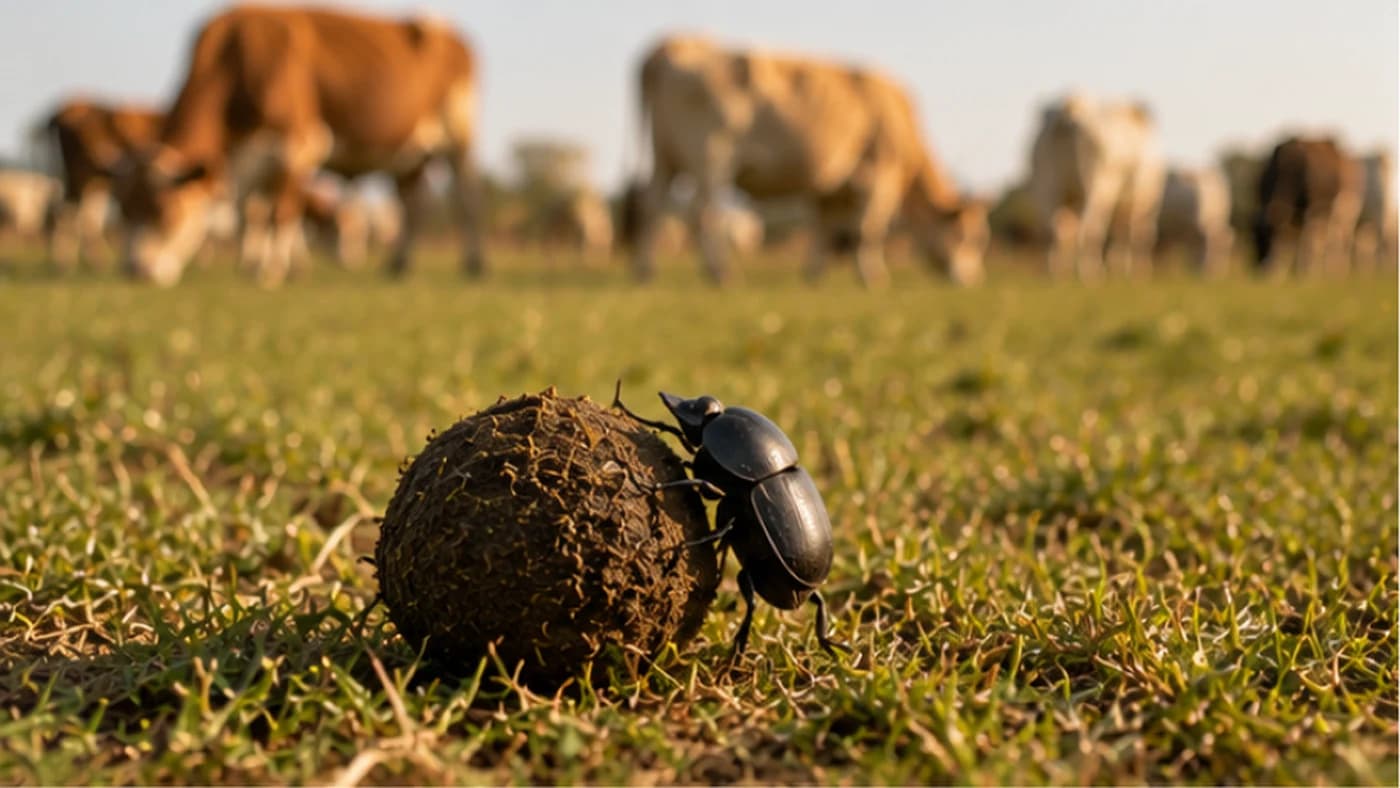
How to Attract Dung Beetles to Your Pasture (and Why Your Dewormer Might Be Killing Them)
Most farmers see a manure pat as a chore. The smart ones see a biological engine — dung beetles that bury parasites, aerate the soil, and cut fly populations, for free, if you stop poisoning them with routine deworming.
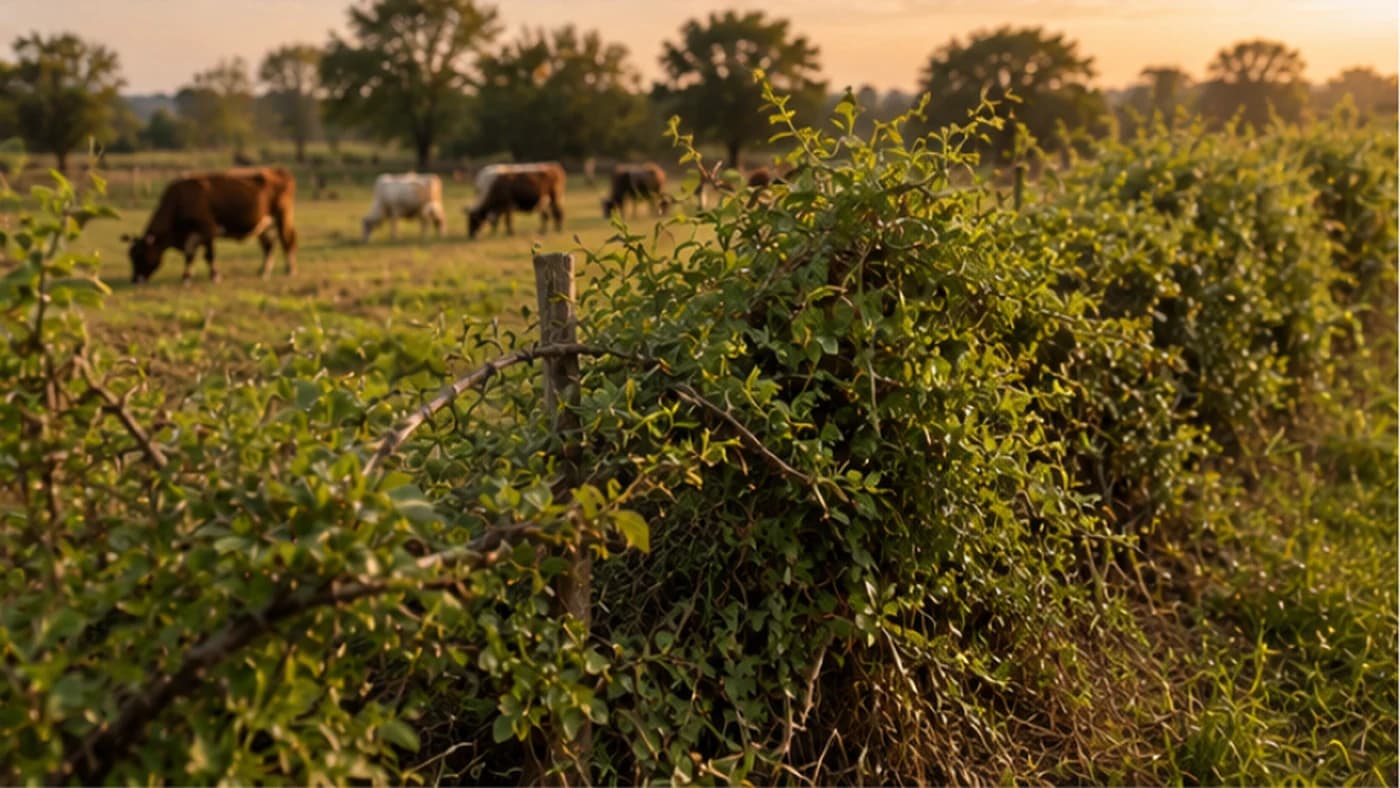
Living Fences for Livestock: Grow a Boundary That Never Needs Replacing
A wire fence rusts and sags within 20–30 years. A well-managed living fence of thorny trees and shrubs gets stronger every winter, blocks wind, feeds your animals, and can outlast the farm itself.
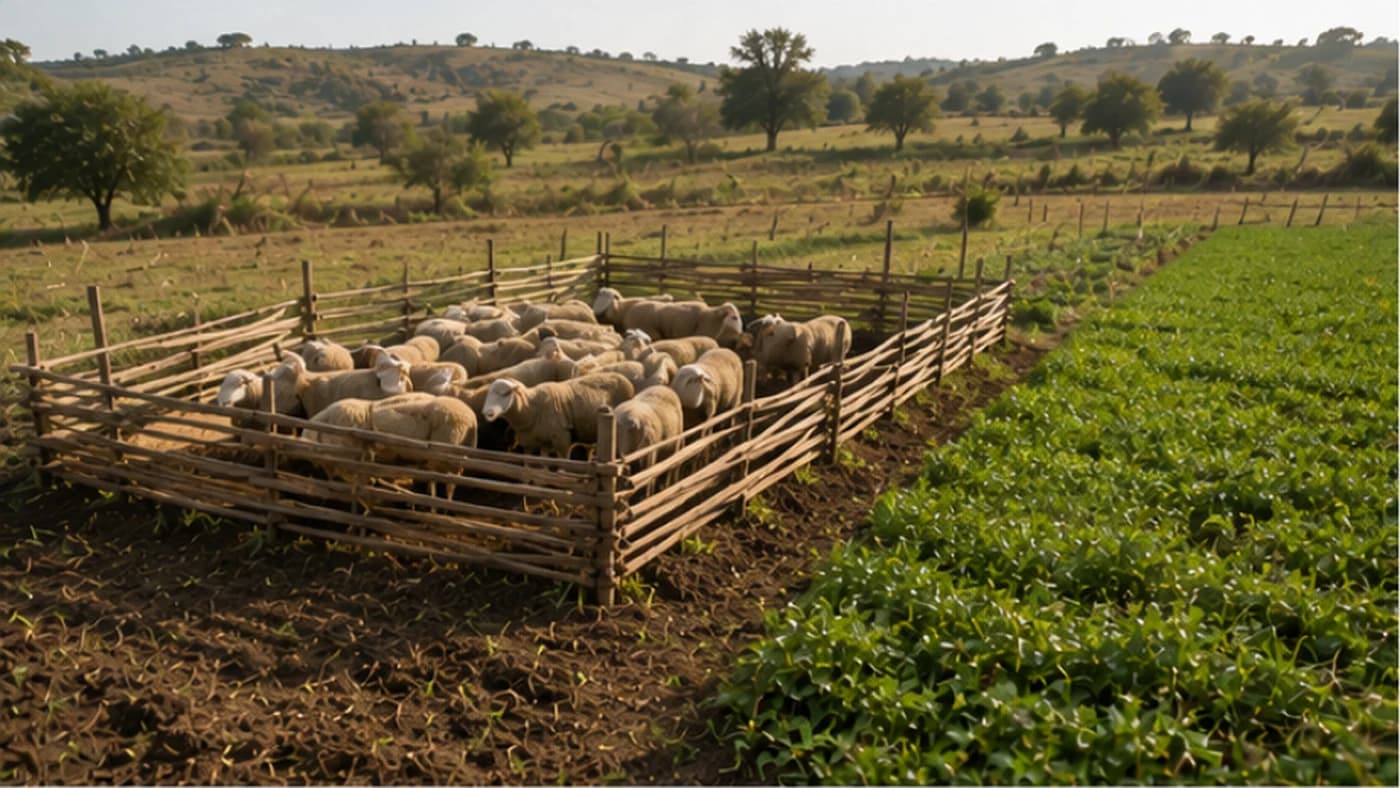
The Medieval Folding Technique: Using Sheep and Goats to Fertilise Your Field Overnight
One night of penned sheep on a patch of land delivers more usable nitrogen than months of hauled, stored manure. Here's how the old European folding system works — and why Indian farmers already know a version of it.