

Brinjal and Okra Pest & Disease Guide: Shoot Borer, Jassid, Whitefly and Yellow Vein Mosaic
Brinjal and okra are two of India's most widely grown vegetables — and two of the most heavily sprayed, often for the wrong reasons. A practical identification and IPM guide to the pests and diseases that actually matter.
Quick answer
Brinjal and okra don't need blanket spraying — they need correct identification. Shoot and fruit borer in brinjal is managed by removing infested shoots and fruit, pheromone trapping, and choosing tolerant varieties, not by reflexive chemical use. Jassid and whitefly in okra are sap-suckers you can spot early with sticky traps and control by managing nitrogen and protecting natural enemies. Yellow vein mosaic virus has no cure, so preventing the whitefly that spreads it and choosing resistant varieties is the entire strategy. Walk the field weekly, use the tools that match each specific pest, and let integrated management — not a fixed spray calendar — decide what happens next.
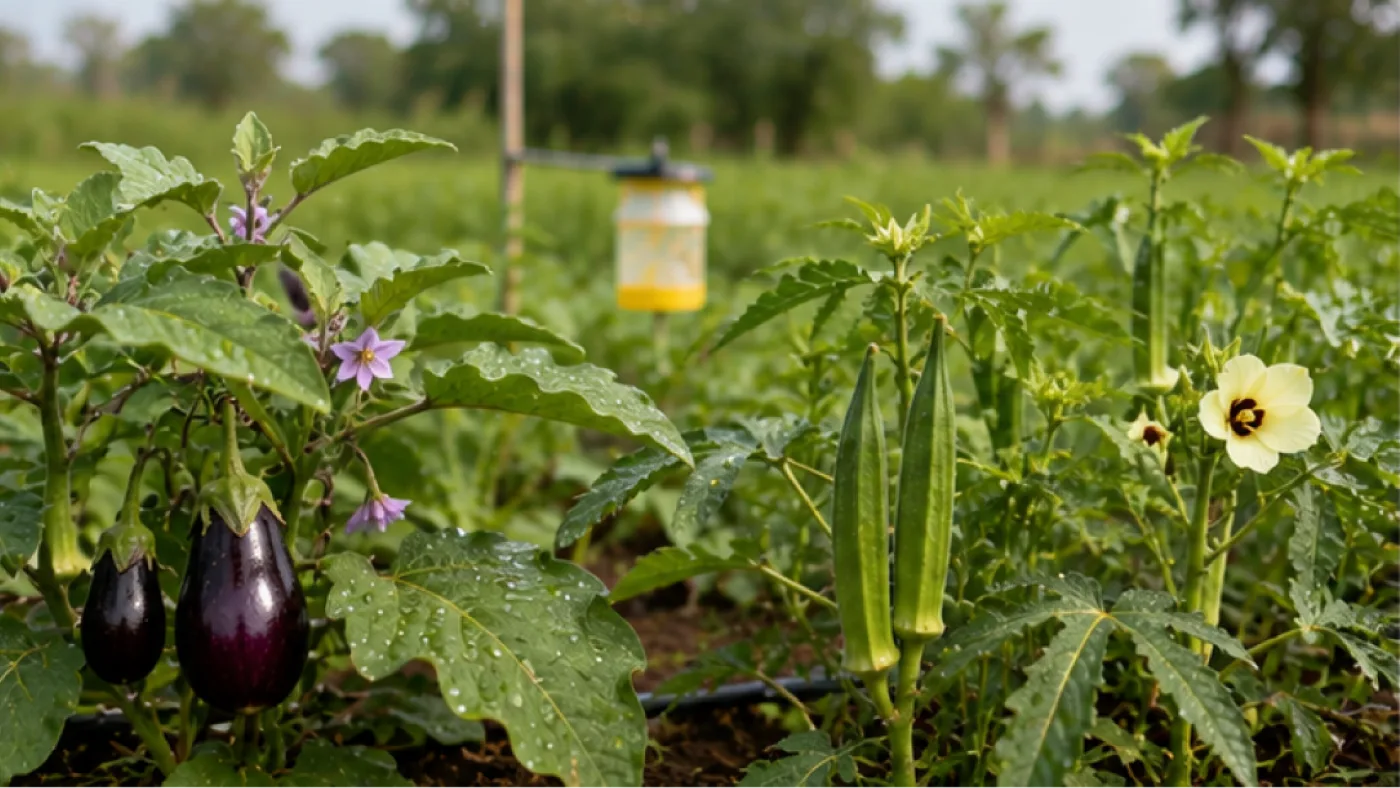
Brinjal (baingan) and okra (bhindi) sit in almost every Indian vegetable grower's field, from a few plants in a kitchen garden to several acres of a commercial crop — and both crops attract a predictable, well-documented set of pests and diseases every single season. The problem is rarely a lack of spraying; it's spraying the wrong thing at the wrong time because the actual pest was never correctly identified. This guide covers the handful of problems that cause almost all of the real damage in these two crops, how to tell them apart, and how to manage them without reaching for a blanket chemical schedule.
Brinjal's biggest enemy: shoot and fruit borer
The single most damaging pest of brinjal across India is the shoot and fruit borer (Leucinodes orbonalis), a small caterpillar that does its damage from the inside out, which is exactly why it's so often missed until the harm is done. Early in the season, the young caterpillar bores into a tender growing shoot, and that shoot wilts and droops from the tip downward — a symptom growers call 'dead heart' in this crop too, distinct from the rice version but the same underlying idea: the growing point has been hollowed out from within.
Once fruiting begins, the same pest shifts its attack to the fruit itself, boring in near the calyx (the green cap where the fruit meets the stem) and feeding inside. The entry hole is often small and packed with frass, easy to miss on a quick look, and by the time a fruit is visibly damaged at harvest it has already been unmarketable for days. This is the costliest stage of the infestation, since it destroys the very fruit the whole crop exists to produce.
Spotting shoot and fruit borer early
Walk the field at least once a week from early vegetative growth onward, and look specifically for wilting shoot tips — pull one gently and you'll usually find a small entry hole and a hollowed-out stem inside. Once flowering and fruiting begin, check developing fruit near the stem end for small holes with visible frass, since this is where the fruit-boring generation starts its damage.
Pheromone traps are one of the most useful tools for this specific pest: they use a synthetic version of the female moth's scent to lure and trap males, which serves two purposes — monitoring how much moth activity is building up in your field (so you know when pressure is rising before damage shows), and mass-trapping to physically reduce the number of males available to mate, which over a season measurably reduces the next generation's numbers.
Managing shoot and fruit borer without over-spraying
The single most effective non-chemical practice is also the simplest: regularly cut off and destroy wilted shoots and infested fruit rather than leaving them on the plant or dropping them on the ground. Every infested shoot or fruit left in the field is a caterpillar that will complete its life cycle and produce the next generation — removing and destroying it (not just discarding it nearby) breaks that cycle directly.
Resistant and tolerant brinjal varieties exist and genuinely reduce pressure from this pest — ask at your local Krishi Vigyan Kendra or seed dealer which varieties are recommended for shoot and fruit borer tolerance in your area, since this varies by region and is updated as new varieties are released. Combine pheromone trapping, shoot/fruit removal and a tolerant variety first, and treat any targeted chemical spray as the last layer, applied only once trap counts or field damage cross a level that field officers in your area consider worth acting on.
Okra's most common threat: jassid and whitefly
Two sap-sucking pests show up on okra more than anything else, and both are already covered in our full identification guide — jassid (the green leafhopper), a small green insect that jumps sideways the moment you touch the plant and causes leaf margins to curl downward and turn a yellow-bronze colour (called 'hopper burn'), and whitefly, which lifts off in a small white cloud when a leaf is disturbed and leaves behind general yellowing plus a sticky honeydew residue that often grows black sooty mould on top of it.
You can also tell the two apart by how fast they react when the plant is touched or shaken — jassid jumps sideways and is gone in an instant, while whitefly rises slowly in a soft cloud and settles back down within a few seconds. Avoid over-applying nitrogen fertiliser, since it produces the tender, sap-rich growth both pests prefer, and yellow sticky traps are a useful, low-cost way to keep regular tabs on how much pressure is building up.
Yellow vein mosaic virus: okra's most serious disease
Okra's biggest disease problem is yellow vein mosaic virus, which is spread by whitefly and seriously affects okra cultivation across India. The symptoms are easy to recognise: leaf veins turn into a bright yellow net-like pattern while the tissue between the veins stays green, the plant becomes stunted, and the fruit that does form is small, misshapen and poor quality — often not worth taking to market at all.
There is no cure once a plant is infected — management is entirely about prevention. Control whitefly numbers from early in the season, grow resistant or tolerant varieties (many modern okra varieties have been bred with good tolerance to this virus — check for this when buying seed), and remove infected plants promptly so they don't become a source of further spread.
Managing all of these pests and diseases together: an integrated approach
The same lesson repeats across both brinjal and okra: don't reach for the sprayer the moment you see a symptom — identify it correctly first. Integrated pest management (IPM) means starting with monitoring — pheromone traps, sticky traps, and a regular walk through the field — then using physical and biological tools (removing shoots/fruit, protecting natural predator insects), and treating targeted chemical control as the last step, used only when it's genuinely needed.
Choosing resistant varieties from the start, wherever they're available, is probably the single decision that pays off the most for the least ongoing effort, since it reduces the pressure on every step that follows. Together, these practices cut spraying dramatically while protecting both yield and quality.
Frequently asked
How do I know if my brinjal has shoot and fruit borer?+
Look for wilting, drooping shoot tips early in the season, and small holes with frass near the stem end of developing fruit once fruiting begins. Cutting open a wilted shoot usually reveals the caterpillar or its tunnel inside.
What is the difference between jassid and whitefly damage on okra?+
Jassid feeding causes leaf margins to curl downward and turn yellow or bronze (hopper burn), while whitefly causes general yellowing and leaves a sticky honeydew residue that often grows black sooty mould. Both are best confirmed by checking the underside of leaves for the actual insects.
Is there a cure for yellow vein mosaic virus in okra?+
No — once a plant is infected there is no cure. Management is entirely about prevention: control the whitefly that spreads it, grow resistant or tolerant varieties, and remove infected plants promptly so they don't serve as a source of further spread.
Do pheromone traps really help with brinjal borer?+
Yes. They help you monitor how much moth activity is building up so you can act before damage shows, and mass-trapping over a season measurably reduces the number of moths available to mate and lay eggs.
Should I spray my brinjal and okra on a fixed weekly schedule?+
No — this is one of the most common reasons pest problems get worse over time. Fixed-schedule spraying kills the natural predators that would otherwise help control pests and encourages resistance. Scout the field, identify the actual pest, and act with a targeted response only when needed.
Where to go next
- Kheti app for Indian farmersCrop plans, disease diagnosis, weather and mandi rates in one app.
- AI farming chatbotAsk any farming question in Gujarati, Hindi or English and get an answer in seconds.
- Agri Bazar marketplaceBuy and sell animals, crops, equipment and dairy near you — and see what buyers want today.
Want this as daily tasks for your farm?
Khetiyaar turns guides like this into a day-by-day plan — in your language, free to start.

Related guides
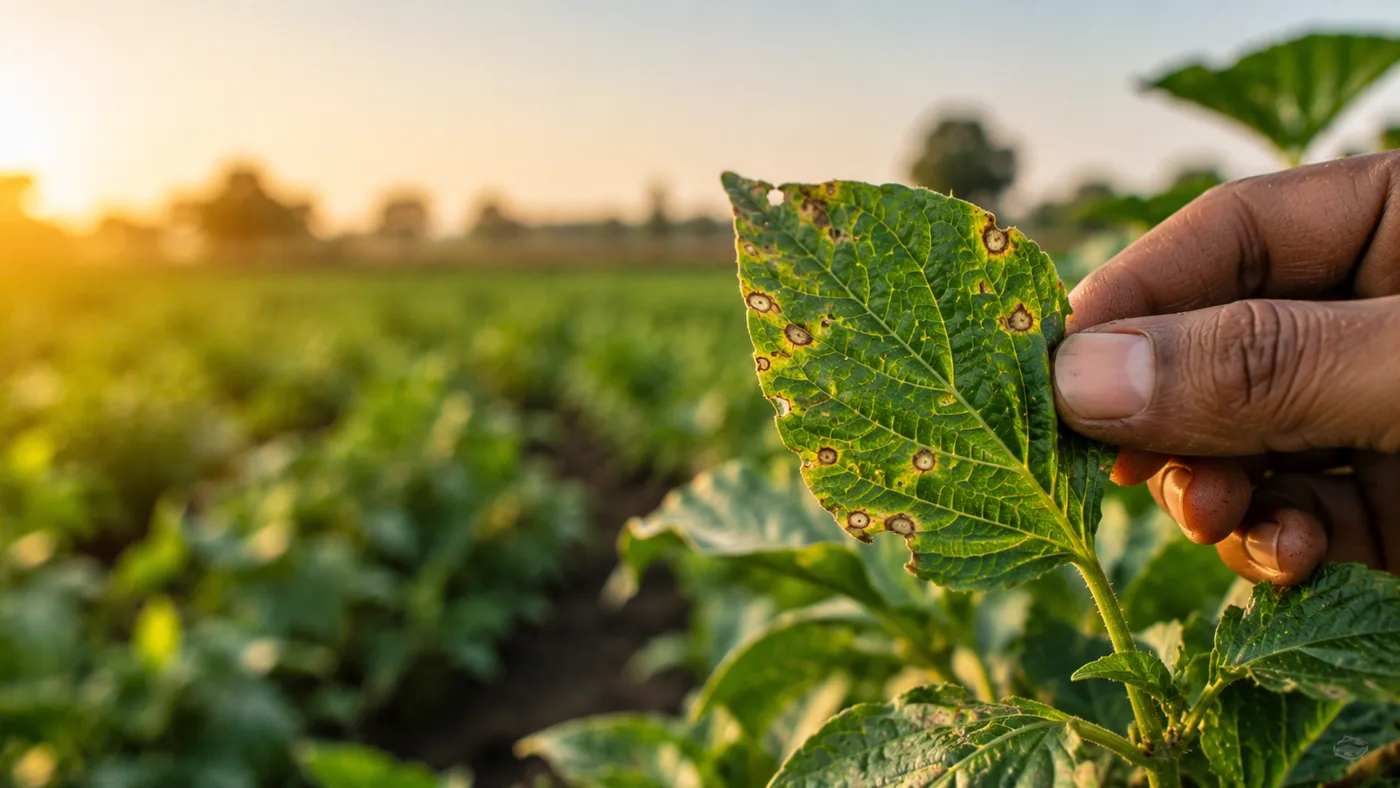
Common Crop Diseases in India and How to Identify Them
A problem spotted on day one is cheap to control; a week later it can take the whole field. Learn the tell-tale signs of blights, rusts, wilts and viruses.
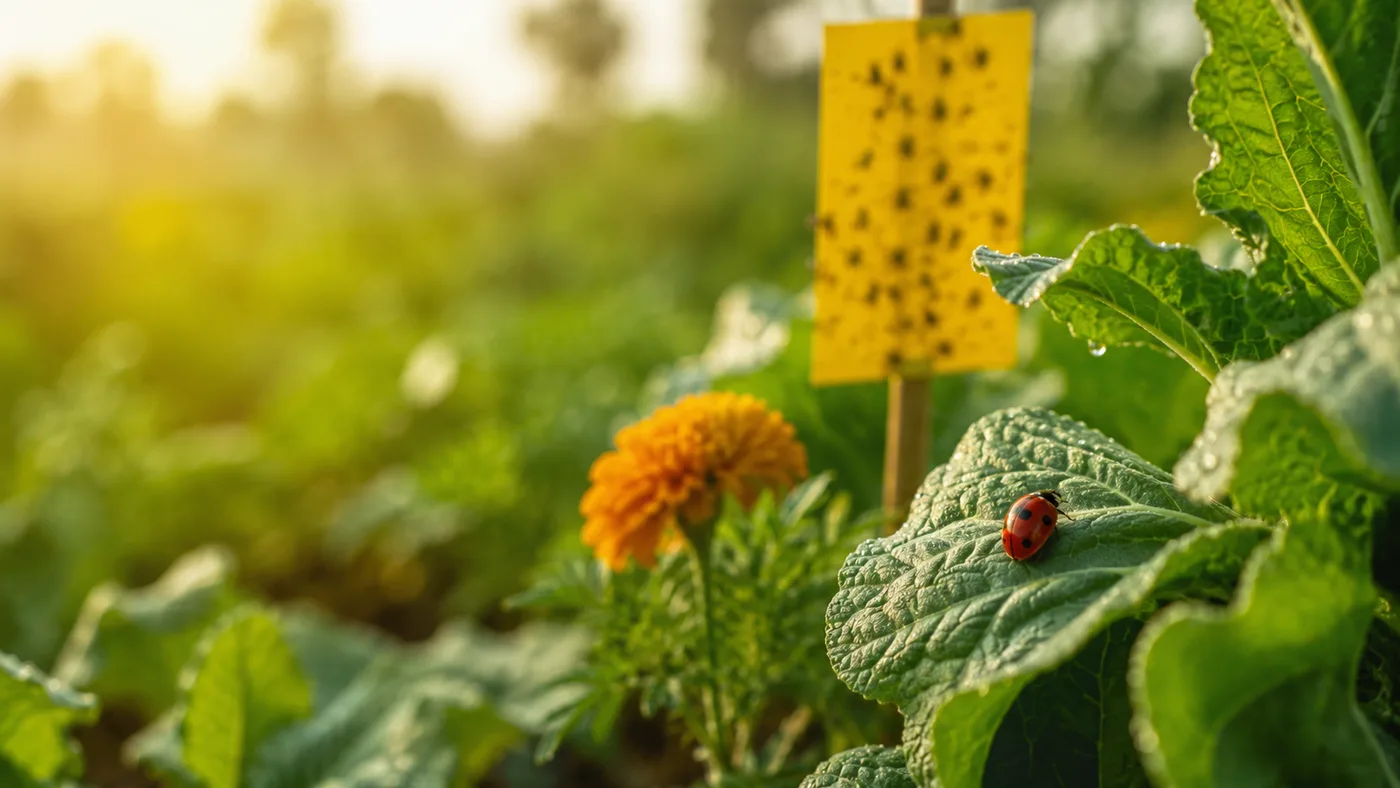
Organic Pest Control Methods for Vegetables
For food you and your customers will eat, natural pest control protects your health, your soil and your wallet while keeping pests in check.
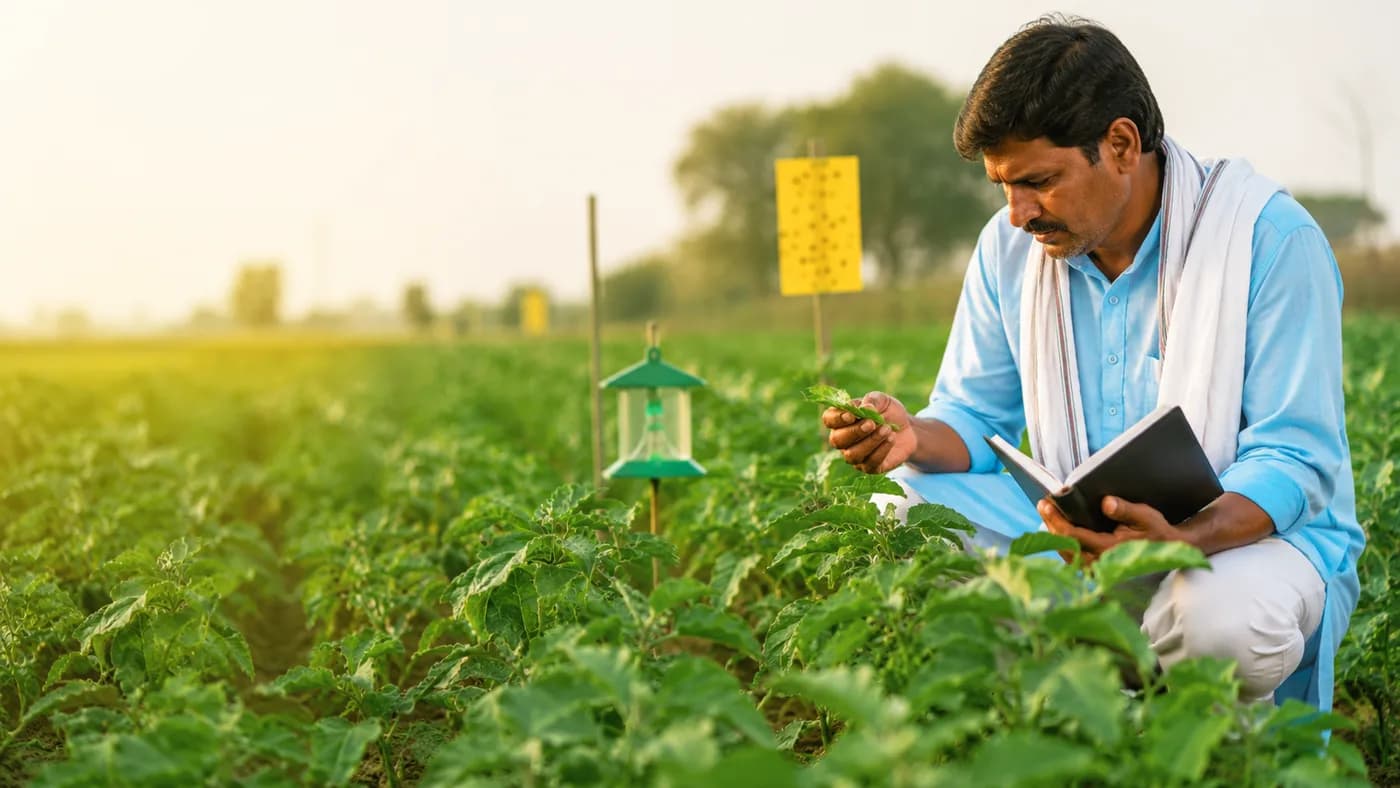
Integrated Pest Management (IPM) for Indian Farms
IPM doesn't mean 'no chemicals' — it means 'chemicals last'. Done well, it cuts spraying costs and stops pests becoming resistant to your sprays.