

Castor Farming in Gujarat: Erandi from Sowing to the Last Picking
Gujarat grows most of India's castor, and India supplies most of the world's. A deep-rooted crop for light land that pays across several pickings — and one you must never treat as food or fodder.
Quick answer
Castor is a long-duration kharif crop suited to light, well-drained soil, sown in Gujarat around August–September. It is deep-rooted and drought-tolerant but will not survive waterlogging. Harvest is not one event: spikes are picked in several rounds as they mature. Every part of the plant is toxic — the seed contains ricin, and the cake must never be fed to animals untreated.
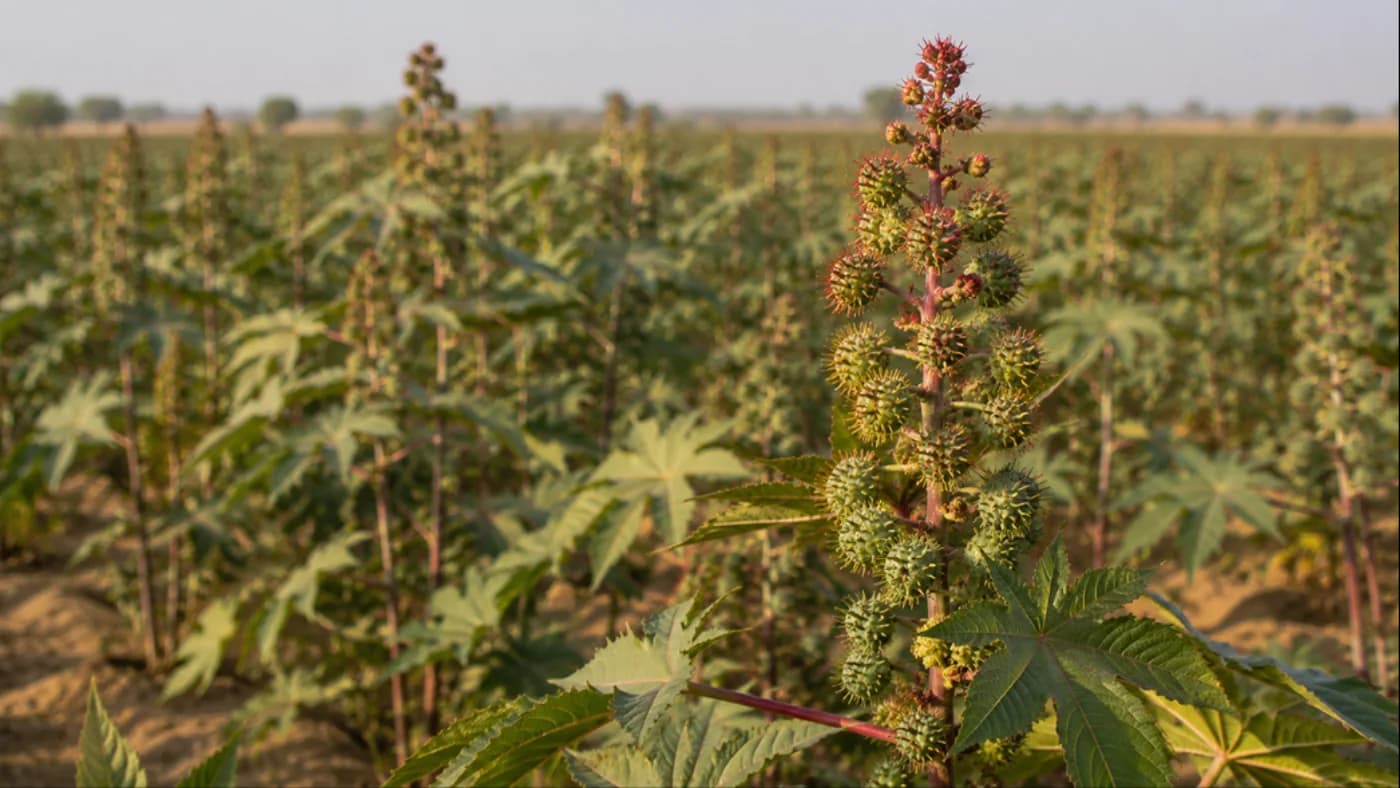
Castor is Gujarat's quiet cash crop. It does not attract the attention cotton or groundnut do, yet Gujarat produces the bulk of India's castor and India supplies most of the world's castor oil. For a farmer with light, well-drained land and no reliable irrigation, it is one of the few crops that will hold on through a poor year and still pay. It also has a characteristic that catches new growers out: the harvest arrives in instalments, over months, and the whole labour plan has to be built around that.
Why castor suits land other crops struggle on
Castor roots deep and fast, which is the whole reason it works in north Gujarat and Kutch. It reaches moisture that shallower crops cannot, tolerates heat, and keeps going through a gap in the rains that would finish a groundnut crop. On light and sandy soils — exactly the land that gives poor returns under thirstier crops — castor is often the most sensible commercial option available.
The one thing it will not tolerate is standing water. Castor is highly susceptible to root rot and wilt in wet, poorly drained soil, and a low patch in the field will show as dead plants while the rest of the crop looks healthy. Drainage matters more here than irrigation does; if you have a choice between levelling for drainage and adding a water source, level first.
Its depth also makes it a genuinely useful rotation crop. It draws from a layer that cereals and pulses do not reach and leaves channels behind — the rooting-depth rule in crop rotation is exactly what castor is good for.
Sowing and the season
- Sow in the kharif window your area uses — broadly August into September across the north Gujarat belt. Castor is long-duration, so a late sowing pushes the last pickings into weather that does not suit them.
- Choose a hybrid suited to your district and, above all, one with wilt tolerance. Ask your KVK. In castor, variety choice is the main defence against the disease that does most damage.
- Sow into moisture, on well-drained land. Avoid low patches entirely rather than trying to manage them.
- Treat the seed against soil-borne disease. Trichoderma is the usual biological option and fits an organic system.
- Keep spacing wide. Castor branches heavily and a crowded stand gives poor spike development and makes picking slow and awkward.
- Take seed rate and spacing from your state package of practices, not from an article — they change with hybrid and region.
The problems that decide the crop
Wilt is the first and worst. It is soil-borne, it persists for years, and once a field has it the only real answers are a tolerant hybrid and a long rotation. Castor after castor, season after season on the same land, is how wilt becomes permanent — and it is the commonest way growers lose a field to it.
Semilooper and capsule borer are the insect pressures worth watching. Semilooper strips leaves and can defoliate a crop quickly when populations build; capsule borer feeds directly on the developing capsules, which is straight yield loss. Scout rather than spray to a calendar, and act on what the field shows. Integrated pest management covers the approach.
Botrytis grey mould is the weather risk. In humid or unseasonably wet spells at the capsule stage it can move fast through a dense canopy. Wide spacing and good airflow are the practical defences, which is another reason not to crowd the stand.
Harvest comes in instalments
This is where castor differs most from the crops around it. Spikes do not mature together. The primary spike is ready first, then the secondaries, then later branches — so harvesting means going through the field several times over a period of months, picking what is ready and leaving the rest.
Plan labour for that from the start. A grower who budgets for one harvest and finds they need four separate rounds has a cost problem in the middle of the season, and delayed picking costs real money: over-mature capsules shatter and drop seed on the ground.
Dry the picked spikes properly before threshing. Castor stored damp deteriorates, and oil content is what you are actually selling.
Safety — this is not a food crop
Castor seed contains ricin, which is highly toxic. This is not a caution to be polite about: castor is not food, not fodder, and not something to leave where children or animals can reach it. Keep seed and harvested material stored securely and away from grain.
Castor cake is a good organic fertiliser and is widely used as one — its own toxicity even deters some soil pests. But it must never be fed to livestock unless it has been properly detoxified by a processor. Untreated castor cake poisons animals. If you sell cake, sell it as manure or to a processor equipped to treat it, and be explicit with the buyer about what it is.
The market, and the arithmetic
Castor is an industrial crop, not a food one. The oil goes into lubricants, cosmetics, coatings and chemical derivatives, and a large share of it is exported. That shapes the price behaviour: it responds to international demand and to the currency more than to local consumption, and it can move sharply in either direction within a season.
Practically, that means two things. Do not plan on a price you saw last year, and do not assume a rising trend continues — castor has a history of steep corrections. Check what nearby markets are actually paying rather than what the mood says, and treat the multi-picking harvest as a small advantage here, since it spreads your selling across a period rather than committing everything to one day's rate.
Our free cost and profit calculator will let you put castor against whatever you would otherwise grow on that land, with your own labour cost for the several pickings included — which is the line most castor budgets get wrong. It needs no account.
Frequently asked
When should castor be sown in Gujarat?+
In the kharif window, broadly August into September across the north Gujarat belt, though the exact dates vary by district and hybrid. Castor is long-duration, so sowing late pushes the final pickings into weather that does not suit them. Confirm the window for your area with your KVK.
How many times is castor harvested?+
Several. Spikes do not mature together — the primary spike is ready first, then secondaries, then later branches — so the crop is picked in multiple rounds over a period of months. Budget labour for that from the start, and do not delay picking, because over-mature capsules shatter and drop seed.
Is castor poisonous?+
Yes. Castor seed contains ricin and is highly toxic. It is not a food or fodder crop. Store seed and harvested material securely, away from grain and out of reach of children and animals. Castor cake works well as an organic fertiliser but must never be fed to livestock unless properly detoxified by a processor.
How do I control castor wilt?+
Before sowing, not after. Wilt is soil-borne and persists for years, so the defences are a wilt-tolerant hybrid, treated seed, and a long rotation that keeps castor off the same land for several seasons. Growing castor after castor repeatedly is the commonest way a field becomes permanently affected.
Which crop should follow castor?+
Something shallow-rooted from a different family — a cereal such as bajra or jowar, or a pulse. Castor is deep-rooted and opens the soil profile, so a shallower crop benefits directly from what it leaves behind. Avoid returning to castor for several seasons because of wilt.
Where to go next
Want this as daily tasks for your farm?
Khetiyaar turns guides like this into a day-by-day plan — in your language, free to start.

Related guides
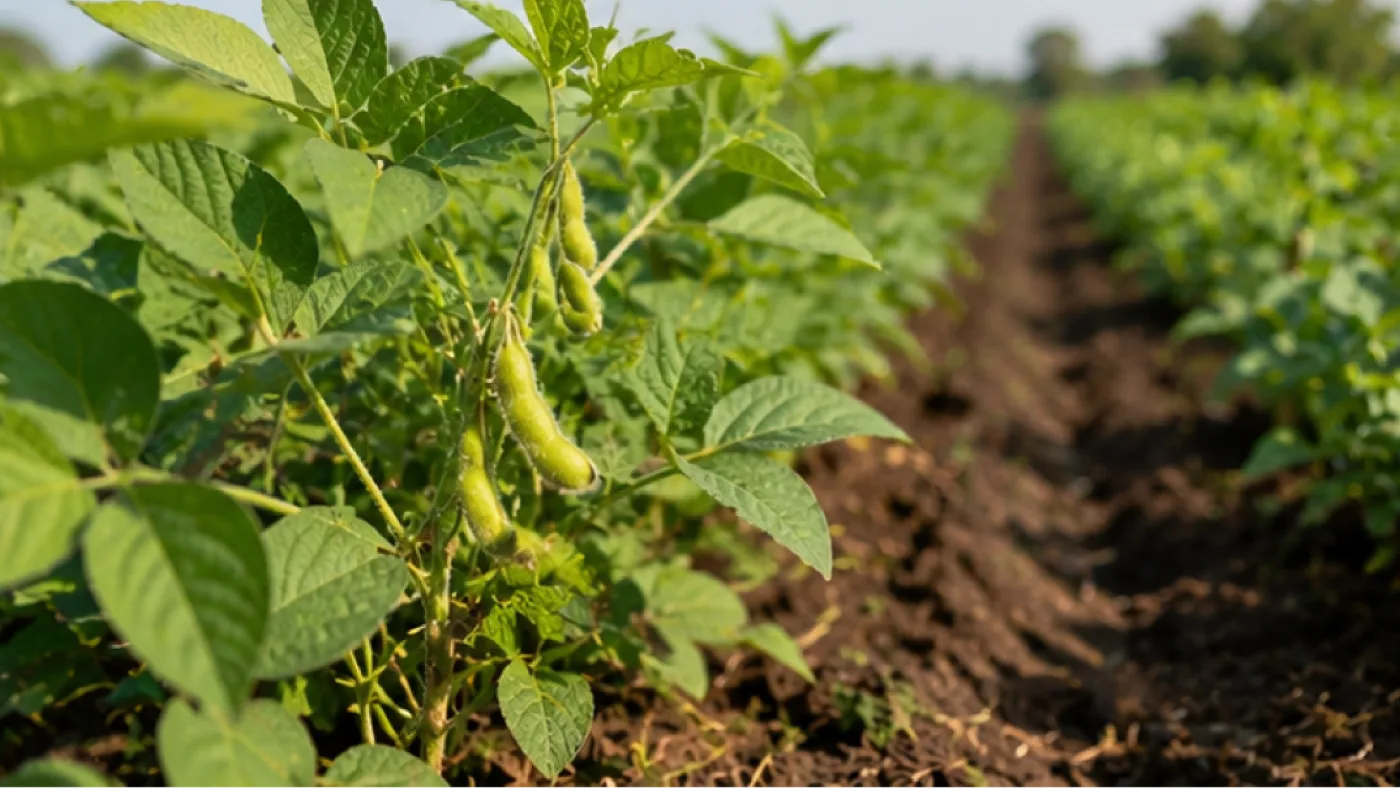
Soybean Farming in India: A Practical Guide to Better Yield
Soybean rewards good basics more than almost any other kharif crop — the right seed treatment, sowing window, and spacing routinely make a bigger difference than anything sprayed on afterward. Here's what actually moves the yield needle.
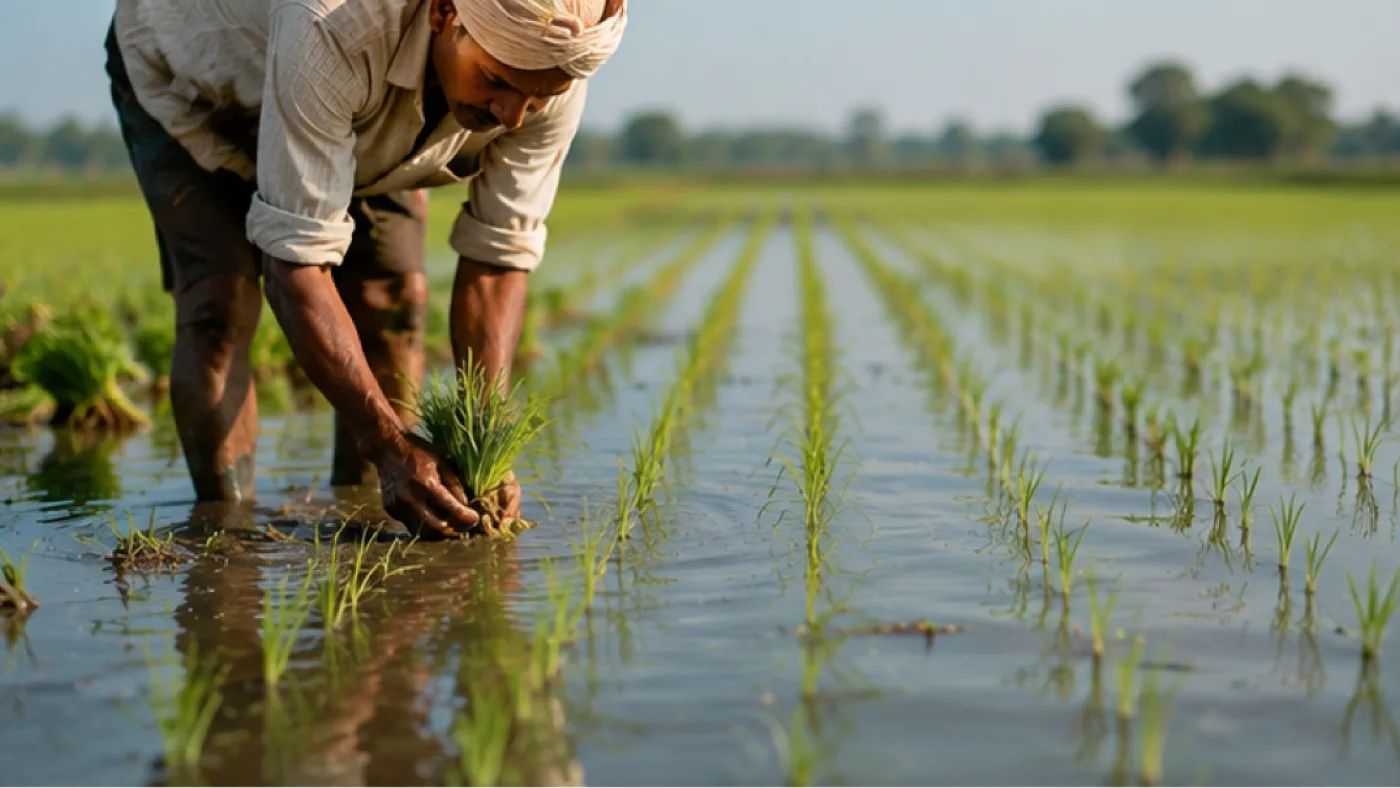
Rice (Paddy) Cultivation: The Complete Guide From Nursery to Harvest
From raising a healthy nursery to knowing exactly when to drain the field before harvest, this is a full season-by-season guide to growing paddy well — with the water-saving trick that can cut your irrigation bill without cutting your yield.
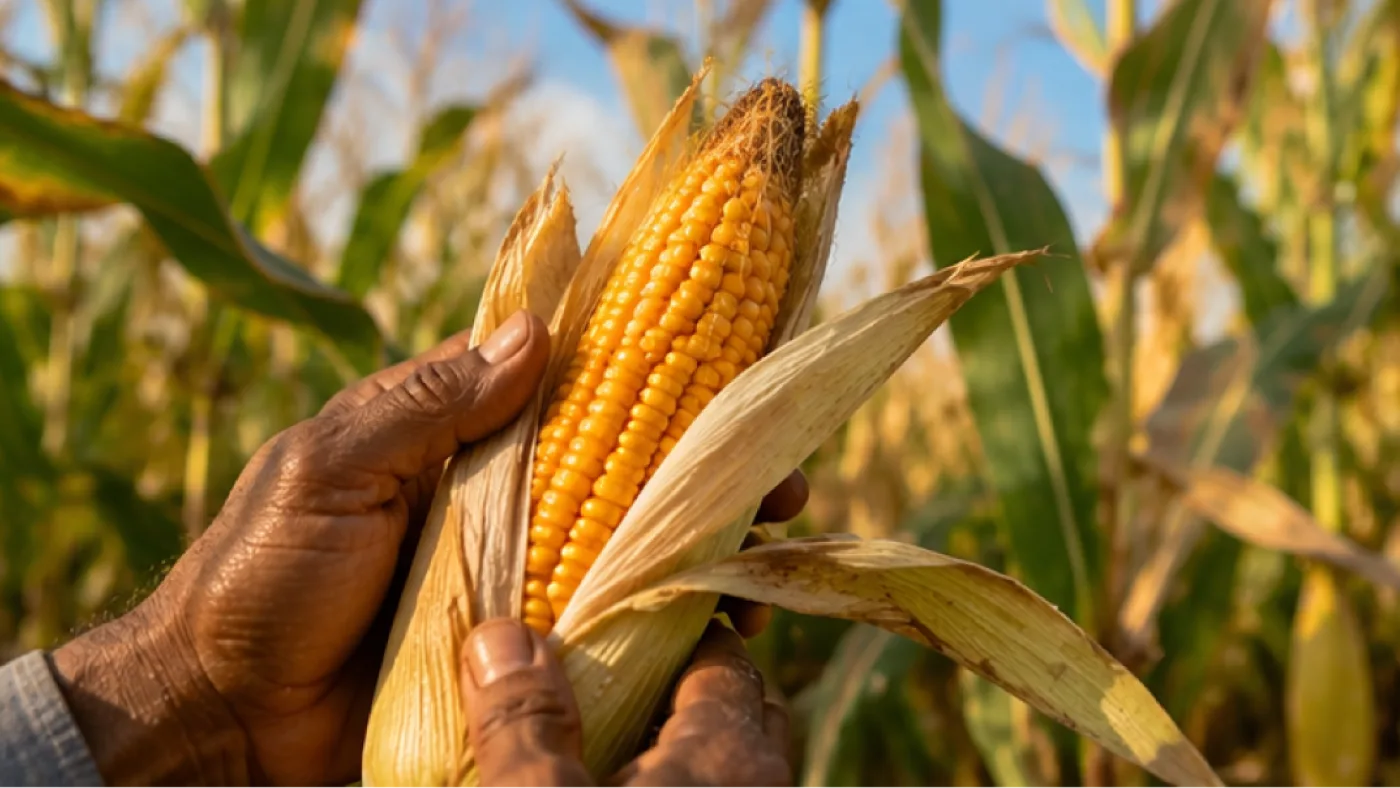
Maize (Makka) Farming Guide: Kharif and Rabi, Grain and Feed
Maize is grown almost year-round in India, as both a kharif rainfed crop and a rabi irrigated one — and the two seasons ask for genuinely different decisions. Here's a practical guide to both, plus what to watch for now that fall armyworm has become a serious threat.