

Natural Swimming Ponds: A Living Water Store for Your Farm
A chemical-dependent pool is a drain on your wallet. A natural swimming pond uses plants and beneficial bacteria to filter itself — and doubles as a serious emergency water reserve for your farm.
Quick answer
A natural swimming pond replaces a chemical-dependent hole in the ground with a working part of your farm: clean water without chlorine, a home for pest-eating wildlife, and — sized generously — a genuine emergency reserve for livestock, irrigation or firefighting when you need it most. Get the 1:1 zone ratio right, plant it properly, and give it a full season to settle before judging the results.
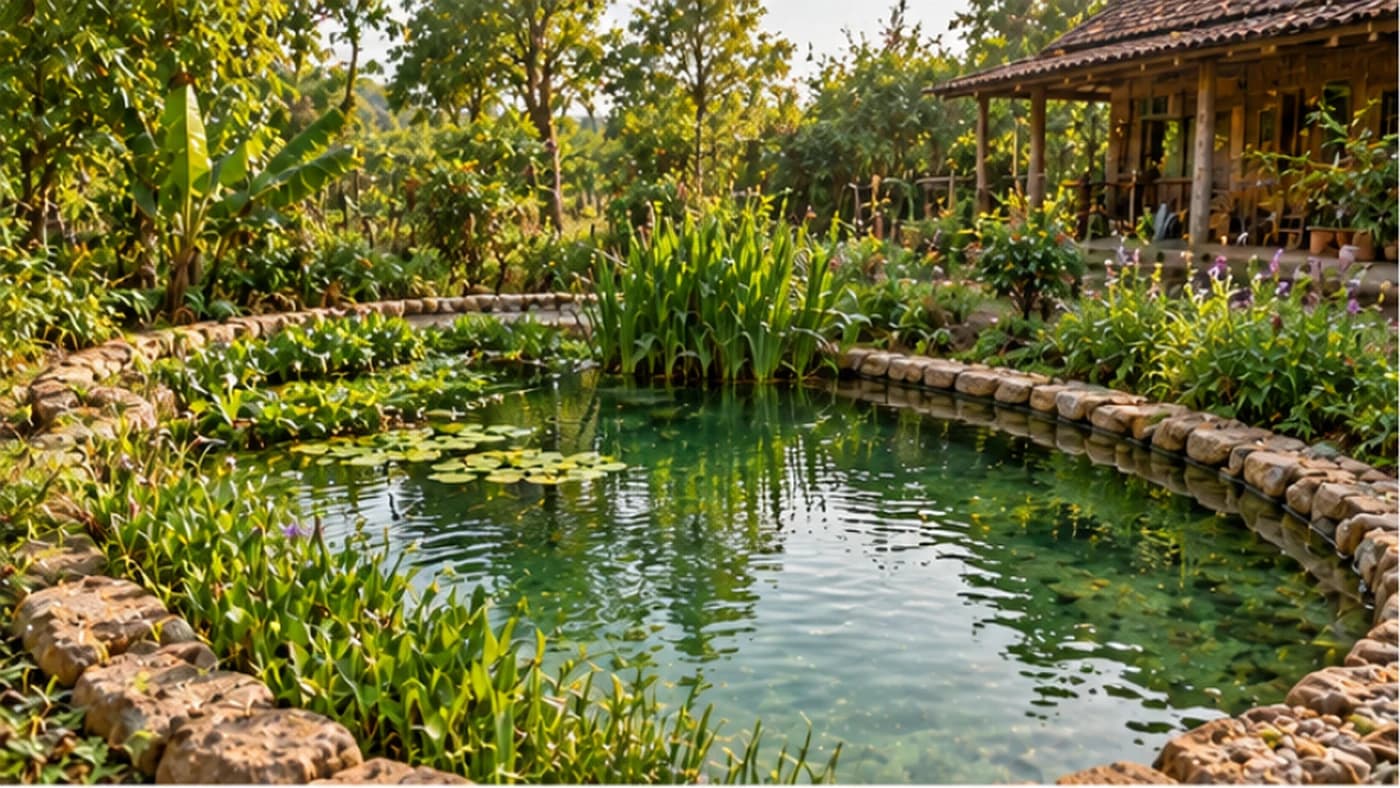
A standard pool needs constant electricity and chlorine to stay clear, and once built, that's all it does. A natural swimming pond uses the same biology as a healthy pond or lake — plants and beneficial bacteria filtering the water — to stay clean without chemicals, while also storing tens of thousands of litres of water your farm can draw on in a drought or emergency.
What a natural swimming pond is
A natural swimming pond (NSP) is a dual-purpose body of water split into two zones: a swimming area and a regeneration zone. It looks like a garden feature, but it functions as a biological water-treatment plant, using gravity and a low-energy pump to move water through gravel beds and plant roots rather than filters and chlorine.
Beyond recreation, many farms use one as a central part of their water strategy — during a drought, tens of thousands of litres stored in the pond can become a lifeline for livestock and crops, and in fire-prone areas it can serve as an emergency reservoir when other water sources fail.
The biology that keeps the water clean
The heart of the system is the nitrogen cycle: beneficial bacteria colonising the gravel and rock in the regeneration zone break down organic matter into nitrates, which aquatic plants then consume as food — starving out algae by removing its nutrient supply before it can take hold.
A small, energy-efficient pump pulls water from the surface of the swim zone and pushes it through the bottom of the gravel bed, scrubbing it clean as it rises back up through plant roots. Keeping oxygen levels high keeps the beneficial bacteria healthy, and many builders also use mineral-rich filter media to lock up phosphate, the nutrient algae needs most, so the water stays clear without a single drop of chlorine.
Step-by-step construction
Choose a level site with at least 6 hours of sunlight — enough for plants, but watch for overheating if it's more. Dig two connected basins: the swimming zone should be around 1.8–2.4 m deep to keep temperatures stable and reduce algae blooms, while the regeneration zone should match the swim zone's surface area but be only 30–45 cm deep — a roughly 1:1 ratio is the standard for good water quality.
For lining, an EPDM rubber liner over a thick geotextile underlay is the most reliable modern choice, though traditional bentonite clay still works if your soil suits it. Build a low internal wall between the two zones, stopping about 10 cm below the water surface so water flows over it while gravel and plants stay contained on their side, and install intake skimmers at the swim-zone surface with return pipes at the bottom of the regeneration zone.
Use clean, washed gravel in the regeneration zone (avoid limestone gravel, which can raise pH), then fill and plant with species suited to your local climate.
Choosing your plants: the filtering hierarchy
- Submerged oxygenators (e.g. hornwort, milfoil): stay fully underwater, pump oxygen into the water, and compete directly with algae for nutrients.
- Floating plants (e.g. water lilies, frogbit): shade 30–50% of the surface, keeping water cooler and blocking sunlight algae needs.
- Emergent marginals (e.g. sedges, irises, pickerelweed): grow at the shallow edges, with dense roots that pull nitrates and phosphates directly out of the water.
- Plant directly into gravel rather than garden soil — this forces roots to draw nutrients from the water itself, which is exactly how they clean the pond.
What you gain over a chlorine pool
Swimming in a natural pond feels closer to a fresh spring than a chemical bath — no itching skin, no burning eyes. While setup can cost 20–30% more than a standard pool, annual running costs are usually lower since there's no regular chemical bill and the pump draws far less power than high-pressure sand filters.
The ecological upside is real too: dragonflies (which hunt mosquitoes) and frogs (which eat garden pests) move in naturally, making the pond a working part of your farm's pest management as well as its water storage.
Common mistakes
Undersizing the regeneration zone is the most frequent error — if the planting area is too small for the swim zone, it can't keep up with nutrient load and the water turns green. Stick close to a 50/50 split.
Placing the pond under heavy deciduous tree cover leads to a constant flood of leaves that overwhelms the filter and darkens the water with tannins. And treating a green pond like a chlorine pool — dumping in algaecide — kills the very bacteria and plants you need; a new pond typically needs a full season to find its balance, and patience matters more than chemicals here.
Realistic limits
A natural pond has a slight green or golden tint and a soft biofilm on stones — healthy, but different from a bleached chlorine-blue look, so it's not for anyone set on seeing a coin at the bottom of a 3 m deep pool. In very dry regions, evaporation is a real concern and needs a reliable source of makeup water; in very cold climates the surface will freeze (fine for the pond, but pumps need winterising). And because the regeneration zone must roughly match the swim zone in size, a natural pond needs close to double the footprint of a standard pool — a real constraint on small plots.
Frequently asked
How does a natural swimming pond stay clean without chlorine?+
Beneficial bacteria in a gravel-filled regeneration zone break down waste into nitrates, which aquatic plants consume as food, starving algae of the nutrients it needs to grow. A low-energy pump keeps water circulating through this biological filter.
What size should the regeneration (plant) zone be?+
Roughly the same surface area as the swimming zone — a 1:1 ratio is the standard guideline. Undersizing it is the most common reason a pond turns green.
Can a natural pond really double as farm water storage?+
Yes — ponds sized to store tens of thousands of litres can supply livestock or irrigation during a drought and serve as a static water source for firefighting in an emergency.
Why shouldn't I add algaecide if the water turns green?+
Algaecide kills the same bacteria and plants that keep the pond balanced long-term, often making the problem worse once it wears off. A new pond typically needs a full season to establish its biology.
Is a natural swimming pond suitable for a small backyard?+
It needs close to double the footprint of a standard pool because the regeneration zone must roughly match the swim zone. In very small spaces, this can be the main limiting factor.
Where to go next
Want this as daily tasks for your farm?
Khetiyaar turns guides like this into a day-by-day plan — in your language, free to start.

Related guides
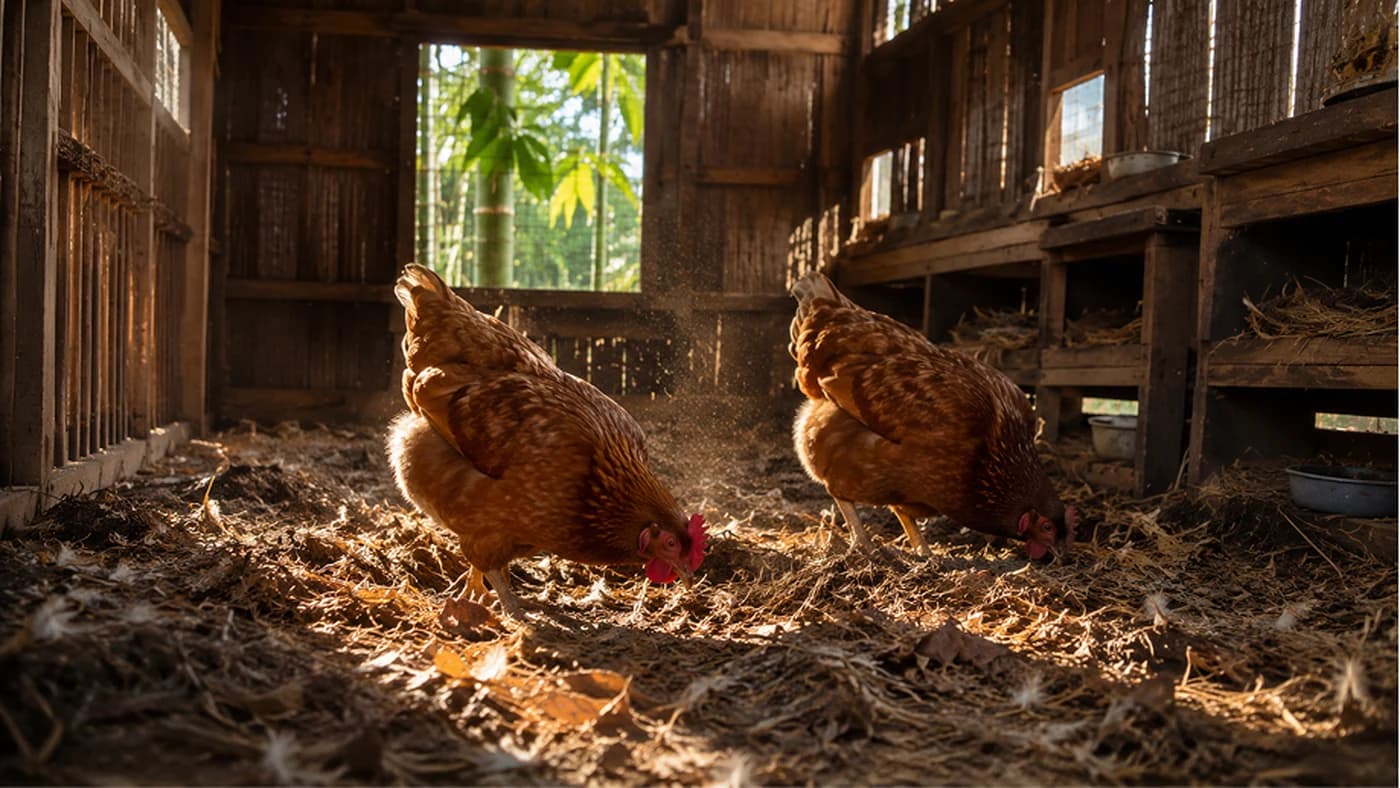
Deep Litter Method: Turn Your Chicken Coop Into a Living Compost System
A scrubbed, bare coop floor is a wasted opportunity. Let a thick carbon bed and billions of microbes do the composting for you — less labour, healthier birds, and free fertiliser for the field.
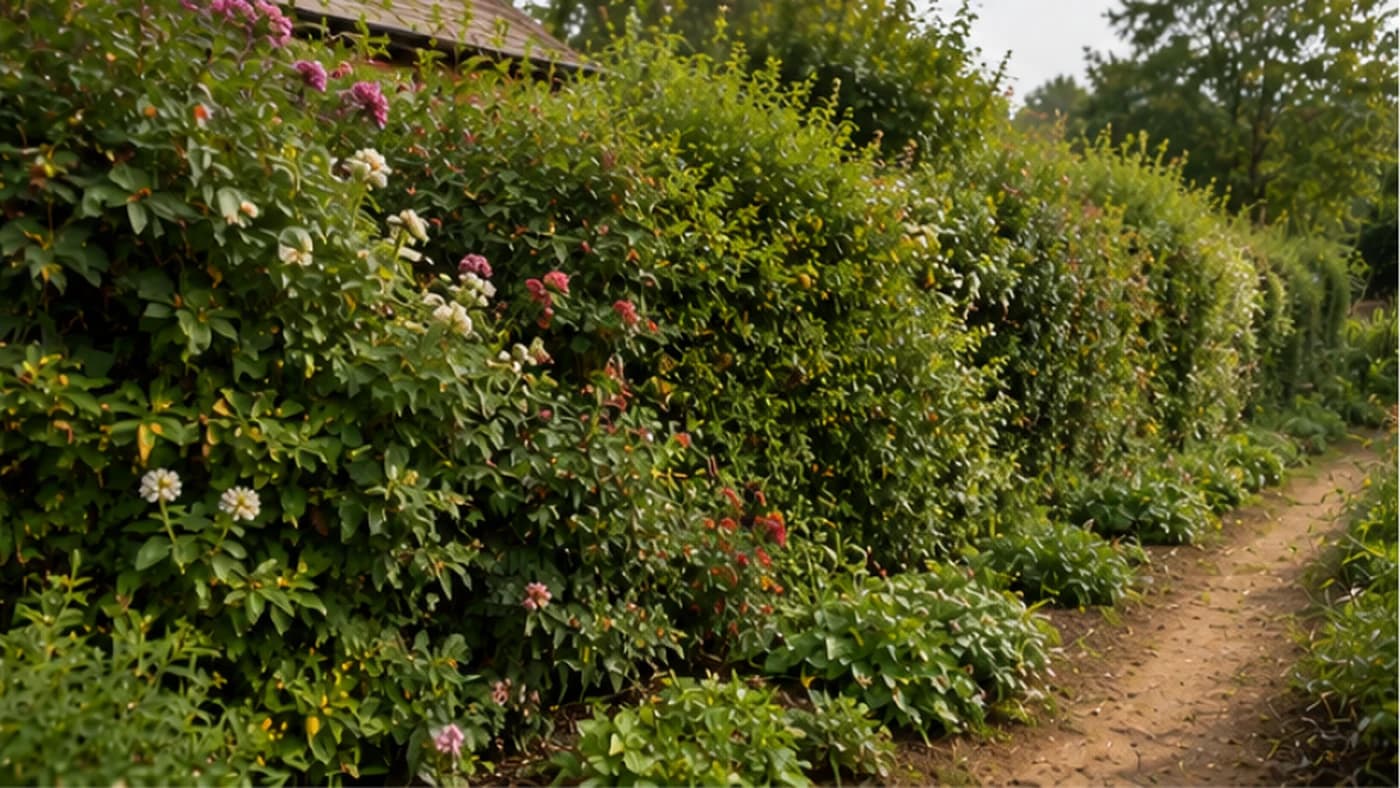
Living Fences: Grow a Boundary That Feeds Your Family Too
A living fence of thorny, fruiting shrubs gives you privacy, wind protection and a harvest — all from a boundary you'd otherwise spend money maintaining forever.
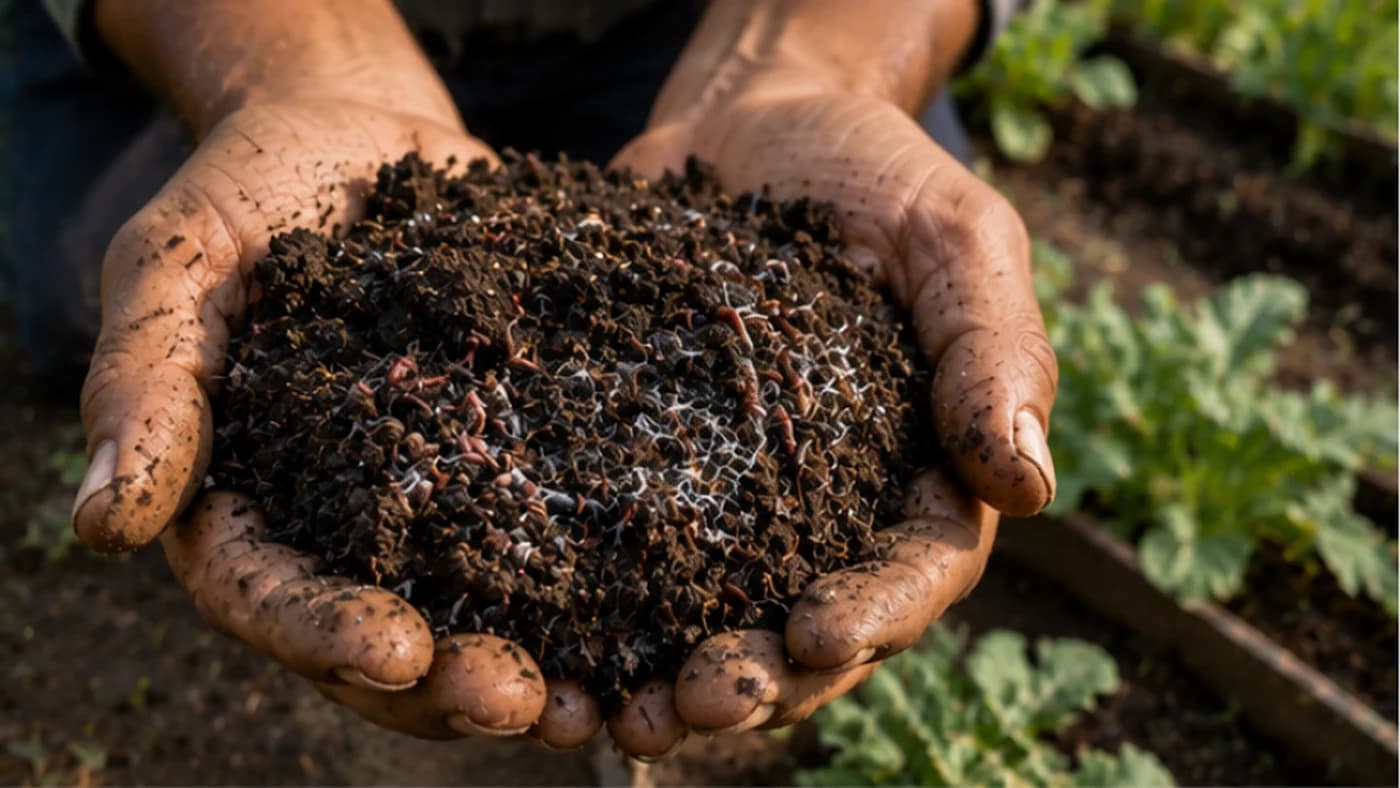
Soil Microbiome Benefits: Why Feeding Your Soil Beats Feeding Your Plants
A single teaspoon of healthy soil holds more living organisms than there are people on Earth. Learn how that hidden workforce feeds your plants, fights disease, and can cut your fertiliser bill for good.