

Renting Out Your Tractor: What to Charge, and How Not to Lose Money On It
A tractor sits idle for most of the year while the loan instalment does not. Custom hiring turns it into income — but only if your rate covers what an hour actually costs you. Most owners quote from what the neighbour charges, and quietly subsidise every job.
Quick answer
Set the rate from cost, not from what neighbours charge. Measure diesel per hour on a real job for each implement, then add operator, servicing per engine hour, tyres and wear, insurance and interest, and a repair reserve. That total is your floor. Never let the hirer drive.

For most owners a tractor works for a few intense weeks and then stands under a tree, while the instalment, the insurance and the slow rusting continue all year. Hiring it out is the obvious answer, and plenty of owners do it — but a striking number make no money at it, because they set a rate by copying the neighbour instead of by knowing what an hour of their own machine actually costs.
Work out your cost per hour before you quote anything
Diesel is the number that decides everything, and most owners have never measured it properly. Measure it on a real job: fill the tank, do a known amount of work with a known implement, then refill and see what went in. Do that once with a rotavator and once with a cultivator and you will have two very different figures, because a rotavator pulls far harder. Guessing this is how owners end up working for the price of the fuel.
Then add the costs that arrive later but are just as real. An operator's wage, whether that is a hired man or your own day. Servicing, which is properly counted per engine hour — oil, filters and the periodic service divided across the hours between them. Tyres and wear, which is the cost owners most often forget and which is heavy on hard, stony ground. Insurance and any loan interest, spread across the hours you realistically expect to work in a year. And a repair reserve, because breakdowns come during the season and idle days in peak week cost you more than the part.
Add all of it and you have a floor. Your rate must sit above that floor with a margin, otherwise you are not renting out a tractor, you are lending it and paying for the privilege.
- Diesel per hour — measured on a real job, separately for each implement.
- Operator wage, including your own time if you drive.
- Servicing per engine hour: oil, filters, periodic service spread over the interval.
- Tyres and general wear — higher on stony ground than you think.
- Insurance and loan interest, divided by realistic annual hours.
- A repair reserve, because a breakdown in peak week costs more than the part.
Per hour or per acre? They protect different people
Farmers hiring you want a per-acre or per-bigha rate, because it lets them budget with certainty and compare quotes. You often want per-hour, because it protects you when the ground is hard, the plot is small and awkward, or the field is wet and the work takes twice as long. Both are legitimate; the mistake is not thinking about which risk you are taking on.
The workable compromise most successful owners settle on is to quote per acre for straightforward work on normal ground, and switch to per hour for anything unusual — very small or irregular plots, first ploughing of long-fallow land, heavy clay after rain, or terraced and sloping fields. Say this openly when you quote rather than surprising the customer afterwards, and you keep the relationship as well as the margin.
Whichever basis you use, be clear about what a day means. Define the hours, and whether travel between fields is charged. Moving a tractor eight kilometres between two small jobs burns diesel and an hour, and an owner who absorbs that on every booking is running the busiest and least profitable machine in the village.
Diesel, damage and who drives
Settle diesel before the job starts, because it is the most common cause of arguments. There are two clean arrangements: you supply the diesel and price it into the rate, or the hirer supplies it and your rate covers only the machine, the operator and the wear. Both work. What does not work is a vague understanding, which reliably ends with the hirer feeling overcharged and you feeling underpaid.
On damage, be plain in advance. Normal wear is yours. Damage from hidden obstacles in the field — a buried stone, an old foundation, an unmarked pipe — is a real risk on unfamiliar land, and it is fair to agree that the hirer is responsible for warning you about known hazards and for damage caused by ones they knew about. Walk a new field before you start work; five minutes of looking has saved many implements.
The single firmest rule: your operator drives, always. Never hand the keys to the hirer or their worker, however experienced they claim to be. It is the fastest route to a damaged machine, an injured person, and an insurance position you do not want to be in. If a customer insists on driving, decline the job.
Peak week is where the money is made or lost
Demand for tillage collapses into a short window after the monsoon breaks, and that window is where your annual income is decided. You cannot serve everyone, so the goal is to keep the machine working continuously with no idle days, and to sequence jobs so you are not crossing the taluka twice a day.
Take bookings in advance and hold slots with a deposit. Without one, farmers book two owners to be safe and cancel on whoever is slower, leaving you idle in the only week that matters. Group bookings geographically rather than by who called first — a cluster of fields in one village is worth more to you than the same acreage scattered across three, and you can honestly offer that cluster a slightly better rate because your travel is lower.
Price peak week for what it is worth, and use the quiet months differently. Off-season is when you take the low-margin work, the odd haulage job, and the maintenance that keeps you running when it counts.
- Take a deposit to hold a slot, or expect double bookings and cancellations.
- Sequence by geography, not by who called first.
- Offer a village cluster a slightly better rate — your travel cost is genuinely lower.
- Service before the season, not during it. An idle day in peak week is expensive.
- Keep a running log of hours per job so next year's rate is based on data.
Safety is not optional, and it is cheap
Custom hiring puts your machine on unfamiliar land with people around it who are not your workers, which raises the risk of the thing that ends everything: an injury. The PTO shaft guard must be in place, always — PTO entanglement causes some of the most severe injuries in farm machinery, and a missing guard is indefensible. Nobody rides on the implement, on the drawbar or in the trailer, no matter how short the distance or how normal it looks locally.
Beyond that: keep bystanders and especially children well clear while working, do not operate a heavy implement on a steep slope you have not walked first, and be cautious about night work on land you do not know. Check brakes, lights and the hitch before each hiring rather than at season start, because you are moving on public roads between fields.
Listing it so serious farmers call
A listing that says "tractor available for rent" gets time-wasters. A listing that answers the questions a farmer would otherwise have to ask gets bookings. Give the make, model, horsepower and year; the implements you have and can bring; the area you cover in a normal day for each implement; your rate basis, per acre or per hour; the diesel arrangement; and the villages or radius you serve.
Photograph the tractor clean and from the side in daylight, with the implements visible, and add a short video of it working if you can. Horsepower and the implement list matter more to a farmer than the model year — someone needing a rotavator on heavy soil is checking whether you have the power to pull it, not the age of the paint.
You can list equipment for rent in Khetiyaar's Agri Bazar alongside animals, crops and inputs, with buyers and hirers filtered to your area and questions arriving through the listing so you can qualify a booking before sharing a number. Before you set the rate, put your diesel, operator, servicing and wear figures into the farming cost and profit calculator so the number you quote is above your real floor rather than the neighbour's guess.
Frequently asked
How do I decide what to charge for tractor rent per acre?+
Start from cost, not from what neighbours charge. Measure diesel per hour on a real job for each implement, then add operator wage, servicing per engine hour, tyres and wear, insurance and loan interest divided by realistic annual hours, and a repair reserve. That total is your floor; your per-acre rate must clear it after allowing for how many acres you cover in an hour.
Should I charge per hour or per acre?+
Per acre suits the farmer, who wants budget certainty, and works fine on normal ground. Per hour protects you when ground is hard, plots are small and irregular, or the field is wet and work takes twice as long. Most successful owners quote per acre for straightforward work and switch to per hour for anything unusual, saying so upfront.
Who should pay for the diesel?+
Either arrangement works as long as it is agreed before the job starts: you supply diesel and price it into the rate, or the hirer supplies it and your rate covers machine, operator and wear. What causes disputes is leaving it vague, which reliably ends with one side feeling cheated.
Should I let the hirer drive my tractor?+
No, never. Your operator drives, without exception, however experienced the hirer claims to be. Handing over the keys is the fastest route to a damaged machine, an injured person and an insurance position you do not want. If a customer insists on driving, decline the job.
What should I put in a tractor rental listing?+
Make, model, horsepower and year; the implements you have; the area you cover in a normal day per implement; your rate basis, per acre or per hour; the diesel arrangement; and the villages or radius you serve. Add daylight side-on photos with implements visible. Horsepower and implement list matter more to farmers than the model year.
Where to go next
- Kheti app for Indian farmersCrop plans, disease diagnosis, weather and mandi rates in one app.
- Agri Bazar marketplaceBuy and sell animals, crops, equipment and dairy near you — and see what buyers want today.
- Today's mandi bhavOfficial AGMARKNET rates for your crop, nearby mandis compared, and the net price after travel.
Want this as daily tasks for your farm?
Khetiyaar turns guides like this into a day-by-day plan — in your language, free to start.

Related guides
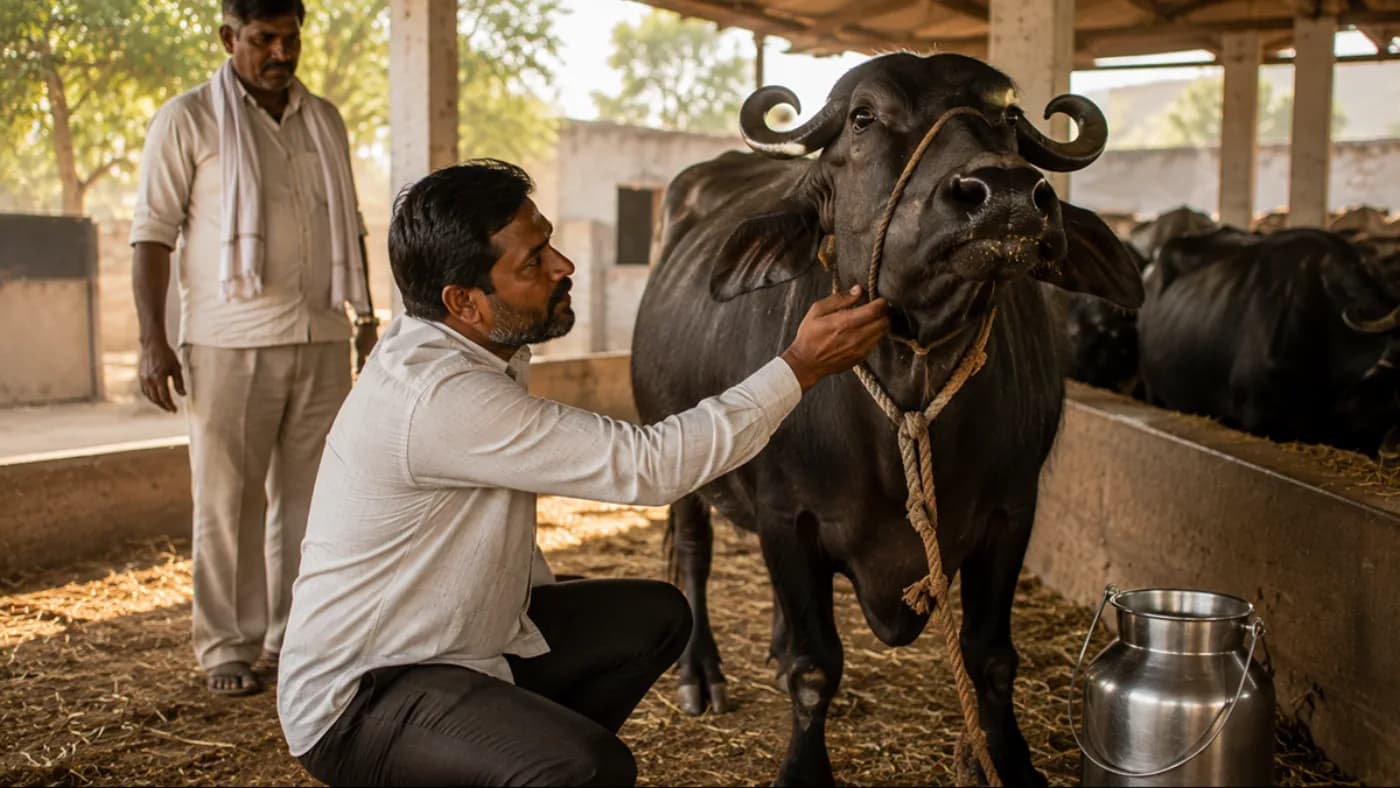
Buying and Selling Cattle Online: What to Check Before You Pay
A milch animal is often the largest single purchase a small farm makes, and the easiest to be cheated on. Listings make discovery far easier — they do not make verification optional. Here is exactly what to check, in what order, and the red flags that should end a deal.
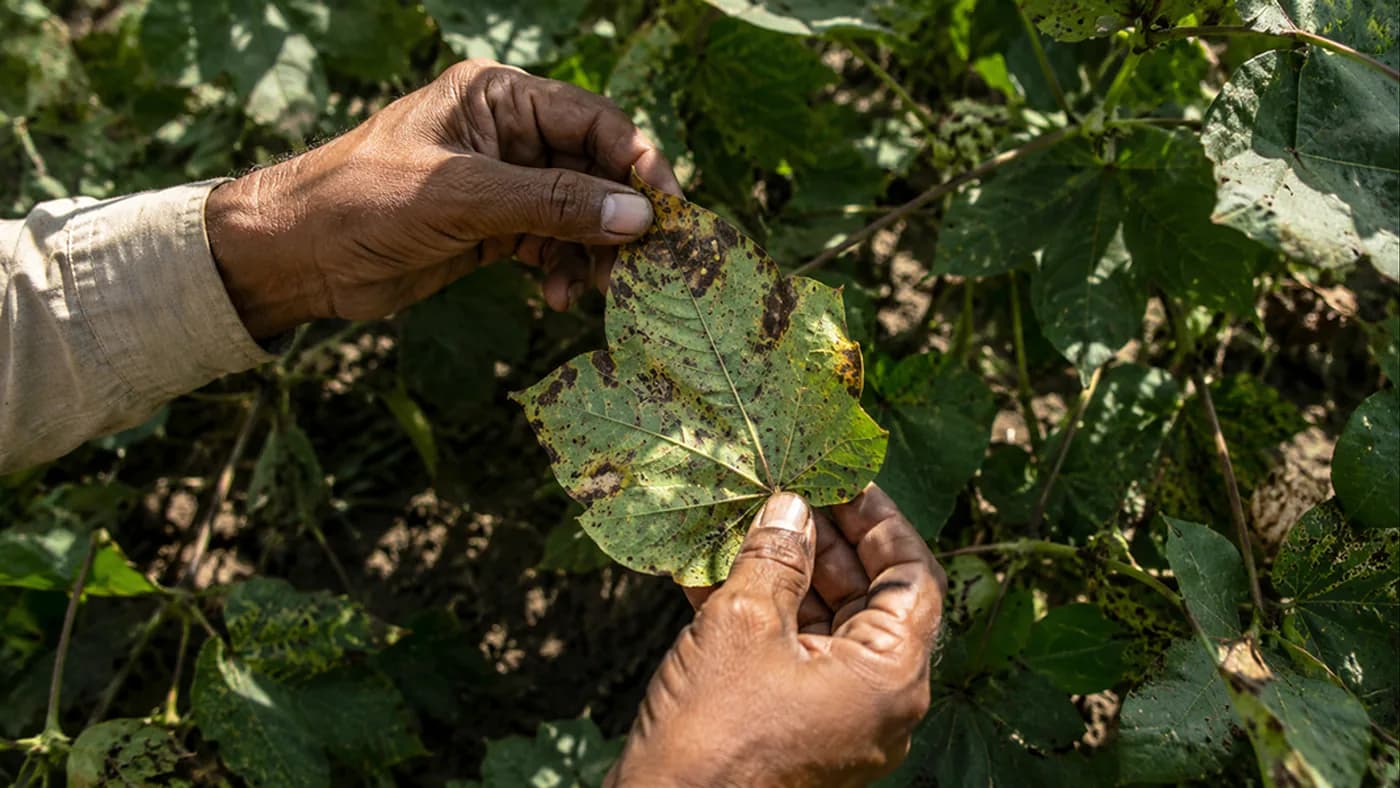
Do AI Farming Apps Actually Work? An Honest Assessment
Five different capabilities are sold under the word AI, and they have wildly different reliability. Photo disease diagnosis scores above 95% in the lab and commonly 70-80% on real field photos. Judge each feature separately.

Best Free Farming Apps in India: What Is Actually Free
The word free is doing four different jobs in this market. Government apps are permanently free and almost nobody recommends them, because there is no commission on a free app.