

Maize (Makka) Farming Guide: Kharif and Rabi, Grain and Feed
Maize is grown almost year-round in India, as both a kharif rainfed crop and a rabi irrigated one — and the two seasons ask for genuinely different decisions. Here's a practical guide to both, plus what to watch for now that fall armyworm has become a serious threat.
Quick answer
Maize rewards matching your decisions to the season you're actually growing in: choose a hybrid suited to kharif or rabi specifically, hit your target plant population closely rather than approximately, split nitrogen across the season instead of dumping it at sowing, and scout the whorl of young plants weekly for fall armyworm from the very start — this pest is unforgiving of a late response. Dry the grain properly before storage, and know which market — food grain or feed — you're actually growing for, since that can shape both your variety choice and your selling strategy.
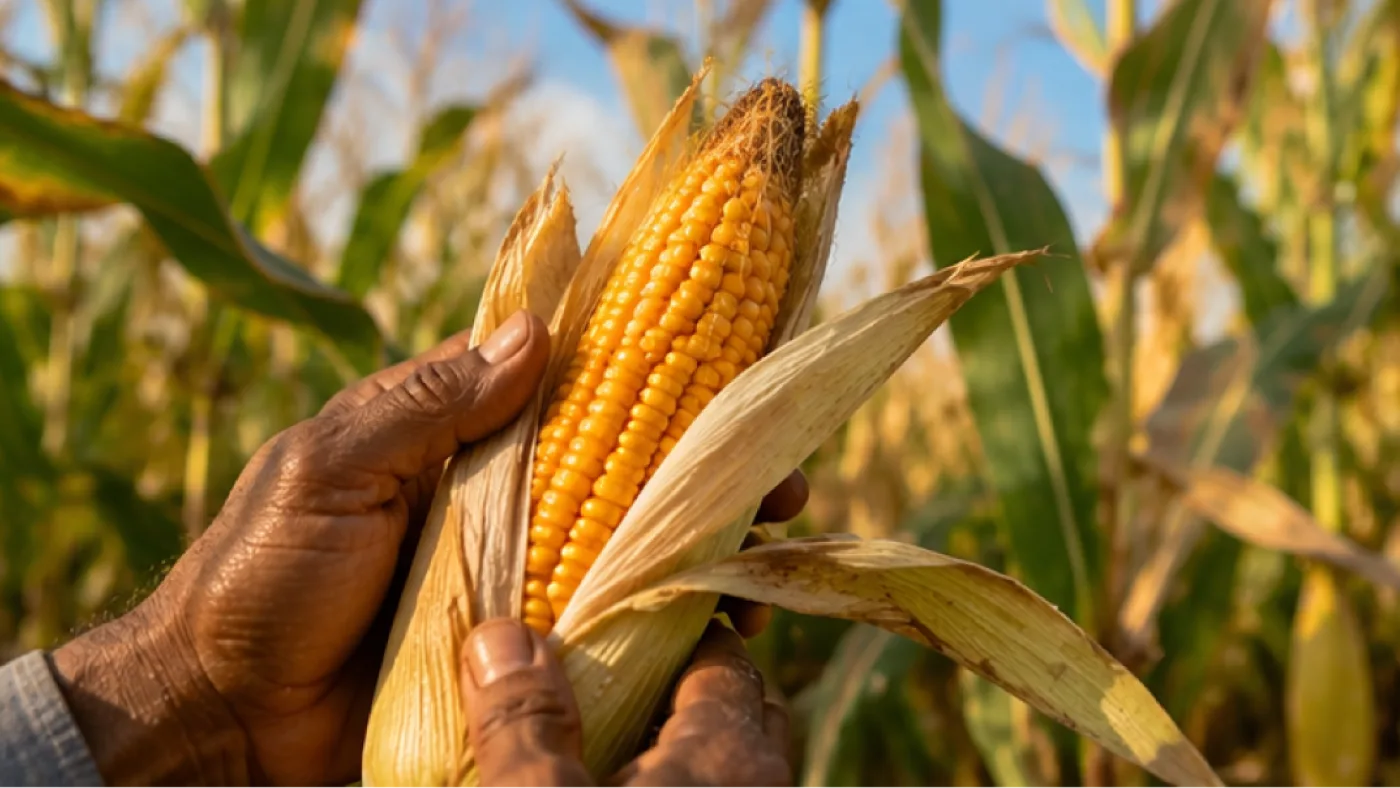
Maize has become one of India's most flexible cereal crops — grown in the kharif (rainy) season across huge rainfed areas, and increasingly in the rabi (winter) season under irrigation, where yields are often even higher thanks to more predictable water and cooler grain-fill conditions. It also serves two very different markets, food grain and poultry/animal feed, which is part of why maize demand and prices have grown steadily. Getting it right means understanding what changes between the two seasons and staying ahead of fall armyworm, the crop's newest and most serious pest threat.
Kharif vs rabi maize: what actually changes
Kharif maize is sown with the monsoon and relies mainly on rainfall, which means yield is more exposed to erratic rainfall, waterlogging risk in heavy downpours, and generally higher pest and disease pressure in the warm, humid conditions of the rainy season. Rabi maize is sown after the monsoon under assured irrigation, and generally benefits from more even moisture supply, cooler nights during grain fill (which favours better grain quality and often higher yield potential), and somewhat lower pest pressure — though it demands a reliable irrigation source, which not every farmer has.
Variety choice should reflect the season: many hybrids are bred and recommended specifically for kharif or specifically for rabi performance, so always check the seed packet or dealer recommendation for the season you're sowing rather than assuming one hybrid suits both equally well.
Choosing hybrid seed
Maize yield responds very strongly to hybrid vigour, and using certified hybrid seed from a reliable source — rather than saved grain from a previous harvest — is one of the highest-return decisions in the whole crop, since hybrid vigour does not carry through reliably to the next generation of seed. Choose a hybrid suited to your season (kharif or rabi), your soil and rainfall/irrigation pattern, and, where fall armyworm is a known local problem, look for hybrids with better tolerance where these are available and recommended in your area.
Spacing and plant population
A common recommendation for maize is roughly 60-75 cm between rows and 20-25 cm between plants, adjusted for the specific hybrid's growth habit and your target plant population — hybrid seed packets usually state a recommended plant population per acre or hectare, and hitting that target closely (not just approximately) matters more for maize than for many other cereals, since maize doesn't compensate for poor stands through tillering the way rice or wheat can.
Thin overcrowded stands early if germination comes in denser than intended, since maize plants compete hard with each other for light in a dense stand, at real cost to cob size and grain fill.
Watching for fall armyworm
Fall armyworm is a relatively recent invasive pest in India (first reported in 2018) and has become one of the most serious threats to maize specifically, since it feeds deep inside the whorl of young plants where it's hard for sprays to reach. Look for the caterpillar's distinctive inverted-Y marking on its head, along with characteristic 'window-pane' feeding damage on leaves (thin, papery patches scraped through but not eaten all the way through) and visible frass packed into the whorl.
Scout the whorl of young maize plants weekly from early growth stages, since catching an infestation before the caterpillar burrows deep into the whorl is far more effective than trying to treat it afterward. Hand-picking caterpillars on small plots, encouraging natural predators, and applying targeted biopesticides early all help; avoid relying on any single chemical repeatedly, since fall armyworm develops resistance quickly. (See our full identification guide, Good Insects vs Bad Insects, for a photo and detailed description of this pest.)
Fertilizer schedule
Maize is a heavy nitrogen feeder with a fairly demanding fertilizer schedule: a basal dose of nitrogen, phosphorus, and potash at sowing, followed by top-dressed nitrogen split across two or three later applications — typically around knee-high growth stage and again around tasseling — rather than applying it all upfront. Splitting nitrogen this way matches the crop's actual uptake pattern and reduces both nutrient loss and the risk of excessive early vegetative growth at the expense of grain fill later.
Adjust the general schedule against an actual soil test where possible, particularly for phosphorus and potash, since requirements vary meaningfully with soil type and cropping history.
Two markets: grain and poultry feed
Maize serves two genuinely different end markets that are both worth understanding before you sow: food-grain maize, sold for direct human consumption and processing, and feed maize, which is the dominant raw material in poultry and animal feed formulations across India. Feed-grade maize demand has grown substantially alongside the growth of India's poultry industry, and in many regions the feed market is now a significant, steady buyer alongside the traditional food-grain trade — worth checking local mandi and feed-mill demand before deciding which variety and marketing channel to target.
Harvest and post-harvest handling
Maize is ready to harvest when the husk has dried and turned papery brown and the kernels have hardened and reached physiological maturity (often visible as a black layer at the base of the kernel). Harvesting too early gives higher moisture grain that is harder to dry safely and more prone to mould; harvesting too late in wet conditions increases the risk of ear rot and pre-harvest sprouting.
Dry harvested maize down to around 12-14% moisture before storage or sale, since maize stored wetter than this is genuinely prone to aflatoxin-producing mould, which is a serious quality and safety concern for both food-grain and feed-grade maize.
Terms explained in this guide
Frequently asked
What is the difference between kharif and rabi maize?+
Kharif maize is sown with the monsoon and relies mainly on rainfall, with higher exposure to erratic weather and pest pressure. Rabi maize is sown under assured irrigation after the monsoon, generally benefiting from more even moisture and cooler grain-fill conditions.
How do I identify fall armyworm damage in maize?+
Look for a caterpillar with a distinctive inverted-Y mark on its head, feeding deep in the whorl, with thin 'window-pane' leaf damage and visible frass packed into the whorl. Scout weekly from early growth stages.
Why should I use certified hybrid seed instead of saved maize grain?+
Hybrid vigour does not reliably carry through to the next generation of seed, so saved grain from a hybrid crop typically yields noticeably less. Certified hybrid seed from a reliable source is one of the highest-return decisions in the whole crop.
What is the recommended fertilizer schedule for maize?+
A basal dose of nitrogen, phosphorus, and potash at sowing, then nitrogen split across two or three top-dressed applications — commonly around knee-high stage and again around tasseling — rather than one large upfront dose.
What moisture level is safe for storing maize?+
Around 12-14%. Maize stored wetter than this is prone to mould, including aflatoxin-producing fungi, which is a serious quality and safety issue for both food-grain and feed-grade maize.
Where to go next
Want this as daily tasks for your farm?
Khetiyaar turns guides like this into a day-by-day plan — in your language, free to start.

Related guides
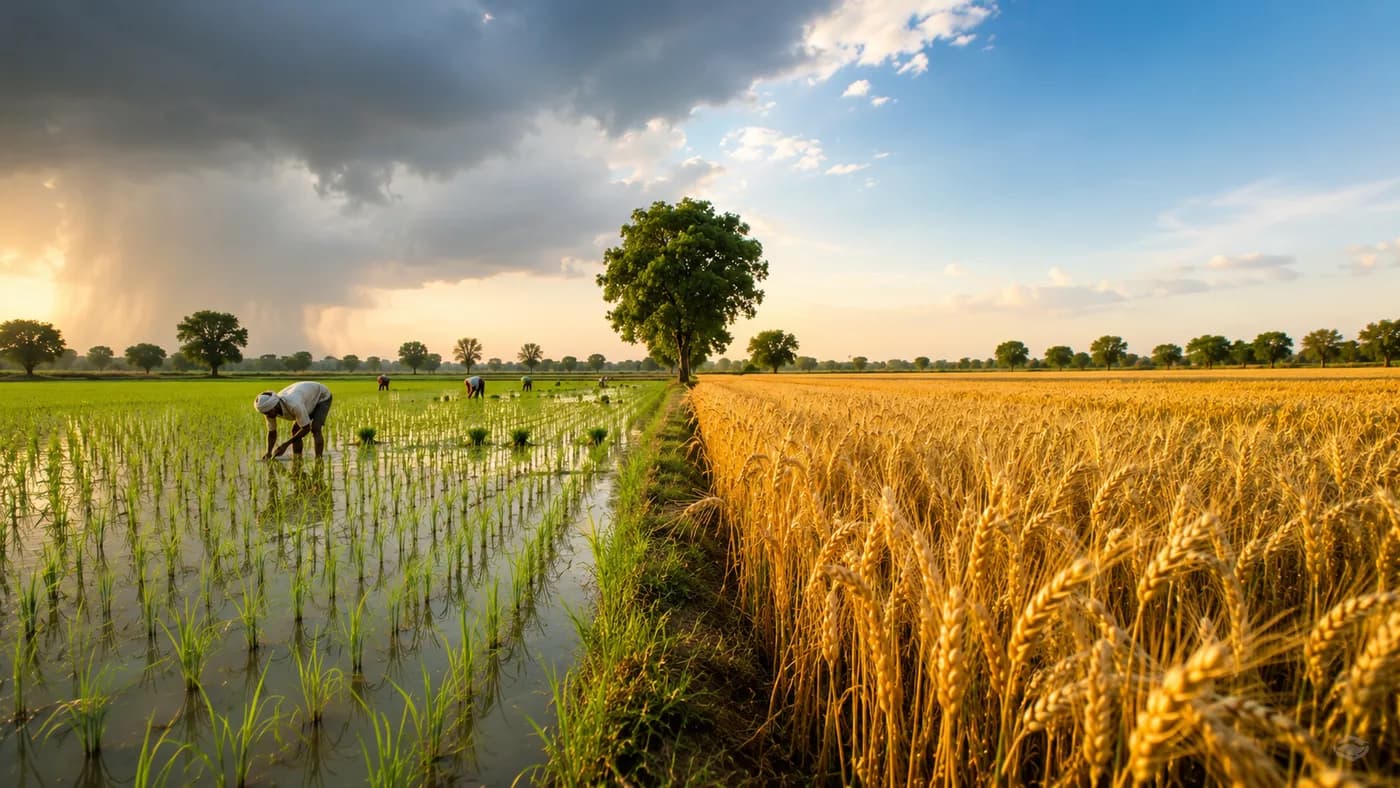
Kharif vs Rabi Crops: What to Grow in Each Season
India's cropping calendar is built around Kharif, Rabi and Zaid. Match your crop to your season and water, and the year starts right before you even sow.
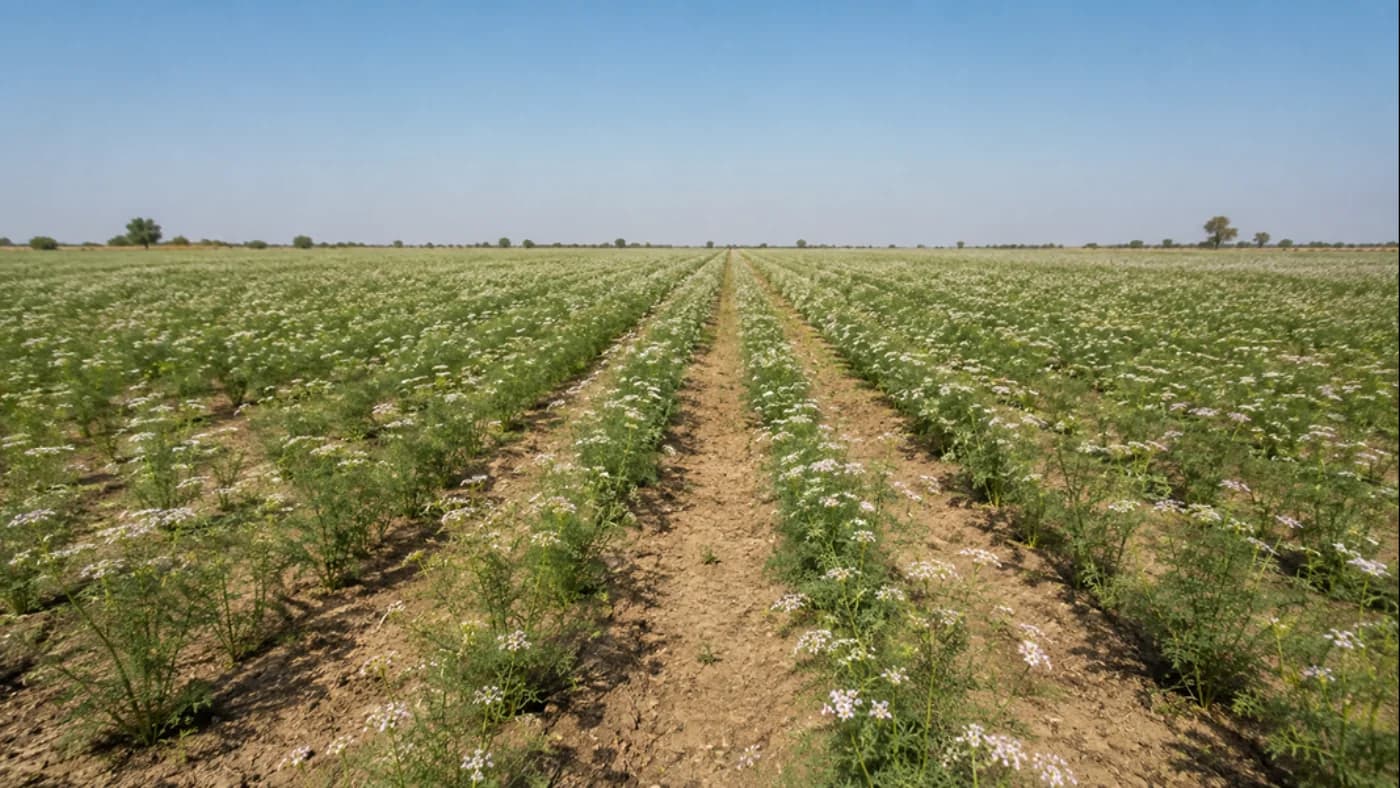
Cumin Farming: Growing Jeera When the Weather Decides Everything
Cumin is among the highest-value crops a Gujarat farmer can grow and among the easiest to lose. Two cloudy weeks at flowering can take the whole field. Here is how to give it the best odds.
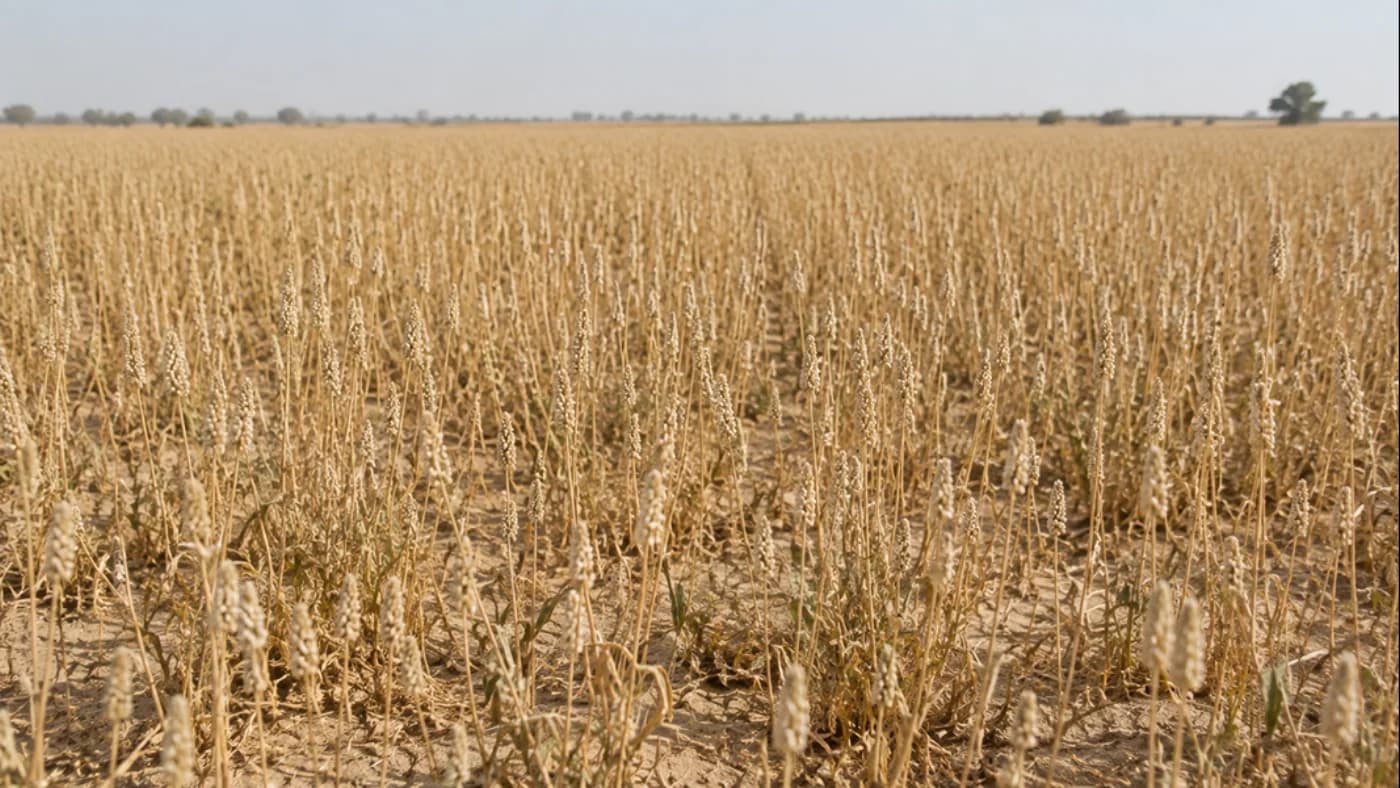
Isabgol Farming: Growing Psyllium for the Husk, Not the Seed
North Gujarat supplies much of the world's psyllium husk from light land and almost no water. The crop is easy until harvest — and at harvest one shower can take the value out of it.