

Natural Farming vs Organic Farming: What Actually Differs, and Which Suits Your Land
The two terms are used interchangeably and they are not the same thing. One is a certification system that lets you sell at a premium; the other is a low-input philosophy that cuts your cost to near zero. Choosing wrong costs you either money or a market.
Quick answer
Organic is a certification system that unlocks a premium price; natural farming is a low-input system that cuts cost toward zero and works best if you keep cattle. Neither is automatically better. Convert one or two acres rather than the whole farm, and expect a yield dip for two to three seasons while soil biology rebuilds.
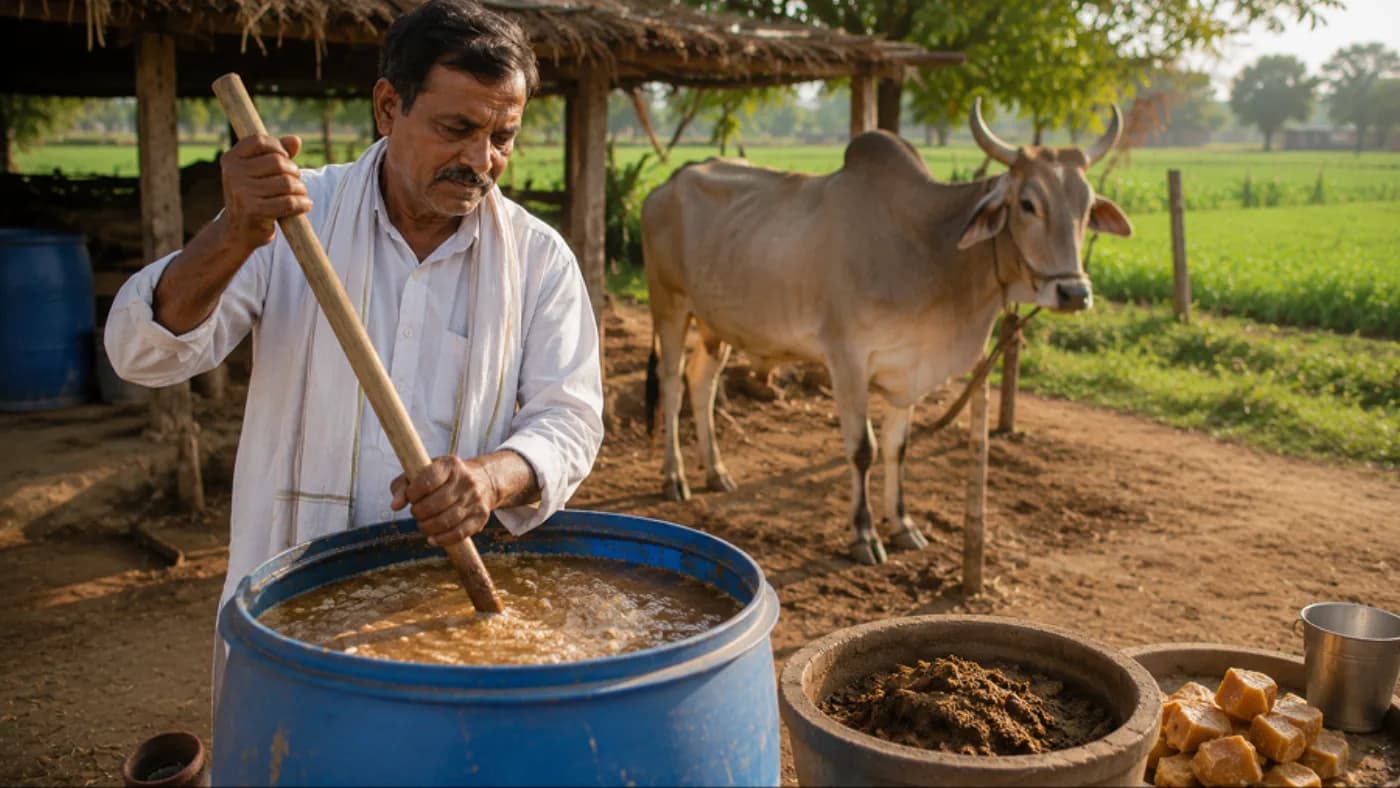
Ask ten farmers what natural farming is and you will get answers ranging from "no chemicals" to "organic with a different name". The confusion is costly, because the two systems have genuinely different economics. Organic farming is fundamentally about certification and market access. Natural farming is fundamentally about eliminating purchased inputs. You can practise one, both, or neither — but you should know which one you are actually doing.
The core distinction in one paragraph
Organic farming replaces synthetic inputs with approved organic ones. You may still buy things — certified organic manures, bio-fertilisers, botanical pesticides, neem formulations — and the system is defined by a standard and verified by certification. Natural farming, as promoted in India largely through the Subhash Palekar tradition, goes further and tries to eliminate purchased inputs altogether, building fertility from on-farm resources, principally cow dung and urine, and from soil biology rather than applied nutrition.
Put crudely: organic asks "is this input allowed?" and natural asks "why are you buying an input at all?" That difference drives everything else — cost structure, transition risk, yield trajectory and whether you can charge a premium.
Inputs: what each system actually uses
The practical implication is that natural farming favours farmers who keep cattle — ideally desi breeds — because the whole nutrient cycle runs on dung and urine. A farmer with no livestock trying to practise natural farming ends up buying dung, which quietly reinstates exactly the input cost the system exists to remove.
- Organic: compost and FYM, vermicompost, green manures, approved bio-fertilisers and bio-pesticides, rock minerals, neem-based products. Purchased inputs are normal, provided they appear on the approved list.
- Natural farming: on-farm preparations, principally jeevamrut (a fermented mix of cow dung, cow urine, jaggery, pulse flour and soil) and beejamrut for seed treatment, plus acchadana (mulching) and whapasa (managing soil moisture and aeration rather than saturating the soil).
- Both: crop rotation, intercropping, diverse plantings, and encouraging natural predators instead of spraying broadly.
Certification and the price premium
This is where the money differs. Organic produce can be certified in India under NPOP for third-party certification, generally used for export and formal retail, or under PGS-India, a participatory group system that is far cheaper and suited to smallholders selling domestically. Certification is what unlocks the premium price — without it you are growing organically and selling at ordinary rates, which is the worst of both worlds.
Natural farming, by contrast, has historically had no equivalent universal certification label, so many natural farmers sell through direct relationships, local markets and word of mouth rather than a certified premium channel. Government support has grown substantially through the National Mission on Natural Farming, and Gujarat in particular has pushed natural farming hard, including a dedicated natural farming university. But if your plan depends on a labelled premium, check what certification or verification route actually exists in your state before you commit.
The transition period nobody warns you about
This is the honest part that promotional material skips. When you stop applying synthetic fertiliser on soil that has been fed synthetically for years, yields usually dip before they recover. The soil biology that is supposed to supply nutrition has been suppressed, and it takes time — commonly two to three seasons — to rebuild. Farmers who convert their entire holding at once and then face a bad year frequently abandon the system and conclude it does not work.
The sensible approach is to convert a portion. Take one or two acres, run the new system properly there, keep records of cost and yield against your conventional plots, and expand from evidence rather than enthusiasm. This also lets you learn the preparations — jeevamrut needs to be made and used correctly, and the first few batches are usually where mistakes happen.
How to decide which one fits you
Whichever you pick, base it on a soil test rather than a slogan. Our guide on how to read a soil health card explains what the numbers mean, and why soil testing is important covers sampling properly. If you are moving away from chemical fertiliser, organic manure vs chemical fertiliser and how to improve soil health naturally are the two most useful next reads.
- You have cattle, especially desi cows, and your main problem is input cost — natural farming has the stronger case.
- You have a buyer or market that pays a certified premium, and can handle certification paperwork — organic has the stronger case.
- You have no livestock and no premium market — start with soil health fundamentals rather than a label: compost, green manure, rotation and residue management.
- You farm a high-value horticulture crop for a discerning market — certified organic usually pays for itself.
- Your soil is severely degraded — either system helps, but begin with a soil test so you know what you are actually correcting.
Run the numbers before you commit
The claim that gets repeated most often is that natural farming cuts costs dramatically, and the claim organic advocates make most often is that the premium more than covers the yield gap. Both can be true and both can be false, depending on your land, your livestock and your market. The only way to know is to measure your own plots.
Track cost per acre and yield per acre on the converted plot against a conventional one for two full seasons. The farming cost and profit calculator gives you a like-for-like comparison, and how to start organic farming in India covers the certification steps if you go that route. If you want the season plan, input reminders and record-keeping in one place in your own language, Khetiyaar's organic farming app is built for exactly this kind of side-by-side transition.
Frequently asked
What is the main difference between natural farming and organic farming?+
Organic farming replaces synthetic inputs with approved organic ones and is defined by a certifiable standard, so you may still purchase inputs. Natural farming tries to eliminate purchased inputs altogether, building fertility from on-farm resources — principally cow dung and urine through preparations such as jeevamrut — and from soil biology rather than applied nutrition.
Is natural farming cheaper than organic farming?+
Usually yes on input cost, because the preparations are made on-farm rather than bought. But that advantage depends on having cattle. A farmer without livestock ends up purchasing dung, which reinstates the input cost the system exists to remove. Organic can still be more profitable overall if you have access to a certified premium market.
Can natural farming produce be certified organic?+
Natural farming practices generally avoid prohibited synthetic inputs, so produce can often qualify for organic certification under PGS-India or NPOP if the farmer follows the certification process and record-keeping. Certification is a separate administrative step, not automatic — without it you are farming naturally but selling at ordinary rates.
How long does it take to switch from chemical to natural or organic farming?+
Expect a yield dip for roughly two to three seasons while suppressed soil biology rebuilds. This transition period is the main reason farmers abandon the switch. Convert one or two acres rather than the whole holding, keep records against a conventional plot, and expand from evidence.
What is jeevamrut and how is it used?+
Jeevamrut is a fermented preparation central to natural farming, made from cow dung, cow urine, jaggery, pulse flour and a handful of undisturbed soil, left to ferment for a few days. It is applied with irrigation water or as a soil drench to introduce and feed soil microorganisms rather than to supply nutrients directly. Beejamrut is the related preparation used for treating seed before sowing.
Where to go next
- Organic farming appPlan a chemical-free season with organic inputs and natural pest control.
- AI farming chatbotAsk any farming question in Gujarati, Hindi or English and get an answer in seconds.
- Agri Bazar marketplaceBuy and sell animals, crops, equipment and dairy near you — and see what buyers want today.
Want this as daily tasks for your farm?
Khetiyaar turns guides like this into a day-by-day plan — in your language, free to start.

Related guides
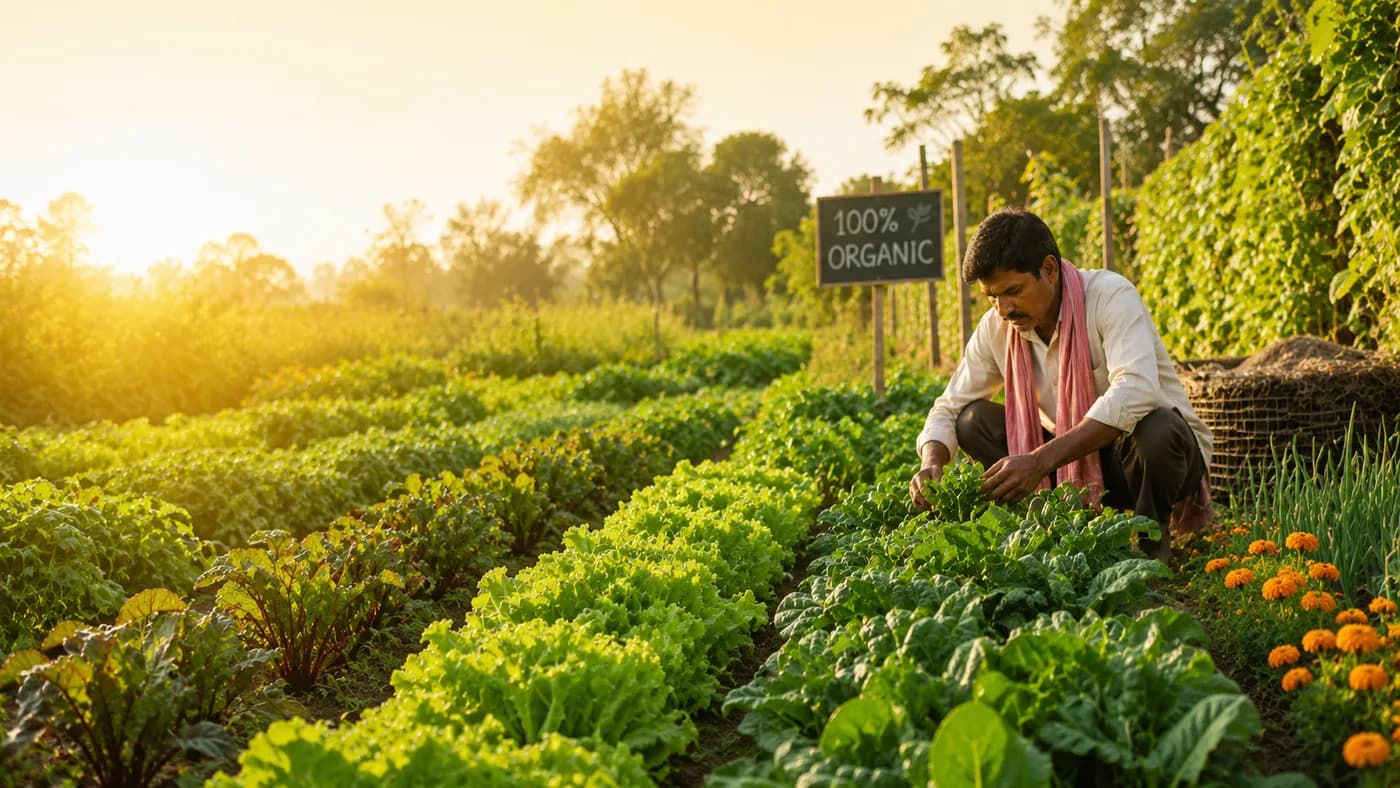
How to Start Organic Farming in India
Organic can lower input costs, rebuild soil and earn premium prices — but only with a planned transition, not an overnight switch.
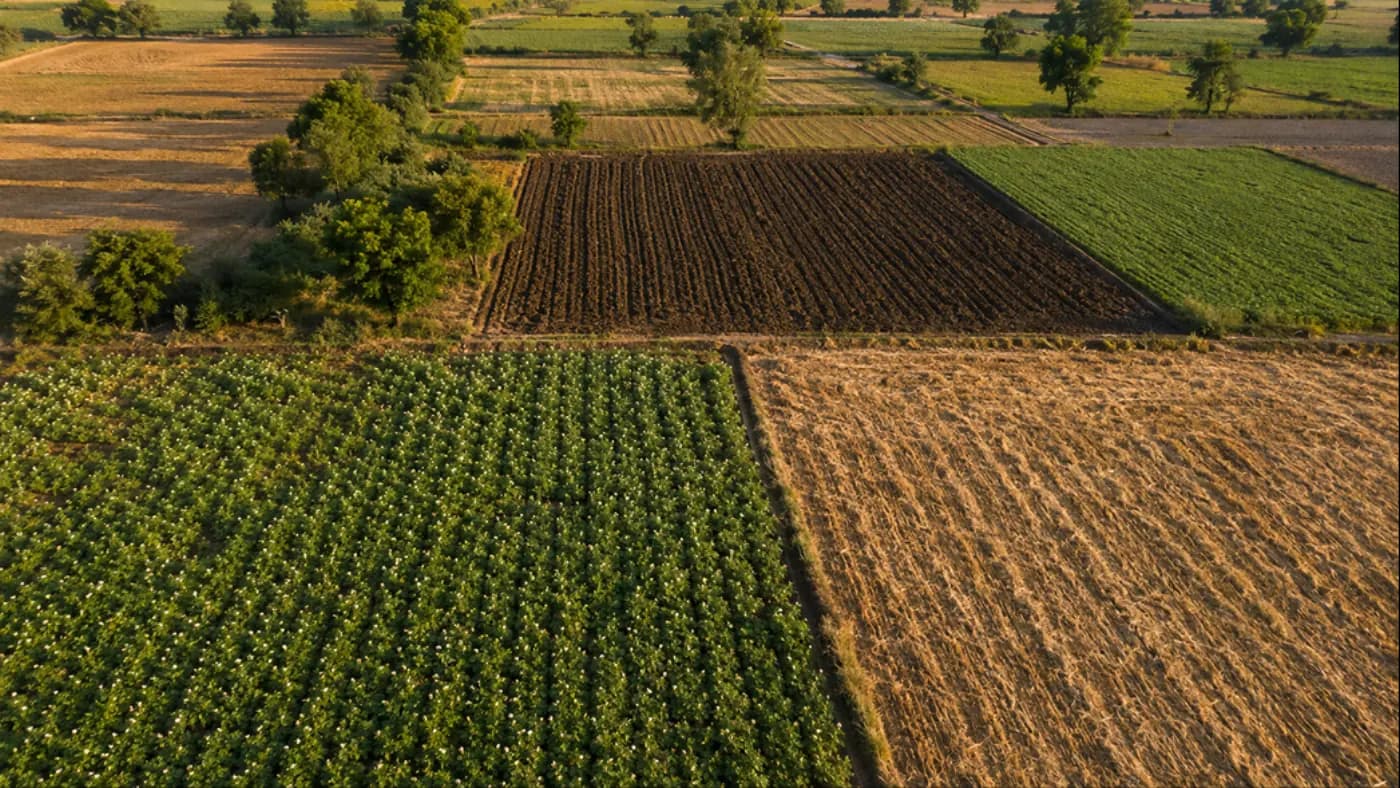
Crop Rotation: Which Crop After Which, and Which to Never Repeat
The cheapest pest control and the cheapest fertiliser on your farm are the same thing — deciding what follows what. The three rules, the crop families you must not repeat, and what your soil type allows.
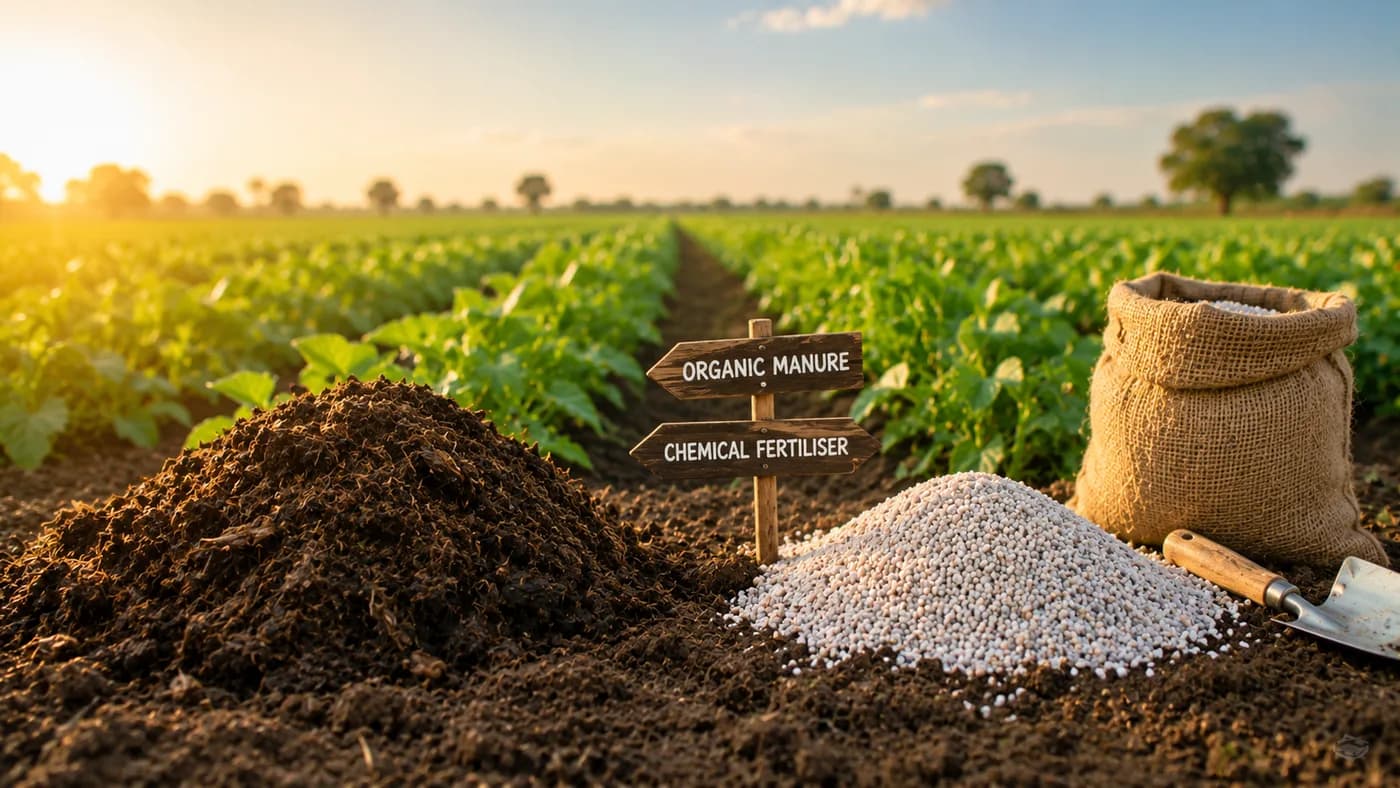
Organic Manure vs Chemical Fertiliser: What's Best for Your Farm
It's not a choice between the two — the smartest farmers use both wisely. Organic matter builds the soil; chemical fertiliser tops up precisely.