

How to Build a Beetle Bank: A Permanent Home for Your Farm's Pest Hunters
A clean, closely-mown field edge looks tidy but offers no shelter for the predatory insects that eat aphids and slugs for you. A beetle bank — a raised, permanently unmown grass ridge — gives them a place to survive winter and hunt your pests all season.
Quick answer
A beetle bank is a one-time earthworks project — a raised, planted ridge you simply stop mowing — that turns a bare field edge into a permanent, self-sustaining pest-control army. It costs almost nothing beyond the initial building and seeding, takes two to three years to reach full effectiveness, and rewards you every season after with fewer aphids, fewer slugs, and less spent on sprays.
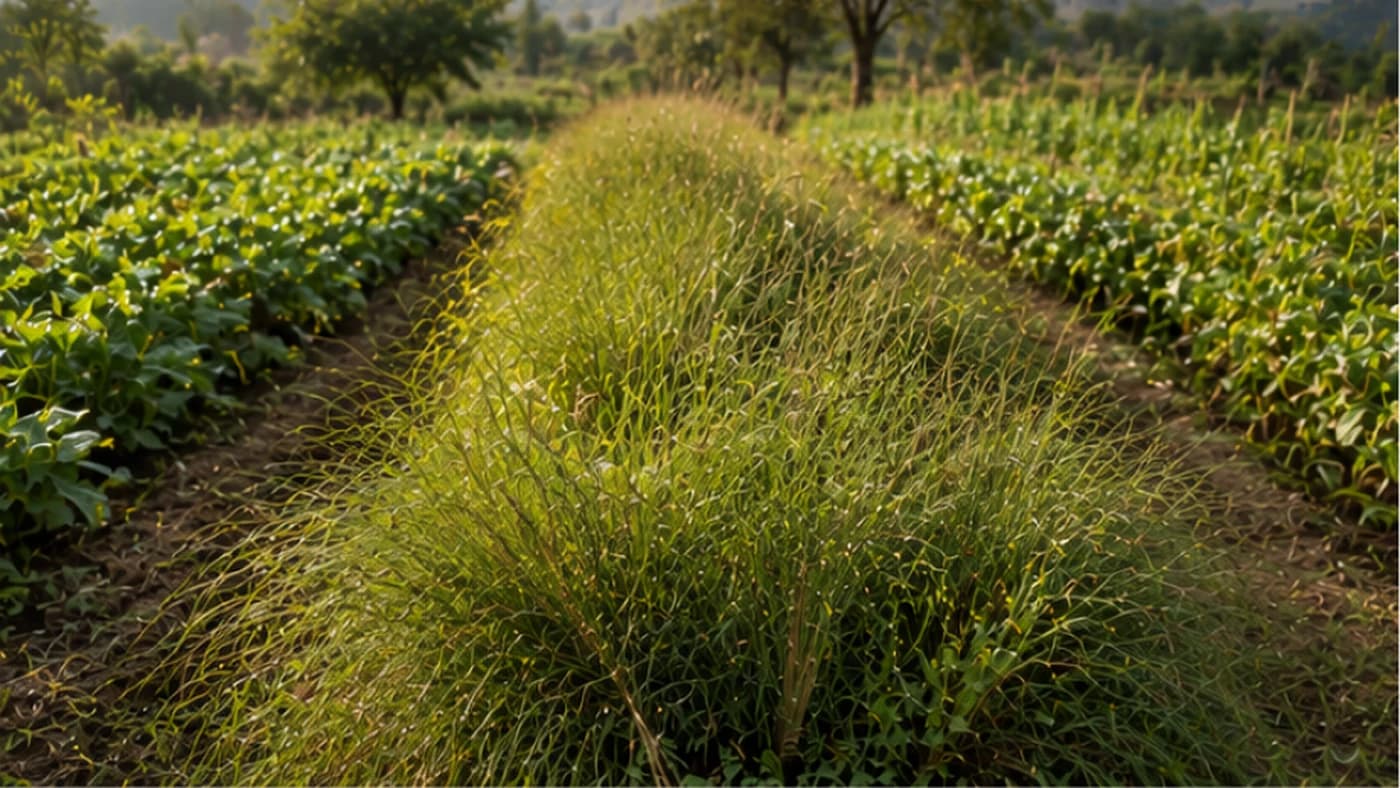
Most farmers are taught that a clean field edge is a well-managed field edge — grass mown short, boundaries tidy, nothing left to grow wild. But that tidiness removes the one thing predatory ground beetles, rove beetles and spiders need to survive winter: dense, undisturbed grass tussocks. A beetle bank is a raised, permanently unmown ridge of clump-forming grass built specifically to house these pest hunters year-round, so that when aphids or other pests arrive in your fields, an army of predators is already living close enough to reach them.
What a beetle bank is
A beetle bank is a raised earthen berm, typically 0.6–1.8 metres wide and 0.4–0.5 metres high, planted with perennial, clump-forming (tussock) grasses rather than the flat, mat-forming grasses of a typical lawn. Its raised shape keeps the soil well-drained and slightly warmer than the surrounding flat ground, which matters because insects sheltering there need to survive freezing winter nights. The idea was developed by UK agricultural researchers in the 1980s–90s to replace the biodiversity lost when large-scale farming removed traditional hedgerows, giving beneficial insects a permanent base of operations inside large fields again. On a smaller farm or homestead, a beetle bank is simply a strip of ground that never sees a plough, tiller or mower — stable enough that a complex soil food web, spiders, solitary bees and ground-nesting birds can establish there.
Building one, step by step
Start in late summer or early autumn so the soil settles and seeds establish before the harshest weather. Choose your location first: on a large field, running the bank through the centre keeps insects within easy travelling distance of every part of the crop; in a smaller garden or plot, a bank along one edge or as a divider between beds works well. Clear existing weeds without heavy tilling, then build the mound — on a farm scale this can be done with a plough throwing two furrows together into a ridge; by hand, a shovel and rake piling soil to at least 40 cm high is enough for the drainage and thermal mass insects need to overwinter.
Plant the mound immediately to stop it eroding, using tussock-forming perennial grasses — never the flat, spreading types used on lawns. Good options with a similar clump-forming habit are available through most Indian seed suppliers and Krishi Vigyan Kendras; ask specifically for a native, non-spreading perennial bunch grass suited to your district, since imported UK/US cultivars are not always available or well-adapted locally. Sow at roughly 2.3 kg per 93 square metres, then firm the seed in by walking over the mound or using a light roller for good soil contact.
How it actually controls pests
Ground beetles (family Carabidae) are the main residents, and they are not fussy hunters — they eat aphid colonies, slugs, and the larvae of many crop pests. A well-established beetle bank can host over 1,000 predatory insects per square metre, and when spring warms the soil, they spread out from the bank into surrounding crop rows, with many ground beetles covering 15–60 metres a night hunting for food — which is exactly why a centrally placed bank puts every part of a field within reach. Rove beetles hunt smaller soil pests like root maggots, and spiders weave webs in the tall grass stalks that catch flying pests too.
The measurable benefits
The main payoff is a real reduction in pest pressure without the cost or toxicity of sprays; farmers who maintain these banks often cut insecticide use substantially on nearby crops, since many ground beetles kill more prey than they can eat, suppressing outbreaks efficiently. Carabid beetles also eat large numbers of weed seeds off the soil surface, so a beetle bank contributes to weed control over time as well. Beyond pest control, the deep roots of the perennial grasses build soil organic matter and reduce runoff and erosion along the bank, and the undisturbed strip becomes a safe nesting site for pollinators like bumblebees.
Terms explained in this guide
Frequently asked
What is a beetle bank?+
A raised earthen ridge, typically 0.6–1.8 m wide and 0.4–0.5 m high, planted with clump-forming perennial grass and left permanently unmown, so predatory ground beetles, rove beetles and spiders can shelter there year-round and hunt pests in nearby crops.
How many pest-eating insects can a beetle bank support?+
A well-established bank can host over 1,000 predatory insects per square metre, with many ground beetles ranging 15–60 metres a night from the bank to hunt aphids, slugs and other pests.
How long does it take for a beetle bank to work?+
It typically takes two to three years for the grass to form the dense tussocks needed to support a high density of overwintering insects, so it is a long-term investment rather than a quick fix for an existing outbreak.
What is the biggest mistake people make building one?+
Using the wrong grass — flat, spreading, lawn-type grasses give insects no shelter. You need clump-forming (tussock) perennial grasses, and you should avoid mowing the bank at all once it's established, since mowing destroys the insulating cover.
Do I need to spray near a beetle bank?+
No — keep the bank and a buffer of at least 3 metres on either side completely spray-free, since even a small amount of insecticide drift can wipe out years of beetle population growth.
Where to go next
Want this as daily tasks for your farm?
Khetiyaar turns guides like this into a day-by-day plan — in your language, free to start.

Related guides

How to Build a Sun Trap: Grow Warm-Season Crops Through a Cold Snap
A U-shaped wall of stone, brick or hedge can make a patch of ground 5-10°C warmer than the open field beside it — enough to grow chillies, tomatoes and marigolds weeks earlier in the hills, or push a crop safely past an unseasonal cold spell.

How to Store Potatoes Without Electricity: The Traditional Pit Clamp Method
You don't need a cold store to keep a potato surplus through the season. A simple mound of straw and earth — the same principle behind the pit storage many potato belts in India already use — keeps tubers fresh for months at zero running cost.
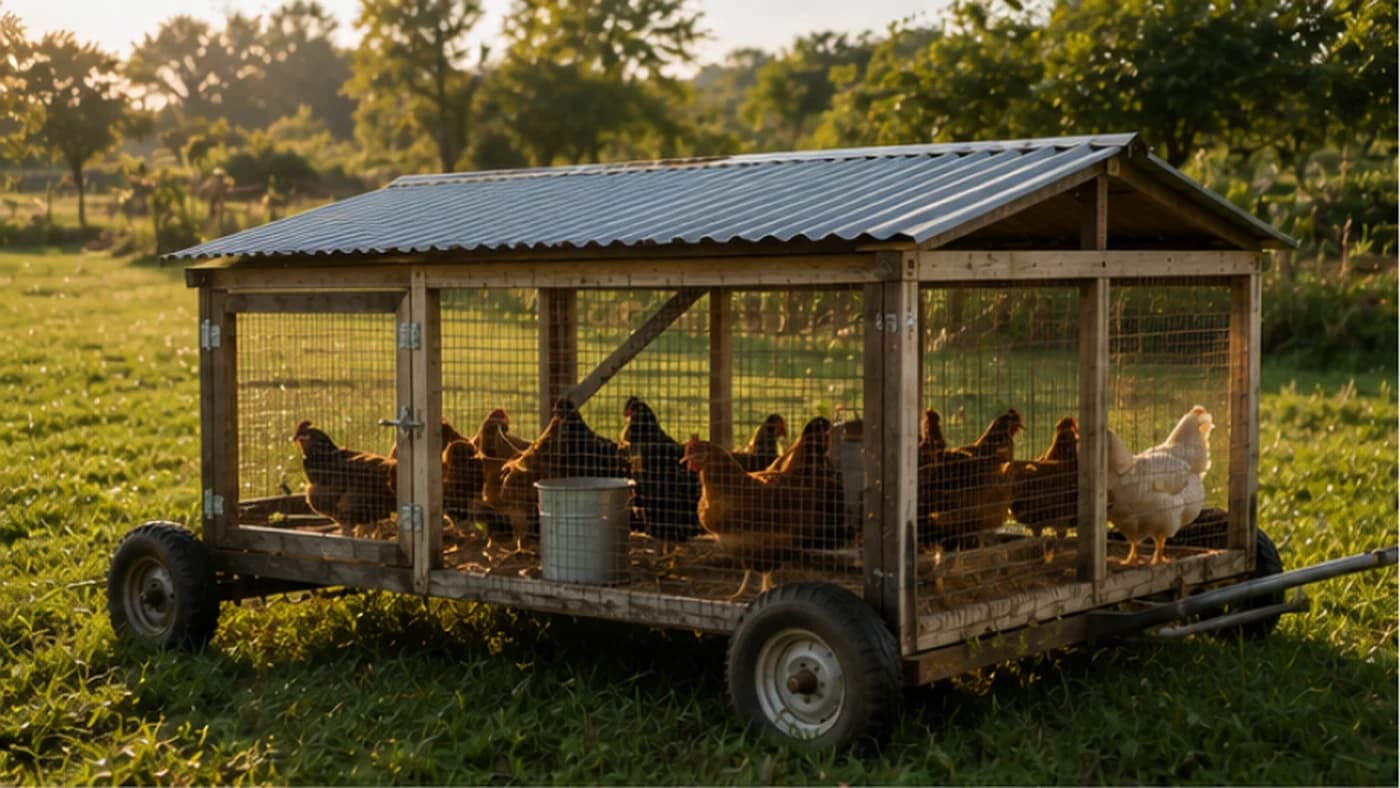
DIY Mobile Animal Housing: Build a Shelter That Moves With Your Livestock
A fixed shed turns the ground around it into a barren, muddy patch within a season. A mobile arch shelter — moved every few days — protects your animals, spreads their manure evenly, and even helps clear overgrown land.