

Groundnut Cultivation: Best Practices for Better Returns
Groundnut pods form below the surface — which is why light soil, calcium at pegging and steady moisture decide your pod count and returns.
Quick answer
For a profitable groundnut crop, choose light well-drained soil, treat your seed, get calcium into the pegging zone, water at flowering and pod-filling, and dry the harvest well. Small attention to the pegging stage often makes the biggest difference to your final return.
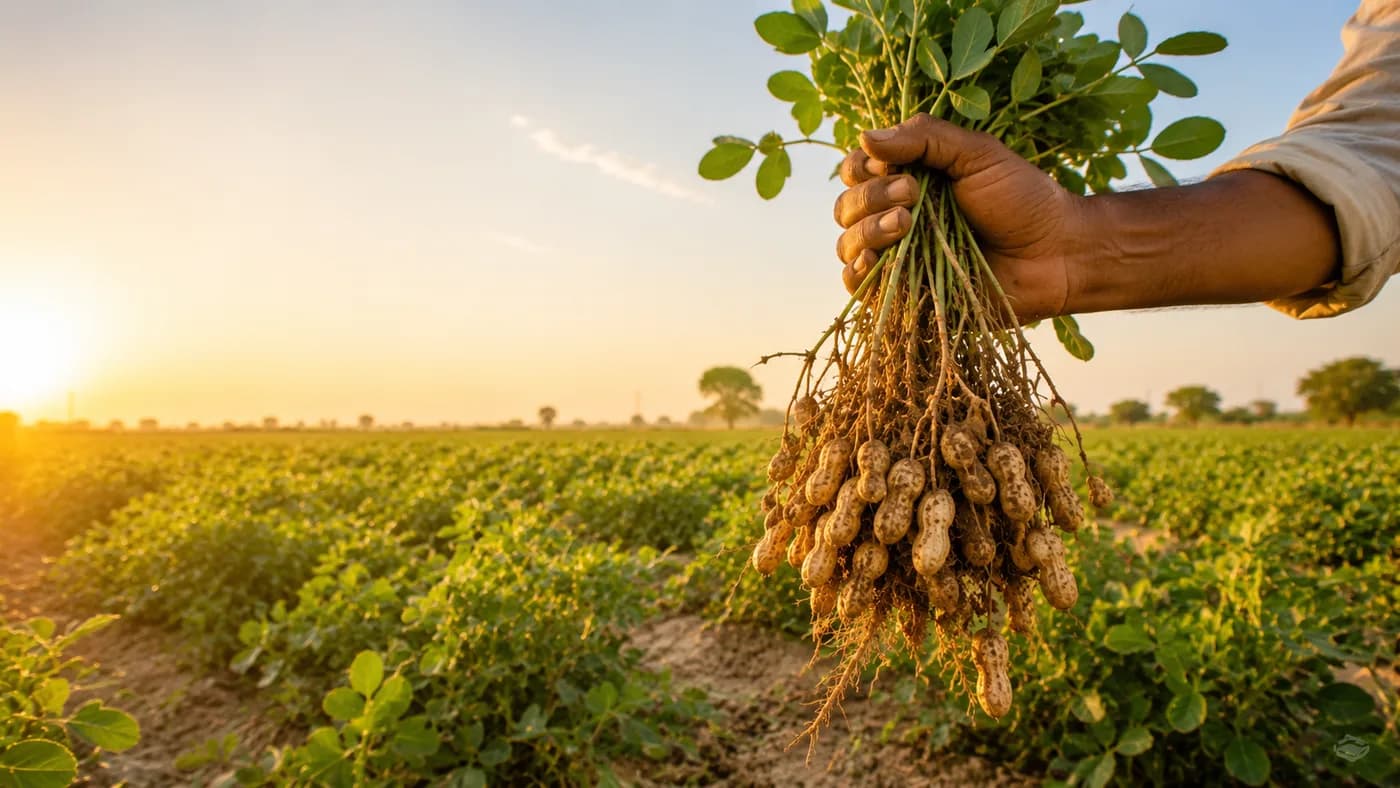
Groundnut is a rewarding crop when it is grown on the right soil and given enough moisture and calcium during pod formation. The plant flowers above ground, then pushes “pegs” down into the soil where the pods develop — which is why what happens below the surface matters so much.
Choose the right soil and variety
Groundnut does best in light, well-drained sandy loam. Heavy, waterlogged soils suffocate the developing pods and encourage rot. Choose a variety matched to your rainfall and the length of your growing season — short-duration types for limited water, longer types where moisture is assured.
Treat seed and sow well
Treat the seed before sowing to protect against seed-borne diseases and early pests. Maintain correct spacing so the crop forms an even canopy and the pegs have room to enter the soil. A good, uniform plant stand is the foundation of a good pod count.
Give calcium at pegging
Groundnut needs calcium in the pegging zone — the top layer of soil where the pods form — to fill the pods properly. This is why gypsum is applied around flowering and pegging in many areas. Confirm the need and the right quantity with a soil test rather than guessing, so you don't waste money or over-apply.
Water at the key stages
The crop is most sensitive to moisture during flowering, pegging and pod-filling. These stages decide how many pods you get and how well they fill. Avoid both drought and waterlogging — steady moisture is ideal.
Manage leaf spot and sucking pests
Tikka leaf spot and various sucking pests are the common problems. Scout early and use integrated methods before reaching for heavy sprays. Healthy, well-nourished plants also resist these problems better.
Harvest and dry properly
Harvest at maturity, when the inside of the pods shows the mature colour. Dry the pods thoroughly after harvest. Poorly dried groundnut can develop aflatoxin, which lowers quality, price and safety.
Terms explained in this guide
Frequently asked
Why is gypsum used in groundnut?+
It supplies calcium at the pegging zone, improving pod filling and quality; confirm quantity with a soil test.
Which soil is best for groundnut?+
Light, well-drained sandy loam; avoid heavy waterlogged soils.
When should I harvest groundnut?+
At maturity, then dry the pods well to protect quality and avoid aflatoxin.
Where to go next
Want this as daily tasks for your farm?
Khetiyaar turns guides like this into a day-by-day plan — in your language, free to start.

Related guides
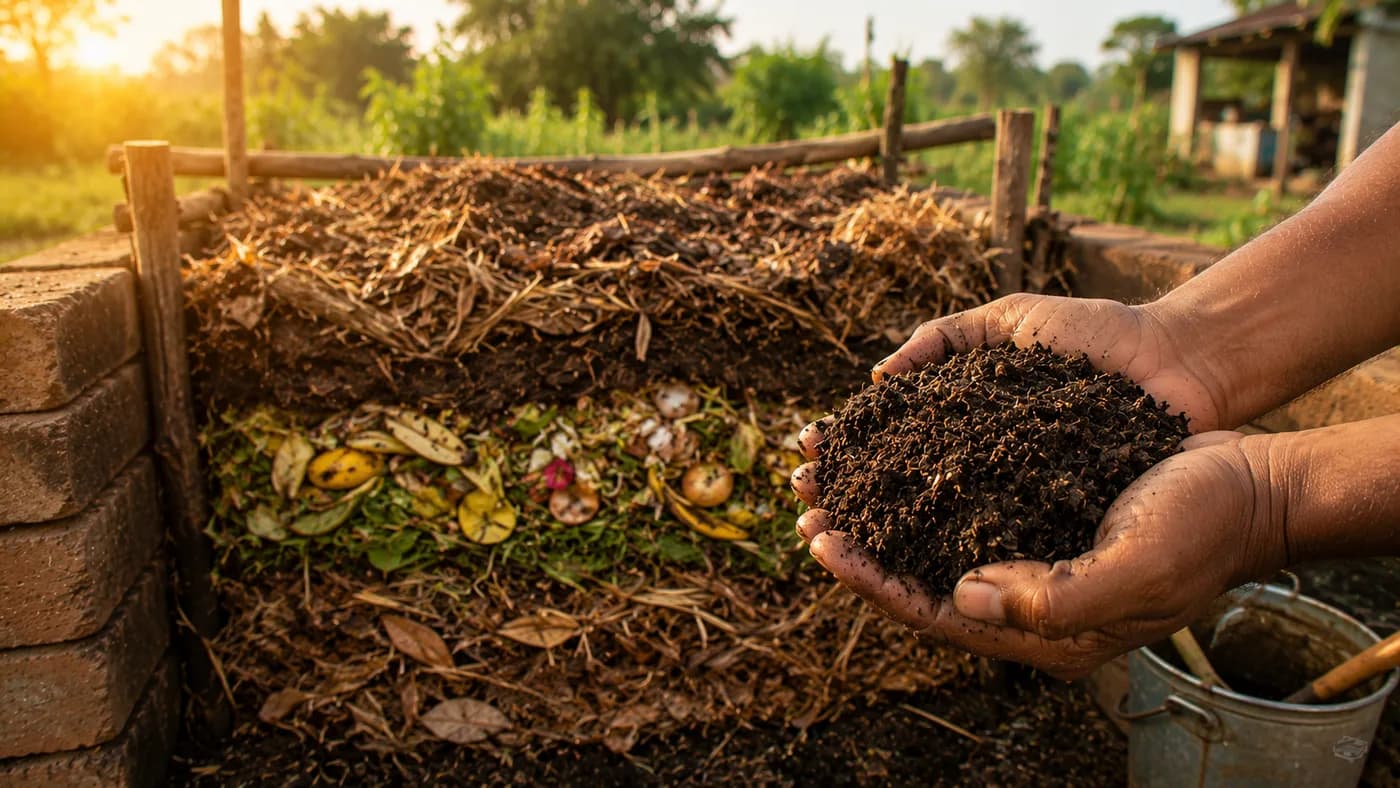
Composting at Home: Turn Waste Into Gold for Your Farm
The best fertiliser is often free, made from waste you already have. Layer browns and greens, keep the pile moist, and in months you have rich compost.
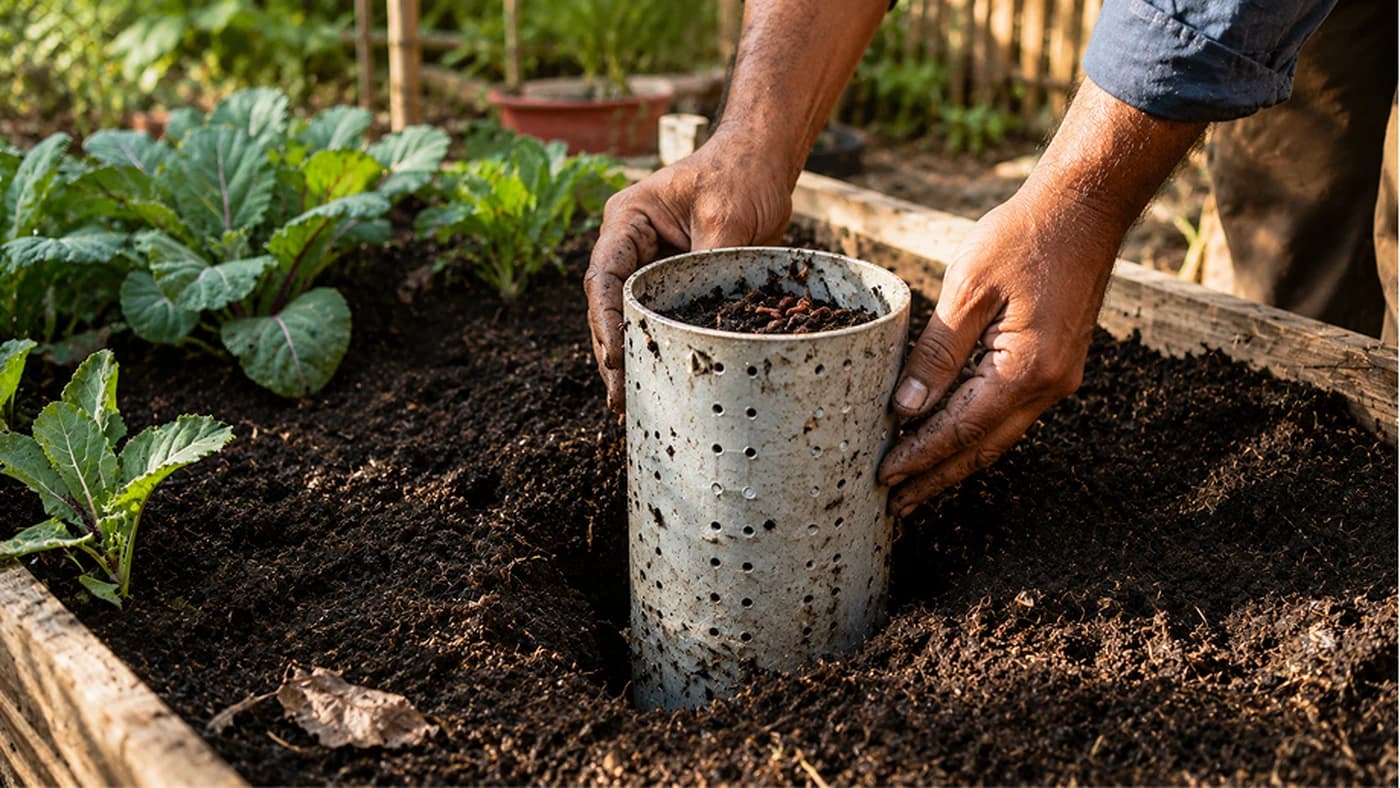
How to Build a Garden Worm Tower for Free, In-Bed Composting
Stop hauling kitchen scraps to a distant bin and hauling compost back months later. A buried worm tower lets worms process waste right where your plants are growing.
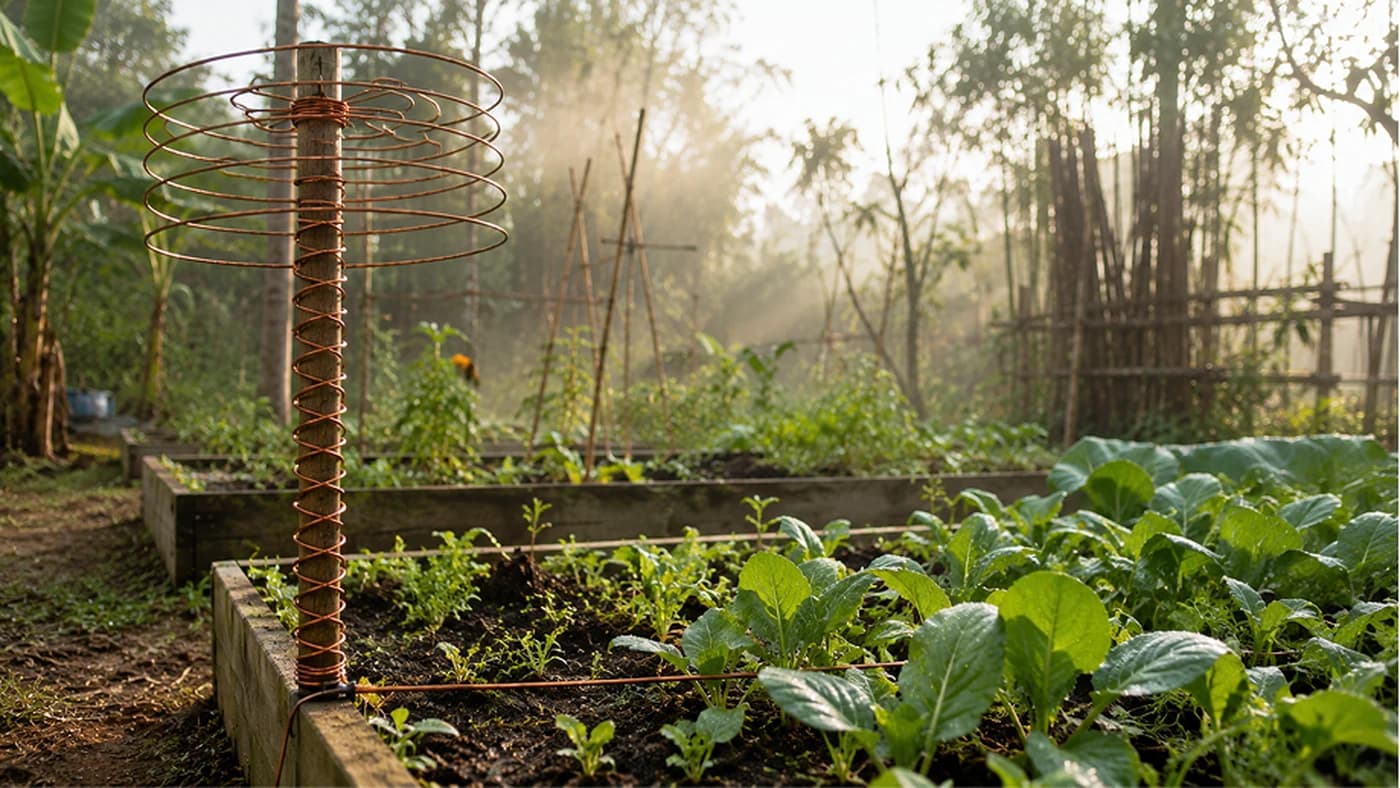
Electroculture Gardening: What It Is, and What the Evidence Actually Says
Copper antenna gardening promises faster growth and lower water use for almost no cost. It's a genuinely old folk technique — but the claims run well ahead of the science. Here's what it involves and how to think about it honestly.