

Reading the Weather the Old Way: Which Signs Actually Hold Up
Farmers read the sky, the wind, the birds and the trees long before there were forecasts. Some of those signs have a real physical mechanism behind them. Some do not. Here is the honest separation.
Quick answer
Some traditional signs work because they have a physical mechanism. A halo round the sun or moon is high cloud moving in ahead of a weather system. A wind shift to the south-west is the monsoon current itself. Birds and insects flying low respond to humidity. Signs based on planetary positions or moon phase have no mechanism and do not hold up when tested.
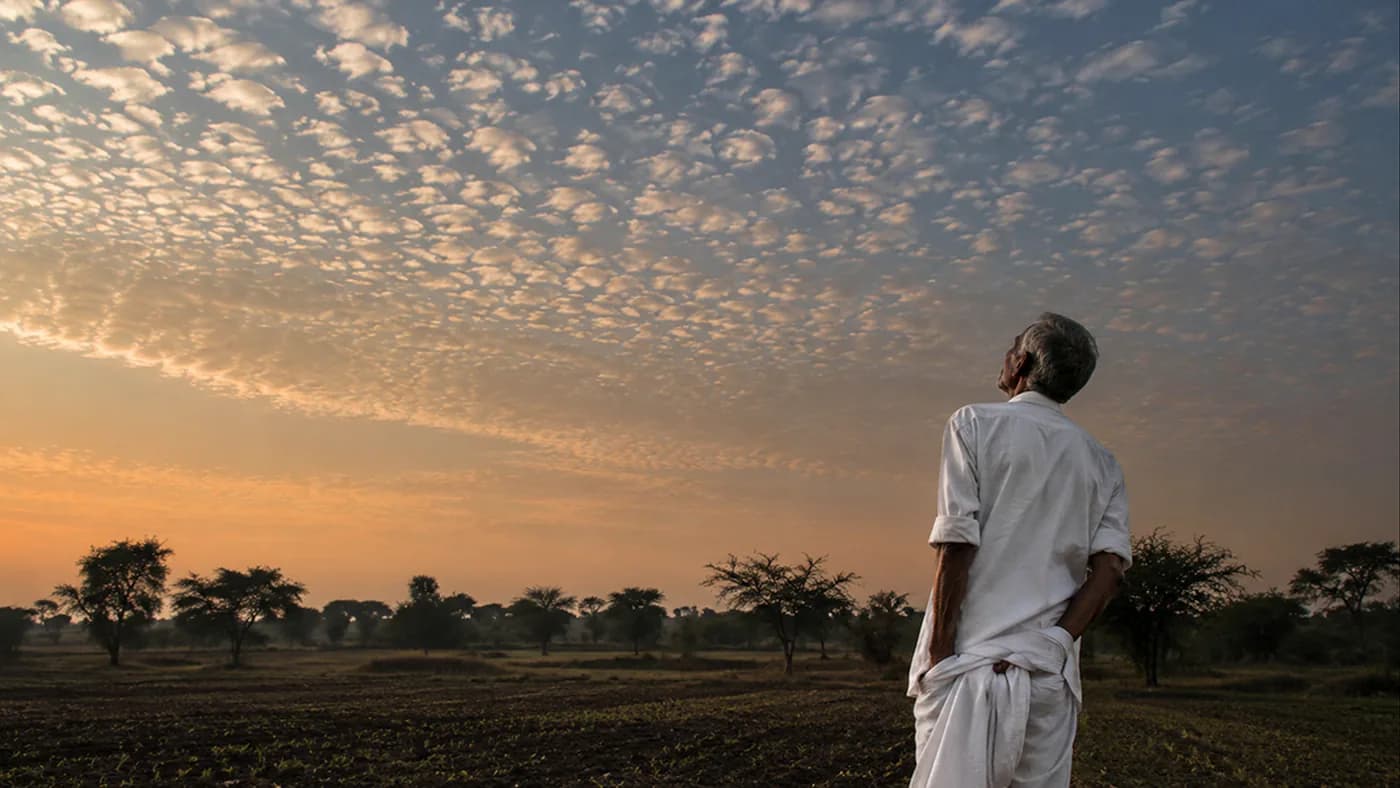
For most of Indian farming history there was no forecast to consult, and decisions still had to be made. So farmers watched: the shape of the clouds, the direction of the wind, when a particular tree flowered, what the birds did in the evening. That body of observation is often dismissed as superstition and often defended as ancient wisdom, and both positions dodge the interesting question — which of these signs actually carries information, and why. This guide separates them honestly, because a farmer deciding whether to sow tomorrow deserves better than either flattery or contempt.
Why farmers read signs at all
It is worth understanding what traditional forecasting was competing with, because the answer is nothing. Before official forecasts, observation was the only input available. But the practice has survived the arrival of forecasts, and that is the part worth explaining rather than mocking.
An official forecast is issued for a district or a block. A farm is a few acres. Rain that falls on one village and misses the next is the normal experience of the Indian monsoon, not an exception — and a district-level forecast cannot resolve that. Watching your own sky is a field-level instrument, which is exactly what the forecast is not. That is why traditional signs persist among farmers who also own smartphones, and it is a rational thing to do rather than a nostalgic one.
The correct conclusion is not that one replaces the other. A forecast tells you what the season and the week are likely to do. Reading the sky tells you what the next few hours over your own field are likely to do. They answer different questions.
Which signs have a mechanism, and which do not
The test is simple and it is the same test you would apply to any input: is there a physical reason this would work? Where there is, the sign usually holds up. Where there is not, it does not — and no amount of age makes it work.
| Sign | What is actually behind it | Holds up? |
|---|---|---|
| Halo or ring around the sun or moon | Ice crystals in high cirrostratus cloud, which moves in ahead of an approaching system | Yes — often rain within a day or two |
| Wind turning to the south-west | That is the monsoon current itself arriving | Yes — it is not a sign of the monsoon, it is the monsoon |
| Tall anvil-shaped cloud building in the afternoon | A cumulonimbus, an actual storm forming in front of you | Yes — you are watching the storm, not predicting it |
| Swallows and other birds flying low | Insects fly lower in humid, denser air, and the birds follow them | Yes, as a short-range humidity signal |
| Ants shifting eggs, termites swarming | Insects respond to rising humidity and falling pressure | Partly — reliable for humidity, tells you nothing about how much rain |
| Frogs calling before rain | Breeding is triggered by humidity and temperature | Short-range only, and after the humidity has already arrived |
| Amaltas or other trees flowering before the rains | Flowering and the monsoon both follow the same seasonal temperature cycle | As a calendar, yes. As a forecast, no — it is correlation |
| Planetary positions predicting rainfall | No physical mechanism connects planetary positions to Indian rainfall | No |
| Moon phase deciding when to sow | Tested repeatedly against controlled sowings | No measurable effect on germination or yield |
The strongest traditional category is phenology
Of everything in that table, the observations most worth keeping are the ones about living things — when a particular tree flowers, when a bird arrives, when an insect appears. This is phenology, and it is a real scientific field rather than folklore borrowed into one.
The mechanism is worth understanding because it also shows the limit. A tree flowers in response to accumulated temperature and day length. The monsoon arrives in response to the same seasonal heating. Both are downstream of the same driver, which is why they line up year after year — but neither causes the other. So a flowering tree is a good indicator that the season has advanced to a particular point. It is not information about whether it will rain next week.
That distinction matters practically. Used as a calendar — the season has reached the stage where sowing usually begins — phenology is genuinely useful and locally calibrated in a way no printed calendar is. Used as a prediction of rainfall, it will disappoint, and in a year when temperatures run ahead of rainfall it will disappoint badly.
Where the traditional systems came from
Two organised traditions are worth knowing about rather than treating as vague folklore, because both are documented and both are still used.
In Gujarat and Rajasthan the Bhadli couplets are a body of weather sayings attributed to a figure from roughly the tenth or eleventh century, still widely known among farmers today. They combine genuine observational content — wind direction, cloud type, thunder timing — with material that has no mechanism. Which Bhadli sayings hold up separates the two rather than accepting or dismissing the set whole.
Across much of India the nakshatra system provides the agricultural calendar, with sowing and harvest keyed to the sun's passage through named segments of the sky. This is more interesting than it first appears: it is a solar calendar, which means it genuinely tracks the season — but it has drifted from the seasons it was calibrated against. The nakshatra sowing calendar explained covers the drift, which is real, measurable and the reason traditional dates and actual seasons no longer line up as they once did.
Using both, without pretending either is more than it is
- Use the forecast for the season and the week — whether to plant at all, and how much area to commit. It is the only tool that can see beyond your horizon — though why the monsoon comes in bursts explains what even a good seasonal forecast cannot tell you.
- Use your own sky for the next few hours — whether to spray this afternoon, whether to cut and leave a crop lying. No forecast resolves your field.
- Trust signs with a mechanism. A halo, a wind shift and a building cumulonimbus are physical observations, not beliefs.
- Treat phenology as a calendar, not a forecast. It tells you where the season is, not what the rain will do.
- Write down what you observed and what happened. A dated record over a few seasons will tell you which local signs work on your land better than any article can — including this one.
- Do not stake money on a sign with no mechanism. If someone cannot tell you why it would work, the honest position is that it probably does not.
Where Khetiyaar helps, and where it does not
Hyperlocal weather with soil temperature and moisture is the closest a phone gets to standing in your own field, and it is genuinely more useful than a district forecast for spray and irrigation timing. Recording what you observed alongside what you did is the other half — over several seasons that record is what turns local signs from anecdote into something you can rely on.
What we cannot do is tell you it will rain. Nobody can, beyond a probability. A forecast shifts your odds; it does not remove risk, and any app or advisor speaking with more certainty than that is overselling. We also cannot tell you whether a particular sign works on your land — only your own observations, written down, can settle that.
Frequently asked
How did farmers predict the monsoon before weather forecasts?+
By systematic observation: wind direction, cloud type, halos around the sun and moon, the behaviour of birds and insects, and when particular trees flowered. Organised bodies of this knowledge exist, such as the Bhadli couplets in Gujarat and Rajasthan and the nakshatra agricultural calendar across much of India. Some of these observations have a genuine physical mechanism; others do not.
Does a ring around the moon really mean rain?+
Often, yes, and for a real reason. The ring is caused by ice crystals in high cirrostratus cloud, and that cloud typically moves in ahead of an approaching weather system. It is one of the more reliable traditional signs, usually indicating rain within a day or two — though not how much.
Does sowing by moon phase improve germination?+
There is no measurable effect. It has been tested against controlled sowings and no reliable difference in germination or yield shows up. Soil temperature and soil moisture at sowing do matter a great deal, and those are worth measuring instead.
Should farmers use traditional signs or the weather app?+
Both, for different questions. A forecast covers a district and can see days ahead, which is what you need for deciding whether and how much to plant. Reading your own sky covers your field and the next few hours, which is what you need for spraying or cutting. Neither replaces the other, and neither removes the risk.
Where to go next
Want this as daily tasks for your farm?
Khetiyaar turns guides like this into a day-by-day plan — in your language, free to start.

Related guides
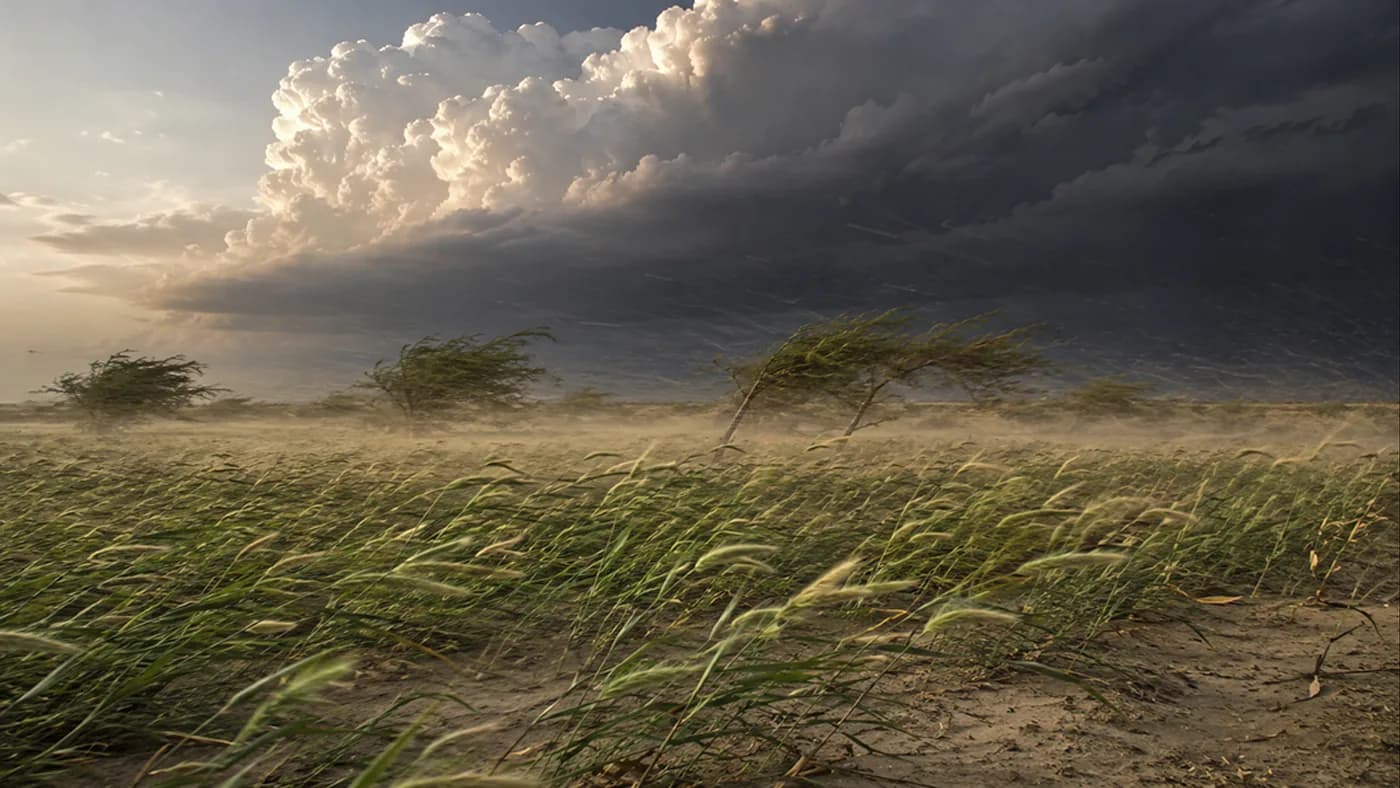
Bhadli Vakya: Gujarat's Monsoon Sayings, Examined Honestly
A thousand-year-old body of weather couplets that Gujarati farmers still use. Some of it is careful observation with a real mechanism. Some of it is not. Both deserve to be said out loud.
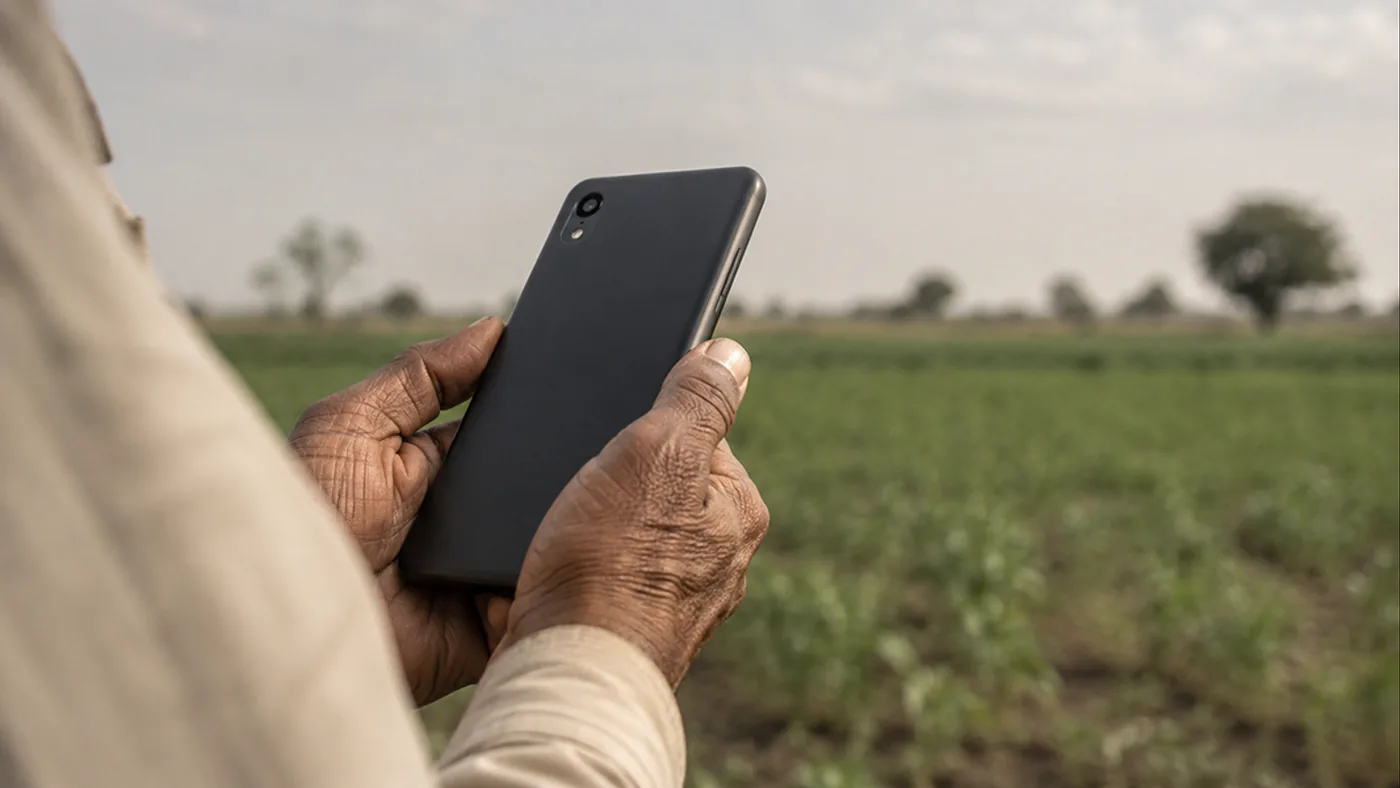
How to Actually Read a Weather Forecast for Your Farm
A seasonal forecast and a three-hour warning are different products with different reliability. Knowing which to trust for which decision is most of the skill — and it is rarely explained.
The Nakshatra Sowing Calendar, Without the Astrology
The nakshatra system is a solar calendar, which is why it tracks the seasons well. It has also drifted about three weeks from the seasons it was calibrated against — and you can verify that yourself.