

Build a Kitchen Herb Wall: A Living System That Beats Lonely Pots
A row of herbs in separate plastic pots on a windowsill usually struggles and dies within weeks. A connected vertical herb wall — sharing humidity, water, and light — keeps coriander, mint, tulsi, and curry leaf thriving in far less space, with far less daily effort.
Quick answer
A herb wall isn't just a space-saving trick — it's a genuinely better growing environment than a row of separate pots, because the plants share humidity, moisture, and a stable root zone instead of each fighting dry air alone. Get the waterproofing, lightweight medium, honest lighting assessment, and a simple wicking system right, and a small wall will keep you in fresh coriander, mint, tulsi, and curry leaf far more reliably than any windowsill pot ever has.
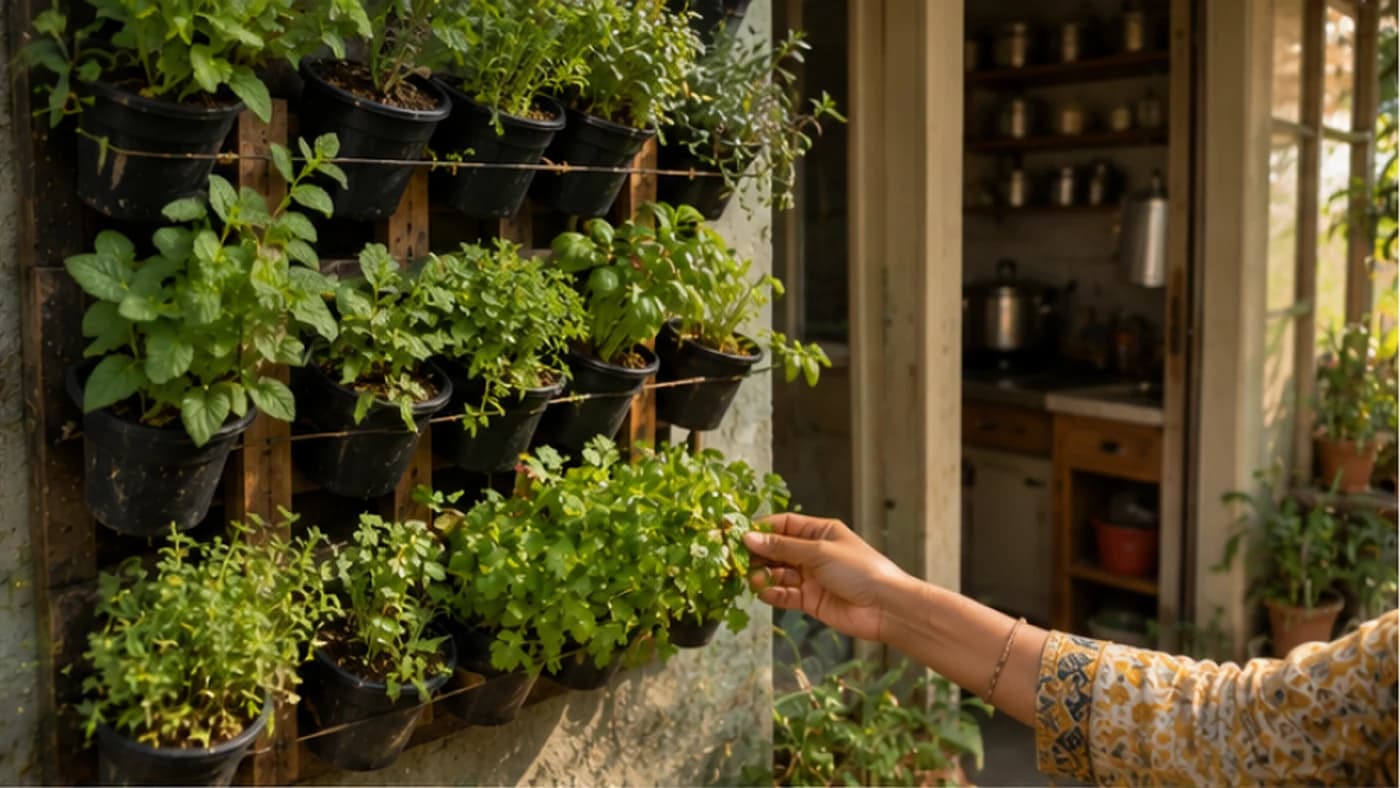
Herbs bought in individual plastic pots usually don't last — the pot dries out fast, the soil has nowhere to share moisture with a neighbouring plant, and within a week the leaves are wilted and thin. A herb wall solves this by growing several herbs together as one connected system rather than isolated pots: the humidity, root environment, and watering are shared, which is a far more forgiving setup for coriander, mint, tulsi, curry leaf, and other kitchen staples than a lonely pot on a sill ever is.
What a herb wall actually is
A herb wall is a vertical growing system — a shared support structure, watering method, and light source — that lets multiple herb species grow together rather than each sitting in its own isolated pot. The core idea is integration: plants grouped together create a pocket of slightly higher humidity that protects delicate leaves from the dry air of a typical kitchen, much like plants naturally cluster and share a microclimate in the wild rather than growing in sterile isolation.
These range from a simple wooden frame with felt pockets mounted on a balcony or kitchen wall, to more involved setups with a small reservoir and pump — the right scale depends on how much fresh herb your kitchen actually goes through each week.
Building it: structure, medium, light, and water
Structure and waterproofing come first — a square metre of wet growing medium and mature plants can weigh 30–50 kg, so anchor your frame securely into a wall stud or use proper masonry anchors, and always fit a waterproof barrier (a pond liner or rigid PVC sheet) between the frame and the wall itself to protect against damp and staining.
Choose a lightweight growing medium rather than ordinary garden soil, which is too heavy and compacts quickly in a vertical setup — a mix of coconut coir, perlite, and vermiculite (roughly 40:30:30) drains and holds moisture well while staying light, with a little worm compost or slow-release organic fertiliser mixed in.
Plan for light honestly — most Indian kitchens get some daylight but rarely the 6–8 hours of strong sun that Mediterranean herbs like rosemary or thyme want, so a small full-spectrum LED grow light on a timer, giving a consistent 14–16 hour cycle, makes a real difference if your wall doesn't sit right against a bright window.
For watering, a simple wicking system — a cotton or nylon cord drawing water up from a small reservoir at the base — keeps leaves dry while hydrating roots from below, and is far more forgiving for a home setup than a pump-driven drip line, which suits larger or more automated installations better. Always include a catchment tray at the base to manage runoff.
Why it grows better herbs than a windowsill pot
Herbs grown in a stable, shared environment tend to develop stronger flavour and aroma, since a plant stressed by rapid drying in a small isolated pot puts its energy into survival rather than growth — a wall's shared humidity and steadier root temperature let the plant actually thrive instead. The cluster of plants also acts as a small natural humidifier for the kitchen, useful during dry winter months when indoor heating or a hot kitchen strips moisture from the air.
It's also efficient with water: a wall with a recirculating reservoir wastes very little, and because everything is contained, nutrients stay in a closed loop rather than washing away as runoff. And there's a genuine everyday benefit beyond the plants themselves — snipping fresh herbs while cooking is a small, satisfying habit that turns a wall of pots into an active part of your kitchen routine rather than a chore.
Frequently asked
Do I need grow lights if my kitchen already gets some sunlight?+
Only if your herbs are stretching thin toward the window or growing pale — that's light starvation. Most Indian kitchens get some daylight but not the 6–8 hours of strong direct sun that herbs like rosemary need, so a small LED grow light on a timer is a cheap fix if your herbs look leggy.
Why do my herbs keep getting tiny black flies around the soil?+
Fungus gnats breed in constantly damp surface soil, often introduced through unpasteurised potting mix. A wicking system that keeps the surface layer dry, or a thin top-dressing of fine sand or gravel, solves this without pesticides.
How much of the plant can I harvest at once?+
As a rule of thumb, never take more than a third of a plant's total leaves in one go, and always snip just above a node — this keeps enough leaf area for the plant to keep photosynthesizing and encourages bushier regrowth.
Can I grow tropical herbs like mint and coriander next to Mediterranean ones like rosemary?+
They have different preferences — rosemary and thyme like drier air and more direct sun, while mint and coriander prefer a bit more moisture and shade. If your wall has a vertical gradient, place sun-lovers near the top where it's warmer and drier, and moisture-lovers lower down where it's cooler and more humid.
Is a wicking system enough, or do I need an automated drip system?+
For a home-scale wall with a handful of herbs, a simple wicking system with a small reservoir is usually enough and needs refilling only every week or two. A pump-driven drip line is worth it mainly for larger installations or if you travel often and can't refill manually.
Where to go next
Want this as daily tasks for your farm?
Khetiyaar turns guides like this into a day-by-day plan — in your language, free to start.

Related guides
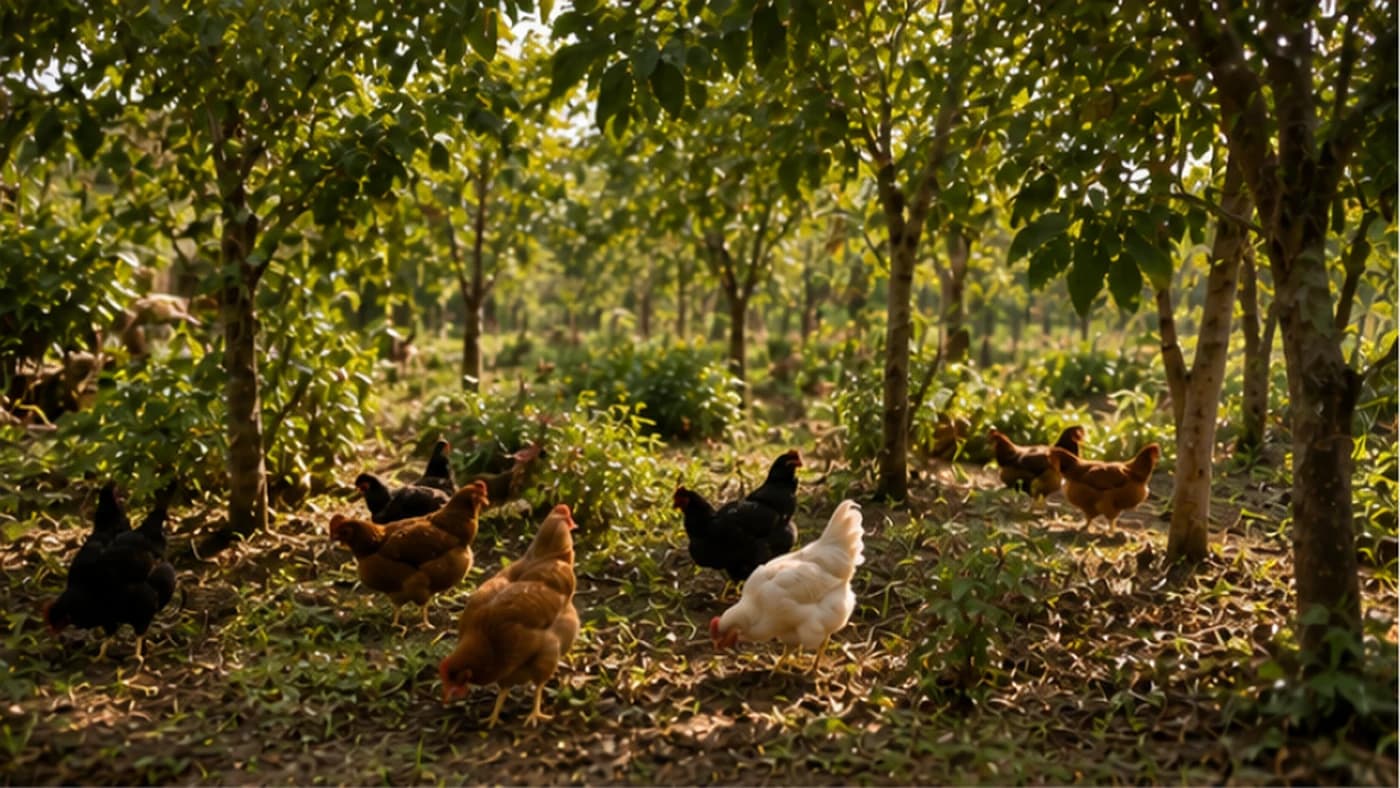
Chicken Forest Design: Cut Your Feed Bill by Letting Birds Forage a Food Forest
A bare chicken run is a nutrient waste site you pay to feed. A layered food forest built around your flock turns droppings into fertiliser and fallen leaves into free protein — cutting grain costs by 30-50%.
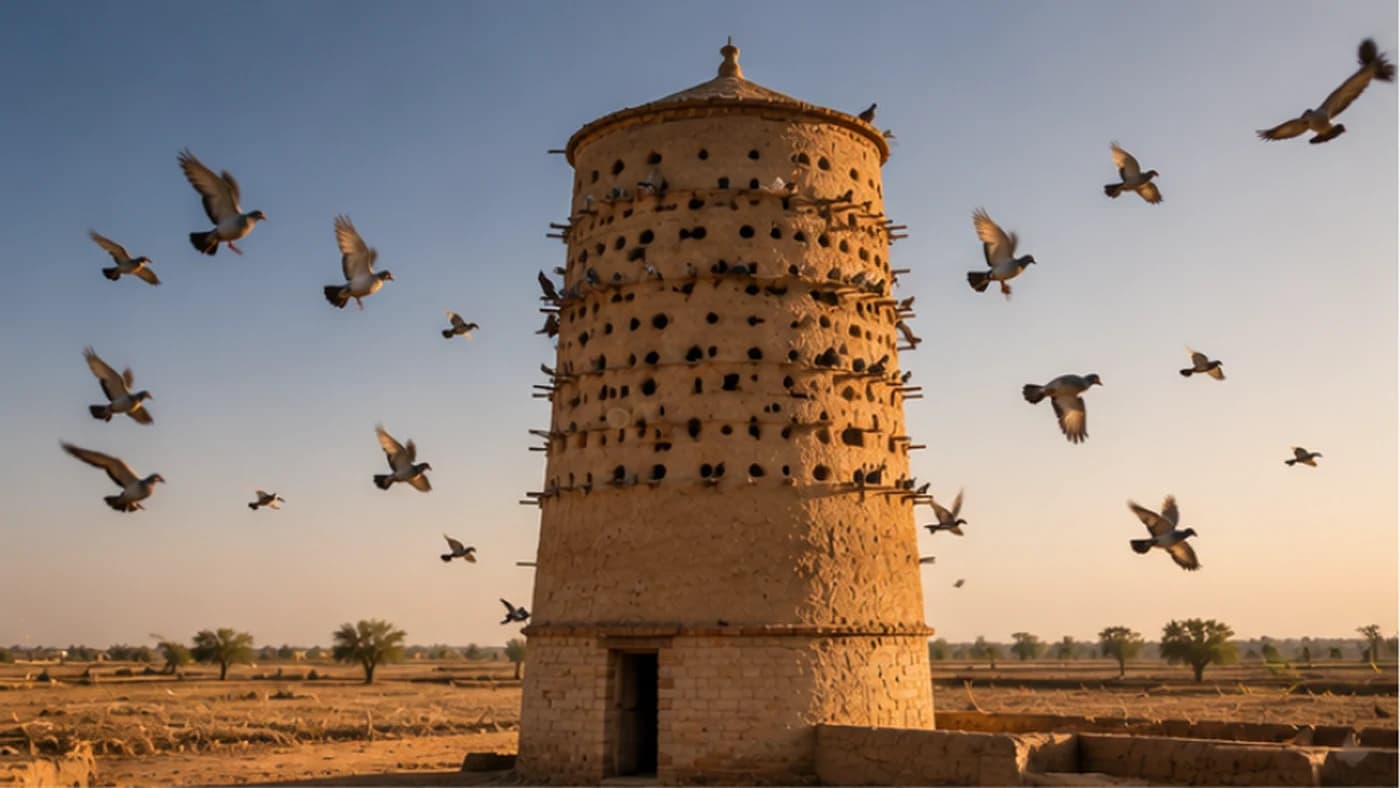
The Ancient Dovecote: Turning Pigeons Into a Free Fertiliser Factory
Old Persian and Indian havelis alike built towers just to house pigeons — not for meat, but for one of the most potent organic fertilisers known. Here's how the system works, and how to build a small version safely.
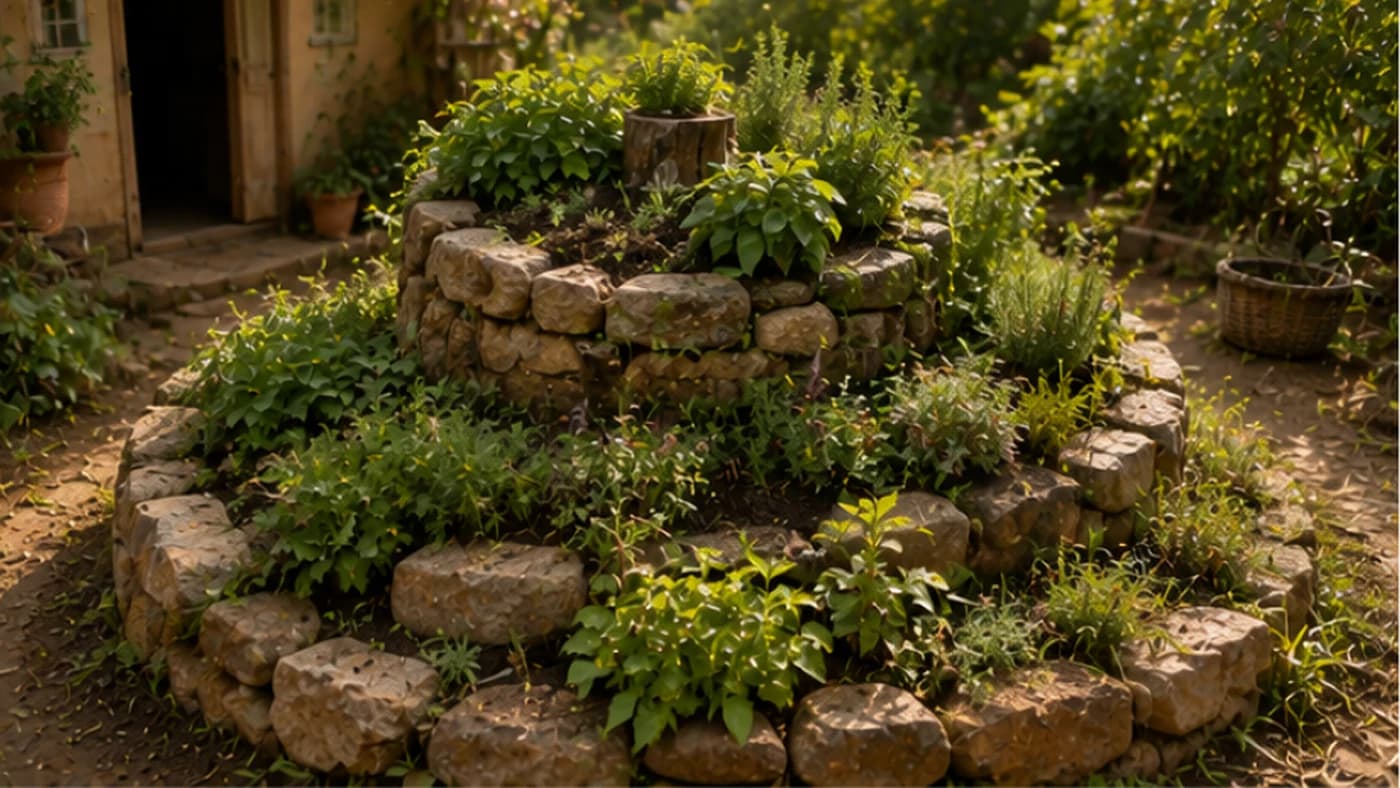
Build an Herb Spiral: A Perpetual Spice Bank Right Outside Your Kitchen
A stone spiral packs sun-loving and shade-loving, wet and dry herbs into one small footprint by stacking microclimates vertically — so you stop buying dried spice jars and start harvesting fresh, year after year.