

Free Garden Fertiliser From Backyard Weeds (Fermented Plant Juice)
The weeds growing wild along your bund or driveway are nutrient pumps. Korean Natural Farming's Fermented Plant Juice (FPJ) turns them — plus a handful of jaggery — into a potent, nearly free plant tonic.
Quick answer
Fermented Plant Juice turns a problem — weeds along your bund — into a nearly free, biologically active plant tonic. Harvest fast-growing tips before sunrise, ferment with an equal weight of jaggery in a breathable-covered jar for 3–7 days, dilute heavily (1:500–1:1000), and spray in the cooler hours. It won't replace healthy soil management, but as a cheap, chemical-free growth booster, it earns its place in any Natural Farming toolkit.
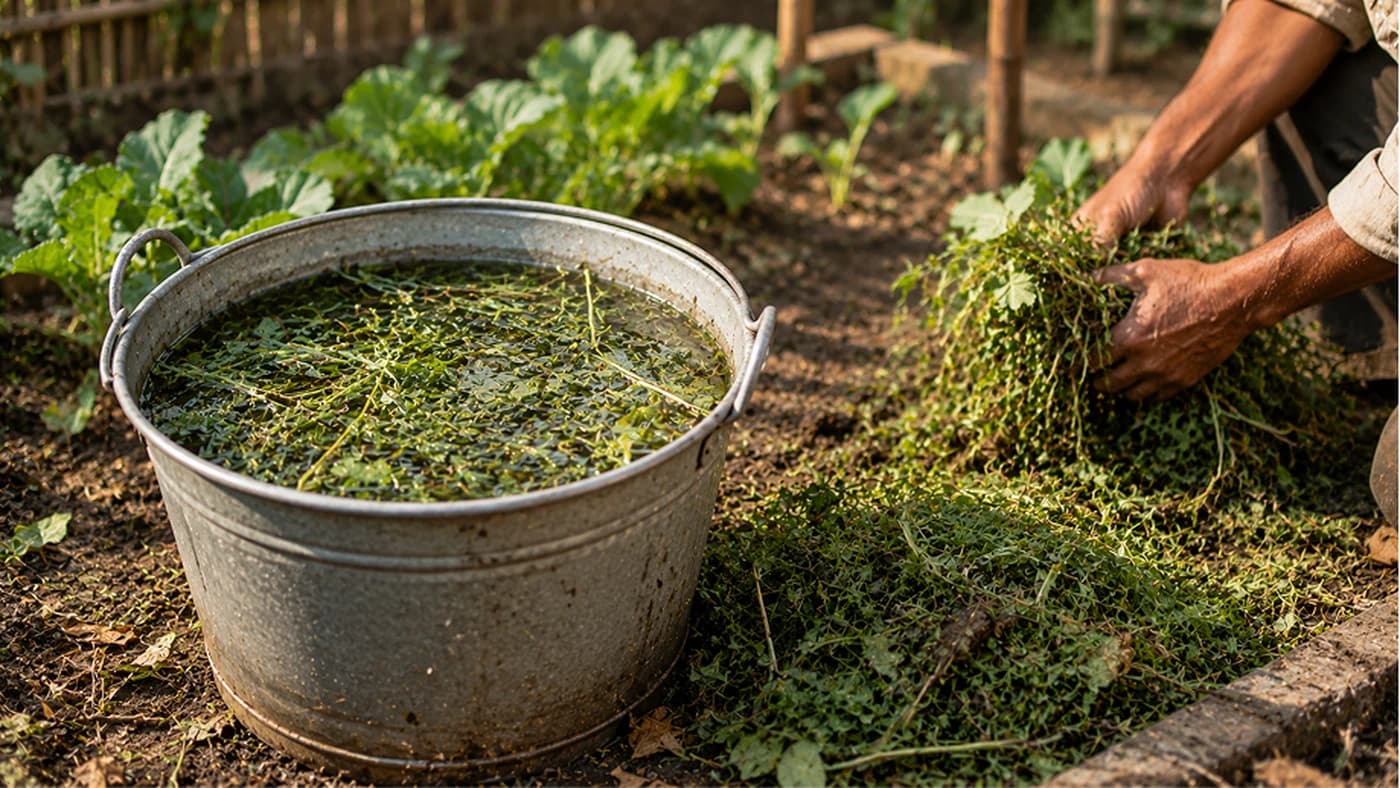
Every season, farmers spend real money on bottled plant tonics and growth boosters — while the ingredients for one of the most effective versions are already growing wild along the field bund. Fermented Plant Juice (FPJ), a core technique of Korean Natural Farming (KNF), extracts the growth hormones, enzymes and minerals from fast-growing weeds using nothing but jaggery (unrefined cane sugar) and time. It is the same basic idea behind India's own Zero Budget Natural Farming preparations — using what is locally available instead of buying it — and it costs next to nothing to try.
What Fermented Plant Juice actually is
FPJ is a liquid extract made by packing fast-growing plant tips together with an equal weight of jaggery. The jaggery draws moisture out of the plant cells through osmotic pressure, pulling the sap into a stable, fermented liquid over about a week. A fast-growing weed isn't just pulling nitrogen from the soil — it is actively producing growth regulators (auxins, gibberellins, cytokinins), the chemical signals that tell a plant to grow taller, push new leaves and strengthen its stems. Synthetic fertiliser gives a crop raw nitrogen, phosphorus and potassium, but none of these biological instructions. FPJ delivers both the raw nutrients and the instructions — closer to a home-cooked meal than a vitamin tablet.
How to make it
Harvest before sunrise: collect the fastest-growing tips of vigorous weeds — the top 5–7 cm — early in the morning, when sap pressure and surface microbial activity are highest. Skip any diseased or pest-covered growth, and do not wash the material; the wild yeasts and bacteria on the leaf surface are what drive the fermentation, and chlorinated tap water will stall it.
Chop the material into 2–5 cm pieces and weigh it. Mix in an equal weight of unrefined jaggery or khandsari (not refined white sugar — the mineral-rich molasses feeds the microbes better). Pack the mixture into a clean jar, pressing it down to maximise surface contact without mashing it to a paste, and fill to about two-thirds to three-quarters full. Add a final layer of jaggery on top to seal out air and prevent mould.
Cover the mouth with a breathable cloth or cheesecloth tied with a rubber band — never a sealed, airtight lid, since fermentation releases carbon dioxide that needs to escape (a sealed glass jar can genuinely crack under the pressure). Keep the jar in a cool, dark place. In most of India's warmer months, fermentation is ready in about 3–5 days; in cooler weather or hill regions, allow a full week. It's ready when the plant material floats above a dark, syrupy liquid that smells sweetly fermented and slightly alcoholic — never rotten or sour.
Which plants to use
Focus on fast-growing weeds with deep taproots. Purslane (kulfa) — common across Indian fields and even eaten as a vegetable — ferments easily and is rich in moisture and micronutrients, making it a good general-purpose, easy-to-find choice. Where it grows, stinging nettle (bichhu booti, found in Himalayan and hill regions) is a nitrogen-and-iron powerhouse best suited to leafy, vegetative-stage crops. Amaranth greens (chaulai) and banana pseudostem trimmings are also widely available options worth experimenting with. As a general rule: young, vigorously growing tips before the plant flowers or sets seed give the best results.
Dilution and how to apply it
FPJ is concentrated — never apply it undiluted. The standard rate is 1:500 to 1:1000: roughly 4–8 ml of strained juice per litre of water. Spraying it thicker doesn't help the crop and can attract ants and sugar-loving insects instead. Apply as a foliar spray in the early morning or evening, when the plant's stomata are open and most receptive, or water it into the root zone at the same dilution.
What it actually does for the crop
Because the nutrients are already liquid and pre-processed by microbes, crops absorb them almost immediately, especially through foliar spray. Batches are also full of beneficial yeasts and lactic acid bacteria that suppress pathogens and help break down organic matter in the soil, making existing nutrients more accessible. Farmers commonly report treated plants showing a thicker cuticle — meaning better resistance to fungal issues like powdery mildew and less attraction for sap-sucking pests like aphids. And the cost is genuinely negligible: a kilo of jaggery is a fraction of the price of a bottle of synthetic plant tonic, and can produce enough FPJ for an entire season.
Common mistakes to avoid
The most frequent error is harvesting plant material that's too wet — right after rain, for instance — which dilutes the osmotic pressure and leads to putrid, swampy-smelling liquid that should be discarded. The second is skimping on jaggery: the 1:1 ratio by weight matters, because insufficient sugar lets harmful bacteria take over instead of the fermentation you want — when in doubt, err toward slightly more jaggery, not less. The third, and most dangerous, is using an airtight lid — always use a breathable cloth cover, or built-up gas pressure can shatter a sealed jar.
Limitations — what FPJ can't do
FPJ is a biostimulant and micronutrient booster, not a substitute for a healthy soil base — it won't fix soil that's stripped of organic matter or contaminated with heavy metals; for that you still need compost, farmyard manure and green manuring. Never forage weeds from roadsides or field edges that have been sprayed with herbicide, since those residues can survive fermentation and damage your crop. And while fermentation kills most weed seeds, it isn't foolproof — harvest vegetative tips before the plant flowers or sets seed to avoid spreading weeds through your own compost or spray.
Matching the ferment to the crop stage
Experienced Natural Farming practitioners vary the ferment by growth stage. During the vegetative (leafy growth) stage, use FPJ from fast-growing green tips. As the crop moves toward flowering, a mix using slightly older growth works well. During fruiting, many switch to Fermented Fruit Juice (FFJ) — made the same way, but using ripe fruit like banana or papaya instead of leafy tips — since ripe fruit is naturally higher in potassium and phosphorus, exactly what a fruiting crop needs for its final push.
Terms explained in this guide
Frequently asked
What is Fermented Plant Juice (FPJ)?+
A liquid plant tonic made by fermenting fast-growing weed or plant tips with an equal weight of jaggery, extracting the plant's own growth hormones, enzymes and minerals into a usable liquid.
How long does FPJ take to ferment?+
Usually 3–5 days in warm weather, up to a week in cooler conditions. It's ready when the material floats above a dark, sweet-smelling liquid.
What's the right dilution rate for spraying FPJ?+
1:500 to 1:1000 — about 4–8 ml of strained juice per litre of water. Never apply it undiluted.
Can I use white sugar instead of jaggery?+
Jaggery or khandsari works better because the mineral-rich molasses feeds the fermenting microbes; refined white sugar lacks these minerals.
Is FPJ a substitute for compost or fertiliser?+
No — it's a biostimulant and micronutrient booster that works alongside compost and farmyard manure, not a replacement for building healthy soil.
Where to go next
Want this as daily tasks for your farm?
Khetiyaar turns guides like this into a day-by-day plan — in your language, free to start.

Related guides
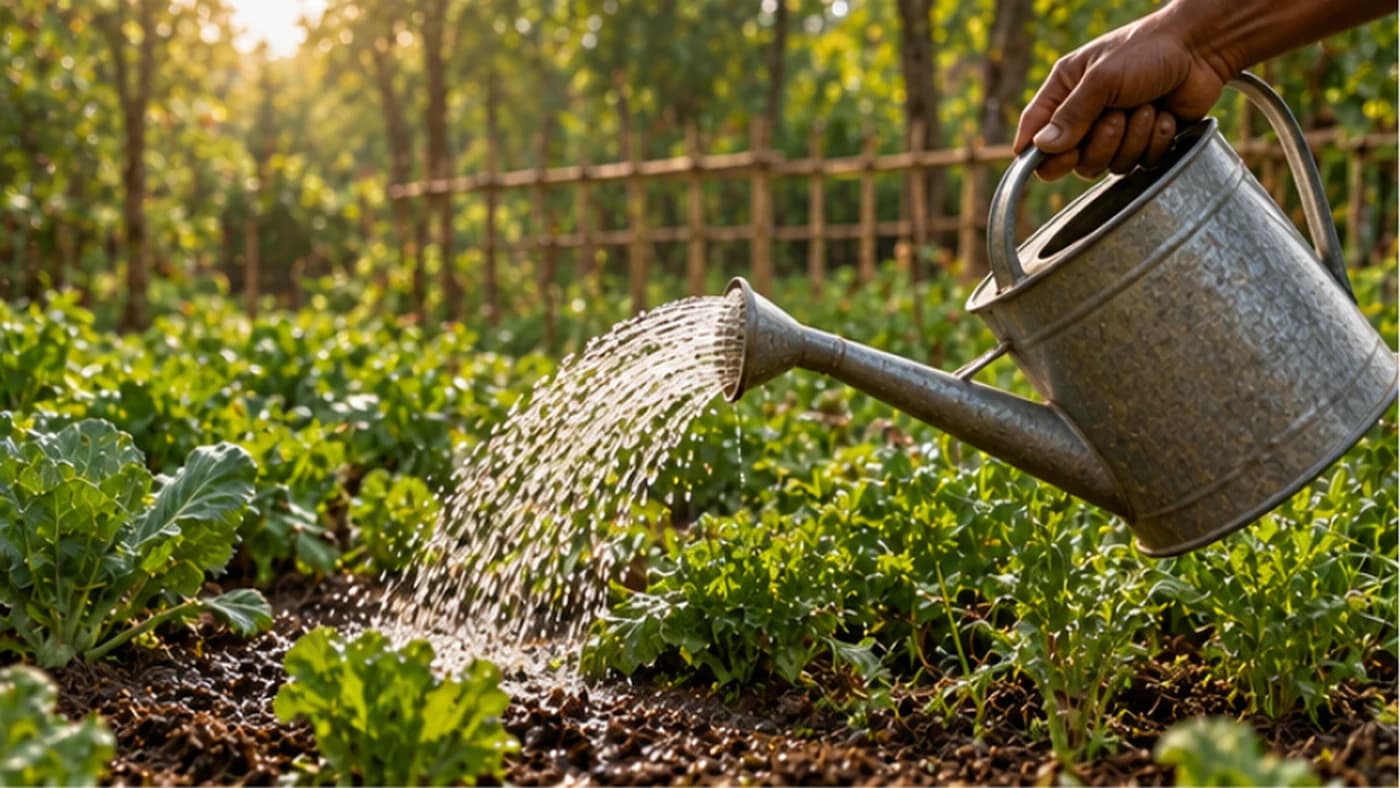
Using Urine as Garden Fertiliser: The Free Nitrogen You're Flushing Away
Human urine is roughly 95% water and 5% urea, nitrogen, phosphorus and potassium — a fast-acting, completely free liquid fertiliser most people pour down the drain every day. Diluted and used correctly, it can match synthetic NPK feed at zero cost.
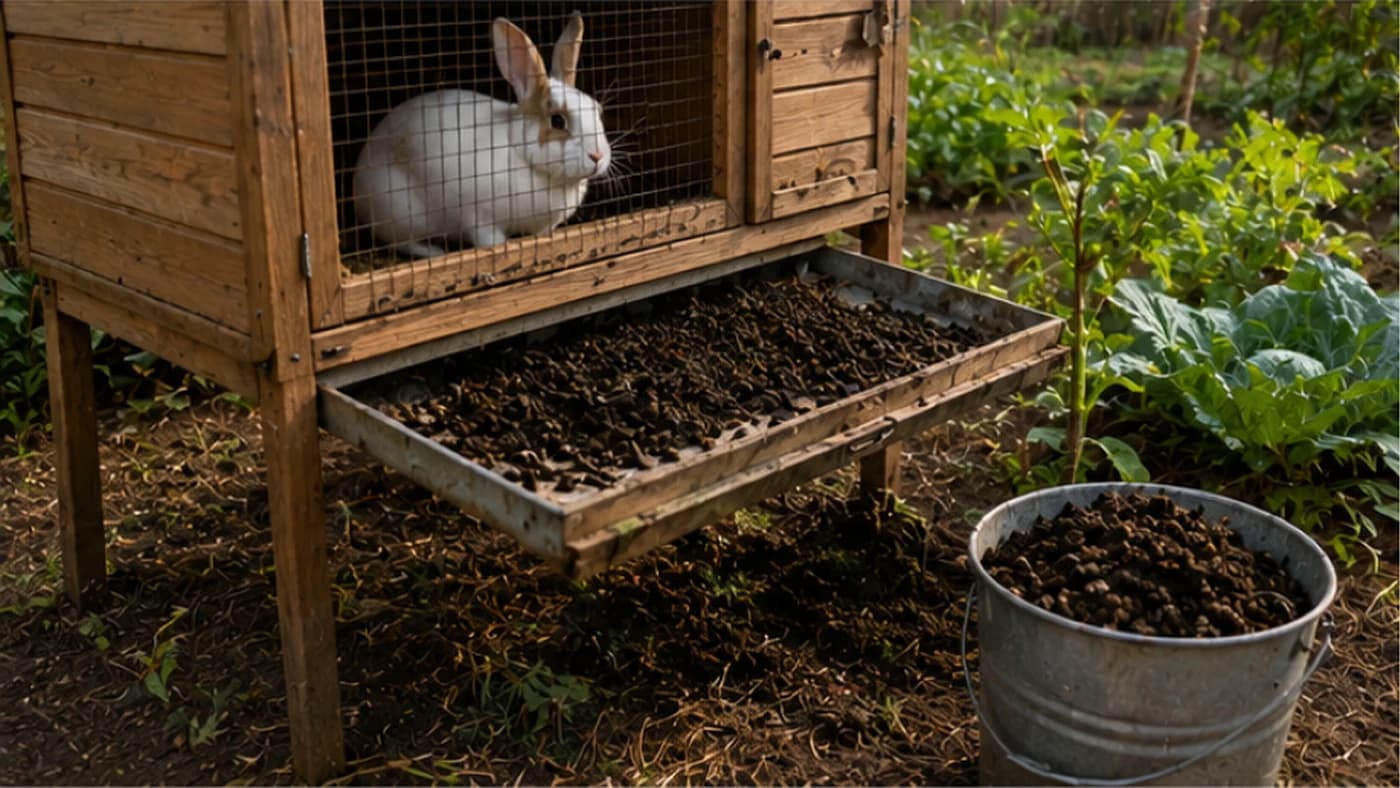
Turn Your Rabbit Hutch Into a Vermicompost Factory
Rabbit droppings are already one of the few manures safe to use fresh. Add a worm bed underneath the hutch, and you turn a daily cleaning chore into a steady supply of premium vermicompost — with far less smell and far fewer flies.
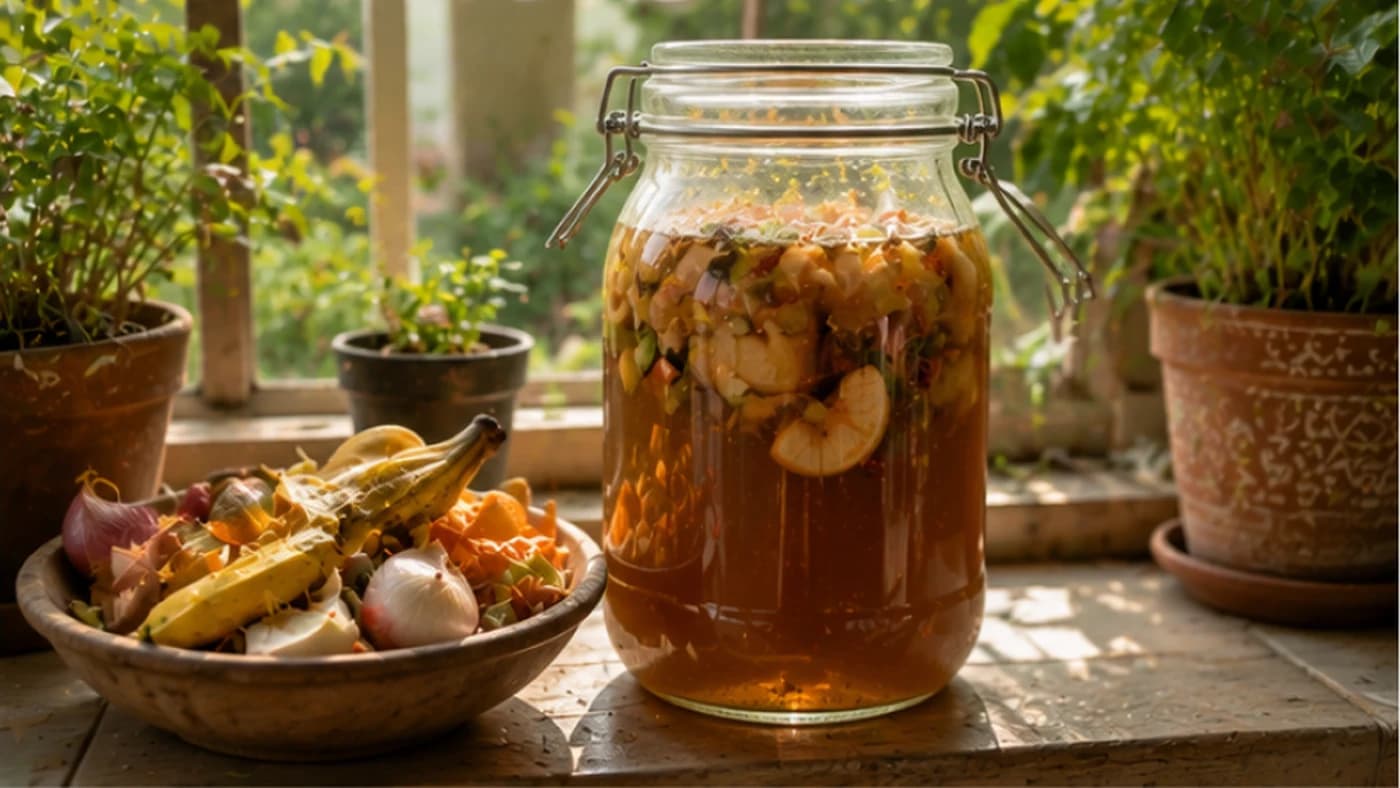
DIY Kitchen Waste Fertiliser: Turn Peels and Scraps Into Plant Food
Banana peels, eggshells, tea leaves and vegetable trimmings are a free source of nitrogen, phosphorus and potassium. Here are three simple, low-cost ways to turn kitchen waste into fertiliser for your garden or fields.