

Turning the Strip Outside Your Gate Into a Kitchen Garden
The narrow verge between your compound wall or gate and the road is usually just mowed, swept, or ignored. With a little soil prep, it can grow tulsi, curry leaf, chillies, and marigold — food, herbs, and pollinator habitat from ground you're already maintaining anyway.
Quick answer
The verge outside your gate is space you're already responsible for maintaining — the only real change is what you plant in it. A little soil prep, sensible plant choices for a hot, dusty roadside spot, and a mind for legal and safety limits turns routine upkeep into fresh herbs, chillies, and colour, at almost no extra cost.
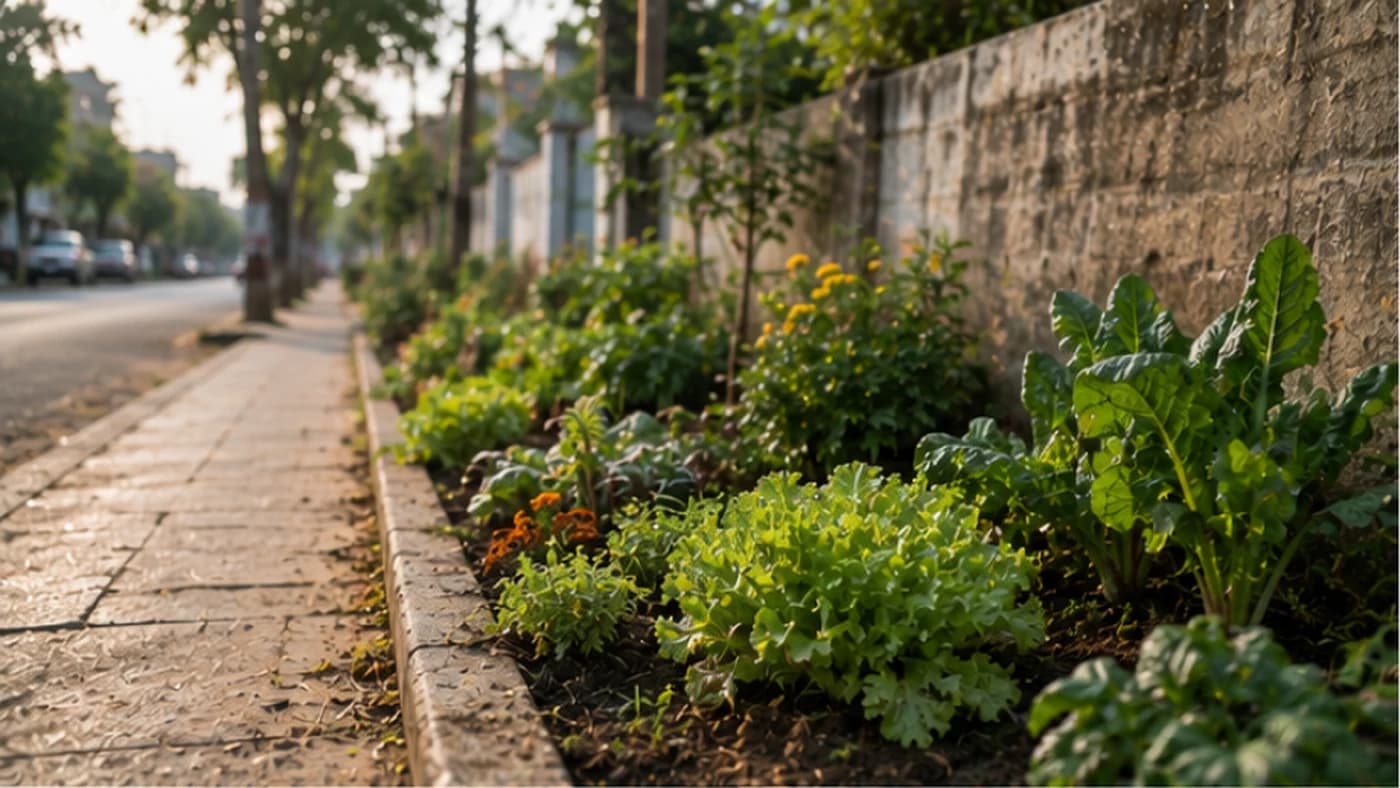
Most homes and housing societies have a strip of ground between the boundary wall or gate and the road — a verge that usually gets nothing but the occasional sweep or a struggling patch of grass. It doesn't have to stay that way. With basic soil preparation and the right plant choices, that same strip can grow kitchen herbs, chillies, marigold for pollinators and festivals, and a genuine patch of green that cools the area around it — all without needing a separate plot of land.
Why this strip of ground is worth using
This verge sits at an edge — between your private boundary and the public road — and edges are often the most overlooked productive space on a property. Most people treat it purely as maintenance: sweeping, occasional weeding, watering a patch of grass that gives nothing back. Reframing it as a small growing bed instead turns routine upkeep into an actual harvest.
The constraints are real, though: this ground gets reflected heat off the road and pavement, foot and vehicle traffic nearby, and often compacted soil, so plant choice and preparation matter more here than in a normal garden bed.
Converting it, step by step
Start by observing the site for a few days — note how much direct sun it gets, whether water pools there after rain, and how people or vehicles actually use the space, since this tells you where to leave a path and where you can safely plant.
Before digging anything, check with your municipal corporation, gram panchayat, or housing society about any restrictions on planting in this strip, and if it's near a road, confirm there are no underground utility lines before digging deep.
Test for contamination if the strip is right against a busy road — soil near heavy traffic can carry lead and other residues from vehicle exhaust and tyre wear, so if levels are high, avoid growing leafy greens or root vegetables directly in the ground there and stick to fruiting or non-edible ornamental plants instead.
Use the no-dig, sheet-mulching method rather than fighting compacted soil: mow or clear the existing growth short, lay down plain cardboard or several layers of newspaper, soak it thoroughly, then add a good layer of compost followed by a layer of straw or wood chips on top.
Plant into small holes cut through the cardboard rather than tilling the whole strip, and leave a clear stepping path of pavers or hard-packed gravel so pedestrians and anyone getting in or out of a parked vehicle don't have to step on your plants.
The benefits go beyond just greenery
Heat reduction: concrete and asphalt absorb solar heat and radiate it back, while a well-planted strip cools the air through evapotranspiration, so shaded ground stays noticeably cooler than open pavement and can even ease the cooling load on the house nearby.
Stormwater handling: bare soil or thin grass acts like a hard surface in heavy rain, sending runoff straight into drains, while deep-rooted plants and thick mulch act like a sponge, soaking up and filtering water and reducing local waterlogging.
Biodiversity: flowering plants create a waystation for bees, butterflies, and birds — even a small strip can support dozens of beneficial insect species that help control pests in nearby gardens.
Community connection: a green, cared-for strip outside your gate becomes a small conversation point with neighbours, whether they ask about a plant or share seeds, turning a dead space into a place of interest.
Common mistakes
Ignoring sightlines — tall plants near a corner or driveway can block a driver's view, a genuine safety risk, so keep plantings low near intersections and driveway mouths.
Neglecting utility access — the local authority may have a legal right to dig up this strip for road or utility work, so favour easily moved plants and simple stepping stones over expensive permanent structures.
Skipping a water plan — this strip rarely has built-in irrigation, and running a hose across a public path is a trip hazard, so choose drought-tolerant plants or simple water-harvesting techniques instead.
Real limitations to keep in mind
Space is the main constraint — most verges are only a metre or two wide, so avoid large fruit trees whose roots can eventually lift the pavement, and choose smaller or dwarf varieties instead.
Pollution is a genuine concern too — this strip is constantly exposed to tyre dust and vehicle exhaust, so avoid growing leafy greens like spinach directly in the ground on a high-traffic road, since they absorb toxins readily; fruiting plants are the comparatively safer choice.
Sterile concrete versus productive green
Sterile concrete or turf: heavy upkeep of weekly mowing, trimming, and fertilising; high water use requiring regular irrigation; poor, compacted, chemical-heavy soil; zero yield beyond grass clippings; no real habitat. Productive green strip: light upkeep of seasonal pruning and annual mulching; low water use through drought-tolerant plants and water harvesting; rich, biologically active soil; a genuine yield of food, herbs, flowers, and seeds; a habitat that supports bees, butterflies, and birds.
Practical tips
Signal that it's cared for: a neat brick border or a small, deliberate design touch tells the municipality this is a maintained space, not a neglected weed patch.
Favour perennials: tulsi and curry leaf are plant-once, harvest-for-years choices that develop deep roots, unlike annual vegetables that need constant soil disturbance.
Keep a human zone: if there's roadside parking nearby, leave a clear strip of pavers or mulch along the edge so passengers can step out without crushing your plants.
Use the scoop-and-dump method: where soil is rock-hard, dig a hole, add a good scoop of compost, and mix it roughly into the native soil to create pockets of fertility roots can push into.
Going further: a small rain garden
For the more ambitious, and only with municipal permission, a small, intentional break in the kerb can direct street runoff into a shallow sunken basin planted with species that tolerate both wet and dry spells, reducing local flooding — as long as it includes an overflow point so the footpath itself doesn't flood.
Placing large stones thoughtfully can also create small microclimates: they absorb heat during the day and release it at night, letting slightly more tender herbs survive that would otherwise struggle in the open.
A worked example
Picture a 6-metre roadside strip outside a home's gate. The owner sheet-mulches the ground and plants two or three moringa trees in the centre for quick height and shade, tulsi and curry leaf shrubs around them, marigold and chilli along the edges, and a low, foot-traffic-tolerant carpet of ajwain (bishop's weed) at the base. Within two years the household has fresh herbs and chillies year-round, home-grown marigold for festivals, and neighbours regularly stopping to admire the green edge — all from what used to be a strip of dusty, struggling grass.
Frequently asked
Is it legal to plant in the verge outside my property?+
This ground is usually technically public or shared land even though you maintain it, so check with your municipal corporation, gram panchayat, or housing society before planting anything permanent, and always confirm there are no buried utility lines before digging.
Which plants suit a hot, dusty roadside strip in India?+
Tulsi, curry leaf, lemongrass, aloe vera, marigold, and chillies are hardy, low-water, and genuinely useful choices; moringa grows fast enough to add height and shade within a season if space allows.
Is roadside soil safe for growing vegetables?+
Not always — soil close to heavy traffic can carry heavy metals from exhaust and tyre wear. If you're unsure, get the soil tested, and favour fruiting plants or ornamentals over leafy greens and root vegetables in a high-traffic spot.
How do I stop the city or utility company from digging up what I've planted?+
Treat permanent hardscaping and expensive specimen plants as a risk in this space, since the authority maintaining the road or utilities generally has the right to dig it up. Favour easily moved plants and simple stepping stones over anything permanent and costly.
Will this attract pests or make the area look untidy?+
Not if it's kept intentional — a neat border, regular pruning, and a visible path signal that the space is cared for rather than neglected, which is usually enough to avoid complaints.
Where to go next
Want this as daily tasks for your farm?
Khetiyaar turns guides like this into a day-by-day plan — in your language, free to start.

Related guides
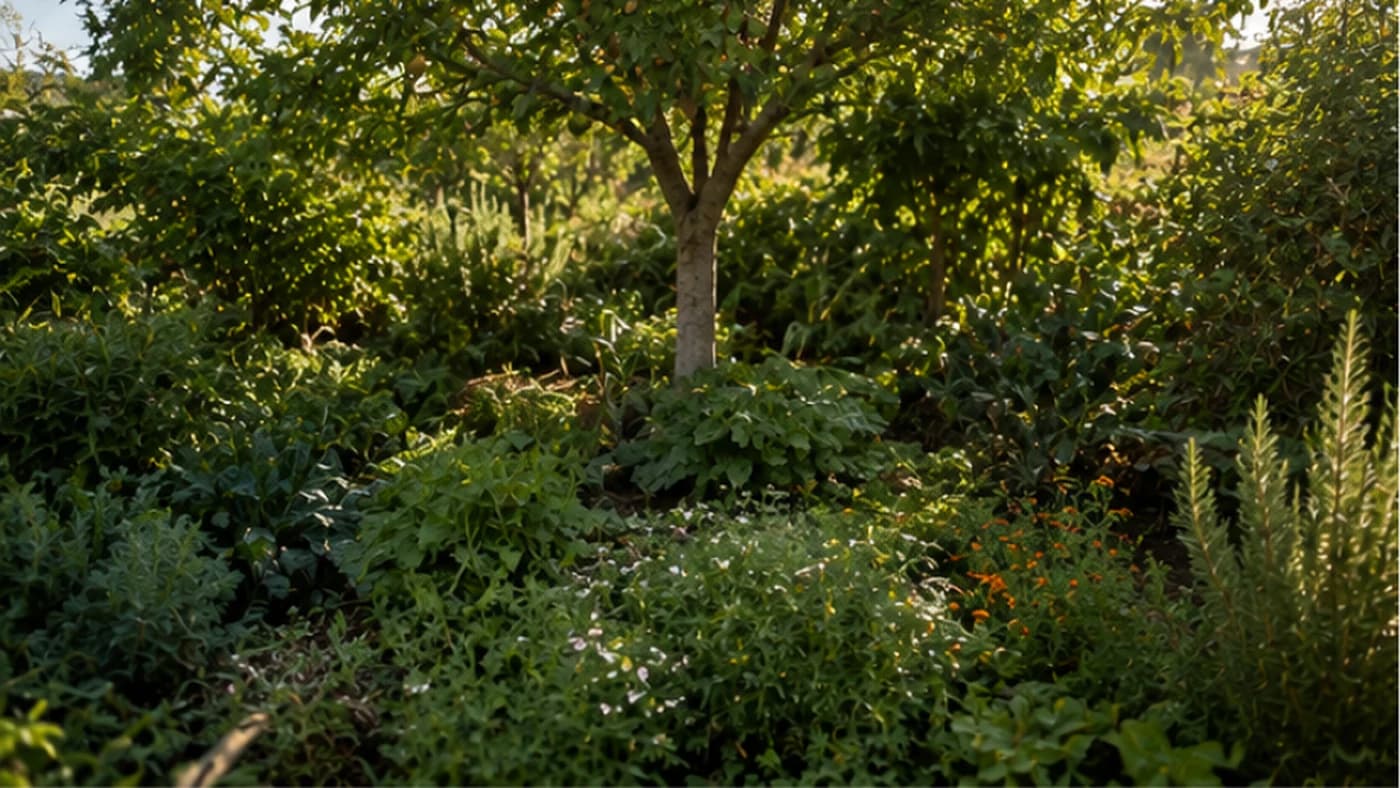
Multi-Layer Food Forest Design: Growing Seven Crops in the Space of One
A natural forest needs no fertiliser or hose, because every layer of it — from tall trees to root crops — fills a different niche. Stacking those same layers in your backyard or farm boundary can multiply what one plot of land produces.
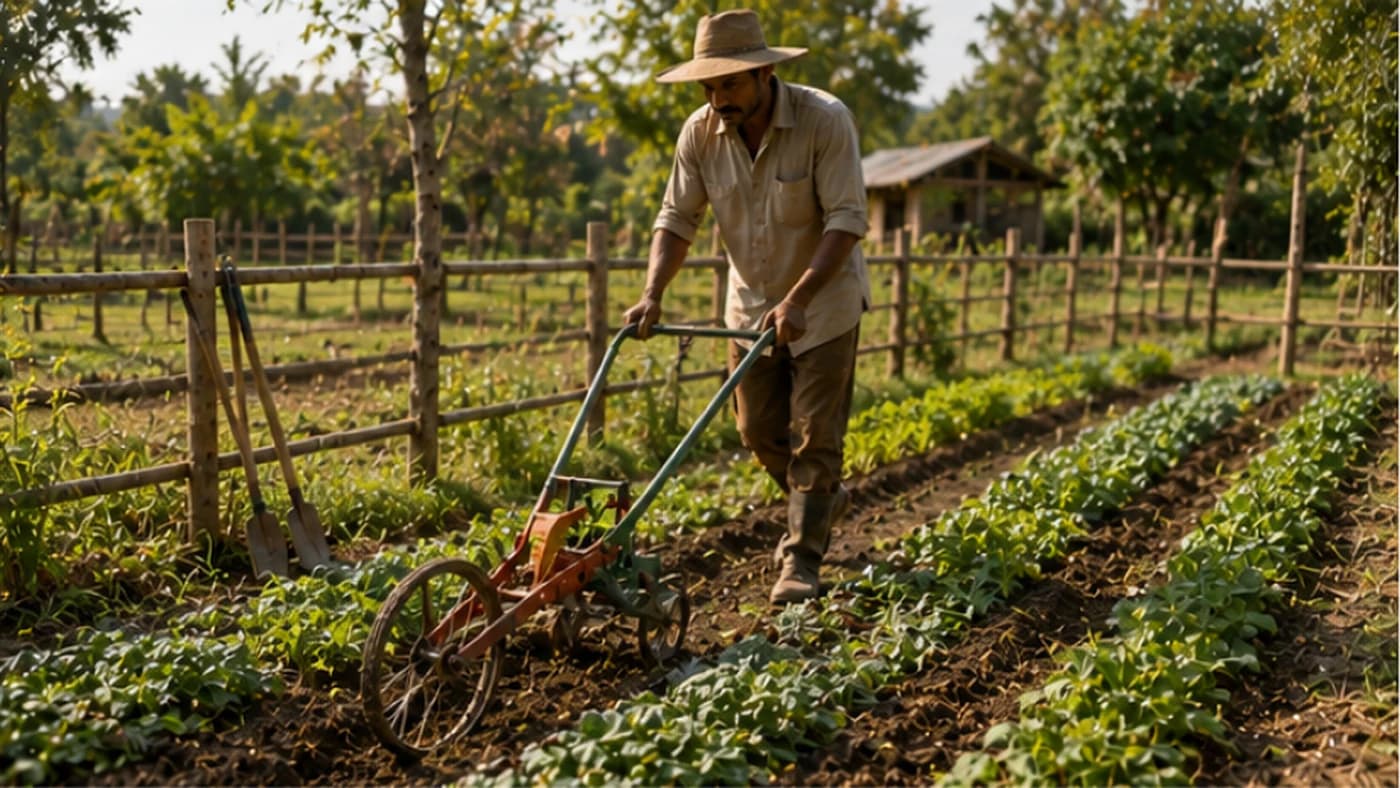
Fossil-Fuel-Free Food Production: Growing on Sunlight Instead of Oil
Industrial food takes roughly 10 units of fossil-fuel energy to produce a single unit of food energy — a debt tied directly to oil and gas prices. Here's how to grow food that runs on sunlight, compost and manual tools instead, and why it's really just natural farming with a sharper name.
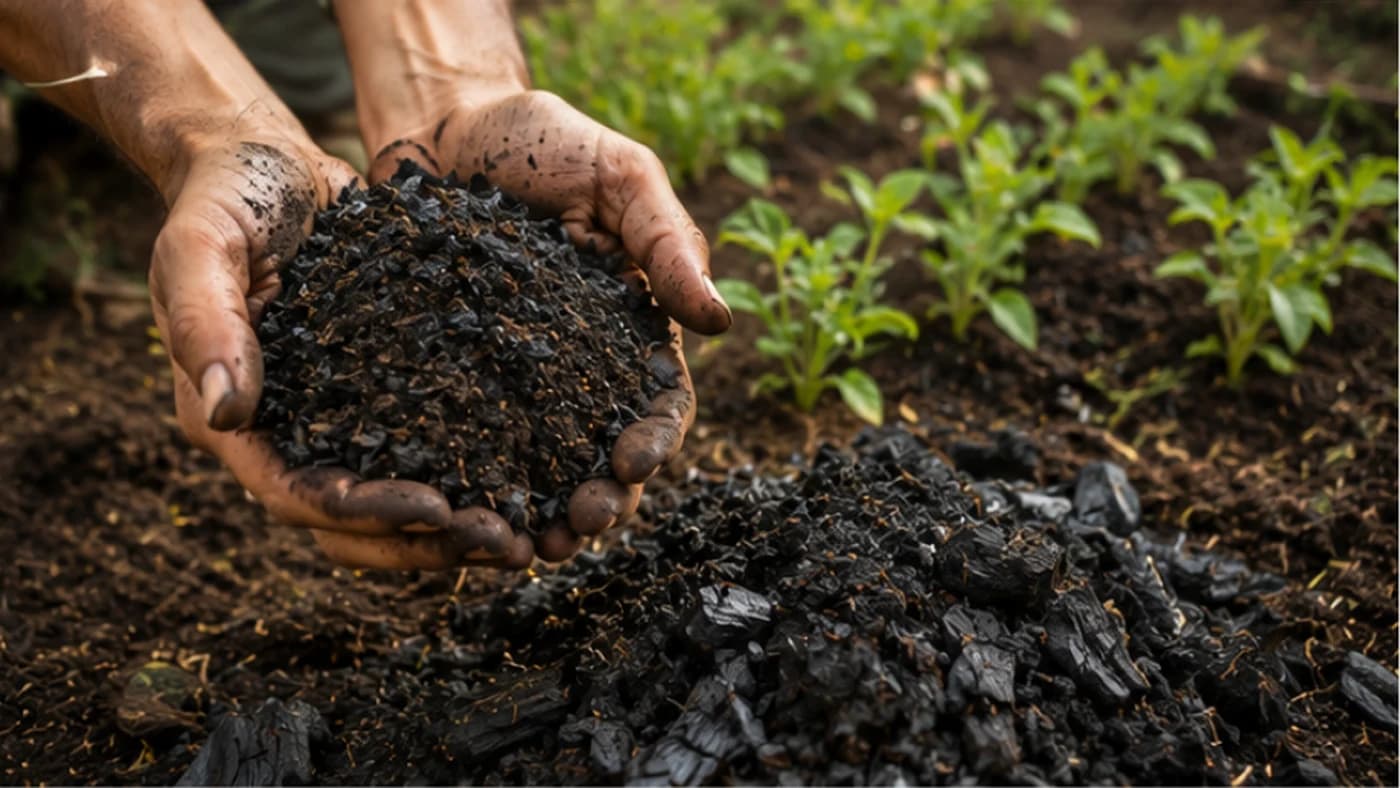
Terra Preta: The 2,000-Year-Old Soil That Gets More Fertile With Age
Ancient Amazonian farmers built soil that is still 10x more fertile than the surrounding land 2,000 years later — using biochar, organic waste and minerals. Here's how to build a modern version in your own field.