

Growing Egyptian Walking Onions: The Perennial Onion You Plant Only Once
Interestingly, researchers believe this unusual perennial onion likely originated in India or Pakistan before travelling the world. Plant it once in a cooler part of your garden and it keeps producing greens, pickling bulbs and storage onions for years — planting its own next generation for you.
Quick answer
Egyptian walking onions are a genuine plant-once, harvest-for-years perennial — worth a trial patch in a cooler corner of any garden, and especially promising in India's cooler and hill-region climates where their winter-hardiness is actually useful. Plant a handful of bulbils in autumn, mulch well, manage the walking so it doesn't take over, and in return you get spring greens, pickling onions, and small storage bulbs from the same patch, indefinitely, without buying a single onion set again.
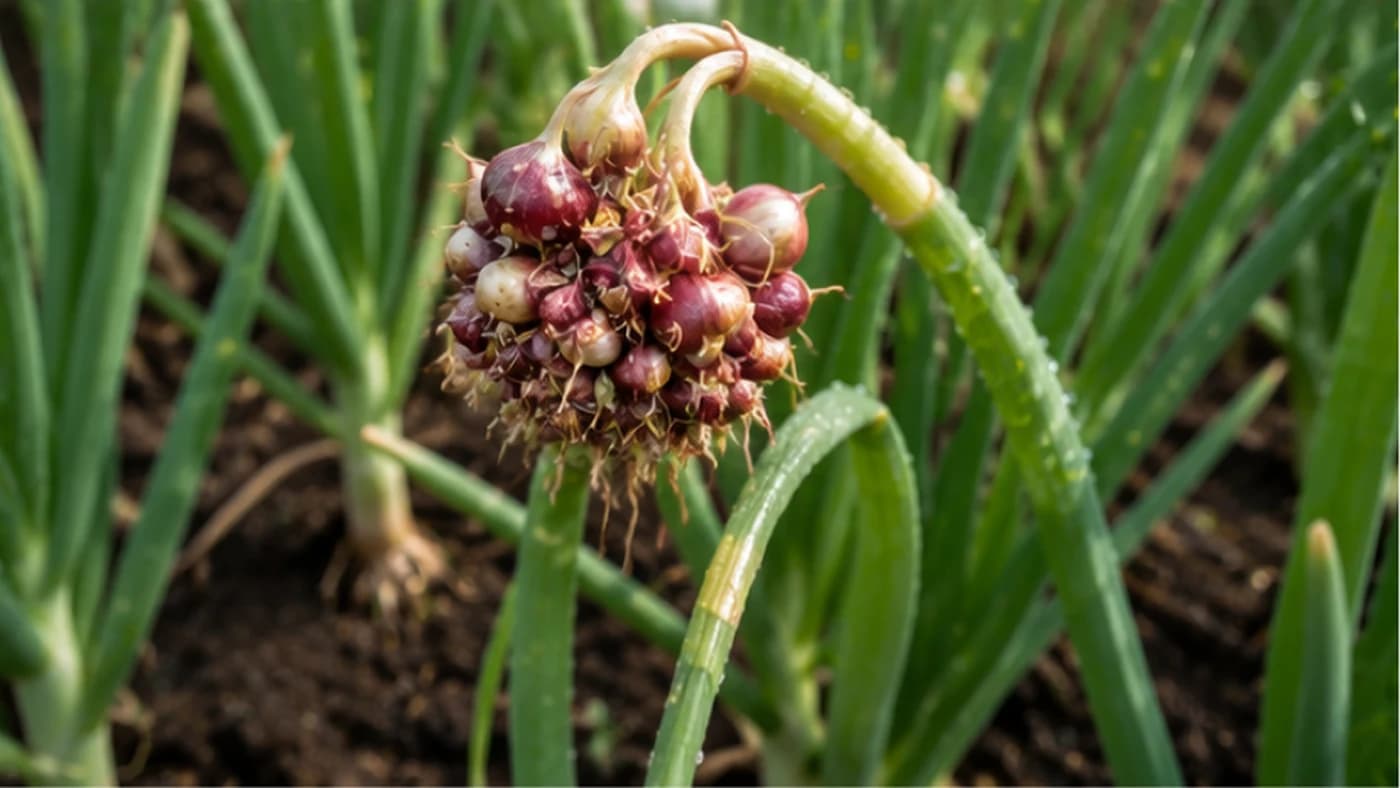
Almost every vegetable in a kitchen garden asks you to buy new seed or sets each season. The Egyptian walking onion does not — it is a genuine perennial that produces three different harvests from the same plant, year after year, and even plants its own next generation by literally toppling its seed heads onto the soil to take root. Researchers believe the plant likely originated somewhere in India or Pakistan before it was carried across Europe by Romani travellers and picked up its misleading "Egyptian" name — which makes it, in a small way, a crop coming back home.
What makes this onion different
Egyptian walking onions (Allium x proliferum) are a hybrid between the common onion and the Welsh onion, also called tree onions or topset onions. Instead of producing flowers and seed at the top of a stalk like most onions, they grow a cluster of small, reddish-purple aerial bulbs called bulbils. As these bulbils gain weight, the hollow stalk arches over until it topples, and wherever the bulbils touch the soil, they root and grow into new plants — the plant literally "walks" across a bed at roughly 60–90 cm a year if left unmanaged. Because the underground bulbs are already established each year, this plant regrows and produces the moment conditions allow, without any tilling, seed-starting or replanting.
Three harvests from one plant
Spring greens: as soon as the soil warms, thick hollow shoots emerge that look like oversized spring onions — harvest by the handful without pulling the whole plant, and they keep regrowing. Summer bulbils: by early summer a central stalk rises above the leaves and develops a papery sheath that opens into a cluster of small onions the size of a marble, usable fresh, pickled, or planted elsewhere. Autumn/underground bulbs: the underground bulbs, roughly 2.5–5 cm across, can be dug and used like shallots or small storage onions. One planting genuinely gives you scallions, pickling onions and small storage onions across the year, with no repeat purchase.
Where this fits in Indian growing conditions
The published cold-hardiness of this plant (surviving winters down to about -40°C) is a non-issue for almost anywhere in India — it is not a trait Indian growers need. What matters more here is heat: walking onions are best documented in temperate climates with a real winter, and their tolerance of the long, intense heat of the Indian plains in peak summer is not well established. They are worth trying as a genuine perennial crop in northern and hill regions with cold winters (Punjab, Haryana, Himachal Pradesh, Uttarakhand, Kashmir, the northeastern hill states) and in kitchen gardens through the cooler Rabi season elsewhere, ideally with part shade and mulch during the hottest months in warmer plains regions. Treat it as an experimental, low-cost perennial addition rather than a proven replacement for your main onion crop until you have tested it through a full hot season on your own land.
Planting, depth and timing
Plant bulbils or small underground bulbs about 2.5–5 cm deep — too deep and they struggle to emerge, too shallow and they can heave out of the ground during temperature swings. Autumn planting (roughly September–October in a temperate calendar, or early Rabi sowing in Indian conditions) gives roots time to establish before the coldest weather and produces noticeably stronger spring growth than a spring planting. Mulch heavily with straw or leaf litter to regulate soil temperature, retain moisture, and stop stray bulbils rooting where you don't want them. Every three years or so, dig up the crowded underground clump in the cooler season, separate the largest bulbs for eating, and replant a few to keep the patch productive.
Managing growth and avoiding the common mistakes
Left unmanaged, walking onions genuinely take over a bed within three or four years, turning a neat row into a thicket that crowds out other plants — so harvest or snap off the top bulbils regularly if you want to keep them contained to one area. The small aerial bulbils are fiddly to peel, so most growers use them mainly for pickling and rely on the spring greens and underground bulbs for everyday cooking. Like all onions, they dislike waterlogged soil — heavy, poorly drained clay that stays soggy can rot the bulbs and encourage fungal rot, so ensure good drainage before planting and avoid the spot for a long period if rot appears.
Realistic limitations
This is not a substitute for the large, sweet slicing onions you buy for everyday cooking — the underground bulbs stay relatively small (2.5–5 cm) and the flavour is noticeably more intense and pungent raw, though it mellows well when cooked. Because the plant spreads on its own, it is not ideal for tightly packed raised beds unless you are diligent about harvesting the topsets — it does best at the edge of a garden, in a dedicated perennial bed, or worked into a food-forest style planting where it has room to roam.
Frequently asked
Where did Egyptian walking onions actually come from?+
Despite the name, researchers believe the plant likely originated in India or Pakistan and was later carried across Europe by Romani travellers, picking up the misleading 'Egyptian' name along the way.
How many harvests do you get from one walking onion plant?+
Three: spring green shoots used like scallions, summer aerial bulbils usable fresh or pickled, and small underground bulbs harvested like shallots — all from the same perennial plant, year after year.
Will Egyptian walking onions grow well in India?+
They're a strong fit for cooler and hill regions (Punjab, Himachal, Uttarakhand, Kashmir, the northeastern hills) and for Rabi-season kitchen gardens elsewhere. Their tolerance of intense plains-summer heat isn't well documented, so treat it as a worthwhile experimental crop in hotter regions rather than a guaranteed one.
How deep should I plant the bulbils?+
About 2.5–5 cm deep. Too deep and they struggle to emerge; too shallow and they can heave out of the soil during temperature swings.
Do walking onions take over the garden?+
They can, if left unmanaged — the plant spreads about 60–90 cm a year as its stalks topple and root. Snap off or harvest the top bulbils regularly if you want to keep them confined to one area.
Where to go next
Want this as daily tasks for your farm?
Khetiyaar turns guides like this into a day-by-day plan — in your language, free to start.

Related guides
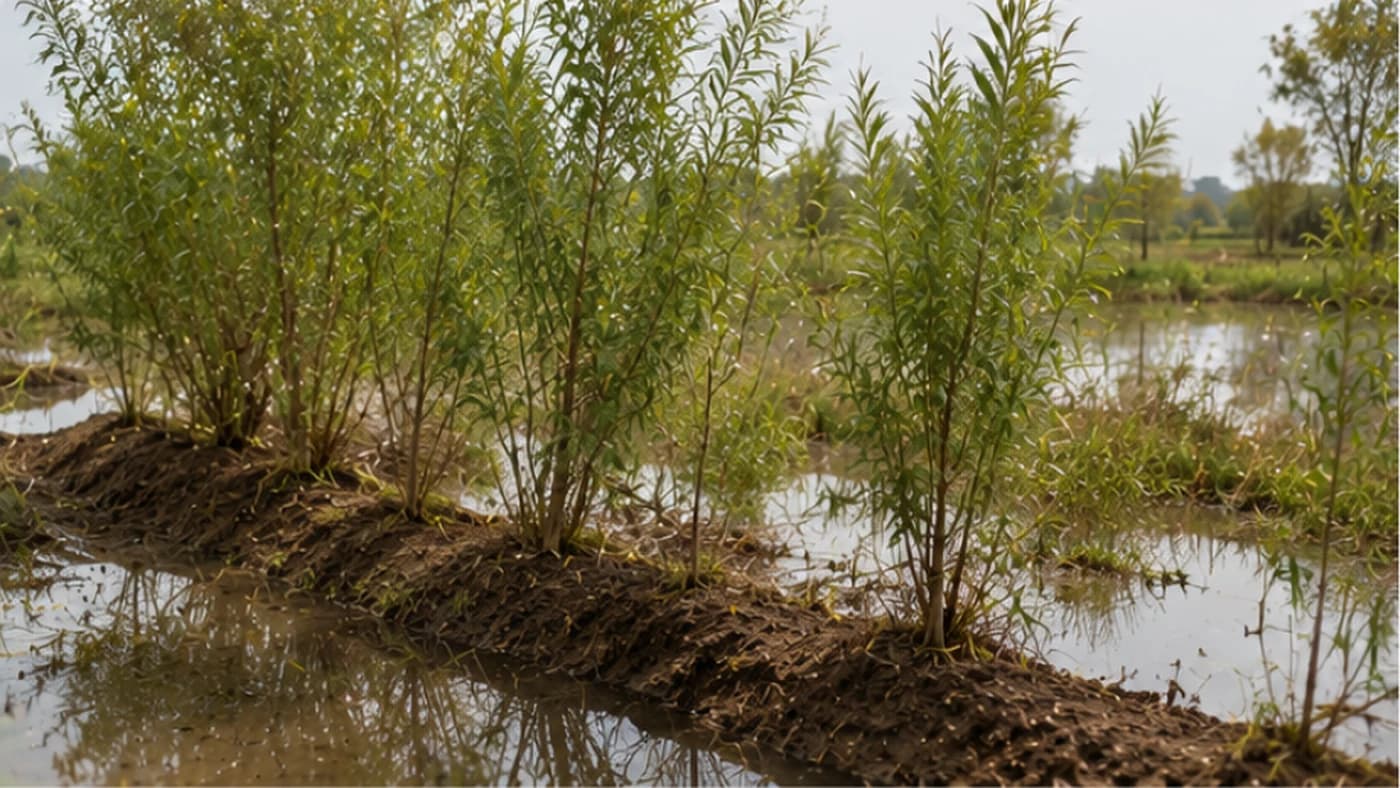
Biodrainage: Using Trees Instead of Pipes to Dry Out Waterlogged Land
Waterlogging quietly ruins more fields than most farmers realise — in canal command areas of Punjab and Haryana alone it affects lakhs of hectares. Trees that pump water out through their leaves can do the job of an expensive drainage system, for a fraction of the cost.
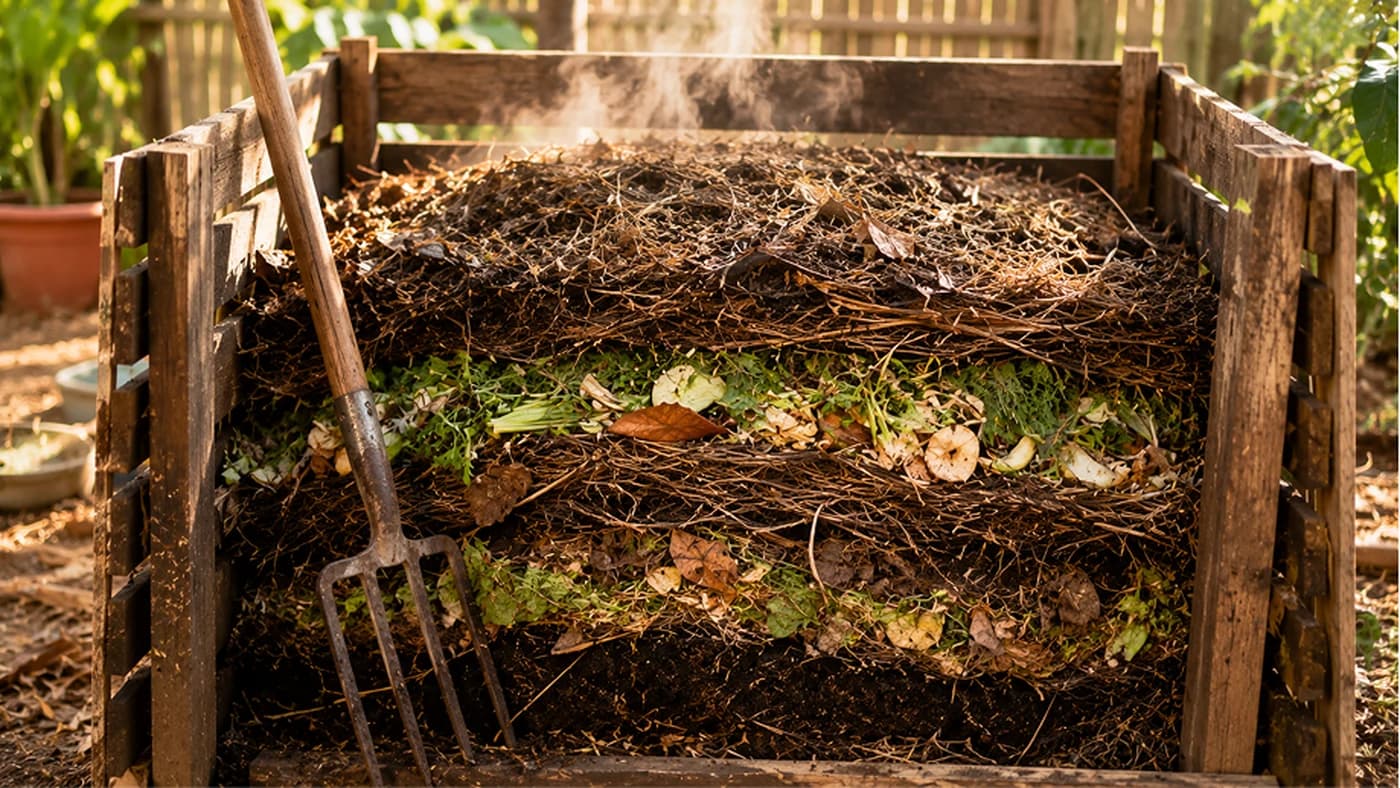
How Do I Balance Carbon and Nitrogen in Compost?
A smelly, slow compost heap almost always comes down to one thing: the wrong balance of browns and greens. Get the ratio right and microbes do the rest.
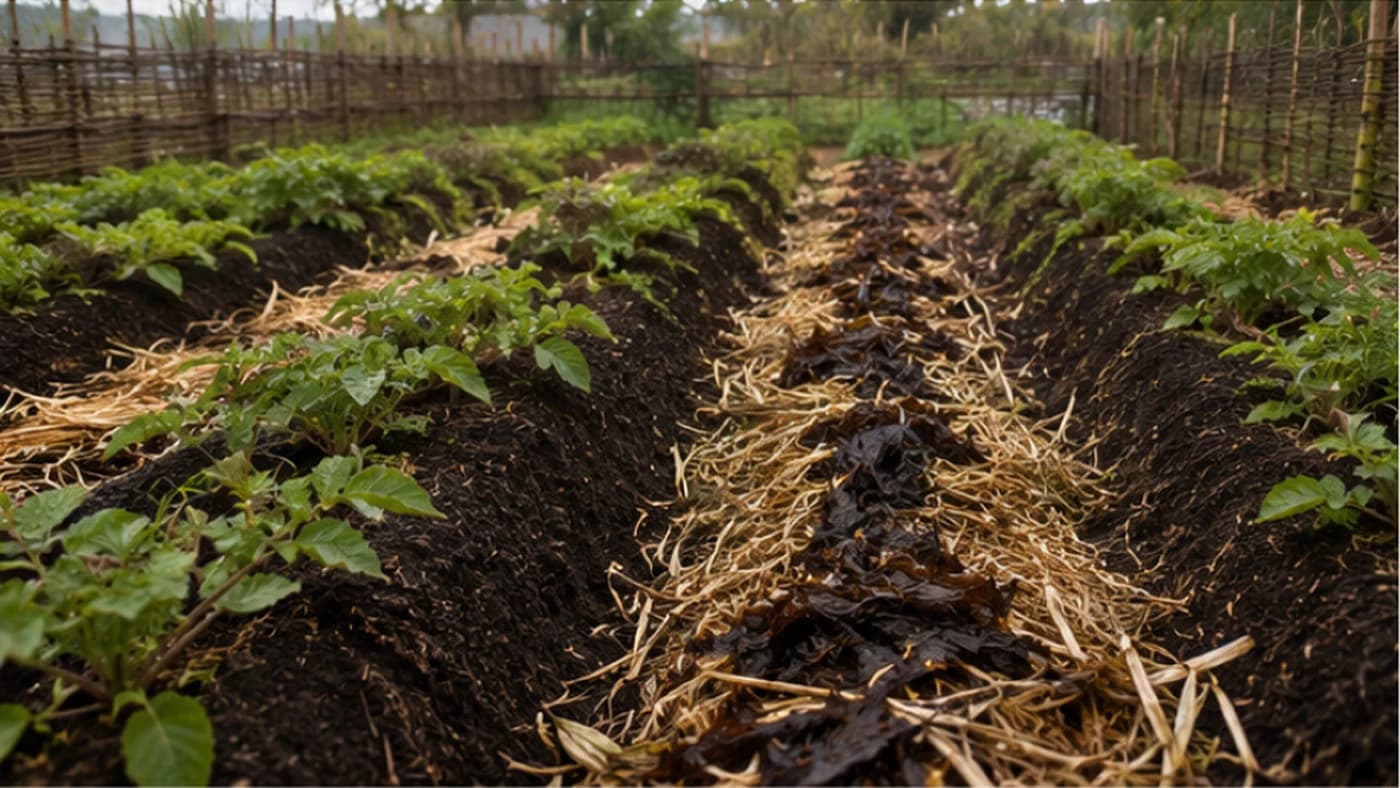
The Lazy Bed Technique: An Ancient Ridge Method for Waterlogged Soil
Centuries before raised beds became fashionable, farmers on Europe's wettest, rockiest land built self-draining ridges from flipped turf alone. It still solves clay and waterlogging problems today — no tools but a spade.