

Perennial Grains Explained: The Future of Low-Till Grain Growing
Imagine a grain crop you plant once and harvest for years, with roots deep enough to shrug off drought. Perennial grains are still an emerging frontier — but the soil-building principles behind them are usable on any Indian farm today.
Quick answer
True perennial grain seed isn't something you can buy and plant on an Indian farm today — but the principles behind it are worth adopting regardless: disturb the soil less, keep living roots in the ground year-round with a legume like moong or cowpea between main crops, and let deep-rooted plants do some of the work that tillage and fertiliser currently do. Watch this space as breeding programmes mature, but farm the soil-building principles now.
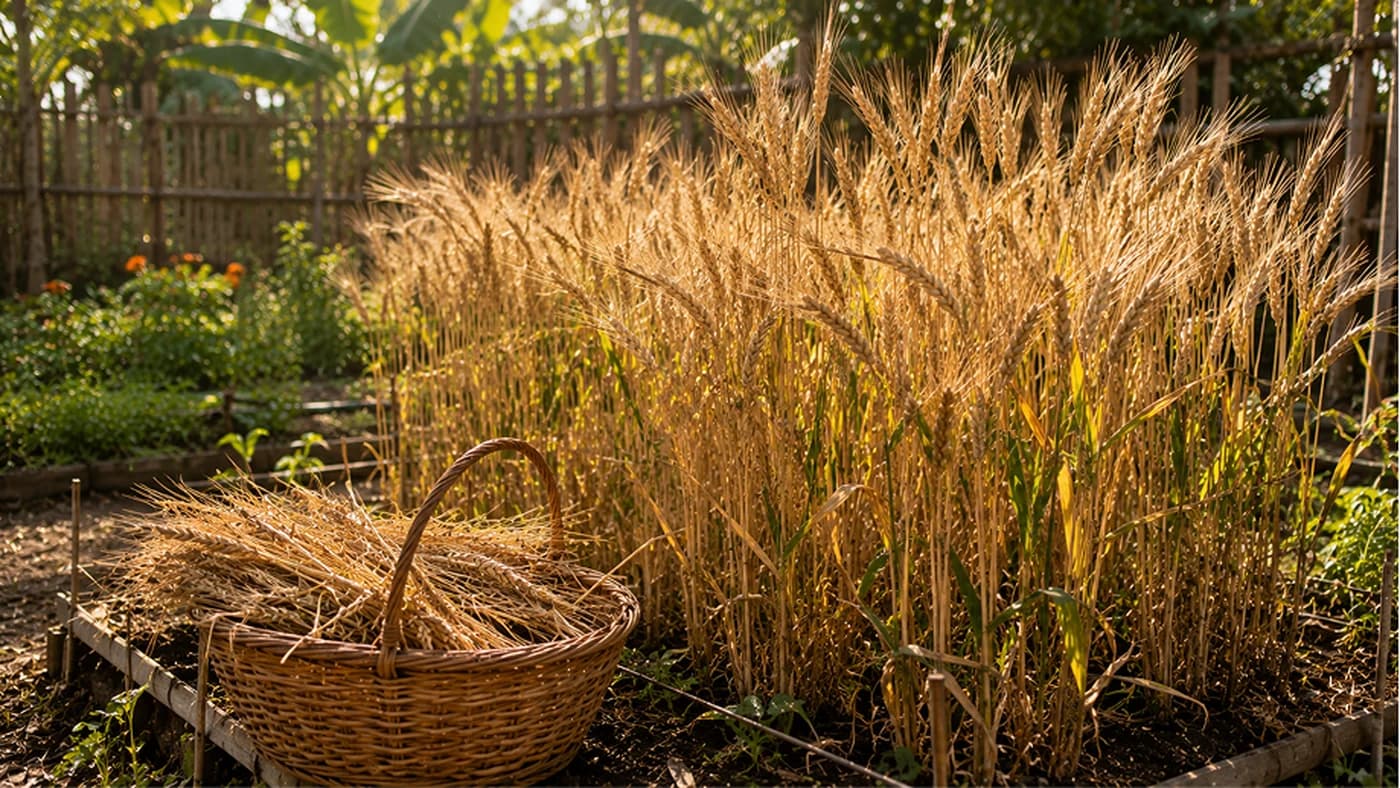
For generations, grain farming has meant the same yearly cycle: till the soil, sow seed, harvest, and start over. Perennial grains — crops that regrow from the same root system year after year, like a fruit tree instead of an annual vegetable — are a genuinely different approach being developed by plant breeders worldwide. True perennial grain seed is not yet widely available to farmers in India, so this is worth understanding as an emerging direction rather than something to plant next week. But the underlying principles — deep roots, undisturbed soil, and living cover — are worth applying to your fields right now, with the crops you already grow.
What makes a grain 'perennial'
Ordinary wheat, rice and maize are annuals: the plant completes its life cycle and dies within one season, and the field must be tilled and resown from scratch every time. A perennial grain regrows from the same root crown for several years, going dormant after harvest and sprouting again the following season — much like how a mango or guava tree keeps producing without being replanted. Kernza, a perennial wheatgrass developed by The Land Institute in Kansas, USA, and experimental perennial rice and sorghum lines are the most-cited examples of this research, but none of these are commercially available as seed in India today.
Why the roots matter so much
The real difference is underground. A standard annual wheat plant roots to about 30 cm. Kernza's roots have been measured reaching 3 metres (10 feet) or deeper into the subsoil — far past where most annual crops can access water and nutrients. This is why perennial grain research is centred on drought resilience: deep, permanent roots can tap moisture reserves an annual crop simply cannot reach, and they hold the soil structure together year-round, cutting erosion during heavy monsoon rain to near zero.
Research comparing perennial and annual grain plots has found perennial systems can reduce nitrate leaching into groundwater by up to 96% compared to annuals — because a living root system is constantly present to take up nutrients, instead of bare, tilled soil sitting exposed between crops.
What today's yields actually look like
Perennial grains are not yet a yield competitor for bred annual varieties. Kernza plots have typically produced only 25–50% of what a modern annual wheat field yields per hectare. In Land Institute field trials, a roughly 93 sq. m plot yielded only 9–14 kg of grain in its first establishment year, rising to about 27 kg by the second or third year as the root system matured — a real but modest harvest for a lot of land. This yield gap, plus tight-hulled grain that's harder to thresh at home, and very limited seed availability, are why perennial grains remain a research and hobbyist crop rather than a mainstream replacement for wheat or paddy — in India or anywhere else — for now.
Frequently asked
Can I buy perennial grain (Kernza) seed in India?+
Not through ordinary commercial channels at this time — it remains a research crop concentrated mainly in the US and a handful of trial sites elsewhere. It's worth tracking, not planting yet.
What's the real benefit of a perennial grain's deep roots?+
They reach water and nutrients far below where annual crop roots stop, improve drought tolerance, and hold soil structure together year-round, cutting erosion.
Do perennial grains yield as much as regular wheat?+
Not currently — trial plots have produced roughly 25–50% of a modern annual wheat field's yield per hectare, which is why they remain experimental rather than mainstream.
What can I actually apply from this on my farm today?+
The transferable principles: minimise tillage where possible, keep a living root (a cover crop or legume like moong/cowpea) in the soil between main-crop seasons, and use a low legume ground cover to suppress weeds and add nitrogen naturally.
Where to go next
Want this as daily tasks for your farm?
Khetiyaar turns guides like this into a day-by-day plan — in your language, free to start.

Related guides
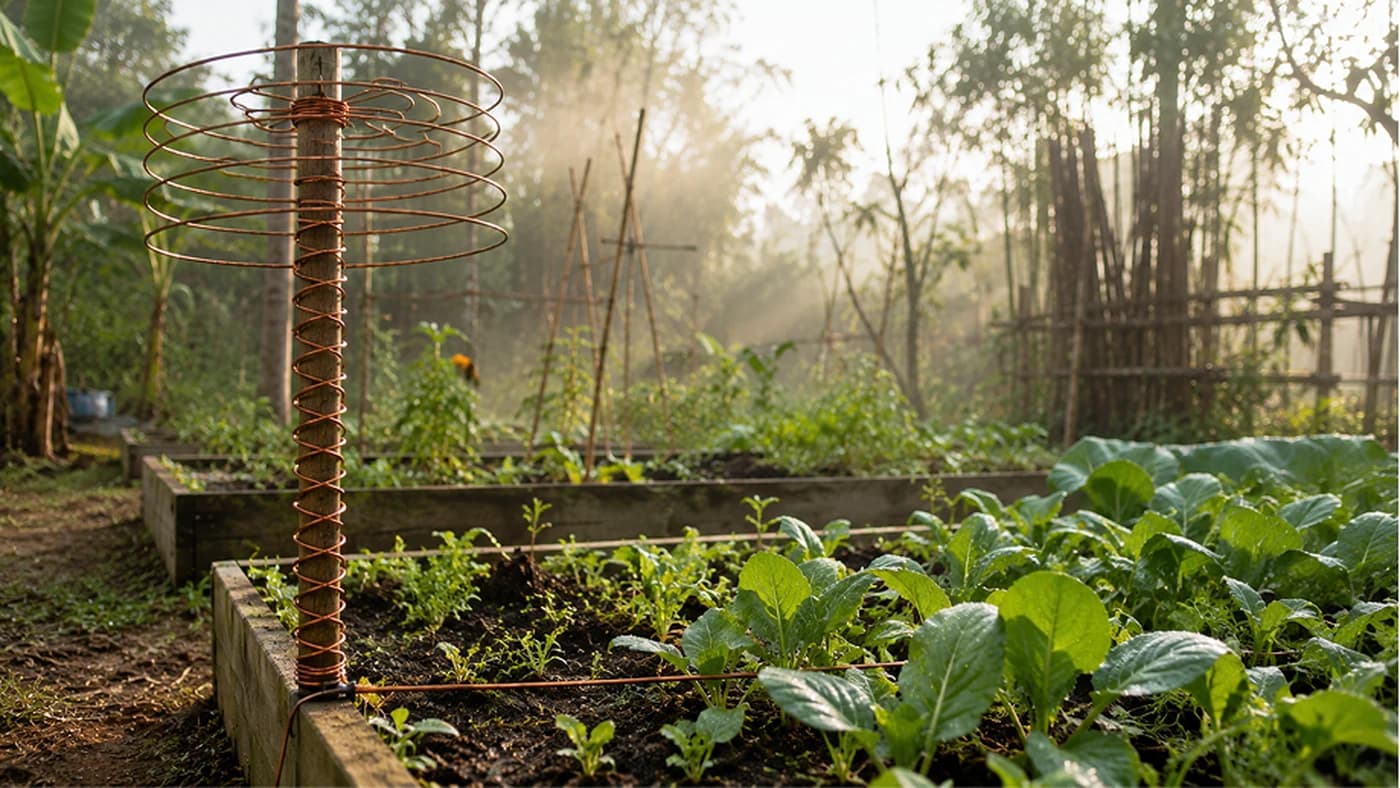
Electroculture Gardening: What It Is, and What the Evidence Actually Says
Copper antenna gardening promises faster growth and lower water use for almost no cost. It's a genuinely old folk technique — but the claims run well ahead of the science. Here's what it involves and how to think about it honestly.
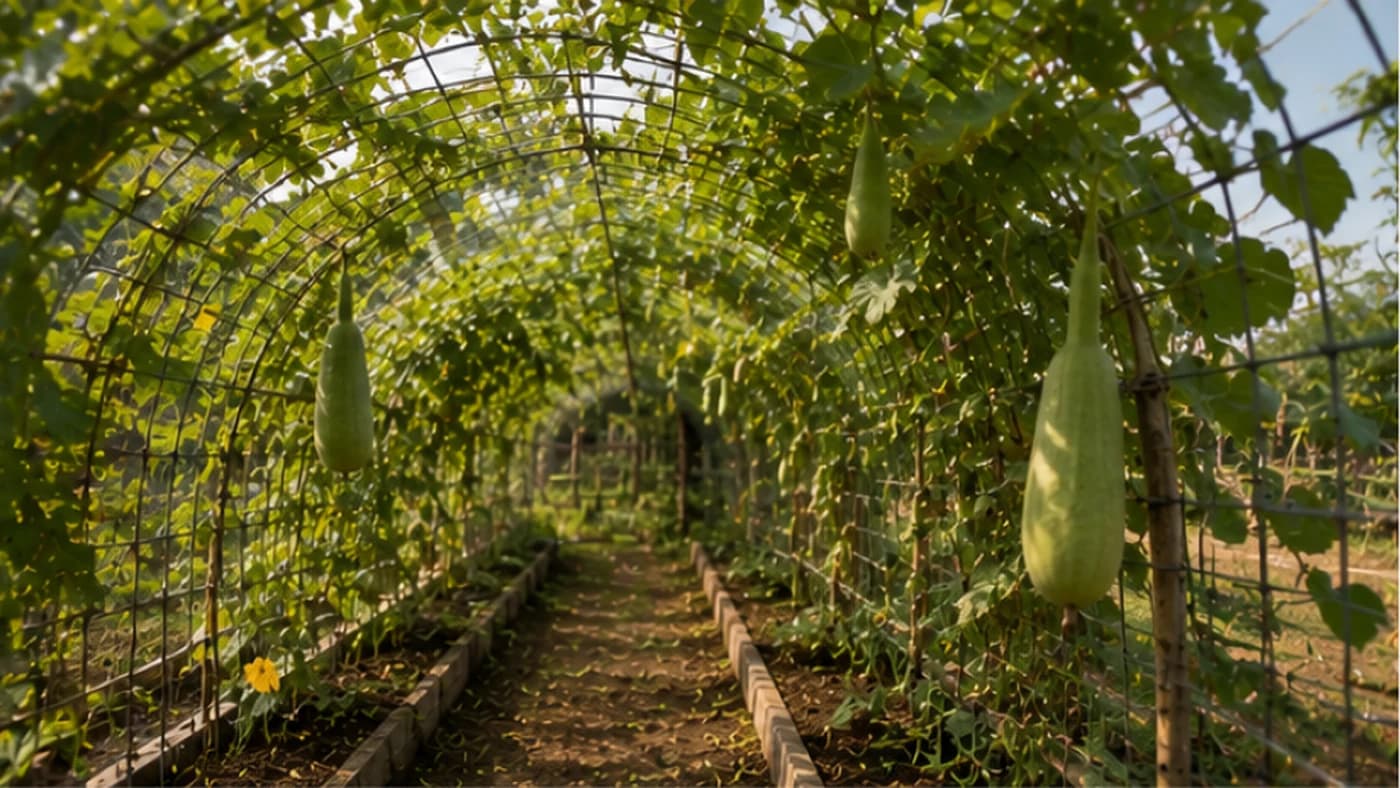
Vertical Gardening With Cattle Panels: Get Vines Off the Ground and Double Your Space
Sprawling cucumber and gourd vines eat up your walking paths, trap humidity, and rot fruit against wet soil. A simple welded-mesh panel arch fixes all three problems and can nearly double the usable growing space in a small plot.
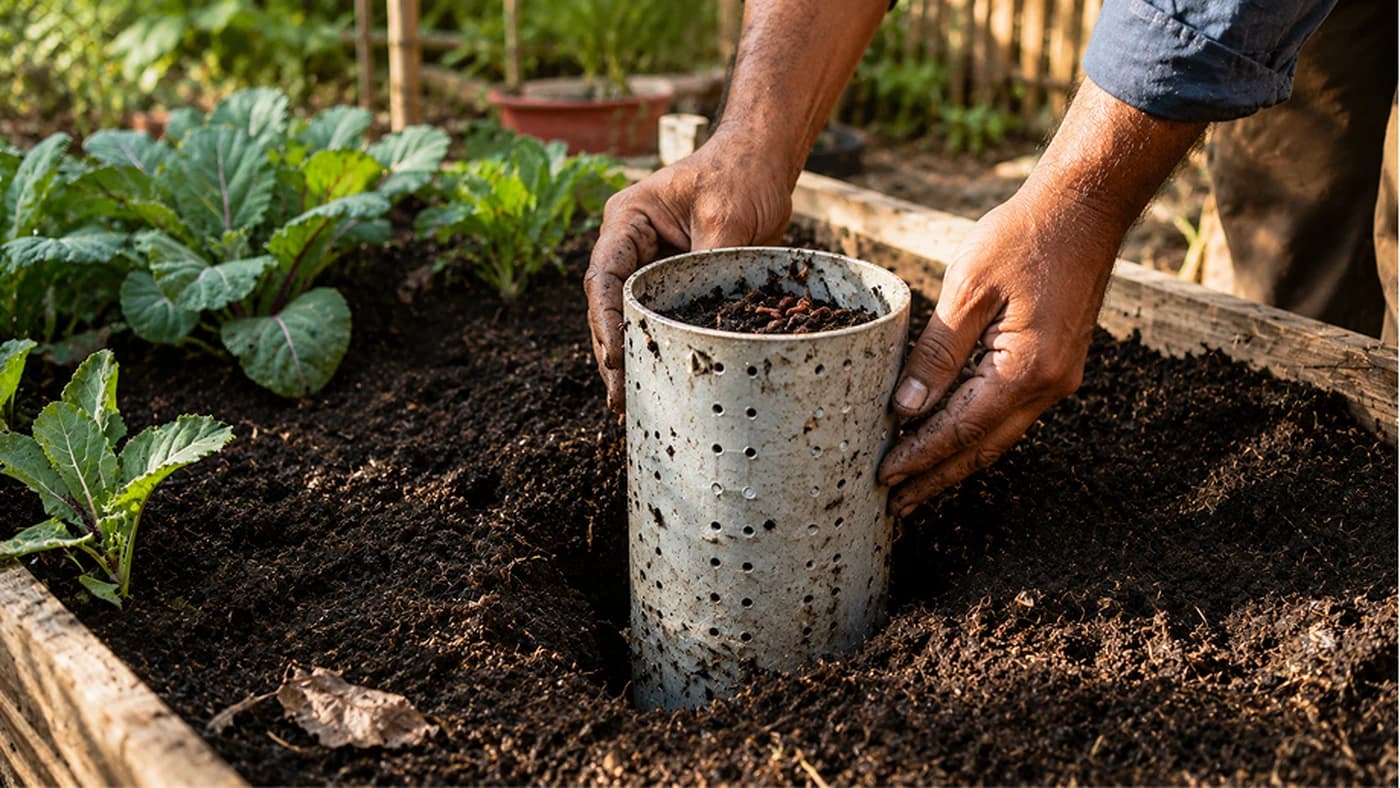
How to Build a Garden Worm Tower for Free, In-Bed Composting
Stop hauling kitchen scraps to a distant bin and hauling compost back months later. A buried worm tower lets worms process waste right where your plants are growing.