

Composting at Home: Turn Waste Into Gold for Your Farm
The best fertiliser is often free, made from waste you already have. Layer browns and greens, keep the pile moist, and in months you have rich compost.
Quick answer
Composting turns farm and kitchen waste into free, high-quality fertiliser. Layer brown and green materials, keep the pile moist and turned, and in a few months you have rich compost — or use earthworms for faster vermicompost. Either way, you feed your soil and cut your costs at the same time.
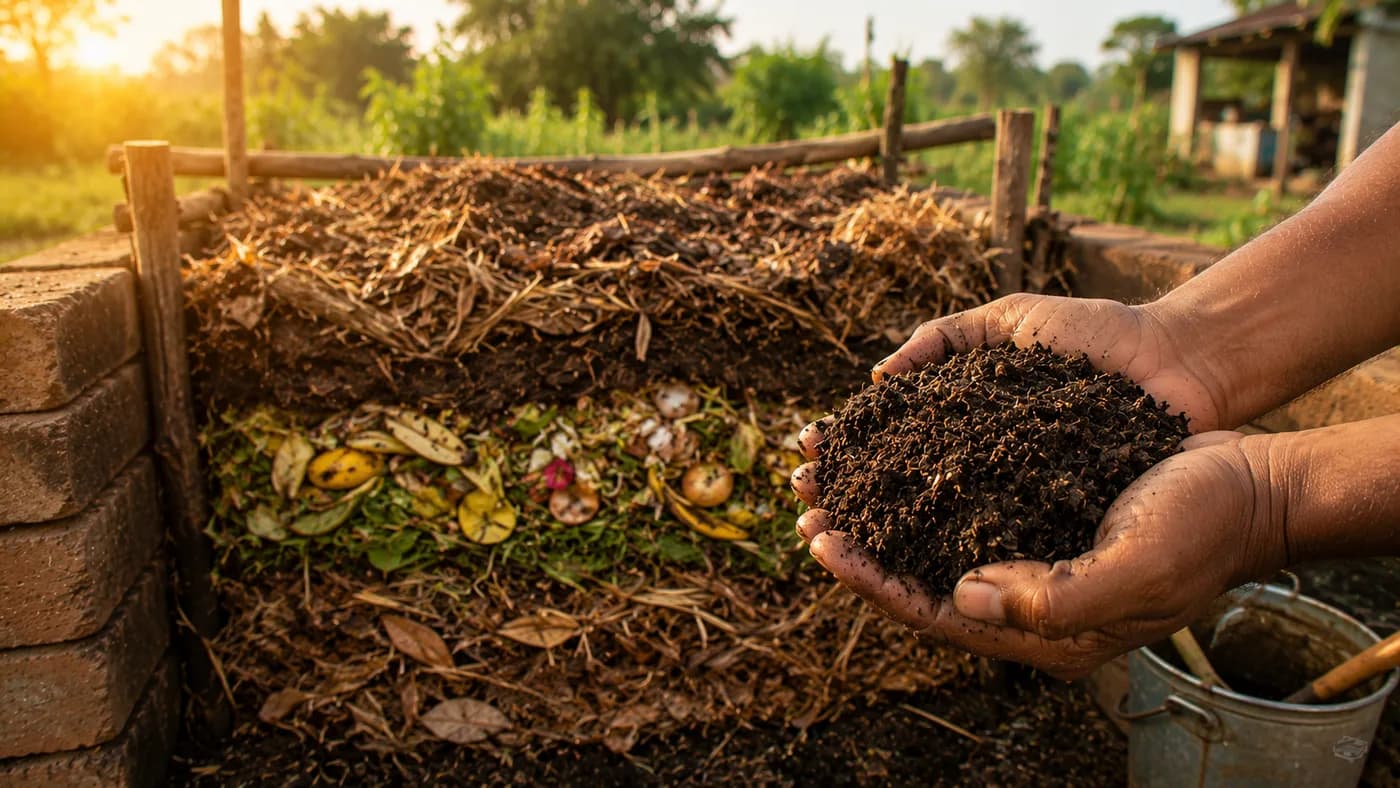
The best fertiliser is often one you can make for free from waste you already have. Compost feeds your soil, helps it hold water, and steadily reduces your input bill. Making it at home is simple once you understand the basic recipe.
What you can and cannot compost
Good compost needs a mix of two kinds of material. “Green” materials are rich in nitrogen — kitchen vegetable waste, fresh weeds, green leaves and cow dung. “Brown” materials are rich in carbon — dry leaves, straw, crop residue and dry grass. A healthy heap uses more brown than green. Avoid meat, oily food and diseased plant material, which cause smells and problems.
The simple pit or heap method
Choose a shaded spot and make a pit or a heap. Layer brown and green materials alternately. Add a little cow dung slurry and enough water to keep the pile moist — about as damp as a wrung-out sponge, never soggy. Every couple of weeks, turn the heap to let air in, which speeds up decomposition and prevents bad smells. In roughly two to three months, the pile transforms into dark, crumbly, sweet-smelling compost.
Vermicompost: faster and richer
For a richer, faster product, use earthworms. In a shaded bed with cow dung and organic waste, earthworms convert the material into nutrient-rich vermicompost quickly. It is especially good for vegetables and home gardens.
How to use your compost
Mix compost into the soil before sowing, or apply it around growing plants. It improves the soil's structure and water-holding capacity and feeds the soil life that underpins every healthy crop. Unlike chemical fertiliser, it keeps working season after season.
Terms explained in this guide
Frequently asked
How long does compost take to make?+
About two to three months with the pit or heap method; vermicompost can be faster.
What should I not put in compost?+
Avoid meat, oily food and diseased plant material.
Is vermicompost better than normal compost?+
It is richer and faster and excellent for vegetables, though both are very good for soil.
Where to go next
- Organic farming appPlan a chemical-free season with organic inputs and natural pest control.
- AI farming chatbotAsk any farming question in Gujarati, Hindi or English and get an answer in seconds.
- Agri Bazar marketplaceBuy and sell animals, crops, equipment and dairy near you — and see what buyers want today.
Want this as daily tasks for your farm?
Khetiyaar turns guides like this into a day-by-day plan — in your language, free to start.

Related guides
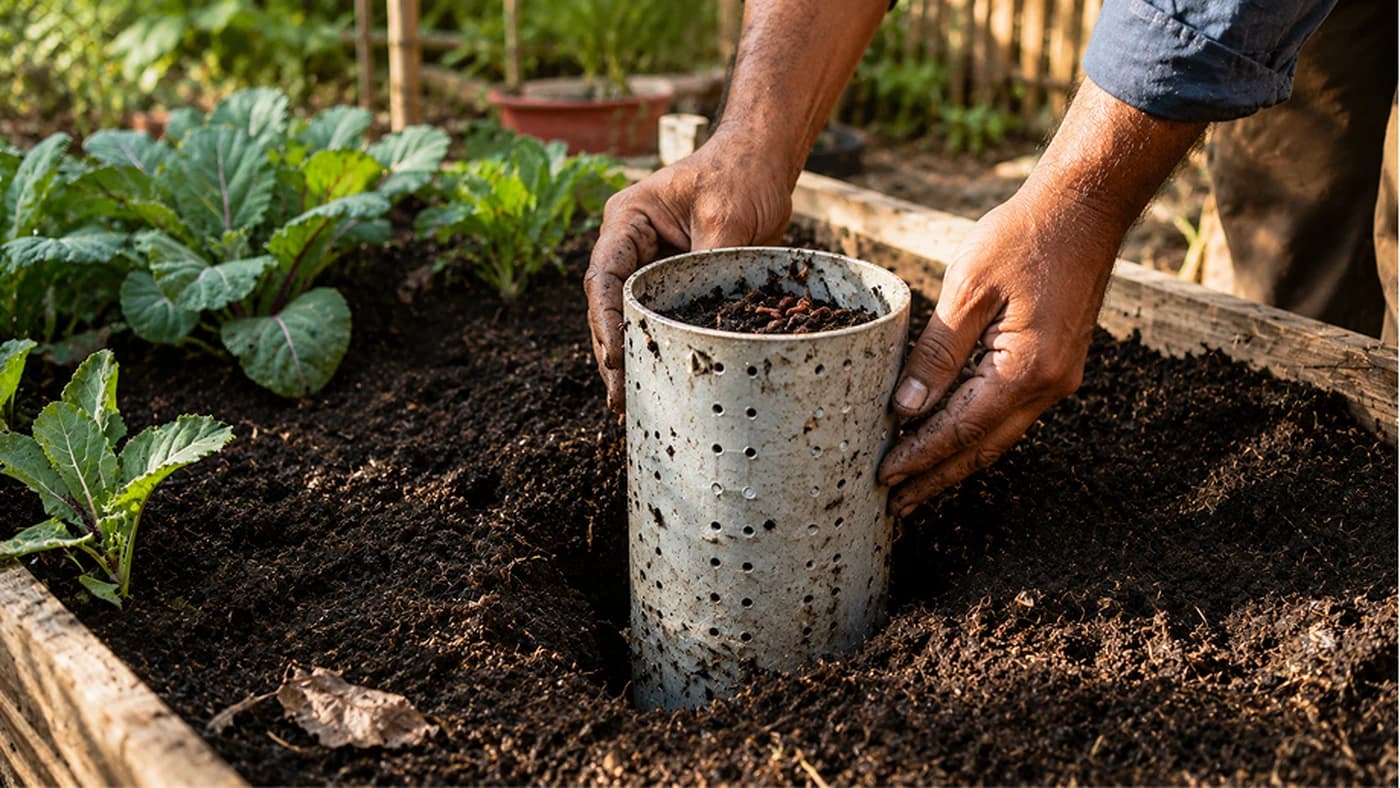
How to Build a Garden Worm Tower for Free, In-Bed Composting
Stop hauling kitchen scraps to a distant bin and hauling compost back months later. A buried worm tower lets worms process waste right where your plants are growing.
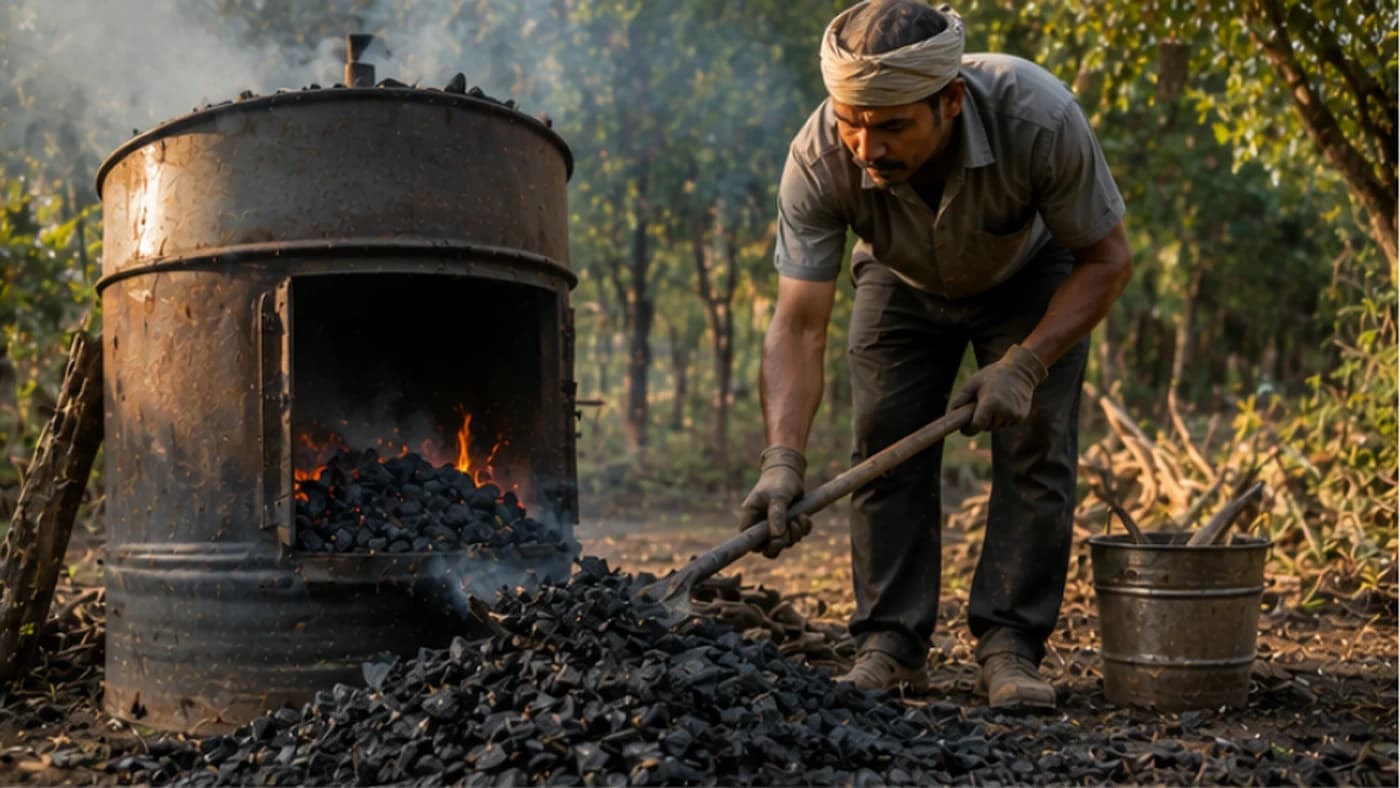
How to Make Biochar for Soil: A Permanent Upgrade for Your Farm
Burning crop waste releases its carbon into the air. Turning it into biochar locks that carbon into your soil instead — building fertility that can last for centuries, not seasons.
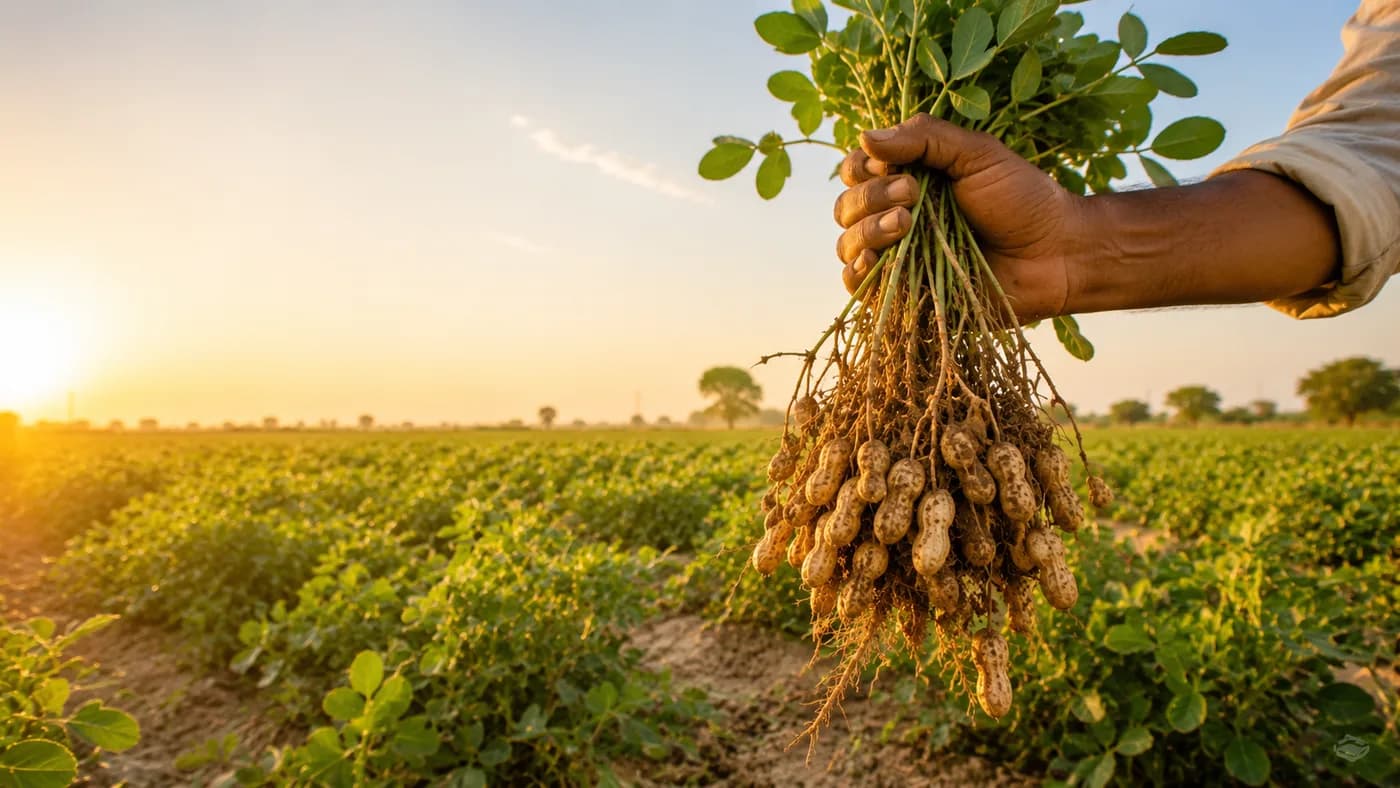
Groundnut Cultivation: Best Practices for Better Returns
Groundnut pods form below the surface — which is why light soil, calcium at pegging and steady moisture decide your pod count and returns.