

Turmeric (Haldi) Cultivation and Processing Guide: Rhizome to Polished Powder
Turmeric is a long-duration, high-value crop that rewards careful rhizome selection, steady water and correct post-harvest processing more than almost any other spice crop. A full field-to-processing guide for Indian growers.
Quick answer
Turmeric rewards patience and process discipline more than most spice crops. Start with treated, disease-free rhizomes and well-drained ridges or raised beds, keep moisture consistent but never waterlogged through the nine-to-ten-month season, and watch for rhizome rot as the single disease that can undo a season if drainage or planting material was poor. At harvest, the real work is just beginning: correct boiling develops the colour and reduces bitterness, thorough sun or mechanical drying prevents mould in storage, and proper polishing is what actually earns a better price at the mandi or with an export buyer. The crop is grown in the field, but the price is often decided at the processing stage.
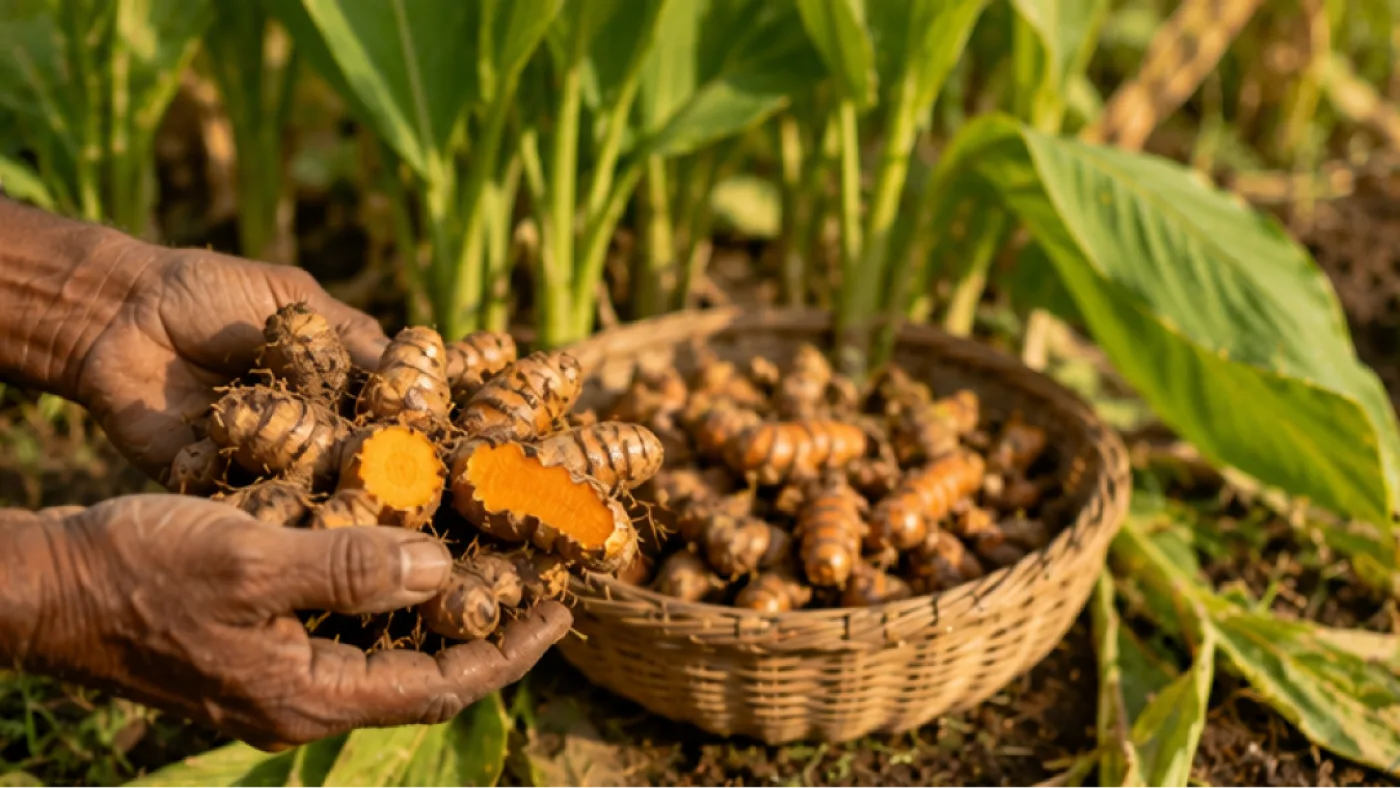
Turmeric (haldi) is one of the few spice crops where the farming decisions and the post-harvest processing decisions matter almost equally to the final price a grower receives. Two farmers can grow the same variety on similar soil and end up with very different returns, purely because of how the rhizomes were selected before planting and how the harvest was cured, boiled, dried and polished afterward. This guide walks through both halves of that story — the roughly nine-to-ten-month field cycle and the processing steps that turn a muddy rhizome into the bright, marketable turmeric powder buyers pay for.
Rhizome selection and treatment before planting
Turmeric is propagated from rhizomes, not seed, and the quality of the planting material has an outsized effect on the final crop. Select healthy, disease-free mother rhizomes or finger rhizomes from a crop that showed no signs of rhizome rot or leaf disease, sourced from a reliable supplier or your own well-managed previous crop rather than an unknown source — rhizome-borne disease is one of the easiest ways to start a season already compromised.
Before planting, treat the rhizomes with a recommended fungicide and biocontrol combination (commonly a fungicide dip alongside a Trichoderma-based bio-agent) as advised by your local Krishi Vigyan Kendra or state horticulture department, since exact product recommendations and dosages change and are best confirmed locally. This single step meaningfully reduces the risk of rhizome rot taking hold early in the crop's very long growing season.
Spacing and land preparation
Turmeric is typically planted on ridges and furrows or in raised beds, which matters more for this crop than most because it is highly sensitive to waterlogging even though it also needs consistent moisture — ridges keep the rhizome zone well-drained while furrow irrigation still reaches the root zone reliably. Common spacing is around 30cm between rows and 20-25cm between plants, though this varies by variety and local recommendation, so confirm the spacing your state's agriculture department recommends for the variety you're planting.
Deep ploughing and thorough incorporation of well-rotted farmyard manure or compost before planting matters more for turmeric than for many other crops, since the crop occupies the same land for nine to ten months and rhizome development depends heavily on loose, well-aerated, organically rich soil.
Water management across a long-duration crop
Turmeric needs consistent soil moisture throughout its long growing season, but — as with the ridge-and-furrow planting above — it does not tolerate standing water or waterlogged soil, which quickly leads to rhizome rot. Irrigate regularly during the active vegetative growth period, and ensure good drainage is maintained throughout, especially during the monsoon months when rainfall can push soil moisture past what the rhizomes can tolerate.
As the crop approaches maturity in its final one to two months, irrigation is typically reduced and then withheld to allow the rhizomes to mature and the leaves to dry down naturally — this drying-down of the foliage is itself one of the signals used to judge harvest readiness, alongside the crop's known duration for the variety being grown.
Rhizome rot: the disease that decides a season
Rhizome rot, caused by fungal and sometimes bacterial pathogens acting together, is turmeric's most damaging disease and the main reason pre-planting rhizome treatment and good drainage both matter so much. Affected plants show yellowing and drying of leaves starting from the margins, and pulling an affected plant typically reveals rhizomes that are soft, discoloured and rotting rather than firm and healthy.
Because the disease often spreads through waterlogged conditions and infected planting material, management is almost entirely preventive: treated, disease-free rhizomes at planting, ridges/raised beds with proper drainage, and prompt removal of any visibly affected plants encountered during the season to stop the pathogen spreading to neighbouring rhizomes through the soil.
Harvest timing and signs of maturity
Most turmeric varieties take around 8 to 10 months from planting to harvest, and the specific duration for your variety is the most reliable planning reference — check it with your seed source or local agriculture office. The clearest field signs that the crop is ready are the natural yellowing and drying of the leaves and pseudostems, which signal that the rhizomes below have stopped actively growing and matured.
Harvesting is done by carefully digging up the clumps (by hand or with light machinery) to avoid damaging the rhizomes, since bruised or cut rhizomes are both harder to process cleanly and more prone to spoilage before processing begins.
Post-harvest processing: curing and boiling
Fresh turmeric rhizomes must be cleaned of soil and roots before processing begins. The first processing step is boiling (sometimes called curing) — the cleaned rhizomes are boiled in water, traditionally until a characteristic aroma develops and a straw or bamboo stick can pass through them easily, which gelatinises the starch inside and helps develop the final colour while reducing the raw, bitter taste of fresh turmeric.
Boiling time and method vary by local practice and processing scale, from simple open-pan boiling for small quantities to steam-based processing at larger facilities — ask at your nearest agricultural processing center or Krishi Vigyan Kendra for the method recommended in your area, since over- or under-boiling both affect final quality.
Drying, polishing and export-quality considerations
After boiling, rhizomes are dried, traditionally by spreading them in thin layers under the sun for around 10-15 days (mechanical dryers are also used, particularly at larger or more commercial scale) until the rhizomes become hard and brittle with a moisture content low enough for safe storage. Proper drying is essential — inadequately dried turmeric is prone to mould growth in storage, which can ruin an entire batch.
Dried rhizomes ('turmeric fingers') are then polished, traditionally by tumbling them together (by hand or in a mechanical drum) to rub off the rough outer skin and bring out the characteristic bright colour, which significantly affects the market price. For growers targeting export or premium buyers, additional considerations matter: consistent curcumin content (the compound responsible for turmeric's colour and much of its value), low pesticide residue levels meeting the importing country's standards, and proper grading by size and colour — connect with your state's spice board office or an export-facilitation cell for the specific requirements of the market you're targeting, since these standards are set externally and can change.
Terms explained in this guide
Frequently asked
How long does turmeric take from planting to harvest?+
Most varieties take around 8 to 10 months, but this varies by variety — confirm the expected duration for your specific variety with your seed source or local agriculture office.
Why is turmeric planted on ridges instead of flat beds?+
Turmeric needs consistent moisture but is very sensitive to waterlogging, which causes rhizome rot. Ridges and raised beds keep the rhizome zone well-drained while furrow irrigation still delivers water reliably to the roots.
What causes rhizome rot in turmeric and how is it prevented?+
Rhizome rot is caused by fungal and sometimes bacterial pathogens, and spreads more easily in waterlogged soil or from infected planting material. Prevention is mostly proactive: use treated, disease-free rhizomes at planting, ensure good drainage, and remove affected plants promptly during the season.
Why do turmeric rhizomes need to be boiled before drying?+
Boiling (curing) gelatinises the starch inside the rhizome, helps develop the characteristic colour, and reduces the raw, bitter taste of fresh turmeric. Skipping or mishandling this step directly affects the quality and price of the final product.
What determines export-quality turmeric?+
Key factors include consistent curcumin content, pesticide residue levels within the importing country's limits, and proper grading by size and colour. Check with your state's spice board office or an export-facilitation cell for the current requirements of your target market, since these standards are set externally and can change.
Where to go next
Want this as daily tasks for your farm?
Khetiyaar turns guides like this into a day-by-day plan — in your language, free to start.

Related guides
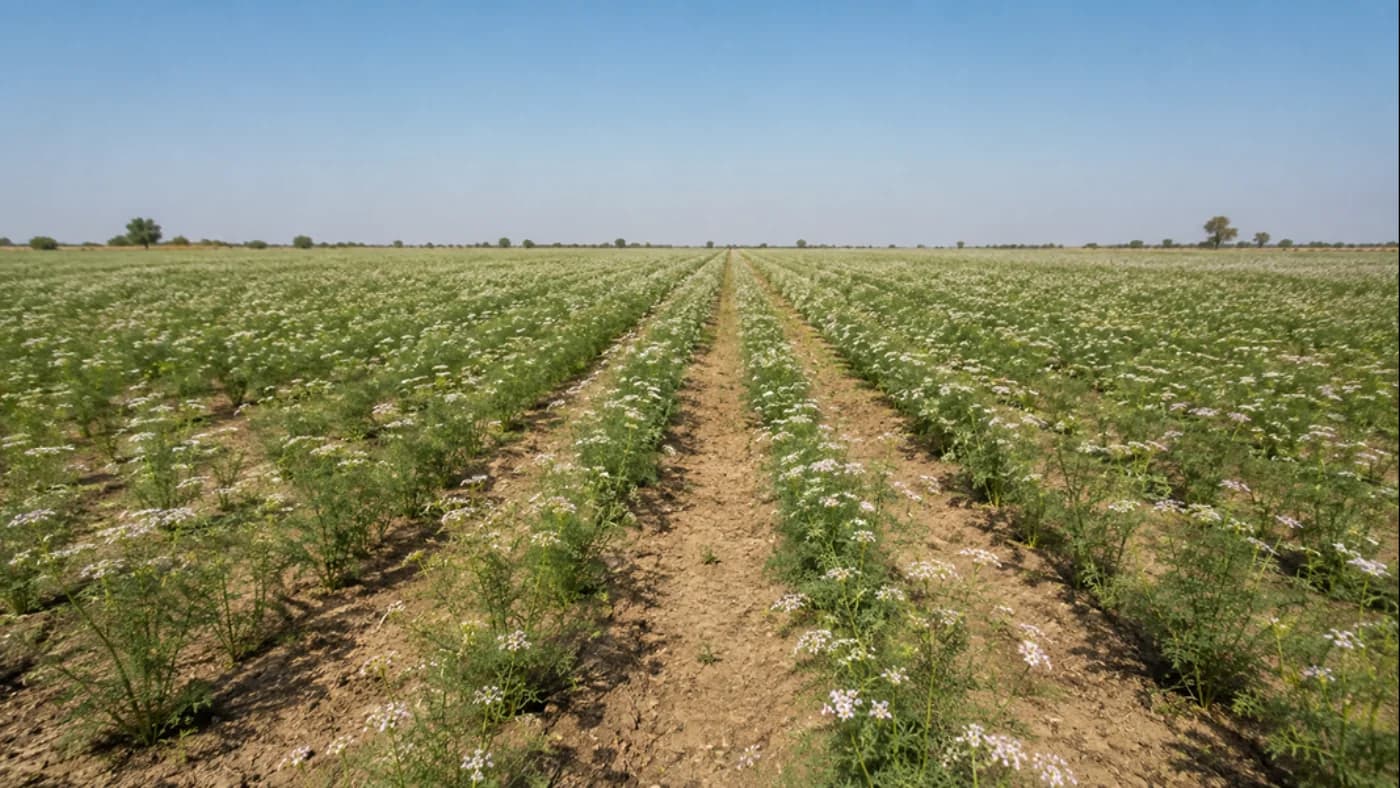
Cumin Farming: Growing Jeera When the Weather Decides Everything
Cumin is among the highest-value crops a Gujarat farmer can grow and among the easiest to lose. Two cloudy weeks at flowering can take the whole field. Here is how to give it the best odds.
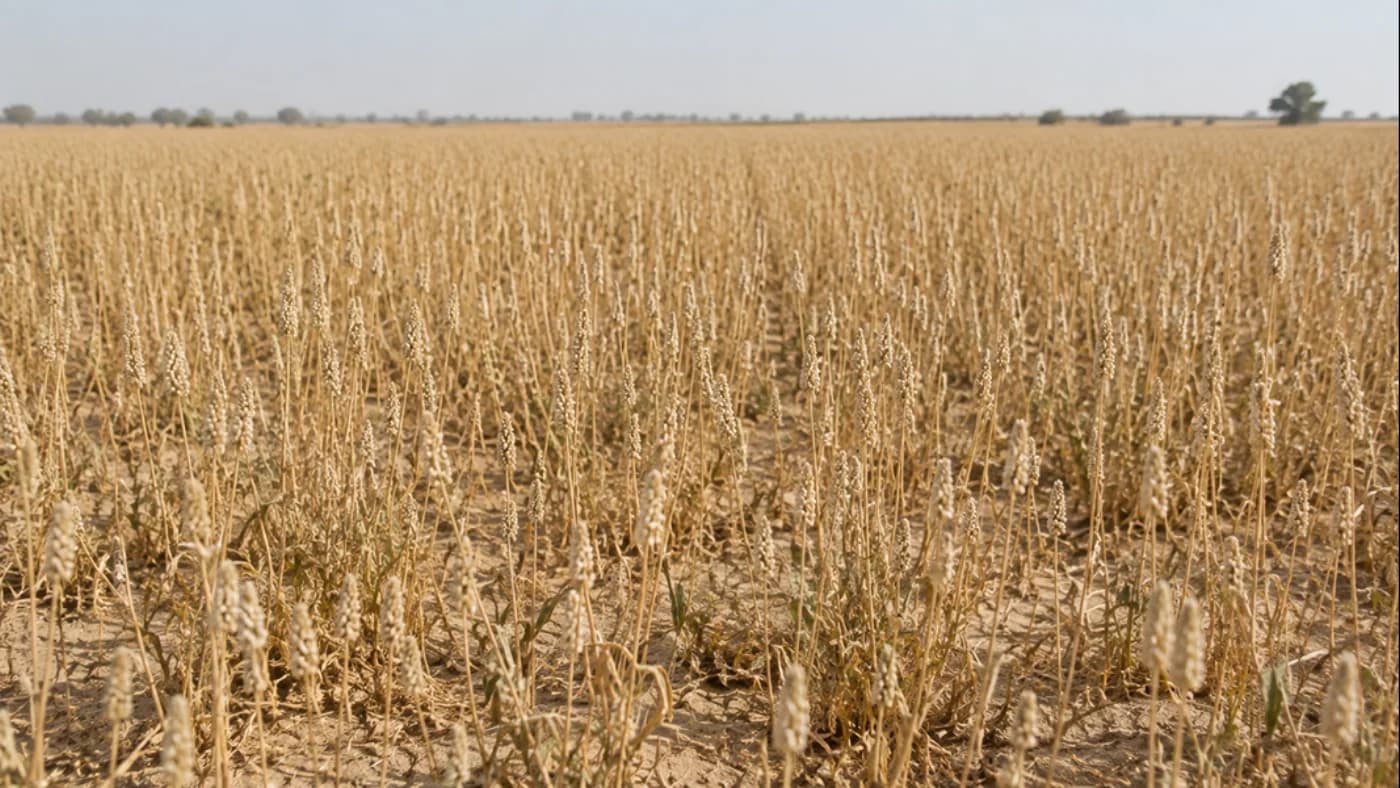
Isabgol Farming: Growing Psyllium for the Husk, Not the Seed
North Gujarat supplies much of the world's psyllium husk from light land and almost no water. The crop is easy until harvest — and at harvest one shower can take the value out of it.
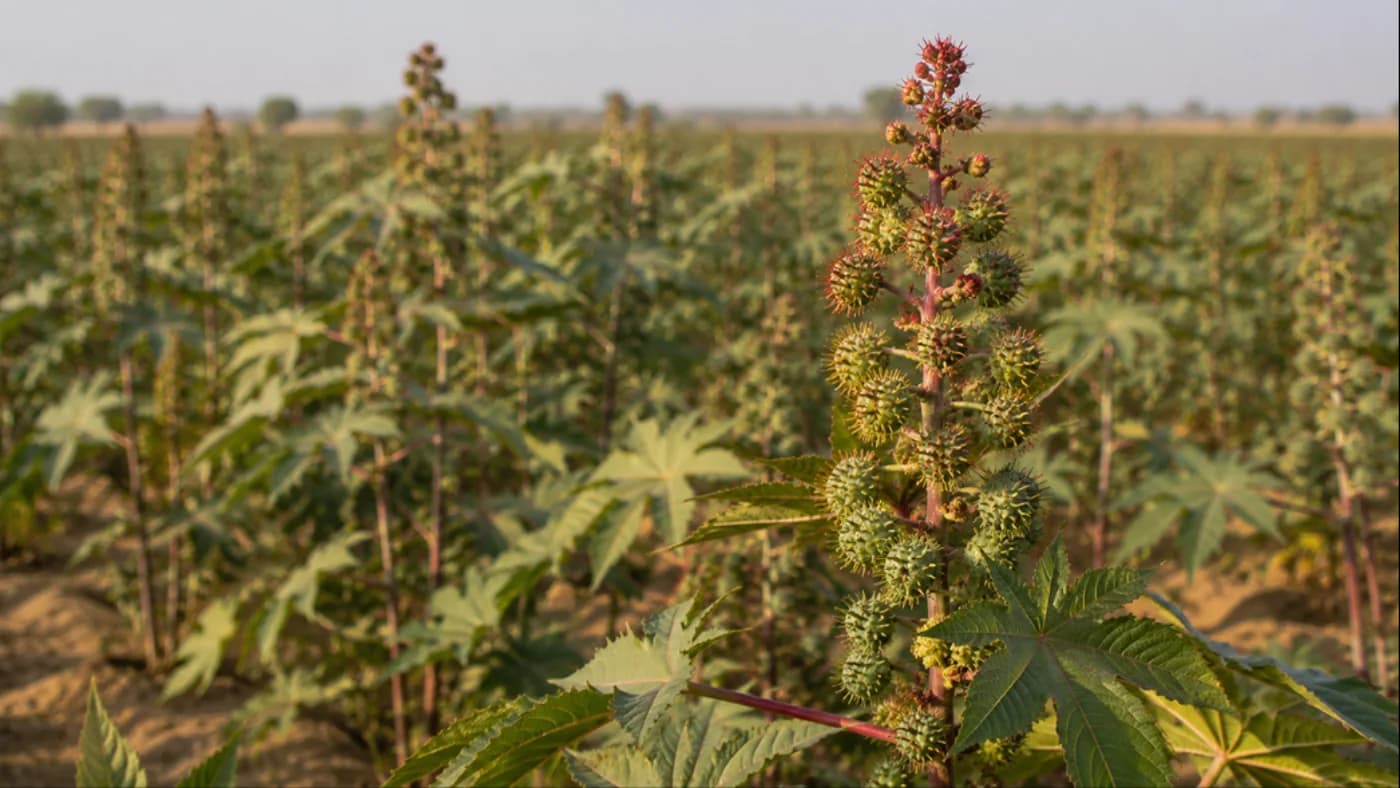
Castor Farming in Gujarat: Erandi from Sowing to the Last Picking
Gujarat grows most of India's castor, and India supplies most of the world's. A deep-rooted crop for light land that pays across several pickings — and one you must never treat as food or fodder.