

How to Use Pigs to Till Your Garden Soil for Free
A pig's instinct to root and dig looks destructive — until you point it at the right patch of ground. Move the fence to your next vegetable plot and let your pigs clear weeds, break up hardpan, and fertilise for you.
Quick answer
Pig tillage trades speed for fertility: instead of hours with a machine, it takes days to weeks with a movable paddock, but you get better soil structure, real weed-root removal, and free fertiliser in the same pass. Keep the fencing solid, move the pigs before they over-till, respect the manure waiting period before harvest, and a job you were dreading becomes something your animals are happy to do for you.
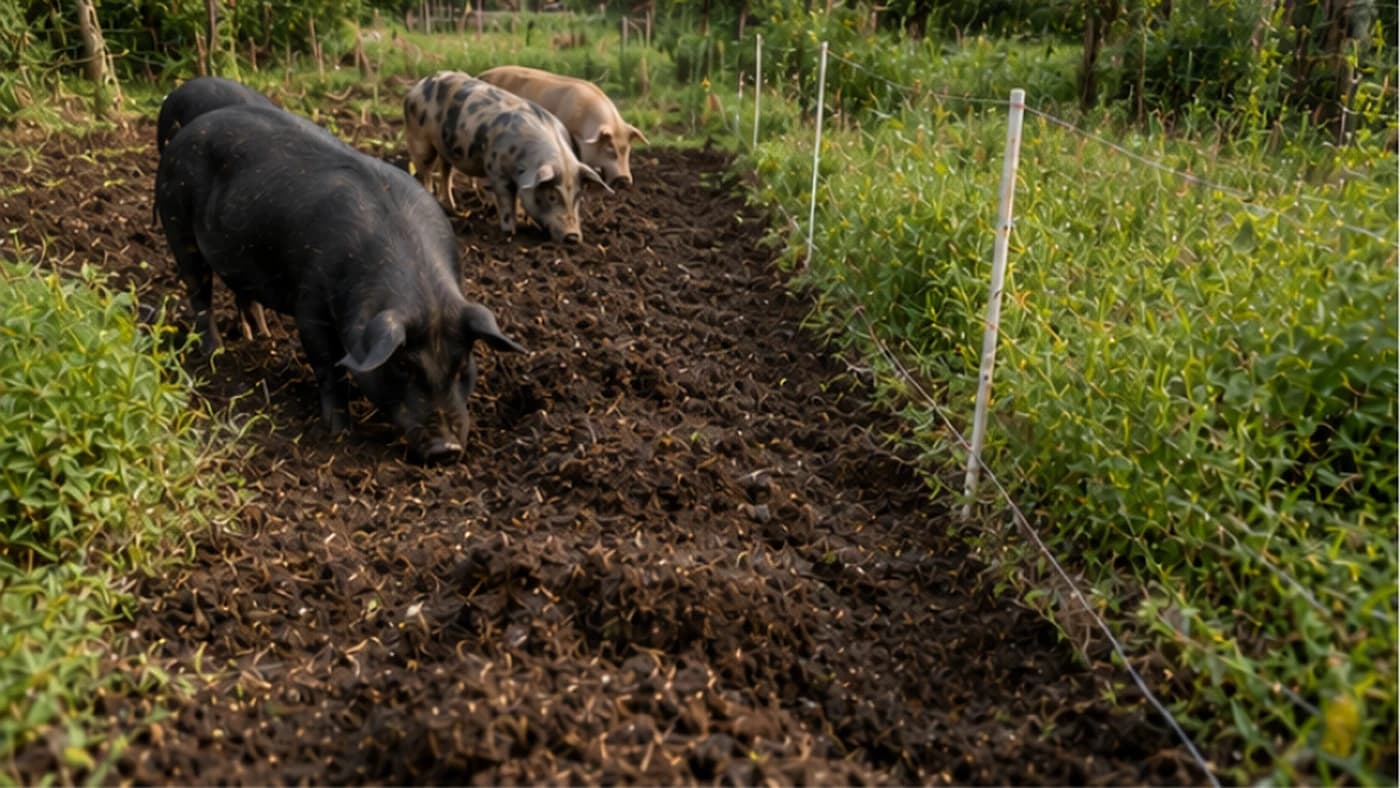
A pig's urge to root through the ground for grubs and roots is usually treated as a problem to fence away from the vegetable patch. Turned around and pointed at the right spot, it is a free tillage service — pigs break up compacted soil, eat weed roots and pests, and fertilise as they go, all without a drop of diesel.
Why pigs till so well
A pig's snout is essentially a natural chisel plough, capable of turning heavy sod and reaching depths an ordinary tiller can't manage. The method is simple: confine pigs to a specific plot for a set period until the ground is thoroughly worked, using a portable pen (a "pig tractor") that concentrates their effort on a small, manageable area rather than letting them roam an entire field.
In that confined space, pigs don't just stir the soil — they eat weed seeds, dig out invasive root systems, and deposit nitrogen-rich manure exactly where your next crop will need it. Because they also expose pest larvae hiding underground to air and to their own keen sense of smell, tillage by pig breaks pest cycles as well as weed cycles.
Getting the mechanics right
When a pig finds a buried weed root, it doesn't just cut it the way a tiller blade does — it excavates and eats the whole root system, which is the key to actually ending the weed rather than multiplying it (a metal blade chops roots into pieces that can each regrow). A pig tractor is typically moved every few days to a couple of weeks depending on how tough or compacted the ground is.
Soil moisture matters a great deal: soil that's too dry is hard for pigs to break into, while soil that's too wet leads to pugging — deep, compacted ruts from their weight. Aim to till when the soil is at moderate moisture, and the goal is soil left crumbly and aerated, not a muddy mess.
What you gain over a mechanical tiller
- No fuel cost: pigs run on the weeds and grubs they're removing, not diesel or petrol.
- Better soil structure: mechanical tillers often create a compacted "plough pan" just below blade depth, while pigs root at varying depths and avoid this, and their manure is worked directly into the profile rather than sitting on top.
- Real weed control: pigs eat perennial weed roots whole, ending the plant, whereas a tiller blade merely chops roots into fragments that can each sprout again.
- Live fertilisation: manure and urine are deposited and mixed into the soil as the pigs work, rather than washing away before it's incorporated.
Challenges to manage
Over-tilling is the most common beginner mistake — leave pigs on a small plot too long and they'll grind the soil into fine dust or a deep mud pit, damaging soil biology and risking erosion. Check progress daily and move the pigs as soon as the ground is broken.
Pigs are intelligent and will test a fence daily, so reliable electric fencing is non-negotiable, and training pigs to respect the fence in a secure area before moving them to the garden site is an essential first step. In wet weather, keep a backup sacrifice area ready, since a garden bed should never be allowed to turn into a wallow — excess moisture plus pig traffic leads to severe compaction and sour soil. Keeping pigs moving with plenty of straw or wood-chip bedding also keeps odour to a minimum for you and your neighbours.
Where this method doesn't fit
Steep slopes are not suitable — disturbed soil plus animal weight can trigger serious erosion, so this method works best on flat or gently rolling ground. It's also a seasonal, small-scale tool rather than an on-demand one: a quarter-acre kitchen garden or small market plot is a great fit, but prepping many acres of field crops with pigs needs a large number of animals and heavy fencing infrastructure, which usually isn't practical.
The manure waiting period — a food-safety essential
Pig manure can carry pathogens such as E. coli and Salmonella, so you cannot simply move the pigs out and sow lettuce the next day. A widely used food-safety guideline recommends waiting around 120 days between raw manure exposure (or removing the pigs) and harvesting root vegetables, leafy greens, or other crops that touch the soil, and around 90 days for crops that don't touch the ground, like trellised tomatoes or fruit trees.
This waiting period gives soil microbes and sunlight time to break down any pathogens naturally. It makes autumn an ideal time to till with pigs, since by the time spring crops are ready to harvest, the safety window has comfortably passed. Use the waiting period productively by sowing a cover crop, which protects the soil from erosion and adds organic matter of its own.
Practical tips for success
Train pigs to an electric fence in a secure permanent pen first — once they learn the wire delivers a shock, they'll respect even a lightweight temporary fence around the garden plot. Scattering a little grain or fermented feed over a stubborn patch of sod encourages pigs to dig deeper exactly where you want them to work.
Always provide shade and fresh water that moves with the pigs into each new paddock — an overheated or thirsty pig stops working and starts looking for a way out. And test soil moisture with a simple squeeze: if a handful forms a ball that doesn't crumble, it's too wet to till, and the pigs should be moved to a sacrifice area until it dries.
A worked example: clearing a weed-choked patch
Picture roughly 180 sq. m of ground overrun with thick sod and stubborn perennial weeds — the kind of job that leaves you with an even thicker weed problem after a walk-behind tiller chops the roots into pieces. Using two feeder pigs and a movable electric-fenced paddock of about 6 x 6 m, the pigs strip the surface vegetation within 48 hours and are digging out weed roots by day five.
Moving the fence to the next section takes about 30 minutes; repeating the process across the full plot over roughly a month leaves the entire area tilled 20–30 cm deep, the weeds gone, and the soil fertilised — after which a cover crop is sown to hold the soil until the manure waiting period has passed.
Frequently asked
How is using pigs to till different from a mechanical rototiller?+
Pigs eat weed roots whole (ending the plant) rather than chopping them into fragments that regrow, they don't create the compacted plough pan a tiller blade leaves behind, and they fertilise as they work — but it takes days to weeks rather than hours.
How long should I wait before harvesting food crops after pigs have tilled?+
A commonly used food-safety guideline is around 120 days for crops that touch the soil (root vegetables, leafy greens) and around 90 days for crops that don't (trellised tomatoes, fruit trees), counted from when raw manure exposure or the pigs' presence ends.
What size plot works best for pig tillage?+
Small to medium plots — a kitchen garden or a small market-farm patch of up to a few hundred square metres — are the sweet spot. Large field-scale tilling would need an impractical number of animals and fencing.
How do I stop pigs from over-tilling a plot?+
Check the ground daily and move the paddock fence as soon as the sod is broken and the soil looks aerated. Leaving pigs too long on one spot grinds soil into dust or mud and damages soil biology.
What's the biggest safety risk with pig tillage?+
Fence escapes and pathogens in fresh manure are the two main risks. Use reliable electric fencing trained in a secure area first, and always respect the manure waiting period before harvesting food crops from the tilled plot.
Where to go next
Want this as daily tasks for your farm?
Khetiyaar turns guides like this into a day-by-day plan — in your language, free to start.

Related guides
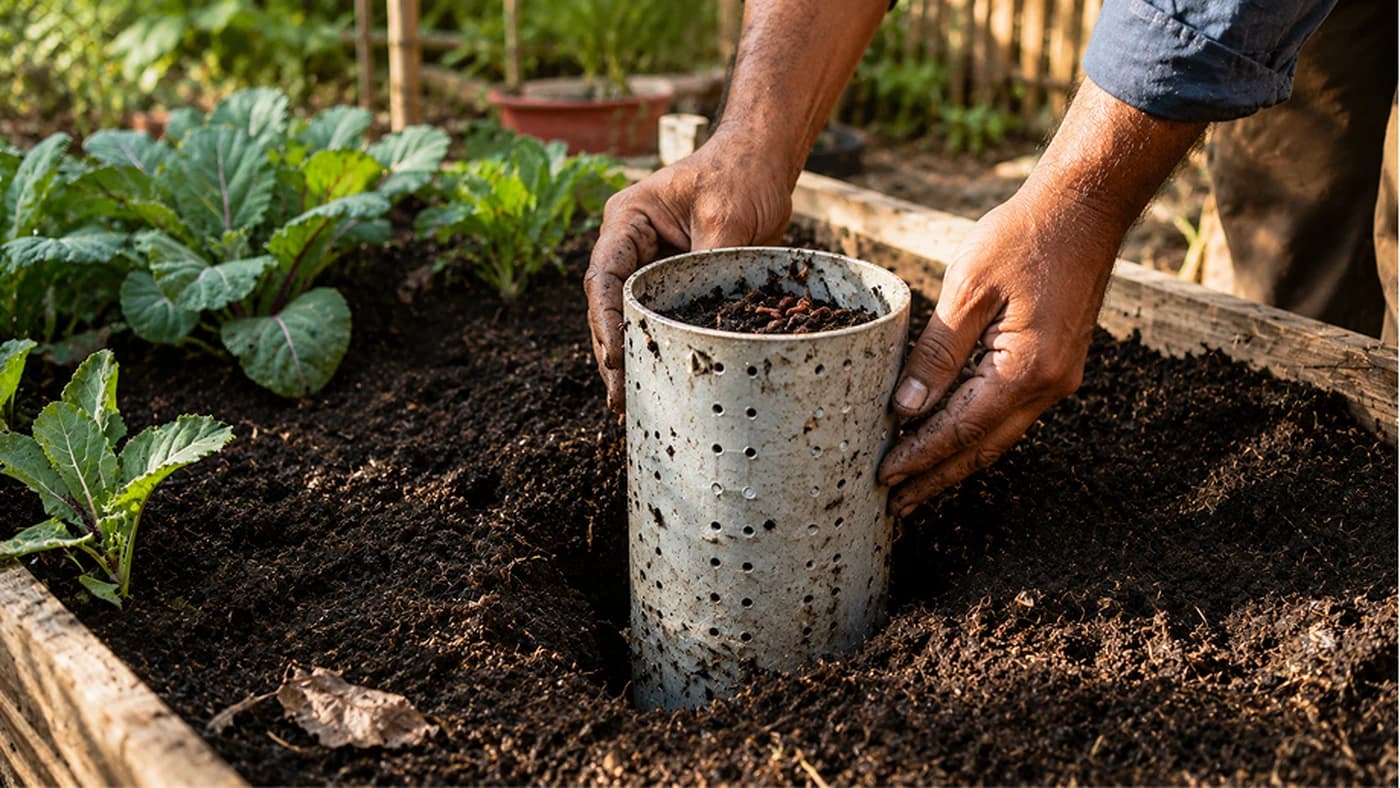
How to Build a Garden Worm Tower for Free, In-Bed Composting
Stop hauling kitchen scraps to a distant bin and hauling compost back months later. A buried worm tower lets worms process waste right where your plants are growing.
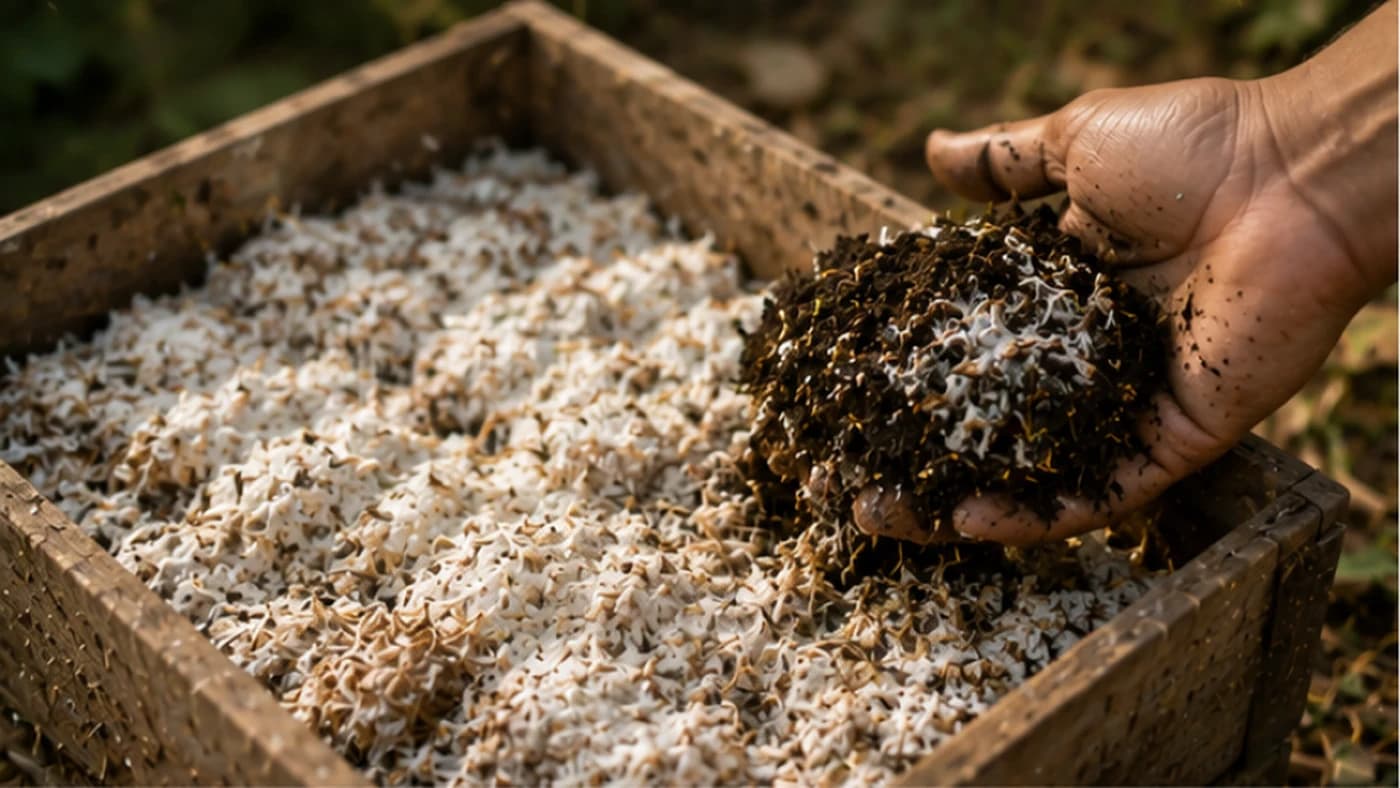
Native Microbial Soil Inoculation: Growing Your Own Living Fertiliser From Forest Soil
A healthy forest has never seen a bag of fertiliser, yet it out-produces most farms. Learn how to capture wild, local microbes from a nearby forest and turn them into a near-free biological fertiliser for your field or garden.
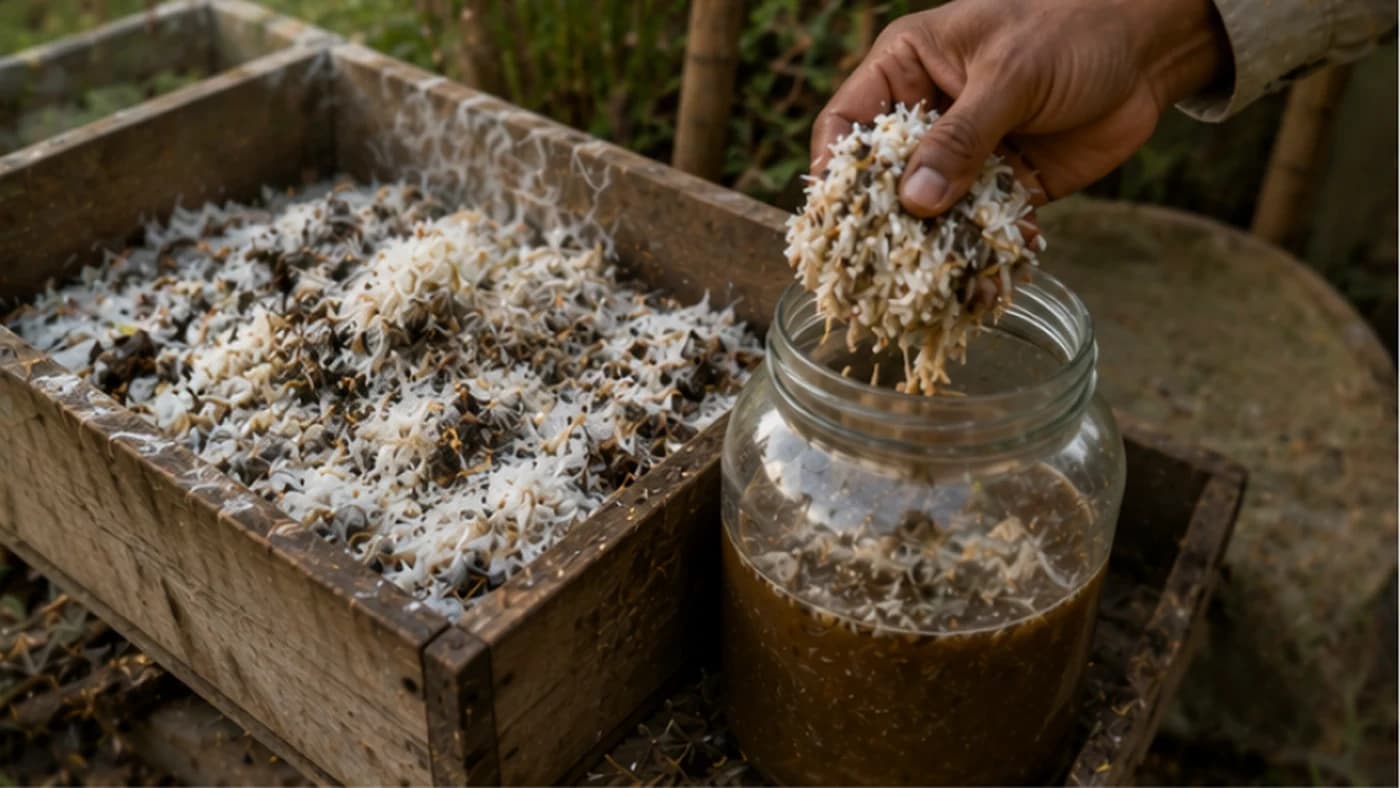
Indigenous Microorganisms (IMO): Turn Your Own Land Into Living Soil
Store-bought soil is often biologically dead and needs constant chemical feeding. Indigenous Microorganisms — the same idea behind Korean Natural Farming and India's own Zero Budget Natural Farming — let you capture your local forest's microbes and turn any field or garden bed into a self-sustaining biological engine.