

Terra Preta: The 2,000-Year-Old Soil That Gets More Fertile With Age
Ancient Amazonian farmers built soil that is still 10x more fertile than the surrounding land 2,000 years later — using biochar, organic waste and minerals. Here's how to build a modern version in your own field.
Quick answer
Terra Preta is proof that some of the best soil technology is thousands of years old, not newly invented. Charring crop residue into biochar, charging it properly with compost or manure before use, and mixing it with mineral additives builds a soil that holds water and nutrients far better than untreated soil — and keeps improving for years instead of resetting every season. The one step you cannot skip is charging the char first; skip it, and fresh biochar will rob your crop of nitrogen instead of feeding it.
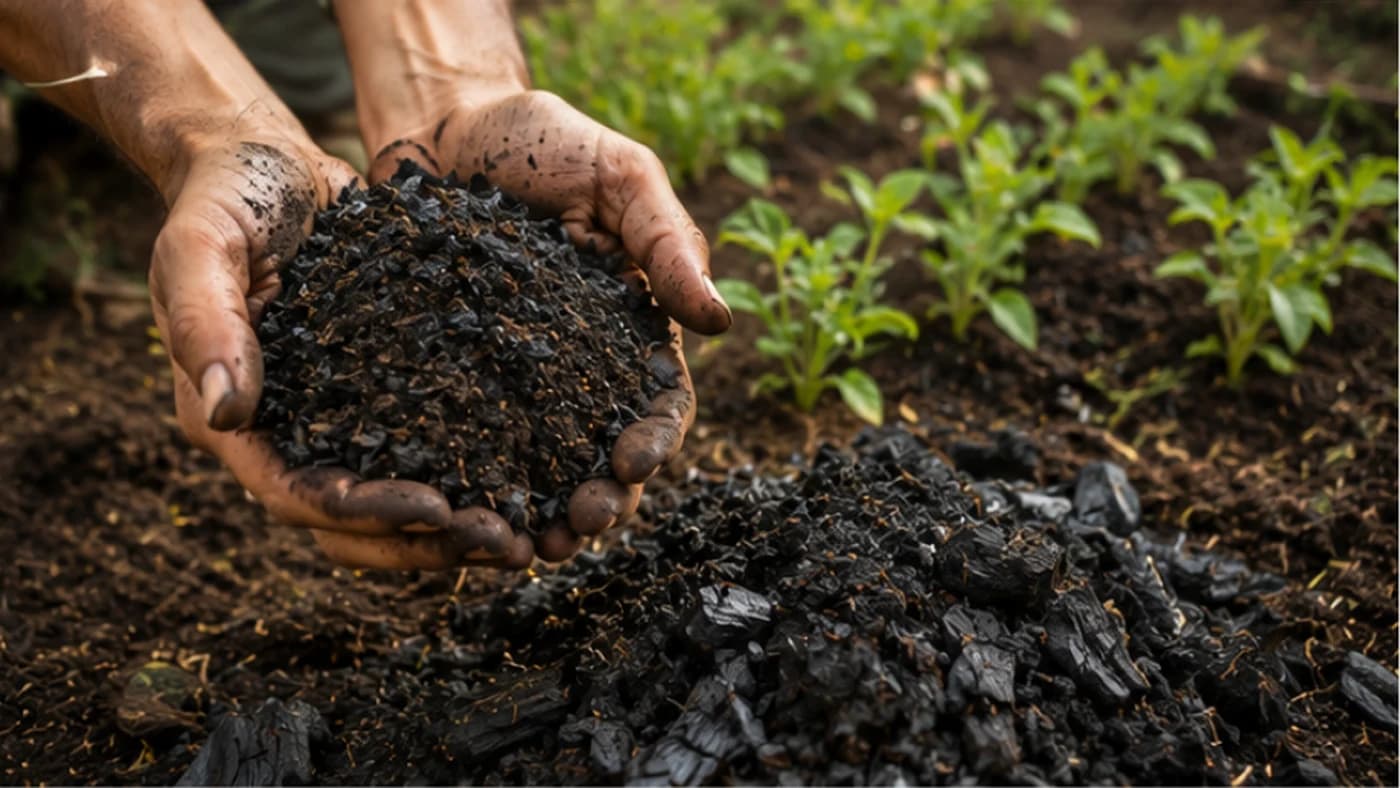
Most soil gets weaker every season unless you keep feeding it. Two thousand years ago, farmers in the Amazon basin built a soil that does the opposite — it gets richer with age. By combining charcoal, organic waste and mineral additives, they created what is now called Terra Preta, or Amazonian Dark Earth: patches of black, carbon-rich soil that remain 10 times more fertile than the surrounding red clay even today. The core ingredient — biochar — is something any Indian farmer with crop residue and a way to char it can make and use today, without needing rainforest conditions.
The core idea: charcoal as a permanent nutrient house
Ordinary organic matter and compost break down and disappear from soil within a few seasons. Charcoal, called biochar in this context, does not decompose — it is a stable, highly porous carbon skeleton with an enormous internal surface area (a single gram can have a surface area equivalent to a small warehouse). This porous structure gives it a high capacity to hold onto positively charged nutrients like potassium, calcium and magnesium, and gives shelter to the beneficial soil microbes that make nutrients available to plant roots. Because the carbon itself is stable, this effect can last for centuries rather than one growing season.
The right kind of biochar
Not all charcoal works. You want low-temperature char, made by heating organic material (crop residue, wood) in a low-oxygen environment (pyrolysis) at roughly 400–500°C. At this temperature, the char keeps some organic compounds that feed soil bacteria while the carbon structure stays stable. Avoid ordinary ash from an open fire and avoid commercial BBQ charcoal briquettes, which often contain binders that harm soil microbes — you want char, not ash: char retains carbon structure, while ash is mostly minerals that wash away quickly.
The critical step almost everyone skips: charging the char
Raw, uncharged biochar is like a dry sponge — if you mix it straight into your soil, it will pull nitrogen away from your plants rather than feeding them, causing stunted, yellowing growth in the first season. Before use, biochar must be inoculated (charged) by soaking it in a nutrient-rich liquid for at least 2–4 weeks — a 50/50 mix of compost and water, aged manure slurry, or even diluted urine (a free, sterile, nitrogen- and phosphorus-rich option) all work. Only add biochar to soil after this charging step.
Step-by-step: building a Terra Preta bed
1) Produce or source clean biochar from crop residue or wood, avoiding chemically treated waste. 2) Crush it to a range of sizes from dust to pea-sized pieces — smaller pieces colonise with microbes faster, and a mix of sizes gives varied pore spaces. 3) Charge it by soaking in compost tea, manure slurry, or diluted urine for 2–4 weeks. 4) Add minerals: roughly 1.5 kg of rock dust or bone meal per 100 litres of char boosts phosphorus and trace minerals. 5) Mix the charged, mineral-enriched char into your topsoil at 10–20% by volume, working it into the top 5–10 cm of soil.
What this genuinely gives you
Unlike compost, which needs reapplying every year, the carbon in a Terra Preta-style bed stays in the soil for a very long time, so the improvement compounds rather than resetting each season. Farmers typically see reduced need for repeat fertiliser application (because nutrients are held rather than washed away), noticeably better water retention during dry spells, and — over a few seasons — a visible shift in soil colour toward dark brown as organic carbon builds up.
Where to be careful
This is not an instant fix. In cooler climates or during the cooler months, the microbial activity needed to fully integrate the char is slower, so full benefits may take two or three growing seasons to show. Biochar is often mildly alkaline — good for typically acidic tropical soils, but if your soil already tests highly alkaline, adding large amounts could push pH too high, so test your soil before a large-scale application.
Terms explained in this guide
Frequently asked
What is Terra Preta and why does it stay fertile for so long?+
It's a dark, carbon-rich soil first created by ancient Amazonian farmers using biochar, organic waste and minerals. The stable carbon in biochar doesn't decompose like ordinary compost, so it holds onto nutrients and water for centuries rather than a single season.
Can I make biochar from my own crop residue?+
Yes — heat crop residue or wood in a low-oxygen environment (a pit or simple kiln) at roughly 400–500°C to produce char rather than ash. Avoid burning it in open air with plenty of oxygen, which produces ash with little of the porous carbon structure you need.
Why do I need to 'charge' biochar before adding it to soil?+
Raw biochar is highly absorbent and will pull nitrogen out of your soil to fill its own pores, starving nearby plants. Soaking it in compost tea, manure slurry, or diluted urine for 2–4 weeks first fills those pores with nutrients so it feeds your soil instead of robbing it.
How much biochar should I mix into my soil?+
A common recommendation is 10–20% by volume, worked into the top 5–10 cm of soil, after the char has been fully charged with nutrients.
Does Terra Preta work in all soil types?+
It helps most in soils that are naturally acidic, sandy, or nutrient-poor. If your soil already tests highly alkaline (pH 8.0 or above), add biochar carefully and in smaller amounts, since it is often mildly alkaline itself and could push pH too high for some vegetables.
Where to go next
Want this as daily tasks for your farm?
Khetiyaar turns guides like this into a day-by-day plan — in your language, free to start.

Related guides
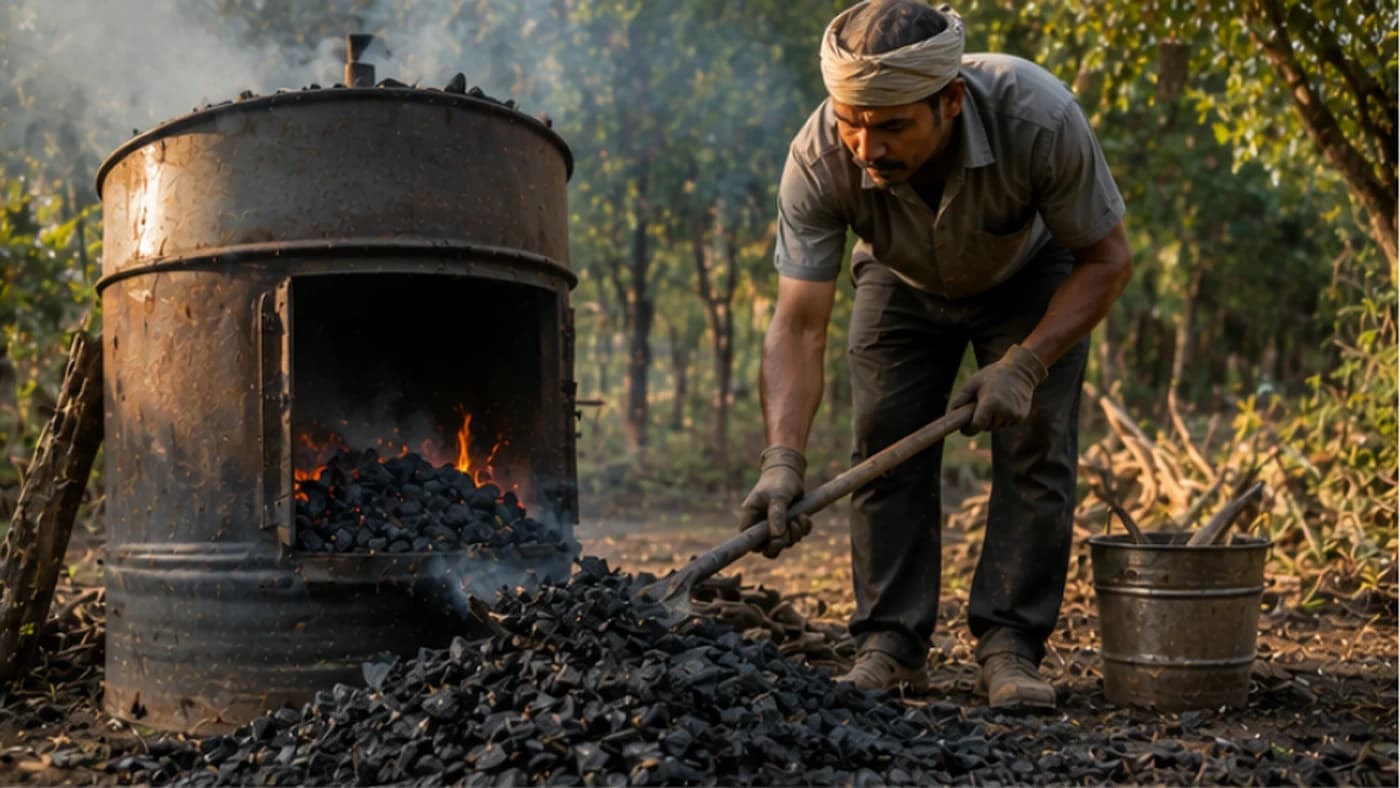
How to Make Biochar for Soil: A Permanent Upgrade for Your Farm
Burning crop waste releases its carbon into the air. Turning it into biochar locks that carbon into your soil instead — building fertility that can last for centuries, not seasons.
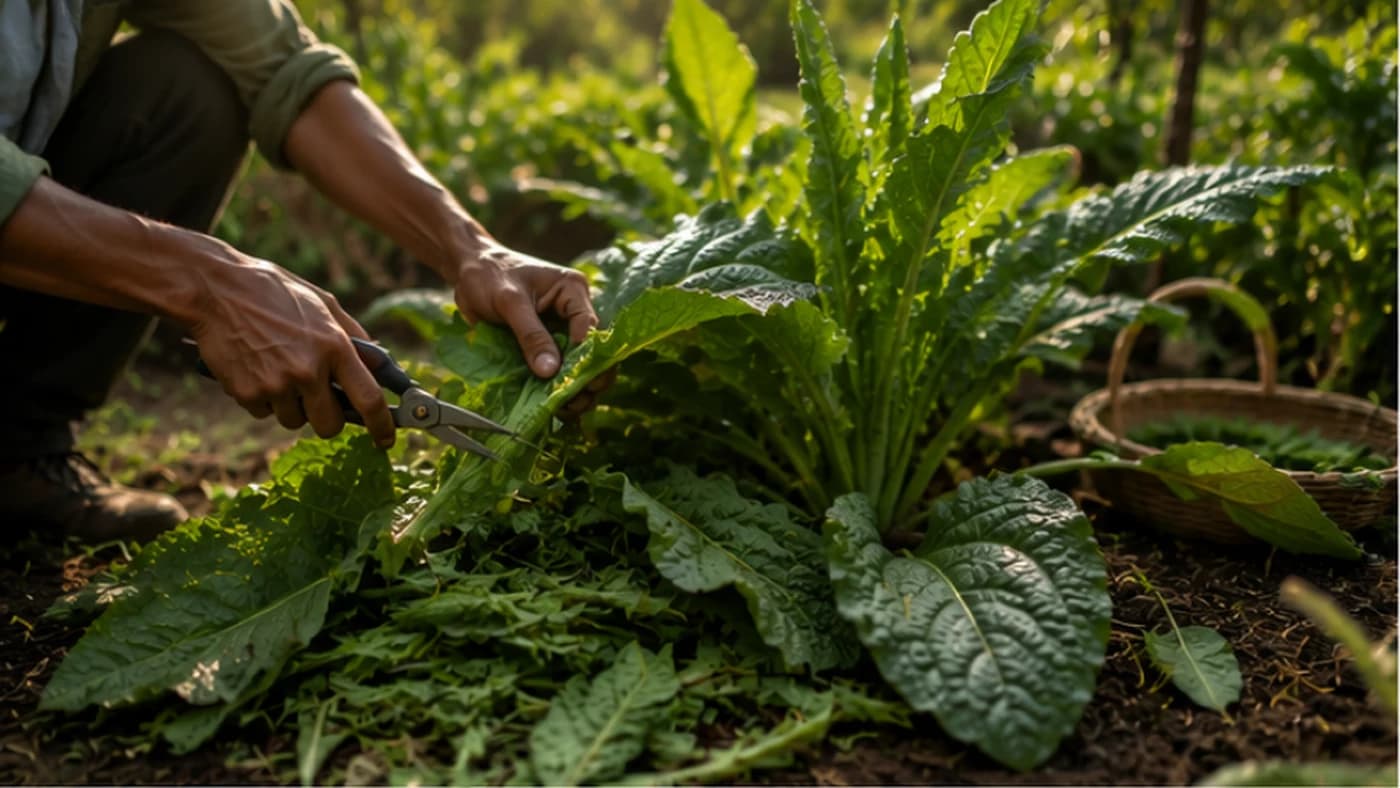
Dynamic Accumulator Plants: Free Fertiliser Mining From Deep Below Your Field
Most crop roots barely reach 30–45 cm down, while a store of potassium, calcium and other minerals often sits much deeper, out of reach. Deep-rooted 'accumulator' plants act as a biological elevator that brings those minerals up for free.
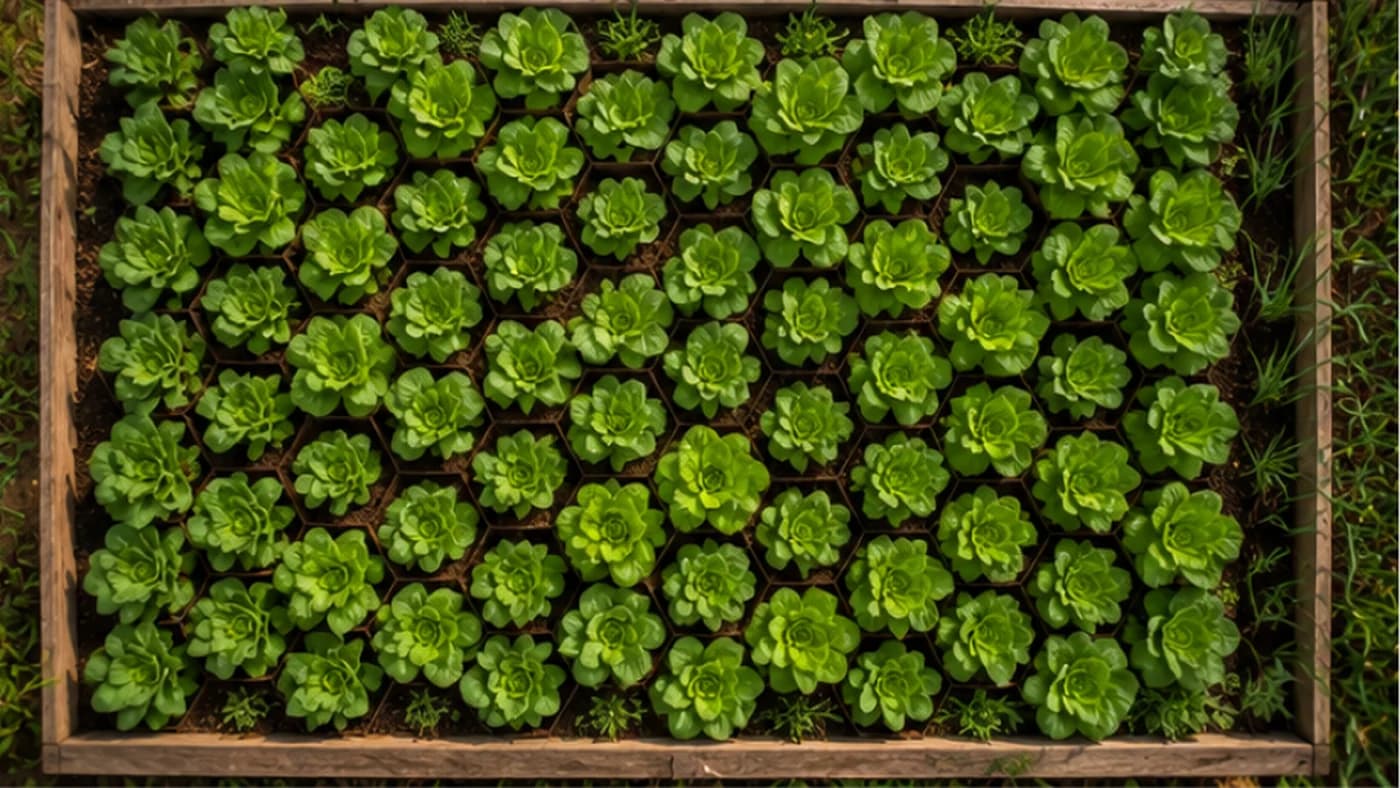
Hexagonal Spacing: Fit 15% More Plants in the Same Bed and Stop Weeding
Plant in a staggered triangle pattern instead of straight rows and the leaves close into a canopy that shades out weeds on its own — 10-15% more plants per bed, far less watering, and far less hoeing.