

Integrated Pest Management (IPM) for Indian Farms
IPM doesn't mean 'no chemicals' — it means 'chemicals last'. Done well, it cuts spraying costs and stops pests becoming resistant to your sprays.
Quick answer
IPM is a step-by-step strategy: prevent first, monitor closely, use natural controls, and spray only as a last resort when pests cross the threshold — rotating chemicals to avoid resistance. It lowers your costs, protects your health and helpful insects, and keeps your crop protected for the long term.
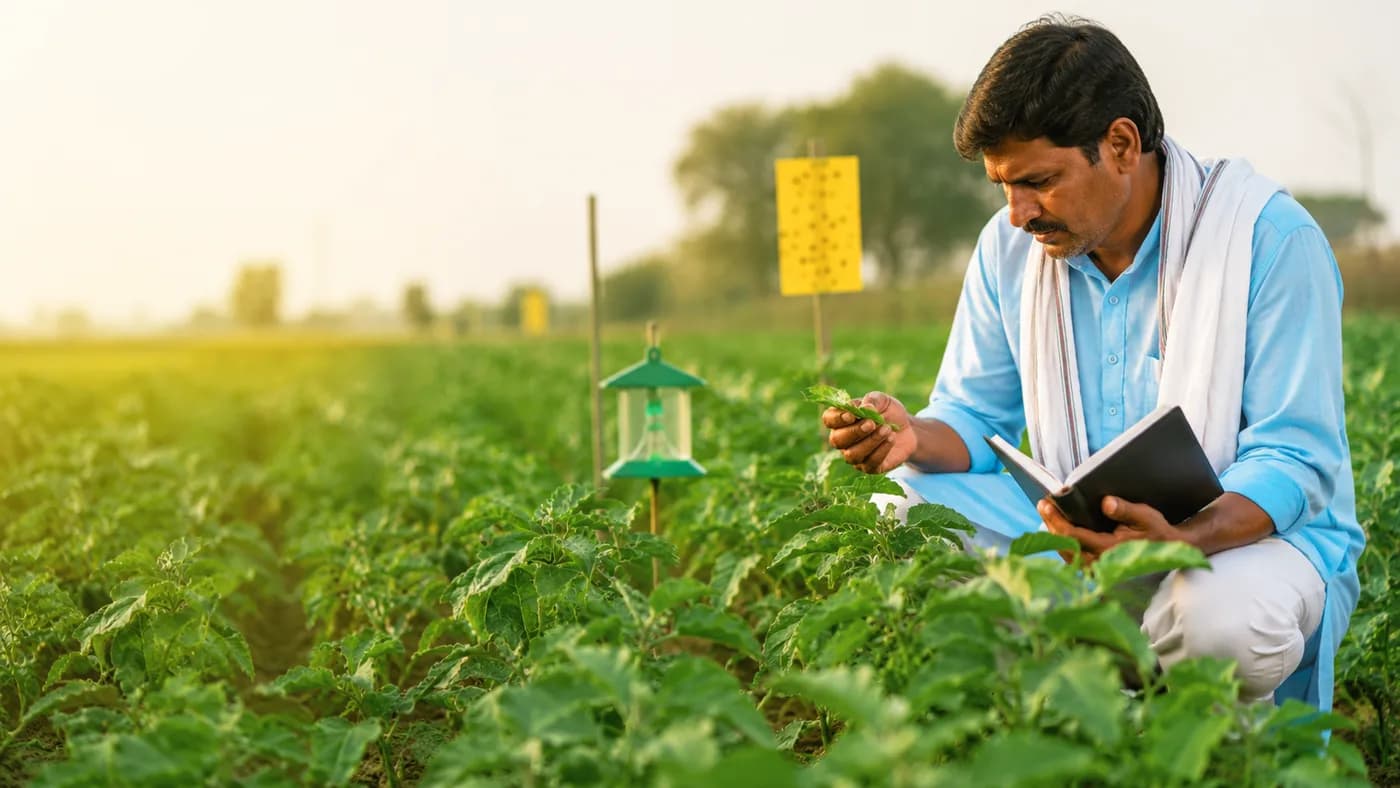
Integrated Pest Management, or IPM, is often misunderstood as “no chemicals.” In truth it means “chemicals last, and only when truly needed.” Done well, IPM cuts your spraying costs, protects your health and beneficial insects, and stops pests from becoming resistant to the sprays you rely on.
The IPM ladder
IPM works like a ladder, where you climb to chemicals only after the lower steps are exhausted. The first step is prevention: resistant varieties, healthy soil, crop rotation, clean fields and correct spacing all reduce pest problems before they start. The second step is monitoring: scout your fields weekly, use traps, and learn the economic threshold — the pest level at which control finally pays for itself. The third step is non-chemical control: natural enemies, neem, traps and hand-picking. Only when pests cross the threshold do you take the final step and spray, treating just the affected area with the right product.
Why the threshold matters
Many farmers spray at the first insect they see. This wastes money, kills the helpful predators that would have controlled the pest for free, and speeds up resistance. By waiting until the pest crosses its economic threshold, you often find you never need to spray at all — and when you do, it is far more effective.
Rotate modes of action
Using the same chemical again and again breeds pests that are immune to it. Rotating between different chemical groups ensures no pest gets used to a single product, keeping your sprays working for longer.
Keep records
Note which pest appeared, when, and what worked against it. Over a few seasons these records let you anticipate problems and act earlier and more cheaply each year.
Terms explained in this guide
Frequently asked
What is Integrated Pest Management?+
A strategy combining prevention, monitoring and targeted control, using pesticides only as a last resort when pests cross an economic threshold.
Does IPM save money?+
Yes — by reducing unnecessary spraying and preventing resistance, it lowers input costs while protecting yield.
What is an economic threshold?+
The pest level at which the cost of control is justified by the damage prevented; below it, spraying is not worth it.
Where to go next
- Kheti app for Indian farmersCrop plans, disease diagnosis, weather and mandi rates in one app.
- AI farming chatbotAsk any farming question in Gujarati, Hindi or English and get an answer in seconds.
- Agri Bazar marketplaceBuy and sell animals, crops, equipment and dairy near you — and see what buyers want today.
Want this as daily tasks for your farm?
Khetiyaar turns guides like this into a day-by-day plan — in your language, free to start.

Related guides

Natural vs Chemical Pesticide: Which to Use, When, and What Each One Costs You
One kills fast and takes your beneficial insects with it. The other works slowly but keeps working season after season. Here is an honest comparison of natural vs chemical pesticide — and the framework for deciding which belongs in your sprayer this week.
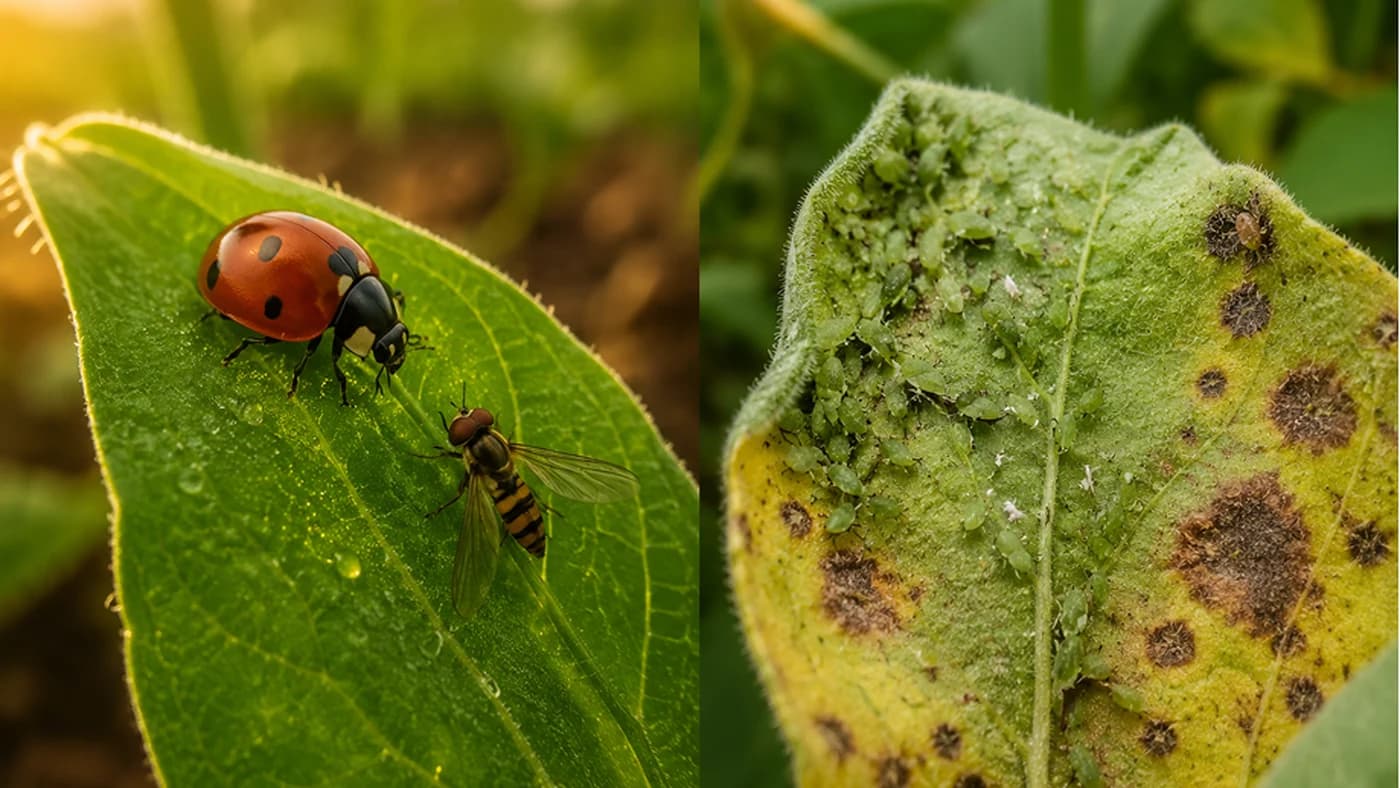
Good Insects vs Bad Insects in Your Farm and Garden — Plus How to Identify Common Crop Diseases
Not every insect in your field is an enemy — most are neutral, and some are your best free workers. A full visual guide to the beneficial insects worth protecting, the pest insects worth acting on, and the diseases behind common crop symptoms.
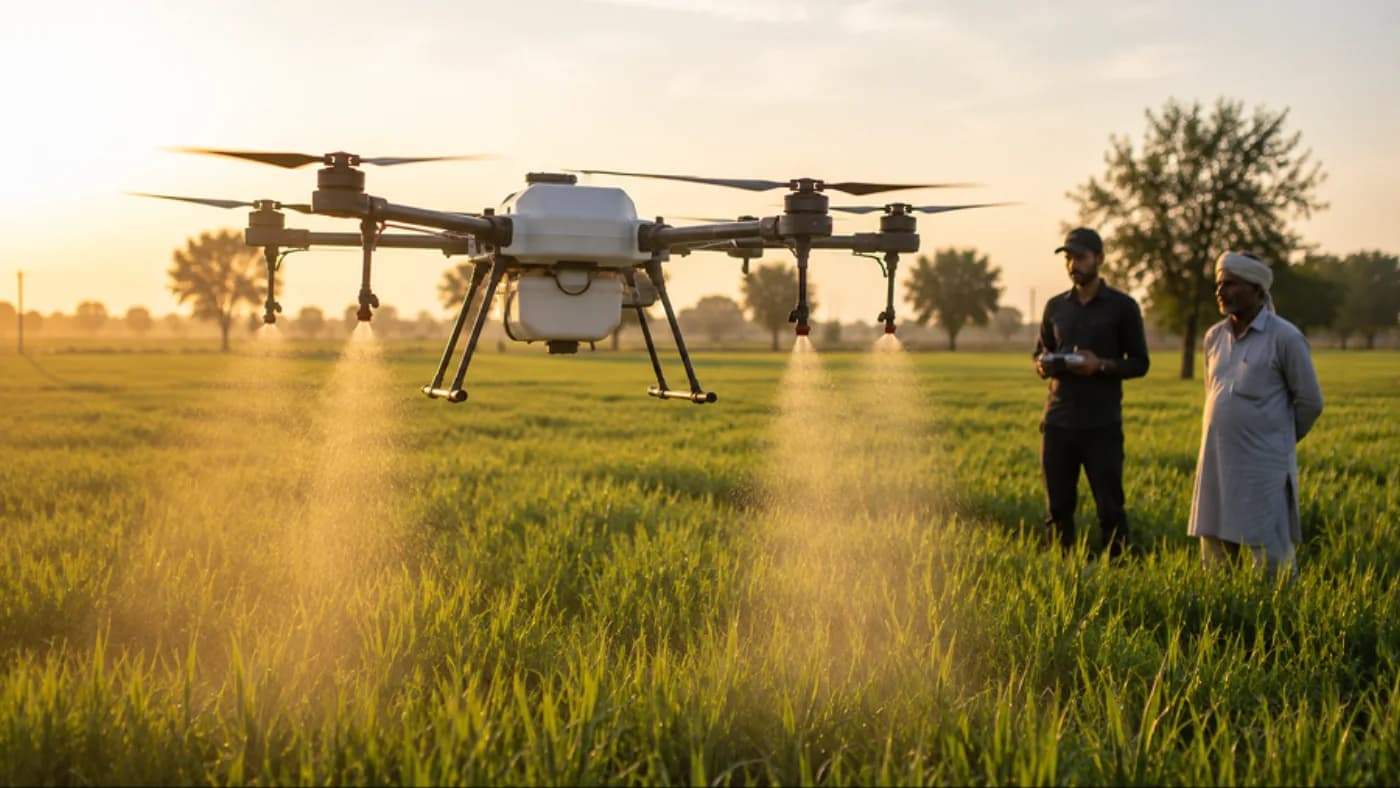
Kisan Drone Subsidy and Drone Spraying in 2026: Costs, Rules and Whether It Pays
Agricultural drones cut spraying from hours to minutes per acre, and subsidies go as high as 80 per cent for women's self-help groups. But buying one is rarely the right move for an individual farmer. Here is the honest arithmetic.