

Rabbit Urine as Fertiliser: The Free Liquid Boost Most Rabbit Keepers Waste
Rabbit keepers usually save the manure and let the urine drain away — but the urine carries the fast-acting, water-soluble nitrogen your vegetables need most during their peak growth. Diluted correctly, it works like a free liquid feed.
Quick answer
If you already keep rabbits, you're likely wasting a genuinely potent, fast-acting fertiliser every day. Set up a simple collection tray, dilute properly (1:10 for soil, 1:15-1:20 for leaves), apply in the cool of morning or evening, and test on one plant before scaling up — a small rabbitry can meaningfully cut what you spend on liquid feed for a home garden.
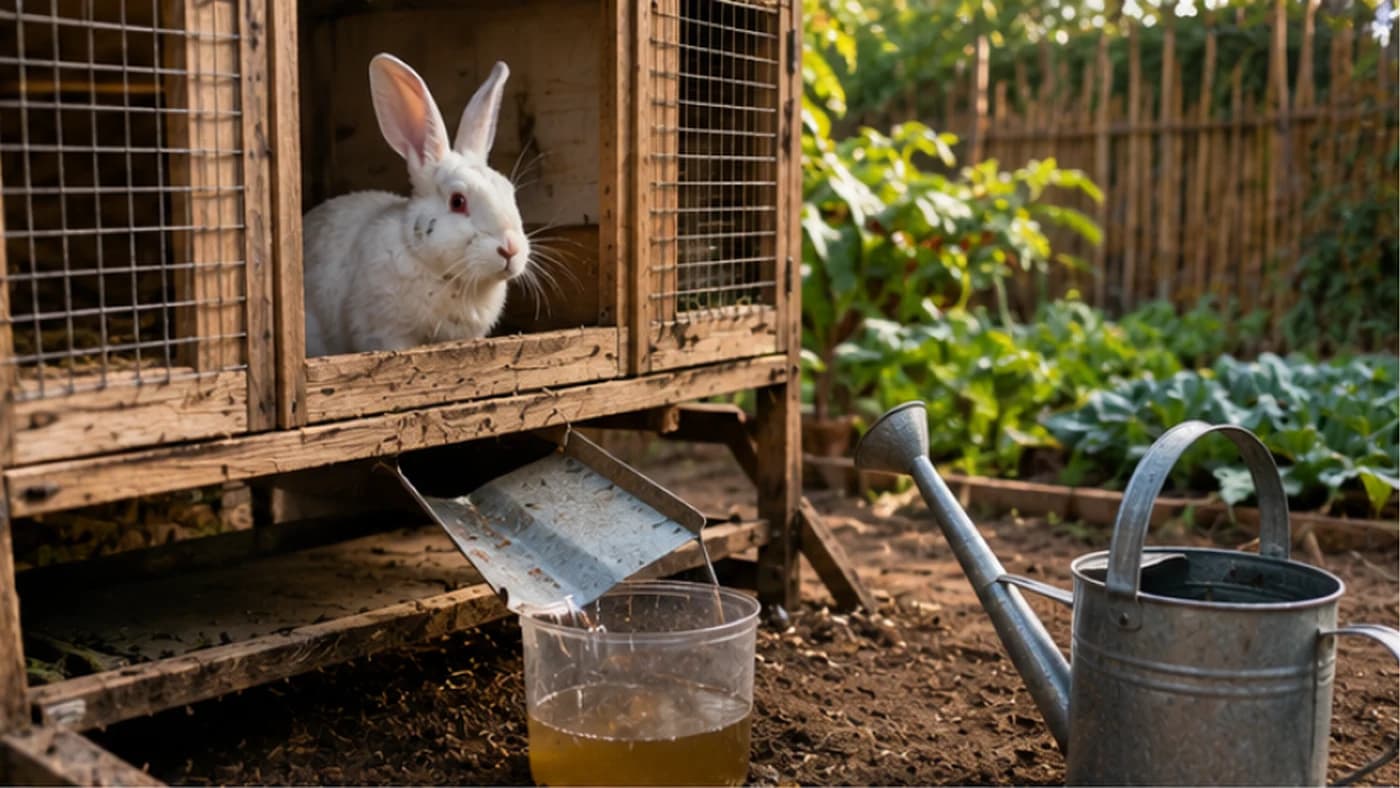
If you keep rabbits, you already know their manure is valuable — it's one of the few manures safe to use fresh. But most of the nitrogen a rabbit produces leaves as urine, not manure, and that's usually left to soak away and evaporate. Rabbit urine is unusually concentrated in nitrogen, phosphorus and potassium, and unlike composted manure, its nutrients are already water-soluble — meaning your plants can use them almost immediately.
What makes rabbit urine so potent
Analysis has shown rabbit urine can carry up to about 2.72% nitrogen, 1.1% phosphorus and 0.5% potassium — often higher than cow or goat urine — and because these nutrients are already water-soluble, plants don't need to wait for microbial breakdown to access them. Applied to soil or leaves, the nitrogen kicks off rapid chlorophyll production and vegetative growth, which makes it especially useful for heavy nitrogen feeders like maize and leafy greens.
It's also naturally alkaline, often around pH 8.5, which is handy for neutralising the acidic soil common on many plots. And its strong ammonia smell and salt content give it a secondary use as a natural deterrent against soft-bodied pests like aphids and whiteflies.
Setting up collection
Most standard hutch floors let waste fall straight through onto bare ground, where the urine simply soaks away. To capture it, angle a slanted tray or corrugated sheet beneath the cage so liquid drains into a central gutter or collection container — a sealed bucket works fine for a small setup.
Filter the collected liquid through a fine mesh or cloth before using it in a sprayer, since hair, hay dust and manure particles will otherwise clog the nozzle. Store it in an opaque, airtight container in a cool, dark place — light and air both degrade the nitrogen — though using it fresh generally gives the strongest result.
The dilution rule that matters most
Undiluted rabbit urine is concentrated enough to burn roots and leaves within hours, so dilution isn't optional. For soil drenching around established plants, use 1 part urine to 10 parts water. For foliar spraying directly on leaves, go weaker still — 1:15 to 1:20 — and always use the most diluted mix for seedlings and young transplants. Rainwater is a better diluent than chlorinated tap water, since chlorine can harm the soil microbes you're trying to feed.
Why it's worth the effort
Speed is the main advantage over composted manure: instead of releasing nutrients over months, rabbit urine gives a visible nitrogen boost — deeper green leaves, faster growth — within days. It's also essentially free once you have rabbits, and regular foliar spraying is reported by many growers to reduce aphid, whitefly and mite pressure, thanks to the salts and smell it leaves on leaf surfaces.
Common mistakes and their fixes
Odour is the main day-to-day issue — fresh urine smells faint, but as it sits the urea converts to ammonia and the smell sharpens, so collect daily and keep storage sealed. Salt buildup is a slower risk, especially in dry climates or poorly drained containers, so periodically flush the soil with plain water to wash excess salts through. And never spray in the heat of the day — the salts left behind as water evaporates quickly can scorch leaves; always apply in early morning or evening instead.
What it can't do on its own
Rabbit urine is nitrogen-strong but doesn't provide enough phosphorus for heavy flowering or enough potassium for ripening large fruit, so treat it as part of a broader soil plan, not a complete fertiliser. Heavy rain washes the water-soluble nitrogen through before roots can use it, so skip applying just before expected downpours, and go easy during drought since a nitrogen boost can stress an already water-stressed plant. And realistically, a small backyard rabbitry supplies enough urine for a backyard garden — not for covering multiple acres, which would need dedicated plumbing and storage at a scale most small setups don't need.
Getting more precise with it
Always test a new batch on a single plant first, since concentration varies with what your rabbits are eating. Spray in the early morning or late evening, when the stomata (the pores on leaves) are open widest, for maximum absorption. If your compost pile has stalled from too much carbon-rich brown material, a splash of undiluted urine acts as a strong activator, kickstarting decomposition within a day.
Match dilution to the plant family: nitrogen-hungry brassicas (cabbage, cauliflower) and grains (maize) can handle a slightly stronger mix, while tomatoes and peppers need nitrogen for growth but should get a weaker dilution once fruit starts setting, since too much nitrogen at that stage produces lush leaves and little fruit. If you're using an aquaponics system, be very cautious — the ammonia in rabbit urine can be toxic to fish unless your biofilter is already handling it well; it's generally safer kept to soil-based growing.
A mid-season example
Picture a row of maize at knee height (about 45 cm) — exactly the aggressive growth stage where it's hungriest for nitrogen. A soil drench of 1:10 diluted rabbit urine along the base of the stalks, avoiding direct stem contact, often shows visibly darker, greener leaves and a faster growth rate within a week. For a pest problem instead — aphids on your greens, say — a 1:15 foliar spray coating both sides of the leaves in the early morning feeds the plant while leaving a salty residue that discourages the aphids from settling back in.
Frequently asked
How concentrated is rabbit urine compared to other manures?+
It typically carries higher nitrogen, phosphorus and potassium than cow or goat urine — up to roughly 2.72% nitrogen, 1.1% phosphorus and 0.5% potassium — and because it's water-soluble, plants can use it almost immediately rather than waiting for it to break down.
What's the correct dilution ratio?+
1 part urine to 10 parts water for soil drenching around established plants; 1:15 to 1:20 for foliar spraying or for seedlings, which are far more sensitive to the concentration.
Does rabbit urine really repel pests?+
Many growers report reduced aphid, whitefly and mite pressure with regular diluted foliar spraying — the salts and ammonia scent left on leaf surfaces make the environment less inviting for soft-bodied insects.
Can I use it on tomatoes?+
Yes, but reduce the dilution strength once fruit starts to set — heavy nitrogen at that stage encourages leafy growth at the expense of fruit.
Is there a downside to using it too often?+
Yes — salts can build up in the soil over time, particularly in dry climates or poorly drained containers, so periodically flush the soil with plain water and don't treat it as your only fertiliser input.
Where to go next
Want this as daily tasks for your farm?
Khetiyaar turns guides like this into a day-by-day plan — in your language, free to start.

Related guides
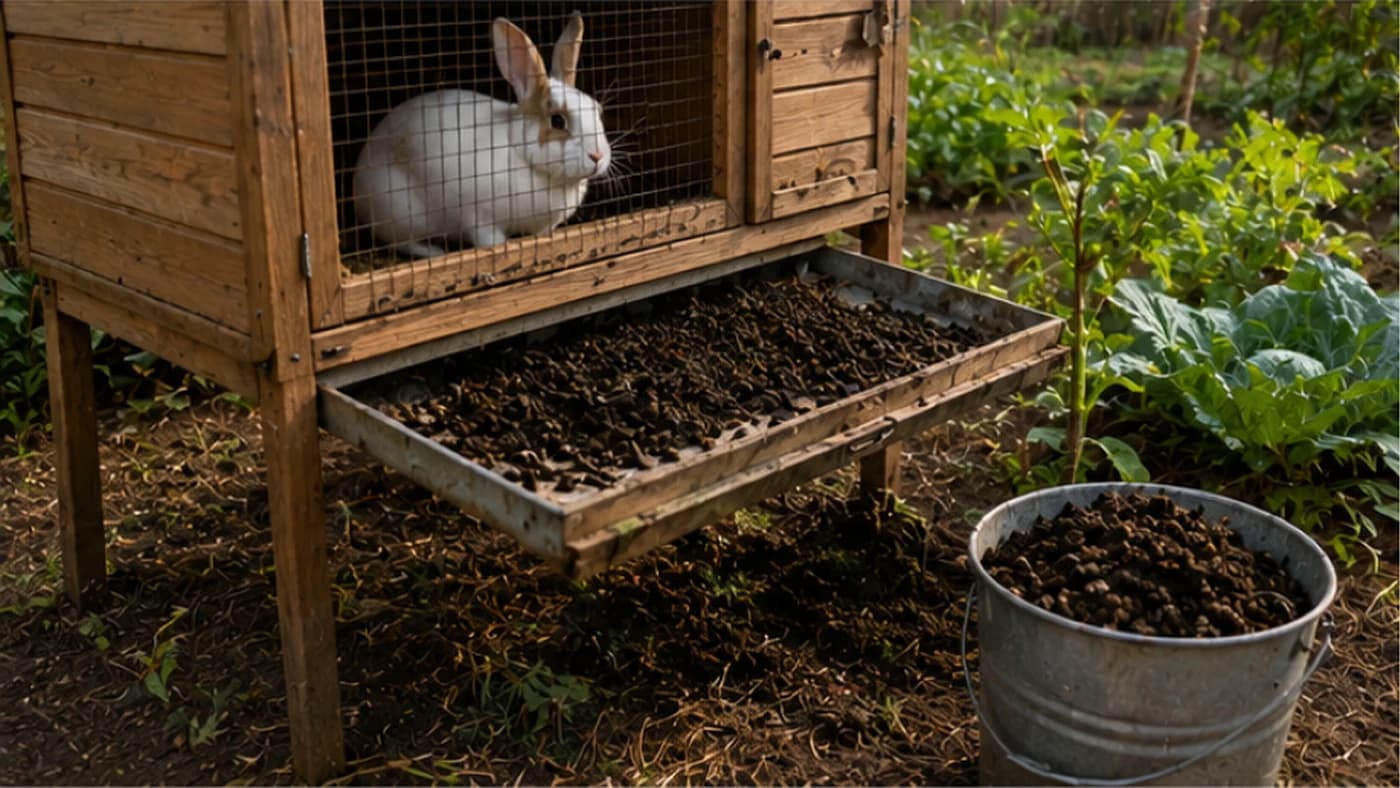
Turn Your Rabbit Hutch Into a Vermicompost Factory
Rabbit droppings are already one of the few manures safe to use fresh. Add a worm bed underneath the hutch, and you turn a daily cleaning chore into a steady supply of premium vermicompost — with far less smell and far fewer flies.
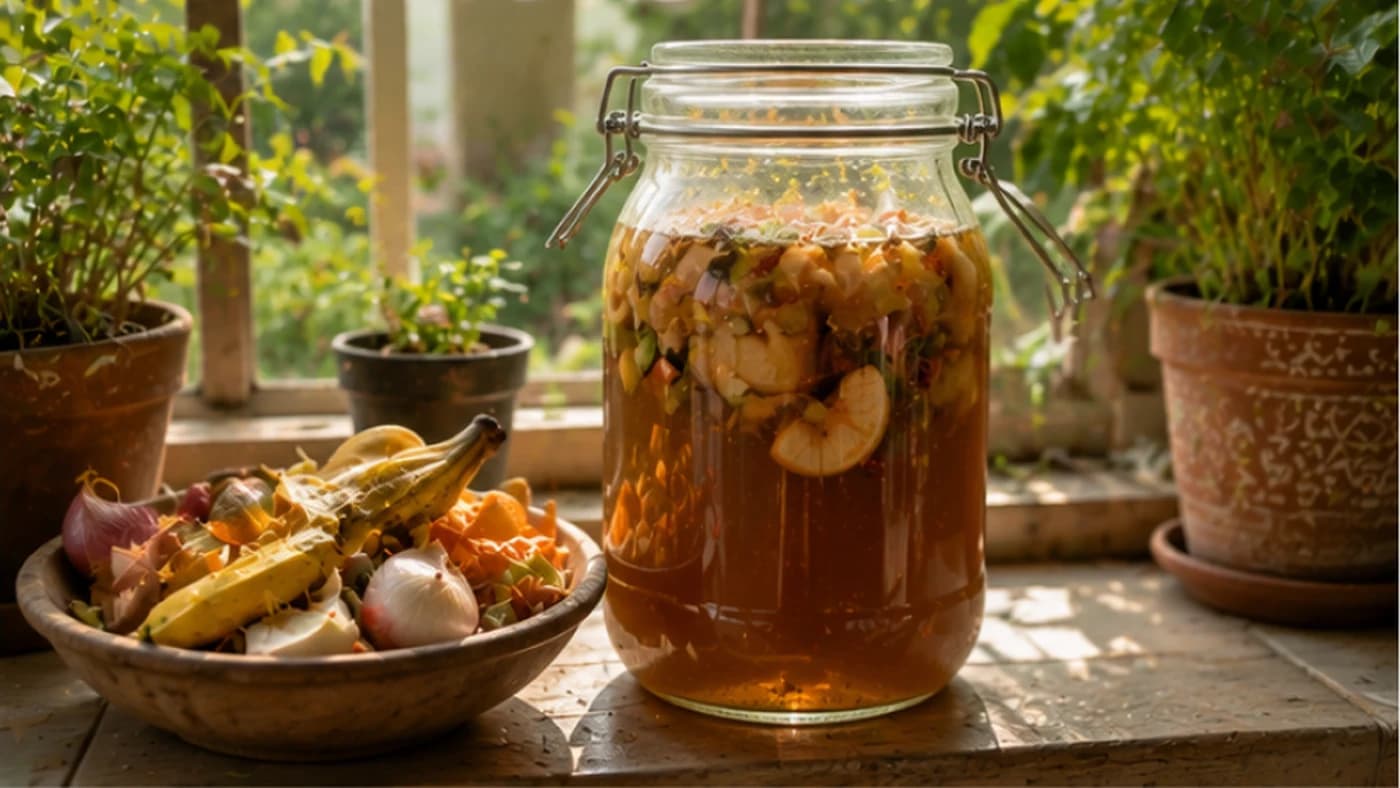
DIY Kitchen Waste Fertiliser: Turn Peels and Scraps Into Plant Food
Banana peels, eggshells, tea leaves and vegetable trimmings are a free source of nitrogen, phosphorus and potassium. Here are three simple, low-cost ways to turn kitchen waste into fertiliser for your garden or fields.
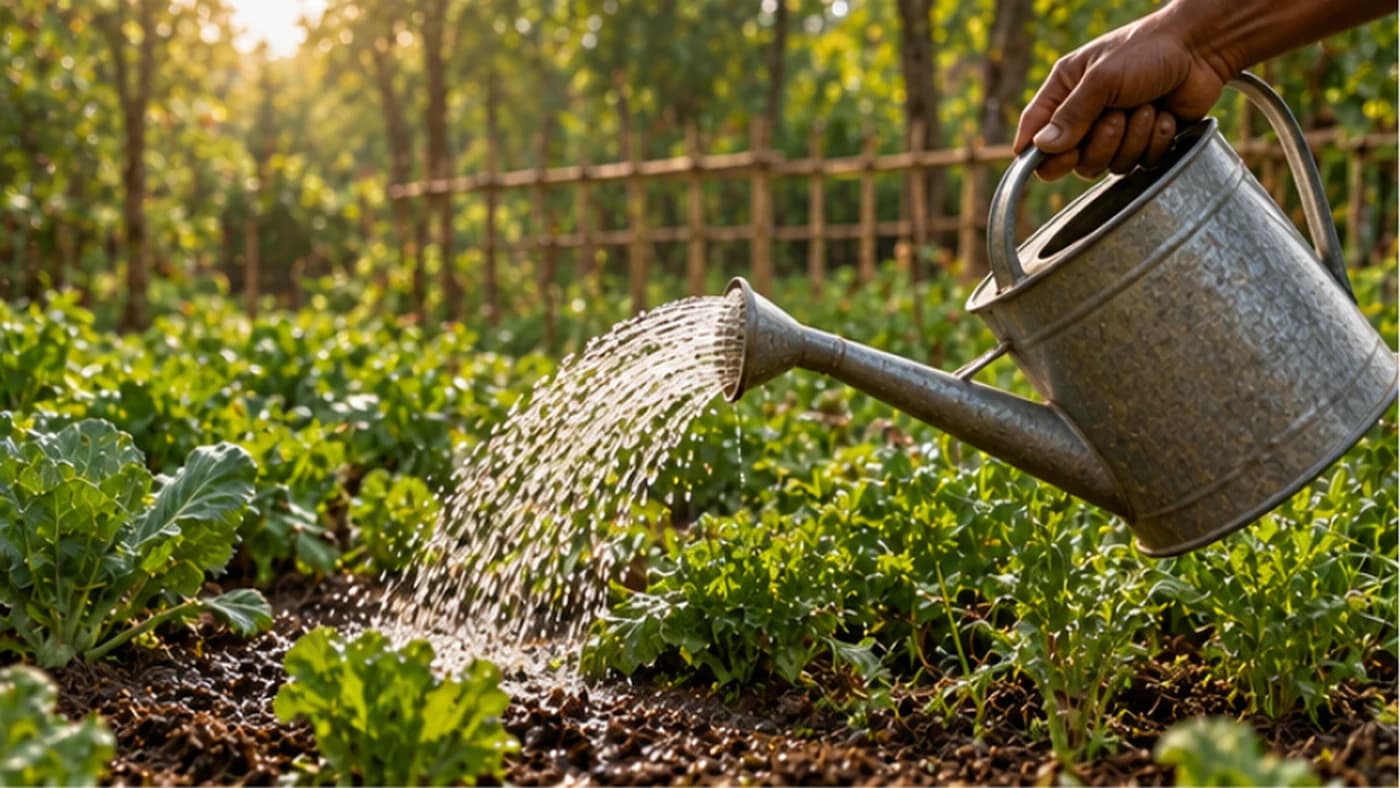
Using Urine as Garden Fertiliser: The Free Nitrogen You're Flushing Away
Human urine is roughly 95% water and 5% urea, nitrogen, phosphorus and potassium — a fast-acting, completely free liquid fertiliser most people pour down the drain every day. Diluted and used correctly, it can match synthetic NPK feed at zero cost.