

How to Increase Cotton Yield Per Acre in India
Yields differ hugely between fields in the same village — and it's rarely luck. Good seed, correct spacing, timely water and weekly scouting lift cotton yield without a fortune in inputs.
Quick answer
Higher cotton yield rarely comes from one magic input. It comes from good seed, correct spacing, balanced nutrition based on a soil test, timely water at flowering and boll stages, weekly pest scouting, and doing every operation on time. Improve these year on year and your yield per acre will climb steadily.

Cotton is one of India's most important cash crops, but yields differ hugely from one field to the next — even in the same village. The difference usually isn't luck or land. It's a handful of decisions made at the right time. If you get the basics right, you can lift your cotton yield per acre without spending a fortune on extra inputs.
Start with the right variety and healthy seed
The single most important choice happens before sowing: the variety. Pick one suited to your region's rainfall, soil and pest pressure — not simply the one your neighbour used. Use certified, treated seed. It germinates evenly, resists early sucking pests better, and gives you a uniform crop that is easier to manage. Cheap or leftover seed is the most expensive saving a cotton farmer can make, because a poor plant stand caps your yield from day one.
Get plant spacing right
Many farmers lose yield simply because their plants are too close together. Overcrowded cotton competes for sunlight, water and nutrients, grows a dense canopy that traps humidity, and becomes a magnet for disease. Too few plants, on the other hand, waste land. Follow the recommended row-to-row and plant-to-plant spacing for your variety. Correct spacing keeps the canopy open, lets sunlight reach the lower bolls, improves air movement, and makes spraying and picking easier. This one adjustment often adds noticeable yield at zero cost.
Feed the soil, not just the plant
Before the season, test your soil so you apply only what is actually missing. Cotton needs a balance of nitrogen, phosphorus and potassium, but pouring on extra nitrogen produces tall, leafy plants with fewer bolls and more pest problems. Add organic matter — farmyard manure or compost — to improve the soil's ability to hold water and grow strong roots. Healthy soil is the foundation of every good cotton crop.
Water at the critical stages
Cotton is most sensitive to water stress at three moments: squaring, flowering and boll development. A single missed irrigation during flowering can sharply reduce your final yield. If you can, switch to drip irrigation. It delivers water directly to the roots, saves a large share of your water, and keeps the crop steady through dry spells — which also improves fibre quality and price.
Scout for pests every week
Sucking pests and bollworm cause the most damage when they are noticed late. Walk your field once a week, look under the leaves, and check the buds and bolls. Act early using a combination of natural methods and, only when pest numbers cross the threshold, a targeted spray. Blanket spraying on a fixed schedule wastes money, kills helpful insects, and breeds resistant pests.
Time every operation
Sow within the correct window. Keep the field weed-free during the first two months, when weeds compete hardest. Pick cotton clean and dry to protect both yield and price. Late weeding alone can quietly steal a big share of your potential harvest.
Terms explained in this guide
Frequently asked
What is a good cotton yield per acre in India?+
It varies by region, irrigation and variety, so focus on improving your own baseline every season rather than chasing a fixed number.
Does drip irrigation increase cotton yield?+
Yes — steady moisture at flowering and boll stages reduces stress and commonly improves both yield and fibre quality while saving water.
How do I control bollworm?+
Scout weekly, use pheromone traps, encourage natural predators, and spray only when pests cross the economic threshold, rotating chemical groups to avoid resistance.
Where to go next
Want this as daily tasks for your farm?
Khetiyaar turns guides like this into a day-by-day plan — in your language, free to start.

Related guides
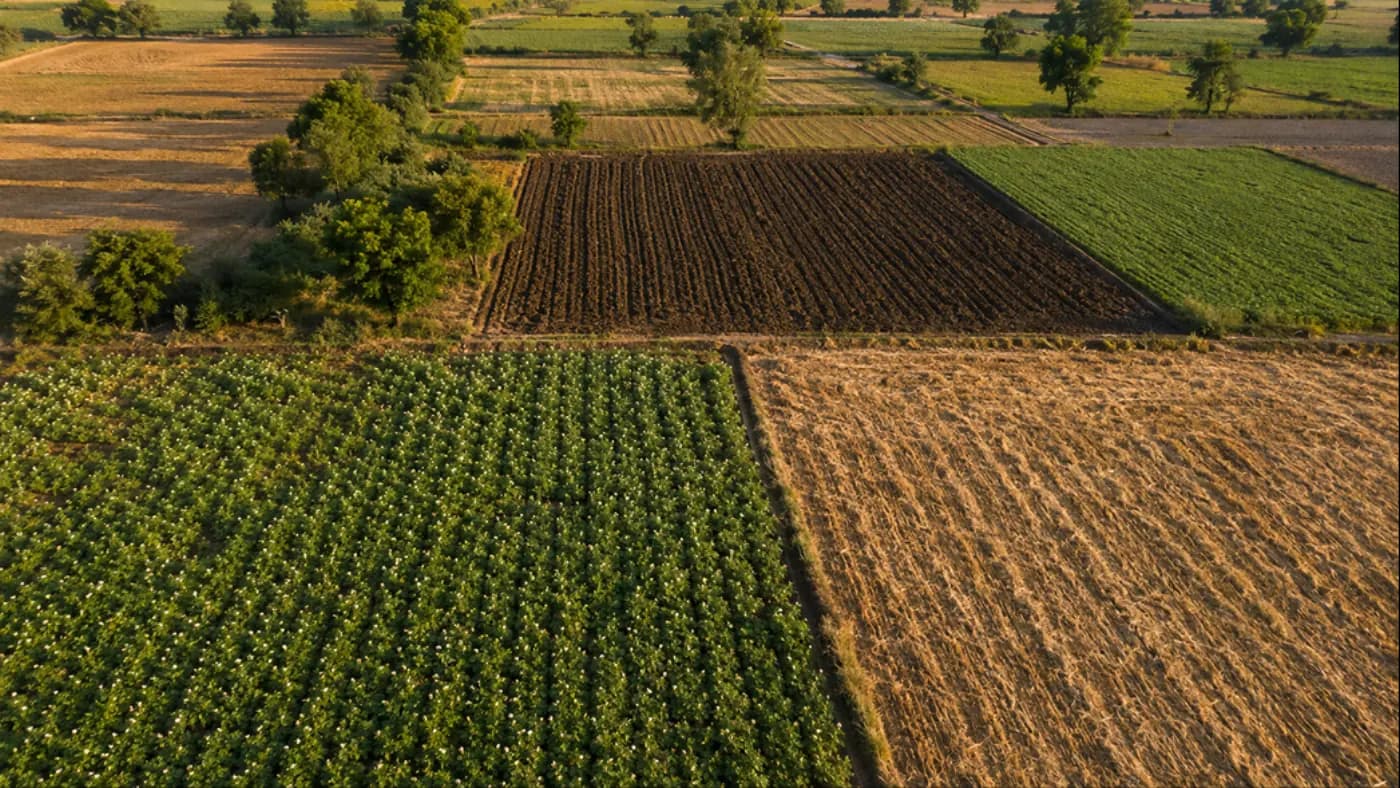
Crop Rotation: Which Crop After Which, and Which to Never Repeat
The cheapest pest control and the cheapest fertiliser on your farm are the same thing — deciding what follows what. The three rules, the crop families you must not repeat, and what your soil type allows.
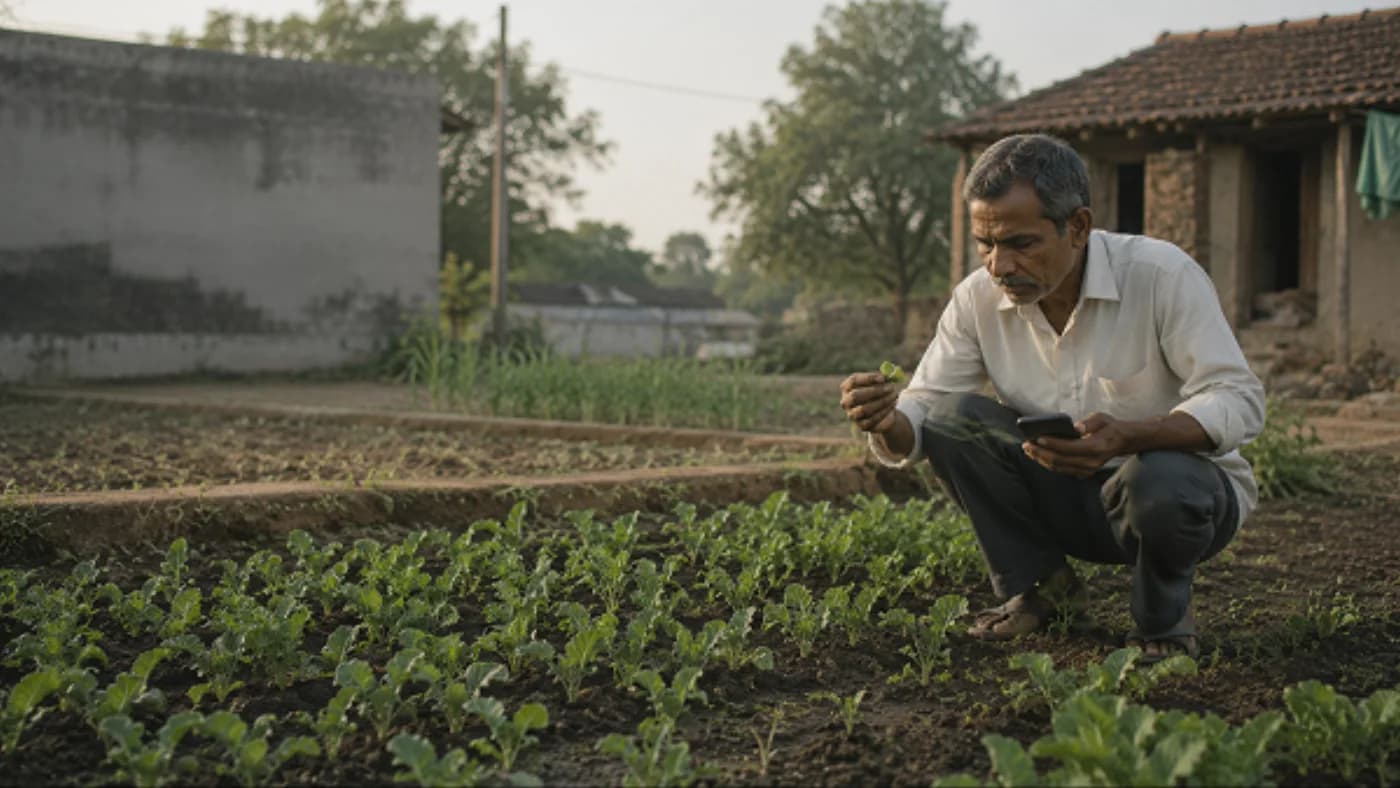
Precision Farming on Two Acres: What Is Worth It and What Is Not
Precision agriculture was built for hundreds of acres. Some of it now reaches two. Here is which tools repay the effort on a smallholding, which are marginal, and which are simply not for you yet.
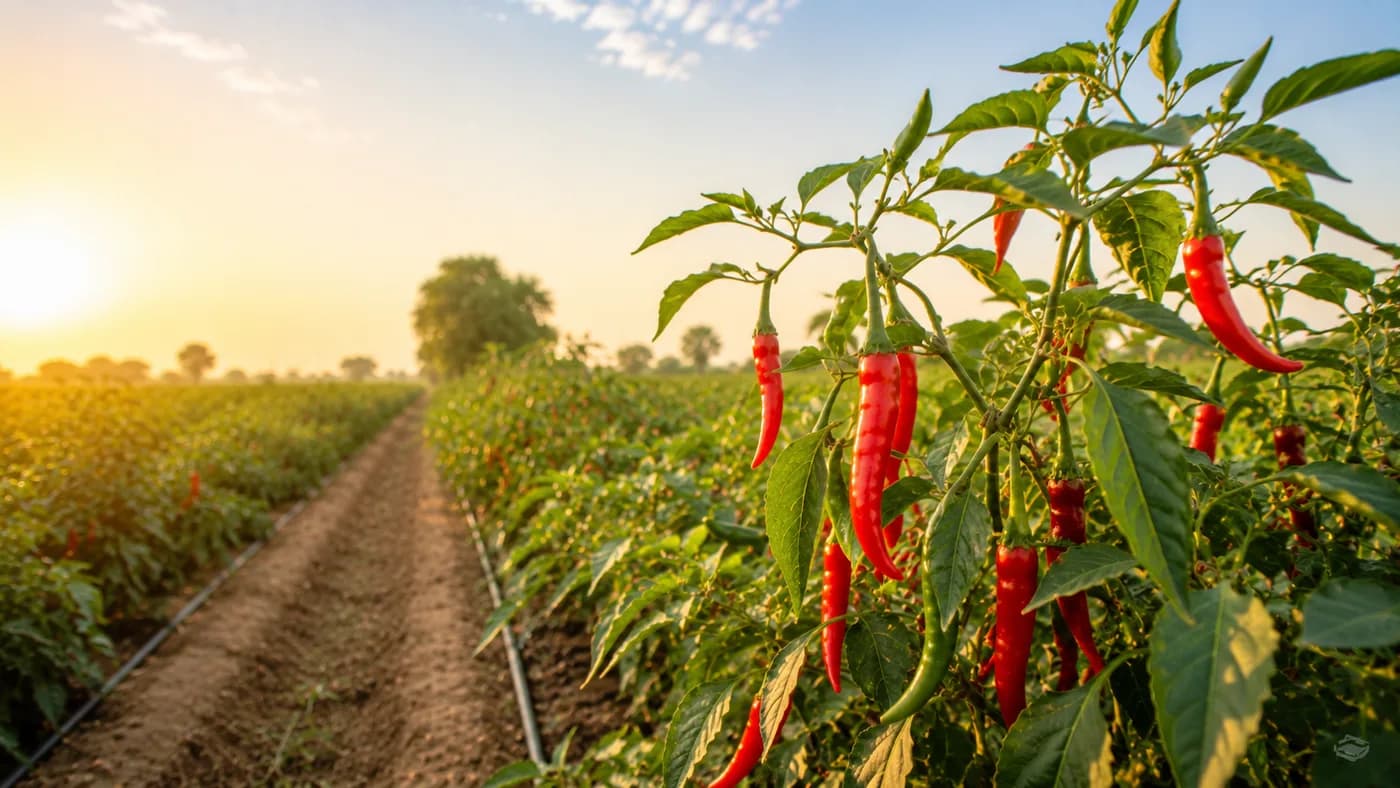
Chilli Farming Guide: Higher Yield and Disease Control
Chilli is profitable but disease-prone. Winning the daily battle against thrips, leaf curl and fruit rot is the theme of good chilli farming.