

How to Start Organic Farming in India
Organic can lower input costs, rebuild soil and earn premium prices — but only with a planned transition, not an overnight switch.
Quick answer
Start organic farming by understanding the approach, converting a small plot first, rebuilding your soil with organic matter, managing pests naturally, keeping records, and selling where organic earns a premium. Treat it as a planned transition, not an overnight switch, and it can be both sustainable and profitable.
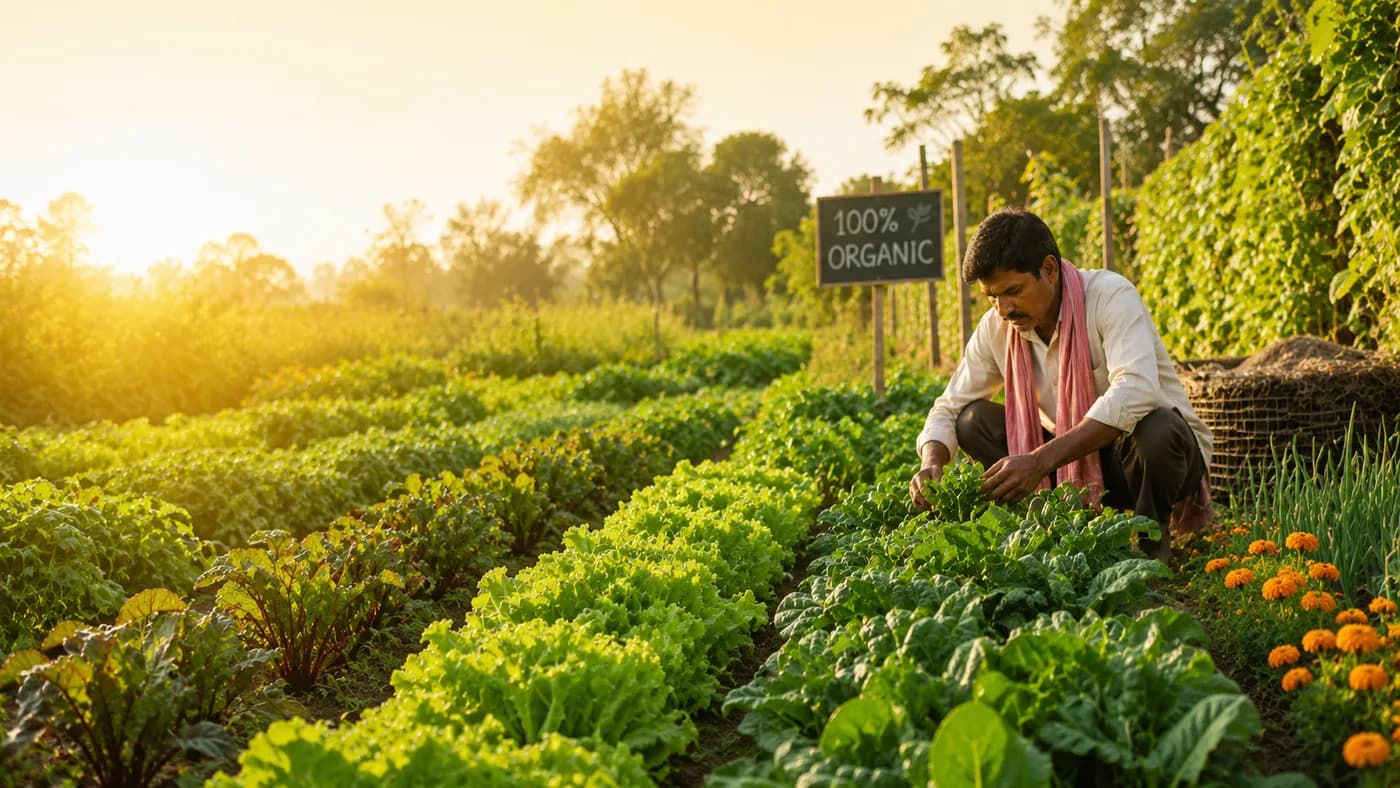
Organic farming can lower your input costs, rebuild your soil, and earn a premium price for your produce — but only if you plan the change carefully. Switching overnight often disappoints, while a well-managed transition sets you up for lasting success. Here is how to begin.
Understand what organic really means
Organic farming means growing without synthetic fertilisers or pesticides. Instead, you build soil fertility with compost, farmyard manure, vermicompost and green manure, and you manage pests with natural methods and Integrated Pest Management. The focus shifts from feeding the plant with chemicals to feeding the soil, which then feeds the plant.
Start small and transition gradually
Do not convert your whole farm at once. Begin with a small plot. Soil takes time to rebuild its biological life, and yields may dip in the first season or two before recovering. Starting small keeps the risk manageable while you learn the new methods.
Rebuild the soil
In organic farming, your fertiliser is organic matter. Compost, farmyard manure, vermicompost, green manure and crop rotation become your main tools. Healthy, living soil is the entire foundation — get this right and everything else follows.
Manage pests naturally
Use neem sprays, sticky and pheromone traps, natural enemies, companion planting and hand-picking, guided by the principles of IPM. Prevention and early action matter even more in organic farming than in conventional farming.
Keep records and consider certification
Premium buyers and organic certification both require records of what you applied and how you grew the crop, so start noting them from day one. For access to premium markets and exports, look into certification such as India's Participatory Guarantee System or third-party organic certification.
Sell where organic is valued
Genuine organic produce earns more when sold to the right buyers. Direct sales, farmer markets and dedicated organic buyers pay a premium that the ordinary mandi will not. Finding these markets is part of making organic farming profitable.
Terms explained in this guide
Frequently asked
How do I start organic farming as a beginner?+
Start with a small plot, rebuild soil with compost and green manure, use natural pest control, keep records, and sell where organic earns a premium.
How long does it take to convert to organic?+
Soil and yields usually take a few seasons to stabilise, and certification has its own conversion period.
Is organic farming profitable in India?+
It can be — lower input costs plus premium prices help, but it needs good soil management and the right market.
Where to go next
- Organic farming appPlan a chemical-free season with organic inputs and natural pest control.
- AI farming chatbotAsk any farming question in Gujarati, Hindi or English and get an answer in seconds.
- Agri Bazar marketplaceBuy and sell animals, crops, equipment and dairy near you — and see what buyers want today.
Want this as daily tasks for your farm?
Khetiyaar turns guides like this into a day-by-day plan — in your language, free to start.

Related guides
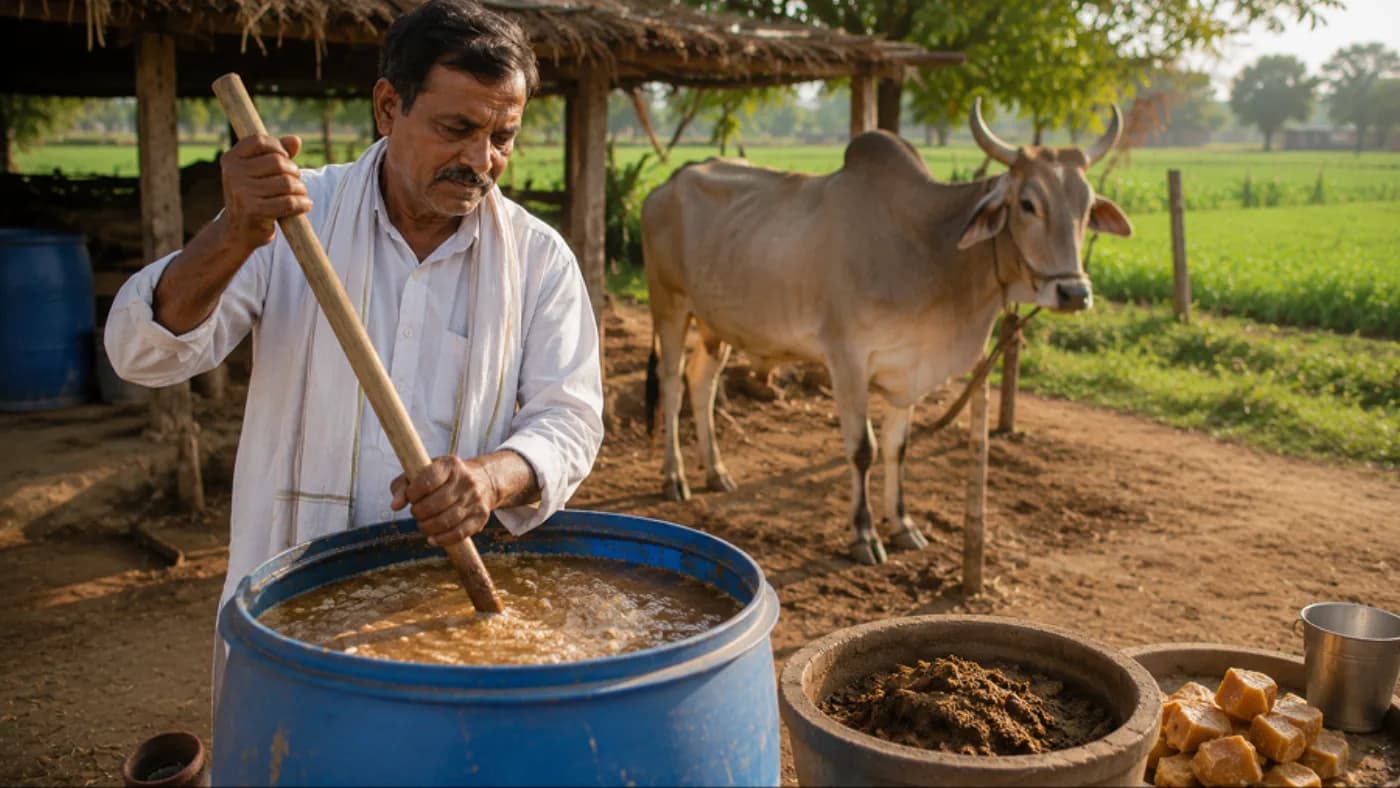
Natural Farming vs Organic Farming: What Actually Differs, and Which Suits Your Land
The two terms are used interchangeably and they are not the same thing. One is a certification system that lets you sell at a premium; the other is a low-input philosophy that cuts your cost to near zero. Choosing wrong costs you either money or a market.
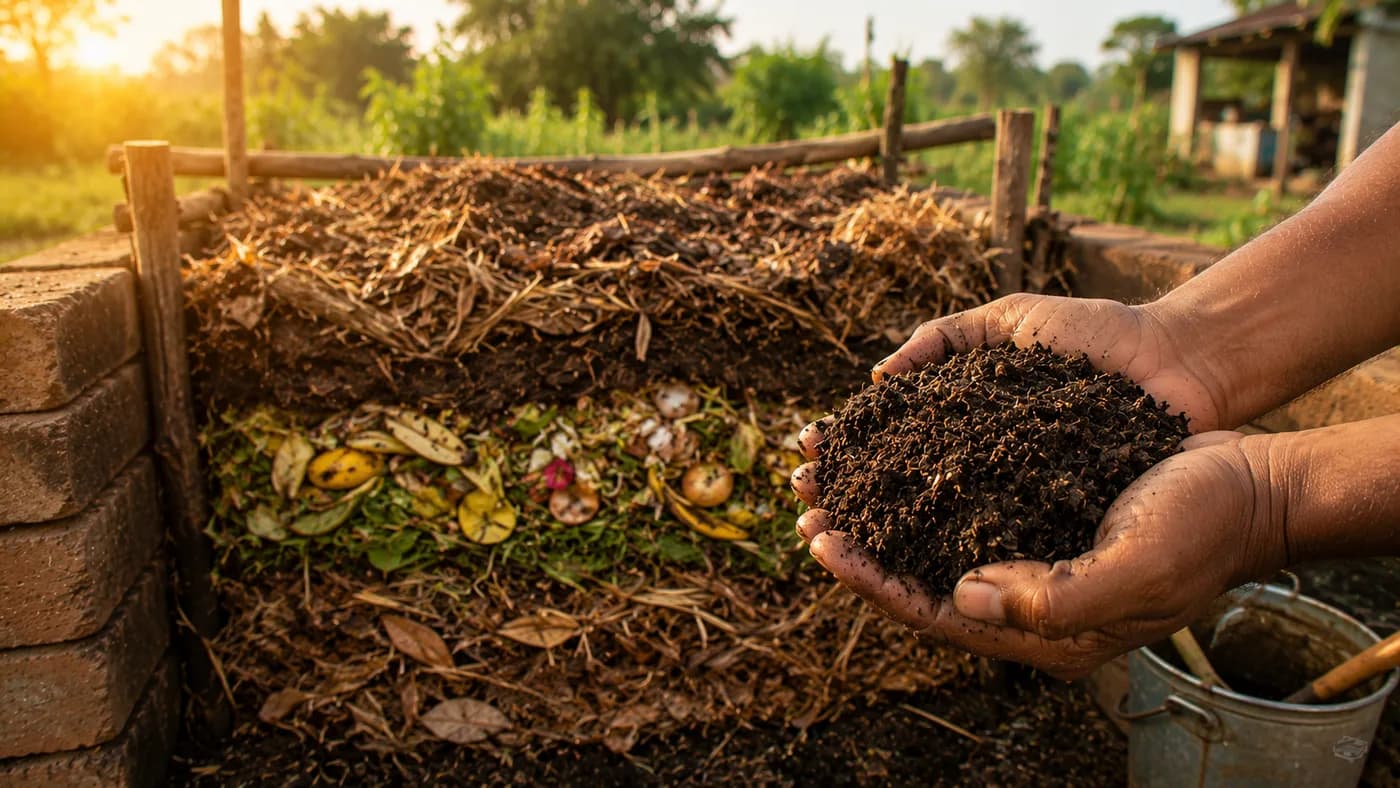
Composting at Home: Turn Waste Into Gold for Your Farm
The best fertiliser is often free, made from waste you already have. Layer browns and greens, keep the pile moist, and in months you have rich compost.
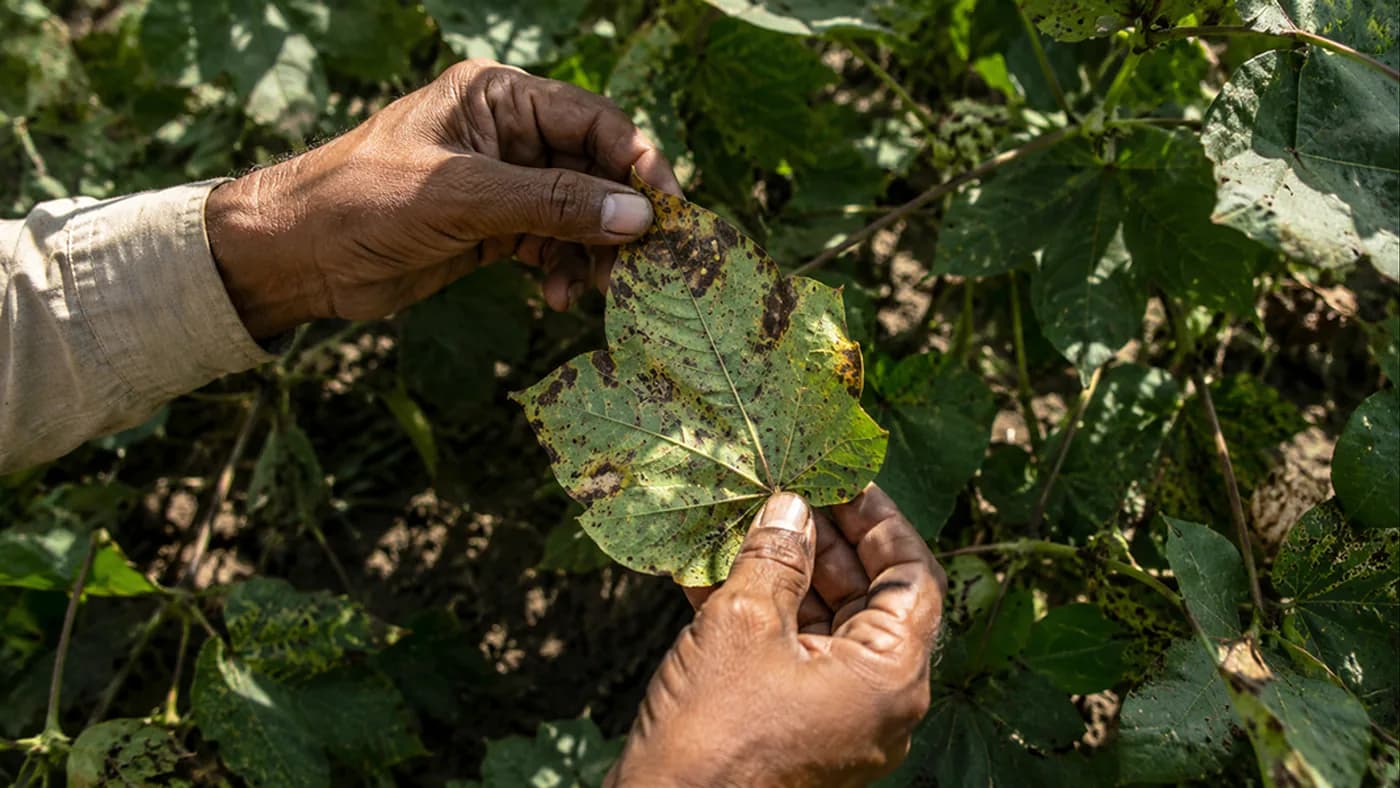
Do AI Farming Apps Actually Work? An Honest Assessment
Five different capabilities are sold under the word AI, and they have wildly different reliability. Photo disease diagnosis scores above 95% in the lab and commonly 70-80% on real field photos. Judge each feature separately.