

Tomato Farming: A Complete Guide for Indian Farmers
Tomato is high-value but demanding. Strong seedlings, steady water, staking and early disease action separate the farmers who earn well from those who lose the crop.
Quick answer
Tomato profit comes from a strong nursery, generous spacing, staking, steady drip water, and early disease action — especially against blight and leaf curl. Watch the crop daily; tomatoes reward attention more than almost any other vegetable.
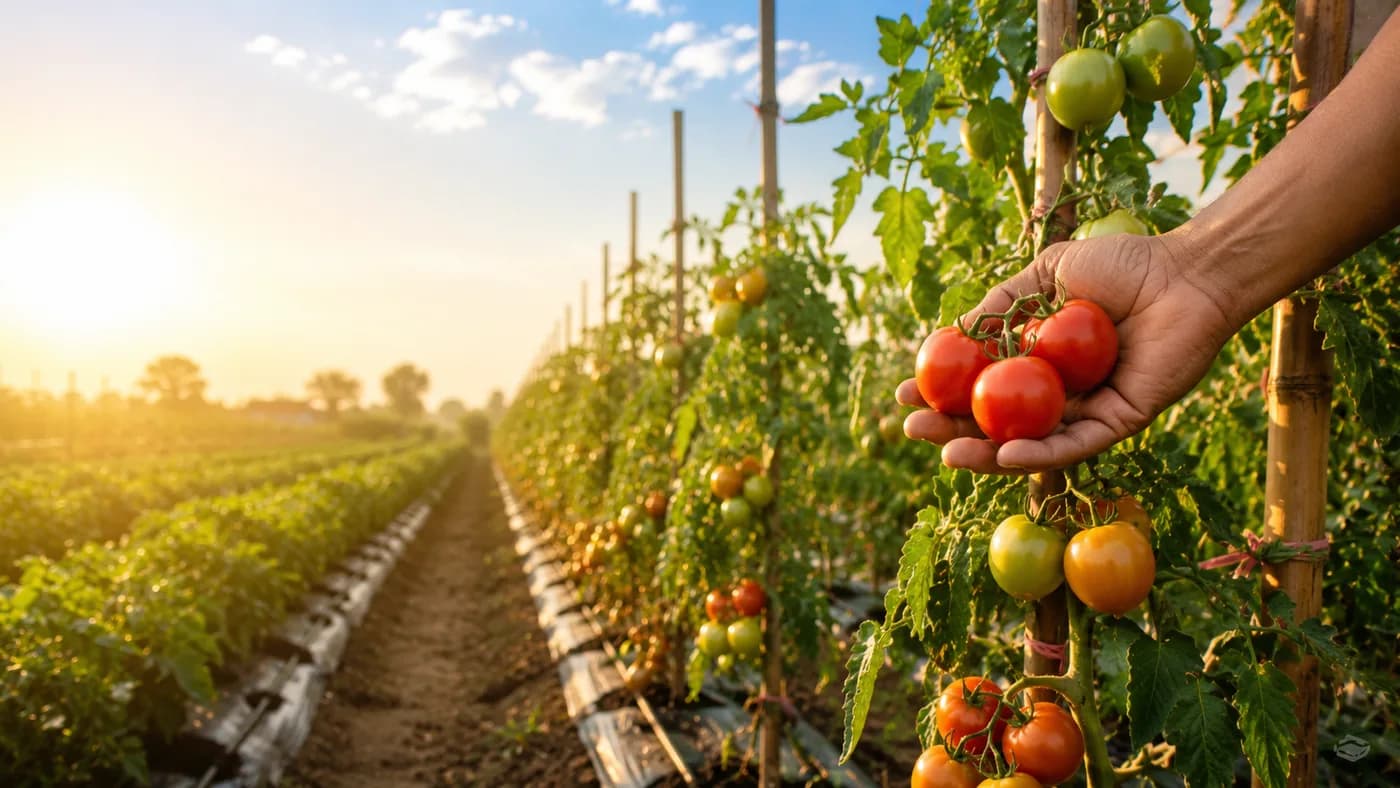
Tomato is a high-value crop, but it is also demanding. The farmers who earn well are the ones who raise strong seedlings, keep water steady, stake their plants, and stay ahead of disease. Neglect any of these and a promising crop can collapse quickly.
Raise a strong nursery
Everything begins in the nursery. Use a clean seedbed or pro-trays, quality seed, and a light, well-drained medium. Protect young seedlings from damping-off, a fungal problem that kills them at the base. Before transplanting, harden the seedlings by gradually exposing them to sun and reducing water so they don't suffer shock in the field.
Transplant with correct spacing
Give your plants room to breathe. Crowded tomatoes trap humidity and invite fungal disease. Transplant during the cooler part of the day, water them in well, and maintain the recommended spacing for airflow and easy movement between rows.
Stake and prune
Staking is one of the most profitable habits in tomato farming. It keeps the fruit off the soil — reducing rot and pest damage — improves airflow, and makes spraying and picking far easier. Remove the lowest leaves that touch the ground, as these are the first entry point for soil-borne disease.
Keep water steady
Tomatoes hate swings in moisture. Irregular watering causes fruit cracking and blossom-end rot, where the bottom of the fruit turns black. Drip irrigation solves this by delivering steady water to the roots while keeping the leaves dry, which also lowers disease pressure.
Stay ahead of the big diseases
The main threats are early blight, late blight and leaf curl. Early and late blight appear as spreading spots on leaves in humid weather; late blight can destroy a field in days. Leaf curl is a virus spread by whitefly, showing as curled, crinkled, yellowing leaves and stunted plants. Scout daily, control whitefly, remove infected plants, and treat at the first symptom rather than waiting.
Harvest for your market
Pick firmer, less ripe fruit for distant markets and riper fruit for local sale. Handle gently — every bruise lowers the price. Frequent, careful picking keeps quality and encourages continued production.
Terms explained in this guide
Frequently asked
Why are my tomato leaves curling?+
Usually leaf curl virus spread by whitefly, or water and heat stress; control whitefly and keep moisture steady.
How do I stop tomatoes from cracking?+
Keep soil moisture even — avoid the dry-then-flood pattern; drip irrigation and mulching help.
Is staking necessary?+
Yes; it reduces disease and fruit rot and raises marketable yield.
Where to go next
Want this as daily tasks for your farm?
Khetiyaar turns guides like this into a day-by-day plan — in your language, free to start.

Related guides

Common Crop Diseases in India and How to Identify Them
A problem spotted on day one is cheap to control; a week later it can take the whole field. Learn the tell-tale signs of blights, rusts, wilts and viruses.
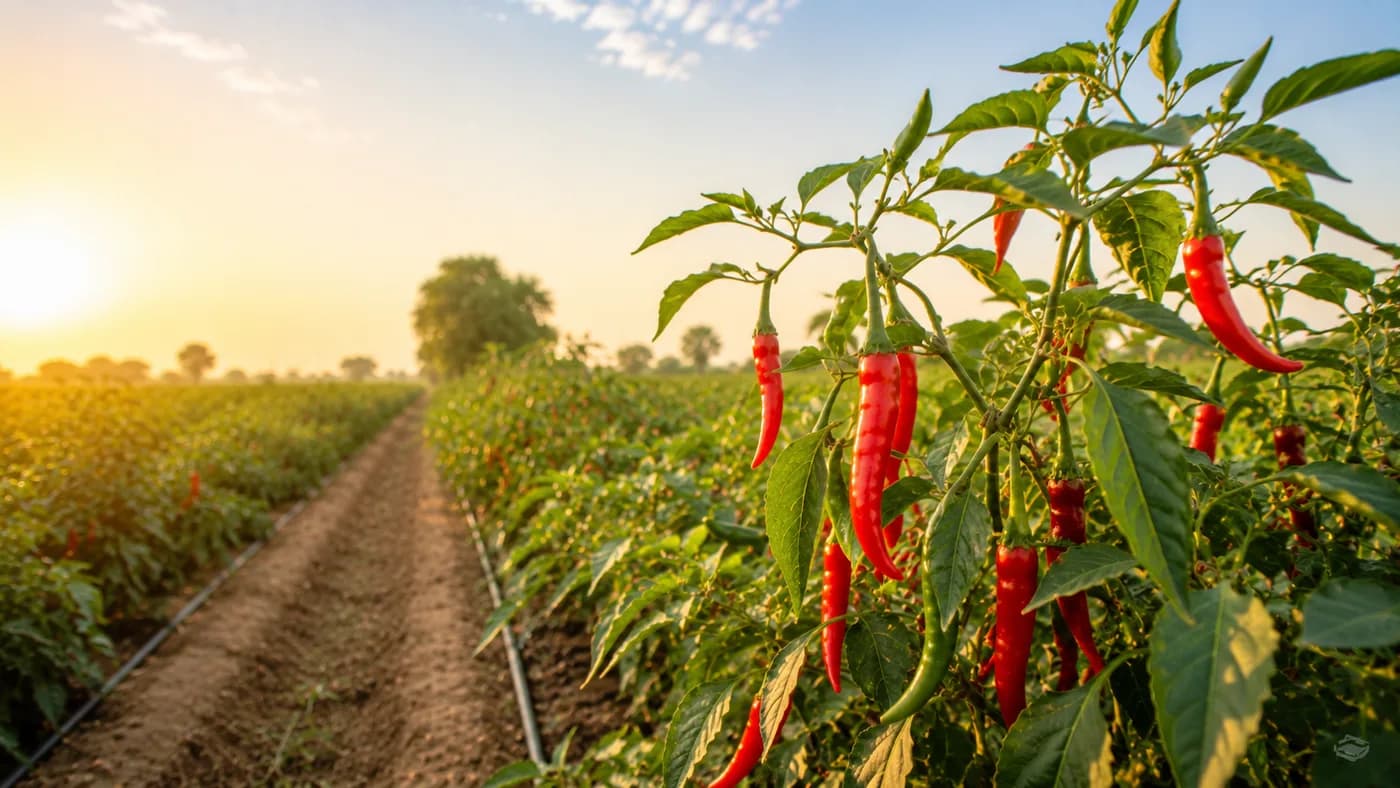
Chilli Farming Guide: Higher Yield and Disease Control
Chilli is profitable but disease-prone. Winning the daily battle against thrips, leaf curl and fruit rot is the theme of good chilli farming.
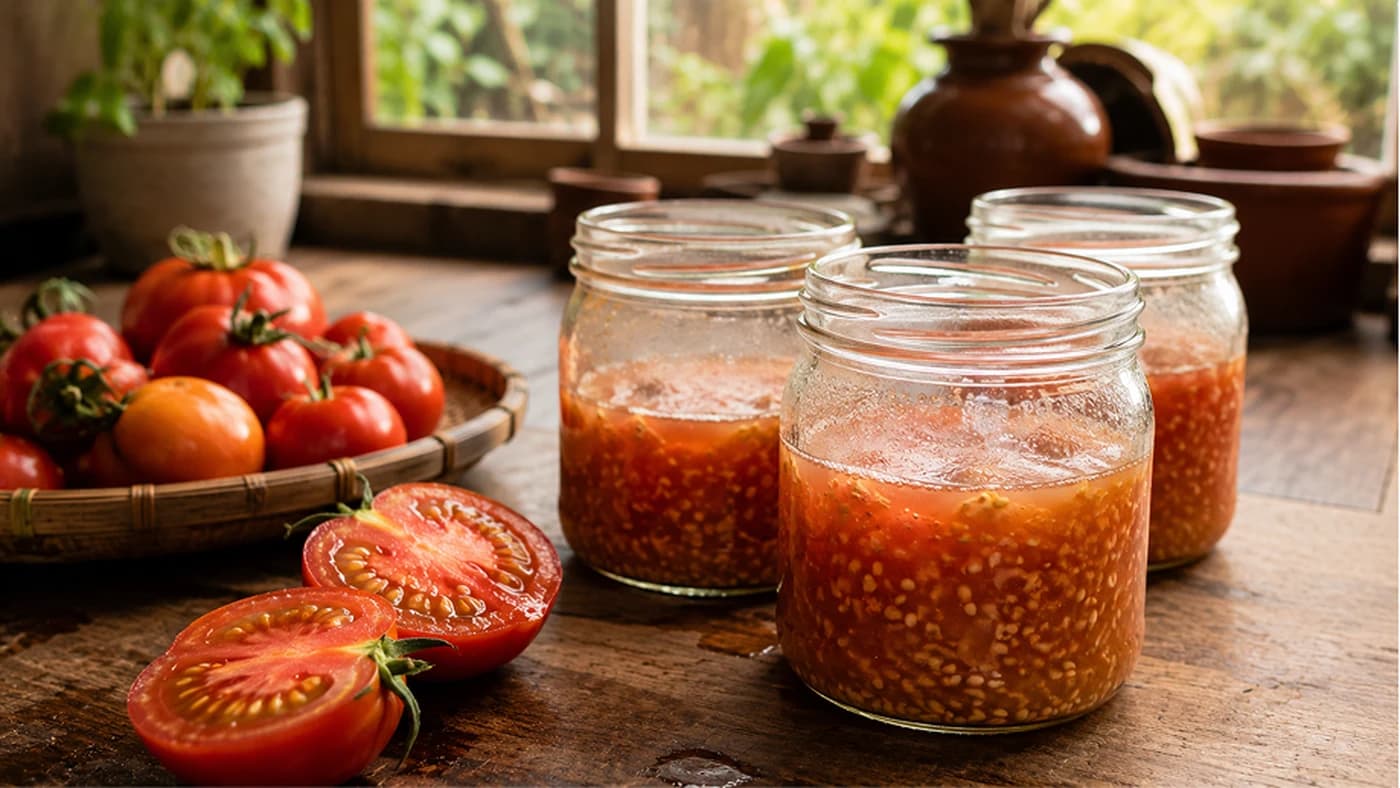
How to Save Tomato Seeds Using Fermentation (95%+ Germination)
Scrubbing tomato seeds by hand still leaves the germination-blocking gel behind. A simple 2-3 day ferment does what scrubbing can't — cleaner seeds, fewer diseases, and far higher germination.